Bikes close to a grand were nearing the point of extinction just a few years ago, but Merida has given this endangered species a fighting chance with this entry level model of its do-a bit-of-everything road bike range. The Merida Scultura Endurance 200 pairs a quality aluminium alloy frame with a carbon fork, alongside a decent spec list for this £1,250 price tag.
Merida Scultura Endurance 200: The ride
The Scultura Endurance range is designed as a versatile collection of road bikes, verging on the ‘all road’ with a maximum tyre clearance of 35mm.
The geometry is relaxed thanks to a tall front end and a shorter top tube than pure race bikes. This results in a less aggressive ride position, while an extended wheelbase brings composure and stability.

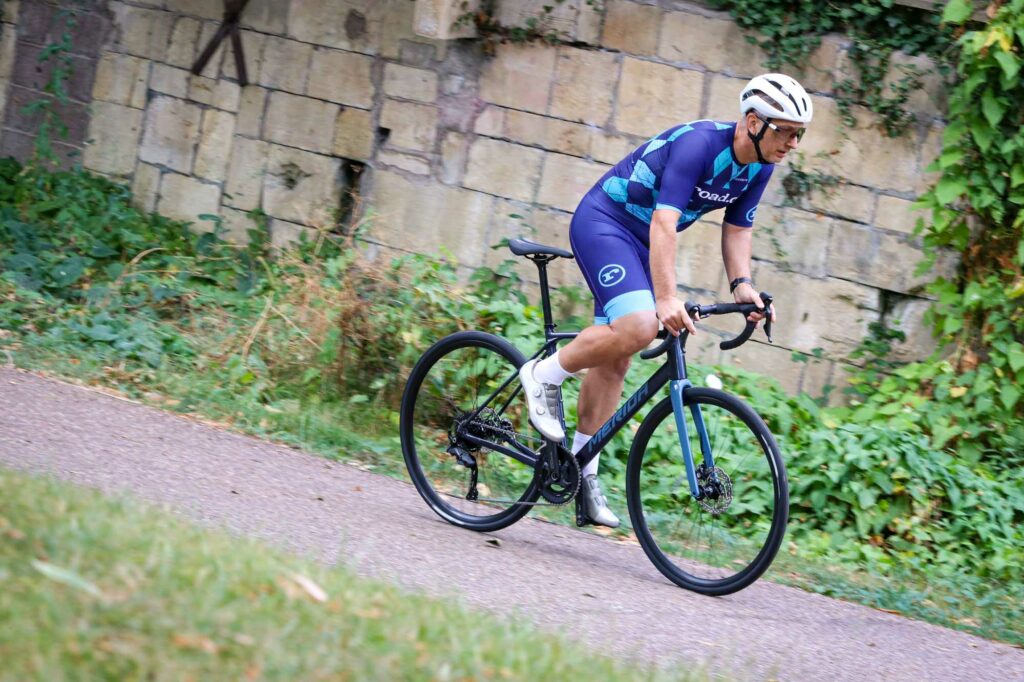
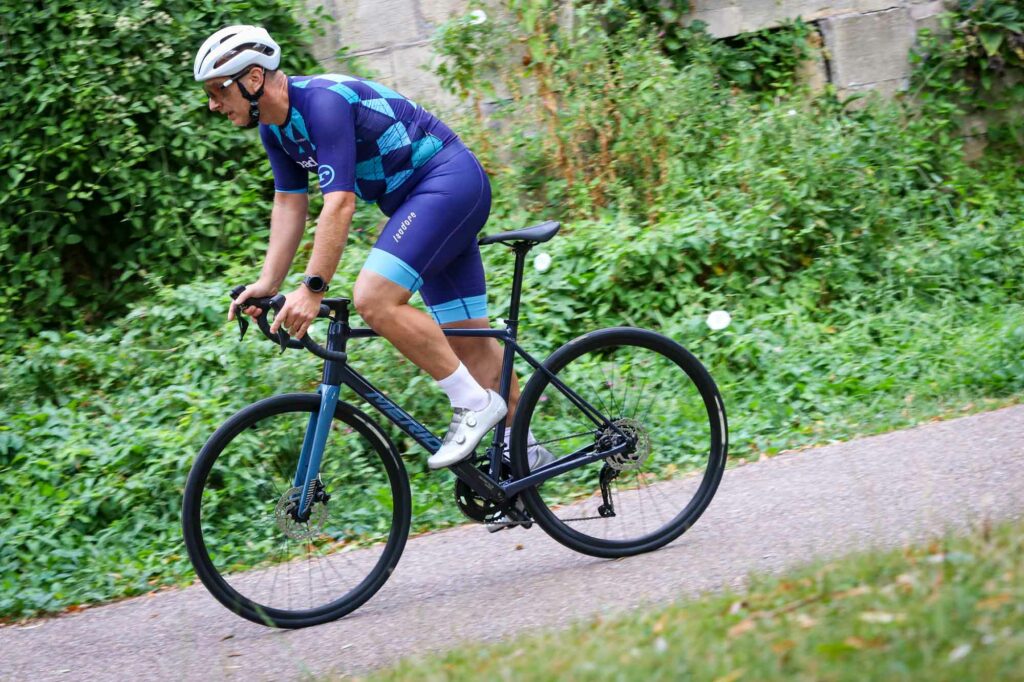
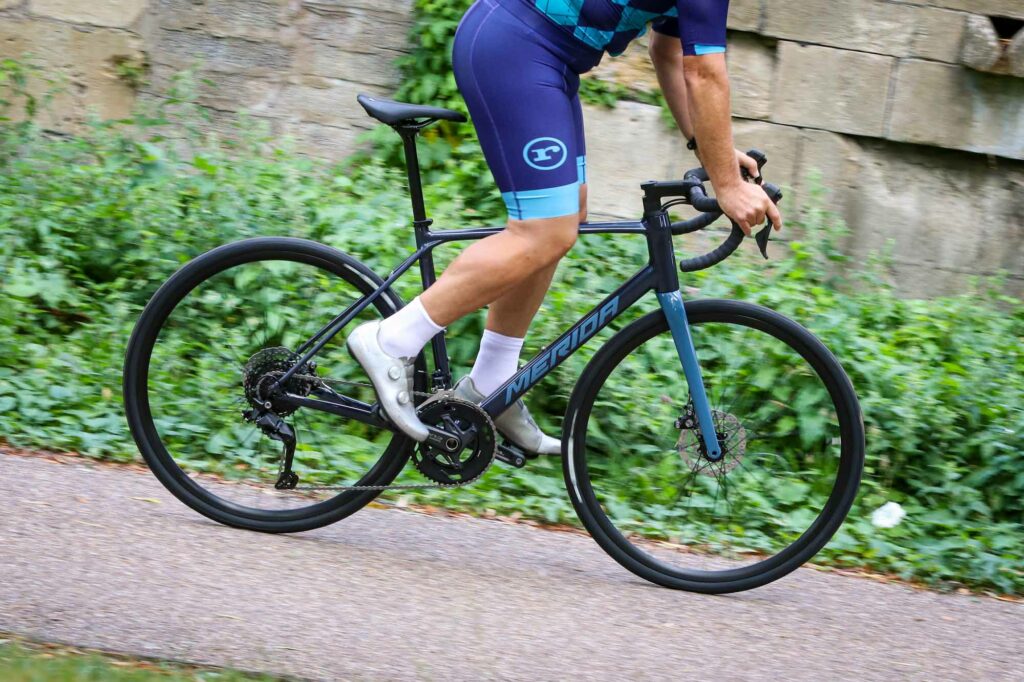
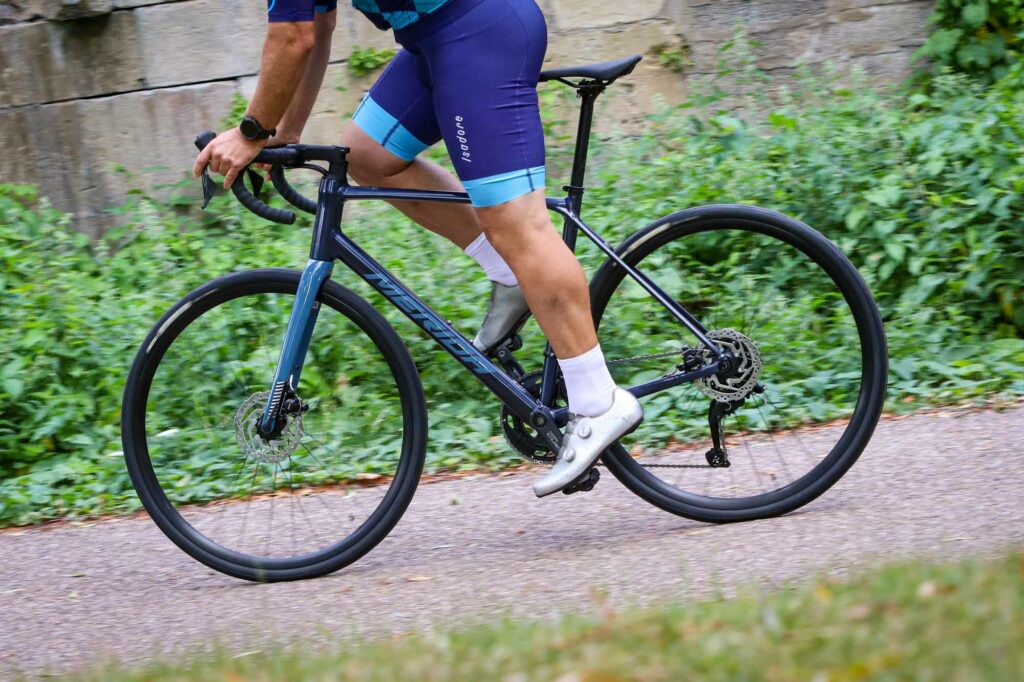
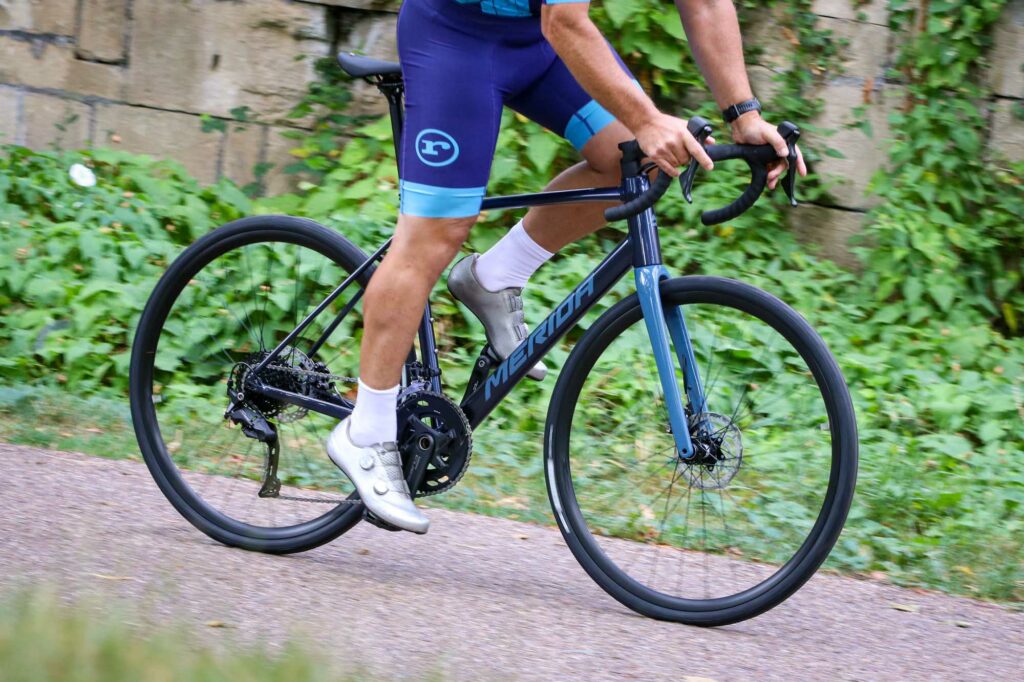
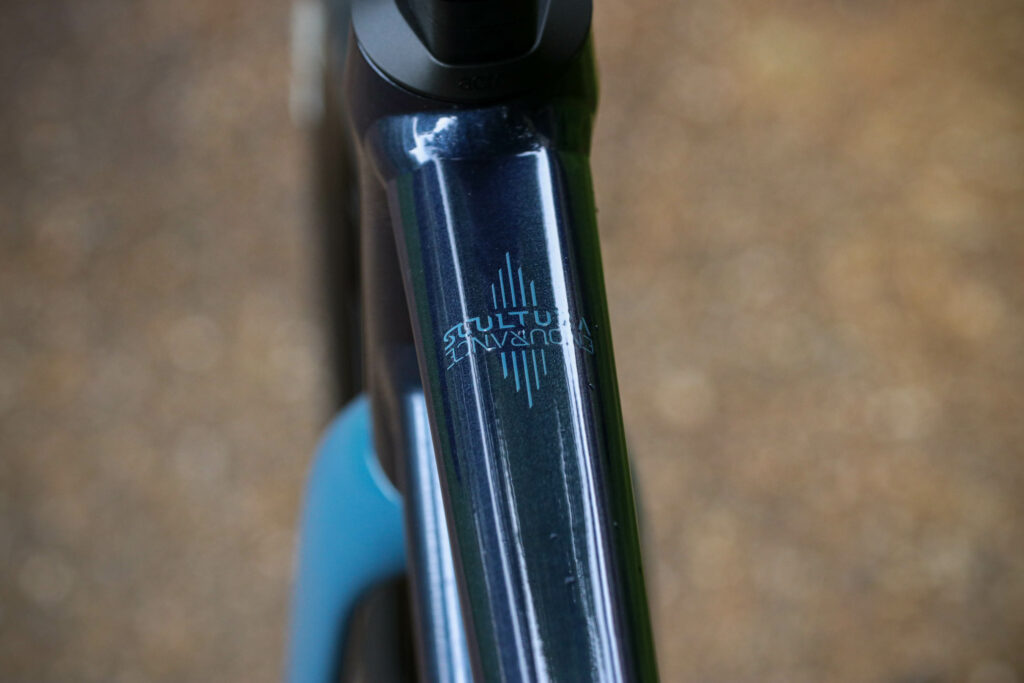
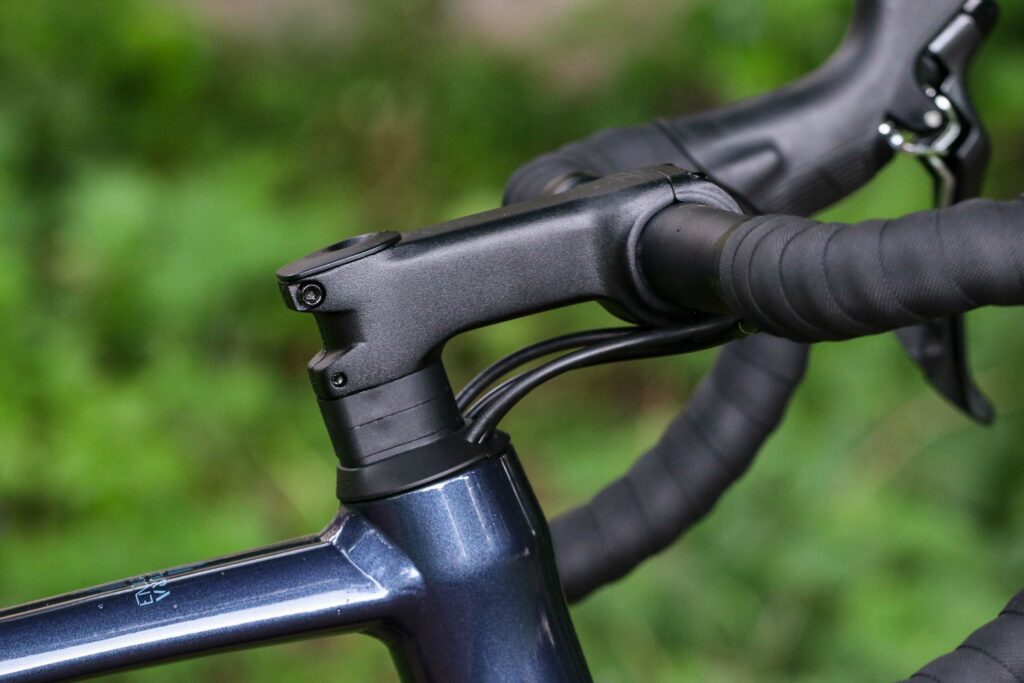
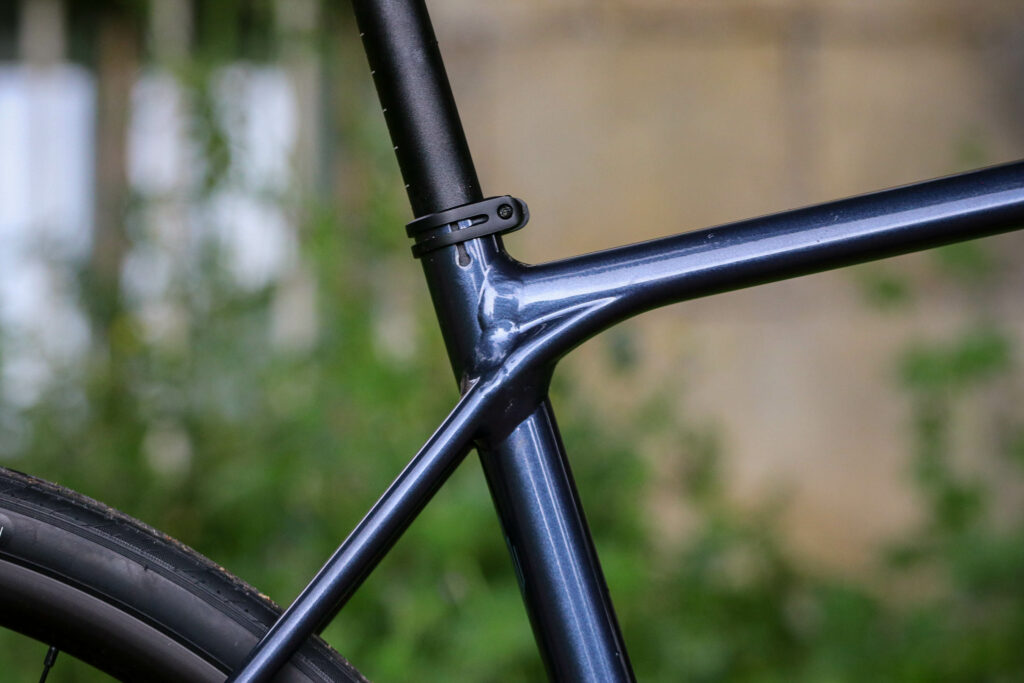
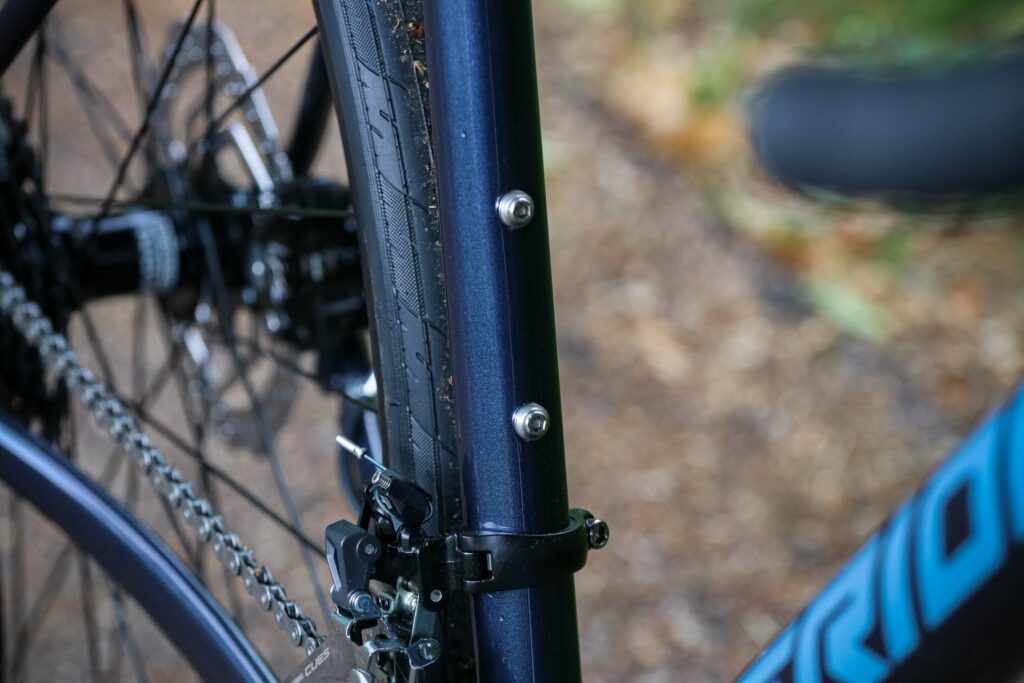
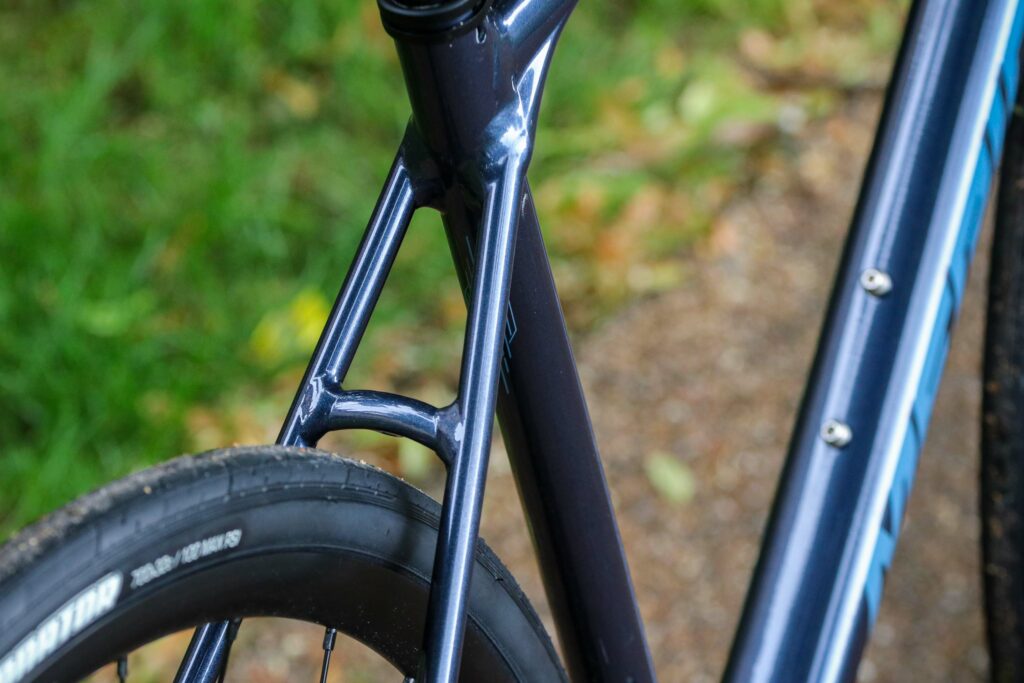
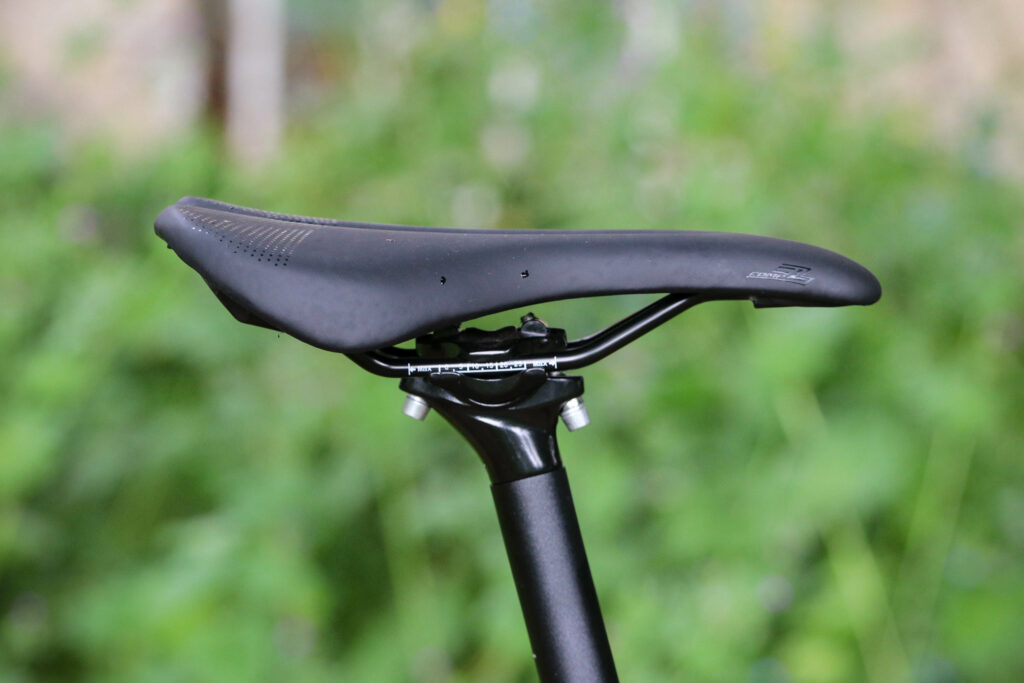
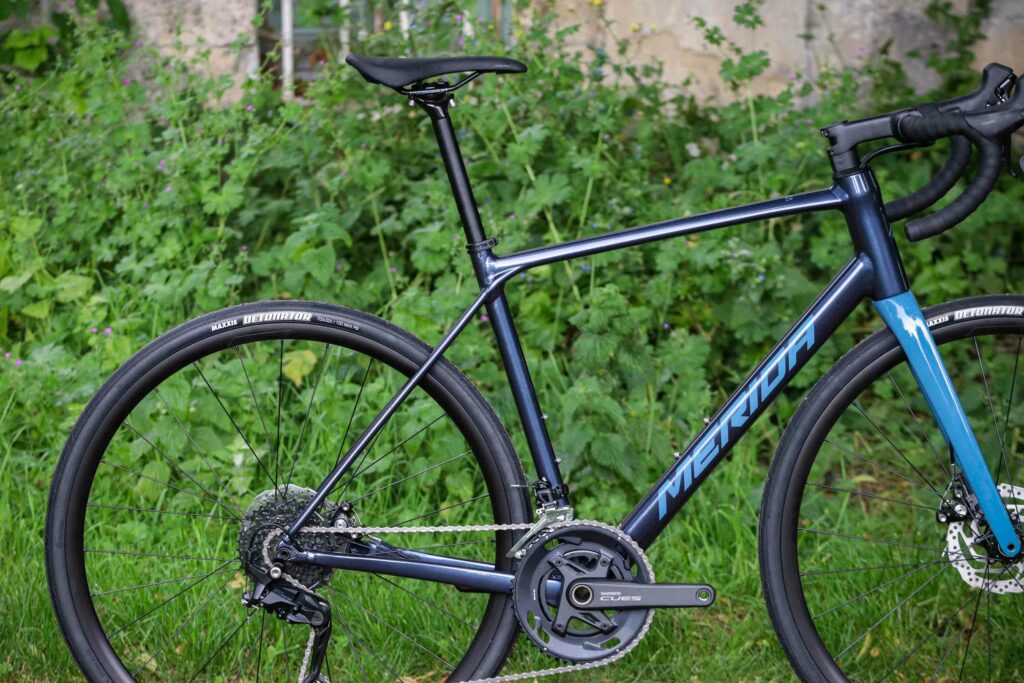
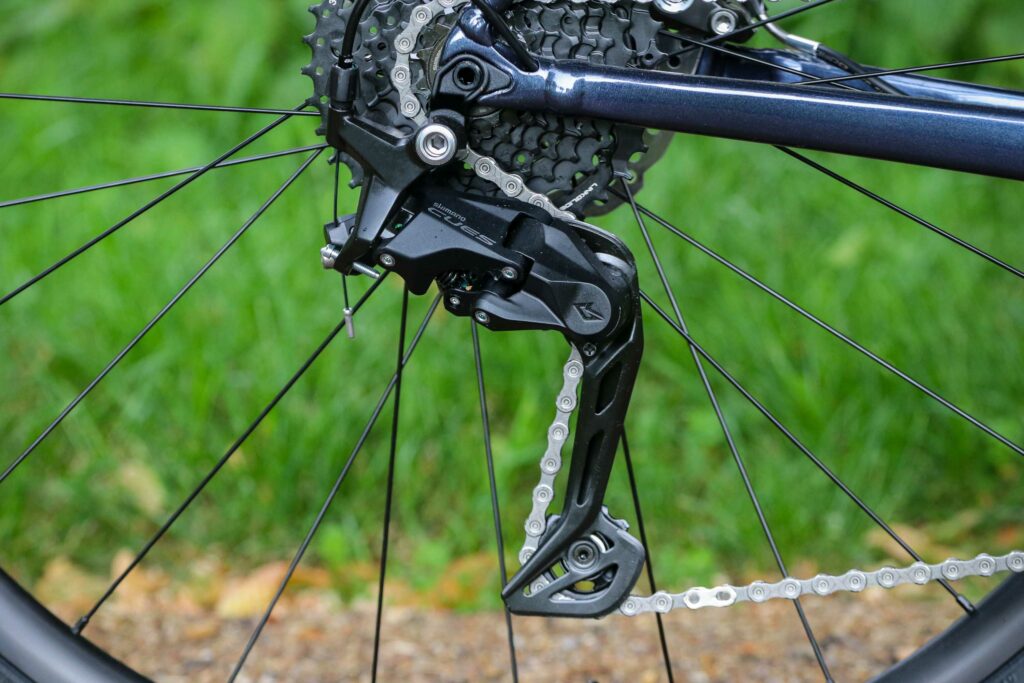
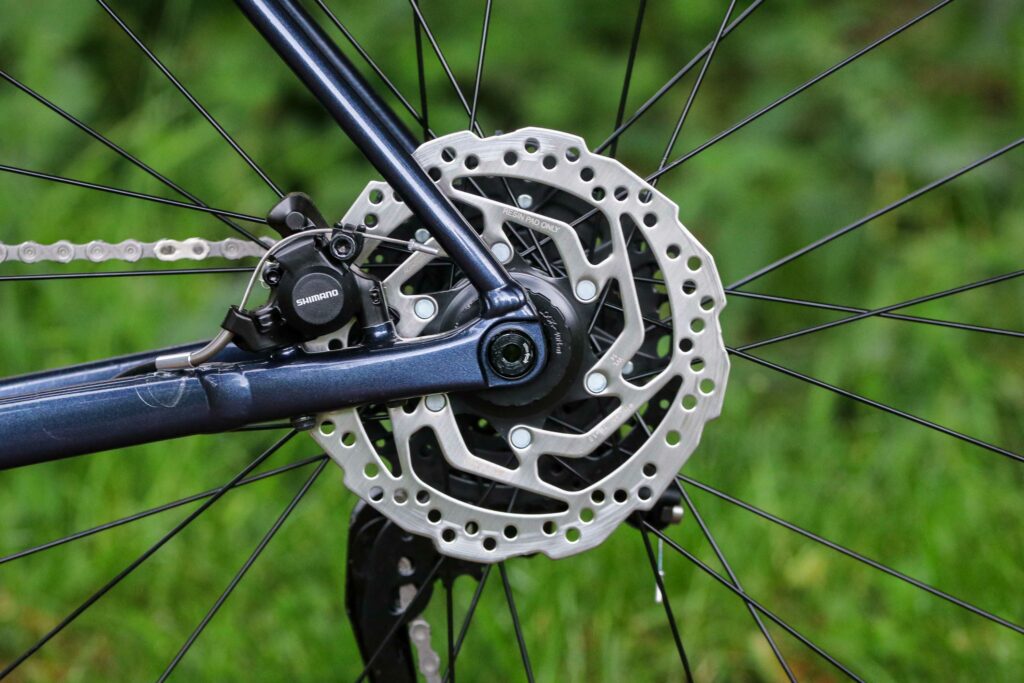
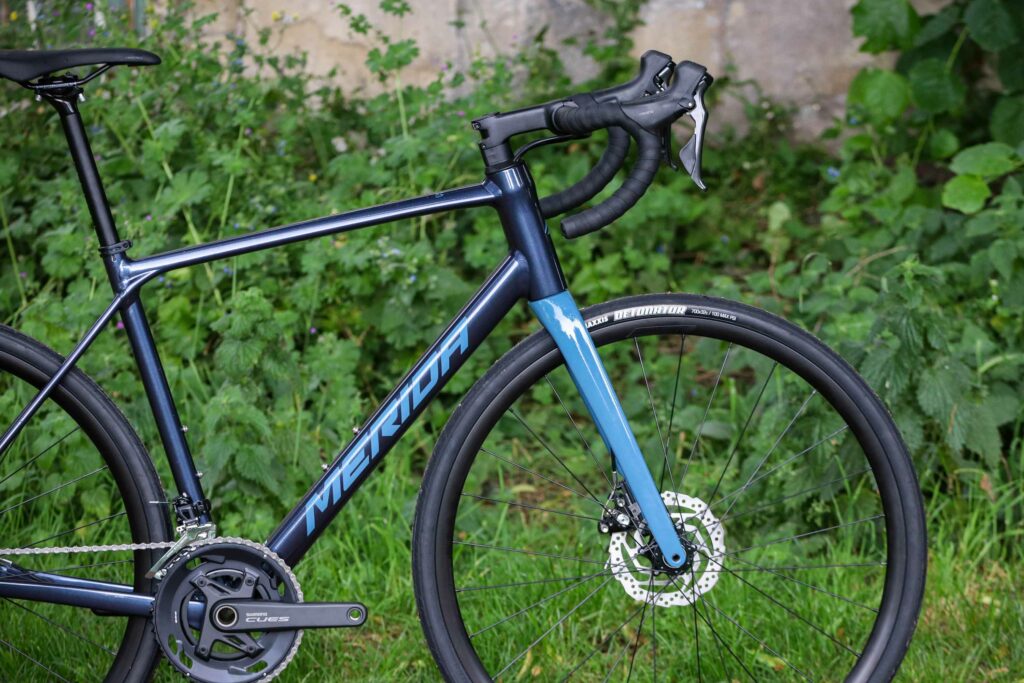
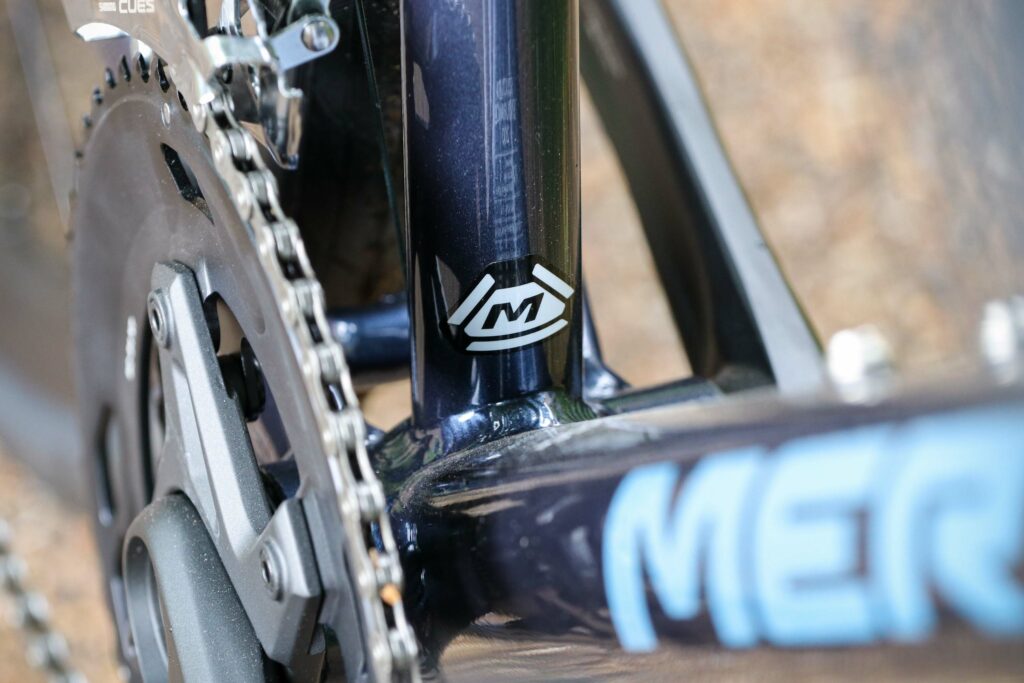
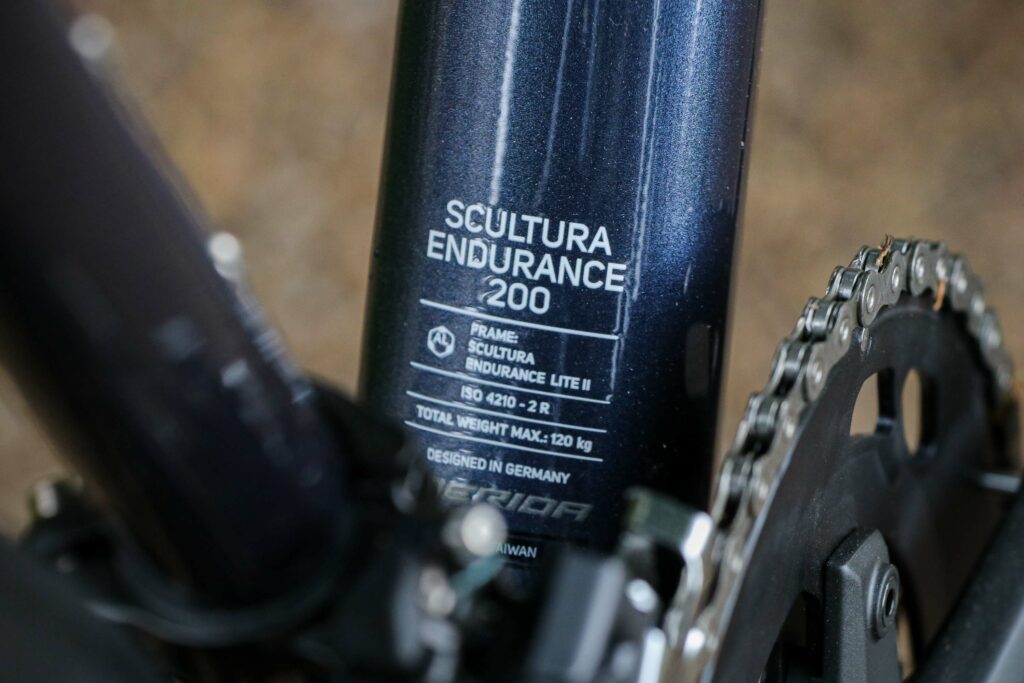
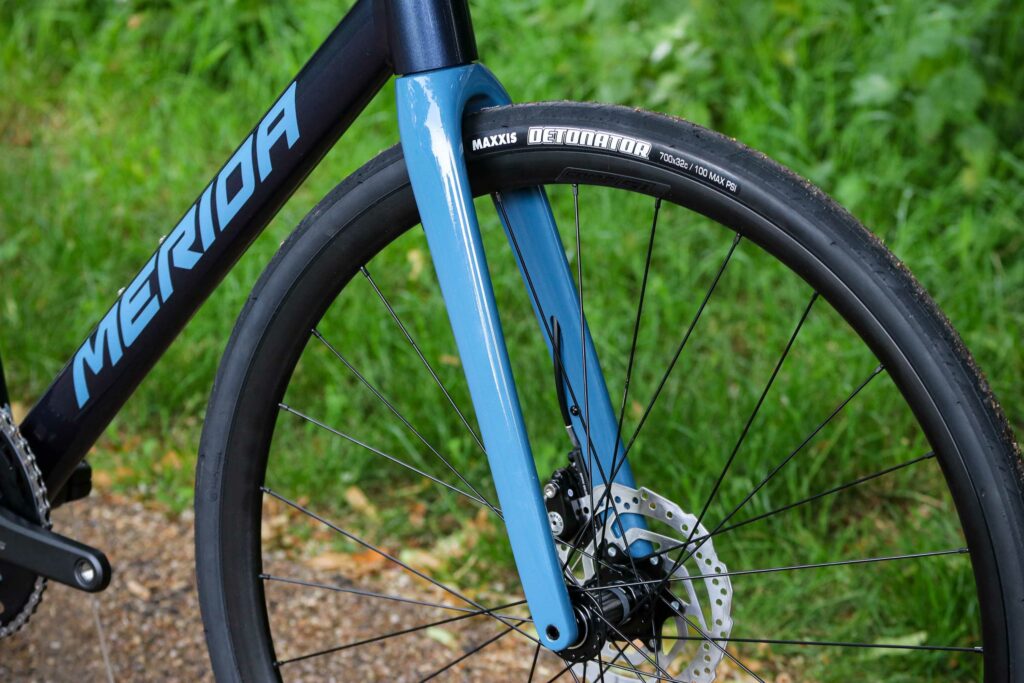
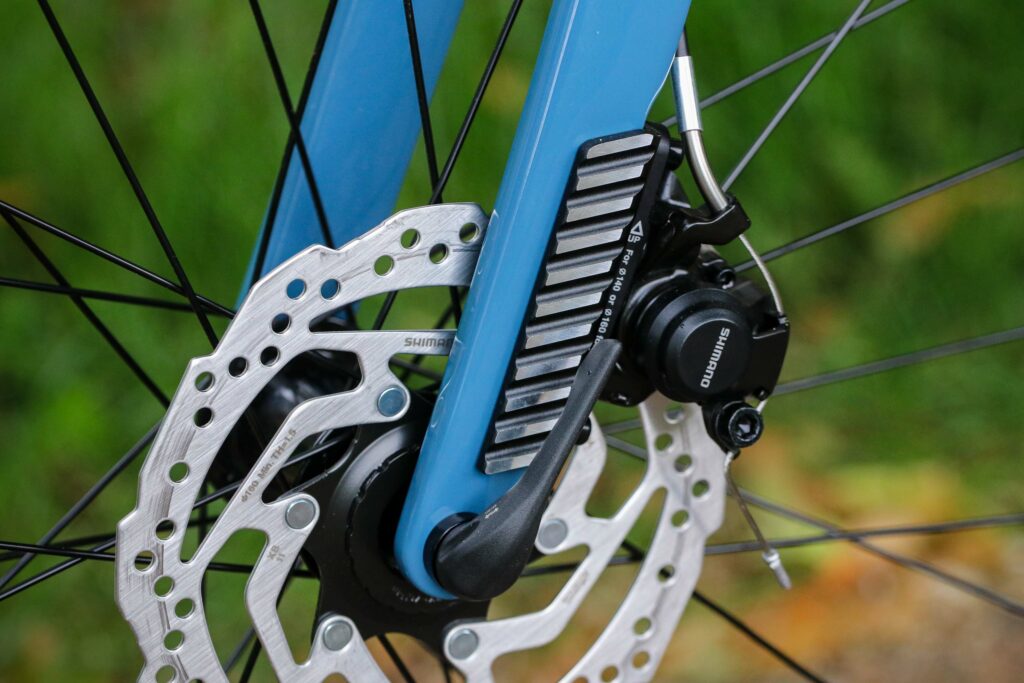
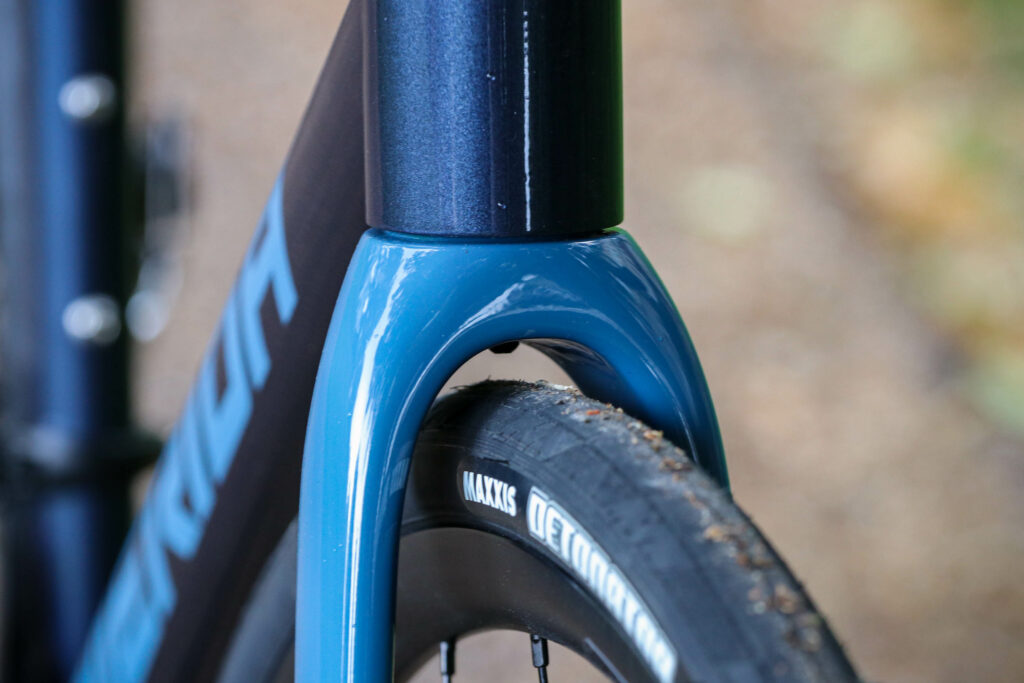
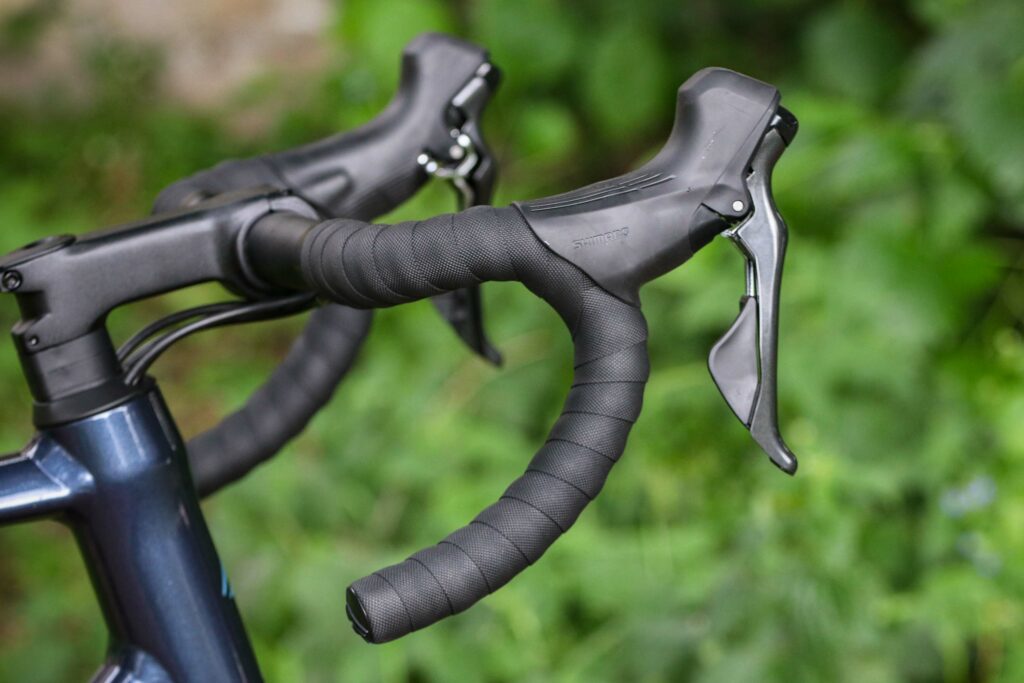
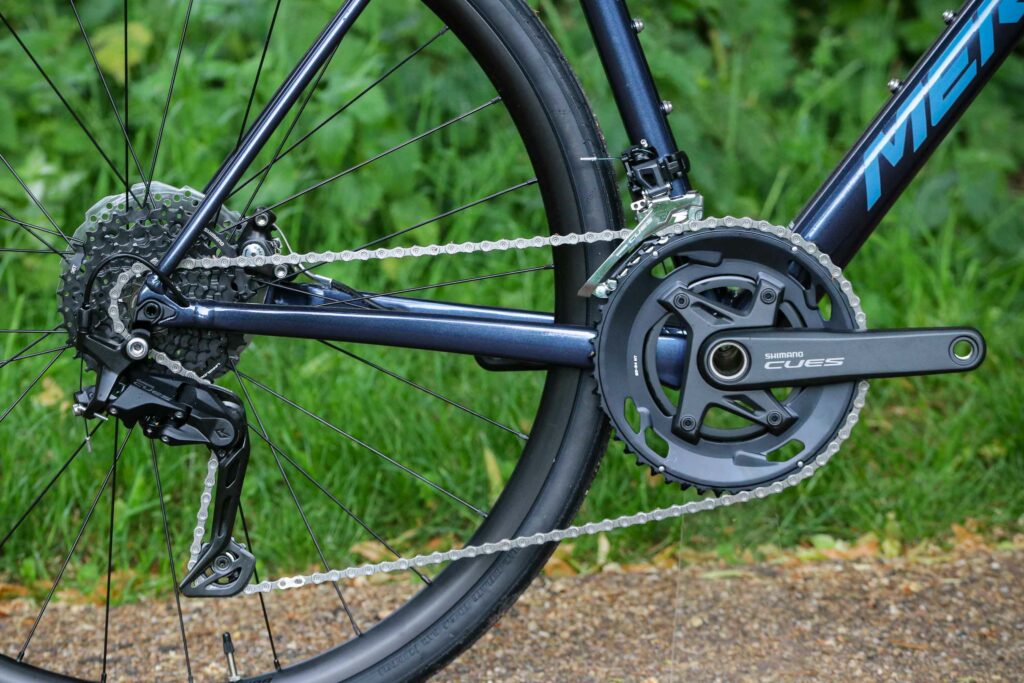
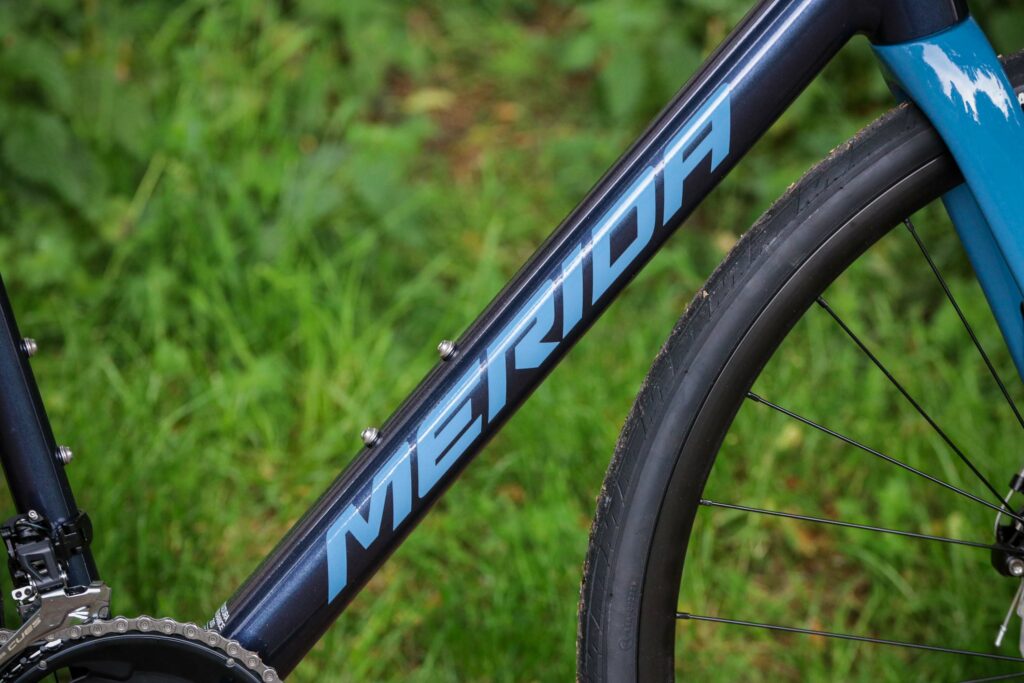
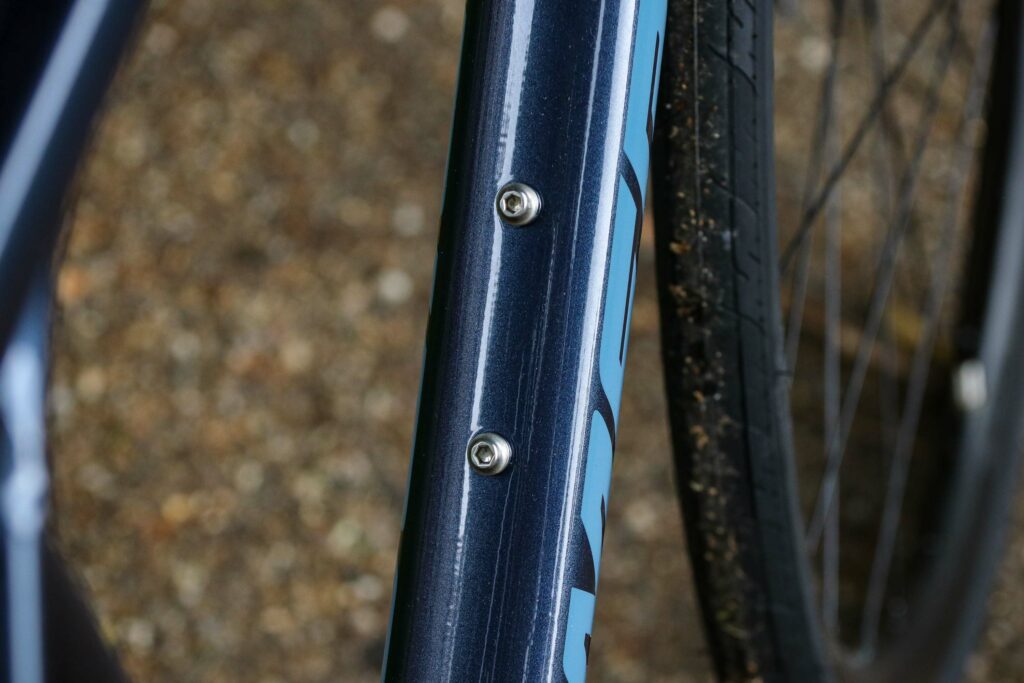
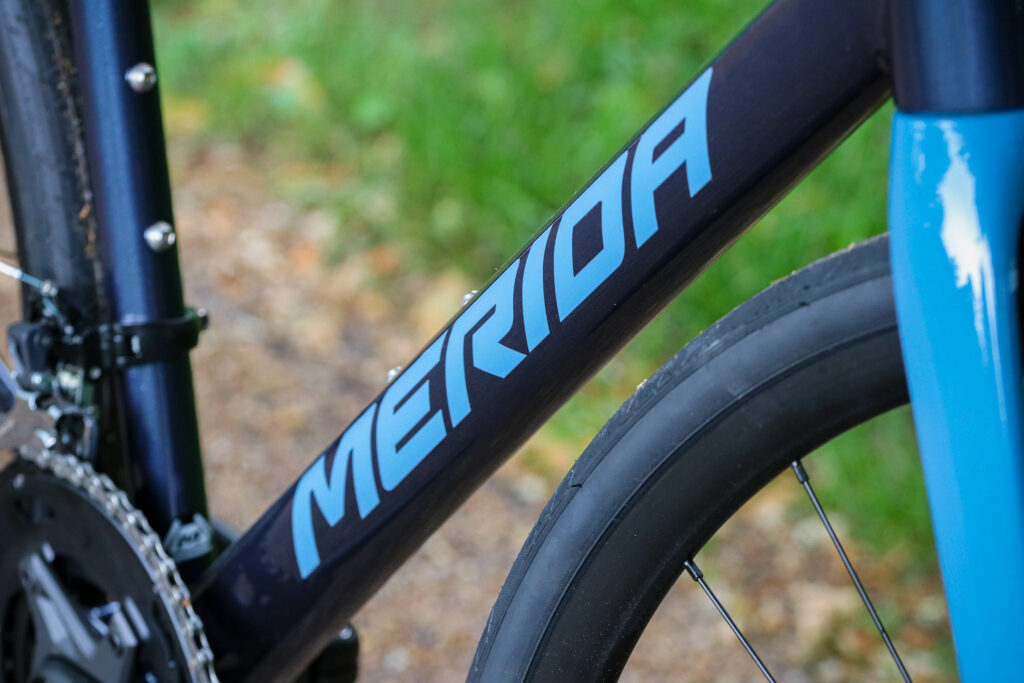
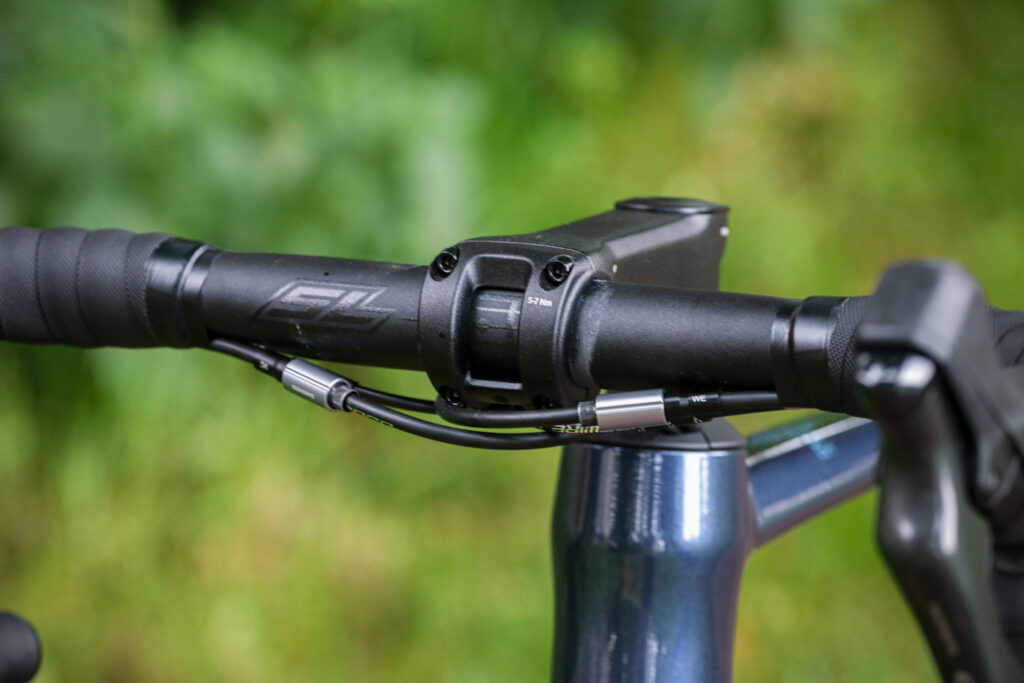
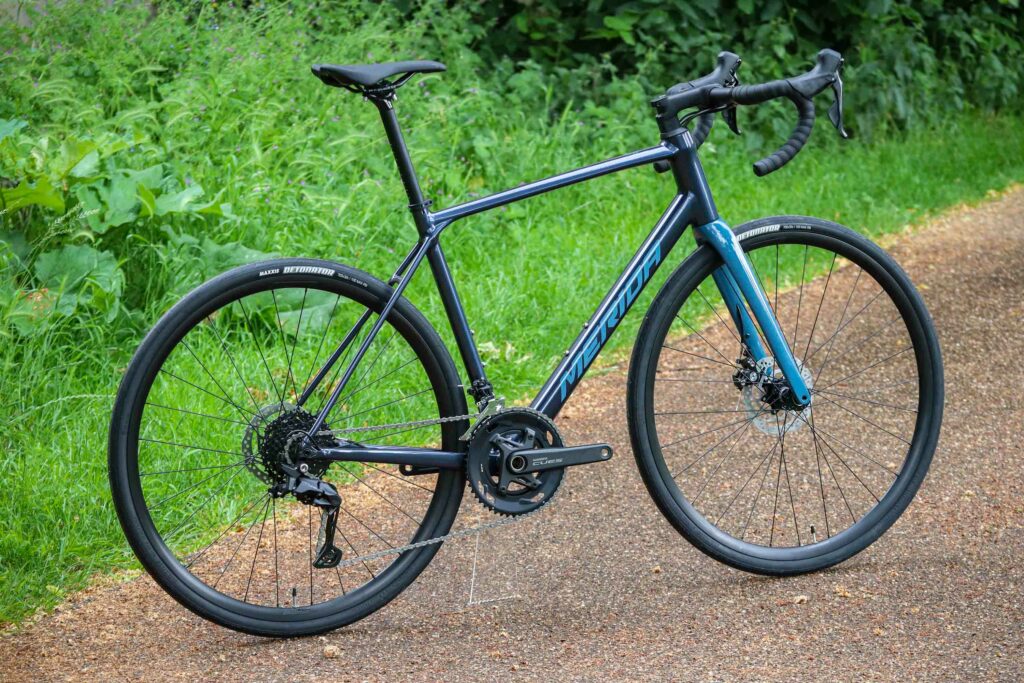
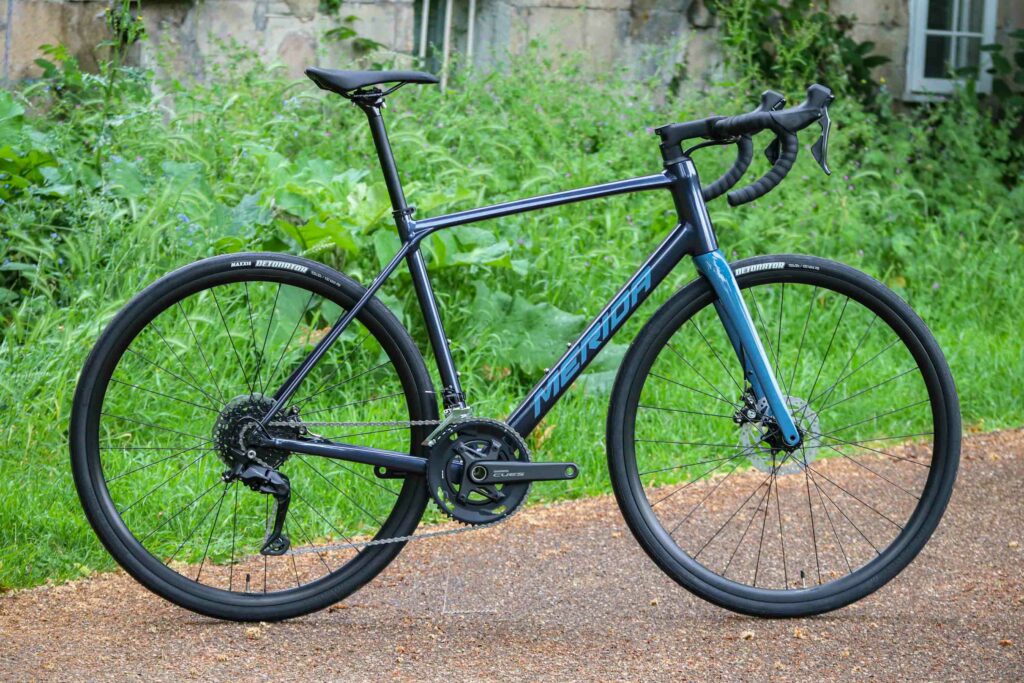
The range is made up of carbon framed models like the 4000 which I reviewed back in 2023, while the entry models, like this 200, use an aluminium alloy variant offering the same geometry as the range toppers.
One of the highlights of riding the carbon Endurance models is that Merida knows how to create a smooth, supple ride quality and through the use of hydroforming to manipulate the shape of the alloy tubing it has achieved the same here on this 200 version.
It’s a comfortable bike to ride even on poor road surfaces – and to be fair it needs to be to offset the deadness and average ride quality of the tyres. We’ll cover that a bit later though.
At this price, the 200 is probably going to be in the sights of someone new to road riding and if that’s you then the Merida has everything covered.
Aside from that comfort, it’s also an extremely easy bike to ride. With neutral handling and that long wheelbase, it’s an easy bike to control at all kinds of speeds, and if anything I’d say it’s a bike that flatters those without years of bike handling experience.
For instance, the majority of the review period was during the UK’s heatwave, but just as the bike was due to go back to Merida, we finally had some rain. This meant that the roads around me, which had been without moisture for two months, turned slick and generally pretty sketchy.
The Endurance scrabbled about a bit in the corners and when navigating roundabouts, but on the flip side it felt surprisingly planted as I had no choice but to lean it over. In fact, the more my nerves settled, the more the Scultura did and I was able to keep pushing a bit harder each time the next challenging road section appeared.
When the tyres did break traction, the bike responded well to small body position movements to correct things much more than I expected from a bike with this sort of geometry.
If you’re a more seasoned rider looking at something like this as a commuter or winter trainer, then the way it behaves caters to you too. I’ve been riding road bikes for 26 years and I didn’t find the Scultura too subdued for my skill level.
Being an endurance bike, it’s not as sharp in the corners as a race bike, but that didn’t mean it floundered on my usual technical test descent. Actually, it behaved very well indeed, and while I had to wrestle it through the off-camber chicane at speed, it handled it better than Canyon’s latest endurance bike, their Endurace, which I found kind of vague and lacking rider involvement when riding through the same section.
As the descent then opens up, there are a couple of corners, but these can be taken pretty much flat, normally around the 45mph to 50mph mark, and the Scultura Endurance managed these with a feeling of balance and control.
The one thing I did relearn on that descent though is how bum-clenchingly scary cable operated disc brake setups are when you need to scrub off speed quickly. It’s not so much the difference in outright power compared to hydraulic systems, it’s the lack of modulation.
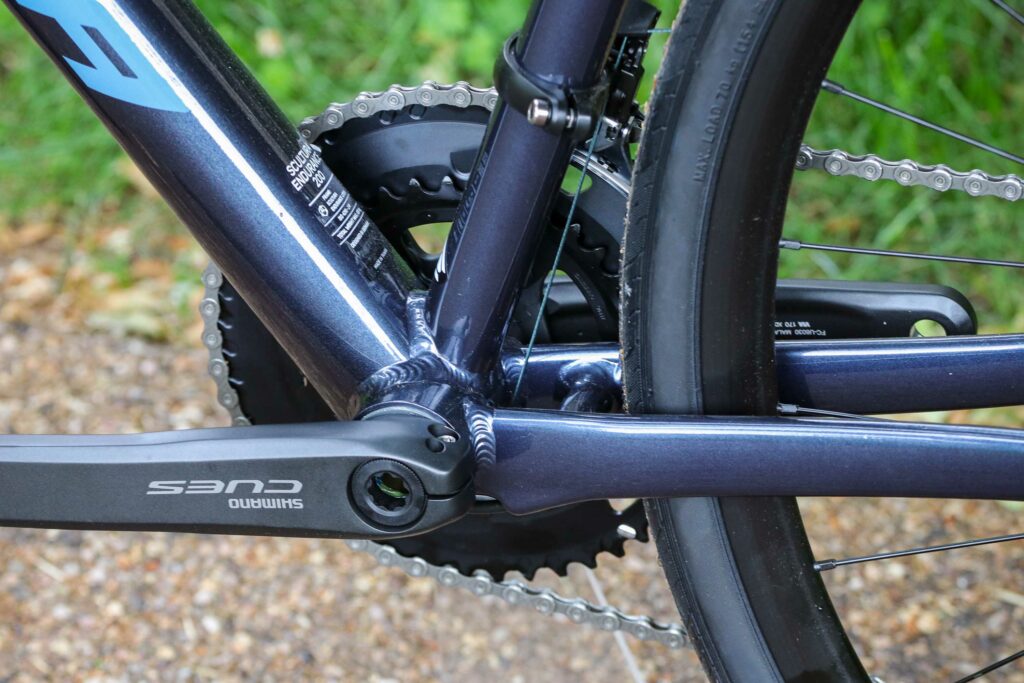
Once you’ve made it down the hill, you’ll have to head back up at some point and while the Merida’s 10kg weight may look stodgy on paper, it doesn’t feel too bad in practice. There is plenty of stiffness around the bottom bracket, so when climbing out of the saddle I didn’t feel like any of my effort was being unduly wasted.
Overall, the Merida feels pretty responsive when you consider the spec that the budget allows. The compact chainset and wide spread cassette gives enough gears at either end to tackle pretty much any terrain, and if the need arose for a little sprint to beat a red light or something, the Scultura reacts with enough urgency.
Generally, from a rider’s point of view, the 200 covers all the bases reassuringly well and I was impressed overall.
Merida Scultura Endurance 200: Frame and fork
The aluminium tubing that Merida calls Prolite 66 is a 6066-grade alloy which has been triple butted. If you haven’t come across the term before, that means the tube walls vary in thickness along their length. In this case there are three separate dimensions.
The reasoning is to have thicker walls for strength and stiffness at the ends of the tubes with thinner sections in the middle to reduce weight and promote some flex to improve ride quality.
As mentioned above, Merida has used hydroforming where high pressure liquid and mandrels are used to manipulate the shape of the tubing to control ride quality and even bring in some aero elements.
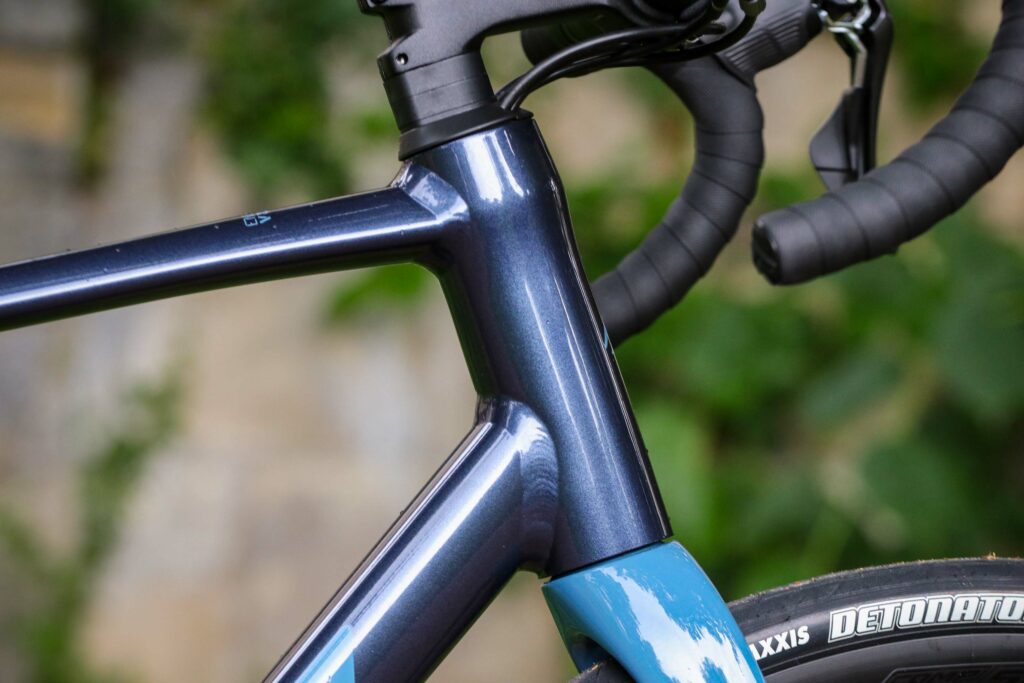
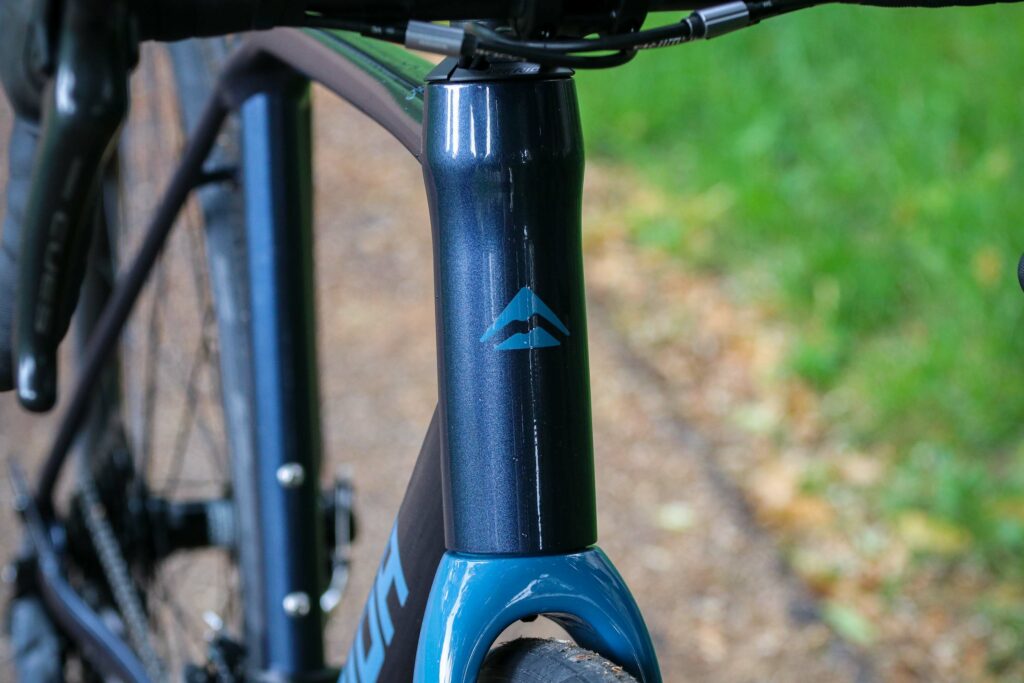
The finish is decent throughout, and while the welding is on the functional side, I still think it looks a quality frame. The paint is tough wearing, and I reckon the colour choice gives the 200 a more expensive look than its price tag.
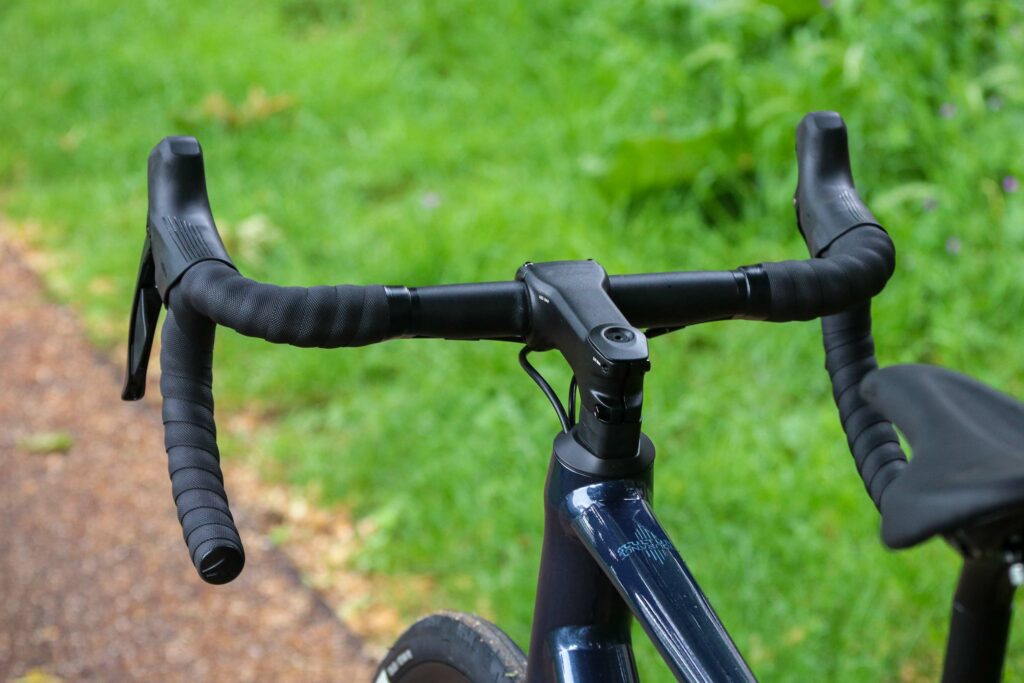
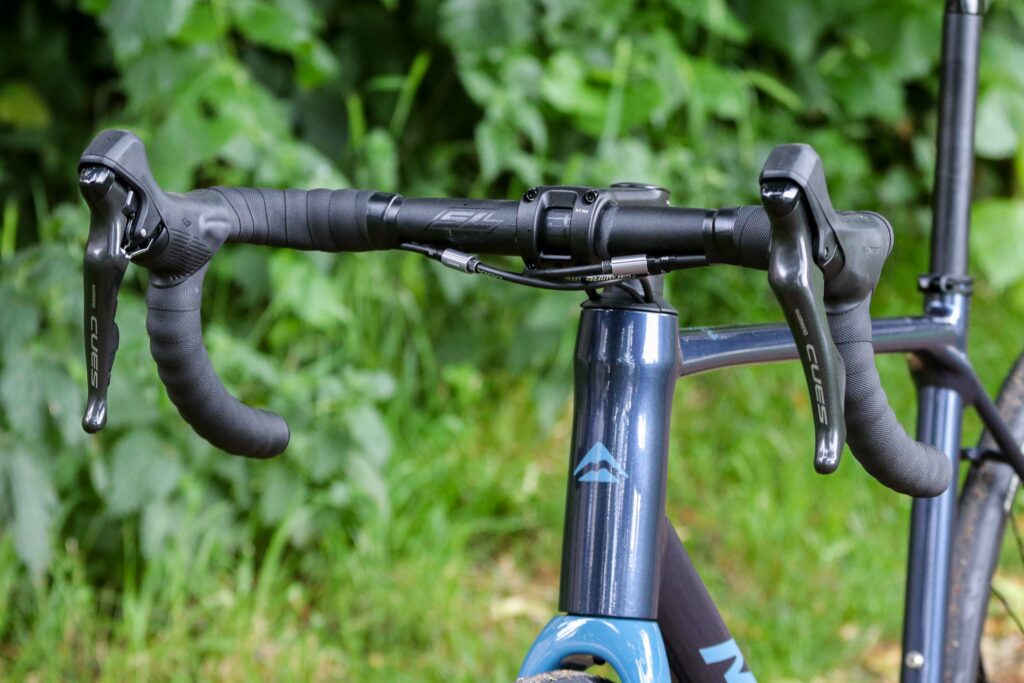
Merida has gone fully internal with the cabling and while it looks very clean and is all the fashion these days, I would have preferred to see things exposed, at least at the front end.
Running a mechanical groupset keeps things simple on the maintenance front and a bike at this price point would be the perfect machine to learn some basic mechanical skills on, but instead something as simple as changing a gear or brake cable becomes a faff.
I get why Merida has done it, but come on – let’s keep bikes simple, especially at this price point!
Rant over… At least everything will continue to look clean and tidy if and when an upgrade to Tiagra Di2 becomes a thing.
The 200 will accept mudguards using Merida’s F-Mount system, so you get some versatility there for riding in crap weather and fitting them will only drop the 35mm tyre clearance down to 32mm.
Other than that, in terms of attachments there are just a couple of water bottle positions and that’s it really.
The 200 is running a full carbon fork, which I found to be stiff enough for hard cornering and heavy braking without showing any signs of vibration or understeer in the corners.
From a sizing perspective, there are six options spanning XXS to XL with corresponding top tube lengths of 515mm up to 583mm.
The model I tested here is a medium, so the top tube is 553mm with stack and reach figures of 584mm and 380mm respectively. That’s thanks in part to a 177mm head tube length sitting at 73 degrees.
The seat tube sits at 73.5 degrees while the 418mm chainstays extend the wheelbase out to 1,001mm.
All in all, everything is pretty standard from a geometry point of view, which explains why the Scultura is such an easy bike to get on with.
Merida Scultura Endurance 200: Finishing kit
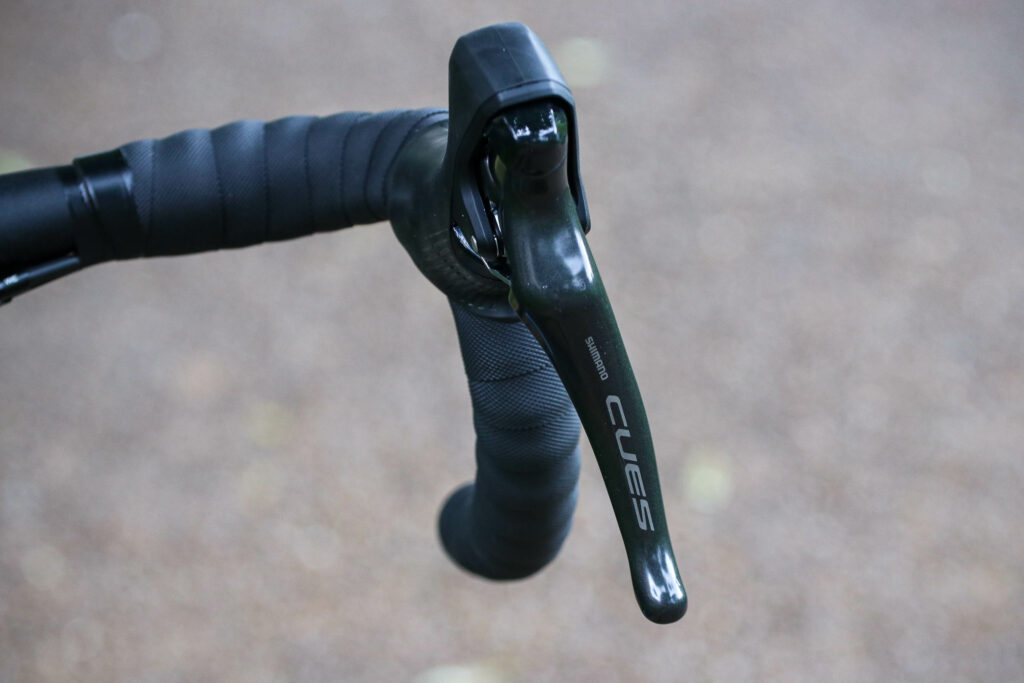
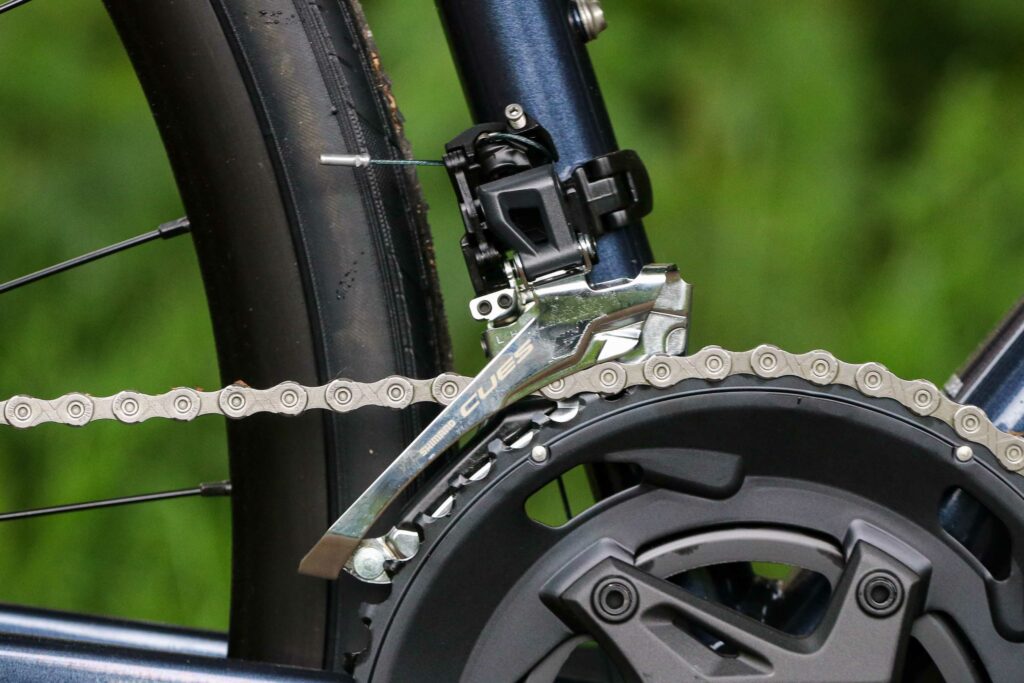
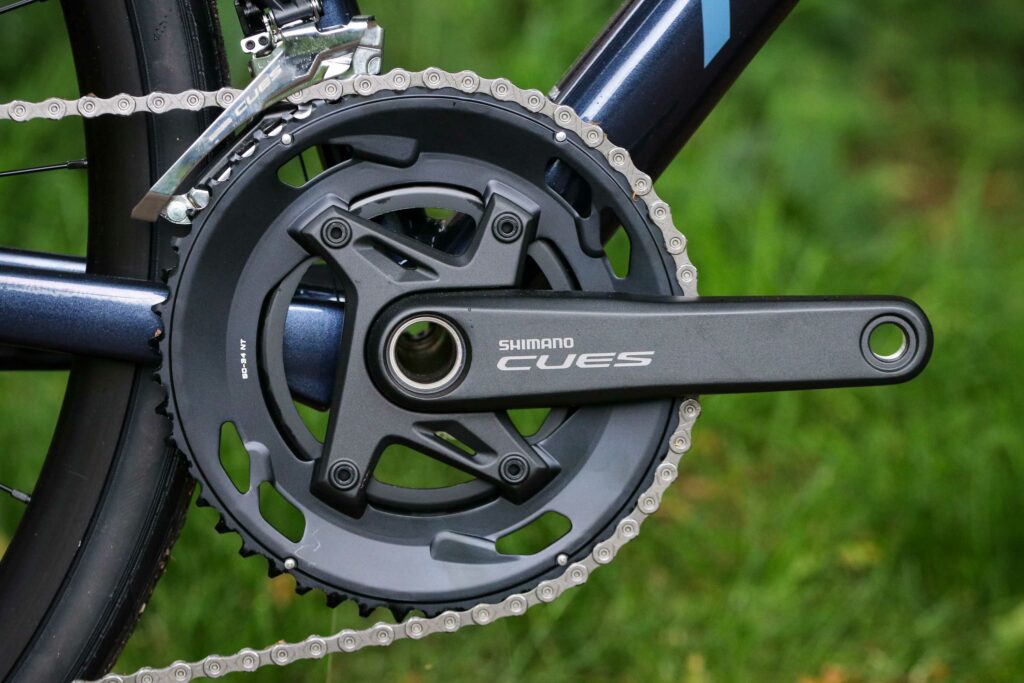
Cues was brought out to replace Shimano’s Claris, Sora and Tiagra grouspets. Well, that’s what an insider told us ages ago when it launched. Then it was denied when they released an updated Tiagra groupset earlier this year which has gone 11-speed.
Maybe this confusion, and the sheer number of parts options in the Cues line up, is why we haven’t really seen it specced on many road bikes.
Either way, it’s on the 200 and it’s a decent all round groupset. If you want the full details on why I reckon that, you can read my review here of the U6000 version. It’s the 11-speed variant, and the Merida uses 9-speed, but the main bones of the setup are much the same.
Compared to the equivalent road race groupset (which being 9-speed would bring this Cues in line with Sora), Cues is designed more for recreational road and gravel bikes.
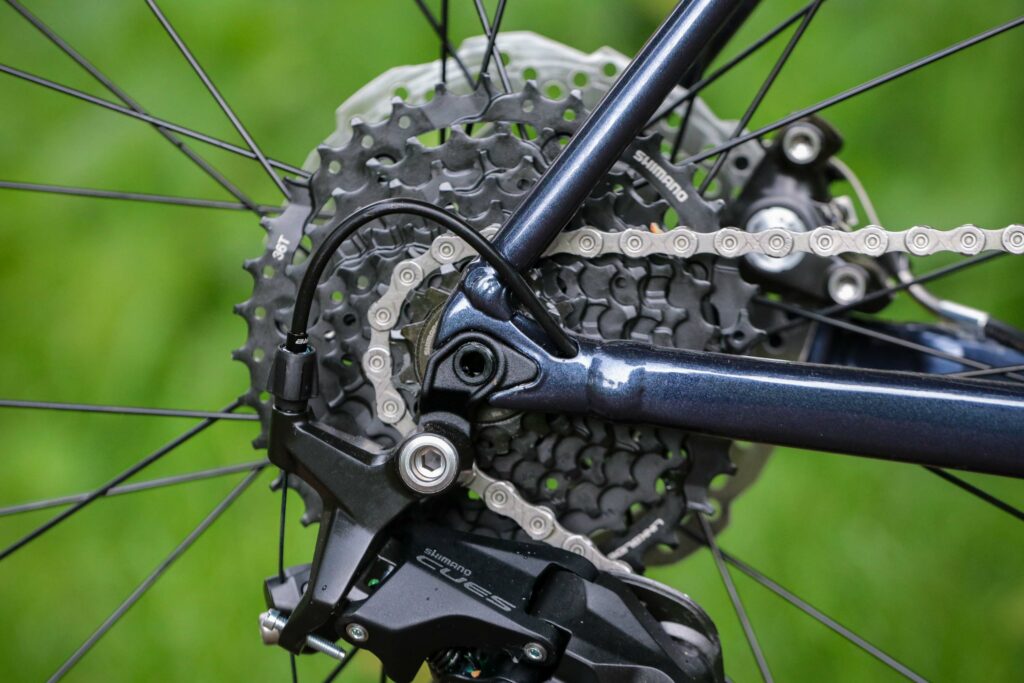
The main difference is at the cassette which uses Linkglide technology as opposed to the Hyperglide found on the road race cassettes. In a nutshell, Linkglide uses thicker teeth designed for higher wear resistance and less ’shifting shock’ giving better gear changes under load, whereas Hyperglide is all about gliding the chain from one sprocket to the next as efficiently as possible.
The slower shifts are noticeable using Cues, but not by a huge amount, even if you are riding it and something like Sora side by side. The shifting is still quick, precise and I like the reassuringly clunky action which tells you that you have selected the next gear.
Here you get a 50/34T chainset paired with an 11-36T cassette which is a little on the gappy side with some big jumps between sprockets. A few times I found myself between gears, but it’s not a major problem overall.
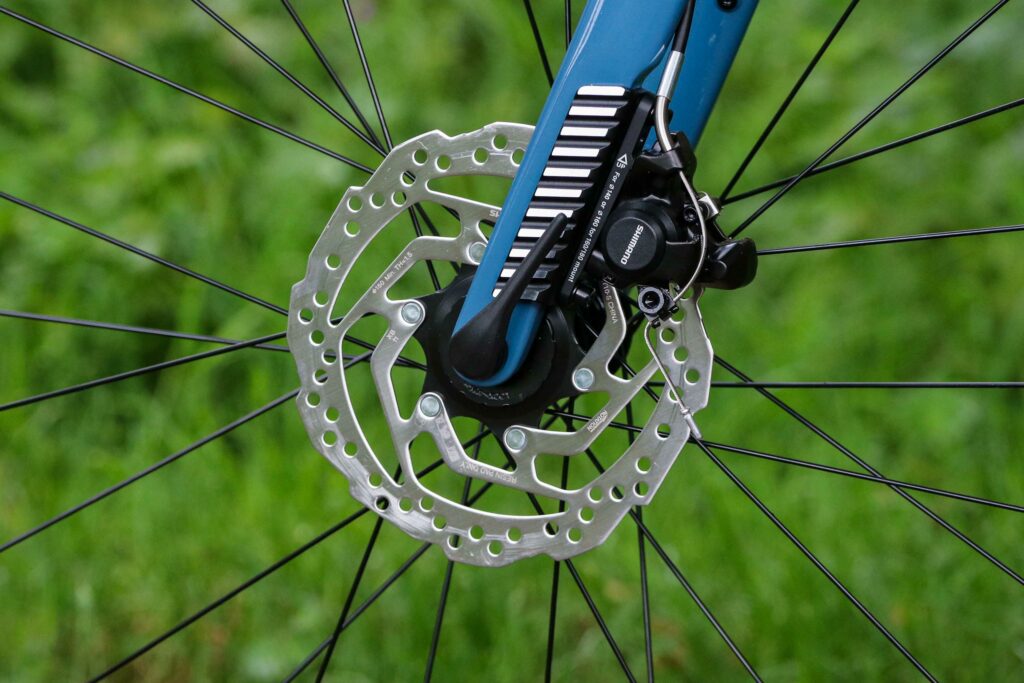
The brakes are Cues mechanical offerings, as I mentioned, and come with 160mm rotors. Compared to hydraulic systems they feel a little spongy as you get some cable stretch under hard braking, and they don’t have as much bite, but they are a lot better than many mechanical systems I’ve ridden in the past, some of which can be quite scary when you need to stop quickly.
Once the pads had bedded in a bit, the power felt okay, and there was some modulation – just not as much as on Shimano’s hydraulic options.
The cockpit, seatpost and saddle are all Merida branded and it’s some decent kit. The ergonomics of it all worked well for me, and I found the components to be comfortable. The good thing about the 200 having such a good frameset is that it’s ripe for upgrades, which means you can spec aftermarket kit as and when. Merida has made this easy by using standard sizes like a round 27.2mm diameter seatpost and a round fork steerer and handlebar.
Merida also provides the wheel rims with their Comp SL IIs. They are aluminium and sit at 24mm deep and 23mm wide internally. The rims don’t come set up with tubeless tape and valves, but if you wish to set them up this way then the rims are fully compatible.
These are finished off with hubs from Joytech which run 28 spokes front and rear. The whole setup is decent and I found them to be durable over the review period. Yes, I’d definitely upgrade them at some point, but I wouldn’t be in a rush to.
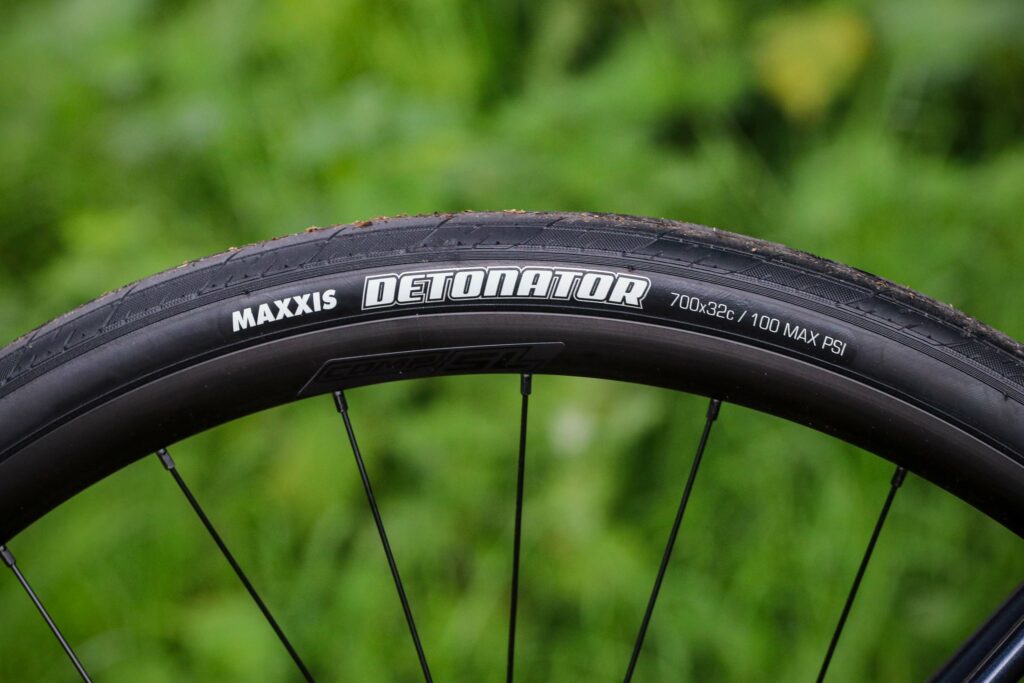
Something I would change as soon as possible though are the Maxxis Detonator tyres. I’ve used these a lot over the years, mostly on Merida’s bikes, and I really don’t like them. They offer no real feedback, offer a dull ride feel and are far from the most comfortable tyres at this price point.
Grip is above average though, and I had no issues with punctures or damage over the test period. I’d switch them out for something like Michelin’s Lithion 4 Performance Line tyre for £29.99 RRP a throw if you were happy to stick with inner tubes, or Continental’s Ultra Sport III which can be found for around £20-25 online.
Merida Scultura Endurance 200: Conclusion
Overall, I think Merida has done a great job offering a bike as good as this at such a price. Yes, there are a couple of kit compromises, but no doubt margins are tight, so these aren’t big criticisms. As I mentioned above, the 200’s frame is worthy of some upgrades, so it’s one of those bikes that you can keep and build it up as you go.
Other options include the Endurace from Canyon, but in aluminium that is only available in the AllRoad build, but it rides in a similar way (with none of the handling vagueness of the new carbon models) as the Merida. All you’d need to do is swap the Schwalbe gravel tyres for some road tyres.
The Merida has a better ride quality, and just feels more ‘roadie’, but the Canyon has plenty of versatility. When I reviewed it, it was £949, but that price didn’t last long and you’re now looking at £1,099 for the same spec.
Boardman’s aluminium line-up features the £875 SLR 8.8 Disc which I reviewed back in 2022. The Merida has a way more refined frame and ride quality, and a higher spec list which you’d expect for the extra money, but if your budget is low the Boardman is worth a look, and again, it’s ripe for upgrades.
Other options include Giant’s Contend AR 3 which has a similar build including mechanical disc brakes for £1,099, but I haven’t ridden one, so can’t really comment on it, while Ribble has launched an aluminium version of its Allroad endurance style bike.
If you read my reviews, you’ll know that I’m not a fan of how Ribble’s Allroads perform, regardless of frame material. Henry has just reviewed the Allroad Carbon Ultegra Di2 Carbon and found it to be fast and comfortable, if a little unexceptional. Prices for the aluminium versions start at £1,449.
While most of those bikes are cheaper in price than the Merida, I think the 200 is worthy of the investment for the quality of the frameset alone.
> Buyer’s Guide: Best endurance road bikes
Test Report
What does the manufacturer say about this product?:
Our entry to the world of Scultura Endurance, with a high-quality, lightweight aluminium frame that shares geometry with its pricer siblings, but offers great value thanks to Shimano’s CUES 2×9-speed drivetrain and mechanical disc brakes.
Tell us some more about the technical aspects of this product:
Lightweight 6066 triple butted and hydroformed aluminium frame with comfort orientated geometry for confidence inspiring handling
Shimano CUES 2×9-speed groupset
MERIDA COMP SL II wheelset
Full carbon tapered fork
WIRE PORT cable integration
Mechanical disc brakes
How does the price compare to that of similar products in the market, including ones recently tested?:
A lot of the competition is priced lower, like those mentioned in the review. I think the Merida fights back though with a great ride quality which I’d say justifies the slightly higher price.
List the components used to build up the bike:
Rims: MERIDA COMP SL II
Hubs: Joytech D981-12 / Joytech D872SB
Tyres: Maxxis Detonator 32mm
Crankset: Shimano CUES 50/34T
Bottom bracket: Shimano SM-BB71-41B
Cassette: Shimano LG300-9 11-36T, 9-speed
Chain: KMC xGlide
Shifters: Shimano CUES 9-speed
Front derailleur: Shimano CUES
Rear derailleur: Shimano CUES
Brakes: Shimano CUES Mechanical
Rotors: Shimano RT10
Headset: Acros ICR
Stem: MERIDA TEAM CC III
Handlebar: MERIDA EXPERT SL II
Seatpost: MERIDA COMP CC
Saddle: MERIDA COMP SL
Tell us what the bike is for and who it’s aimed at. What do the manufacturers say about it?:
The Scultura Endurance is the perfect choice for more leisure-focused cyclists who want to enjoy long hours in the saddle while being comfortable and relaxed on the bike. Wide tyres offer plenty of comfort, even on the most pothole-littered country lanes, while a longer head tube provides a more relaxed riding position.
Where does this model sit in the range? Tell us briefly about the cheaper options and the more expensive options:
This is the cheapest model in the line up with two other aluminium options available: the 300 at £1,500 and the 400 at £1,750. The carbon fibre models start at £2,250 and go up to £4,950.
Tell us about the build quality and finish of the frame and fork:
A well made frame with a smart looking paintjob.
Tell us about the materials used in the frame and fork:
The frame is made from 6066-grade aluminium alloy which is triple butted and hydroformed. The fork is full carbon fibre.
Tell us about the geometry of the frame and fork:
The geometry is endurance based with a tall front, a relatively short top tube and relaxed angles.
How was the bike in terms of stack and reach? How did it compare to other bikes of the same stated size?:
The reach and stack figures are exactly where I’d expect them to be.
Was the bike comfortable to ride? Tell us how you felt about the ride quality:
Ride comfort is good thanks to the frame design, although it is hampered a bit by the dead feel of the tyres.
Did the bike feel stiff in the right places? Did any part of the bike feel too stiff or too flexible?:
Stiffness is good where it needs to be, around the bottom bracket and front end for example.
Was there any toe overlap with the front wheel? If so, was it a problem?:
No.
How would you describe the steering? Was it lively, neutral or unresponsive?:
Neutral.
Tell us some more about the handling. How did the bike feel overall? Did it do particular things well or badly?:
The 200 is an easy bike to ride thanks to balanced and forgiving handling.
Which components had the most effect (good or bad) on the bike’s performance? Would you recommend any changes?:
I’d change the tyres for something faster rolling and more supple. Everything else worked fine though.
Any issues with drivetrain durability?:
No.
Tell us some more about the drivetrain. Anything you particularly did or didn’t like? Any components which didn’t work well together?:
A good choice of gears overall, but some big jumps between sprockets due to spreading the range over a 9-speed cassette.
Any issues with wheel durability?:
No.
Tell us some more about the wheels. Did they work well in the conditions you encountered? Would you change the wheels? If so, what for?:
Decent wheels, but the frameset will respond well to a lighter upgrade.
Tell us some more about the tyres. Did they work well in the conditions you encountered? Would you change the tyres? If so, what for?:
Dull and uninspiring, but durable and the grip is okay.
Any issues with brake durability?:
No.
Tell us some more about the brakes. Did they work well in the conditions you encountered? Would you change anything? If so, why?:
Better than many mechanical options, but lack modulation and bite compared to hydraulic options.
Any issues with controls durability?:
No.
Tell us some more about the controls. Any particularly good or bad components? How would the controls work for larger or smaller riders?:
Decent kit throughout. Nothing flash, but it all worked well.
Did you enjoy using the product? Yes.
Would you consider buying the product? Yes.
Would you recommend the product to a friend? Yes.
Use this box to explain your overall score
While not necessarily the cheapest on the market for the spec, I think the Scultura Endurance 200 is worthy of scoring 8/10 due to the fact that the frameset is excellent, and that translates into a great ride quality while also opening the path for kit upgrades in the future.
About the tester
Age: Height: cmWeight: kg
I usually ride: My best bike is:
I’ve been riding for: I ride: I would class myself as:
I regularly do the following types of riding: