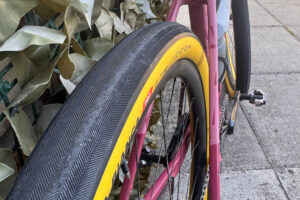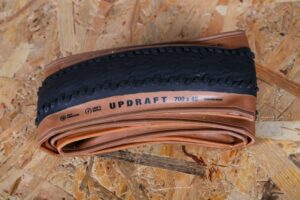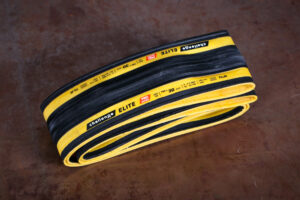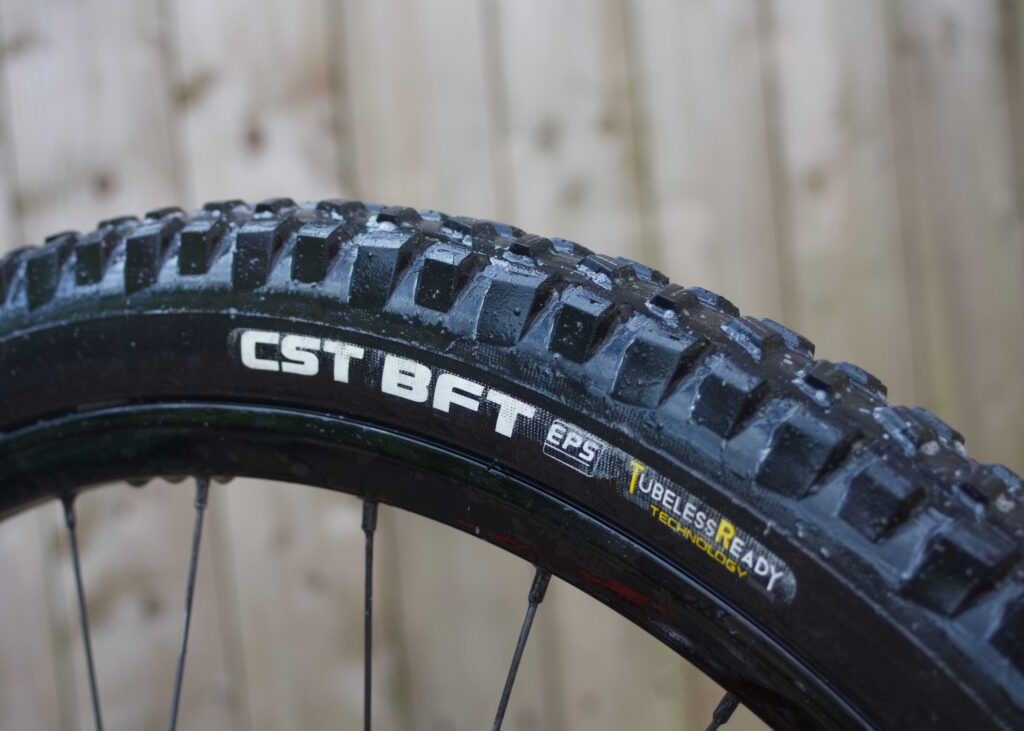

The CST BFG 29 x 2.4 tyre is a hard-wearing, all-purpose tyre – it’s good for mainly dry trails if you ride a lot of distance on hard-packed terrain. And although it’s pretty tough and cheap, it isn’t one for more challenging, looser trail conditions in the dry or wet.
- Is it worth converting your mountain bike to tubeless?
- WTB Resolute TCS Light SG2 tyre review
- Tyre tests
CST BFT 29 x 2.25 Tyre Review – Construction details
You can come up with your own idea of what BFT stands for – claiming to ‘push the standards of all-mountain freeride’ is a big claim. At 2.25, it is nowhere near the volume or block size that would make it competitive with other proper freeride or downhill tyres.
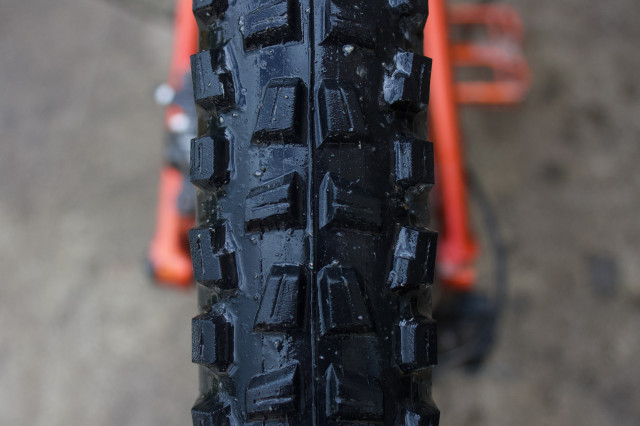
It’s 60 TPI at its core, which is pretty standard for an MTB tyre, as it balances weight and suppleness well enough. It weighs in at 918g, which is reasonable enough, but not exceptionally light, reassuring as there is enough rubber on the sidewalls for protection.
There aren’t many technical details on the CST website about the compounds, but they say dual compounds – the tyre feels softer on the edges and firmer in the centre. Suffice to say, there is an acronym to explain that it’s meant to have good puncture resistance (EPS – Exceptional Puncture Safety) and tubeless-ready. Overall, the build and finish are decent – it also mounted easily on two different rims and held with minimal topping up a few hours later.
CST BFT 29 x 2.25 Tyre Review – Out on the trail
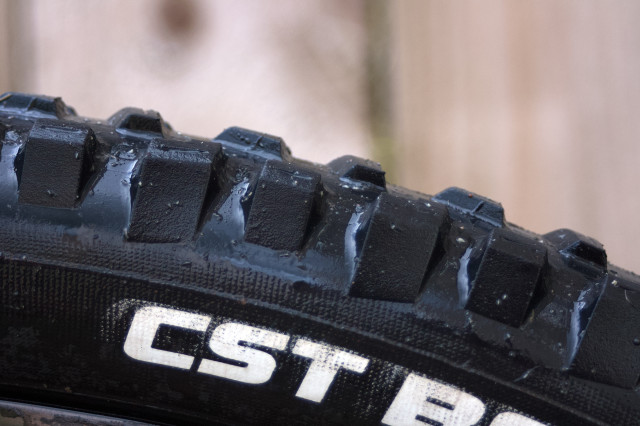
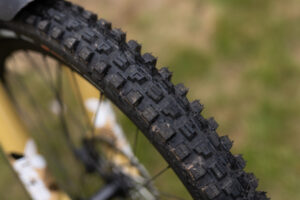
The blocks at the edge and centre are not exceptionally tall or aggressively shaped, which contradicts the monster-like description of a “meaty centre and side knobs to dig in”. It’s not. At all. I ignored this and got it out on the trail.
Positive things first, the CST BFT is fast-rolling. The central blocks are pretty low and close enough together, so the tyre feels fast. When coupled with its lower weight, this adds to a feeling of keeping the momentum up. I ran it at around 25-30 psi, 10psi under the sidewalls minimum of 40psi. It was fine, and in the dry, slightly higher pressures made it feel solid, and it lacked flex to aid the blocks gripping. Any modern trail tyre should be ok at lower pressures, especially tubeless.
After a few months of riding my mainly rock-based trails in dry conditions, the CST BFT is happy enough. Its thinner size sometimes felt a little skippy as it would slide or deflect at times when cornering, but it was a reasonably neutral tyre. I tested the CST BFT on the rear in this size, as CST recommends a larger 2.4 on the cards for the front.
However, it’s a very different story in the wet. The tyre lacks any decent block shapes to either dig in or shed mud well. It was terrifying on wet grass or anything off-camber at high or low speeds. Not a tyre for loose trails, either mud or rock. It did hold up to several very sharp rock strikes with minimal sealant loss.
Riding on trail centre surfaces was where this tyre was most at home. It loves hard-packed trails, where the camber helps the cornering rather than the tyre. It’s also pretty hard-wearing, with minimal signs of wear in the time I rode it. There were a few scuffs on the blocks from hard braking or skids, but no signs of breaking blocks off and hardly any slashes or tears.
CST BFT 29 x 2.25 Tyre Review – Summary
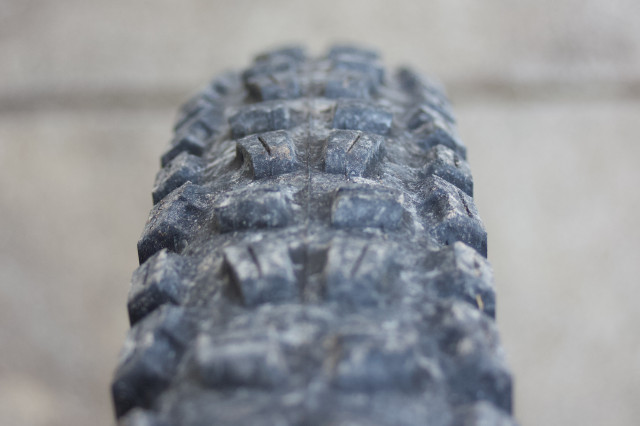
The CST BFT 29 x 2.25 Tyre makes bold marketing claims, and whilst it’s not what it says it is, it does offer exceptional value for a trail centre tyre and lots of hard surface riding. It won’t inspire any confidence if things are loose, wet or need sudden, sharp braking. It’s slightly better in resilience and rolling than the Michelin Wild AM at £48, which I tested last year. With the CST tyre being cheaper than the Michelin, it’s a better option for dry conditions.
Suppose a low budget is important, and you ride a lot of trail centres and fire road type surfaces and want a fast-rolling tyre that is tough and decent enough for drier riding. In that case, the CST BFT is worth a look. It isn’t one for pushing standards or riding levels. Still, it’s neutral if a little passive, handling and robustness are worthy of mention.
You might also like:
- Buyer’s guide to mountain bike grips – how to choose the best ones for you
- The best (and worst) mountain bike upgrades under £100
- Big Read: Can you spend a night in the hills and still make it into work on time?
Product purpose:
Product construction
Product construction extra:
Product performance
Product durability
Product durability extra:
Product weight
Product weight extra:
product value
All the deals displayed on our review pages are pulled from a constantly updating database feed of the best affiliate deals available. The criteria for deciding on what are the best deals is who is offering the lowest, delivered price. In most cases we will be showing the very best deal available online, but sometimes you may be able to find an item cheaper. If you can please feel free to post a link in the comments box below. To find out more about affiliate links on road.cc click here.