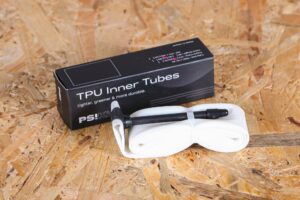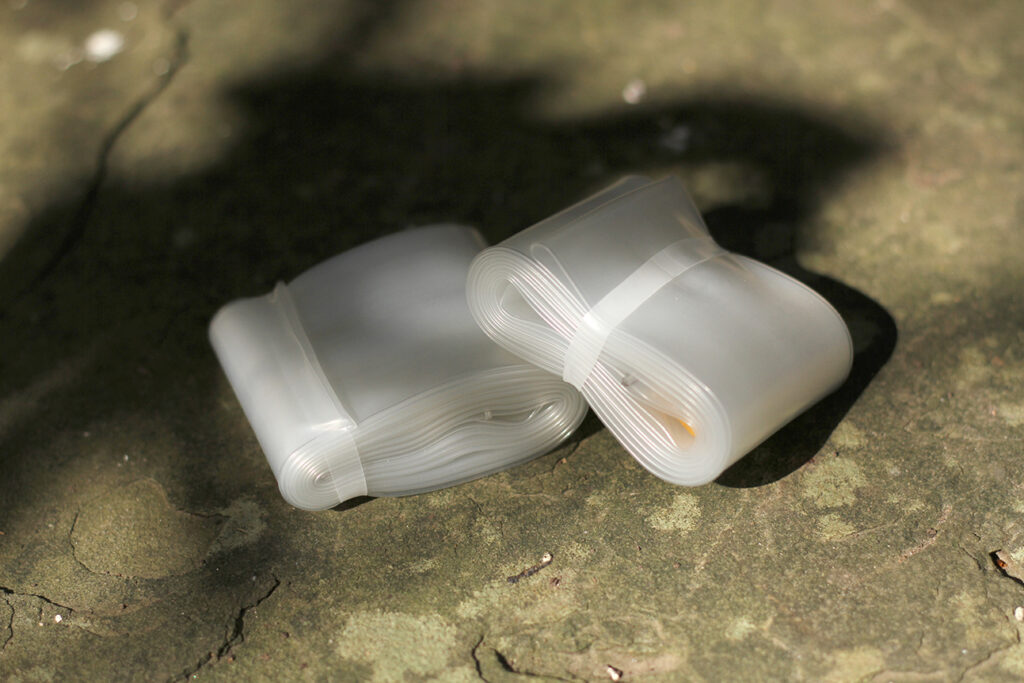

Eclipse launched its TPU (Thermoplastic Polyurethane) inner tubes back in 2011, making it the originator. There’s been a hullabaloo recently, which has seen a large number of new brands enter the market, and more riders opting to try TPU tubes out over traditional butyl tubes or tubeless setups. The obvious weight saving is a big draw, as is reduced rolling resistance, and of course, their small size for carrying as spares. Could these tubes be the cheapest weight-saving upgrade you’ll ever make?
- Tubeless tyres vs TPU inner tubes – which is best for you?
- Pirelli Cinturato SmarTUBE review
- Best gravel tyres 2025 — fast and grippy rubber for all conditions
I’ve been using TPU tubes as a backup tube for a while now, when riding tubeless on my mountain bikes, so I decided it’s time to go full-tubes and put them through the Eclipse tubes through their paces to see how they hold up to tough testing for both gravel and MTB. I’ve been surprisingly impressed with their performance, as I’ve pushed them hard, but testing hasn’t been without issues.
Eclipse TPU Inner tubes – Technical details
TPU or Thermoplastic Polyurethane is a type of plastic compound that manages to combine some of the best properties of rubber and plastic. It’s very durable, flexible and, of course, super lightweight.
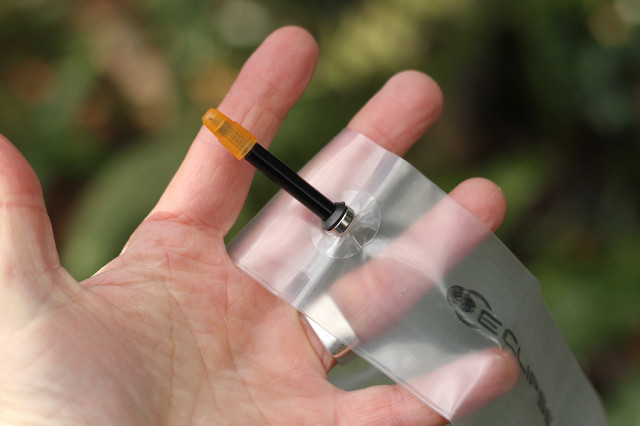
The Eclipse tubes have a nice translucent finish with robust-looking Presta valves and are 100% recyclable. The valves have removable valve cores and are available in 40mm, 50mm and 70mm lengths to fit most rim depths. They also feature a small rubber gasket to cushion the connection to the rim internally.
Sizes cover road, gravel and MTB, and there’s also a patch kit available. For testing, I used the MTB-specific 29 x 2.0/2.6” (59g), 27.5 x 2.0/2.6” (55g), and for Gravel, the 622 x 30/45mm (51g), all with a 40mm valve length. I also thought it prudent to try the patch kit in case of punctures…
Eclipse TPU Inner tubes – Performance
For a die-hard tubeless tyre proponent, I’d previously used an earlier incarnation of Eclipse tubes for backups in case of a tubeless fail, of which I’ve had far too many. For this test, I went all out and fitted them to both my trail and enduro Mountain Bikes with tubeless tyres, and, as I didn’t want to go easy on them, also picked the heavier of my two gravel bikes, which is an e-bike. Fitting was easy – unless you count the time taken to clean out the sealant from my MTB tyres, but the valves fitted snugly and stayed in place for inflation.
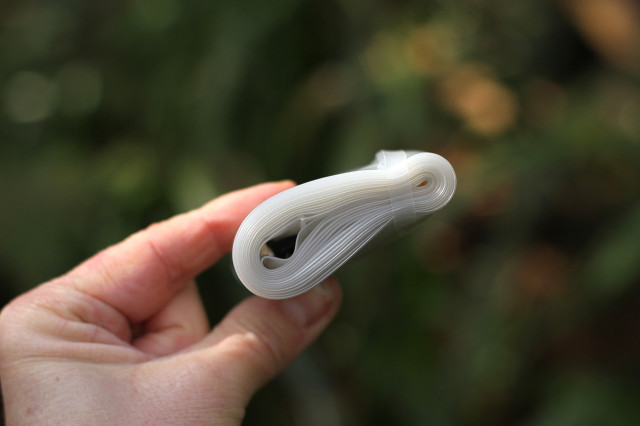
First up, gravel. Not liking to take it easy on the tubes, I hit my usual off-road routes that take in everything from flat gravel grinds to technical rooty, rocky climbs and descents. To be fair, it’s pretty much what I’d ride on my XC bike, just reigning it in for the descents. I immediately felt a bit faster, with the weight saving came lower rolling resistance, and the bike also felt a bit more spritely, which I was a bit surprised by. I was tentative at first, but soon let off the brakes all in the name of testing and was pretty stoked to manage a few rides without any issues.
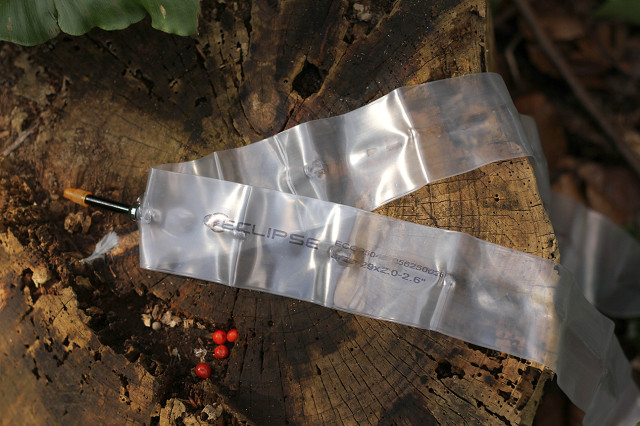
Some square-edged rock sections hit way too fast, gave me a few moments to stop and feel for punctures, but it wasn’t until my last ride that I noticed my front tyre slowly losing pressure. I removed the tube to check for a puncture, and whilst adding air could hear air leaking from around the valve. A bit more pumping and the whole thing gave way. Damn.
The whole tube had also turned from its clean translucent white colour to an off-yellow colour, which I presume was the plastic’s reaction to fatigue. Annoying, as the tube looked in otherwise perfect order, but wasn’t repairable. I fitted a brand new tube and finished the ride with no problem. And the next. And the next…
I was pretty happy to finish my first ride on my 29er trail bike with no punctures. With the trails so dry and dusty, it was fun to let loose with confidence. I felt that I really could have easily punctured, as I took some spicy lines through some sections. But hey, no complaints. Next ride, I discovered that the back tyre was flat. On inspection, it was a thin piece of wire embedded in the tyre that would have taken out a Butyl tube just as easily.
No drama, time to try out the patch kit. I found two small pin-prick-sized holes, wiped the area over with the supplied alcohol cleaning wipe and pressed on the clear patch. Could something so thin work? I left it overnight inflated and was super happy to find it still inflated the next morning. Round two…
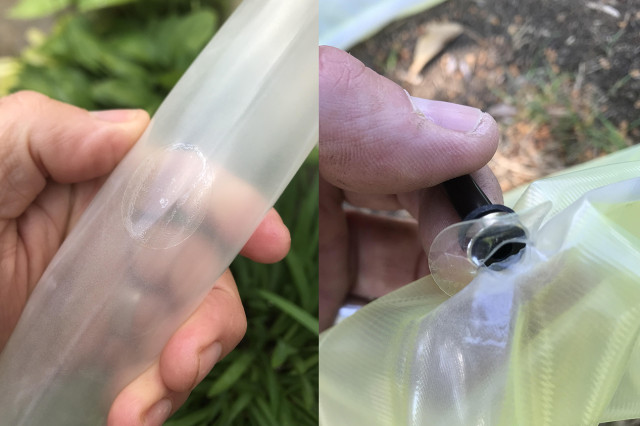
Again, a solid session, and the tube stayed inflated with the repair. Switching to my longer travel enduro bike, I didn’t hold back, and I also didn’t puncture. I’ll admit I was sure they wouldn’t hold up, but they previously survived Bike Park Wales, so maybe I shouldn’t have been surprised. Again, I could feel the weight savings giving the bike a little more pop, they certainly felt smoother than rolling on heavy butyl tubes. Time after time, they seemed to hold air a little better than Butyl tubes, requiring less reinflating.
In short, I’m impressed. They have resisted punctures and snakebites as well as standard butyl tubes (so far), and lighten and liven up the bike. OK, so at £21+ they are expensive, compared to standard tubes. But if you ride standard tyres and tubes, this could be a super cheap weight-saving upgrade. That’s not to mention the spare you can carry in your pocket, which takes up no room. For my MTBs, I’ll stick with my tubeless set-ups, but I’ll most definitely carry eclipse tubes for my back ups – it’s a no-brainer for me. As I have standard rims on my e-gravel bike, I’m going to keep running the Eclipse tubes as they offer reduced rolling resistance, which is awesome on a heavy e-bike, and I think improved ride feel.
Eclipse TPU inner tubes – Verdict
There are quite a few brands producing TPU tubes. With their distinctive orange colour, Tubolito are probably the most well-known and has a big range. Its S-MTB tube (£30) fits both 27.5 and 29 wheels and weighs a scant 43g each, which could be perfect for riders with mullet bikes. They claim to be the lightest tube worldwide and offer the same puncture resistance as a normal butyl tube. Weighing in at almost twice the S-MTB its standard MTB (£25) tube claims double the puncture resistance but at almost double the weight. Tubolito’s CX/Gravel tubes feature X-Turbo Tech, which gets a one-year puncture replacement guarantee – that’s some boast!
WTB produces some excellent tyres, so it makes sense that it has released TPU tubes. The NanoAir TPU Tubes come in 27.5”, 29” and 700c variations and include patches in case of a puncture. They are expensive though, ranging from £30-£33
I’ll keep carrying the Eclispe tubes as my backup tubes for MTB whilst running a tubeless set-up. They are reliable, light and easy to carry and can take some serious abuse, which makes them a winner in my opinion. For gravel, in a non-tubeless set-up, they are a no-brainer, and I’ll keep using them over butyl any day.
You might also like:
- Mountain bike tyre pressures – everything you need to know
- Mountain bike tyres – Everything you need to know about off-road rubber
- Best mountain bike tyres 2025 – quality rubber for trail, XC and enduro
Product purpose:
Build extra:
Product construction
Product construction extra:
Product performance
Product performance extra:
Product durability
Product durability extra:
product value
All the deals displayed on our review pages are pulled from a constantly updating database feed of the best affiliate deals available. The criteria for deciding on what are the best deals is who is offering the lowest, delivered price. In most cases we will be showing the very best deal available online, but sometimes you may be able to find an item cheaper. If you can please feel free to post a link in the comments box below. To find out more about affiliate links on road.cc click here.