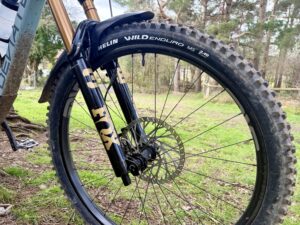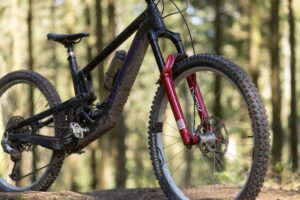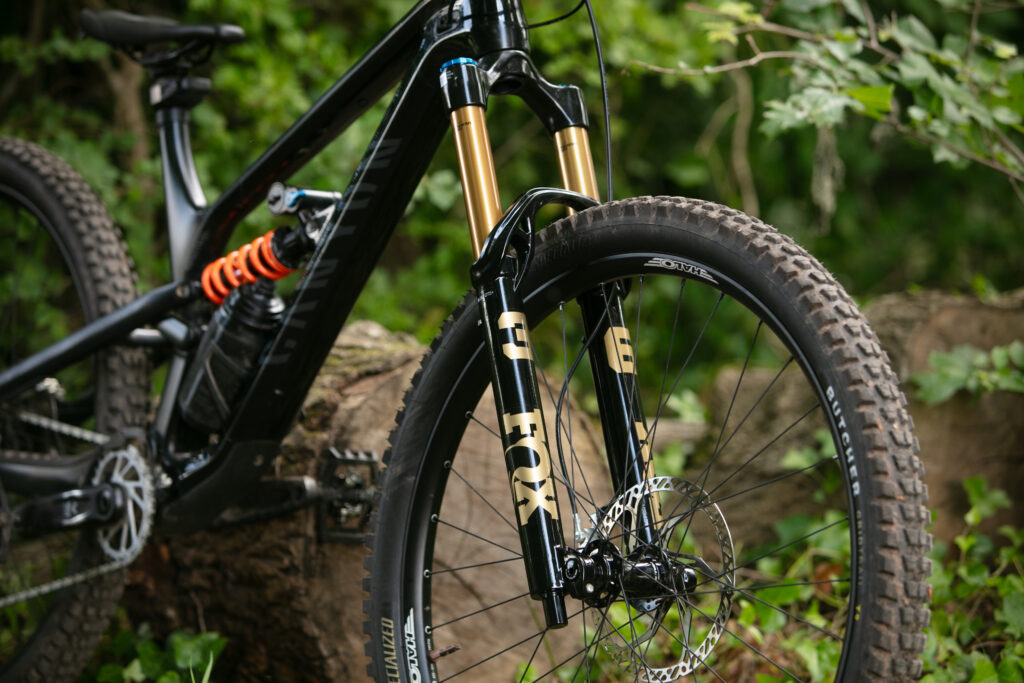

Sidelined for enduro duties by the 38, the Fox 36 Factory GRIP X2 is a staple of all-mountain suspension. With a new chassis, air spring, and the recent GRIP X2 damper, it brings class-leading performance through sublime suppleness and a serious boost in front-end stiffness that helps it punch well above its weight. However, it’s the priciest mainstream fork, and it’s not without a weight penalty compared to others in its space.
- How to set up your mountain bike suspension – suspension set-up explained
- Manitou Mattoc Pro suspension fork review – Huge adjustability and stiffness in a lightweight package
- Air vs coil suspension – which is best for mountain biking?
Fox 36 Factory GRIP X2 – Technical details
Compared to previous models of the Fox 36, almost everything with this one is new. That’s apart from the GRIP X2 damper that I’ve become well acquainted with and enjoy quite a lot. Fox claims that the new(ish) damper is its most tunable, most supportive, and smoothest it has created to date, and it has been designed to sit higher in its travel, while providing all of the traction. This particular damper gets all of the adjustments you can shake a stick at, including eight clicks of high-speed compression and rebound, 18 clicks of low-speed compression, and 16 clicks of low-speed rebound. That’s plenty to sink your teeth into.
However, the fork is also available with the GRIP X damper. It’s a simpler unit that’ll appeal to those who don’t need all of the adjustments and the extra potential confusion. This damper doesn’t offer high-speed rebound damping adjustment.
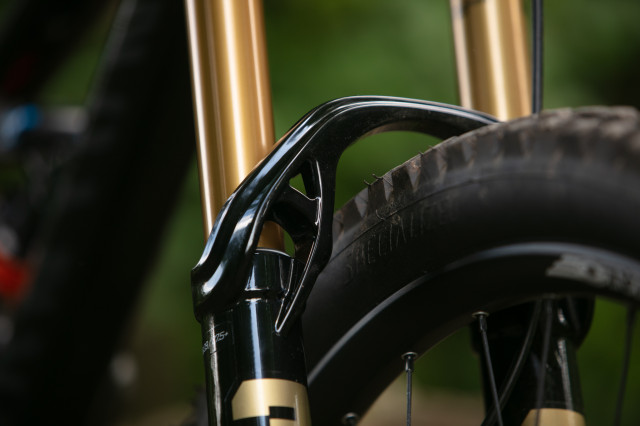
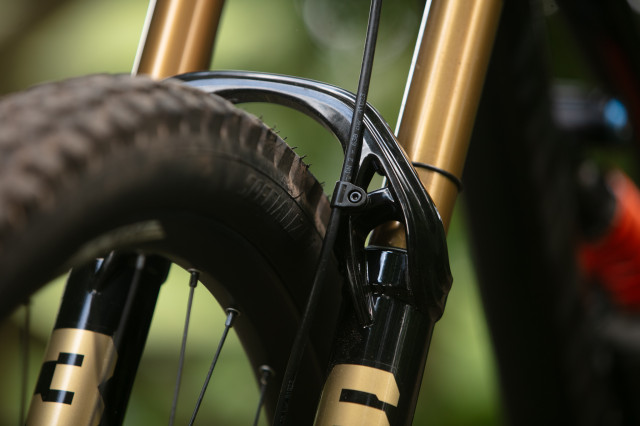
Moving on to the new things, the most obvious is the chassis, or more specifically, the arch. It uses a similar generative design to what was employed for the arch found on the 32 Step Cast, and Fox reckons it adds 20% more torsional stiffness compared to the previous design. Thanks to this new design, the brand has been able to shave off excess material in order to reduce weight, too.
It’s not just about the arch, as there are pressure release valves on the lowers and Fox has relocated the fork’s bypass channels inboard of the fork so they’re not on the fore and aft load path. According to Fox, this reduces stiction while still encouraging the flow of bath oil. In further attempts to up sensitivity, the 36 GRIP X2 also gets increased bushing overlap, which has been extended by 30mm. We’re told that this contributes to the fork’s smoother feel and works in tandem with all of the other new bits to increase stiffness.
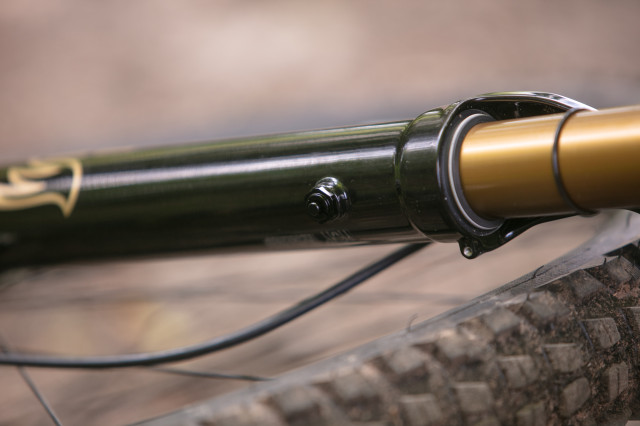
Then there’s the new FLOAT Glidecore air spring. It does the whole air spring thing a little differently, as its piston can move with the fork as it flexes. However, it’s not able to wobble inside the fork all willy nilly, as it uses o-rings with a large cross-section to damp its movement. Fox says that the result of this movement, and the new air spring, reduces breakaway friction to create a smoother-riding fork.
Of course, as with most of Fox’s other forks, the 36 is available in Factory, Performance Elite, Performance, and Rhythm, the latter of which is only available on complete builds. The Factory with a GRIP X2 damper is only available with 160mm of travel, the Factory GRIP X offers 150mm or 160mm. The Performance Elite comes with a GRIP X damper and 160mm of travel, while the GRIP-equipped Performance model loses the Glidecore tech and comes with 160mm of squish.
As for the weight, the new fork with a cut steerer and the axle removed weighed 2,080g on my scale. That makes it a little heavier than the older model, which was 2,020g, and heavier than the RockShox Lyrik Ultimate at 2,023g.
Fox 36 Factory GRIP X2 – Performance
For my test with the new 36, I set it up almost identically to the previous-generation fork that I’ve run on and off for years now. I went with my usual setup of one volume spacer and around 80psi, three to four clicks of high-speed compression, a good handful of low-speed compression, and a mid to fast rebound setup on both circuits.
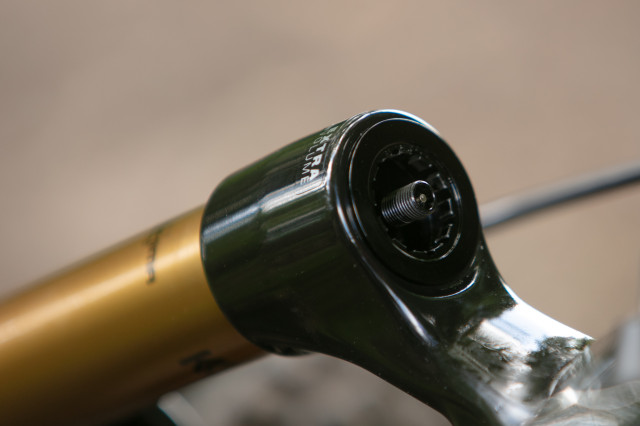
A new addition that I’m incredibly pleased with is a change to the air spring’s top cap. Rather than the socket fitment that required an unchamfered socket, the cap now requires a cassette tool for removal. I’m a serial top-cap mangler, and the brand’s move to this interface keeps it looking tidy, while utilising a tool that you’ve likely got lying around anyway, so there’s no need to invest in a specific socket.
With my chosen setup, I found the fork’s damping to be spot on. The wide range of clicks then allowed me plenty of space to add or subtract clicks depending on where I was riding, and what conditions, without running out of adjustment. There’s a lot of available adjustment on either side of the range I was fettling with, too, so most people should find a good setup without having to have the fork revalved.
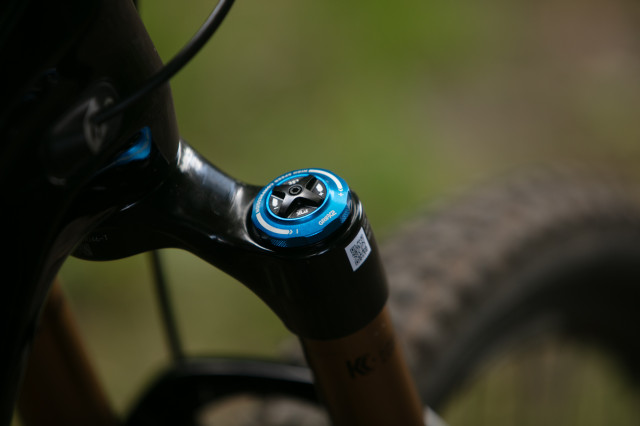
Having received a fairly sizey shake up, there’s quite a bit to get through with the latest Fox 36, but with all of those features collected, I reckon that it poses quite a step up in performance against previous versions of the fork, and dare I say it, others on the market.
The most obvious improvement to the 36 is its new chassis. That’s not just in looks but in the clear boost in stiffness. In fact, it rewards the fork with a super direct feel that’s often associated with the 38, but without the associated weight. With that, the 36 adds welcome capability and, more importantly, composure to a bike’s front end, because it provides such a direct steering feel compared to forks that have come before it. When pointed towards swathes of lumpy roots or rocks, that 20% (or so Fox says) of extra torsional stiffness does great work to keep the front wheel running straight, and where you’ve intended it to.
This hint of stiffness then boosts confidence as it can be pushed fairly hard into technical terrain, without the front wheel being batted around. It’s added a real point-and-shoot character to my bike. Though I tested the fork on a 150mm trail bike, where it feels right at home. If it were bolted to a weight full-fat e-MTB, a difference in stiffness between the 36 and 38 would be much more noticeable.

Stiffness isn’t always a great thing, however, as it can transmit hard feedback to the cockpit. But for the new-spec 36, the GRIP X2 damper and Glidecore airspring do an exceptional job of absorbing all manners of chatter. It’s incredibly sensitive to small bumps throughout the range of its travel. While this means excellent comfort to a bike’s front end, it also brings exceptional and dependable grip, simply because Fox has delivered on its lower-breakaway-force promise.
But the fork’s superb sensitivity doesn’t lead to fork dive, as the brand’s work to help the fork stay propped up in its travel has paid off. While tackling steeper sections of trail, the fork still rides high in its travel, using millimetres only when needed. There’s good progression too, which further displays the fork’s heft of adjustability. As I said before, I run one volume spacer and it’s been spot on for my riding, but that leaves me room to play with the fork’s progression, enabling me to remove a spacer and make it more linear if I wanted to.
With that, the Fox Factory GRIP X2 is comfortable enough to stave off arm bump while tackling lengthy descents, but supportive enough to help the bike as a whole feel totally composed. Then the stiffness comes into play to make the 36mm stanchioned fork punch well above its weight. It’s not a 38 replacement, but for heavy-hitting trail bikes and lightweight enduro rigs, it feels right at home.
Fox 36 Factory GRIP X2 – Verdict
The Fox 36 Factory GRIP X2 is definitely a spendier fork at £1,400, but it offers a level of performance that I’m yet to experience from competitors’ offerings. That said, it reminds me a lot of the Manitou Mezzer Pro. At the time of this review, it’ll set you back £1,200, and it gets 37mm stanchions that bring excellent stiffness but at a lower weight, compared to the 38 and RockShox ZEB. It gets its own fancy features, such as an adjustable negative air chamber and tonnes of travel adjustment, but it’s not quite as supple as the 36, and it doesn’t offer quite as much adjustment in its dials.
Before beginning my test of the 36, I was running the £1,079 RockShox Lyrik Ultimate, which I’ll admit, I fell in love with, replacing my old-spec 36. It is a more affordable fork, and it’s definitely an excellent bit of kit, but like the Mezzer, the new 36 trumps it in terms of stiffness, plushness, and adjustability.
While it costs more than rival forks, the Fox 36 offers more. It’s stiffer, plusher, and offers an excellent range of adjustment. If I were shopping for a fork, having ridden most mainstream offerings, I would save the extra cash for what Fox has cooked up here.
With the latest edition of the 36 Factory GRIP X2, Fox has delivered a fork that further blurs the lines between all-mountain and enduro riding. Its newfound stiffness brings a refreshingly direct enduro-like feel that boosts confidence and composure through rough terrain. That stiffness is backed up by excellent and supportive damping in a fork that’s the smoothest in its class. There’s plenty of adjustment to play with, too. Yes, it’s pricier, but if I were in the market for a top-performing fork, the latest Fox 36 where I would spend my money.
All the deals displayed on our review pages are pulled from a constantly updating database feed of the best affiliate deals available. The criteria for deciding on what are the best deals is who is offering the lowest, delivered price. In most cases we will be showing the very best deal available online, but sometimes you may be able to find an item cheaper. If you can please feel free to post a link in the comments box below. To find out more about affiliate links on road.cc click here.