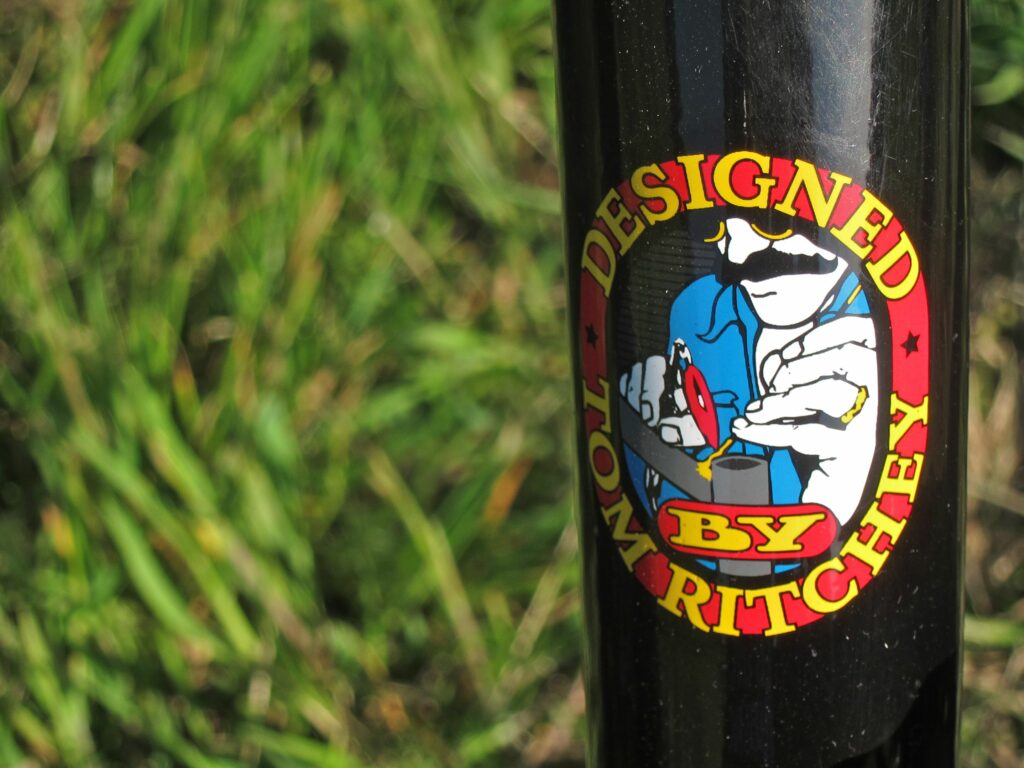

It’s pretty much mandatory to start a review of a Ritchey bike with a history of the name and the man behind it, because a large part of the appeal of this bike to a large part of its audience is its back story. Already an accomplished road racer and framebuilder Tom Ritchey was there at the very germination of what was to become “Mountainbiking” in California where he built the first production mountainbike frames. Going on from there he’s designed just about every component you can find on a bike, both road and off, had bikes underneath World Champions and has survived the fickle and rocky undulations of the bike industry to still head the company with his name on where his peers may have floundered, been bought out, sold out or just plain disappeared. His thread meanders through mountainbike history like the finest singletrack and leads us to this P-29er bike. It’s a bike that definitely has both wheels planted in today but look closely and you can see all that’s gone before.
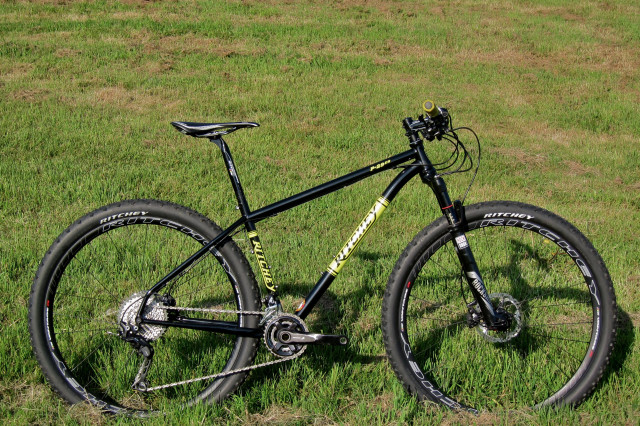
The P-29er here is the standard off the shelf complete bike with a price tag of £2969, but we reckon most people in the market for this Ritchey will buy the frame only at £750 and build it up to their own particular spec. That said, the build here offers very little to complain about; drivetrain and braking is a full complement of dependable workhorse Shimano XT, Rock Shox SIDs supply 100mm of fork travel, and the rest is a showcase for Ritchey components with wheels, tyres, saddle, seatpost, bars, stem and grips all grabbed in a trolley-dash round the Ritchey warehouse. It’s a sensible parts pick that all just works, but sometimes the sum of these parts make the bike feel like it has a split personality, sometimes that’s to its favour, othertimes not.
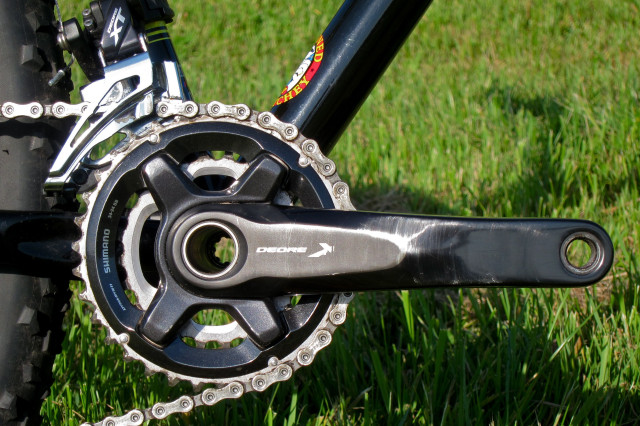
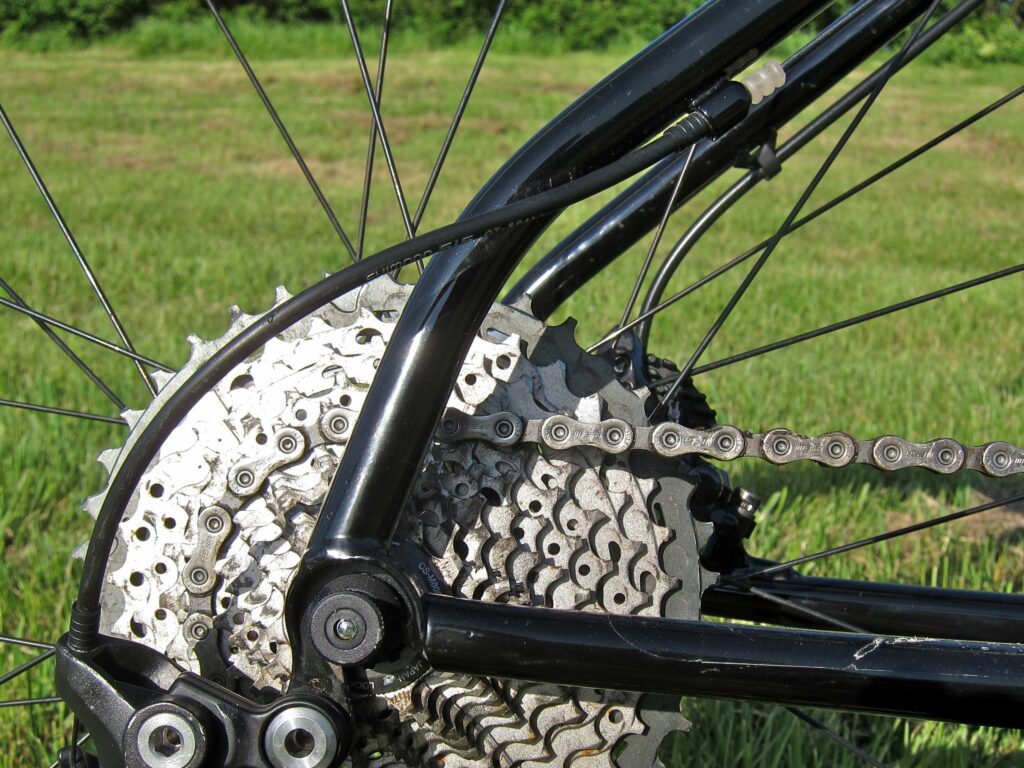
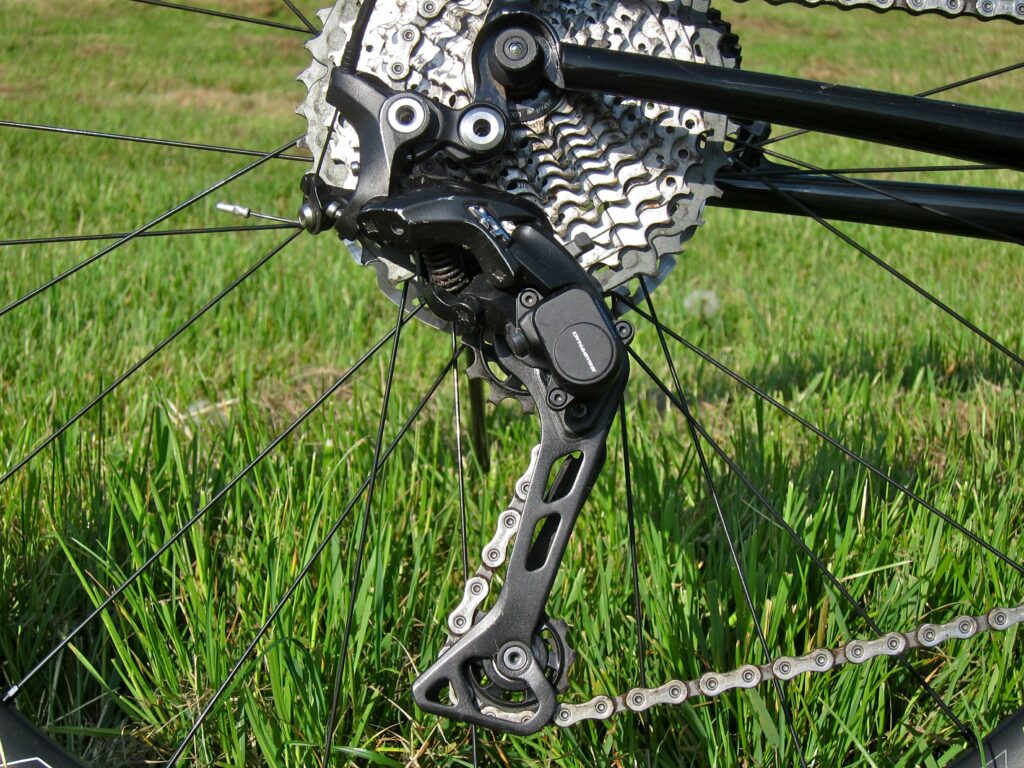
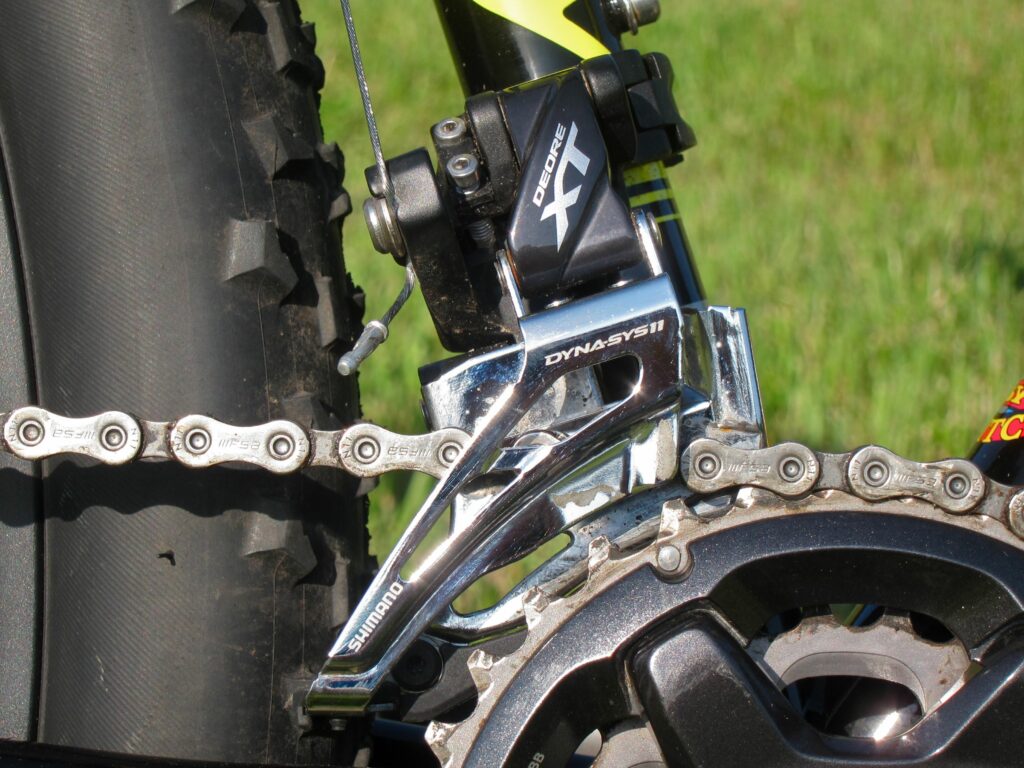
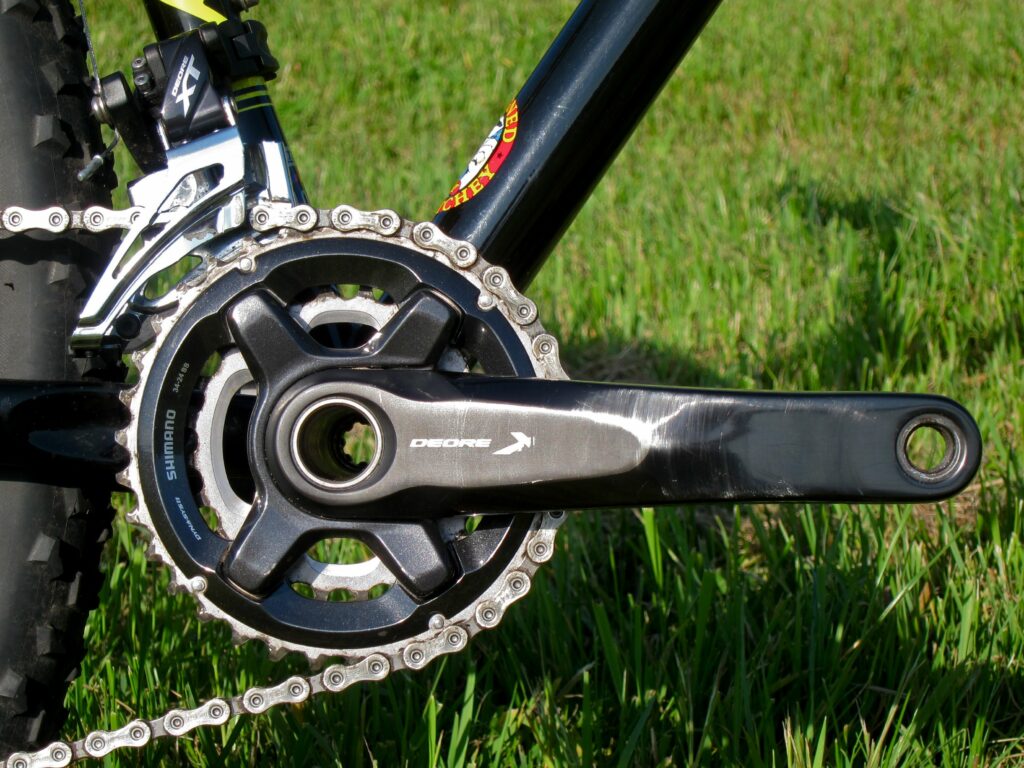
Let’s begin with the Shimano XT stuff because that all just worked with the reliability you’d expect from the go-to all-day every-day groupset. The 34/24 chainrings linked to the 11 speed 11-40 cassette ensure you can climb pretty much anything at the expense of a decent warp-speed gear, so while trail ridery types will like the ability to winch back to the top of the singletrack those of a firmer thighed cross-county hue might find some of the gaps in the wide range cassette annoying and be pushing buttons looking for a bigger gear as velocity increases.
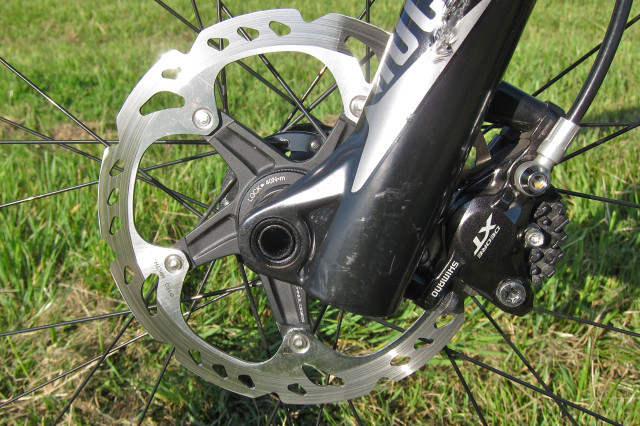
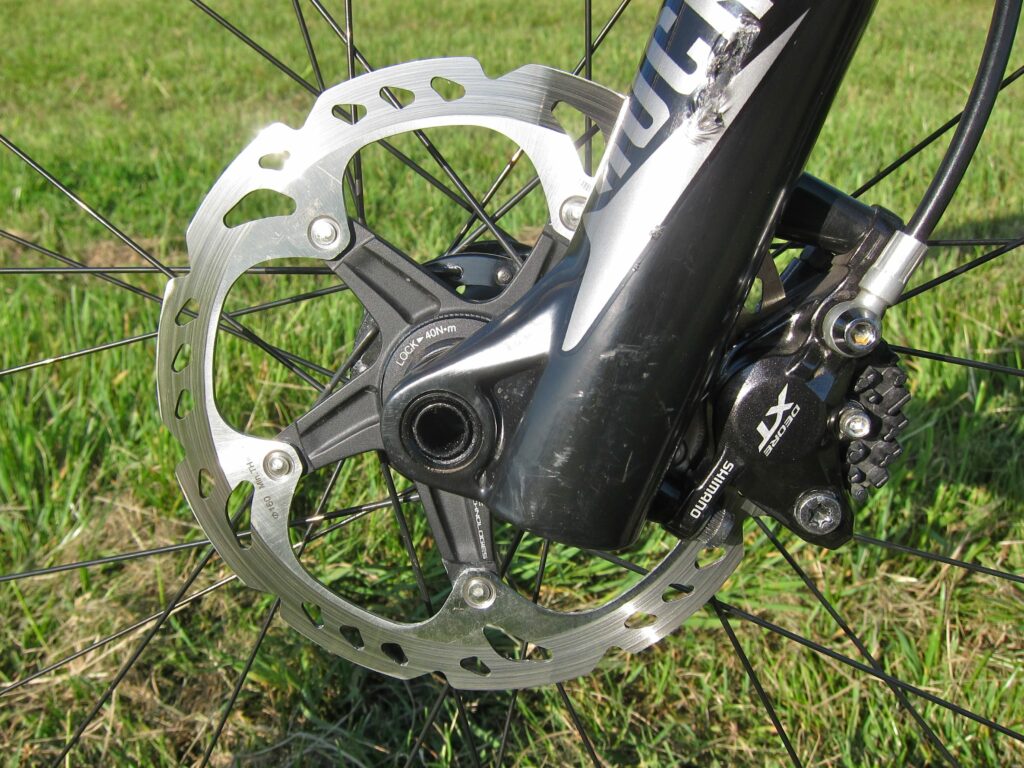
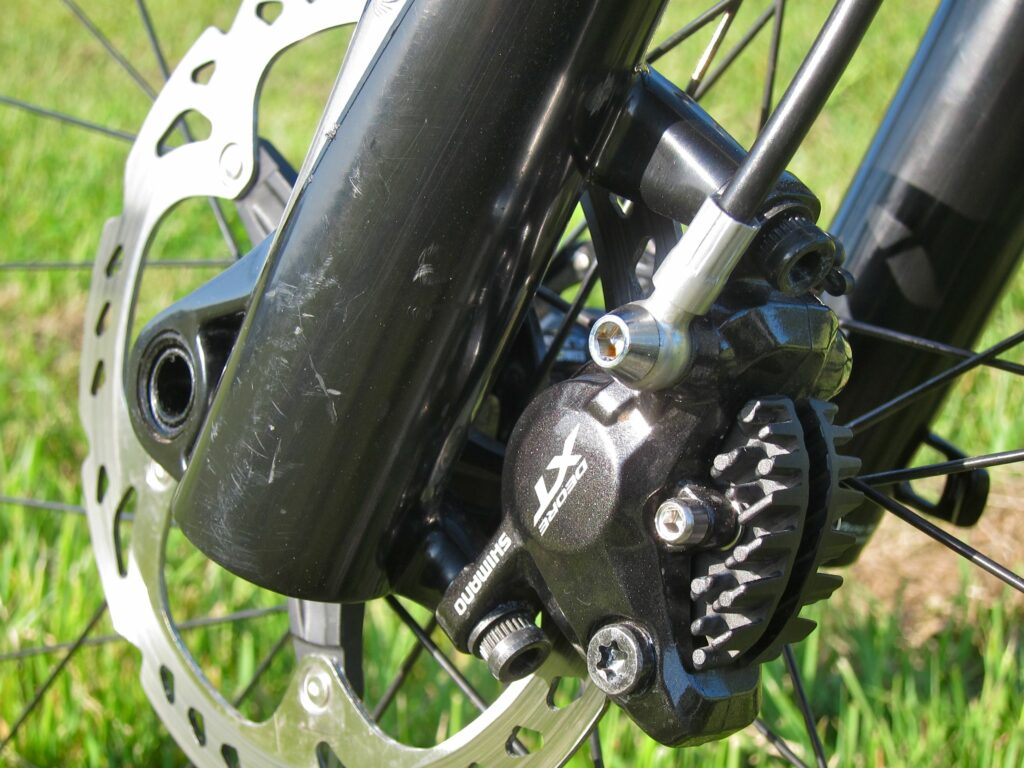
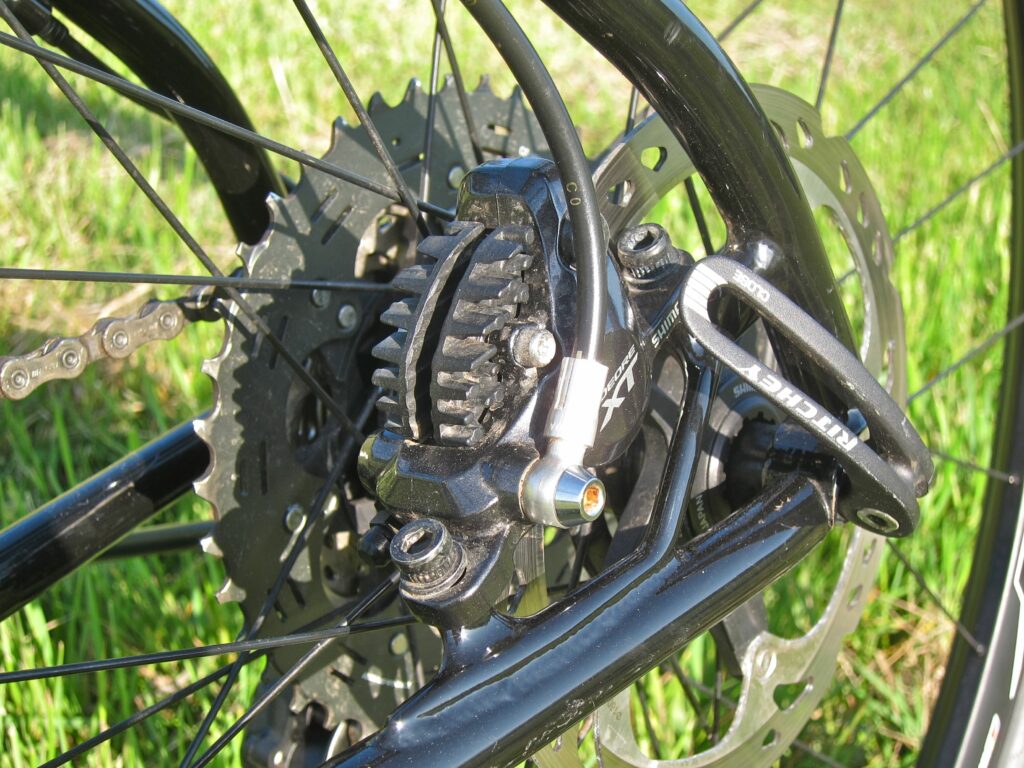
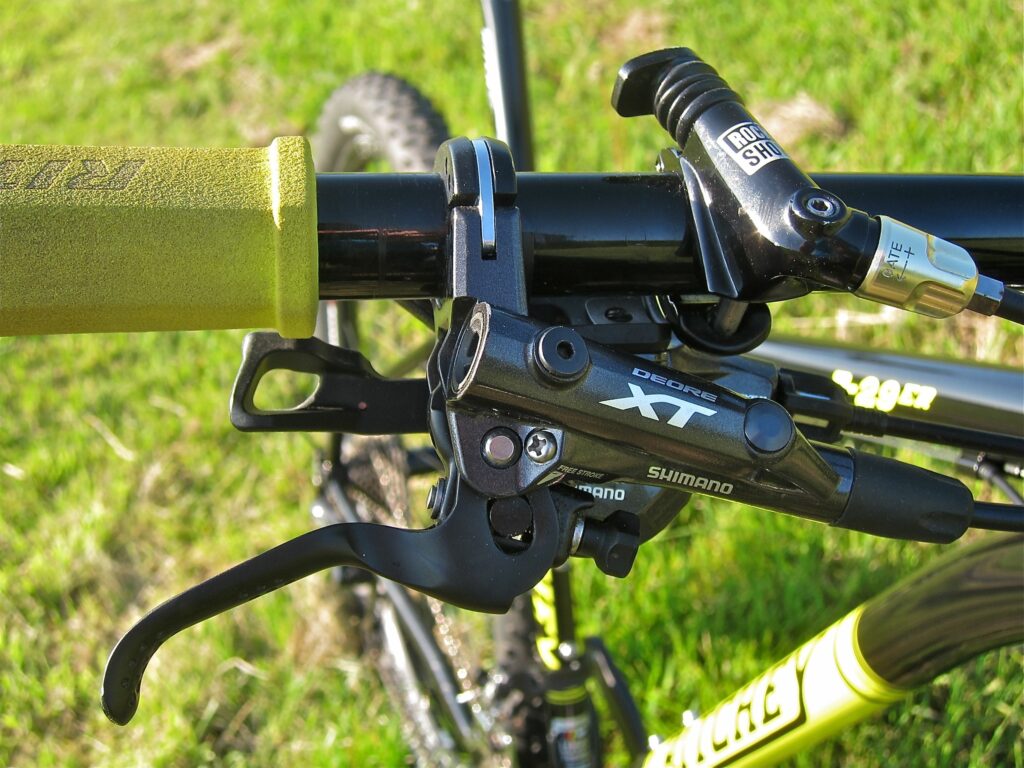
The XT brakes also just worked, the finned pads and Ice Tech rotors helping towards reliable consistent performance. Granted there weren’t any epic alpine descents tackled on the Ritchey to give them a proper going over and this test rider doesn’t require much to stop them, but…
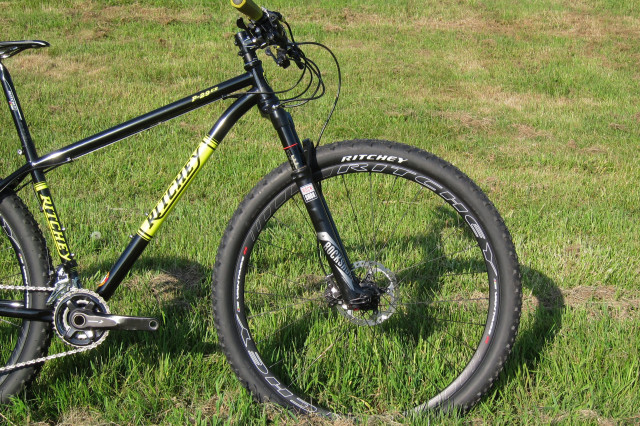
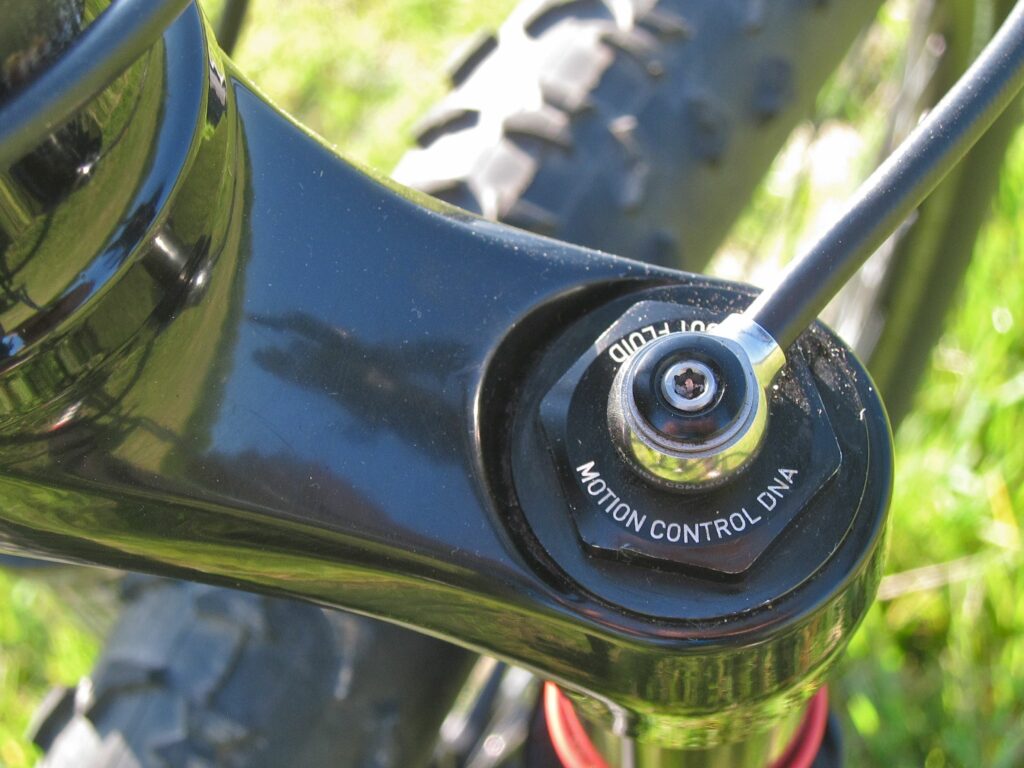
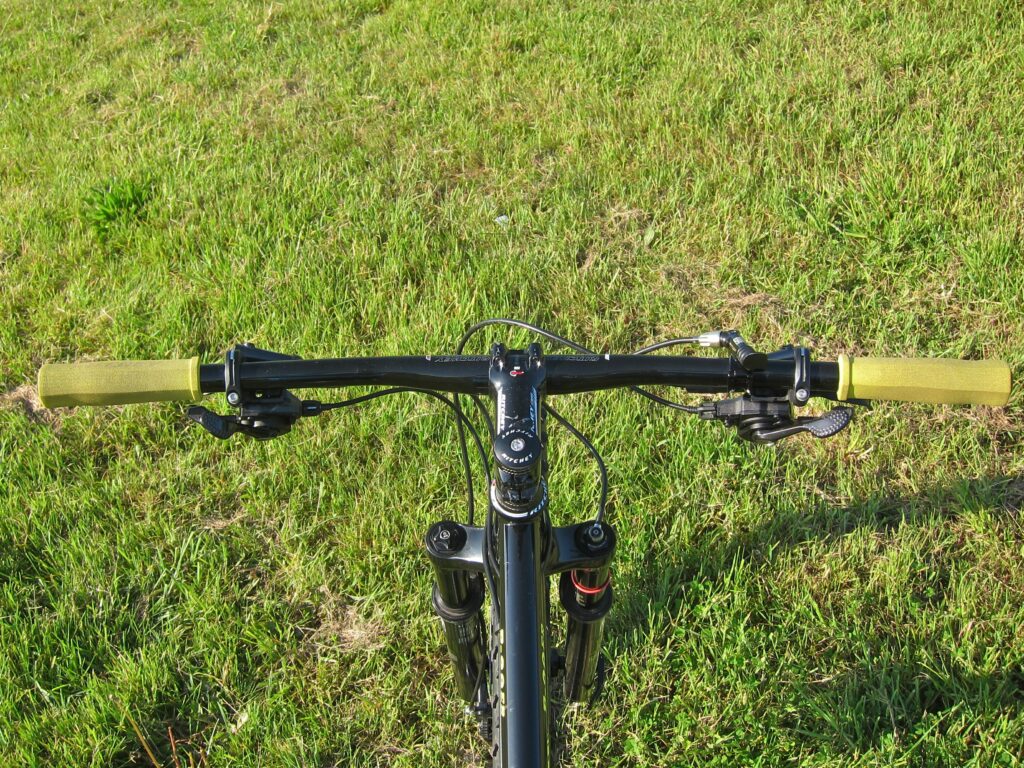
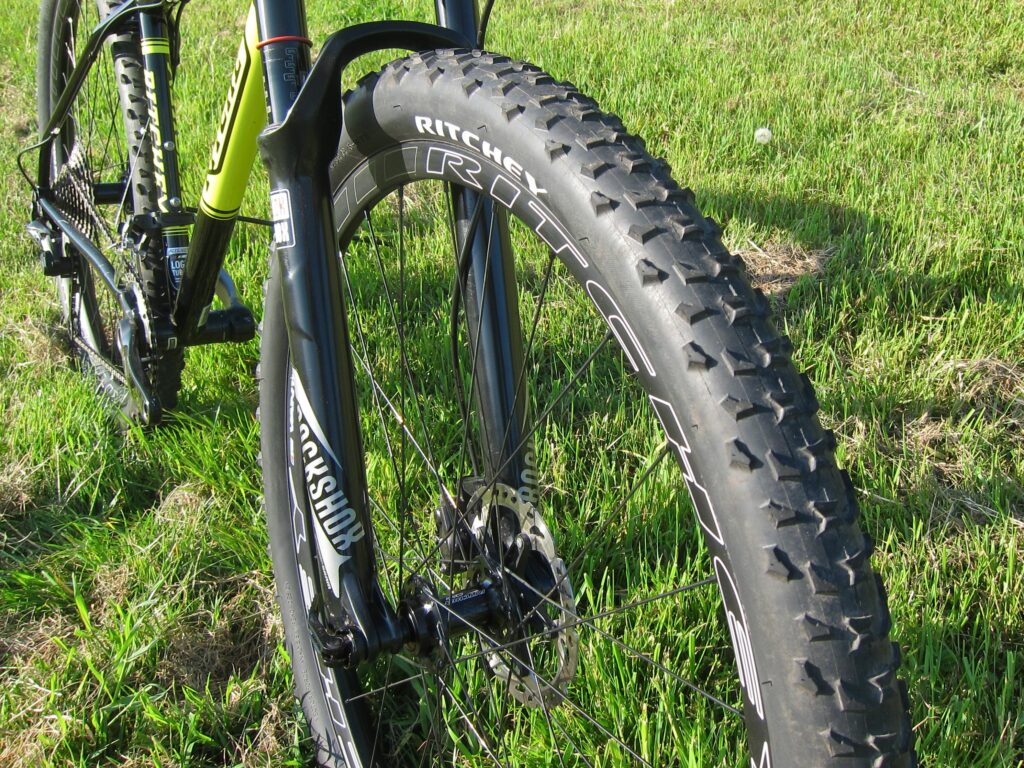
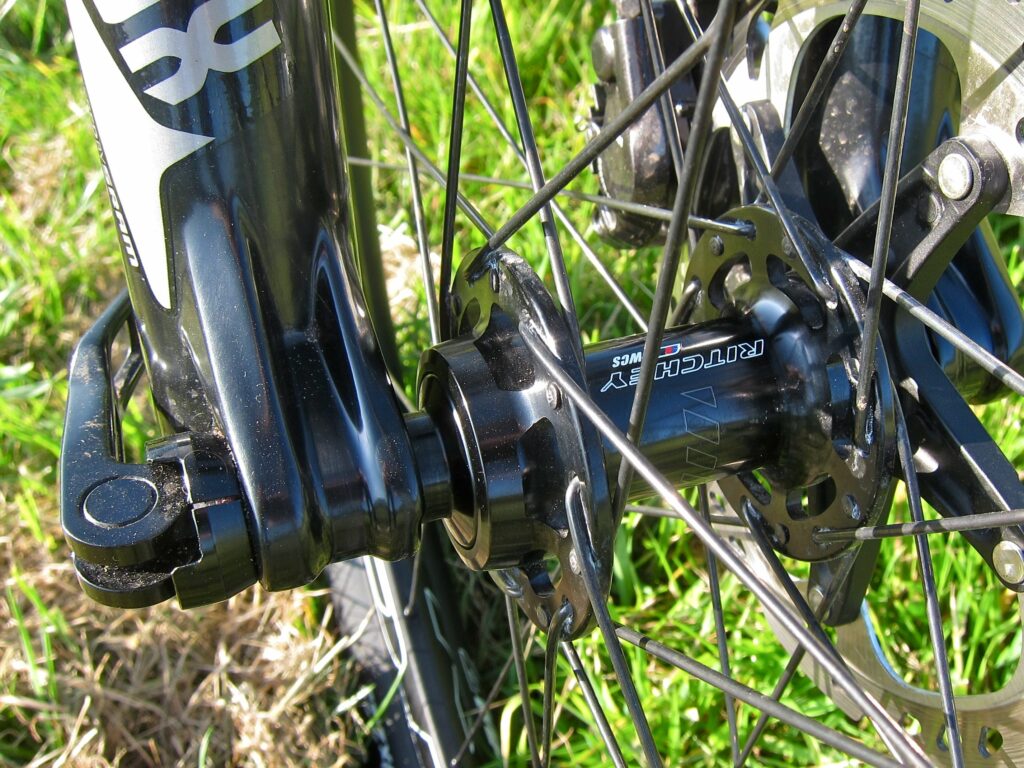
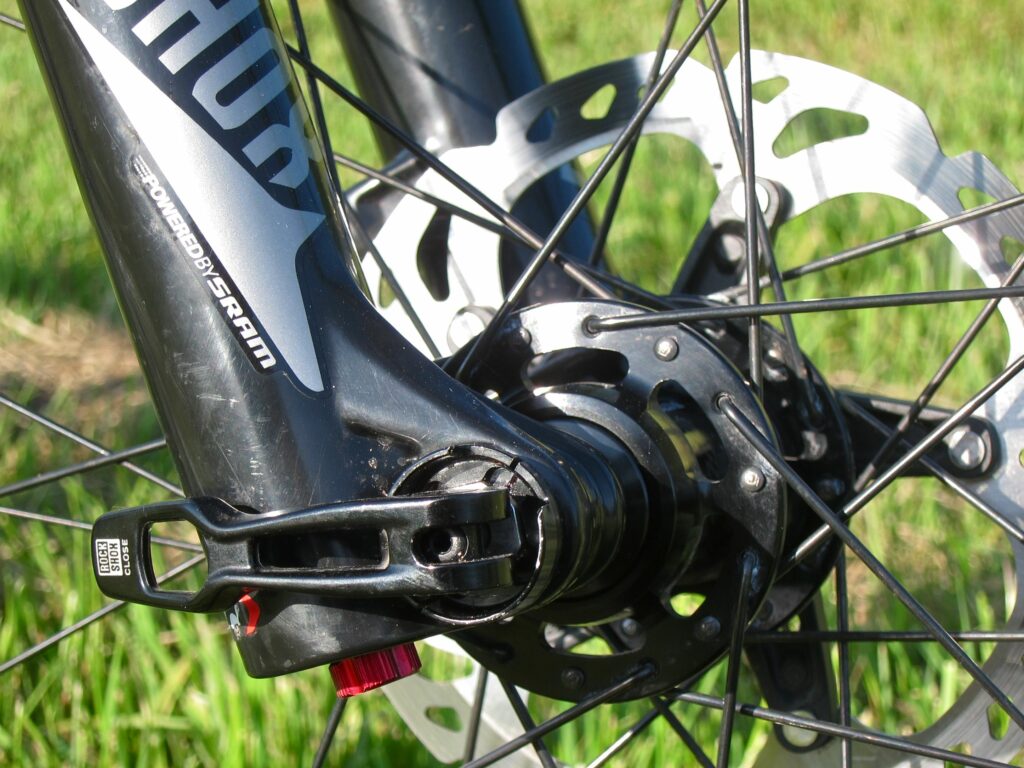
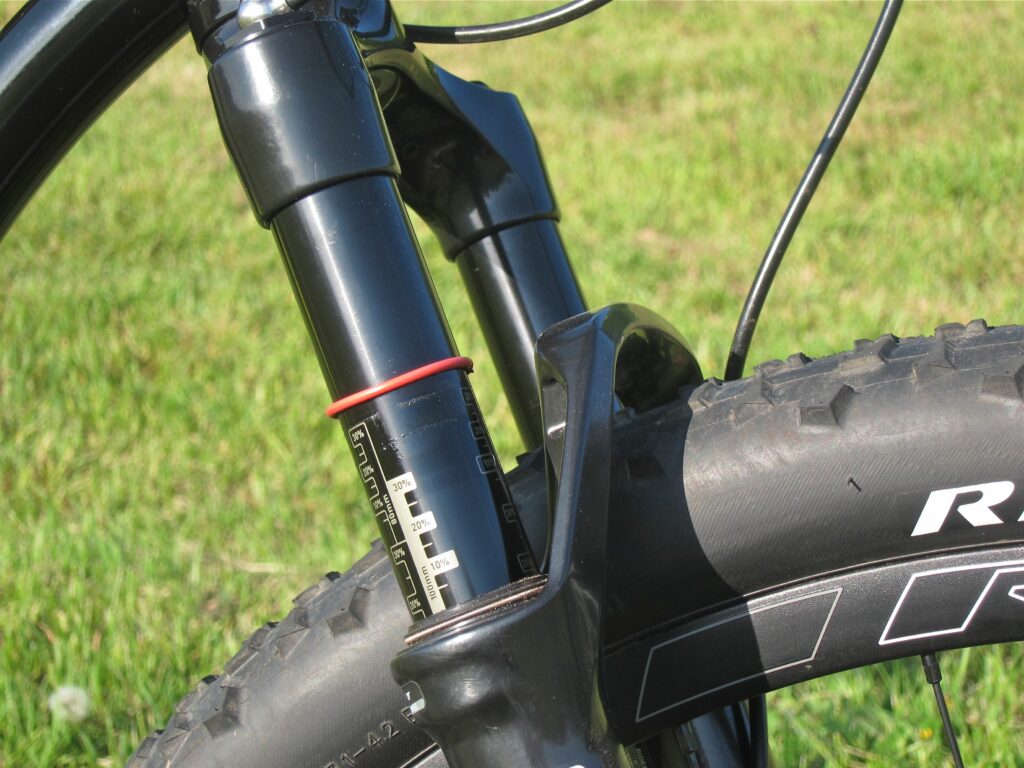
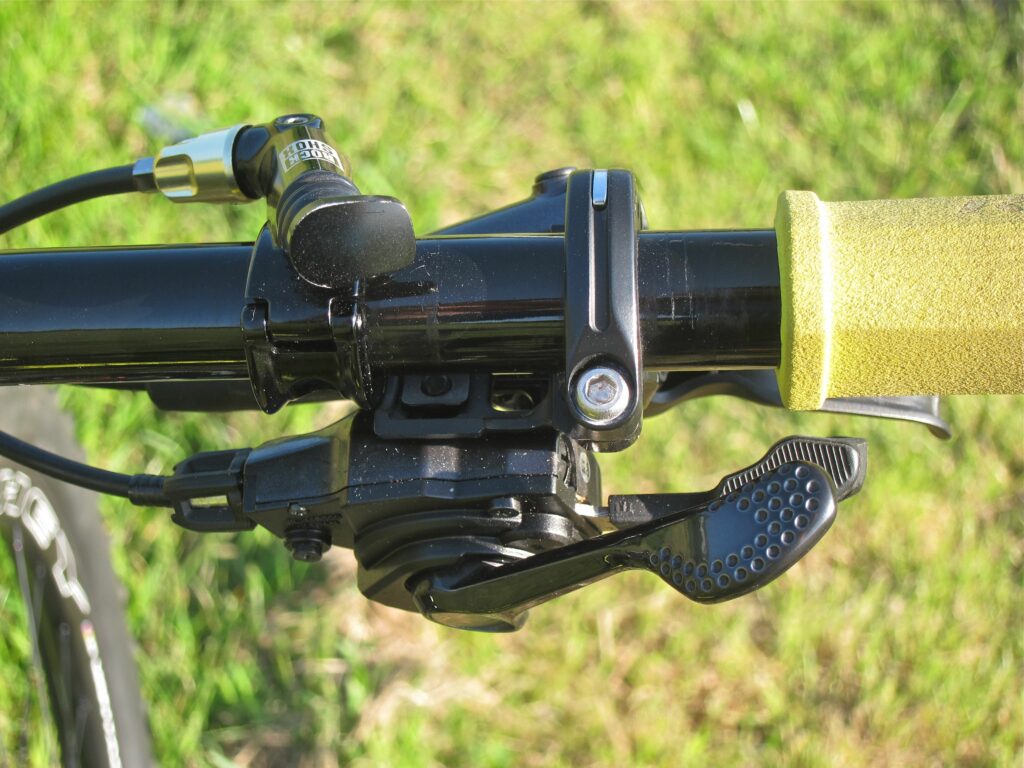
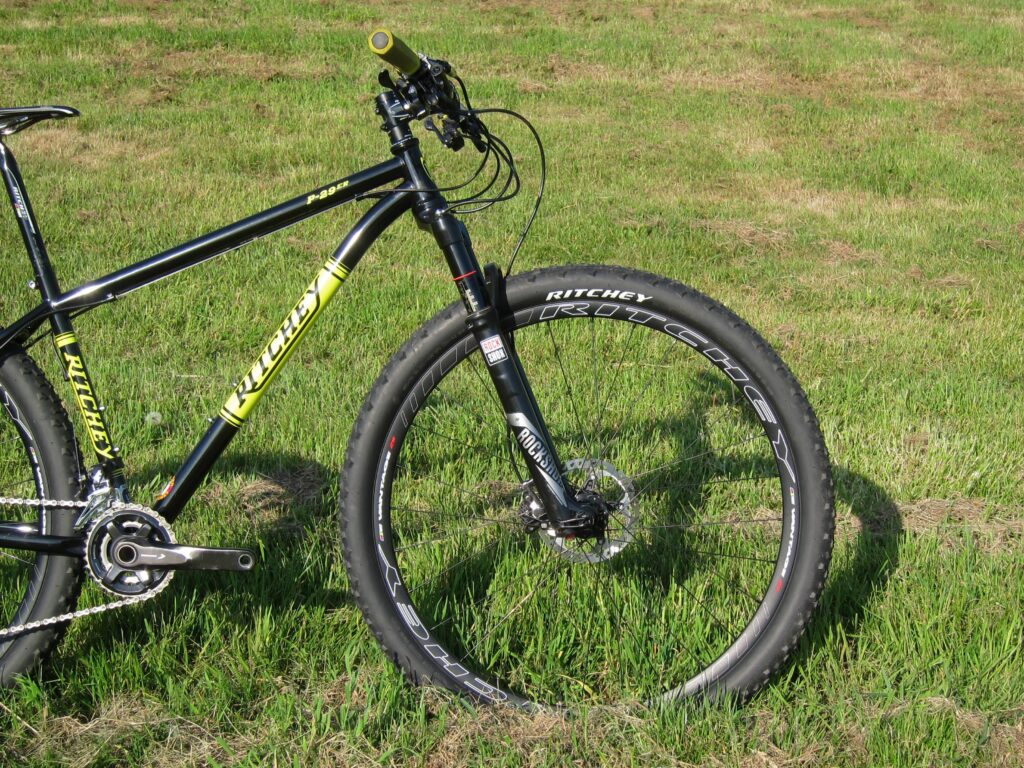
Also on the not-much-to-say list were the Rock Shox SID forks, they seemed well suited to the bike, short travel enough to not feel floppy and over-suspensioned for XC duties while stiff enough to give direct steering through twisty singletrack and stout enough thanks to chunky stanchions and a 15mm bolt through hub to cope with exuberant mucking about without getting out of shape. The XLoc handlebar mounted thumb operated hydraulic lock out came in useful on long climbs and honking out of the saddle when you wanted to feel as if all of your power was going through the bike and not annoyingly agitating the stanchions.
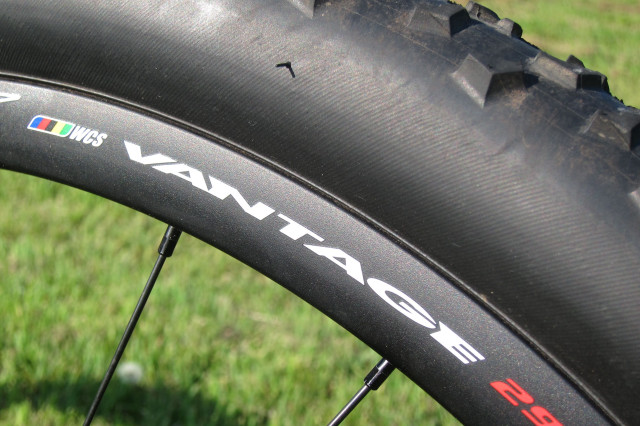
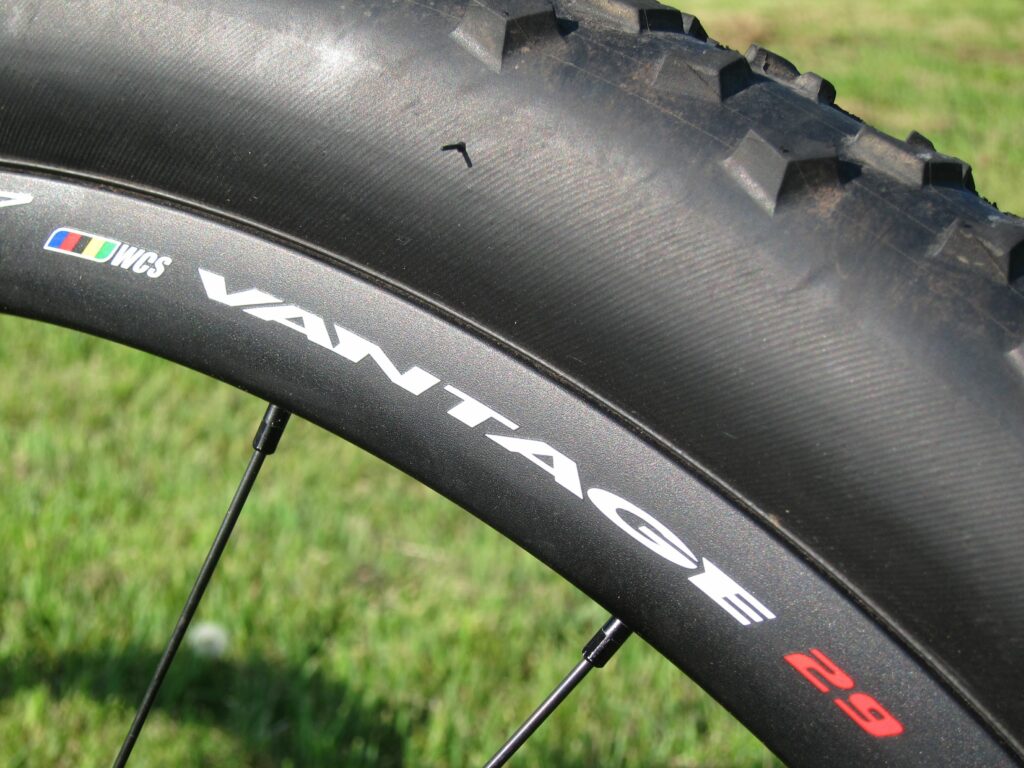
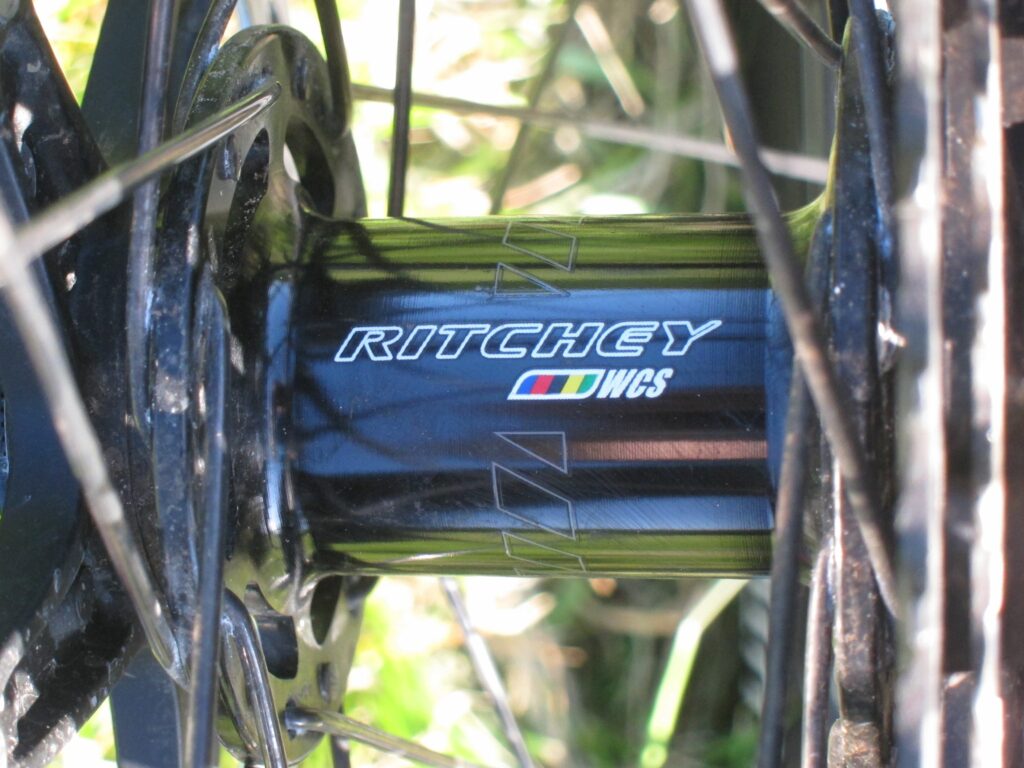
The Ritchey WSC Vantage wheels are a component highlight in an area where many bike builds try to save money, at £750 a pair they’re a significant investment in the cost of the bike. They come with off centre and tubeless ready rims that are joined to the Ritchey WCS hubs with DT Swiss spokes. Like everything else on the bike they were good workhorse wheels, capable enough when carving singletrack and bouncing off things but if you thought about it you could feel their weight on long draggy climbs so fervent XC or long distance types might feel the benefits of swapping to something lighter, although you’re going to have to spend some over the price of the Vantages to gain much, um, advantage.
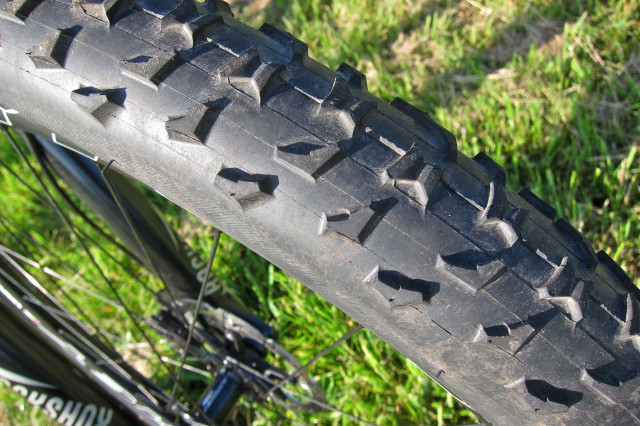
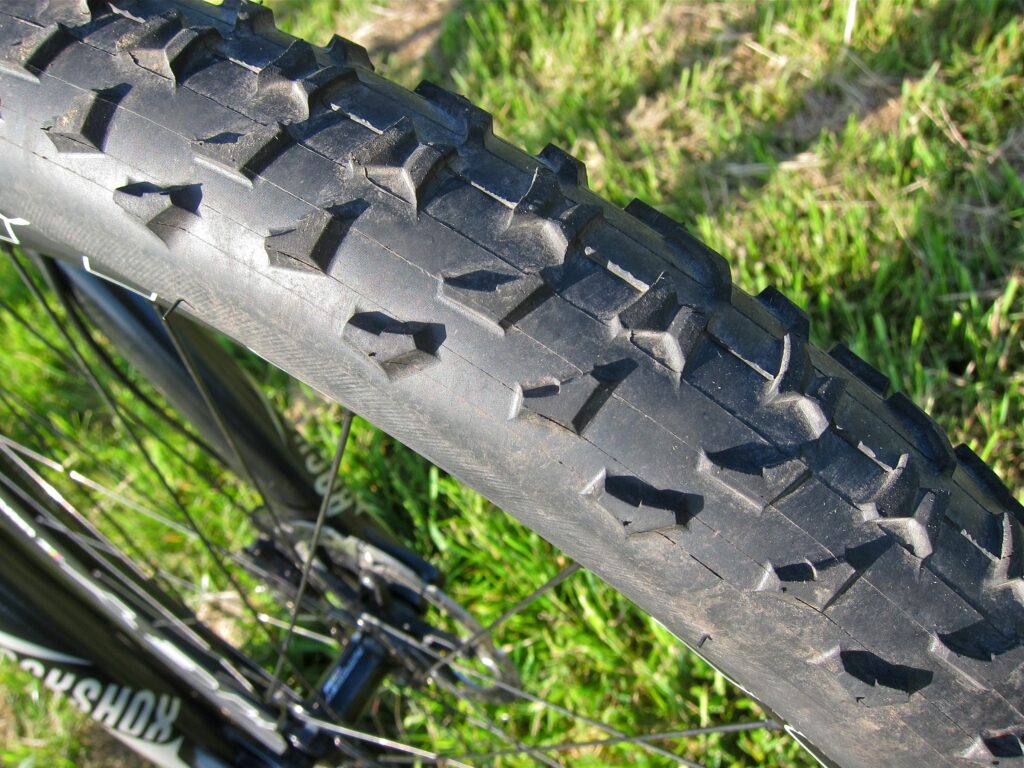
Levered onto those wheels were Ritchey Z-Max Evolution 29×2.25 tyres and that name and the tread pattern will bring a smile to the face of any mountainbiker of a certain age. it’s a tyre pattern that’s been around for years, so either Ritchey are ignoring all the tread technology that’s gone on in the intervening years or they think they got it right first time. They’re a good fast cross-country tyre for the drier months, the tread wraps around the carcass well down the sides rather than squaring off at the edges benefiting riders that like to swoop through corners rather than dig in and carve.
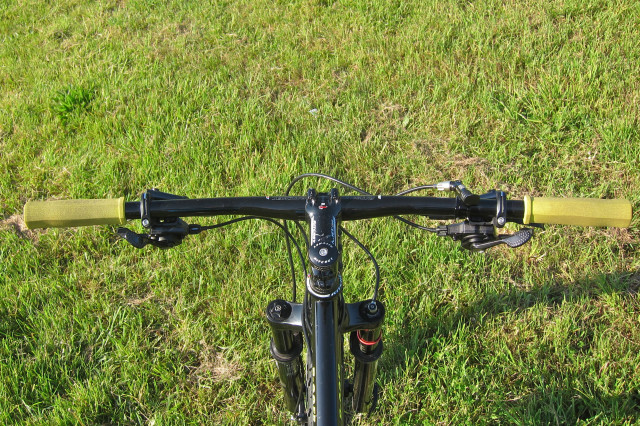
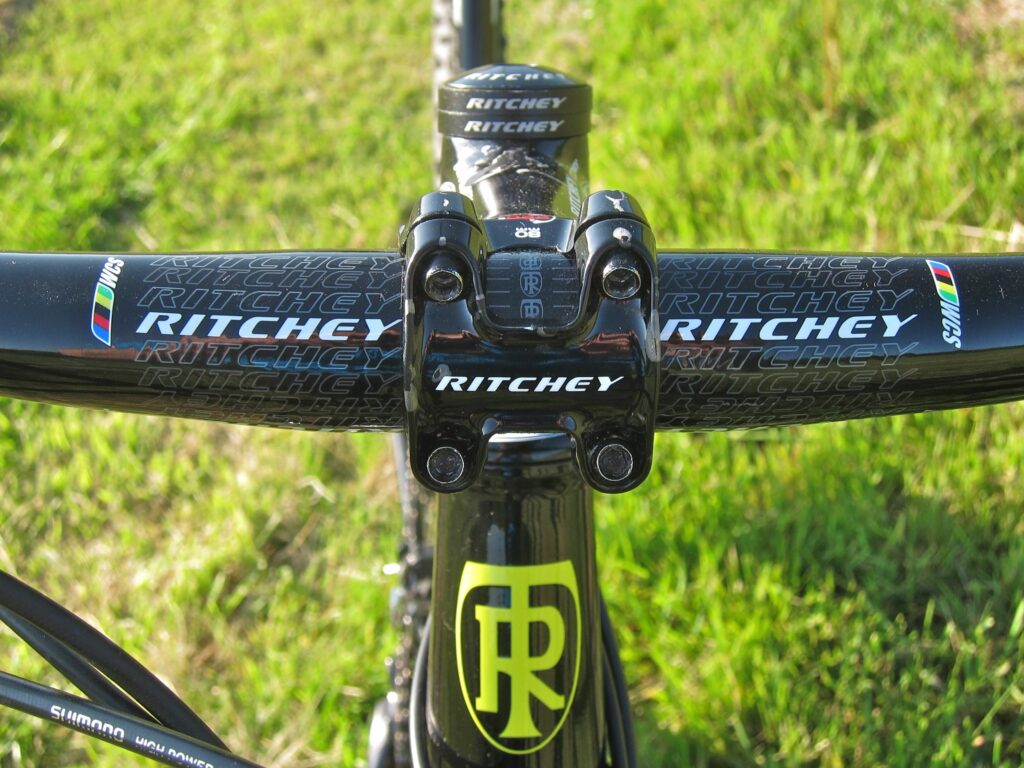
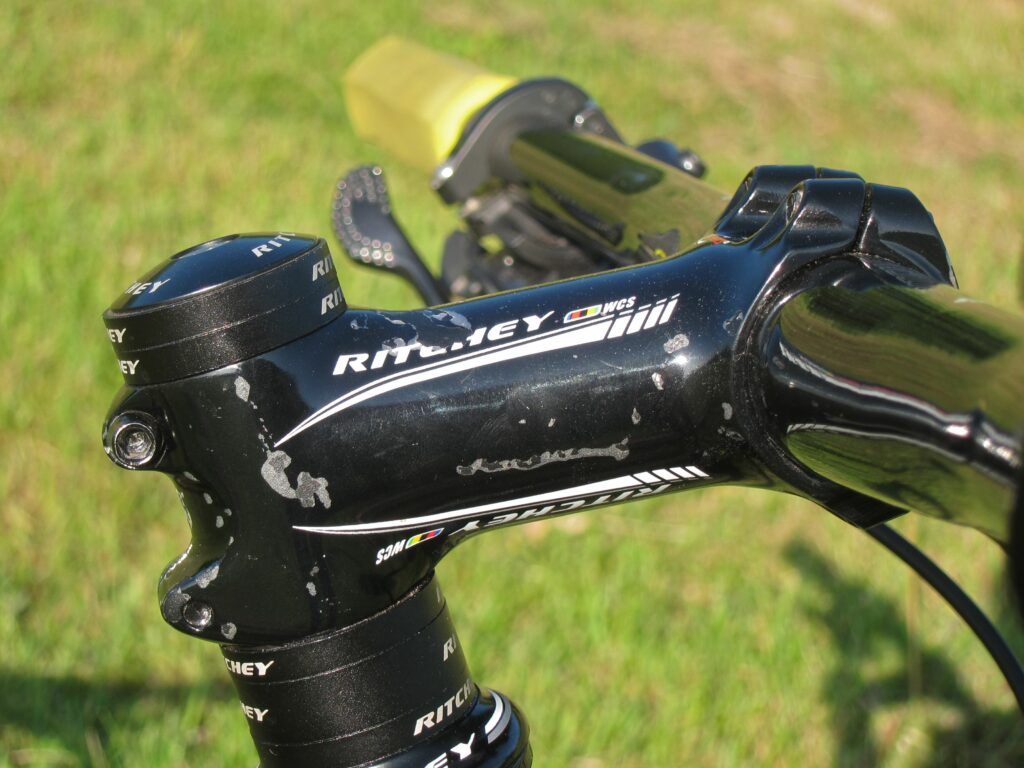
Everything above the frame is full Ritchey, the bars and stem do what bars and stems do, the flat bars keep the front end low enough for cross-country duties yet not too low for singletrack threading and felt fine at 720mm wide, although you might want something fashionably wider, what is that width this week?
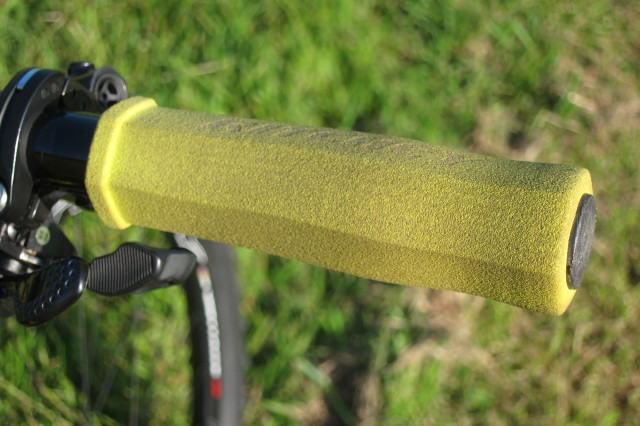
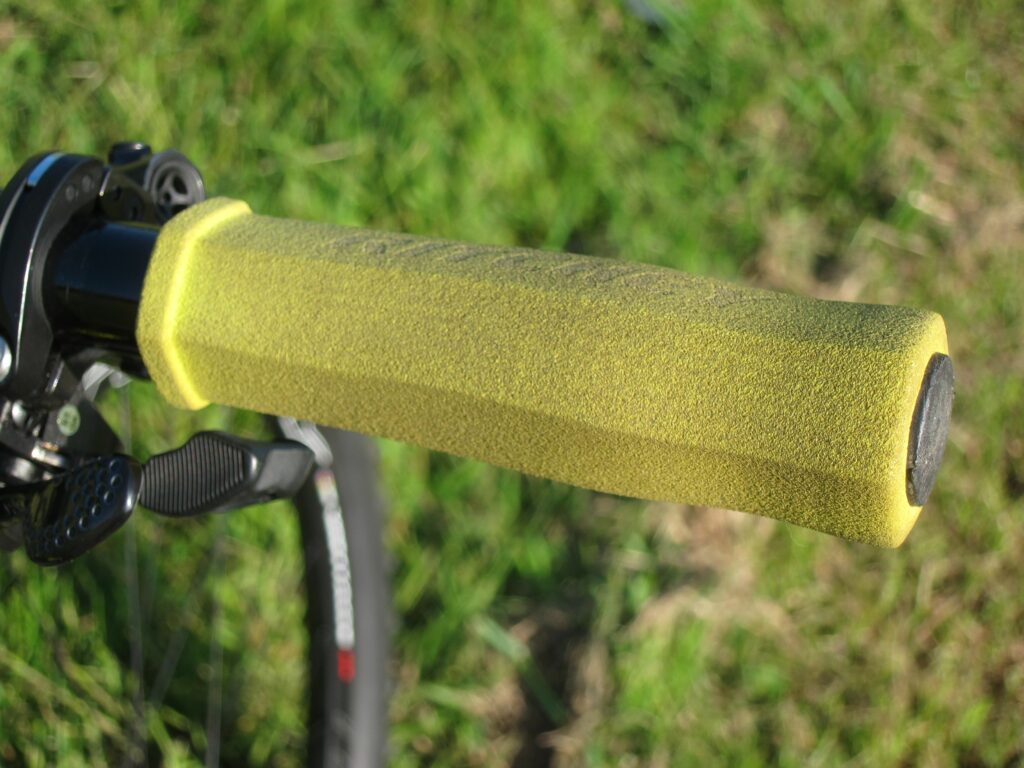
The WCS Truegrips are another Ritchey component that will make those of an age fuzzy with nostalgic recognition and coming back to them after some years they’re actually still a very good grip. The neoprene foam is light, grippy, has a nice level of squish to it and the hexagonal shape clinches nicely in the hand.
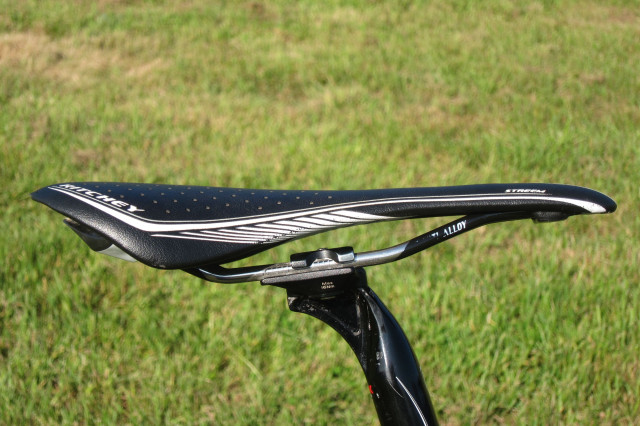
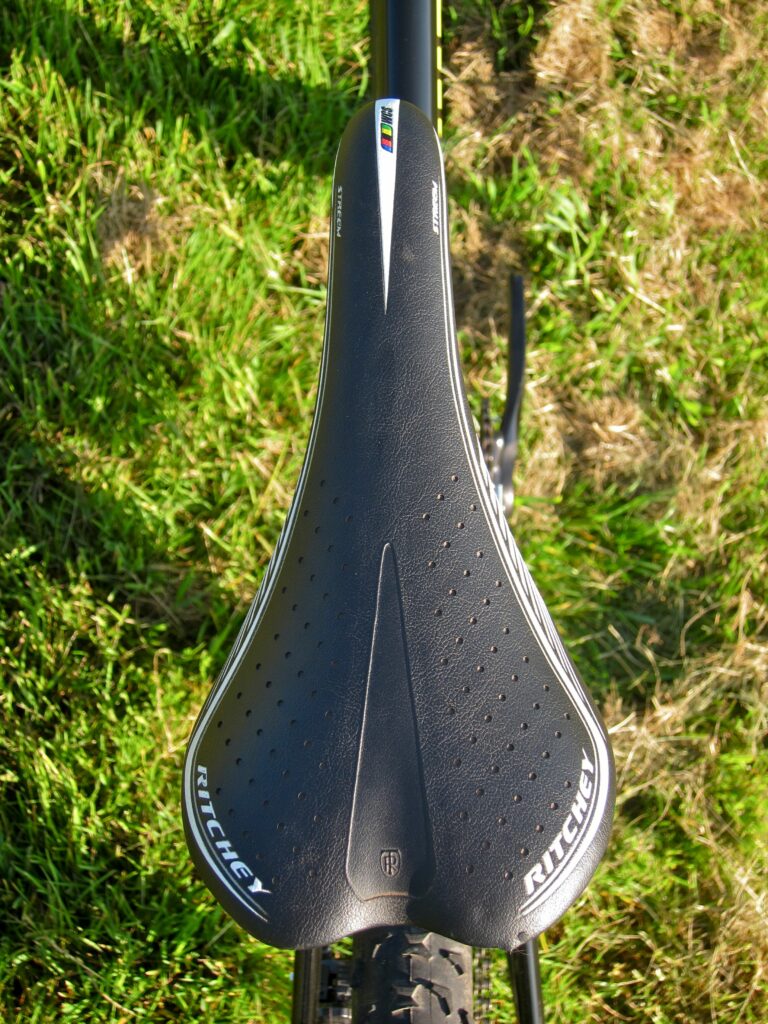
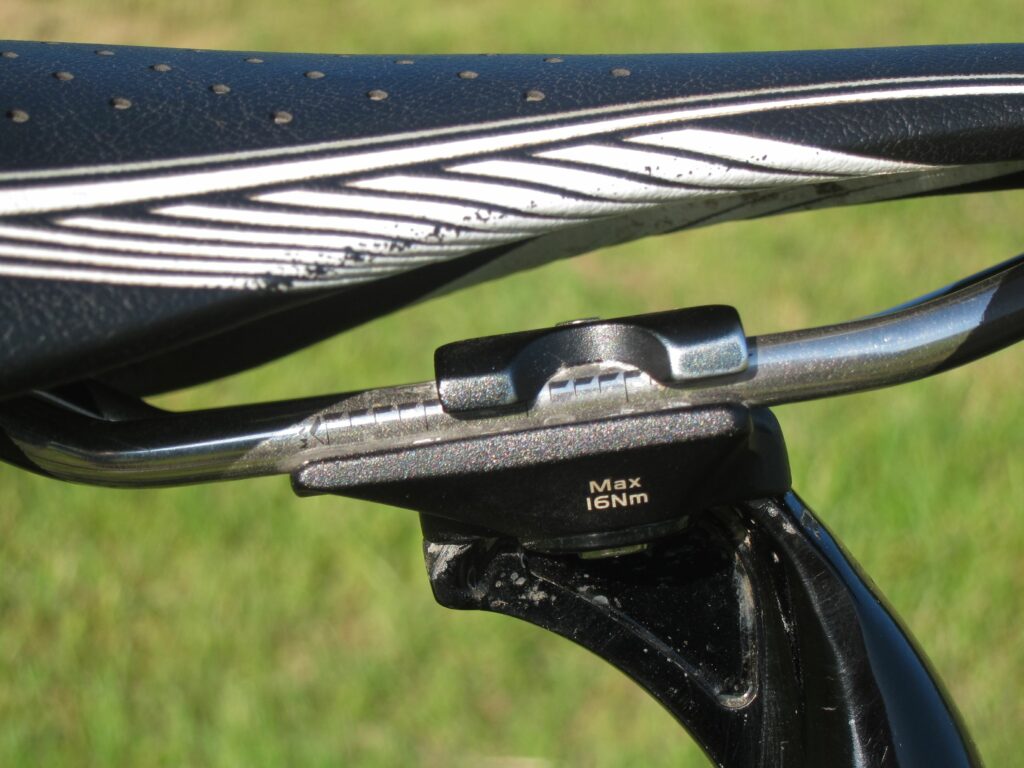
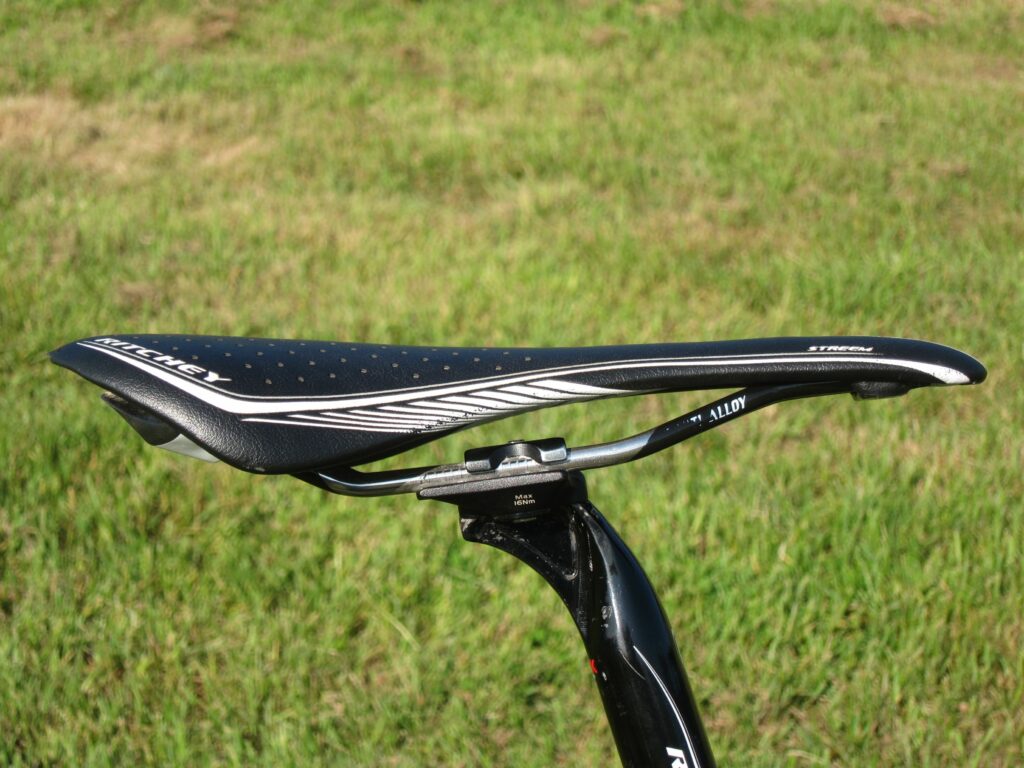
The Ritchey seatpost is an old-school 27.2 diameter and goodly long, and with the frame design ensuring you’ll run the bike with a lot of post showing you get a fine amount of flex out of the thin pipe which helps comfort over the course of a riding day. The Ritchey Streem WCS saddle on top might not be to everyone’s bum taste though, it’s has a pretty flat profile and the Vector Wing design with carbon reinforced shell makes it noticeably stiff under buttock, it’s definitely more of a saddle suited to a racer or a fast-and-long rider with a taut rear-end.
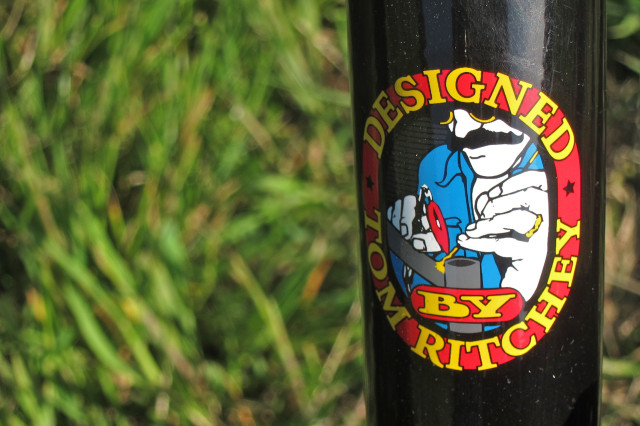
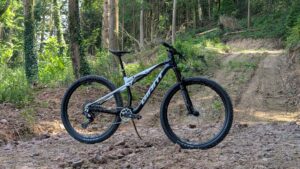
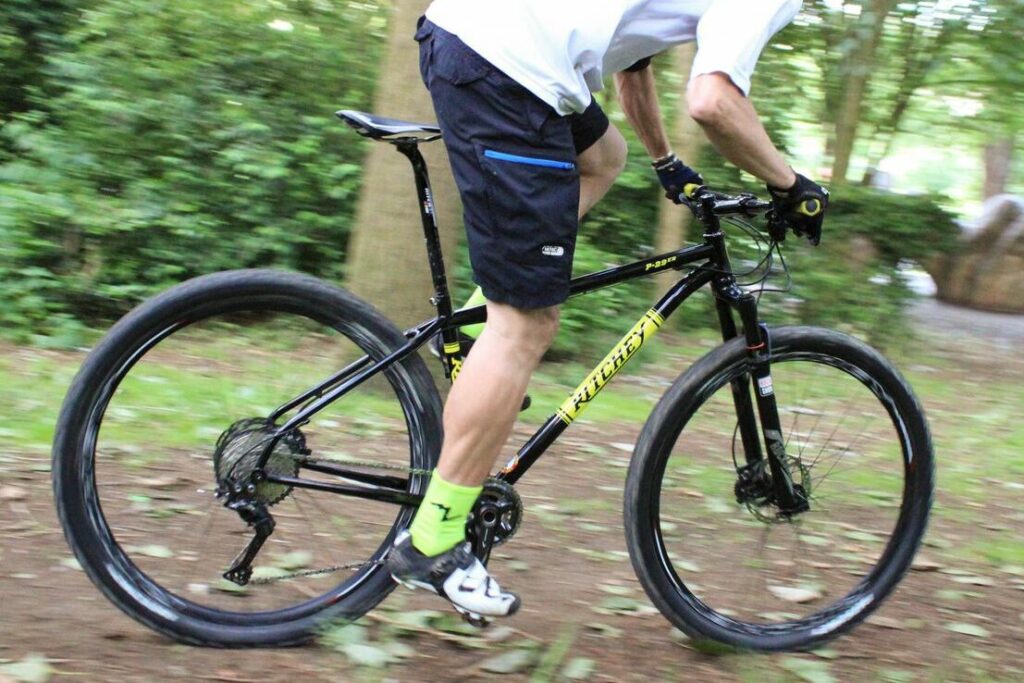
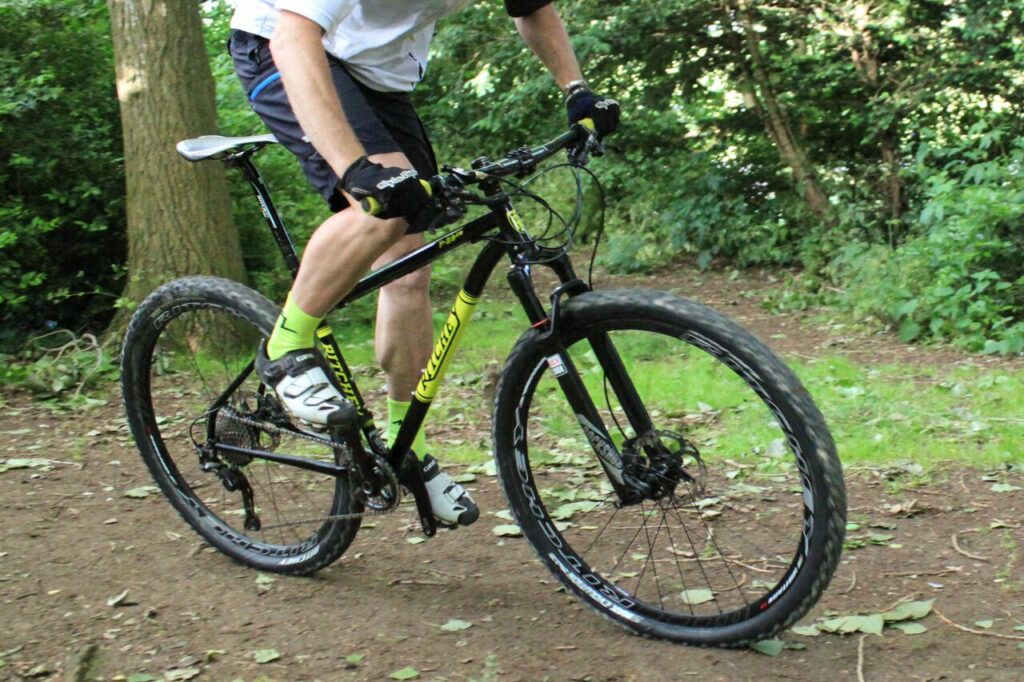
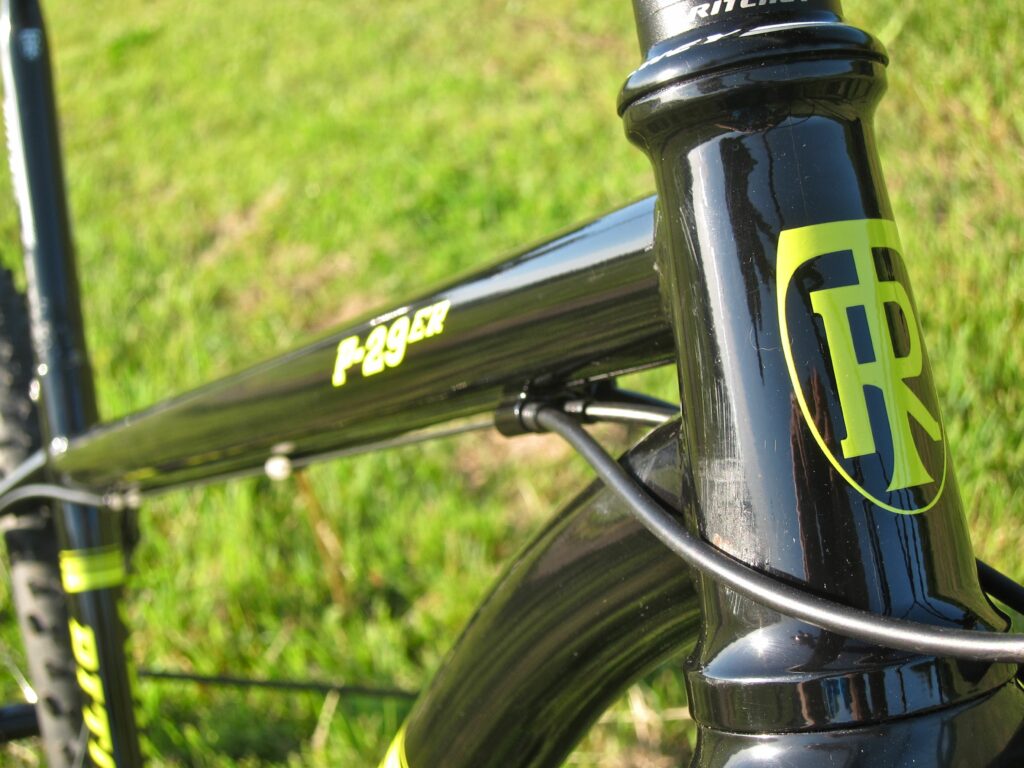
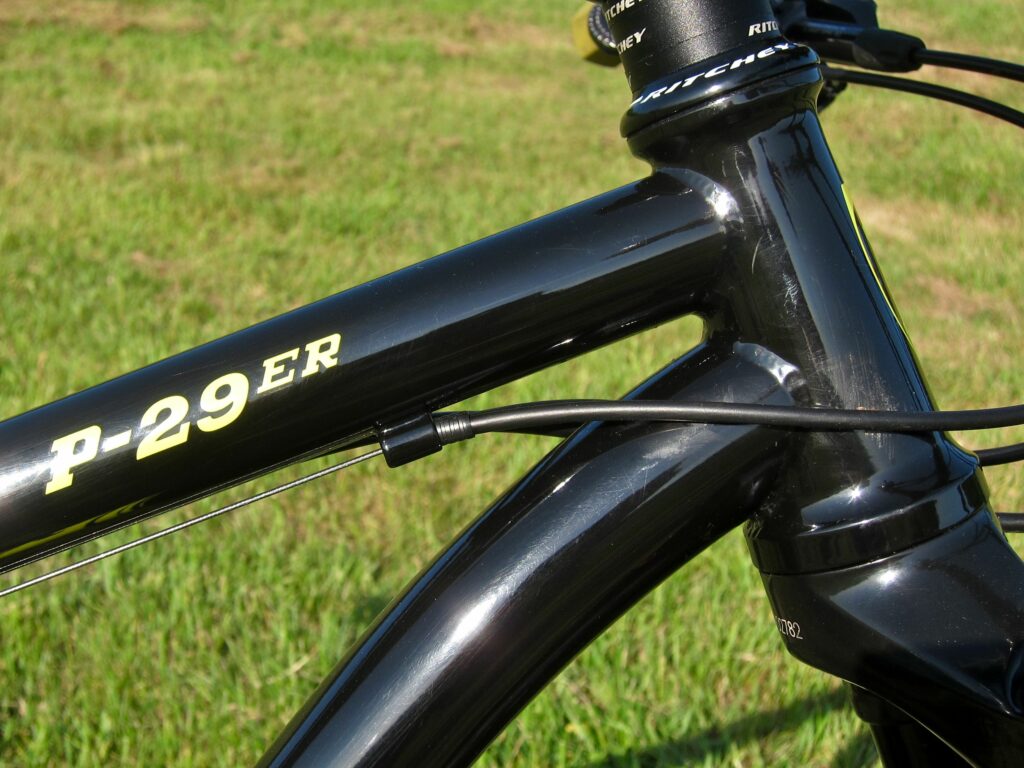
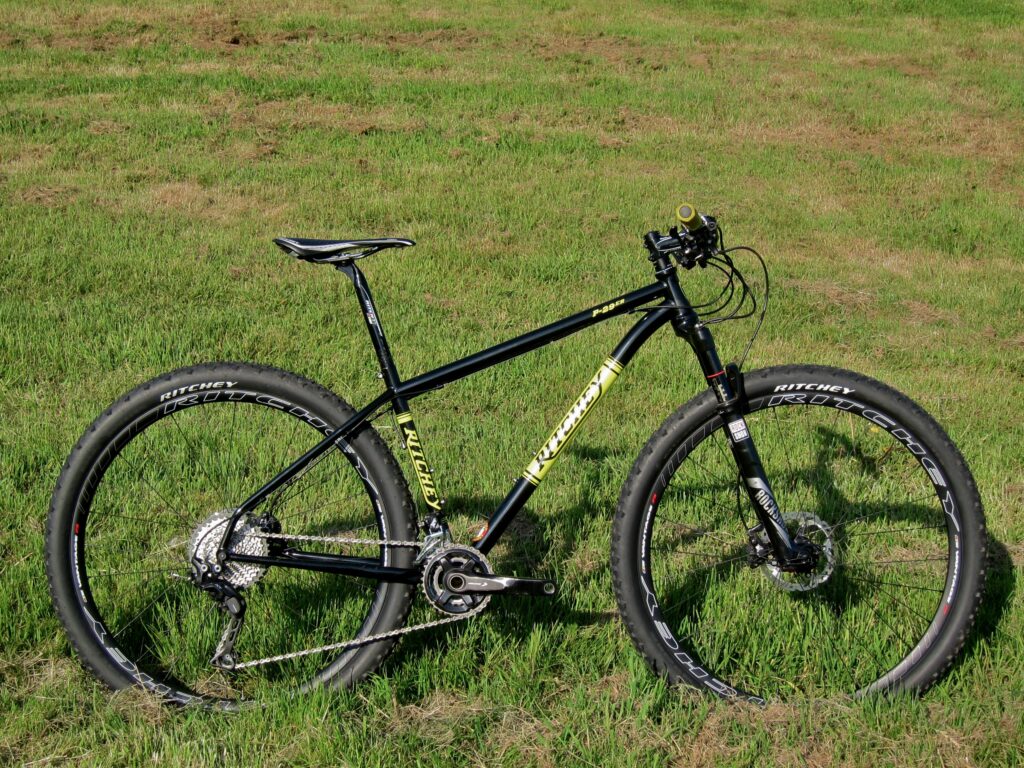
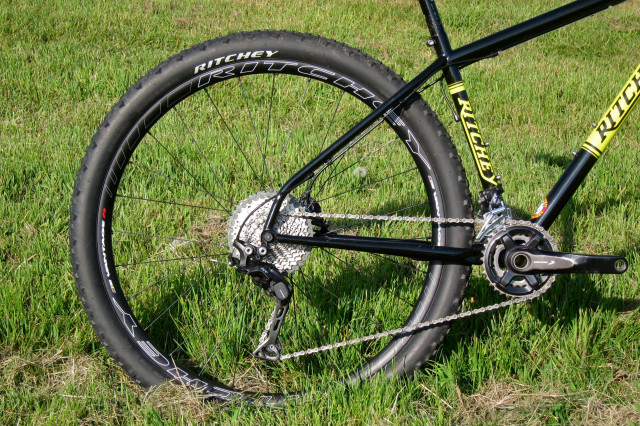
The knick-knacks out the way we can concentrate on the frame, which is probably what you’re here for really. Overall impressions are that it’s a tidy collection of pipes with that classic look that only a well designed steel hardtail can have, if that’s your sort of thing, managing to combine a mix of old-school charm with up to date necessities. No weird curvy bits, no fat belly, no manipulated and cankle formed tubes, the only deviance an almost elegant kink to the downtube to help fork crown clearance. It looks just like a bike, you know, like they used to.
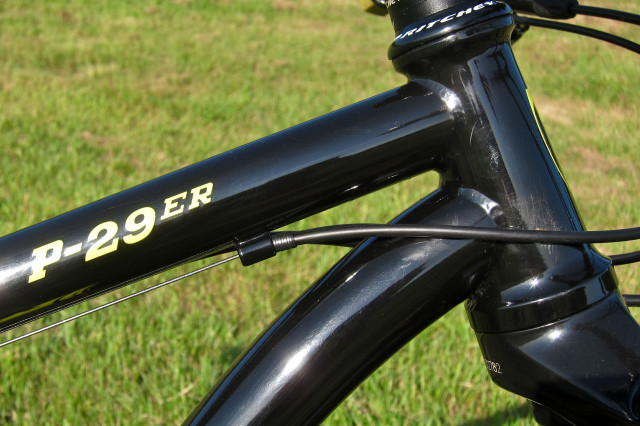
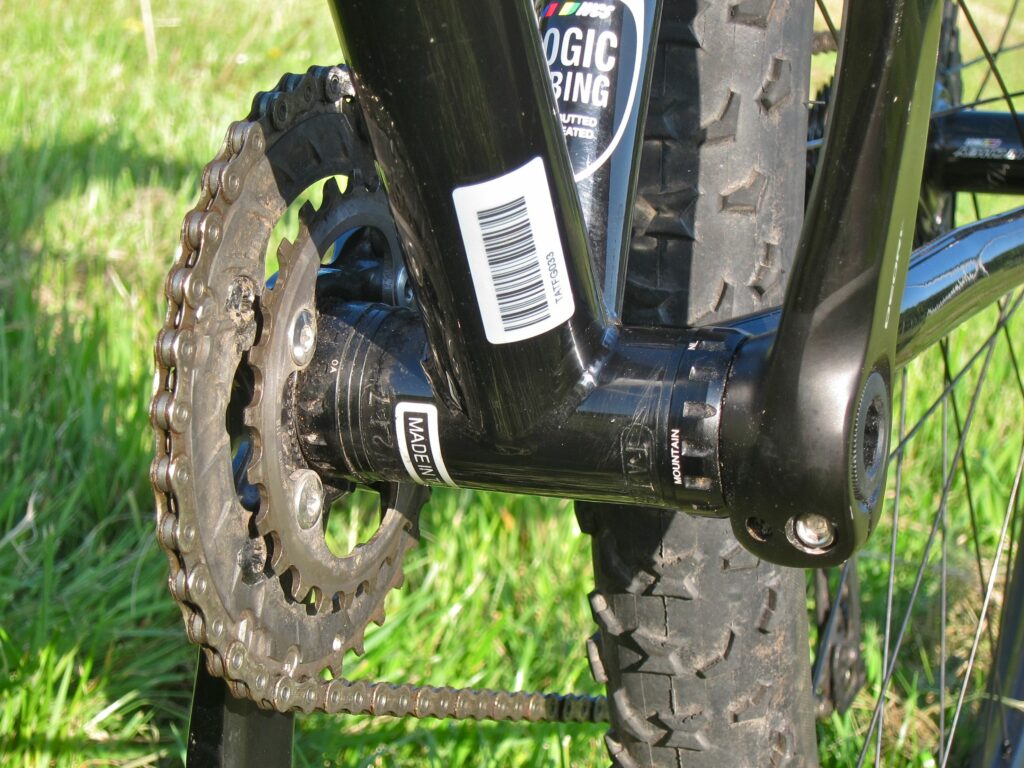
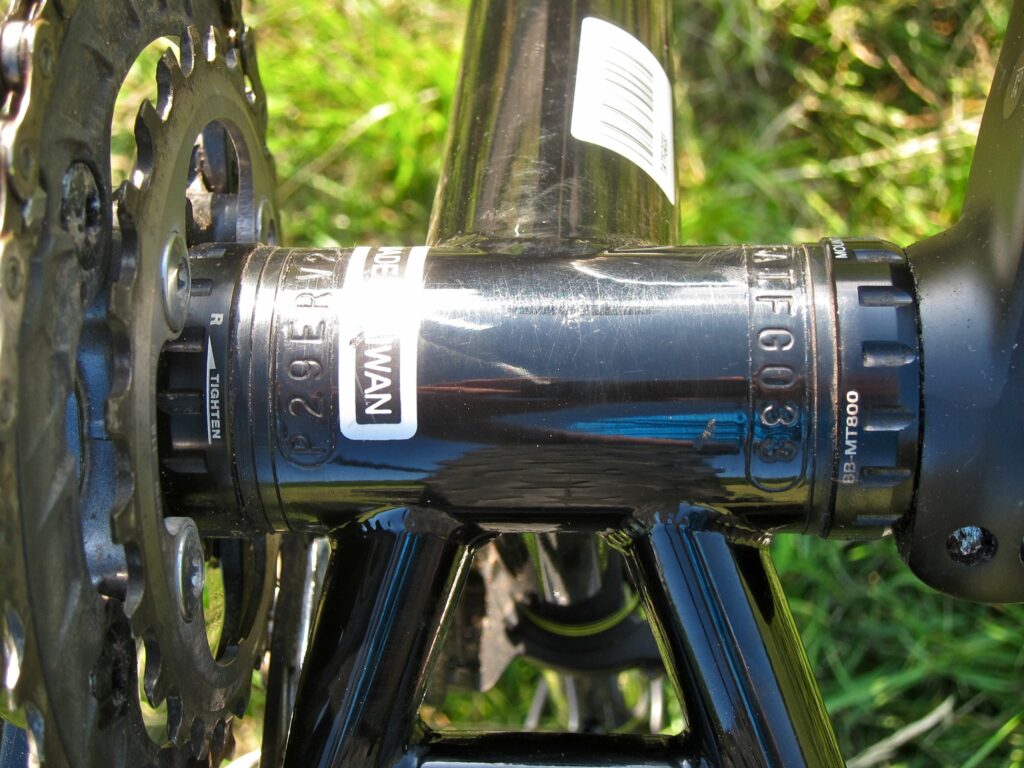
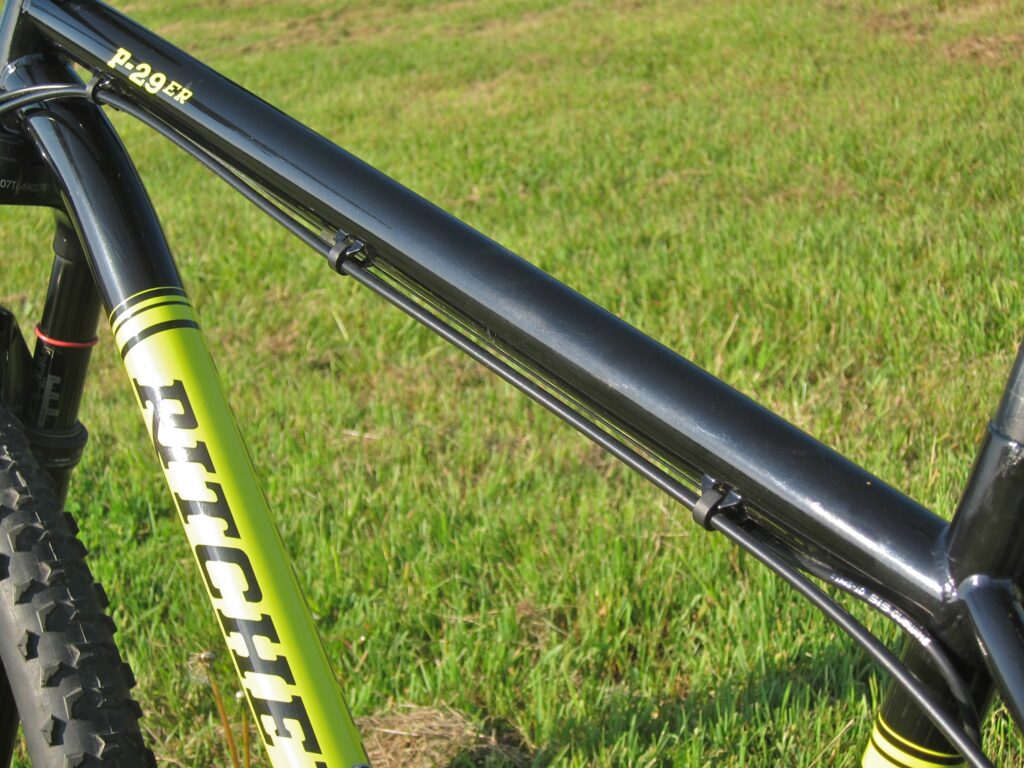
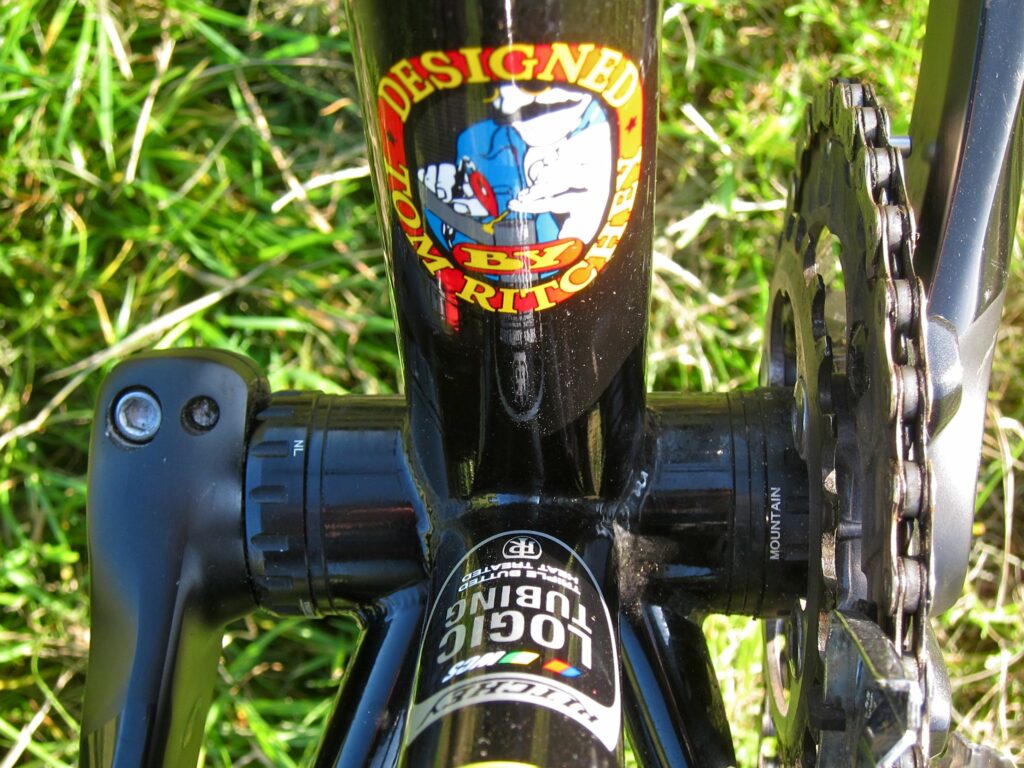
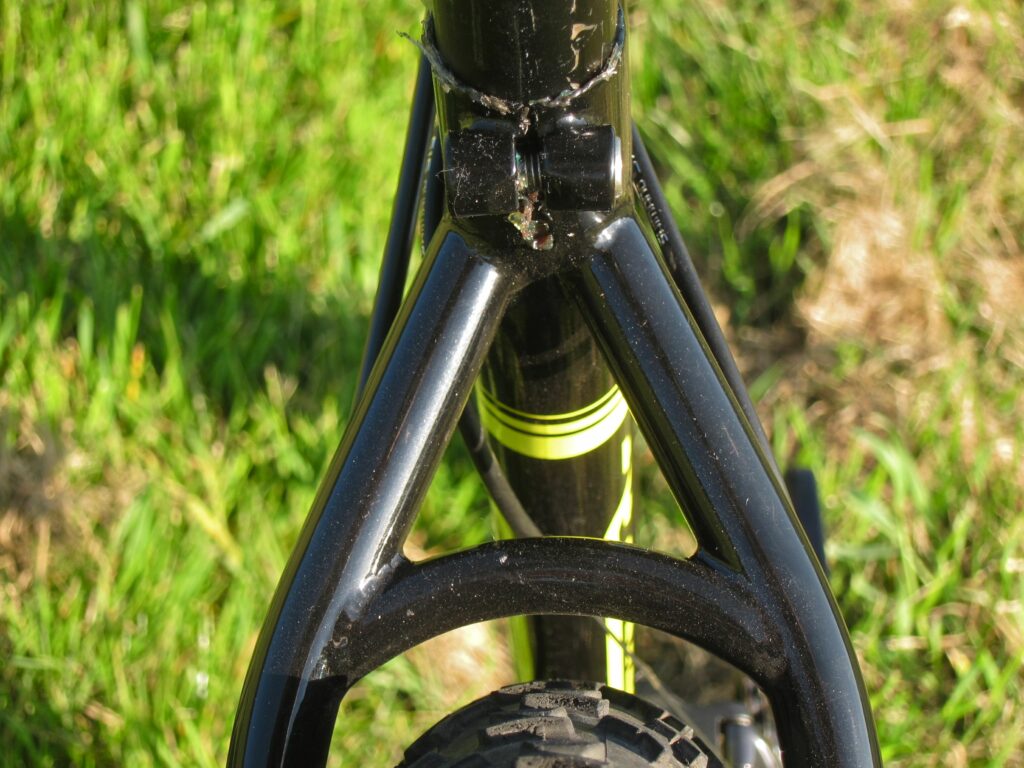
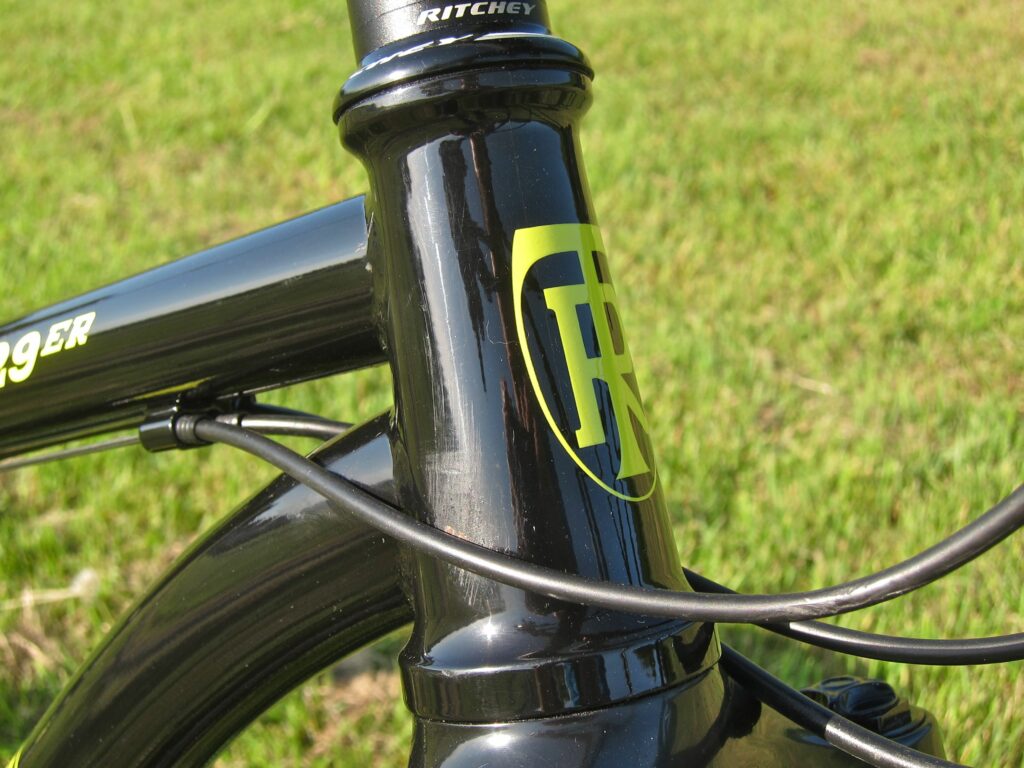
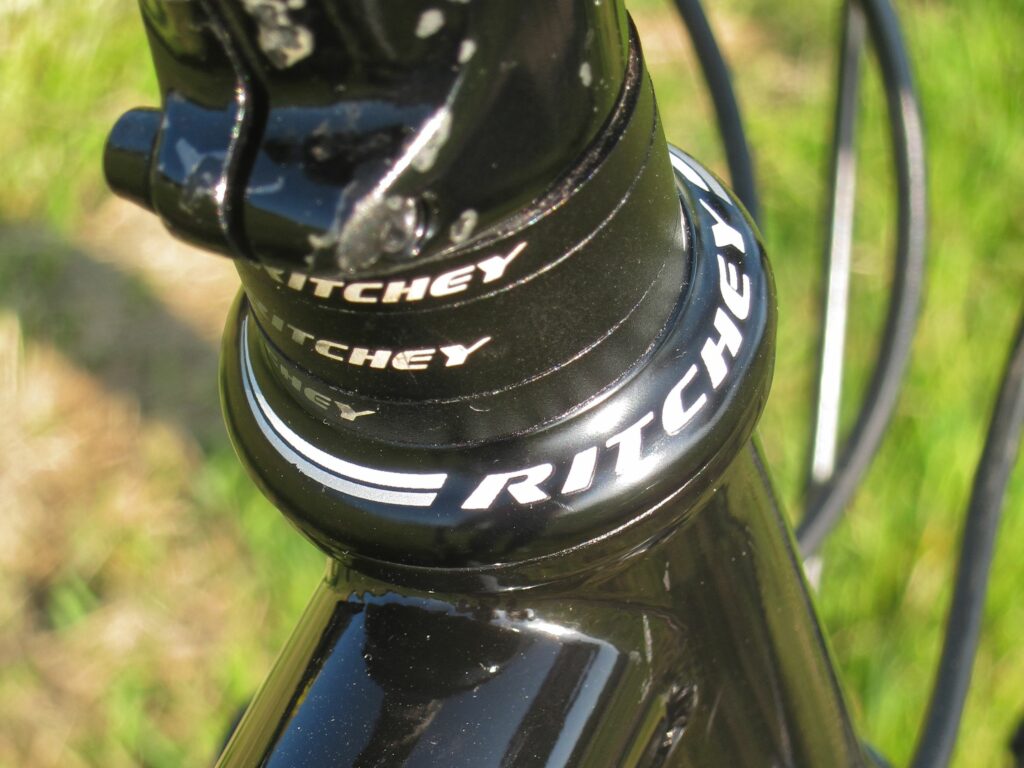
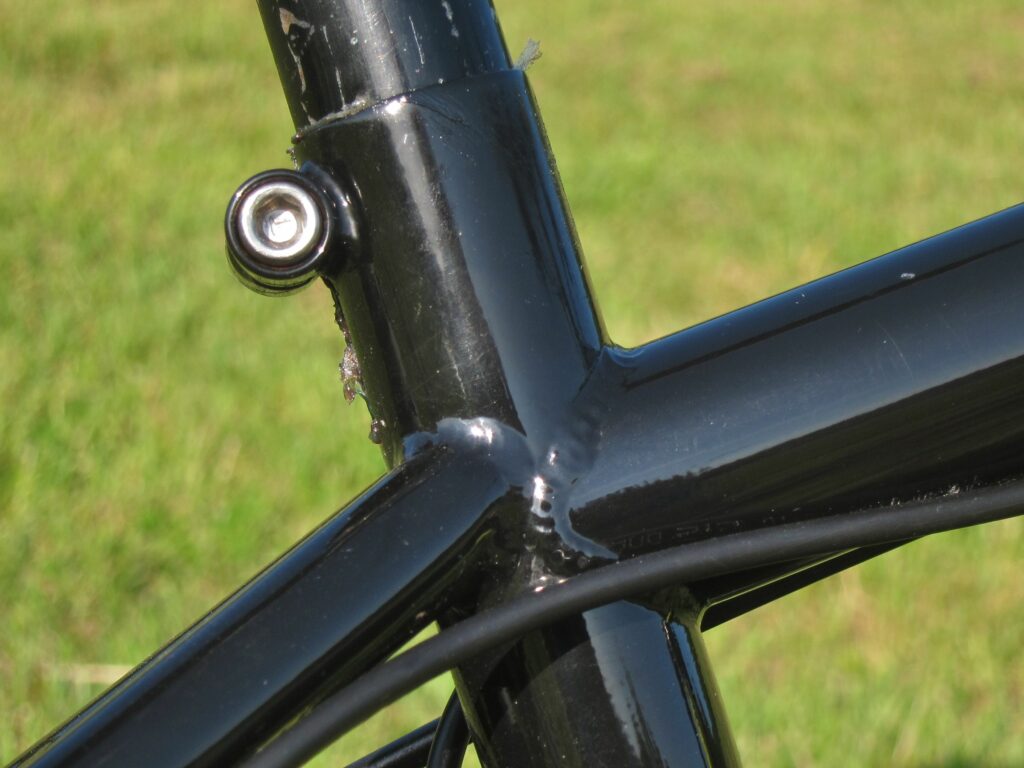
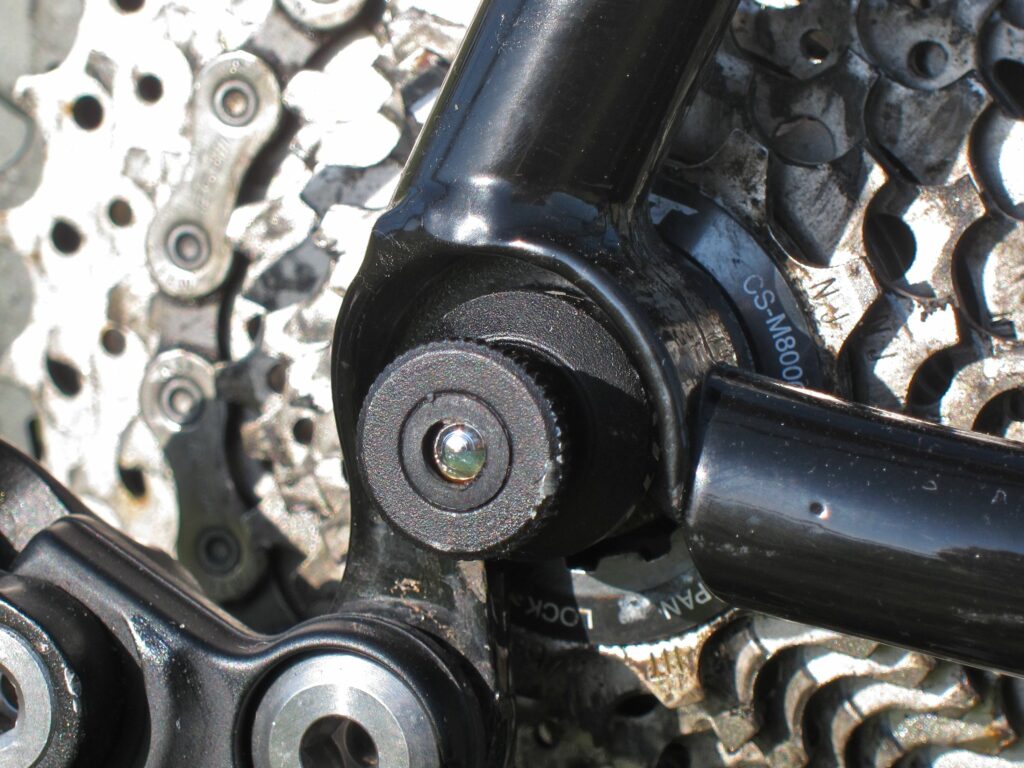
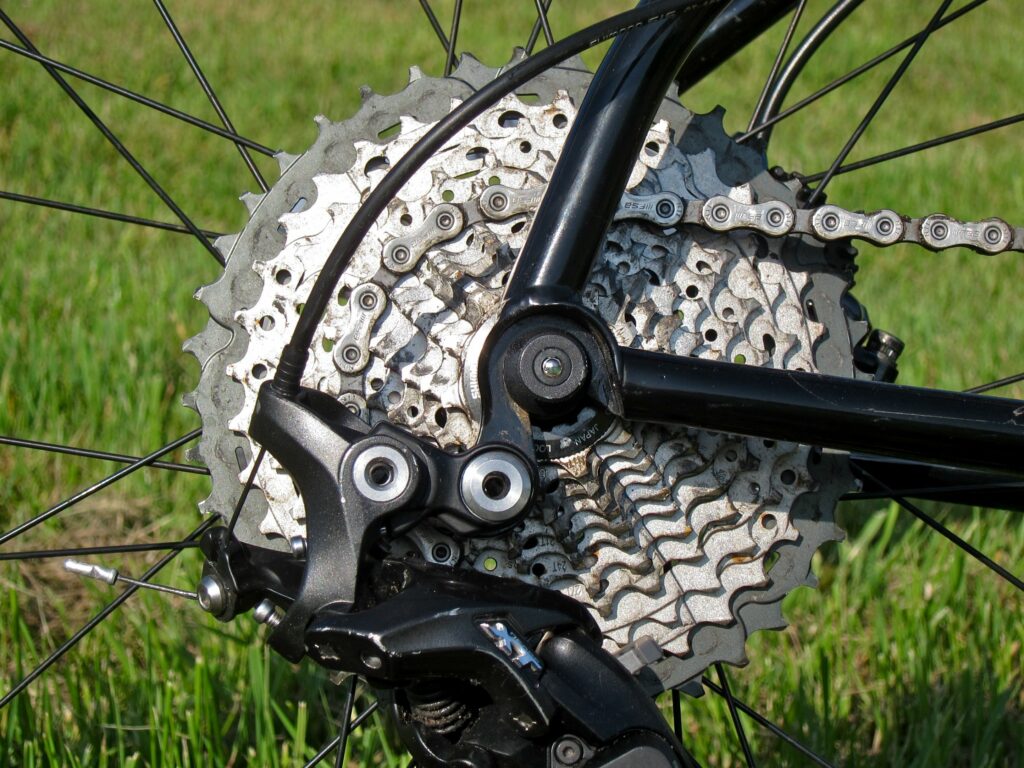
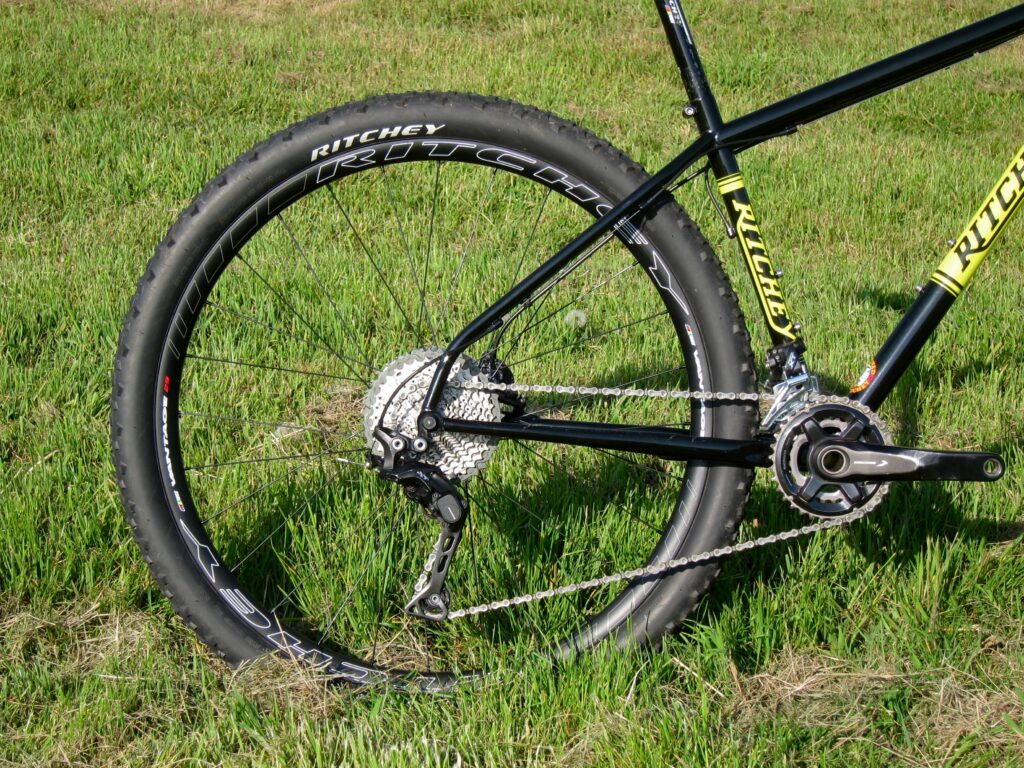
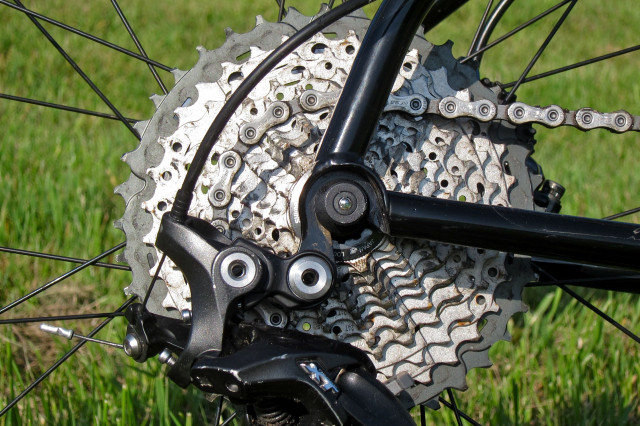
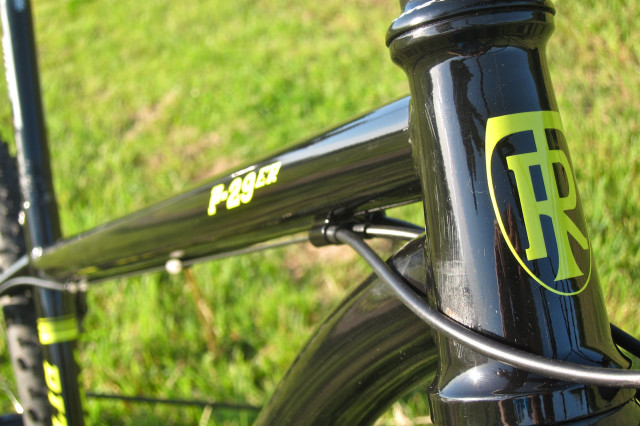
Although it is merely designed and not actually made by the hand of Mr Ritchey himself whoever puts the frame together in Taiwan does so with uniformly small and neat welds, let’s not forget that if you wanted a frame handmade by Tom you’d have to pay significantly more, and all the details are executed in a pleasingly trim fashion. There are bosses for bottles on the down tube and seat tube, both gear cables run exposed along the underside of the top-tube alongside the rear brake hose and there are no rack or mudguard mounts and no dropper-post enabling holes either. In a nod to the past there isn’t a seperate seatpost collar clamp but a simple integrated seat-bolt instead, very old-school. The derailleur hanger isn’t a bolt-on replaceable part but a chunky piece of steel so be careful not to bend that, you can bend it back post crash, but there’s going to be a limit to how much or many times you can do that. The bottom-bracket is a 68mm English threaded one, no pressfit here, silent rejoicing! The headtube is designed for an Integrated headset and tapered fork and manages to blend in with the rest of the frame rather gracefully.
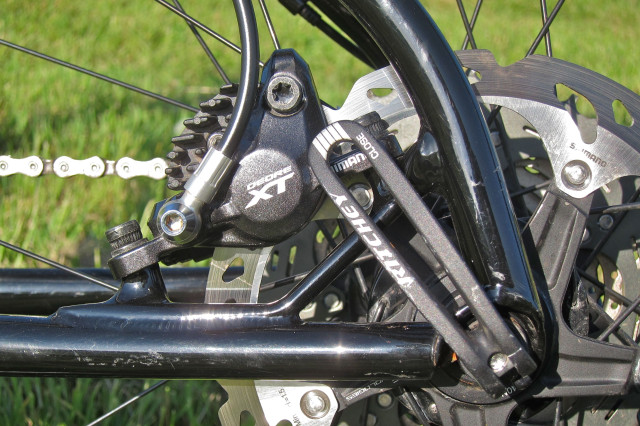
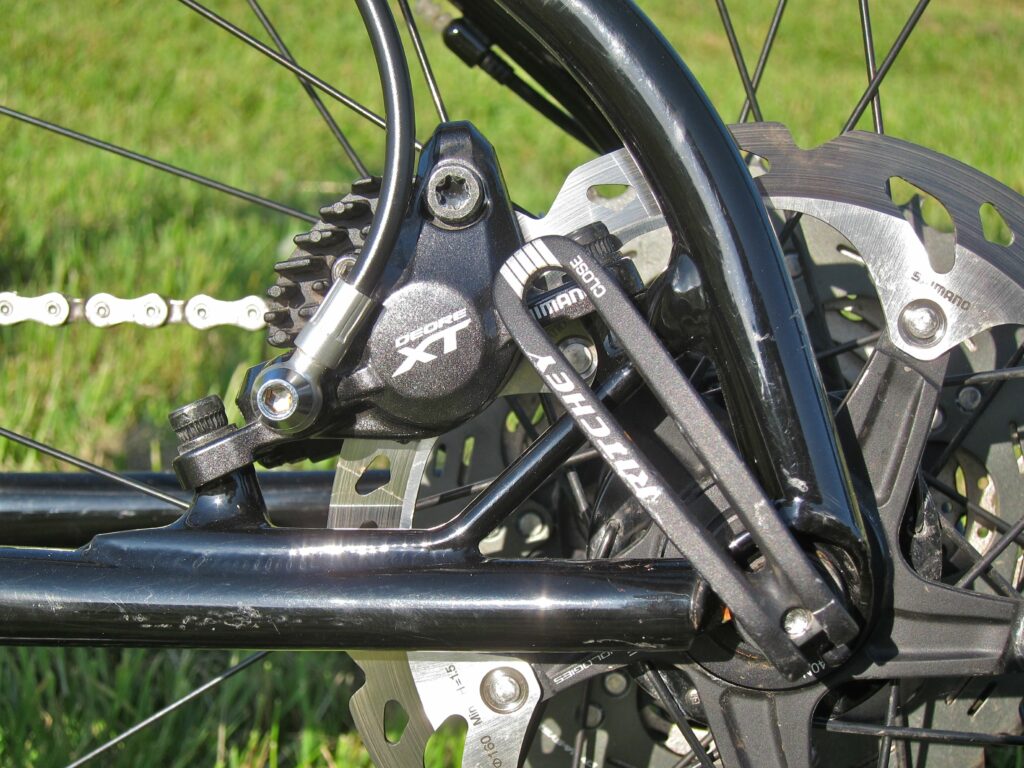
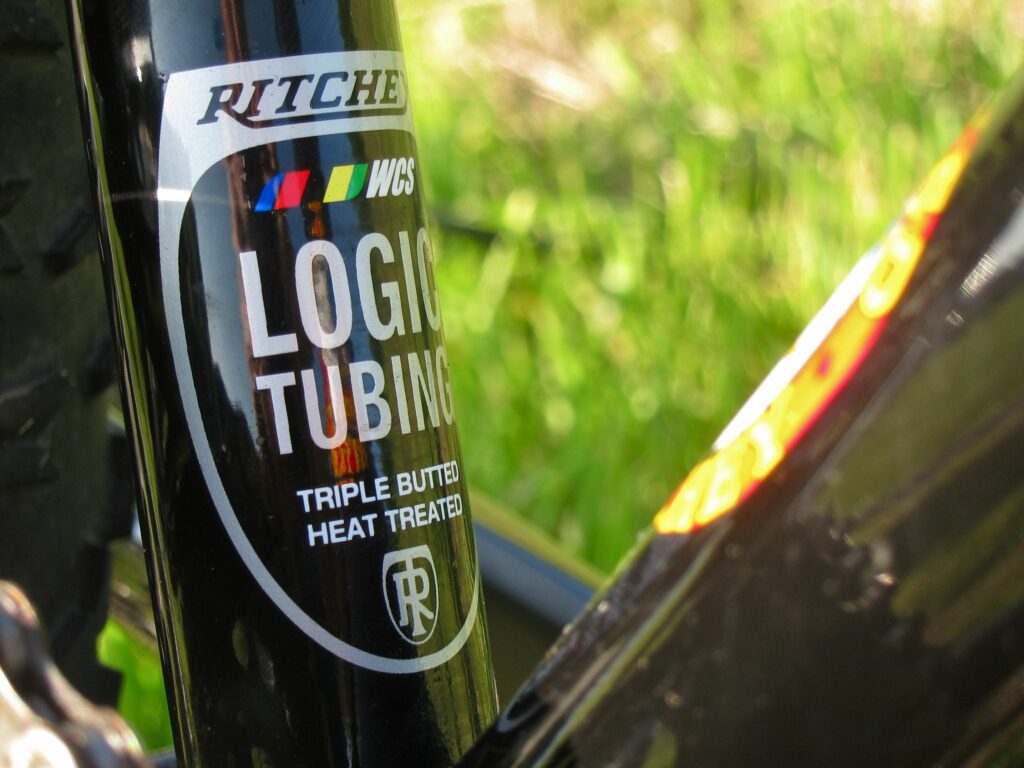
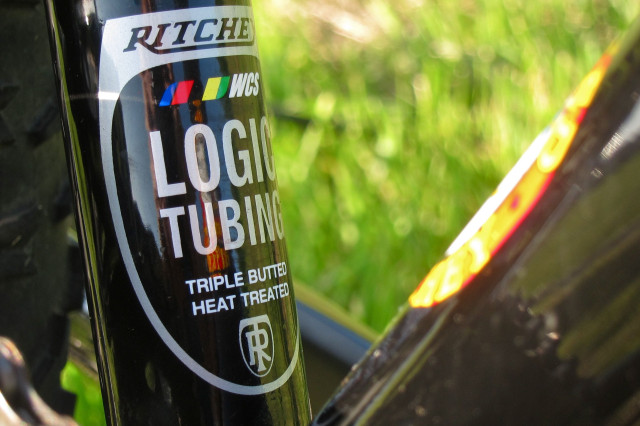
The heat-treated, triple-butted Ritchey logic II tubing responds well to top-tube pinging with a fingernail, the time honoured test of how good a steel frame is. The downtube is subtly oversized while the other tubes retain a classic slender look, especially the rear end where the chainstays are ovalised vertically, dimpled at the bottom-bracket end for tyre and chainset clearance and taper towards the rear axle. The seatstays curve down to meet the drop-out almost vertically to make room for the rear disc caliper and allow a larger weld area on the cowled dropout. That caliper sits on a beautifully minimalist mount that bridges the chain and seat stays. There’s plenty of clearance in the rear triangle for the 2.25 tyre and mud.
That whole “steel is real” thing is oft quoted, and who knows what it actually means, and you’d expect to get that in spades when riding this bike, what with its history and all. There wasn’t that constant steel spring that people go on about when they talk about ferrous frames and how they remember them, it’s rare to get a production frame that does that these days, and only when really pushed could you get a whisper of that fabled zing out of the Ritchey. That’s not to say that it rode like a leaden lump, far from it, it had a far more eager feel to it than many other of-the-shelf steel frames that can often be a bit dead inside and reluctant to nip forwards. It’s a well balanced bike, it climbs well with no front wheel wag on the super steep stuff, not that it squirted up hills like a stiff light carbon rabbit but it was always keen, some lighter wheels might help here, or a less hefty shorter range block to chisel some weight off the back.
Descending was also more fun than it maybe should be on what now might be considered an archaic short-travel hardtail, it just, once again, felt well balanced and happy for the brakes to be left well alone, and should there be any lips along the way to snatch some air off it liked that too, with a bit of a giggle.
It’s a long frame along and short fame vertically, designed to have a lot of seatpost showing, we rode the medium size which was technically too small for us which put the seatpost right on the limit of its not inconsiderable extension, but we never felt cramped in the saddle to bar distance.
The only issue with the P-29er is that the front end didn’t like to be pressed hard. Lean into a corner at speed or give it all the elbows into a singletrack corner and the front end was disturbingly unassertive, falling somewhere between flex and vagueness. Maybe it was the stocky bolt-through forks being too much for the steel frame, or a certain amount of noodle in the bar/stem combo, or the frame just having a little too much lateral compliance but it was never a confident bike to smack into corners. If you grabbed it by the bars really firmly and held a vice like grip from the shoulders down you could control it to an large extent but it’s a bike that encouraged a more relaxed flowy riding style than anything aggressive.
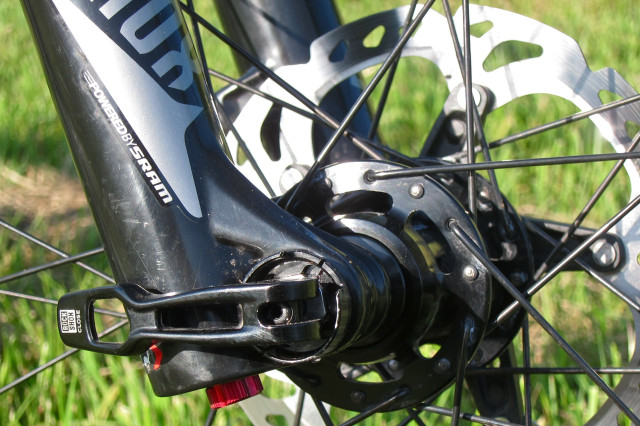
What the Ritchey P-29er does like to do is pretty much a reflection of its mix of old-school design with a bit of new thinking thrown in. The Ritchey P-29er loves a long lope across the hills, like riders used to do in the old days, you know, proper rides, but it does like to dive into the trees at regular intervals for a bit of a play along the way. It would make a good endurance race bike, the steel tubes and lanky seatpost taking the edge off the trails for all day comfort but still happy to nip along when urged to, you could short course XC race it but might feel outgunned by lighter tighter machines, but don’t let that stop you.
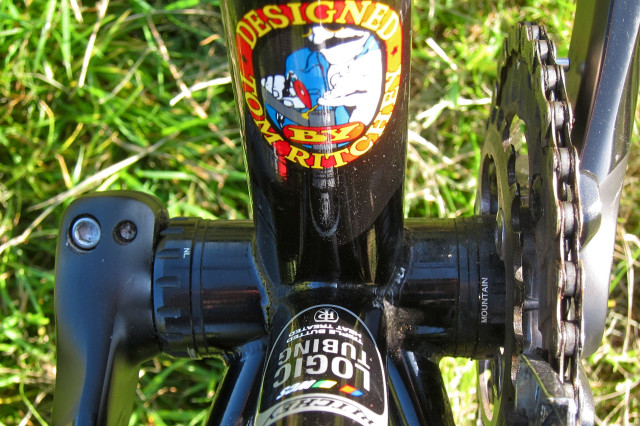
People are as likely to buy this bike, or just the Ritchey frame, with their heart rather than their head, which takes us back to the first paragraph about the Ritchey legacy. That name carries a lot with it and to some people that matters, whether that’s because you remember it from the past, or you’ve always wanted a Ritchey but could never afford a Tom made one, or you just want a hardtail with a story. Every time this bike rocked up for a ride it created interest and eager fondles, granted many of those rides were done with mountainbikers of a certain age that have an off-road history, and know their off-road history, so emotional strings may have been tugged. Although to just as many people this 100mm hardtail is stuck in that rose-tinted Frogskins past, but they’d be wrong, you can buy the P-29er with your heart with conviction because it’s also a damn good bike to buy with your head.
It may be an anachronism is this world of full-suspension rigs and long-travel hardcore hardtails but it does what it does very well, and that thing is mountainbiking. Not trail riding or enduro or downhilling but riding a bike up and down hills efficiently with a smile on it’s face, that thing that attracted many people to the sport in the first place.
About the bike
Tell us what the bike is for, and who it’s aimed at. What do the manufacturers say about it? How does that compare to your own :
There’s a lot of play on history here but that doesn’t mean the P-29er is stuck in the past, there’s enough going on to make it a totally viable modern bike.
State the frame material and method of construction. List the components used to build up the bike.:
Frame – Heat-treated, triple-butted Ritchey logic II (Sizes: S (15″), M (17″), L (19″), XL (21″)) Designed for use with 100mm travel forks, 68mm English threaded bottom-bracket.
Fork – Rock Shox Sid 100mm travel, hydraulic lock-out
Headset – Ritchey WCS Integrated 1.5″ tapered
Chainset – Shimano Deore XT, 175mm, 34/24 rings
Bottom Bracket – Shimano XT MT800
Shifters – Shimano Deore XT 11spd
Front Derailleur – Shimano Deore XT
Rear Derailleur – Shimano Deore XT
Cassette – Shimano Deore XT 11spd, 11-40
Chain – FSA 11Spd
Brake Levers – Shimano Deore XT
Brake Calipers – Shimano Deore XT
Rotors – Shimano Deore XT Ice Technology 160mm
Wheels – Ritchey Vantage WCS
Hubs – Ritchey WCS
Rims – Ritchey WCS Vantage, 24mm tall OCR™ (Off Center Rim)
Spokes – DT Competition
Tyres – Ritchey Z-Max Evolution 29×2.25
Saddle – Ritchey Streem WCS
Seatpost – Ritchey WCS
Handlebars – Ritchey WCS 720mm
Stem – Rtchey WCS 80mm
Grips – Ritchey WCS Truegrip
Frame & Fork
How much suspension travel does the fork have?:
Was the bike comfortable to ride? Tell us how you felt about the ride quality.:
How was the bike in terms of sizing and angles? How did it compare to other bikes of the same stated size and intent?:
Overall rating for frame
How much suspension travel does the rear end have?:
Did the bike feel stiff in the right places? Did any part of the bike feel too stiff or too flexible?:
Tell us about the build quality and finish of the frame:
Tell us about the geometry of the frame:
Tell us about the materials used in the frame:
Riding
How did the bike transfer power? Did it feel efficient?:
How would you describe the steering? Was it lively, neutral or unresponsive?:
Tell us some more about the handling. How did the bike feel overall? Did it do particular things well or badly?:
Rate the bike for sprinting:
Any comments on sprinting?:
Rate the bike for high speed descending
Rate the bike for technical descending:
Rate the bike for flat cornering:
Rate the bike for technical climbing:
Rate the bike for climbing efficiency:
Rate the bike for agility:
Suspension
Rate the fork for performance:
Rate the fork for durability:
Rate the fork for efficiency:
Rate the fork for value:
Rate the rear suspension for performance:
Rate the rear suspension for durability:
Rate the rear suspension for efficiency:
Rate the rear shock for value:
Rate the balance and performance of the suspension overall:
Drivetrain
Rate the drivetrain for performance:
Rate the drivetrain for durability:
Rate the drivetrain for weight:
Tell us some more about the drivetrain. Anything you particularly did or didn’t like? Any components which didn’t work well to:
Rate the drivetrain for value:
Wheels & tyres
Rate the wheels for performance:
Rate the wheels for durability:
Rate the wheels for weight:
Rate the wheels for comfort:
Rate the wheels for value:
Tell us some more about the wheels.Did they work well in the conditions you encountered? Would you change the wheels? If so, wha:
Rate the tyres for performance:
Rate the tyres for durability:
Rate the tyres for weight:
Rate the tyres for value:
Tell us some more about the tyres. Did they work well in the conditions you encountered? Would you change the tyres? If so, what:
Controls
Rate the controls for performance:
Rate the controls for durability:
Rate the controls for weight:
Rate the controls for comfort:
Rate the controls for value:
Tell us some more about the controls. Any particularly good or bad components?:
Summary
Did you enjoy riding the bike?:
Would you consider buying the bike?:
Which components had the most effect (good or bad) on the bike’s performance? would you recommend any changes?:
Would you recommend the bike to a friend?:
Rate the bike overall for performance:
Rate the bike overall for value:
Use this box to explain your score:
All the deals displayed on our review pages are pulled from a constantly updating database feed of the best affiliate deals available. The criteria for deciding on what are the best deals is who is offering the lowest, delivered price. In most cases we will be showing the very best deal available online, but sometimes you may be able to find an item cheaper. If you can please feel free to post a link in the comments box below. To find out more about affiliate links on road.cc click here.