



Once we’ve found a spot that we’re happy with, it becomes our local, our go-to, but riding the same place weekend in, weekend out can get a little stale. But finding fresh (to you) tracks isn’t especially straightforward, so here’s how to expand your riding horizons with new trails and riding locations.
Get some riding buddies
You probably have a rag-tag crew of riding buddies who you ride with on a regular basis, but finding new trails and riding venues becomes a much easier task if it’s spread across a whole bunch of people. Plus, your mates might come from far-flung stretches of the UK or the world, and have their own regular spots. Capitalise on this, and ride where they regularly ride.
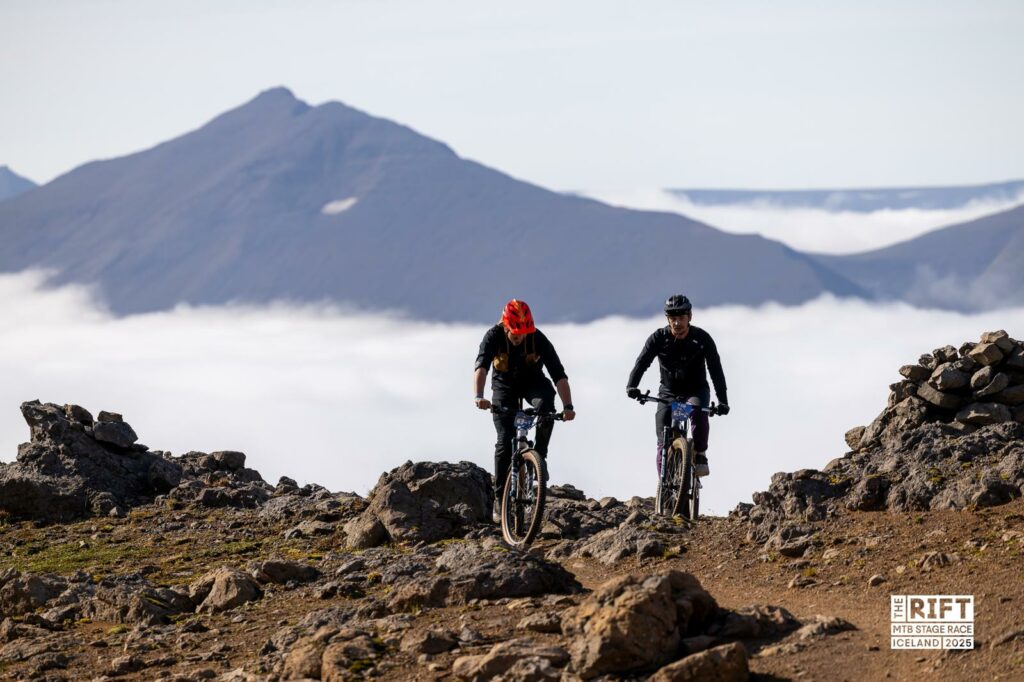
If you’re stuck for mates who ride (no shame there), head over to all of the social media channels and join a riding group. Within these groups will be a hardened few who know whichever venue they ride like the back of their hands. Even if you’re riding your local, they might be able to show you some real hidden gems that you’ve not even seen before.
Rather than looking close to home, join groups that frequent different riding spots, who’ll then show you the ropes and grace you with a whole new location to explore.
Download some apps
A marvel of modern times is the now humble app. Pick the right one (of many), and you’ll unlock a plethora of trails ripe for choosing from. There are loads to choose from, from the simple but reliable OS maps app, but others like Strava, Komoot and Trailforks are a wealth of fresh trail knowledge with some mighty handy features.
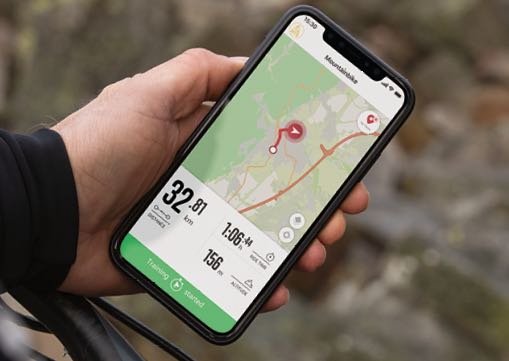
For example, Strava might not show you exact trails, but rather roads and fireroads. Instead, head over to its heat maps feature, and you’ll see colourful wiggles that peel off the main tracks. Those are trails, and while the app won’t give you many details of what to expect from them, heat maps are an excellent way of finding new ones.
Now, although Trailforks is run by another very large mountain bike website, it’s the best way to find new mountain bike trails. Simply pick a location (one small area is free), and it’ll highlight all the trails in that space with trail grades and such. However, you’ll have to shell out a bit of cash to unlock more areas. It could be worth the cash.
For gravel riders, roadies and those looking for a hint of adventure, Komoot offers a whole bunch of loops, so it’s worth scouring to see what’s nearby. Komoot then offers the opportunity to download GPX files that you can upload onto your cycling computer, if you don’t want to be checking your phone all the time, and give you a top-down map to follow.
Invest in a cycling computer or a phone mount for your handlebar
It’s all well and good having all of these mapping apps, but it’s a right pain in the rear having to stop, pull out your phone, unlock it and check the maps. When you’re exploring new trails, keeping all of that information in clear view saves an awful lot of faff, and there are two ways of doing it.
First up, you could invest in a phone mount for your handlebar. Now, I’m not one to recommend mounting a phone on a bar when you’re riding technical trails, as it does leave quite a pricey and important device out in the open and prone to damage in the sad event of a crash. However, popping your phone onto the handlebar gives you super easy access to everything it can do, including telling you where your next turn is. This option is great if you’re not hunting new tracks and routes often, as it’s a lot more affordable than the second option: a dedicated cycling computer.

These smart little devices can be mounted nearly anywhere on your bike thanks to the variety of mounts available, but importantly, they’re small and often built to take a bit of a knock.
When it comes to route guidance, there is a bit more work involved. You’ll have to find your GPX file, download it and then upload it to the computer. But once done, it opens up quite a lot of opportunities.
Of course, it will guide you using loads of data from satellites, much like a phone, but it’ll also track an awful lot of data, which is handy if you’re thirsting for that kind of thing, and showing off your KOMs. They often have a more robust battery life, too, so you can keep your phone for emergencies and still revel in good, accurate mapping. Cycling computers are an extra expense, however, and they can get very pricy.
With either a phone or a cycling computer, you can record every ride you do in a new location, and you can revisit that recording for the next time you visit.
Go racing, or try an off-road sportive
My favourite way of finding and riding new trails is during an event. Obviously, it’s not for the faint-hearted, and it’s perhaps not the best way of memorising the locations of new venues, but it makes for an excellent start.
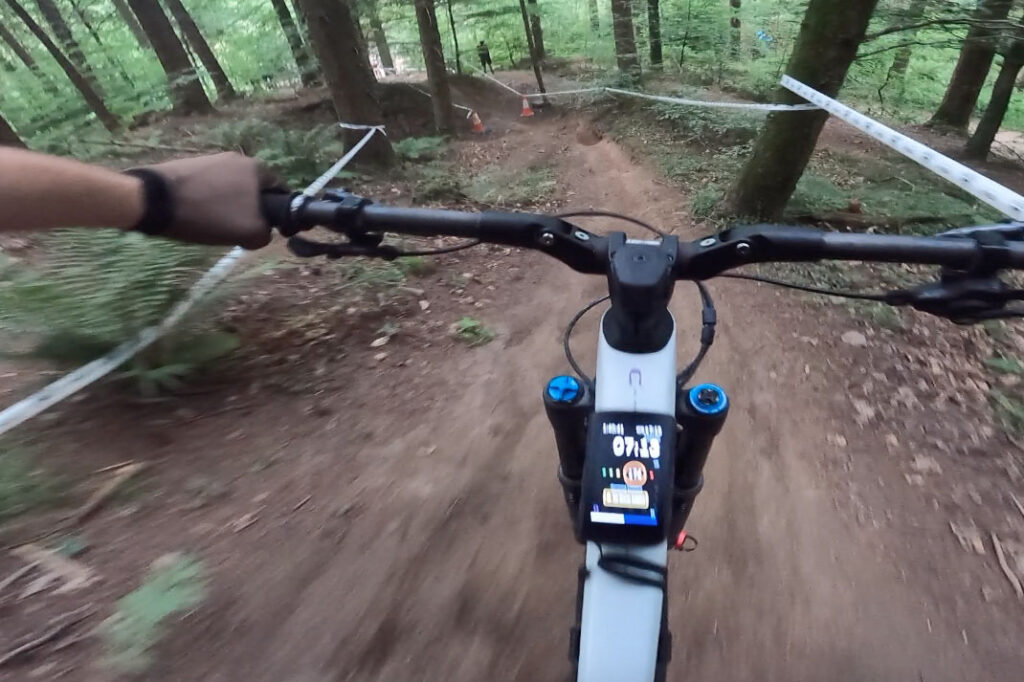
Though I must say that when it comes to mountain bike races specifically, not all of them are held on public land, with organisers being granted special permissions to hold events there. So, unless you’re given a GPX file ahead of the event, don’t go publishing your routes to Strava and beware of any permission issues.
Signing up for an event can cost a fair bit, but entering one at a new venue gives you a very easy taste of what it can offer, and it’s all laid out there for you to ride, fully guided. That is, unless you’re going for one of those crazy ultra races.
This is where a good cycling computer or a phone comes in handy. Simply record your ride, and you’ll have a GPX file waiting for your next visit. But again, some venues won’t allow riding unless it’s at the event.
Book onto a guided ride
With everything I’ve said above, the very best way of finding new trails or routes is to book a day with a guide. Guides know their stuff when it comes to finding the best trails in a given area, and better still, they can tailor their rides to your own skillset. Looking for something proper spicy? Just ask. Looking to explore a new area without the risk? Again, just ask, and they’ll do everything they can.
Guided rides can be one of many things. Some can be uplift-assisted, where you and your mates pile into the back of an extremely cramped Land Rover with your bikes in tow. Others can be from the doorstep, pootles out into the wilderness.
Another cherry on the top of the new routes cake is that guides are skilled folk who can help you should the worst happen. If you break a gear cable, the best guides will have a spare. If you take a tumble, guides should be first-aid trained and/or be able to help take you to the best place to get fixed up.
Unlike partaking in a race or sportive, guides usually show you around all of the stuff that’s legal to ride, so you can record your effort and revisit the very same tracks without the fear of shotgun-toting farmers or being carted off by the fuzz.
Guides are also pretty good at knowing which local pubs are best, too… just saying.



















Comments are closed.