With the trails drying up, you may have made your first dip of the toe into mountain biking or gravel riding and have caught the bug. Though the sport is rammed full of tech and brands trying to persuade you that you need the latest and greatest thing to have the best time on your new bike. Here’s what you really need to kick off your off-road cycling career in the best way possible.
Helmets are essential
Let’s forget bikes at the moment, because for your first few rides, you might borrow or rent a bike. But at the very, very least, get yourself a good helmet. After all, you’ve only got one head, and even the most unassuming of tumbles can leave you in a pretty bad place if you’re not properly protected.
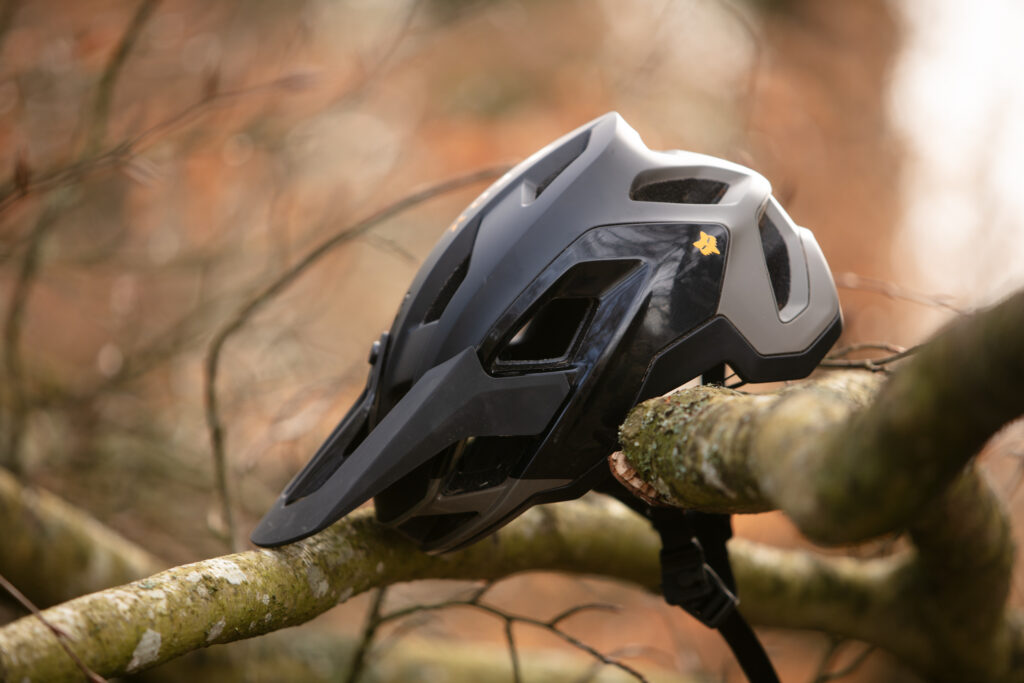
Nowadays, we’re in a very fortunate position. Well-equipped helmets for all kinds of riding don’t have to cost hundreds of pounds. You can very easily spend less than £100 and pick a lid that comes with something like Mips, a multi-directional impact protection system, which boosts protection by addressing more than just direct impacts. And not many impacts when mountain biking are completely direct.
Just make sure you invest in a helmet and wear it when you’re riding.
You’re going to need a bike
You may have rented or borrowed a bike for your first few rides, and now, you’re ready to fully commit to the sport and buy one of your very own. But the trouble is, there are literally thousands to choose from.

Your first bike doesn’t need to be anything fancy or expensive. That’s mainly because the more money you choose to throw at a new bike, the more complicated it can get. Keeping things simple is the smoothest way to get into the sport, and having to compete with lots of settings can get confusing, and make your bike more difficult to ride.
Plus, you’ll likely spend a good amount of time falling off your bike as you learn. Spending thousands on a lovely new bike only to stack it and leave a big ol’ scratch down the side isn’t the nicest of feelings. Head over to the second-hand market, get something in good condition, and keep it simple.
Set aside £1,000 to £1,500, and you’ll be able to get yourself something pretty decent on the second-hand market, or even new if you’re after a competent hardtail.
Flat pedals win medals
Flat pedals are the perfect stepping stone for new riders as they’re likely what fresh MTB faces are most familiar with. However, many mountain bikes bought new or second-hand won’t come with pedals. If they do, they really won’t be any good for anything other than a quick carpark pootle.
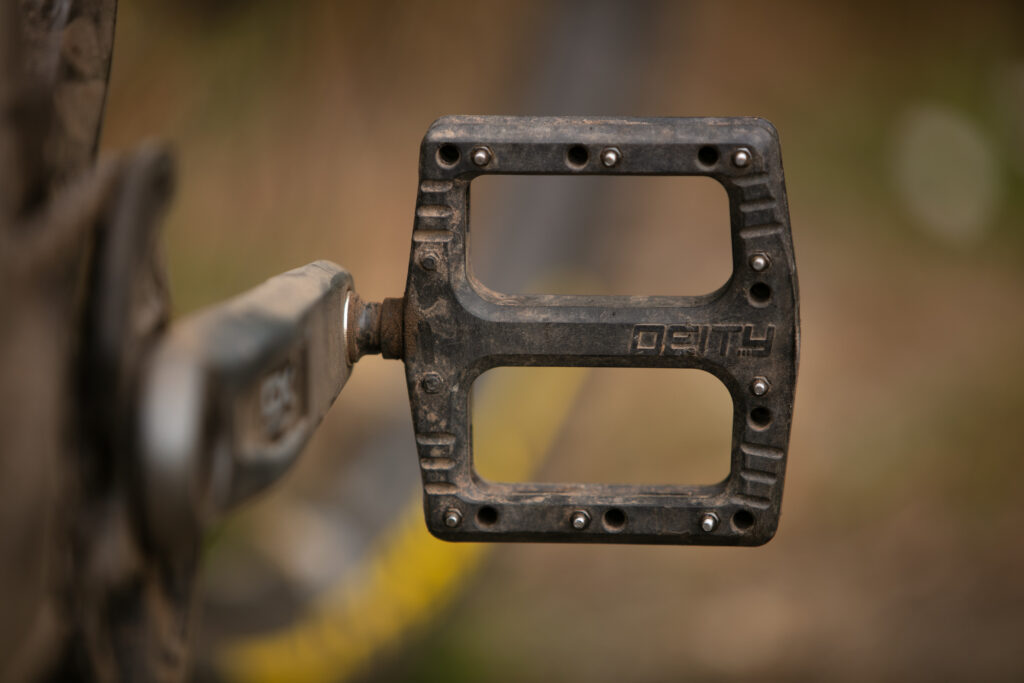
Dropping even just a little bit of cash on a pair of proper flat pedals will bring heaps of grip and confidence to your ride. Your feet won’t be slipping about everywhere, and you’ll still be able to quickly take your feet off the pedals should you feel that you need to.
Flat pedals are also great for learning on. Mountain biking relies on loads of techniques that are best nurtured using flat pedals rather than clipless pedals because your feet aren’t mechanically attached to them. They leave no room for error, which encourages the best technique to take with you, should you decide to have a play with clipless pedals in the future.
If you’re riding gravel, there’s no harm in choosing flat pedals to start with, either. Although gravel is less reliant on proper technique for jumping and the like, flat pedals remain familiar ground to get started on. Though if you’re looking for maximum efficiency, you’ll likely be headed to the clipless side fairly soon.
Stay hydrated
Regardless of whether you’re riding through the winter or summer, you’ll end up sweating. And it’s important that you replace those fluids lost through sweat, or you’ll end up dehydrated and feeling pretty awful, surprisingly quickly.
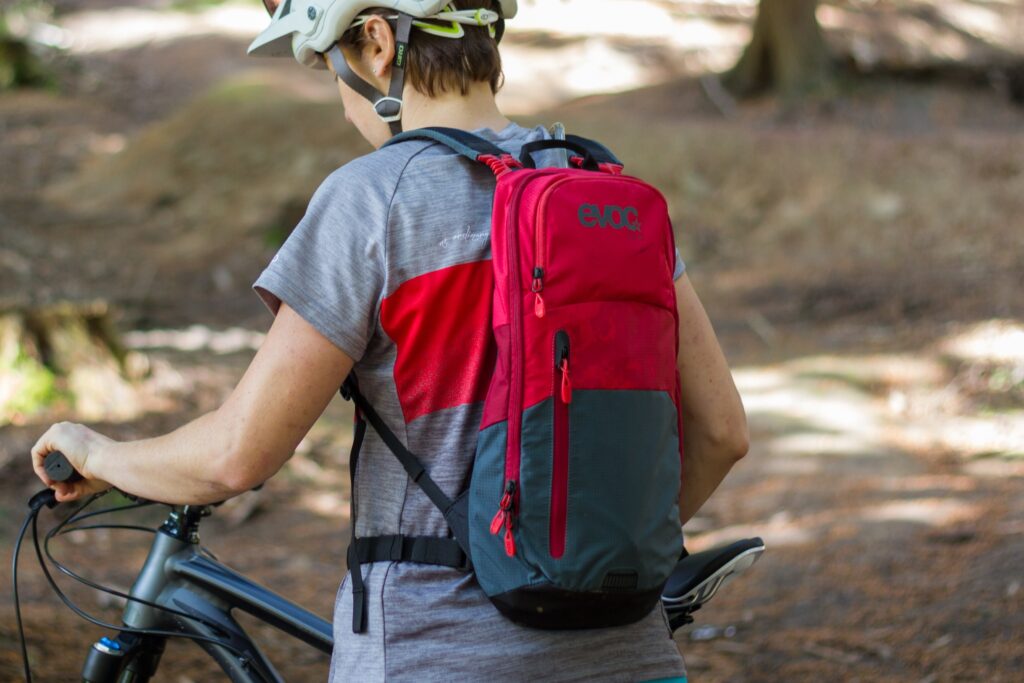
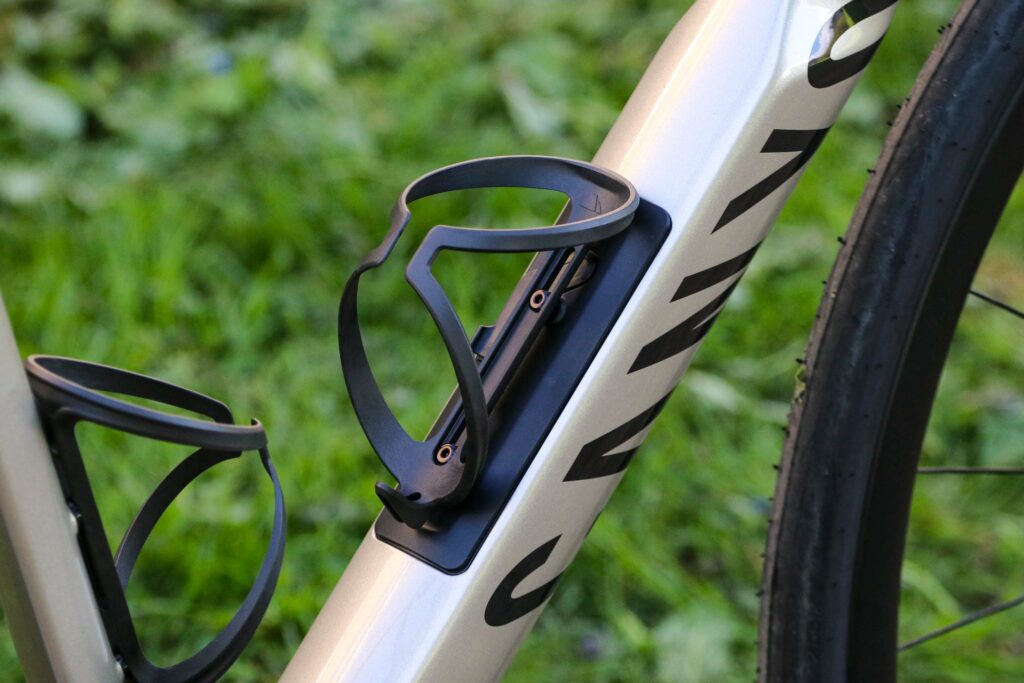
There are two ways of carrying water as you ride. You can either go for a bottle cage that attaches a bottle to your bike, or, in most cases, only that. Or you could choose a hydration pack, which carries fluids but also a bunch of other useful bits and pieces.
Bottle cages are great because they’re simple. They bolt onto your downtube, or any mount on your bike and keep a water bottle safe. Some bottle cages come with tools attached, too, which is great if you prefer to keep weight off your back by foregoing a backpack.
However, for new riders, a hydration pack brings real benefits. That’s just because they’re so flexible in how they can be used. Generally, they can carry more water than bottles, but they’re really flexible in how they can be used, depending on the size you pick, of course.
You can use them just to carry water, but you can throw in a multi-tool, spare inner tube, food and even spare jackets, etc. Of course, not every ride needs everything but the kitchen sink, so you can reduce what you carry. Although nowadays you can carry a lot of kit on your bike, that’ll require a greater expense and sometimes modifications to your bike. Hydration packs can carry it all and cost less.
Keep those knees protected
As I mentioned before, you’re likely going to have your fair share of spills as you navigate your off-road cycling journey; it’s only natural. With that, you’ll need to keep yourself protected with both a helmet and a pair of knee pads, at the very least. If you’re riding gravel, there’s still no harm in wearing knee protection, but doing so isn’t nearly as common as, hopefully, you’ll be spending more time rubber side down.
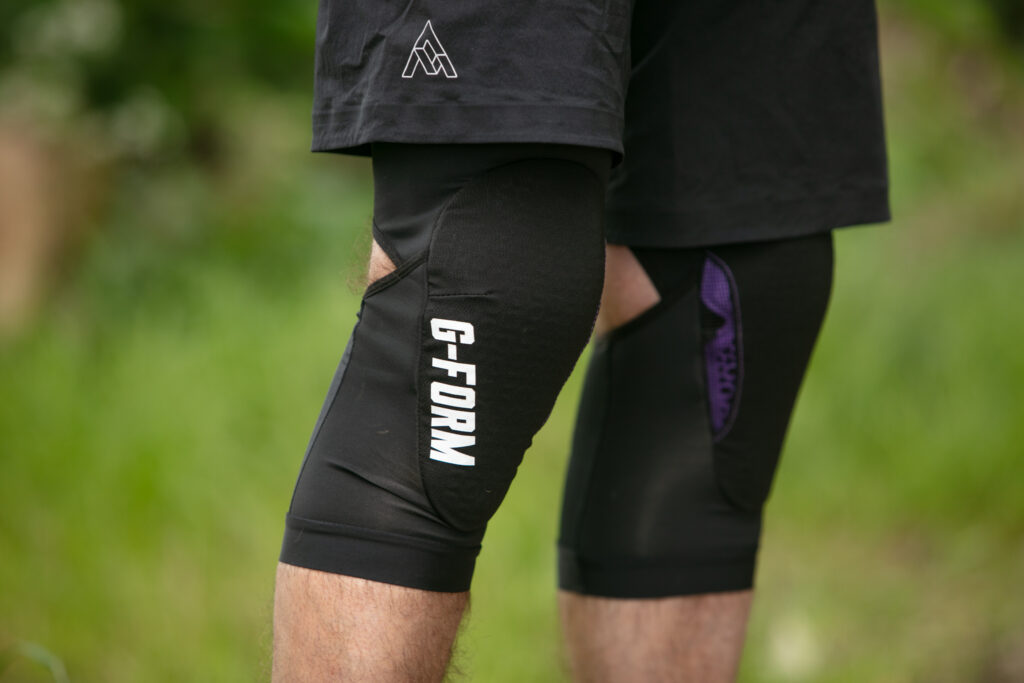
Knee pads come in all shapes and sizes, but almost all modern pads use a non-Newtonian material such as D3O that’s soft and malleable when worn but hardens under impact. That’s to dissipate energy and keep your knees primed for another day.
There are many kinds of pads to choose from, with many built to provide the utmost protection at the expense of some comfort and breathability, while others are built to be as minimal as possible. These sacrifice some protection in return for greater comfort and airflow. When shopping around for fresh pads, look for CE Level-1 and CE Level-2 written in their blurbs. While CE Level-1 is certified to provide good protection, Level-2 amplifies it a bit more.
Equip yourself with a multi-tool and some basic bike repair know-how
At some point during a ride, your bike will break, or you’ll need to make some kind of adjustment. Without a multi-tool, that’s just not going to happen. As with everything, there are tons of multi-tools to choose from, but for your very first, going for something that’s very comprehensive will give you the best chance of getting rolling again after a mishap.
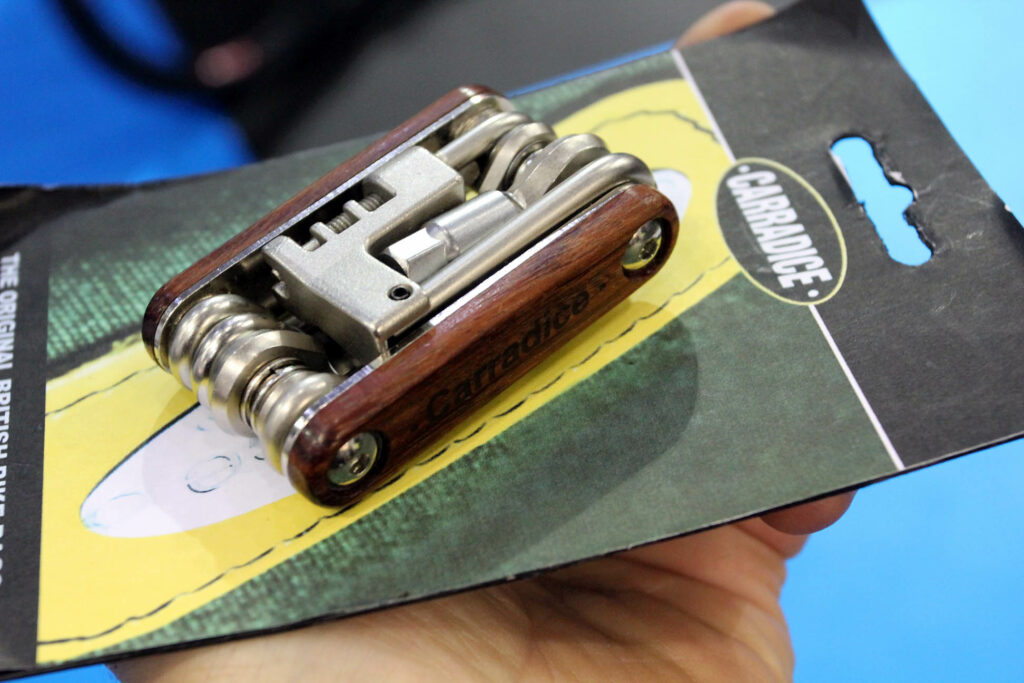
In fact, multi-tools are getting pretty darn impressive these days. Many come with a full range of allen keys, a couple of torx bits, a chain tool and even tubeless repair tools. Better still, they can carry all of that in a reasonably compact package, so you can slip it into a backpack or a pocket for super easy stowage.
Then, of course, you’re going to need to know how to use it. Simply head over to YouTube, or better yet, one of our guides, to learn how to repair a broken chain and such.
You can invest in everything else as you go
Above are the absolute necessities you’ll need to get started, but there are a lot of other things you can buy as you dive deeper into the sport that’ll make your rides more comfortable, and well, just better.
While you can ride in a hoodie, t-shirt and jeans, proper cycling clothing, Lycra or baggy, will bring huge improvements in comfort. That’s through fancy moisture-wicking materials and greater breathability. Then, waterproof clothing will keep the wet stuff out as you pedal through the rain.

Suitable shoes should be at the top of your ‘extras’ list. While solid flat pedals do a great job of keeping your feet where they should be, mountain bike-specific shoes for flat pedals greatly increase grip while throwing in some protective features. Proper shoes become absolutely necessary if you’re moving to clipless pedals, as any old shoes just won’t work.
Any kind of eyewear is also worth the spend. You’ll be surprised by how much mud can flick into your eyes, as well as trailside twigs and branches- it’s not a pleasant feeling, to say the least. You can spend as little as £3 on some impact-resistant specs from a DIY shop, or go full on with some serious riding glasses. Mudguards are also a must, especially for the UK’s usually wet conditions.
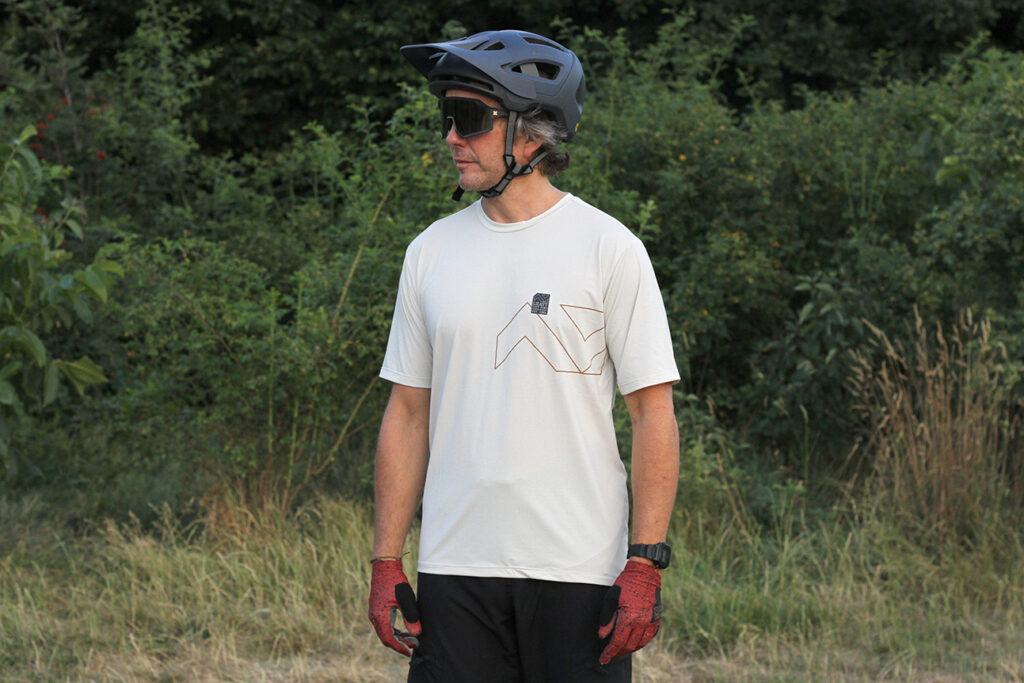
Lastly, gloves. Gloves can be reasonably inexpensive, but they improve grip on your handlebar and provide a hint of useful protection as your hands are usually the first things to hit the ground during a fall.