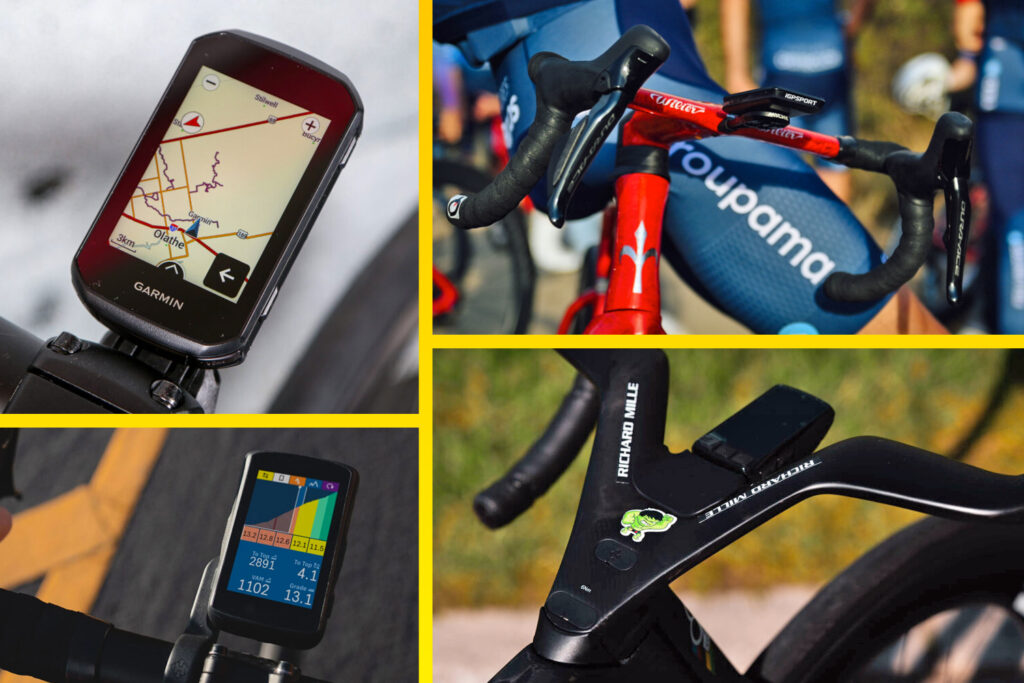

Bike computers have become a vital tool for professional riders giving riders access to everything from power, heart rate and speed, to core body temperature and climb profiles. While Garmin and Wahoo continue to dominate the peloton, two Chinese brands have now broken into the WorldTour. We take a look at what every team is using at this year’s Tour de France.
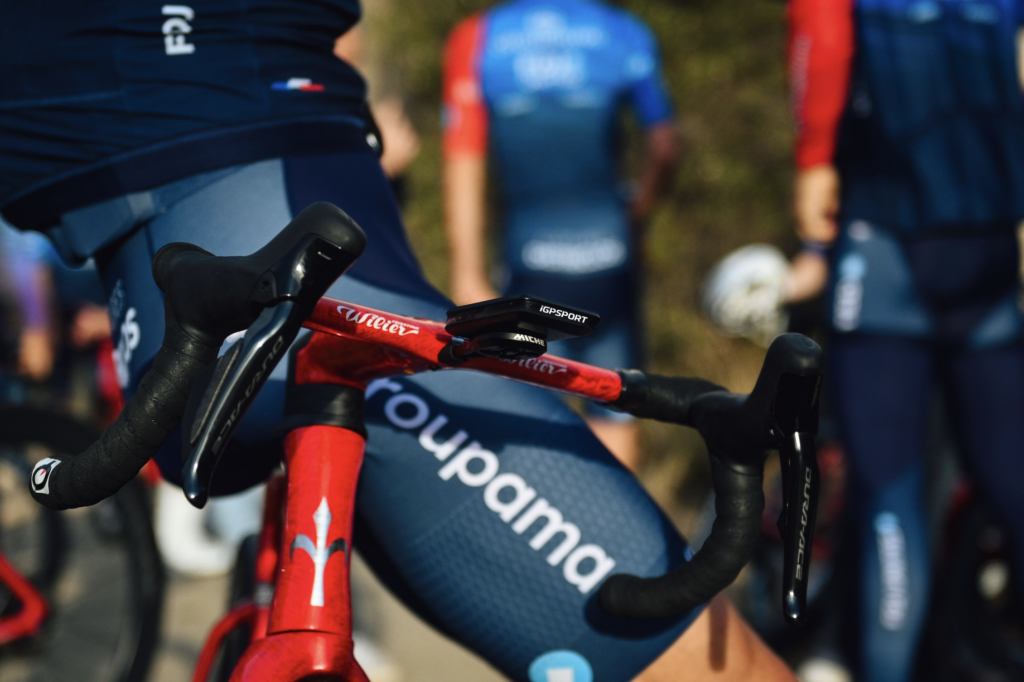
Bike computers have recently come under the UCI’s spotlight after the governing body announced that, from January 2028, devices used in competition will be restricted to a maximum size of 126 x 71mm. Despite riders having access to full product ranges and the option to use larger devices in training, many still choose not to race with the biggest bike computers available.
Of the 23 teams at the Tour, Garmin is the most popular bike computer brand, with 12 teams using its devices. Wahoo follows with eight teams, while Hammerhead, Magene and iGPSport are each used by one team.
Garmin
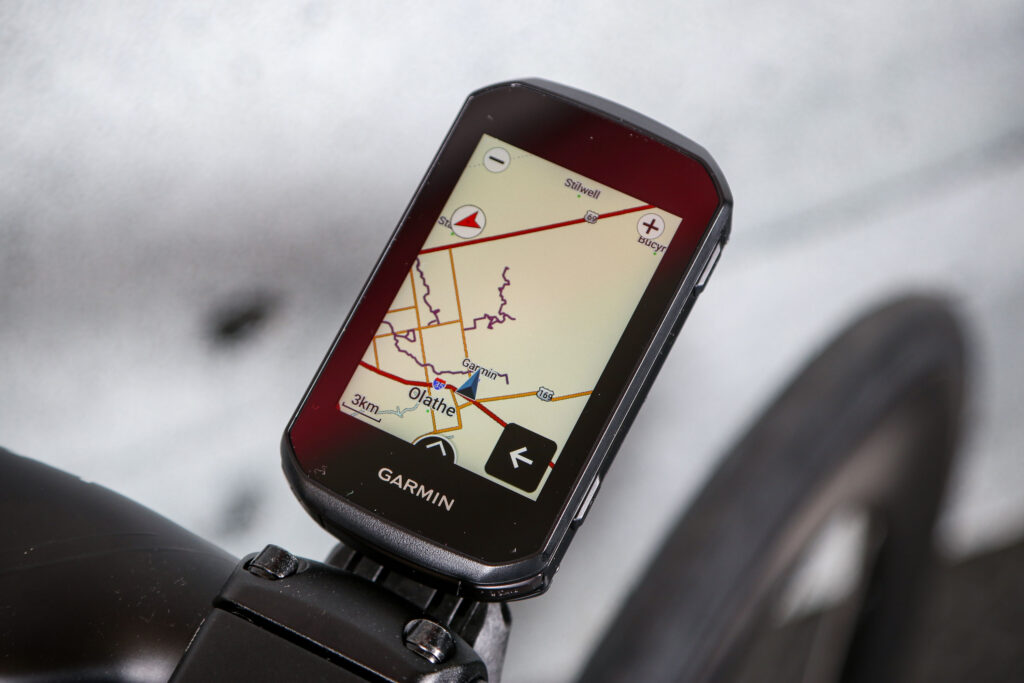
Teams including Visma-Lease a Bike, Soudal Quick-Step, Red Bull-BORA-hansgrohe and Uno-X Mobility are among the 12 squads partnered with Garmin, making it the most widely used bike computer brand at this year’s Tour de France.
Garmin typically allows riders to choose which head unit they use, meaning they can select from across the company’s range rather than being assigned a single model.

Despite the UCI’s planned size restrictions for bike computers, most riders don’t opt for Garmin’s largest device, the Edge 1050 when racing. Instead, many favour the smaller Edge 850, which is around 50g lighter.
We have also seen riders recently opting for the Garmin Edge MTB which is even lighter again, dropping around another 50g on the Edge 850.
Wahoo
Like Garmin, Wahoo allows riders to choose from across its bike computer range rather than assigning a single model. UAE Team Emirates XRG, Alpecin-Deceuninck, Lidl-Trek and EF Education-EasyPost are among the eight teams partnered with the brand at this year’s Tour.
Riders favour the smaller Elemnt Bolt 3 over the flagship Elemnt Ace for racing, again due to weight. The Ace tipped our scales at 210g, compared with just 86g for the Bolt 3, a meaningful saving in a sport where marginal gains matter.
Hammerhead

Despite Hammerhead being owned by SRAM, SRAM-sponsored teams are not required to use its bike computers. As a result, only one team at this year’s Tour de France is using Hammerhead devices: NSN Cycling.
The Hammerhead range currently consists of a single current-generation model, the third-generation Hammerhead Karoo. Weighing 118g on the road.cc Scales of Truth, it impressed us with its smooth operation, excellent display and seamless integration with a wide range of sensors.
Magene
View this post on Instagram
The first of the two Chinese bike computers in the Tour de France is Magene, who partnered with the XDS Astana Team at the start of this year. Founded in 2015, this marks Magene’s first entry into the WorldTour, with riders using its GPS bike computers, smart trainers, radar tail lights and heart rate monitors throughout the season.
The team uses Magene’s flagship C706 bike computer, which was released in March this year and costs around half the price of comparable Garmin and Wahoo units. The C706 features a 3.3-inch colour touchscreen, which is slightly bigger than the 2.7-inch colour touchscreen of the Garmin Edge 850.
iGPSport
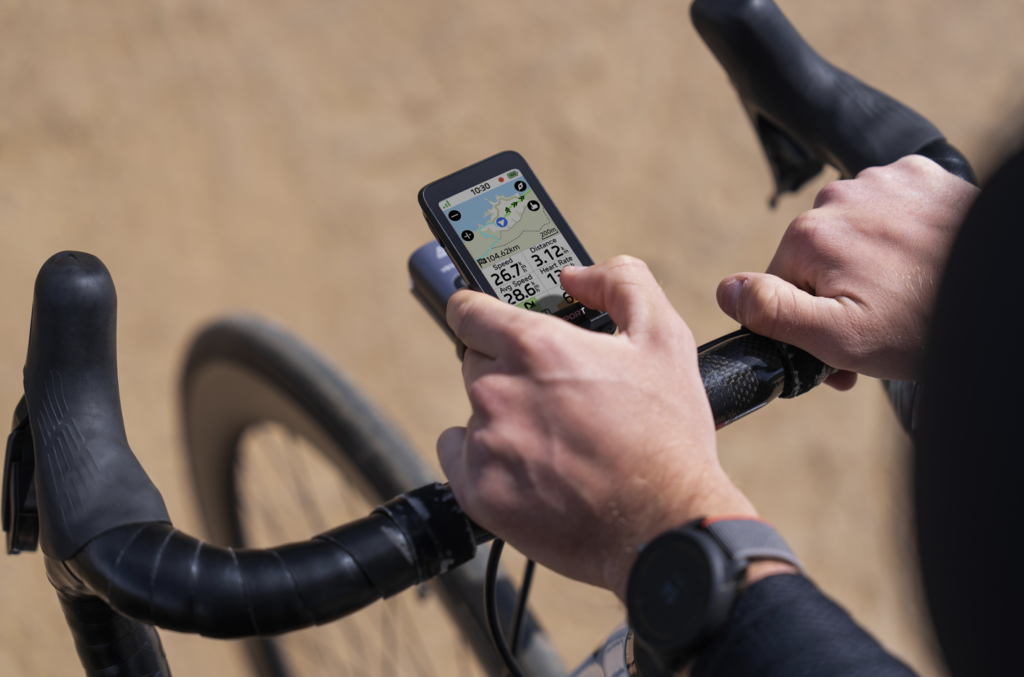
2026 iGOSport BiNavi AIr bike computer (Image Credit: iGPSport)
Finally, iGPSport also features in the pro peloton sponsoring Groupama FDJ United. Like Magene, iGPSPORT entered the WorldTour this year, marking their first season supplying bike computers at the top of world cycling.
The BiNavi Air bike computer is the brand’s lightweight flagship model, featuring a 3-inch colour display, claimed 30 hours of battery life and weighing just 77g, according to the brand. The team also has the choice of the BSC300T and iGS800 bike computers.
Which bike computer would you choose for racing? Let us know in the comments section below.