


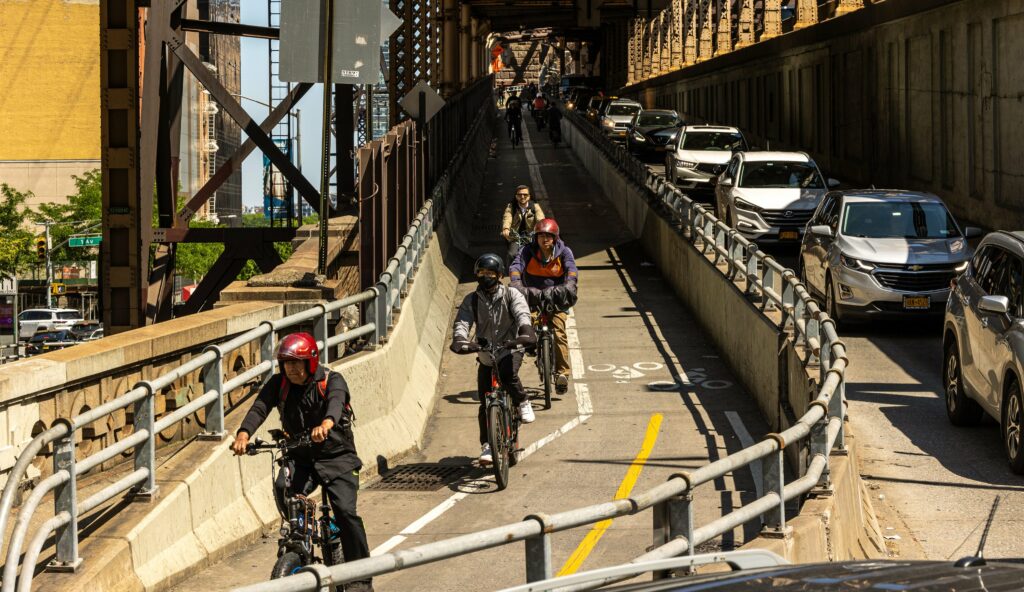

A tragedy in New York in which a cyclist and the rider of an illegal electric scooter both died following a reported head-on collision on a segregated bike lane has led to a wider discussion about the regulation of electric bikes and scooters in the city.
Heartbroken by the tragic loss of life on the Queensboro Bridge this morning.
Every New Yorker deserves to get home safely. This tragedy is a painful reminder that speed matters and that safety must remain at the center of how we design, manage, and share our streets and bike…
— Virginia Maloney (@vmmaloney) May 29, 2026
Various local media outlets are reporting that the collision occurred at around 8.30am on Thursday, while images in the press and on social media show the frame of the cyclist’s Factor road bike completely torn in two by the impact.
According to ABC7 Eyewitness News, the e-scooter rider – Francis Del Valle – was a 39-year-old father-of-two, and the cyclist has been named as Dmytro Stechenko, 35.
Queensboro Bridge now has separate, narrow sections for pedestrians and cyclists, with the crash happening on the bike lane section. Legally the electric scooter rider should not have been in the bike lane, and discussions have been going on for years about the prevalence of high-powered vehicles outside of the main carriageway on the bridge, even before cyclists and pedestrians were segregated.
New York implements a 15mph/25kph speed limit on electric bikes and scooters, which is the same as the cut-off speed of a street legal electric bike or scooter in the UK and Europe – however, nationally most class 1 and 2 micromobility vehicles in the US have a 20mph assistance cap, but they are still legal to use in New York, putting the onus on the user to keep to the 15mph limit.
New York City also has its own distinct Class 3 micromobility category, which allows for the use of a throttled e-bike or scooter capable of 25mph speeds (still limited to 15mph when riding it). These are classed as motor vehicles in the rest of New York State.
Illegally modified electric bikes and scooters are certainly not a rarity in the UK and beyond – but some have argued that the extra layer of confusion and ambiguousness in New York has led to even more rule-breaking, putting law-abiding cyclists, scooter riders and pedestrians in added danger.
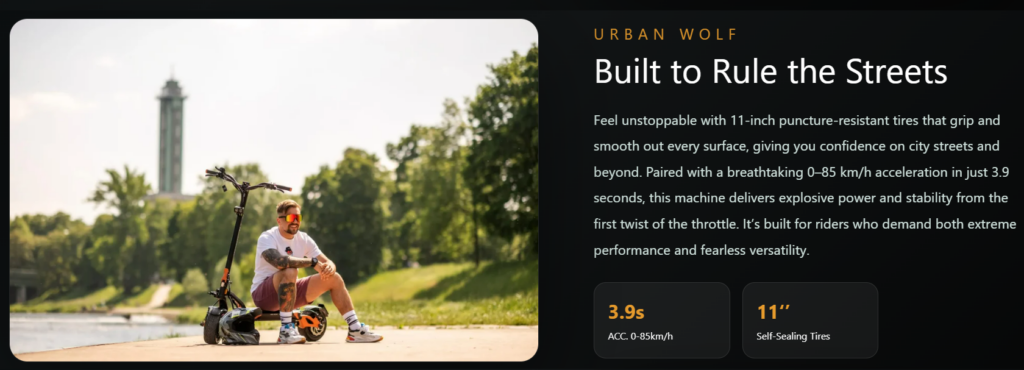
The scooter that Del Valle was reportedly riding – a Teverun Blade GT II – can reach speeds of 53mph/85kph in under 4 seconds according to Teverun’s website, and can be easily bought online by New Yorkers.
Crystal Hudson – the councillor for the the 35th district of the New York City Council – has proposed a bill that would ban all micromobility vehicles capable of exceeding 20mph at the point of sale, meaning no new Class 3 bikes or scooters could be sold. By default, the sale of bikes and scooters with motors far exceeding this would be banned too if Council Member Hudson’s ‘Ride Safe, Ride Right’ legislation (Intro 244) bill was enacted.
Ben Furnas, executive director at Transportation Alternatives, said in a statement: “Crashes like these are entirely preventable. Scooters that travel this quickly have no place in our bike lanes. The City Council must move forward with the ‘Ride Safe, Ride Right’ bill to prevent the sale of the most dangerous micromobility devices. 20 mph is plenty for anything on New York City neighborhood streets, and certainly in our bike lanes.
“The data is clear: anything faster than 20 mph is especially deadly. 20 is plenty — no matter who you are or how you’re traveling. Speed kills.”
Roz Gianutsos of Families for Safe Streets added: “We can’t sit by while New Yorkers are riding electric scooters that can travel 30, 40, or even 50 mph.
“We’re counting on the City Council to move Council Member Hudson’s bill and finally protect all New Yorkers — regardless of whether you ride an electric scooter or just ride next to one. Safety for each of us is safety for all of us.”




















2 thoughts on ““Our streets have not kept up with the rise of motorized e-vehicles”: Cyclist and electric scooter rider both die following head-on collision on New York bridge”
I’ve been following a lot of discussion on this via social media, and was surprised when some people were blaming the width (or lack of) of the segregated path, thinking it’s comfortably wider than some fairly busy shared paths I use, but looking at the photo I realise that visibility isn’t great, and I can imagine some dodgy overtakes, all the more likely if bikes and scooters are going at different speeds.
It seems obvious to me that the NY authorities have to be much stricter about getting the overpowered scooters and bikes off the cycle paths, but easier said than done, as I’ve historically seen a lot of push back against regulation from NY urbanist types who favour “e-bikes” and scooters replacing cars by being able to keep up with cars. Their various classes of ebike seem far too complex, and IMO if you want to be able to go faster – you should be getting a moped, and stay out of the bike lanes!
Agree about powered two-wheelers – and while from a UK perspective (or in Amsterdam) it doesn’t seem hard to sort out * I’d bet that the large cars and even more trucks on the roads there are at least as deadly for motorcyclists.
Then with the NY traffic grid “slicing through the traffic” probably doesn’t work so well (also see “deadly”) and if people have bought something with a motor they don’t want to be sat at lights.
So “mopeds on the bike path” could be seen as harm minimization (actually… think NL started that way…)
But that then makes those paths much less pleasant for “8-80 cycling”. Actually, just less pleasant.
* It’s separate space (where needed) for pedestrians, “cyclists” and motor traffic. Where “cyclists” includes EAPCs, adapted cycles, wheelchairs, roller skaters, mobility scooters… – but not motor scooters or other e- things (definitely not electric motorbikes). And I’d look suspiciously at commercial concerns taking advantage of “free space” with “cargo bikes” of unusual size and carrying capacity.