



This week, we’re bouncing across the Atlantic like Concorde, but with more fuel efficiency and fewer 1980s businesspeople. We start in London…
Strikes cause hike in e-bike commutes
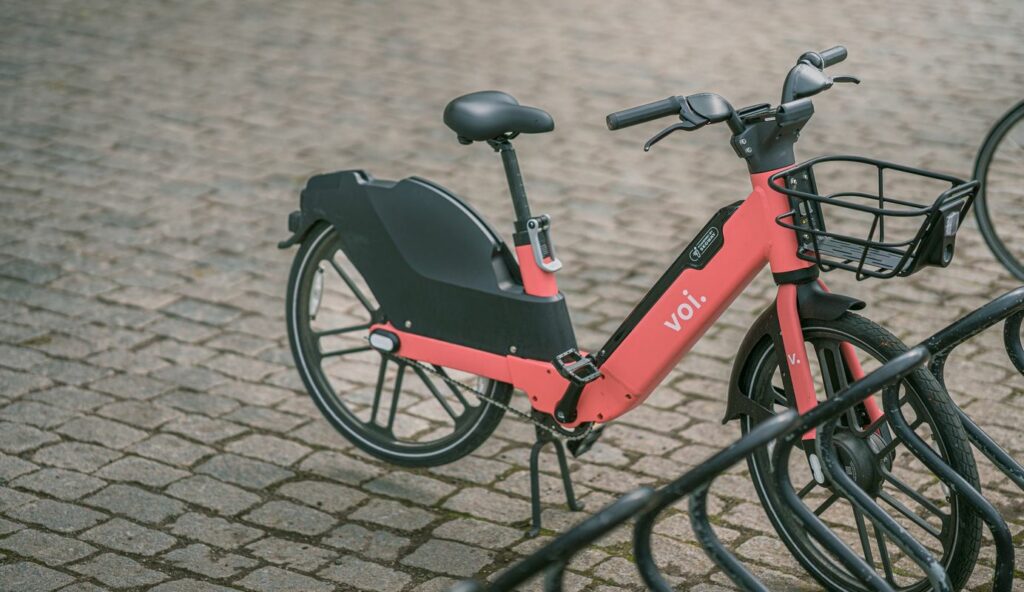
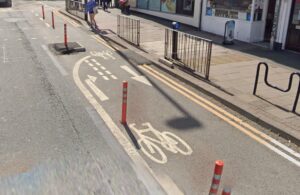
A perfect storm of high fuel costs, public transport strikes and balmy weather have resulted in more London commuters than ever using the city’s hire e-bikes. On Tuesday, the first day of the latest round of Tube strikes, operator Voi’s e-scooter and e-bicycle usage was 52% higher than the same day last week and new user registrations increased by 110%.
“Riders are determined to get around despite the strike – whether that was home from work after their station closed, out to the shops or to London’s parks in the spring weather,” Christina Moe Gjerde, Voi’s VP for Northern Europe, told Cycling Industry News.
To help Londoners who are affected by the strike, Voi is offering free day passes which include up to 30 minutes of free travel, according to London Now. In addition, Voi competitor Bolt has expanded its e-bike network to include Westminster and Hammersmith & Fulham, on top of its existing presence in Kensington & Chelsea, as reported by City AM.
New York e-bike trauma cases rise
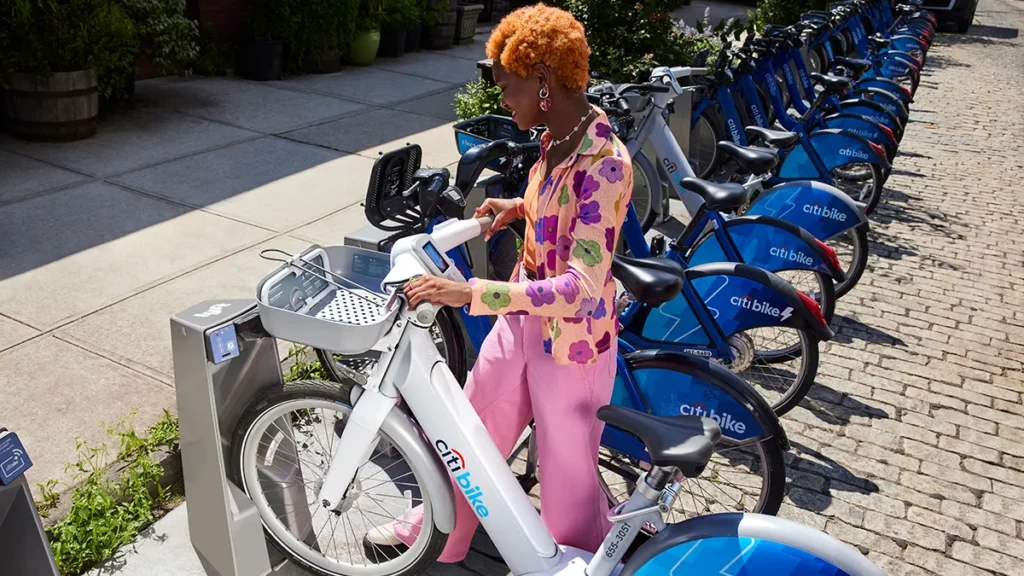
Meanwhile, the mean streets of New York have borne witness to a rise in e-bike related trauma cases. A study from the city’s Bellevue Hospital Center has revealed that the share of trauma cases involving e-scooters and e-bikes went from less than 10% in 2018 to more than half in 2023.
Inevitably, the study sparked outrage among New Yorkers, with commenters on The Gothamist chiming in with “the ebikes need to be treated as motor vehicles, registered, insured and drivers licenses,” and, “those who ride on e-bikes and other electric vehicles are notorious for disobeying EVERY traffic law in the city.”
However, Sophia Lebowitz on StreetsBlog NYC took the time to actually read the study. “Its conclusion is not, as many anti-bike groups have claimed, that the city must create new laws to restrict e-bikes, but rather that street design must be improved because it would offer the ‘most immediate’ opportunity to reduce the burden that emergency rooms face,” she said.
The critical point the study makes – and one that has been ignored by mainstream media – is that nearly half of the injuries cited resulted from collisions with motor vehicle drivers. Lebowitz points out that in 2023, the last year of the study, 103 pedestrians were killed in traffic crashes, and all but two of those fatalities involved car or truck drivers.
“In that same year, 94% of reported pedestrian and cyclist injuries involved a car or truck vehicle, according to the city Department of Transportation, while e-bike, e-scooter and moped riders caused just 2.4% of all reported pedestrian injuries,” Lebowitz wrote. “What doesn’t get as much attention from the mainstream press is the value of e-bikes in the overall effort to make streets safer by reducing car use.”
Say “hay” to the Kona Remote 160 CR
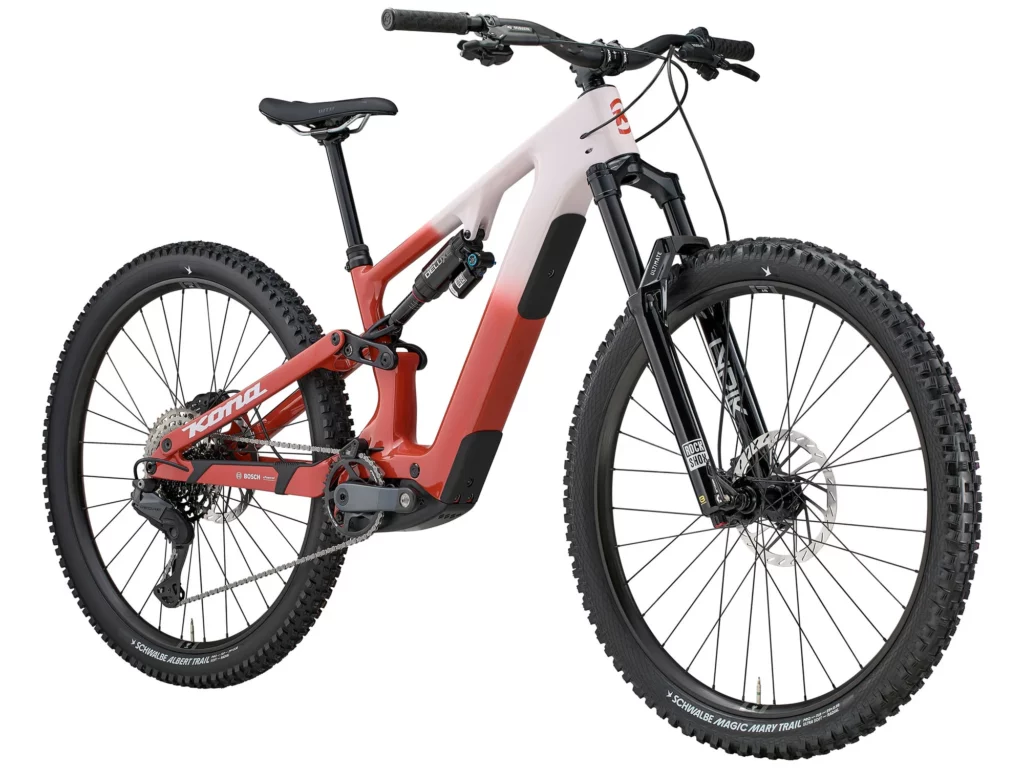
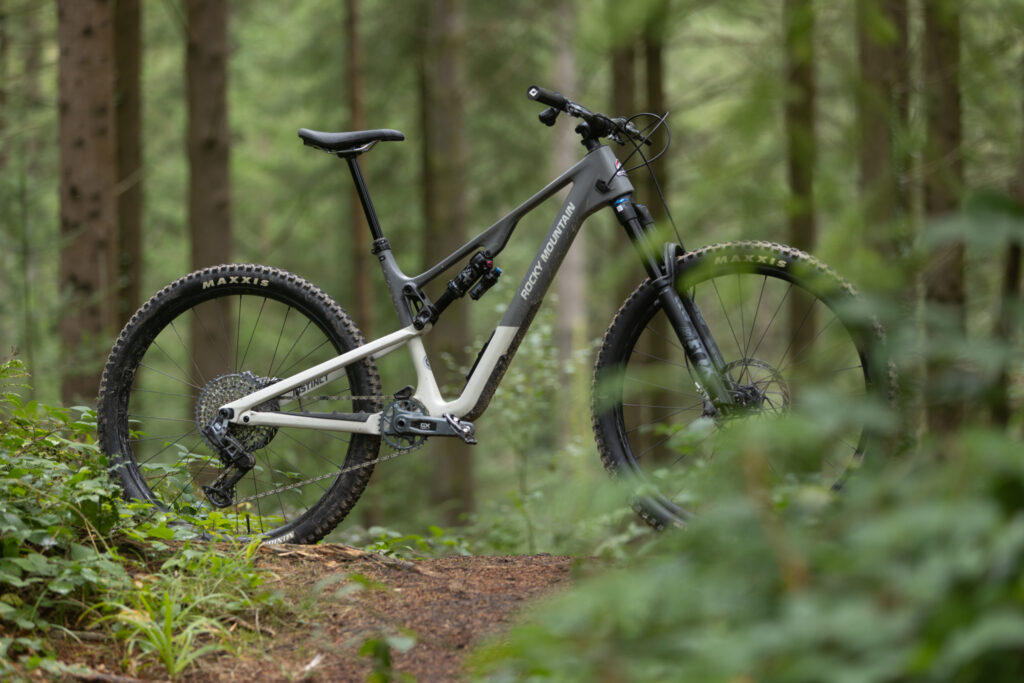
Kona’s Remote 160 is described by the company as having a motor that “kicks like a mechanical horse,” which sounds…painful?
Neigh-vertheless, Kona has clearly put a lot of thought into the mountain e-bike, packing the battery and Bosch SX motor as low as possible on the carbon frame to ensure a low centre of gravity. The whole bike tips the scales at a relatively lightweight 20.8kg, and a flip chip allows mixing and matching between wheel sizes.
A new batch of Batch e-bikes
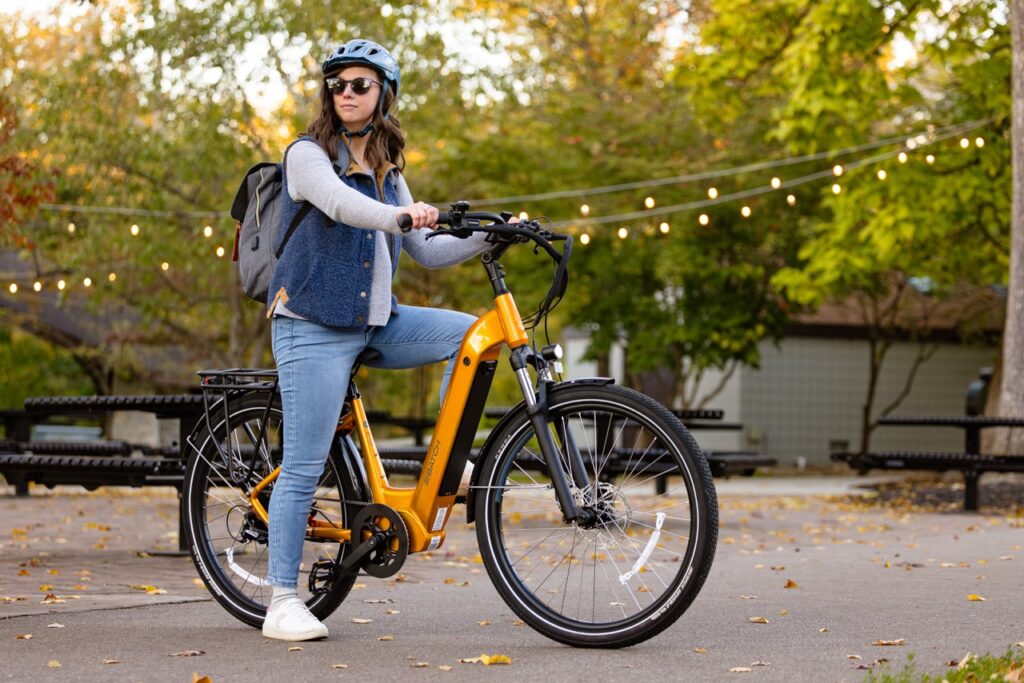
Meanwhile, Batch Bicycles is launching a new range of electric bikes. The US-based bike manufacturer’s 2026 range includes the eAB.3, a long-haul, dual-battery adventure bike, and the eFT.3 fat-tired e-bike.
It’s also launching the eCB.1 and eCB.3 step-thru bikes, which make use of Vinka RH30 rear hub motors, with prices from $1,499.99 (about £1,110). Notably, Batch says it’s “also offering e-Bike models that conform to the specific regulations in Canada and the State of California.”
The eAB.3 adventure bike won’t be available until June, but all other models are available now.













2 thoughts on “Injuries to e-bike riders in New York are on the rise – what’s to blame? Plus record London e-bike rides thanks to latest tube strikes, Kona’s new e-MTB + more”
I love that you can ‘bend’ numbers to fit your agenda! Example: If you have 10 riders and one is injured the injury rate is 10%. If you have 100 riders and 3 are injured, the injury rate is 3%. BUT there are now 3X as many injuries. What are we going to do? Injuries have trebled! Those crazy riders are going wild and endangering everyone else!
There’s a ton of ways to play with numbers (sometimes not deliberate).
Ignore the baseline as you say (things being equal more cyclists more injuries).
Compare apples and oranges eg. ignoring that the kind of cyclists (and cycling) you tend to get in low-cycling nations differs from those in counties with developed cycling. So in the former it tends to be young, fit, sporty, mostly male, lots of “commute cycling”. The latter more like all-age, “transport cycling” for all purposes.
And indeed in NL slightly more cycle trips are made by women than men!