




After five years of owning a e-cargo bike, I thought it was about time that I shared what it’s like living with one. Do I regret not having a second car? How much money has it saved me? And what reasons might make you consider switching?
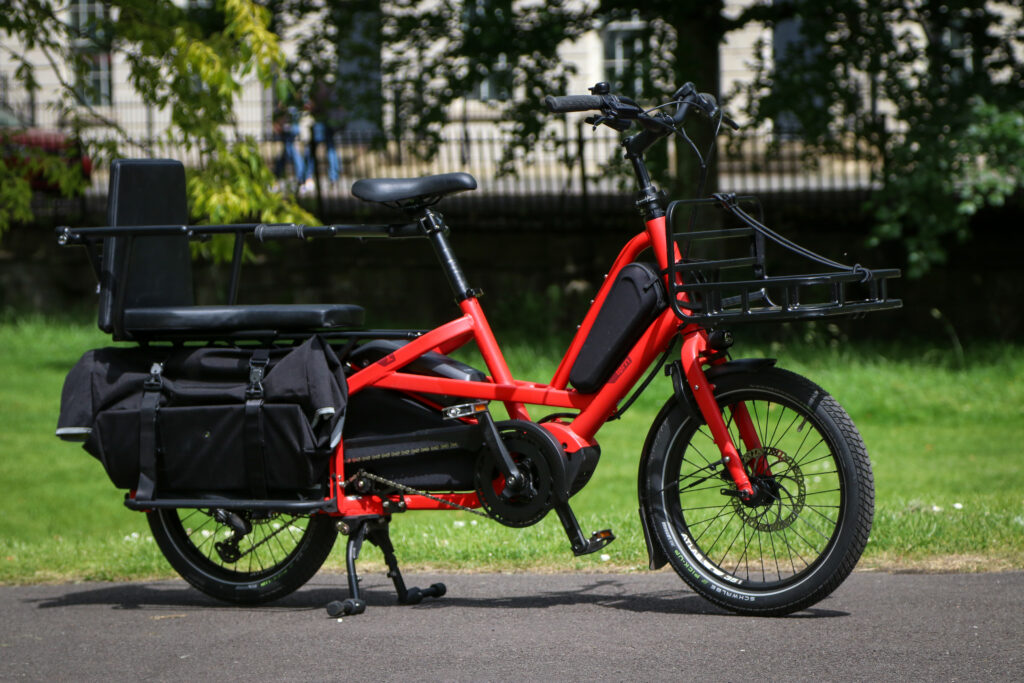
This is what I’ve been aboard for the last five years, and thousands of miles. It’s a second generation Tern GSD, and it’s been a brilliant and faithful companion for city trips, shopping, commuting, ferrying kids around, dressing up as Santa and delivering presents… yesss, I really did that.
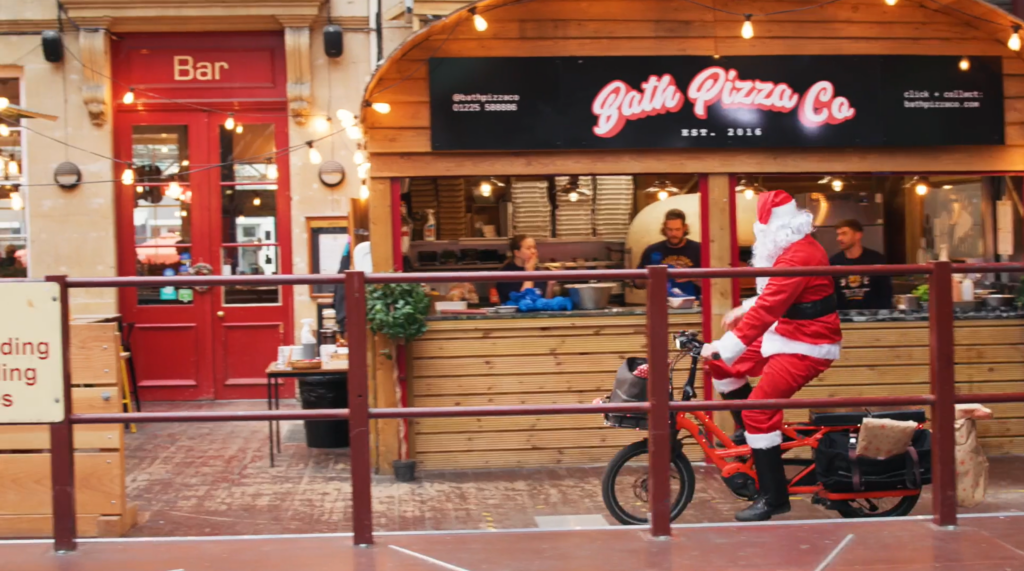
You can use a bike like this for all the things you might do around town in your car, really. It’s put in some hard yards, and it’s picked up some battle scars along the way. And it’s recently been superseded by the new 3rd generation bike, which we’ve recently reviewed, and for me is the new top dog in the longtail cargo world. Whatever kind of cyclist you are – and you might not be one at all – I think a bike like this can work for you. Let’s go through why, and at the end we’ll do some sums to find out how much I’ve saved over five years by not having to run a second car and putting those miles into the Tern instead.
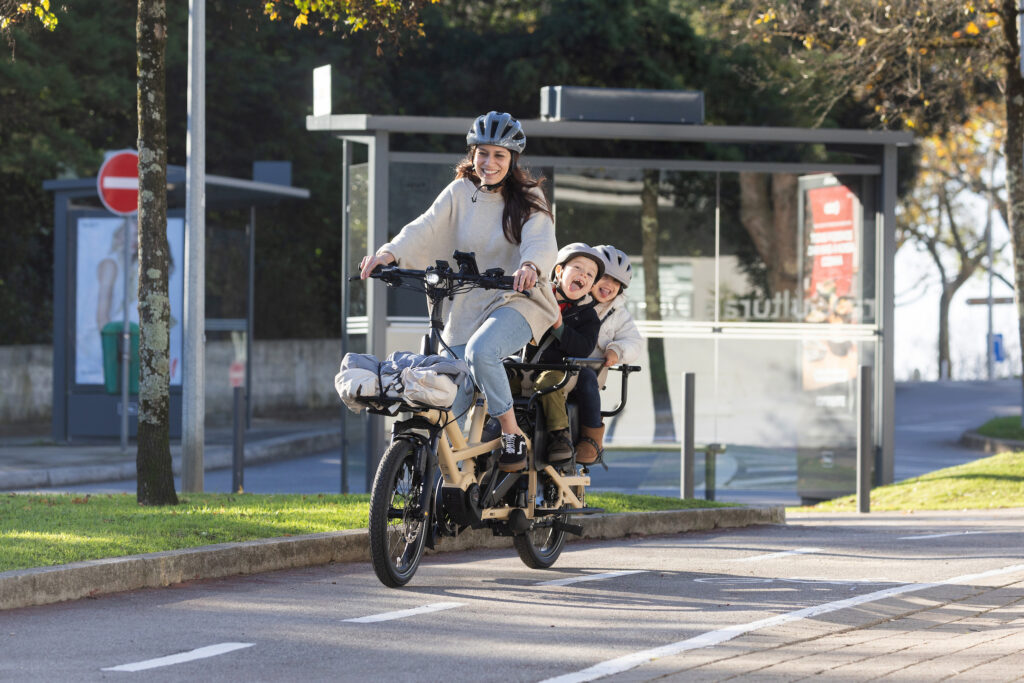
What’s a longtail cargo bike like to ride?
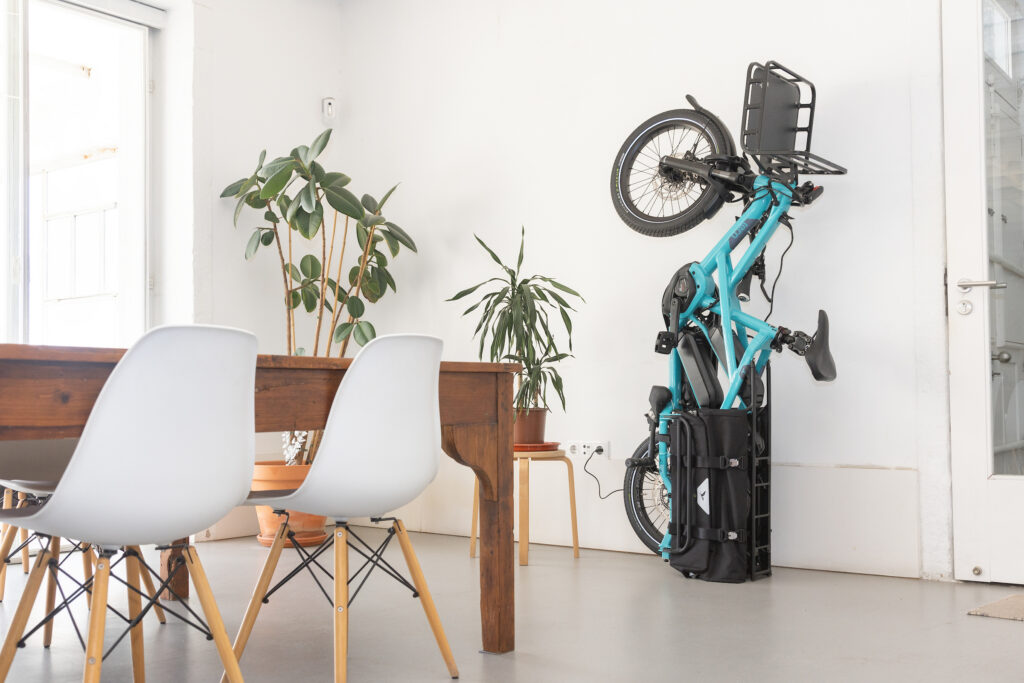
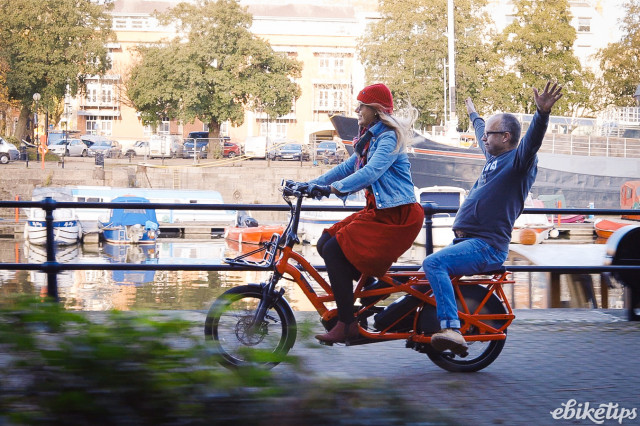
Riding a longtail like a Tern GSD really is as easy as riding a normal bike. It’s easily adjustable too, so more that one person in your household can use it with just a few simple tweaks. Because of the small wheels it’s not any longer than a standard city bike, which makes it simple to ride but also means it’s easy to store: it’ll fit in a shed or a garage no problem, and in town you can park it in a normal bike rack. Near the shops. For free. And if you’re short on space at home it’ll even stand on its end in the corner of a room.
For all those reasons it’s more versatile as a day-to-day ride than a Long-John-style bike with the load area at the front. For *really* big loads a bike like that can work better, but as you’ll see as we get into it, that’s probably not a necessity for the majority of people.
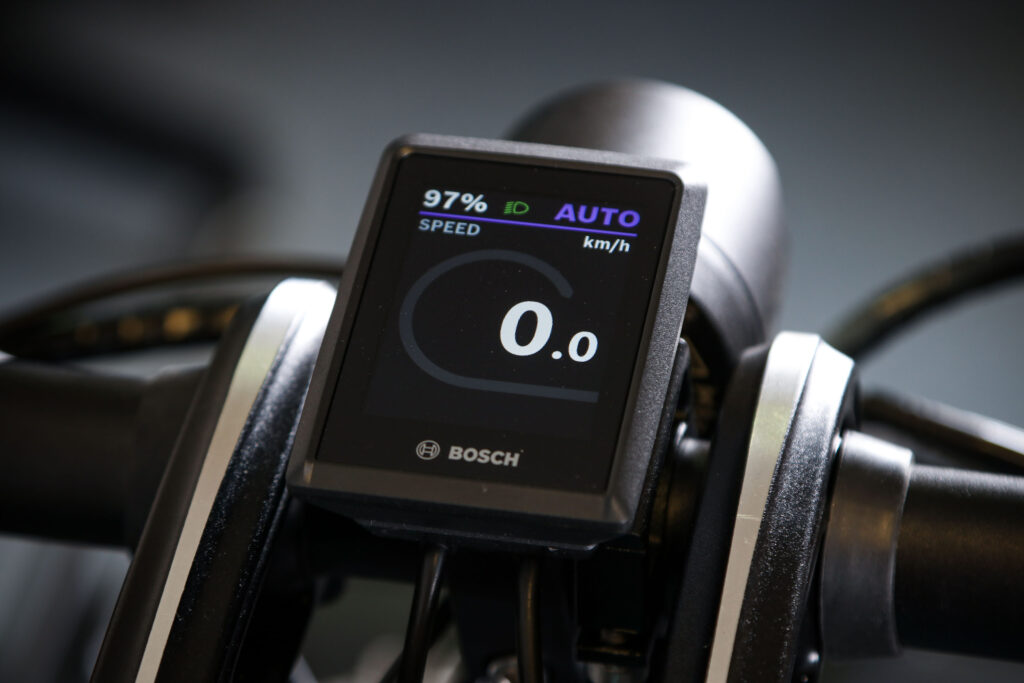
You don’t need to be fit, either. The new GSD has the latest Bosch Smart system with four assist levels including Auto mode, where the bike adjusts the support for you, so more power kicks in when you hit a hill or run into a headwind. Even here in Bath where everything’s either up a massive hill or down one, you can get around without breaking a sweat. You’re still outside in the fresh air though.
Curious but concerned?
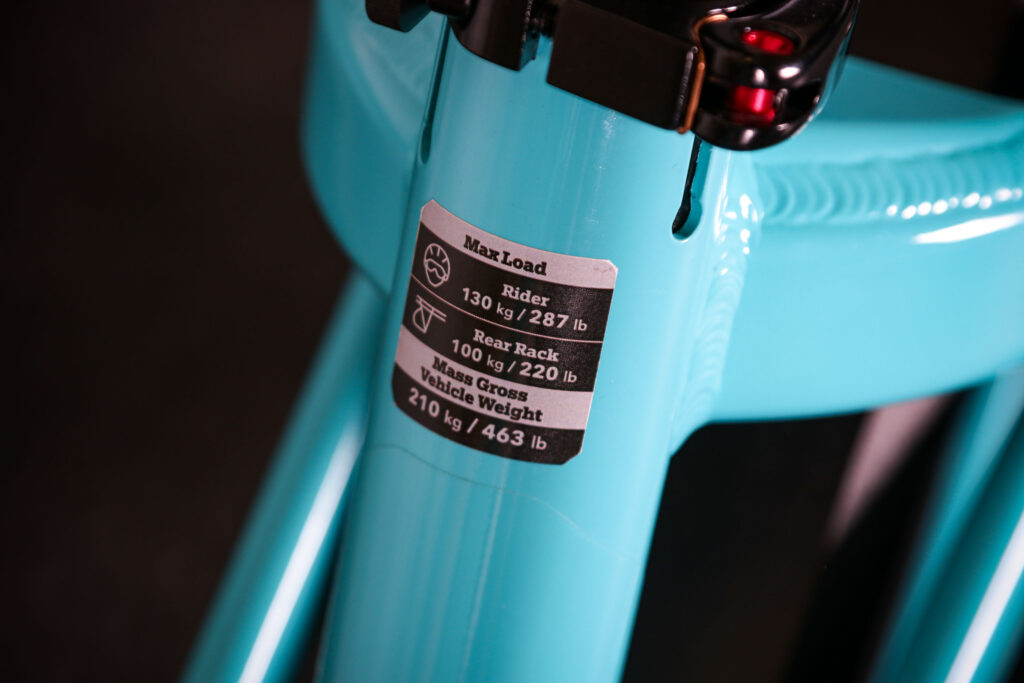
Sounds good? Even so you might put yourself in the “curious but concerned” category. You might have seen footage of ebikes catching fire. You might be worried about finding safe routes. Both of those are valid concerns. In terms of safety, the GSD is about as safe as ebikes get: the electrical system is fully certified as fire-safe, and the frame is tested and rated to the highest cargo bike standards too.
For staying safe while riding, there are lots of resources to help you. Route planning apps like Komoot and RideWithGPS can help you plot less traffic-heavy routes, and there are loads of local cycling groups on Facebook who can give you advice. Your work might have a Bicycle User Group too, or there might be a Bike Bus scheme locally where everyone rides together for safety in numbers.
The weather is a concern for many people too. And yes, you might occasionally get wet, but you’d be surprised how rarely that actually happens. If you’re new to day-to-day cycling it’s a good idea to start in the Summer when it’s warmer and drier, but even if you commute by bike every day for an hour all year, it only averages out at a couple of wet rides a month in the UK, and if you’re ferrying kids then the GSD has accessories that can keep them dry at least, even when you’re getting damp. It also has full mudguards of course, and the great thing about an ebike is you can wear proper full waterproofs and you won’t get sweaty. But it’s important to say: you shouldn’t beat yourself up if you don’t want to, or can’t, cycle every day. Every trip you take on a bike is one less in a car.
How much can you carry?
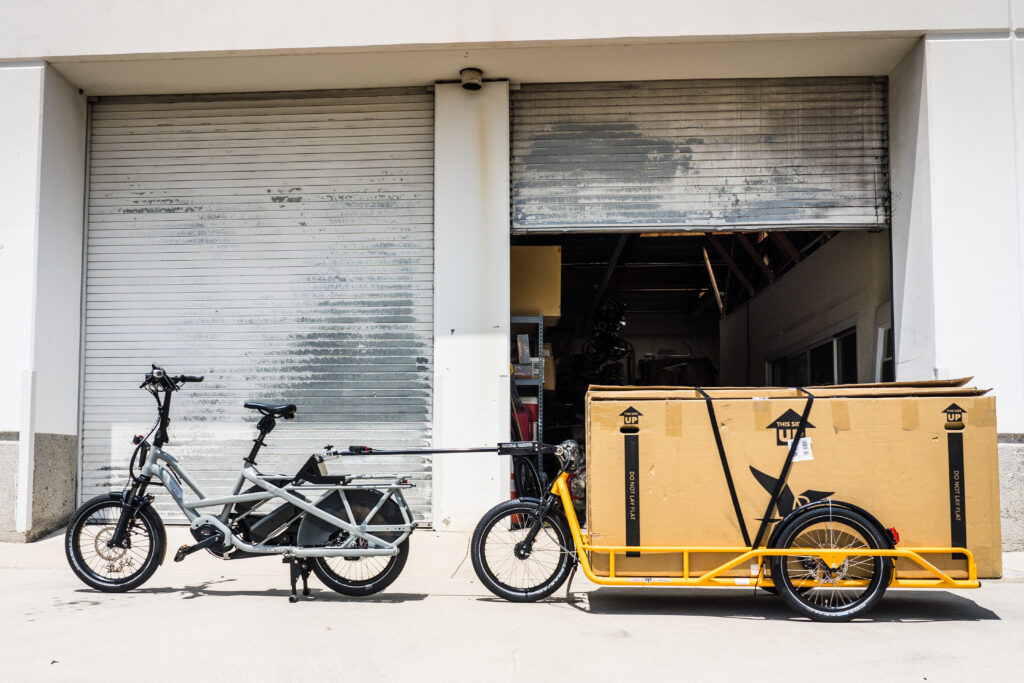
Okay, so say you’re interested. What are the practicalities? Something I’ve heard a lot over the years is “Well, you can’t carry as much as you can in a car. What if I want to buy a fridge?” For some reason it’s always a fridge. Well, firstly, it’s 2025: you can have a fridge delivered these days if you need one. No-one is claiming that a bike like this can do everything a car can. Although if you really wanted to haul a fridge on your bike… Well, there are ways.
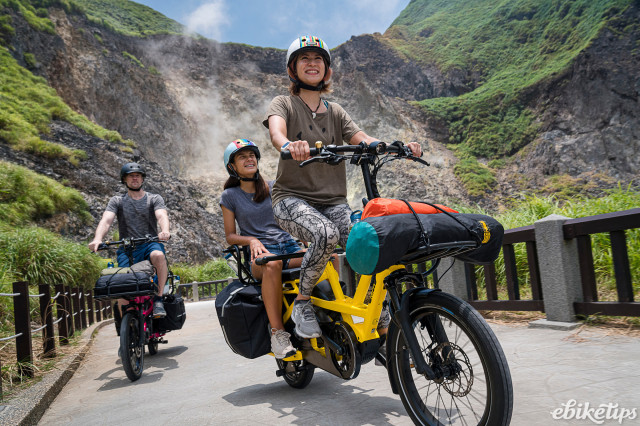
But think about your car journeys, and where you actually go, and what you actually carry. Your bag to work? A child to school? The weekly shop back from the supermarket? A bike like the GSD can do all of those, and much more. The rear rack has a load rating of 100kg, so two kids in child seats, or two bigger kids on a bench seat, is not a problem. My son is over 2m tall now, and he still likes a lift into town on the back. For shopping, I have Tern’s excellent Cargo Hold panniers on the back and a WeatherTop bag at the front, and I’ve done the weekly shop for a family of four dozens of times and never once struggled to fit it all in. The reality is that you can replace a surprising number of car journeys with a bike like this. How many cars do you have? Could one of them be a bike instead? Because if it could, you could save yourself a ton of money. Time to do the sums.
How much could you save if you ditch a car?
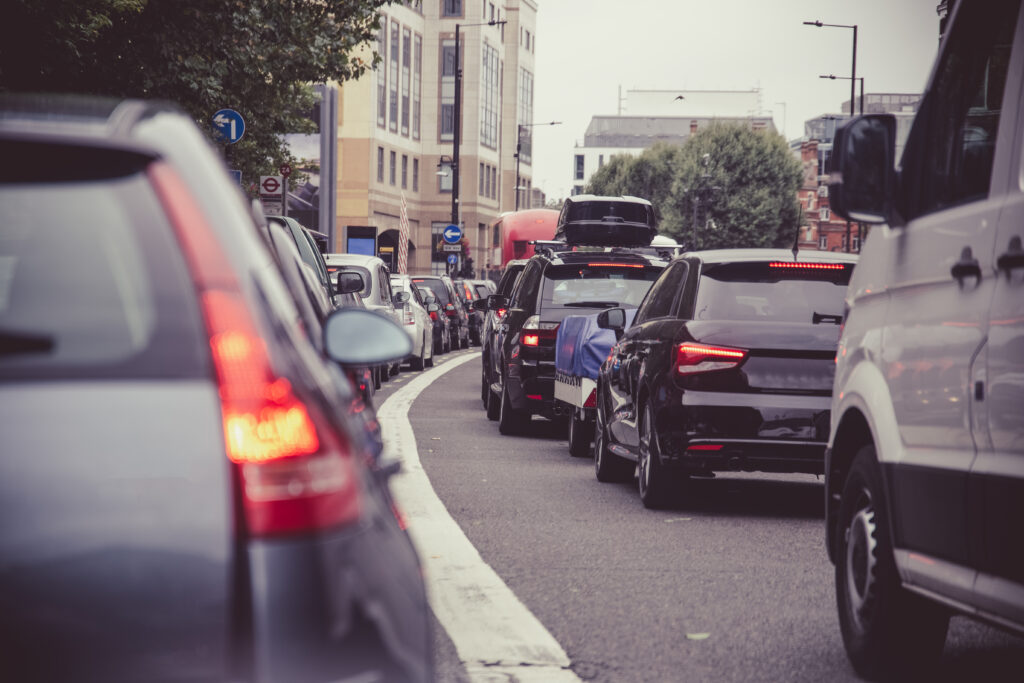
What are the costs of owning a car? You need to tax and insure it, and you need to keep it on the road: MOTs, servicing, new tyres, fuel, parking charges… it all adds up. The average in the UK is about £175 a month. And of course, you’ll have to actually have a car, so that means buying or leasing one. The average for that in the UK works out at about £100 a month, but a lease for a new car is likely to be considerably more than that. Anyway, the total average spend is about £3,500 per year.
|
Average Car Running Costs UK |
2025 |
|
Purchase/Depreciation per year^ |
£1,251 |
|
Petrol and Diesel |
£747 |
|
Car Insurance |
£621 |
|
Repairs and Servicing |
£473 |
|
Motor vehicle road tax |
£153 |
|
Other |
£111 |
|
Annual running costs for a car |
£3,357 |
For that exact same amount, you can have the GSD’s cheaper sibling, the Quick Haul Long, which will also carry two kids, or all your shopping. The new third generation Tern GSD we tested is a fair bit more expensive, at £5,900: it has better equipment, and an anti-lock braking system, and you can fit two batteries for a longer range. But even so: that’s less than two years of average car ownership.
Ebikes have running costs too, of course. But they’re nothing like those of cars. I charge my bike once or twice a week, and that probably costs me in the region of 30p a charge, so over a year that’s maybe £25. And you have to keep a bike maintained: My GSD has had three new chains in those five years, and two new rear cassettes, and I’ve gone through a LOT of brake blocks, because it’s hilly round where I live and a cargo bike is often carrying a heavy load. They need doing at least once a year, more often twice. Other bits will eventually need replacing too. Tern has a 7-year support program which means that essential parts, including motor system spares, will be available for at least 7 years after you buy, so that’s a bit of peace of mind, and the Bosch motor system is probably the most popular in the world, so getting help if it does go wrong is pretty simple. It’s a very reliable system though. I’ve had to replace the speed sensor on the rear wheel, but that’s it.
I like tinkering with bikes so I’ve mostly worked on this bike and swapped bits out myself. But most people would treat it more like a car, and book it back into the cycle shop once a year for a service, and the shop would most likely slap on a new chain and some brake blocks, and give the whole thing a once over, the equivalent of an MOT really. That’s likely to cost you maybe £200 a year, and your home maintenance will probably be as simple as keeping it charged and checking the tyres are pumped up.
How much has running a Tern GSD instead of a car for five years personally saved me? Well I can’t know for sure how much my non-existent car would have cost. But I can tell you for sure that as a second vehicle and a city runaround it wouldn’t have been an especially good or expensive car. So that means costs would be below average. Let’s say it would have cost me a conservative £2000 a year, all in, just over half the national average. So ten grand, for five years of driving.
My second-generation GSD retailed for £4,500 back in the day. And of course this bike will have depreciated in value, but Terns don’t do badly, because they’re good: If I gave it a clean and a service and stuck it on eBay I reckon I could get at least two grand for it, even though it’s very much in used condition, so we can knock that off. On top of that I’ve probably spent £125 charging it over five years, and about £300 in parts. I’ve bought a decent lock (£100) and although the bike is covered on my home and contents insurance I’m no doubt paying a premium there because it’s an expensive thing, so let’s add £50 a year for that, for £250 in total. So the cost of ownership over five years now, if I sold up, works out at £3,275. Saving me over six and a half grand versus running a second car. I’ve saved up enough for the new one! And some accessories!
Could you make the switch?
E-cargo bikes aren’t cheap. But you can see from the numbers that it’s easy to save money if having a versatile bike like this GSD means you can ditch one of your cars. Or even all of your cars! Could you ditch a car and use a bike like this day to day? If not, what’s stopping you? Let us know in the comments below!


11 thoughts on “I saved thousands using an electric cargo bike — you could too!”
I would love one of these but
I would love one of these but the cost is quite insane and my partner isn’t keen on the idea. She isn’t keen because I would want to take our two year olds out on it and she doesn’t think its safe.
Fundamentally everyone should be making most of their journeys by bike IMO but until the roads are safer or at least perceived to be safer, its just not going to happen. The current perception of ebikes is not great at the moment as well. I think the people who are sensible and on legal bikes aren’t even noticed. The ones that are noticed are the plethora of delivery riders on illegal motorbikes who are, unfortunately lumped in with everyone else on a push bike because they look like push bikes.
If I could get the level of performance, quality and utility of the tern GSD for about £3500 it would be far more compelling as well.
mctrials23 wrote:
Without wishing to upset your other half by encouraging you, although I don’t have personal experience of it I’ve heard very good things from others about Decathlon’s cargo bike offering, the R500E, currently on sale at £2499 here.
That price makes much more
That price makes much more sense, especially for a bike that you will have to lock it in weird places.
The e-bike/cargo bike combo seems very promising in theory, but I would be scared to use it with kids loaded and let them breath all the pollution. In Dutch level infrastructure and culture it would make much more sense.
cyclisto wrote:
We use ours all the time in Bath with the kids onboard. I’m certain I’ve read a study that if you’re somewhere polluted, you are actually exposed to higher concentrations when sat inside a car than outside it.
cyclisto wrote:
It’s been well established, I believe, that people inside cars and buses actually breathe in more pollution than cyclists, especially in congested areas. Furthermore, at rush-hour a cyclist is likely to be able to reach their destination quicker in many cases, so less time breathing in pollution than in a car or on public transport, and with the proliferation of LTNs, cycle paths and quiet routes cyclists often have the option to avoid the most polluted areas in a way that car drivers don’t. I don’t know if anyone has done research on this but I wouldn’t be in the least surprised to find that being taken to school by bike actually has the lowest level of pollution intake for children of any form of transport.
I haven’t read any of the
I haven’t read any of the science but I wonder if increased respiration rate / deeper breathing on the bike in any way negates the “less time breathing in pollution”. I assume that was factored into the study though.
I can tell for sure that I
I can tell for sure that I definitely smell more bad smells when cycling in heavy traffic than sitting in a car with air recycling enabled. The same goes for how me and my clothes smell after cycling in heavy traffic compared to sitting in a car.
I actually noticed a noticeable drop in my sense of smell when I started to often commute. If I had a magic button to make all cars dissapear and keep their exhaust fumes and another one that would make them all electric, I would definitely hit the second one.
On the other hand, if I cycle in the countryside with no cars, even in hot summer, I am amazed how little I smell compared to after my commute rides in traffic. We don’t really stink, it is the car exhaust fumes that stick on us that stink.
Tern HSD owner here (the GSD
Tern HSD owner here (the GSD’s slightly cheaper, but one passenger, sibling – so probably not suitable for you). I was initially looking for a long-john (box out front) style but having tried one of those and a GSD, we went for the longtail as my wife was happier riding that type. As it turns out, she has barely ridden ours, but nevermind, I’m happy to.
As for safety, I suppose it depends what you’re comparing to. If you’re concerned about the roads in general, and are currently taking them by car, then fundamentally they will be more exposed and vulnerable on a bike and I appreciate it’s diffcult to be the one to step out of the “SUV’s are safer” arms race. Before we had the cargo bike, I carried my kid on a standard bike with Hamax seat. Compared to that the Tern, with its lower centre of gravity, feels super stable and safe! Mine is now school age and sits on a bench seat. I confess we have had a couple of occasions where, under heavier-than-I-would-have-liked braking, she has slid forward into my back. Tern do now (I think it’s new?) offer a lap belt which I might invest in. At 2 years old though, yours would be fully strapped in to seats, so much more contained. I have had one minor incident (just me on the bike) where someone inadvertently squeezed me towards the kerb while I was filtering. On a standard bike I have no doubt I would have come off. The Tern just bent their wing mirror backwards and I stayed up! I have the luxury of being able to do our main routes largely on off-road paths, and I do carefully consider what roads we travel on, but I have found drivers much more accommodating of us than they seem to be of me on a road bike.
Two unrelated notes to round off a huge comment:
(1) seems a bit unnecessary for Tern to pay for this content, when Dave has already (justifiably) waxed lyrical about them a number of times
(2) “What if I want to buy a fridge?” For some reason it’s always a fridge. Well, firstly, it’s 2025: you can have a fridge delivered these days if you need one“. I think it’s even worse than that. At risk of showing up my real-wordliness, how many places have fridges in stock to take away now, and how many of them would fit in a regular family car anyway?
quiff wrote:
One good Tern deserves another.
quiff wrote:
And if you really do have the need to transport a fridge, say you’ve bought one secondhand or you need to take one down the dump, at least in London you can hire a Zipcar van for £10 an hour, we probably use them a couple of times a year, £20 or £30 a year compared to the £3000 plus running a car used to cost us.
The Tern Quick Haul Long is
The Tern Quick Haul Long is £3,500, so is the estarli e-Cargo