



It was Christmas 2006, and I was staying with a Chinese friend in Shenzhen, just across the border from Hong Kong, the epicentre of the Far East’s tech and manufacturing industry. I wasn’t there to stock up on futuristic gadgets, however.
My mission was to photograph and cover the Tour of South China Sea, the major stage race in that region, which was based on a number of circuits spread between Hong Kong and the major cities straddling the Chinese side of the ‘eastern tech corridor’.
Casually, I mentioned to my non-cycling friend that I was off to meet up with an old acquaintance, a Hong Kong-based cyclist by the name of Wong Kam-po.
It was at that moment, when my friend broke into a frenzy of excitement at the mere mention of his name, that I started scratching my head. Had I had a dram too many of the old Great Wall red and uttered Jackie Chan’s name instead?
No, Wong Kam-po, a mere cyclist, was indeed a superstar in these parts, and mainstream with it. From TV adverts to posters and governmental appearances, I could hardly believe that this bike rider was one of Hong Kong’s biggest sports stars, with the legendary mythos to boot.
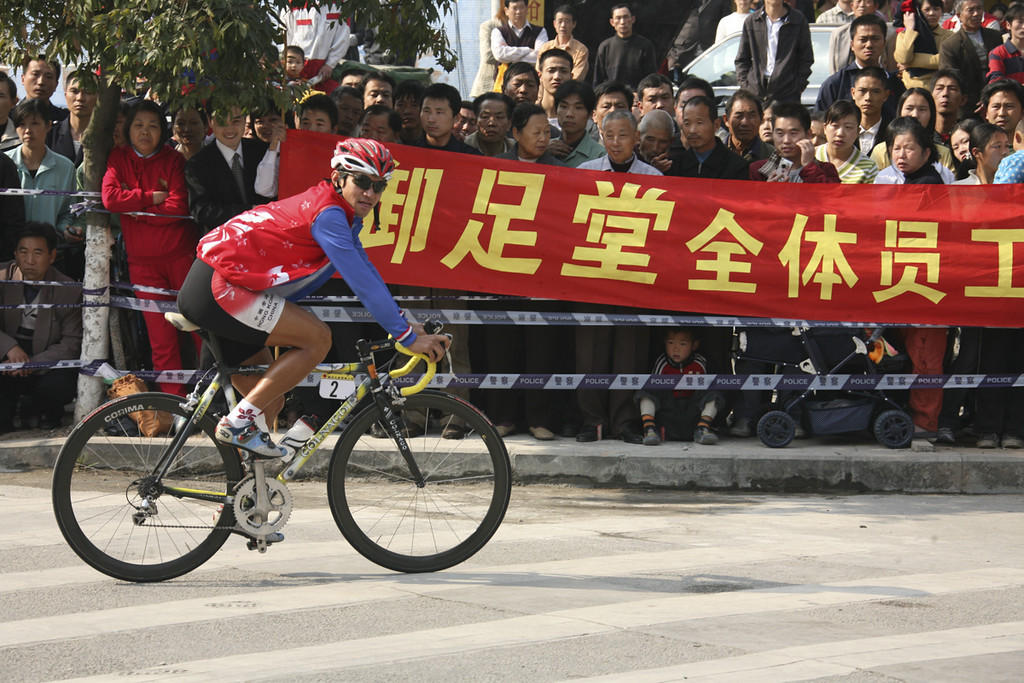
Later that evening, after dinner in a race hotel somewhere in China, I headed to a quiet side room just off the main dining area to catch up with the man himself and to interview him. Sure enough, it was as if I had booked some sort of royal appointment, as hotel staff crammed around windows and doorways giggling and asking for autographs (not mine, I’ll clarify).
Thankfully, it was the pre-social media and selfie era, or else we’d probably still be there. In any case, judging by the scale of the reaction everywhere he went, it was clear that Wong Kam-po – a name that would conjure only a vague flickering of recognition on the faces of European cycling’s cognoscenti – was sporting aristocracy in Hong Kong.
So shall he rise in the east
Although there was a long history of bike racing in many parts of Asia, which has grown hugely since the late 1990s, back then east-Asian road riders had never really made too much headway on the European (now WorldTour) circuit, and certainly no riders from Hong Kong, a place that possessed little historical cycling culture, let alone the roads and facilities for those wishing to take up the sport.
Then, in 1991, at the age of 18, Kam-po burst on to the scene, after starting out riding weekly around the local bay area on weekend group rides – where a certain David Millar, four years his junior, also used to tag along.
A year later, meteoric rise well underway, he was shortlisted for the Barcelona Olympics. However, a heated dispute with officials at a pre-Games training camp in France – in support of his coach, who was engulfed in a row over wages – saw him banned from international competition for a year, and therefore out of the Games. He returned to racing in 1993, with a characteristically defiant bang, and over the next few years racked up a slew of impressive results, including Asian Games and National Games of China golds, as well as the Tour de Filipinas stage race.
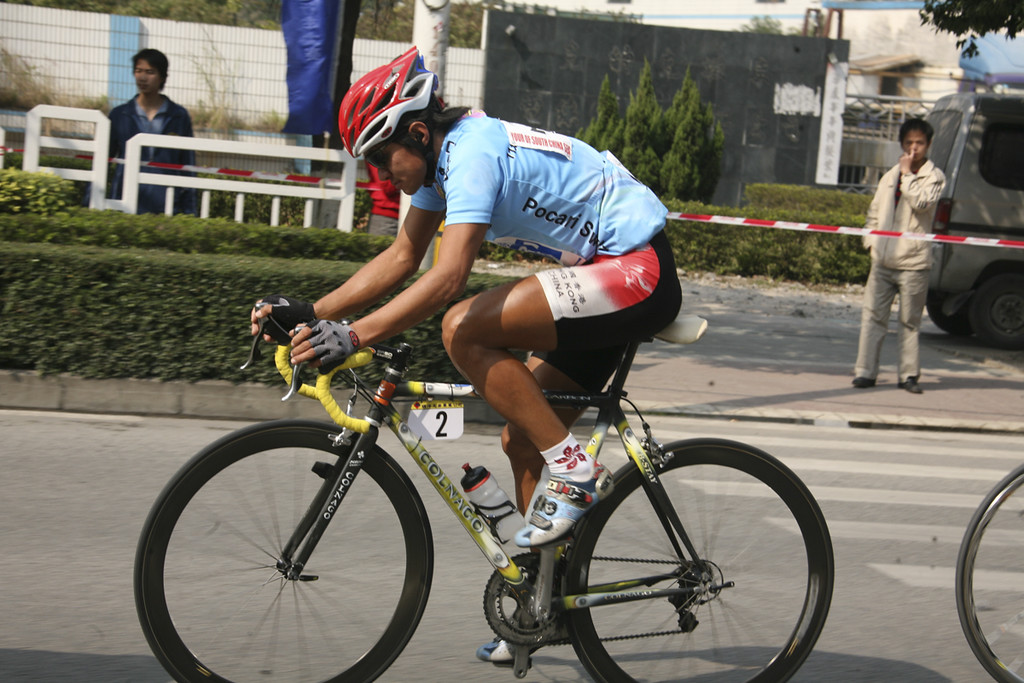
Despite this success, when I first met Kam-po back in 2001 at the Tour de Langkawi in Malaysia, I knew very little of him, and interviewed him through a translator. I soon learned more about this quiet, yet very determined, commanding, and exceptionally gifted young rider. Over the years his English improved greatly through his racing travels, and we spoke many times during that period, with no need for translators.
In 2001 he was introduced to me as “the world’s greatest non-pro bike rider” (based on his early season ranking by a stats website), a moniker I initially scoffed at. But his results, accumulated during a long and prolific career, soon underscored that lofty evaluation.
Perhaps his most impressive road victory was his mountain-top stage win at the 2000 Tour de Langkawi, the first ever stage win by an Asian rider. On the 60km climb to Cameron Highlands he left future grand tour contenders Floyd Landis and Chris Horner in his wake to secure a solo triumph, showing that he could climb and sprint with the best in the world – and ride away from them, too.
In fact, at different stages of his career WKP could pretty much do everything and anything, and win. On the Asian circuit he earned an incredible amount of respect amongst his peers and rivals, and when he did embark on racing trips to Europe and the USA, he also had the ability to win some pretty big races, achievements unfortunately forgotten on Wikipedia and by cycling’s stats sites.
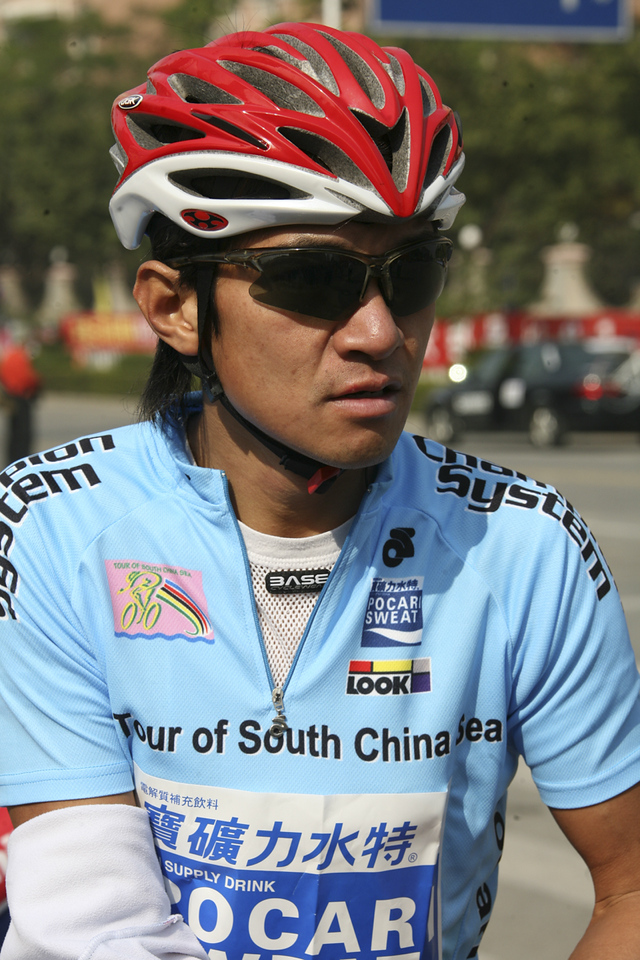
Somewhat amazingly, given the very different terrain and racing style in Asia compared to Europe’s old world, Kam-po was also something of a master tactician and leader, and for many years the Hong Kong team was pretty much the WKP show.
One great tale relayed to me by a former team manager occurred during a stage race in Europe, where WKP and two European riders found themselves out front heading into the final kilometres. While his two rivals started playing around and watching each other, WKP sat at the back, patient, waiting. As they glanced forward, he then hurled his drinks bottle at a big metal advertising barrier – they looked left, he jumped on the right. And won.
Taste the rainbow
Sitting in that dining room back in 2006, porters and cleaners listening in, I asked Kam-po why his huge talent was never snapped up by a big European team.
“There was always a lot of talk about it, and I would say to the younger riders here in Hong Kong that you must go to Europe,” he said. “But then it was not so easy for me, nothing ever really came together. I spend about two to three months a year racing in Europe.
“But my backing always comes from the HK Sports Institute, and in order to ensure money for a cycling team here we have to get results in Asian races, and it would take our riders two to three years based in Europe to achieve results there.”
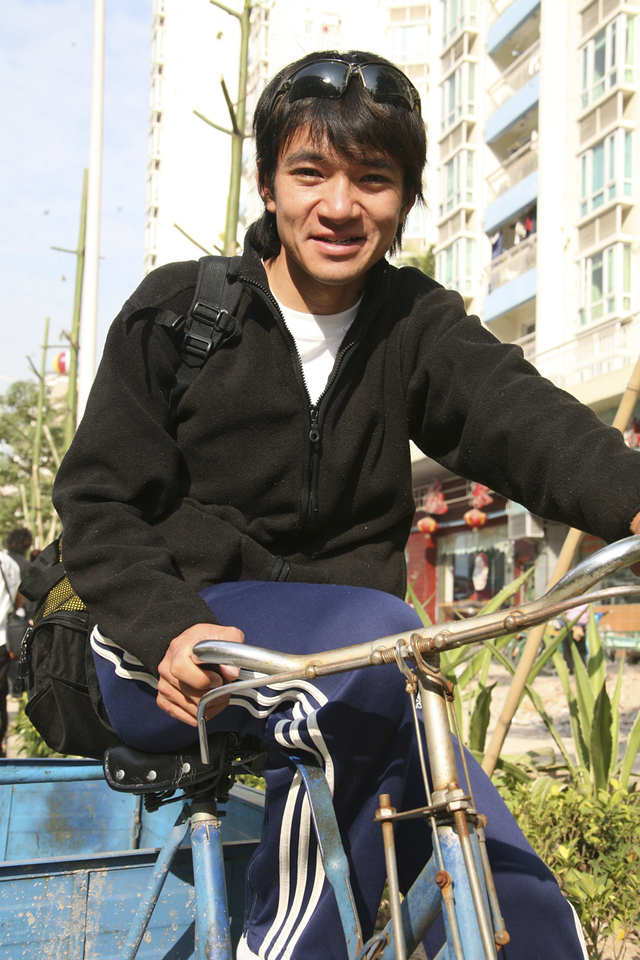
And why was he so famous in Hong Kong?
“This is a small place, and the sport is not so big, so when we get a sportsman who competes and wins against the bigger nations it’s big news. There are lots of newspapers and TV stations here too, and they get really competitive about things, so if one does a story on me the other has to go bigger.”
Then 33-years-old, he told me how he’d wanted to stop racing after the Athens Olympics in 2004, concluding that the show had gone on long enough, and how he was uncertain of where he would head after the coming 2007 season.
But just a few months after our chat, Kam-po, retirement seemingly vanquished from his mind, reinvented himself and secured the biggest victory of his career, winning the scratch race at the 2007 world track championships in Mallorca, beating the likes of future GreenEdge and EF pro Mitch Docker, Giro d’Italia stage winner Danilo Napolitano, and future world time trial champion and Team Sky Tour de France workhorse Vasil Kiryienka.
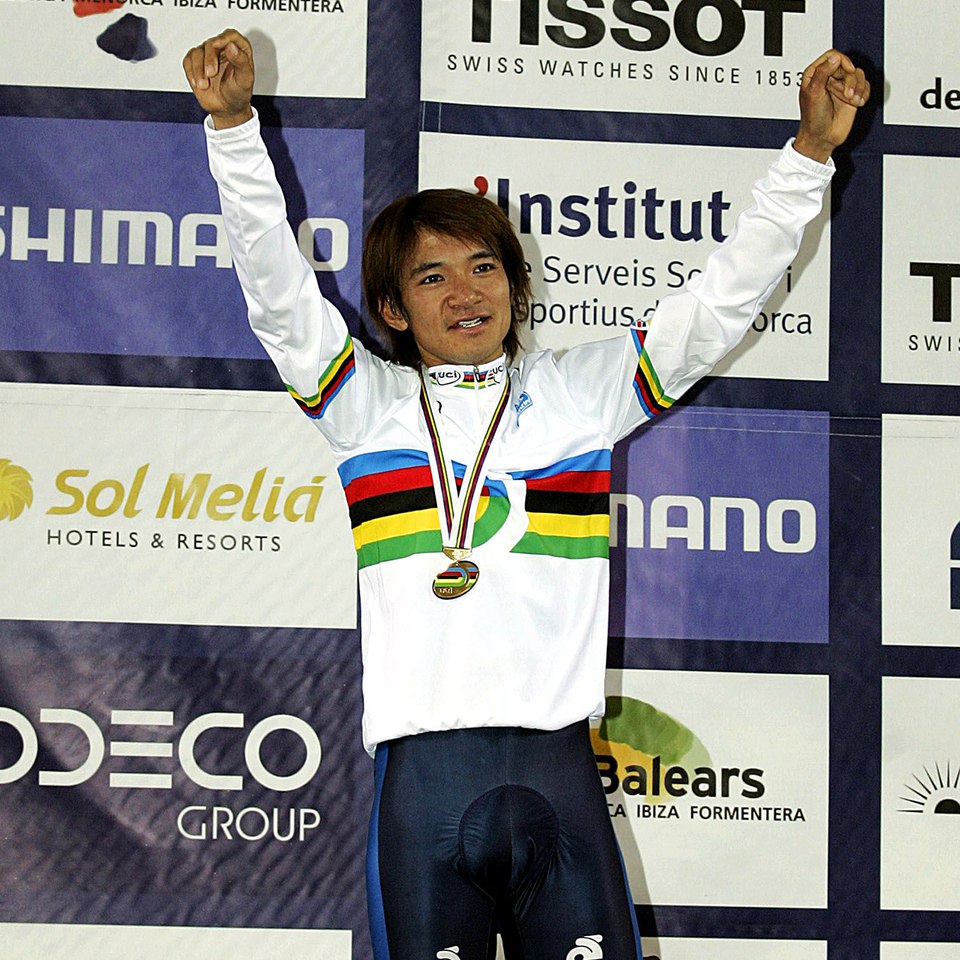
He would continue to race at the top level up until the 2012 London Olympics, where he finished 37th in the road race, before officially retiring the following year. After retiring Kam-po took on a role as team manager/coach for the Hong Kong Pro Cycling Team.
On the track, Hong Kong riders have gone on to great global success – including, most notably, Sarah Lee Wai Sze, a bronze medallist in the Keirin at the 2012 London Olympics and in the sprint in Tokyo in 2021, groundbreaking achievements which unfortunately have been somewhat overshadowed by the cult of personality surrounding Kam-po.
And, unlike their pioneering mentor, a couple of young road riders have also received WorldTour offers, declining them to pursue a more academic path.
These days WKP continues to ride and coach, acting as a figurehead for many major Asian events and organisations, while also working hands-on as director of a major Hong Kong bike shop called The Wings Cycle.
It’s impossible to speculate about what Kam-po may or may not have achieved at WorldTour level, but it’s safe to say he remains a legend in Asia, and justly so. Just ask my old non-cycling friend.







1 thought on “The greatest cyclist never to grace the WorldTour peloton? The story of Wong Kam-po, Hong Kong’s first cycling superstar”
Fantastic reading! Thank you
Fantastic reading! Thank you for highlighting this amazing rider. And a tip of the (cycling) cap to WK-p.