



It’s that nagging question that many cyclists may have asked themselves at some point: “Why is my bike so slow?” And while of course, the rider is more important than the bike, could there be a reason your bike feels sluggish?
A bike’s speed is influenced by a combination of factors related to the bike itself, the rider and the environment. Aerodynamic drag is one of the main forces that slow you down, while other forces include rolling resistance and the effect of gravity.
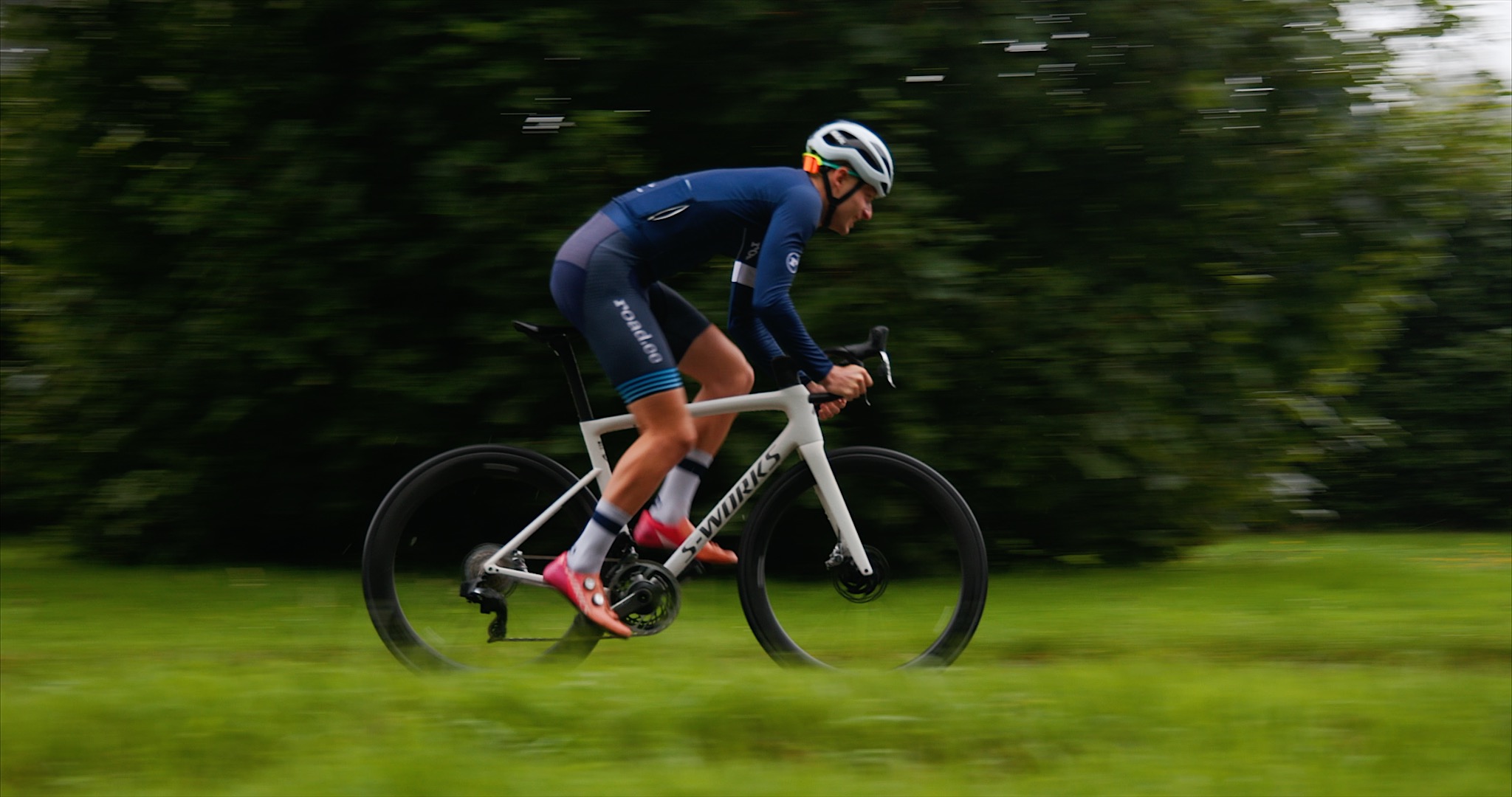
Making your bike faster is a topic that most cyclists can relate to. While working on yourself by improving your power-to-weight ratio, fuelling properly and getting better at riding up hills is obviously going to be the most effective way to increase your cycling speed, there are some things you can do to make the most out of your bike, and your cycling fitness.
Thankfully, some of these factors can be altered through slight modifications, while others require a bit more work. Here are six tips to consider…
1. Your tyres need upgrading
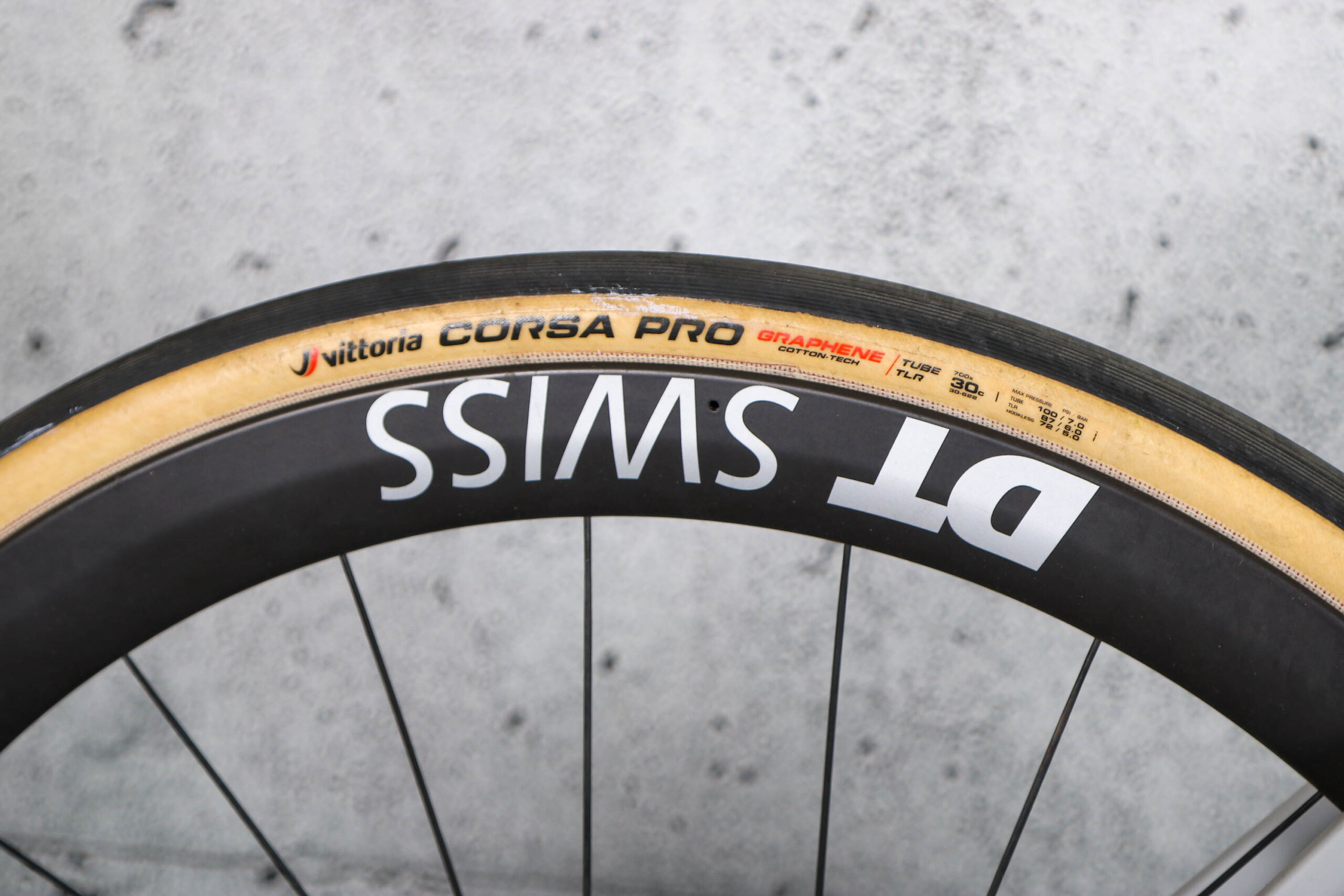
One of the most cost-effective upgrades you can make to a bike when you’re searching for ‘free’ speed is upgrading to some of the best road bike tyres.
If you want to cycle faster – or ride at a given speed for less effort – you need to choose your tyres carefully and set them up right to minimise rolling resistance.
Rolling resistance refers to the force that opposes the tyre’s motion and acts to slow the bike down and decreasing this is vital to making your bike faster. A tyre with a high rolling resistance demands more power to travel at the same speed, whilst a low rolling resistance tyre requires less power.
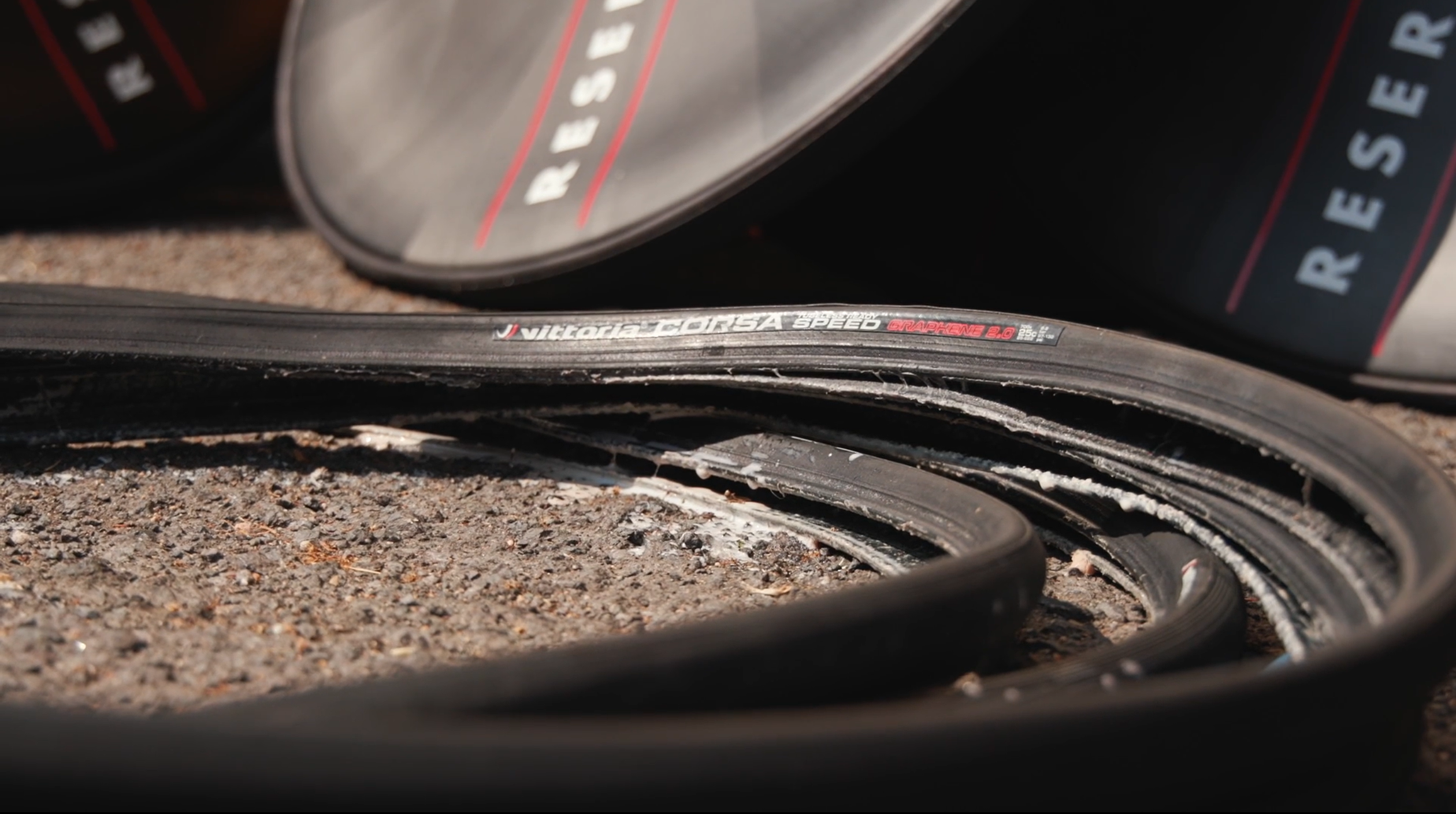
Jan-Niklas Jünger, bicycle tyre product manager at Continental said, “At typical road bike speeds aerodynamic drag might account for 70% of the effect holding you back, with about 20% down to rolling resistance.”
When selecting the right tyre, it’s crucial to factor in your intended usage. Opting for the fastest tyre with the lowest rolling resistance might not always be suitable. For instance, the Veloflex Record tyre, known for its speed, is designed for time trials and track racing, making it less ideal for everyday riding.
2. You’re using standard butyl inner tubes
> Butyl v latex v TPU inner tubes: which should you choose?
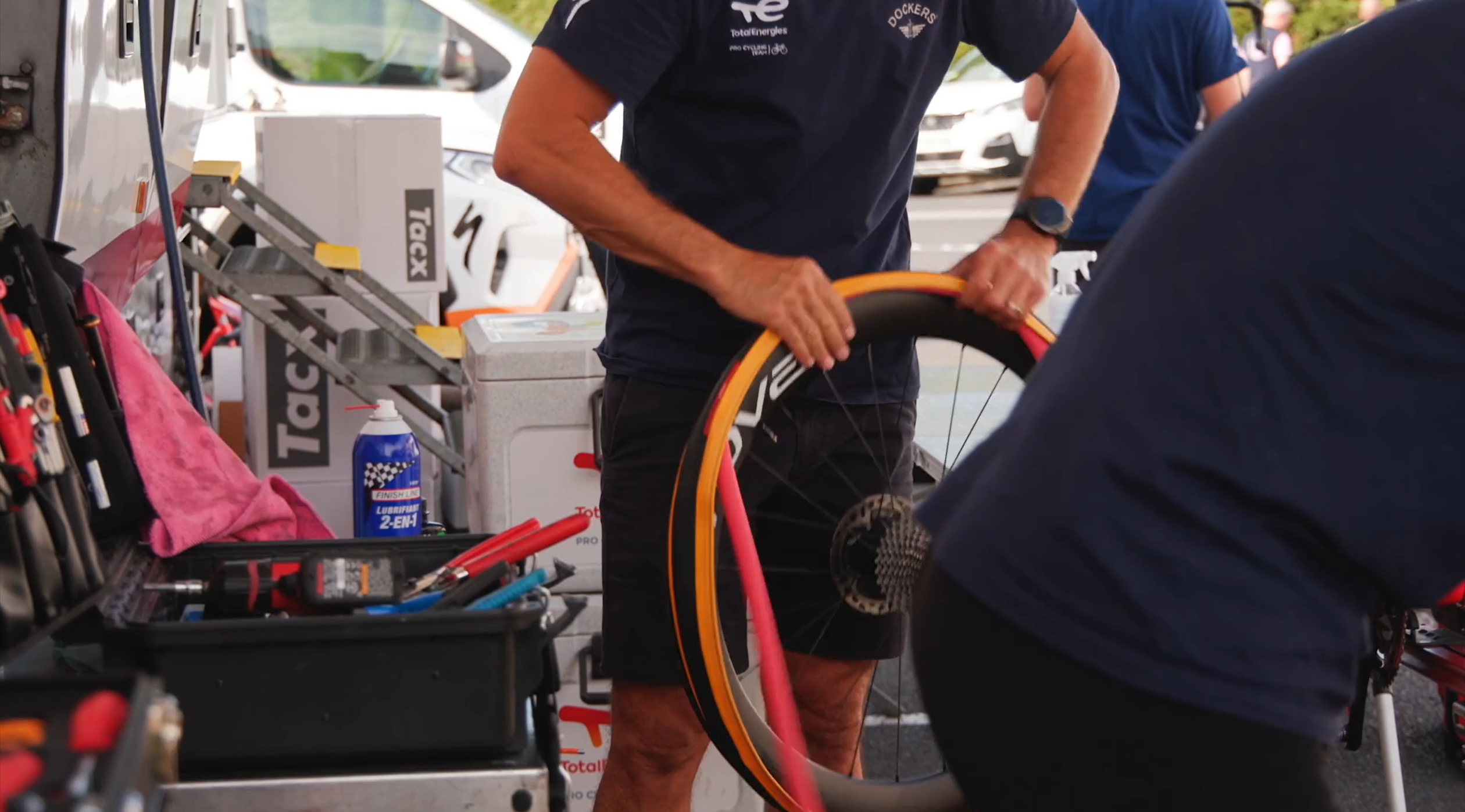
Once you’ve chosen the right tyres, it’s also important to consider what inner tubes you’re using, if you use a wheel/tyre system that takes inner tubes.
The best bike inner tubes do quite a lot more than just hold air in your tyres, as they also play a role in influencing rolling resistance.
When considering which inner tubes to buy, there are numerous factors that may affect your decision, such as air retention, durability and rolling resistance.
Vittoria released a white paper that shows several charts comparing the characteristics of the three inner tube types – butyl, latex and TPU (thermoplastic polyurethane) – revealing significant differences in their rolling resistance.

Standard butyl inner tubes exhibit the highest rolling resistance, resulting in slower performance compared to latex or TPU tubes.
To show you how this might affect you in the real world, Aerocoach performed tests on a large number of different inner tubes, finding that latex tubes with the lowest rolling resistance resulted in savings of more than seven watts when compared to a standard butyl inner tube at a speed of 45kph.
“At 45kph, the difference between the fastest and slowest inner tubes would equate to around 12sec over 16km/10 miles,” Aerocoach says.
3. (You) and your bike aren’t aero
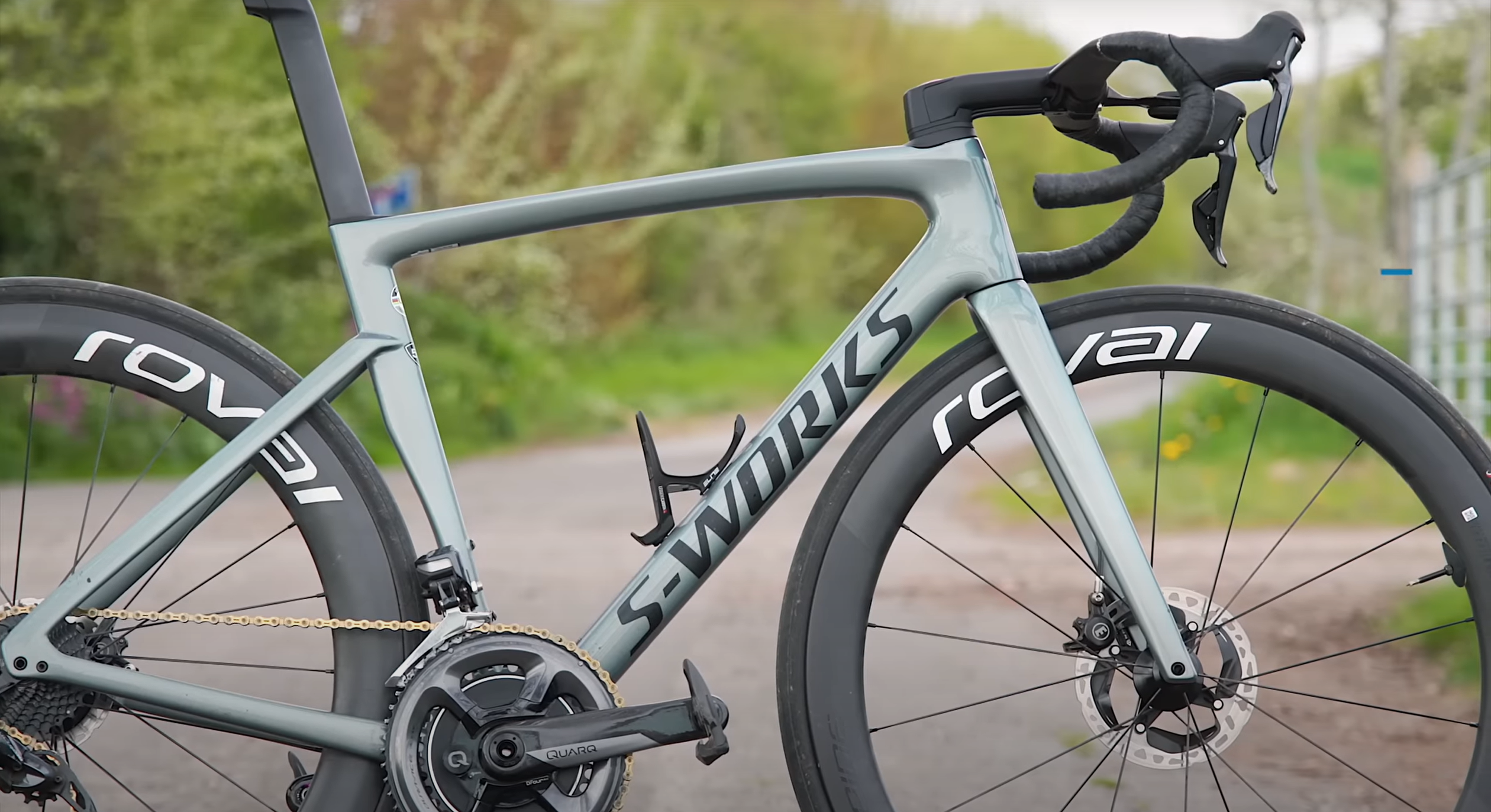
Aerodynamics plays a significant role in cycling speed, especially at higher speeds. As previously mentioned, aerodynamic drag is said to account for 70% of the effect in holding you back at typical road riding speeds.
When you’re cycling, your body and bike encounter air resistance, which increases with your speed. If your bike and riding position creates a lot of drag, it can slow you down. Therefore, the more aerodynamic you are, the faster you can ride with the same power output.
Aerodynamic drag is measured in CdA. Aerocoach says: “A small reduction in aerodynamic drag can have a large impact on your race performance – for example, a rider completing a 25 mile/40km time trial in 1hr will reduce their finishing time by around 30sec for just a 2% reduction in their CdA.”
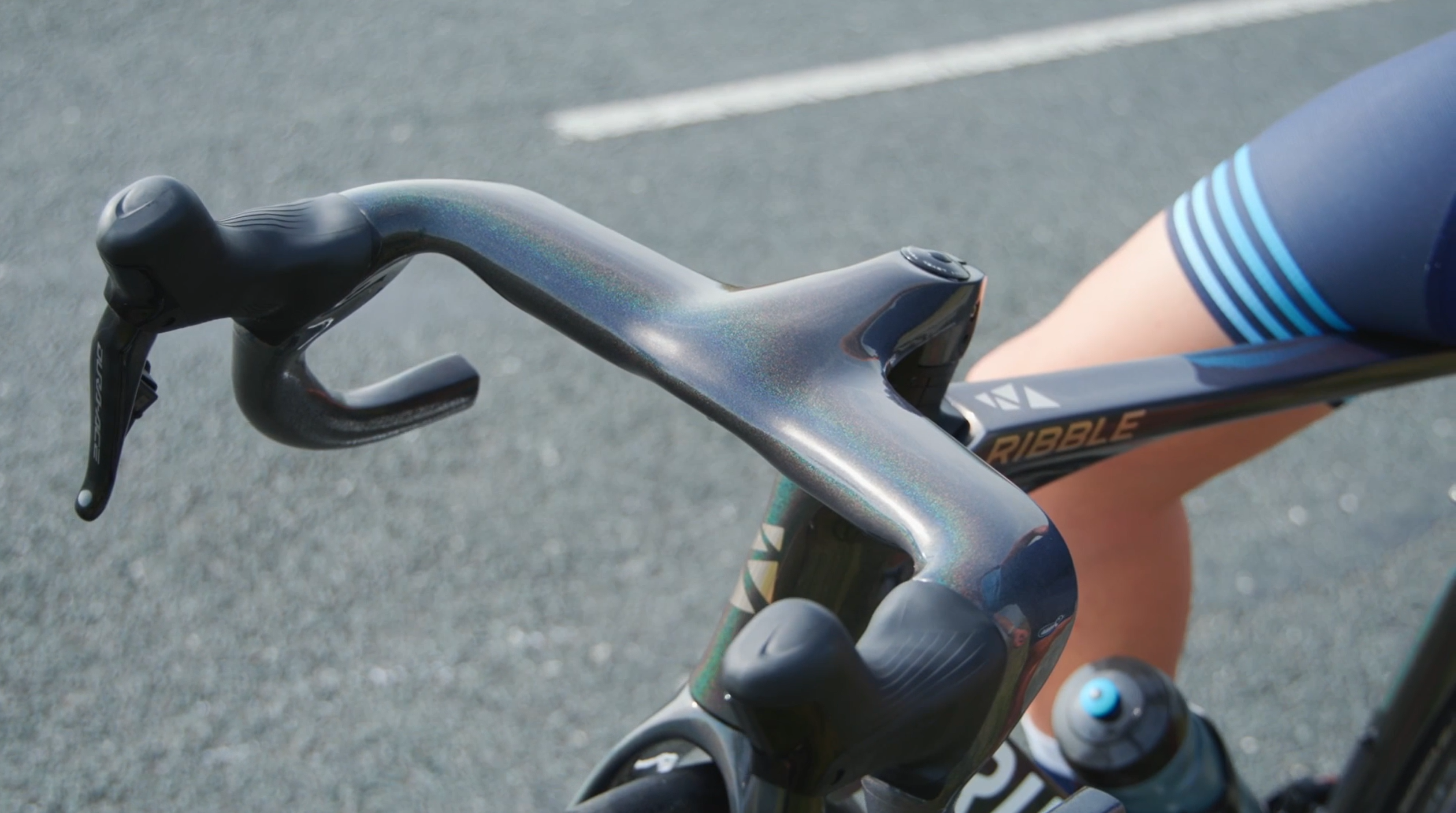
Generally, more aerodynamic bikes can be faster, especially under certain conditions and at higher speeds. However, it’s essential to consider various factors that affect a bike’s overall speed, such as your riding position.
Improving aerodynamics doesn’t necessarily require purchasing a new bike, and you may also want to consider optimising your body position on the bike and your choice of clothing.
4. The effect of gravity
> Does a heavier cyclist descend hills quicker?
There is a constant debate around the trade-off between weight and aerodynamics, where riders may prioritise aerodynamics at the cost of adding more weight to their bikes.
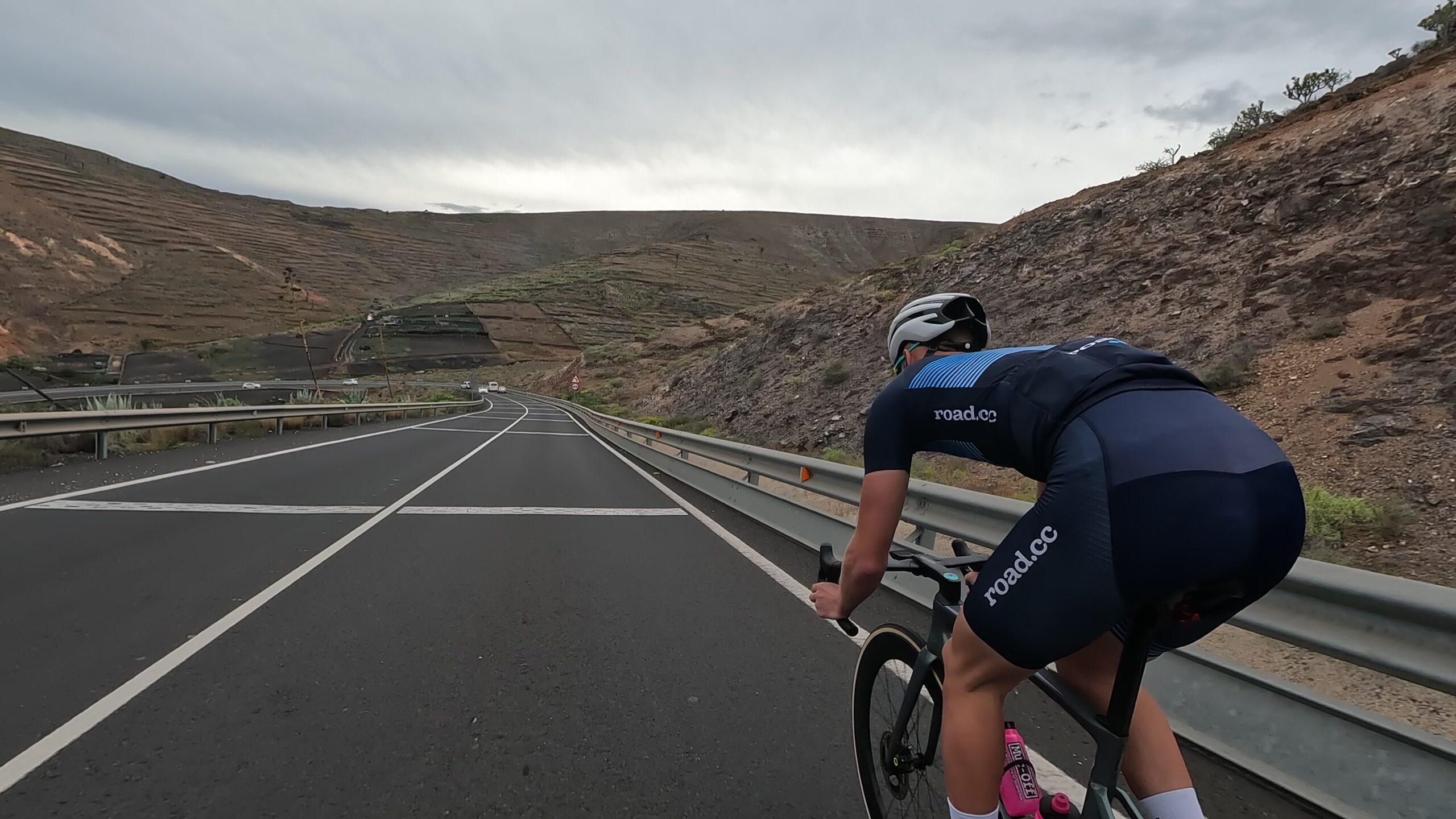
On a flat route or at speeds of over 20kph, aerodynamic drag accounts for the majority of speed loss – but when cycling uphill, gravity acts as a resistive force, opposing your forward motion.
The steeper the incline, the greater the force of gravity working against you, and you’ll have to exert more effort to overcome gravity’s pull to maintain your speed.
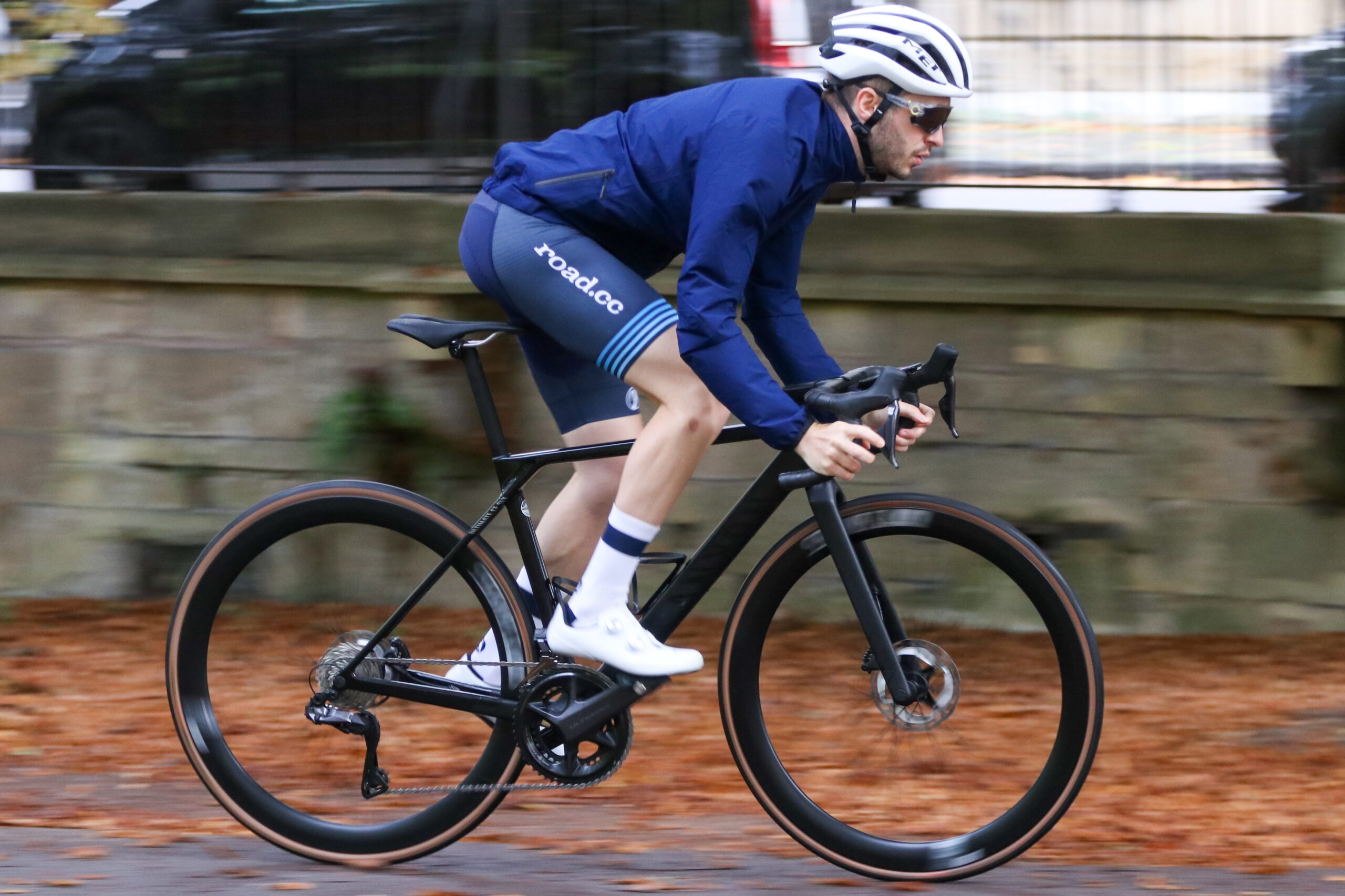
In addition to this, the heavier your bike and its components, the greater the gravitational force working against you. To maintain your speed, you’ll need to generate more power to overcome the increased gravitational resistance. This extra effort can result in slower speeds.
Whether it’s more important to have a lightweight or aero bike will depend on your cycling goals, riding style and the terrain you typically ride on.
5. Your chain needs lube
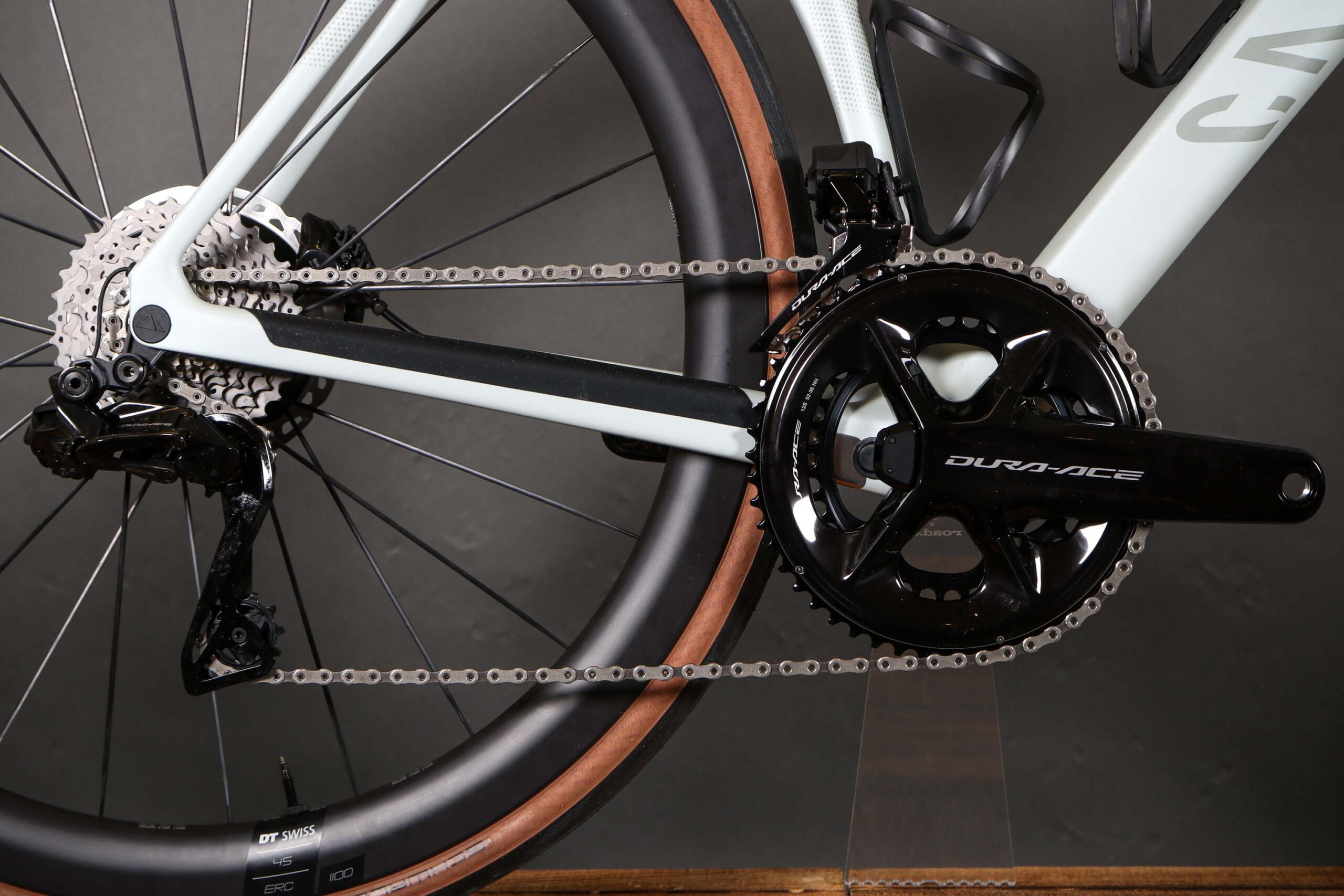
An old or poorly lubricated chain can significantly reduce a bike’s efficiency by increasing friction and drag in the drivetrain system, which can result in a loss of power and decreased performance while cycling.
Modern drivetrains are designed to be highly efficient, and a well-maintained drivetrain can typically achieve efficiency levels of around 98%.
A chain that is either unlubed or worn can reduce the efficiency of the drivetrain. An unlubed chain is said to experience an efficiency loss of around 2-4%, while a moderately worn chain can reduce efficiency between 3-5%.
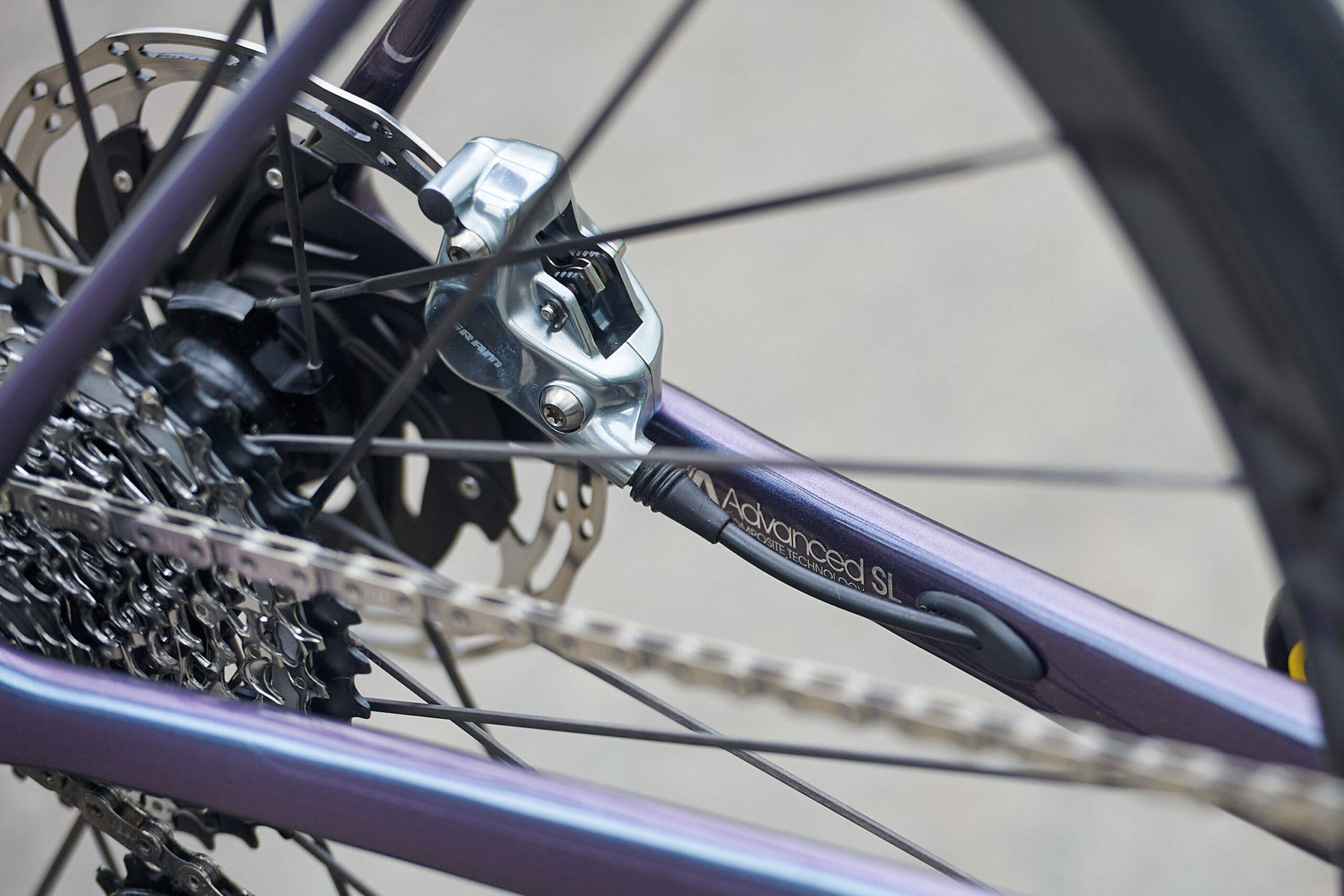
> Should you run a 1x set-up on your road bike?
Another area that could reduce drivetrain efficiency and make your bike feel slower is bearing resistance in the bottom bracket and hubs.
Regular maintenance, degreasing and lubrication of your chain and bearing replacement can help to maintain your bike’s efficiency.
6. Stiffness
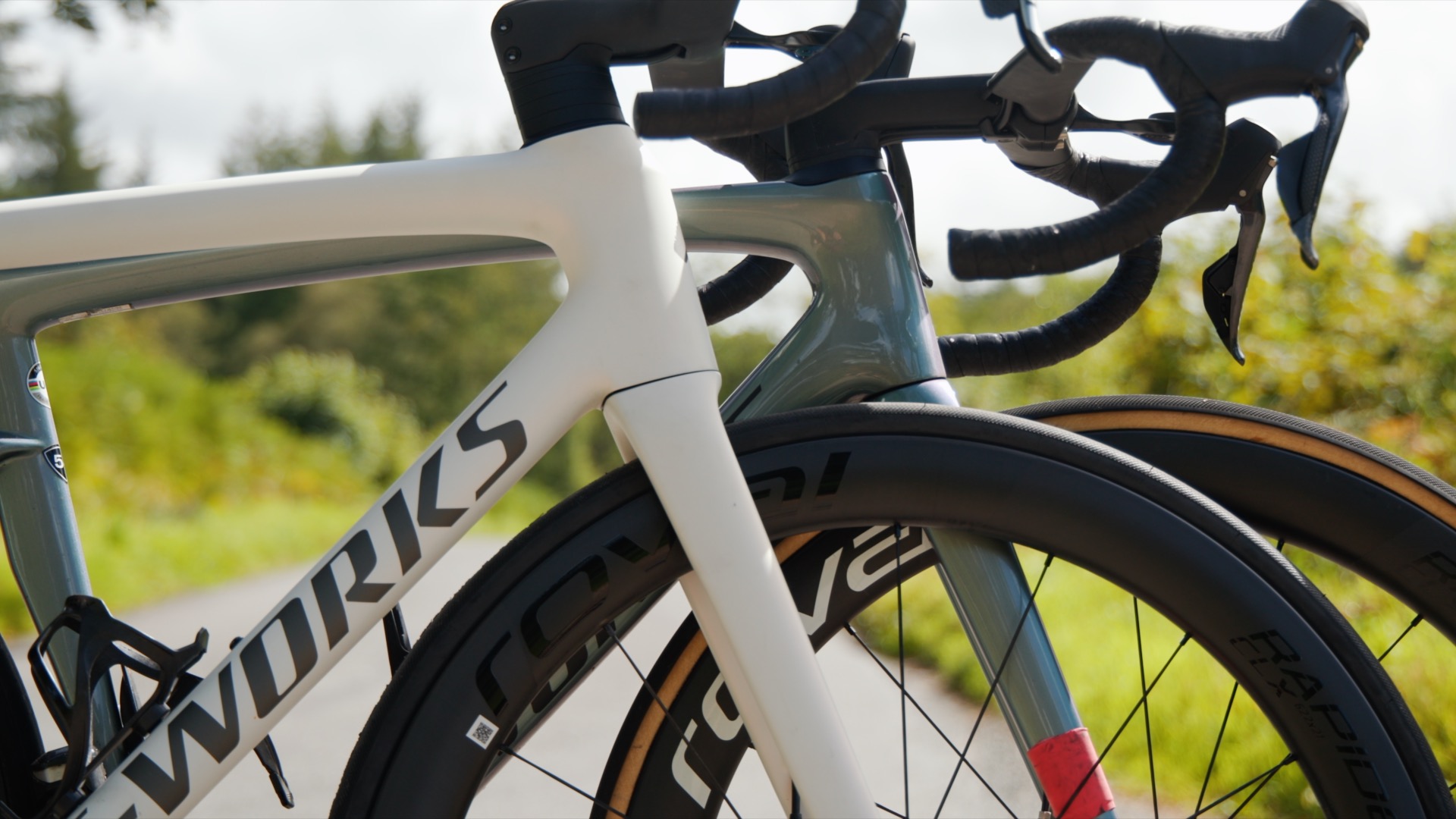
Bike manufacturers often emphasise three key factors when introducing new road bikes: aerodynamics, weight, and stiffness. While aerodynamics and weight are easily quantified, stiffness is a bigger can of worms.
When Specialized released the Tarmac SL8, it said the bike has an improved stiffness-to-weight ratio to the tune of 33%. What exactly does this mean in terms of speed, though?
In theory, a stiffer frame should be faster as less flex in the frame means that more of the rider’s energy is directly transferred to the wheels, resulting in faster acceleration and higher speeds.
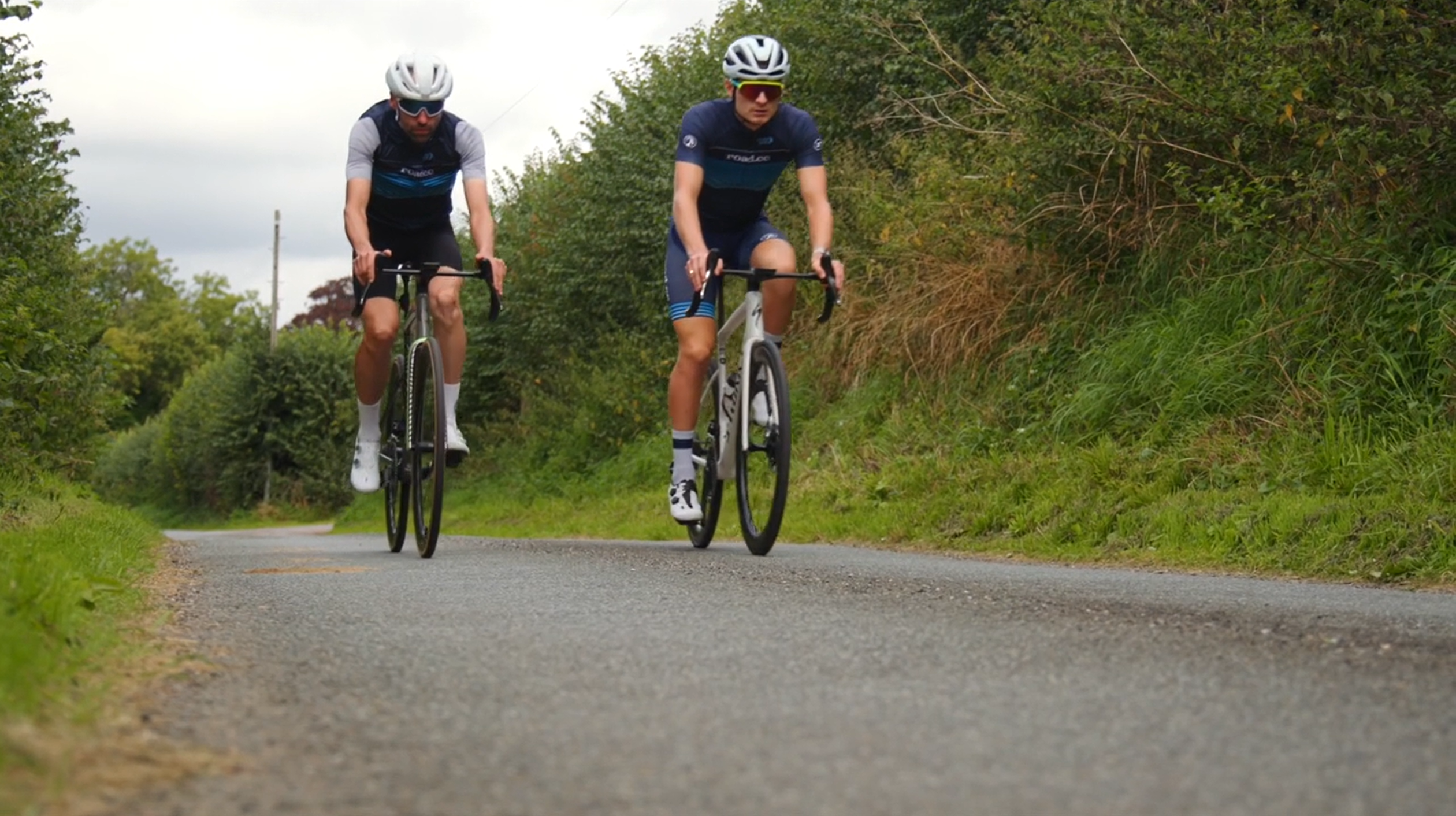
However, this isn’t always the case. On smooth roads the benefits of a stiff frame in terms of power transfer are more noticeable, but on uneven surfaces, the absence of frame flex may prove detrimental. A frame that offers both stiffness and compliance is crucial for maintaining control.
A stiffer frame may also result in reduced comfort, as it tends to transmit more road vibrations, potentially leading to fatigue and subsequently affecting your riding speed.
So, the answer isn’t to purchase the stiffest bike available. Instead, you should consider the type of rider you are and the type of riding you’re doing, as comfort and ride feel are very personal. More powerful riders may benefit from stiffer frames, while lighter riders may benefit from some more flex.
What will you be doing to make your bike faster? Let us know in the comments section below…


















19 thoughts on “What makes a bike slow? Find out how to reduce drag, rolling resistance and the effect of gravity for a more efficient ride”
“A small reduction in
“A small reduction in aerodynamic drag can have a large impact on your race performance – for example, a rider completing a 25 mile/40km time trial in 1hr will reduce their finishing time by around 30sec for just a 2% reduction in their CdA.” says company selling aero-stuff
2% is “small”, but 0.8% (30 secs as a fraction of an hour) is “large”?
I get that (for people competing in races) 30 seconds could be a big margin. We’re not told though whether a 2% CdA improvement is easy, either in terms of cost or effort. Does it mean “keep your arms in and don’t wear a Britpop-style parka”, or “buy a skinsuit and have your neck surgically lowered”? The article doesn’t tell us.
Brauchsel wrote:
To be fair, that’s counts as “free” speed!
I remember MBR magazine doing
I remember MBR magazine doing a piece on improving speed in relation to where weight is on the bike. They added weight to the wheels, frame and other bits including the rider. They had three testers riding the same circuit on the same bike. The extra weight on the rider was the most significant place to slow the ride down. The conclusion being get rid of that extra fat round your belly. Getting rid of that fat is something I’ve been working on for years.
Getting rid of belly fat…
Getting rid of belly fat…
I recommend low energy density food. People feel full when they are literally full, so if you eat lots of vegetables, using carbs (oil, ketchup) and protein (I each fish and tofu) as flavouring, then you can feel full and sated for hours on few calories.
This is the true paleo diet, and hence what our bodies have evolved to consume, since our pre-agrarian past were mainly gatherers rather than hunters, and the agraian revolution was very recent. Carbs are for farm workers.
timtak wrote:
I don’t know about it getting rid of belly fat (I always thought that fat distribution was more of a genetic trait), but eating lots of vegetables with a bit of protein is generally excellent diet and health advice.
Ever considered just living
Ever considered just living on ribeye steaks for at least a few months as I have for the last 13 years ? I’m 57 yo and have a rock solid six pack, which is the envy of all who survey me. I ride a steel framed track bike with butyl inner tubes and happily complete my 11 mile urban commute in 35 minutes most days .
Cool story, bro
Cool story, bro 😉
Good for you. Thanks for
Good for you. Thanks for sharing.
Impressive times considering
Impressive times considering you would most definitely have advanced scurvy if you’ve only been living on ribeye steaks.
wyadvd wrote:
Poof – that’s nowt. I’ve lived on dark chocolate and cat’s milk for the past 25 years and could easily win the TdF if they let me enter. (I was banned for miaowing at the other riders).
Now and then I eat chocolate covered brazil nuts but these can make me a bit hyper, or so the neighbours say when I come ’round from the fugue. I think its the selenium.
I don’t want to get into the
I don’t want to get into the morality of it but surely drinking a cat’s milk is not good for you or the kittens?
Have you considered milk chocolate instead? Not my thing at all but it may change your relationship with your cat – or the neighbours – for the better.
chrisonatrike wrote:
Don’t you tell me wot to do or I’ll scratch you to ribbons and then poo in your left slipper that you’ll put on in the morning without looking!
Milk chocolate is for bike frockers and fellows who go to the barber to have their beard trimmed and their hair made bouffant.
The bike makes little
The bike makes little difference to how aero you are so aero bikes are a waste of money! The wheels a bit more difference so a deep pair of wheels are good if you can afford them, but almost all, about 80%, of the drag, is the rider. If you make your torso parallel to the ground, which is possible even if you are overweight (I know), by using aero bars or a long stem, you can make a massive difference to your drag, far more than oval tubes or embedding your cables (which make maintenance really tricky).
When thinner, if you use a French old-schol thighs on the saddle peddling technique (see pictures of people like Jaques Anquetil) you can also largely remove your thighs from your frontal cross section as well. This style makes sprinting on your bike more difficult, so if you are young strong and sprint a lot, a more time–trial-like, “fast-forward” pedalling style is faster.
For older/weaker/thinner riders, however, I recommend old school pedalling style – put your thighs on the saddle, use the saddle as a fulcrum and push forwards with your thigh muscles, then pull up with your glutes at the back from about the 4pm position, rocking your femur like a see-saw on the saddle for super fast, super aero pedalling. The more modern time-trial-like position favoured today is faciliated also by pace lines which most of us do not ride in. I always cycle alone.
Having found out how to ride “old school”, I am faster now at 58 years old, than I have ever been before.
They say reducing tyre pressure, and using bigger tyres can reduce rolling resistance but since punctures are horrible I don’t bother.
Get a fairing – why is this a
Get a fairing – why is this a problem?
If you’re not in an anachronistic UCI race but commuting there are no rules.
Races ought to reflect modern needs, and the big manufacturers focus marketing on bikes that fit that.
We (active travelling) humans need new races, not those dreamt up in 1934*
* when recumbents were banned
You mean…
You mean…
chrisonatrike wrote:
A three wheeled sex toy, of immense proportions! My imagination has run riot so I need a rest now.
Where are the mirrors allowing the user to see what’s what and where exactly the what is? It could become very important.
Easy now… Sometimes a bike
Easy now… Sometimes a bike is just a bike, Dr. Freud. Or was that “a sidecar is just a sidecar”?
Why do you need mirrors when you will be faster than everyone else and have no reverse gear*?
Of course for on-road riding a couple of mirrors are a very good idea. You can see them and much else in this in-depth review of one from someone who used theirs as a commuter and even occasional delivery vehicle.
* Some you can put your feet through the bottom and push. Or just get out.
chrisonatrike wrote:
Ah ha! I note that the thing is called “a sinner”. Yes.
Only one question remains: what do you lubricate it with?
Cugel wrote:
Slower roadies?