


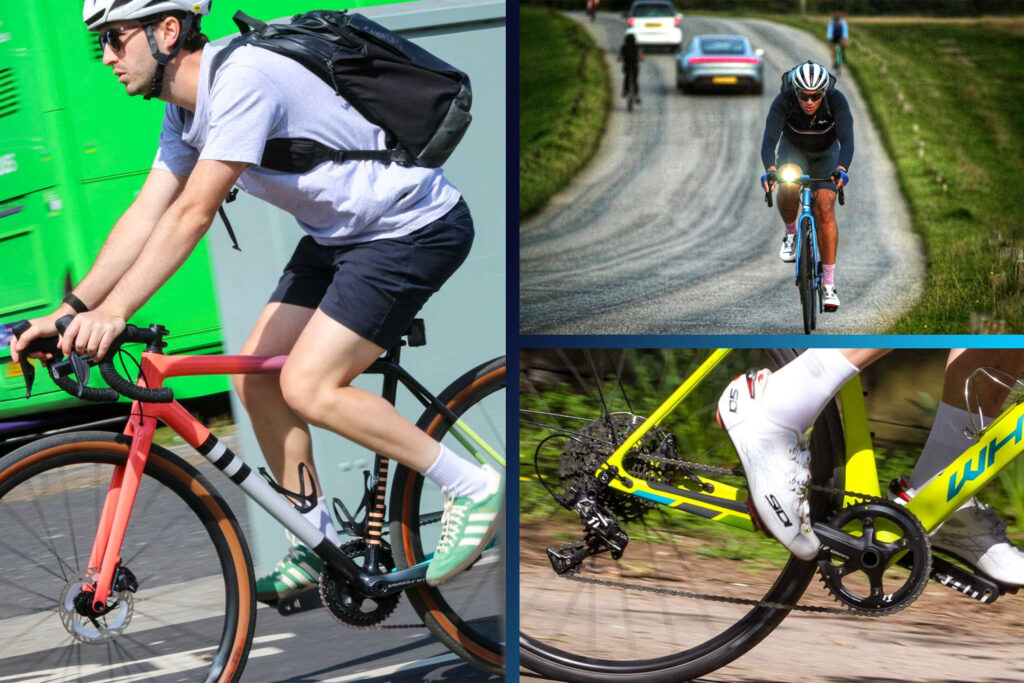

If you’re new to commuting by bike, then you’ll likely enjoy health and fitness benefits in no time at all — but more experienced cyclists can get plenty of gains simply from riding to work too.
The length, frequency and terrain of your commute are key points to start from; you might already be doing more than enough to reap the fitness wins, but with a few minor tweaks there’s every chance you could get even more.
> The best bikes for commuting
And what an efficient time to do it. When you would have to make your way to work regardless, it really does feel like a hack when you step through the door at roughly the same time having already bagged some exercise. These are our top tips for getting even more from your cycle commute…
Bump up the distance
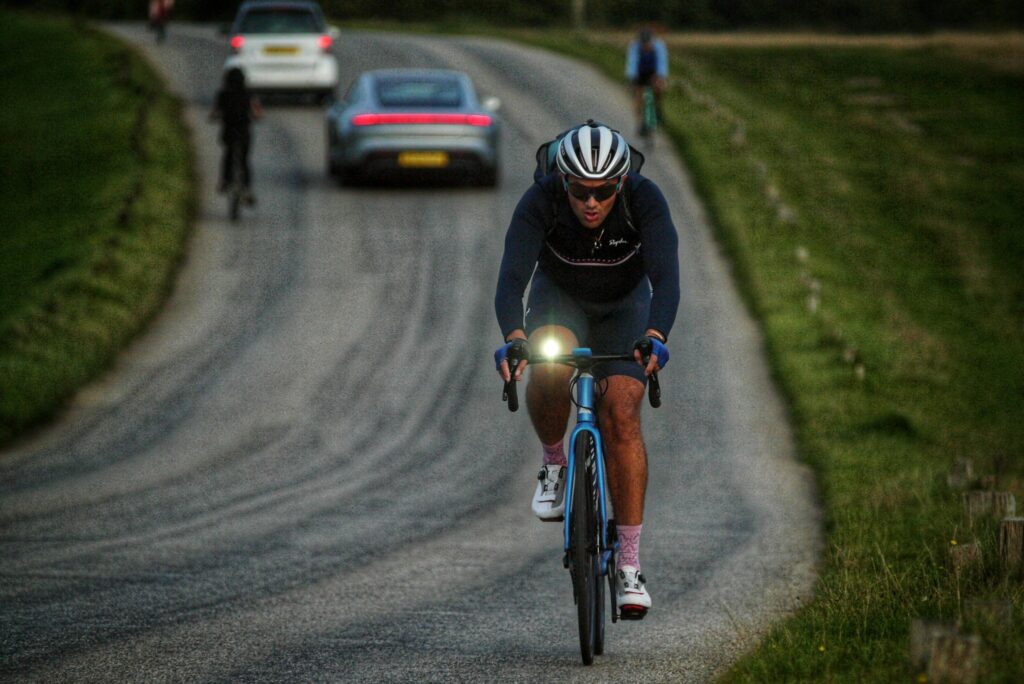
The most obvious suggestion is to make your commute longer. Just getting out the door will add some extra distance and time to your weekly training totals, but adding extra loops, picking one day a week to do an extra hour on the way home, or simply coming home the long way will all increase the amount you’re riding your bike, especially during winter where there’s more focus on just getting out there and doing something.
Clearly each individual’s personal circumstances will be different. If your commute is already 15 miles each way, doing that two ways, four times a week might be enough for you (it would add 120 miles to your weekly total). If your commute is shorter and you want to get some extra in, think about plotting a longer route. Whether you do this before or after work (or both ways) – and the number of times you do it per week – will be again down to personal preference/context, but making your commute longer/merging it into a ‘proper’ training ride is the classic way to get more from your rides to work.
You’ve already done the hardest bit – putting your kit on and getting out the door – so you might as well turn it into a decent training session.
Find some hills

[Okay, maybe not this steep]
Seek out some hills. Those of you commuting to Bristol, Sheffield, Bath, Edinburgh, Brighton etc. will have no difficulty managing this and might even be shouting at us through the screen right now… ‘What? MORE hills?’
But making your route tougher could well make you fitter. Like the distance point (above), it doesn’t have to be every day. When you’ve had a long day, it’s raining and you just want to get home and sit on the sofa, by all means take the direct route. We all feel like that sometimes. But maybe chuck in some hills a few times a week to give yourself an extra challenge.
Ride harder
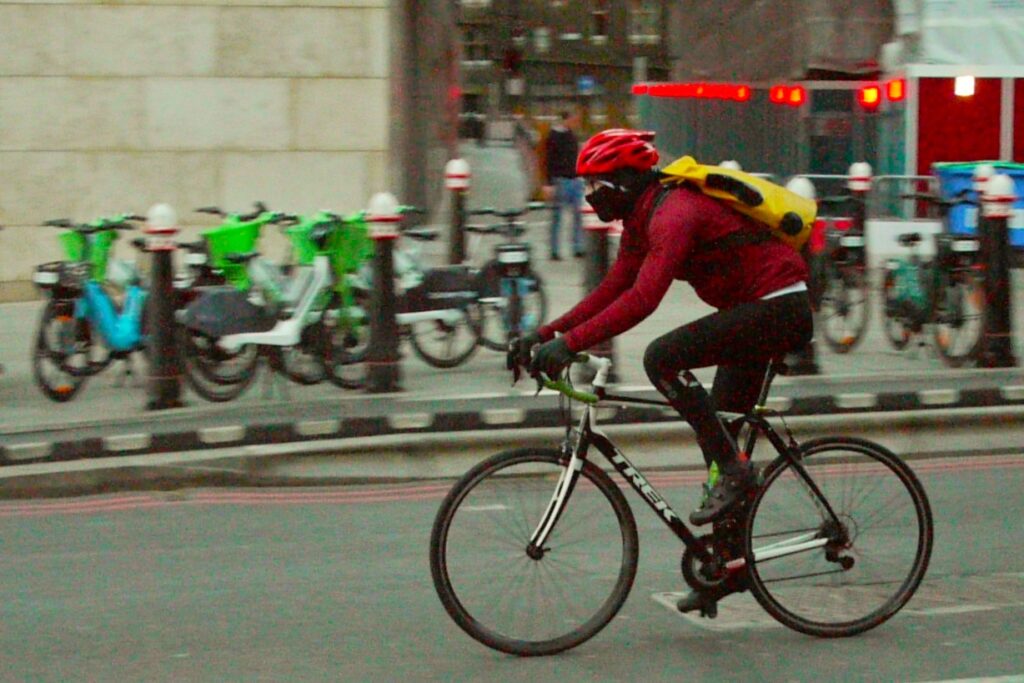
It’s another obvious one, but if you want to get fitter, you can try riding harder. If you’re commuting a fair distance five days a week, then you can pick and choose how you implement this. Setting out on Monday morning full of motivation and smashing yourself every journey is a quick way to burn out by Wednesday, so maybe ride easy to work and push on when returning home?
Route context will help too. I used to ride 20km each way, four days a week, with my ride in almost always a tailwind, less than 100m of elevation and including a lengthy descent at the start. Naturally, that lent itself to coasting into work then riding harder on the way home, up 300m and almost always into a headwind.
It can be as structured or unstructured as you want; do set intervals on climbs or just ride hard when you want to. We’ve even heard of people doing a 10-second surge every time they see a certain coloured car. Of course, many commutes will be to or in urban areas, so make sure you’re being safe about it and maybe save your efforts for the hills or when you get out of town.
Ride easier
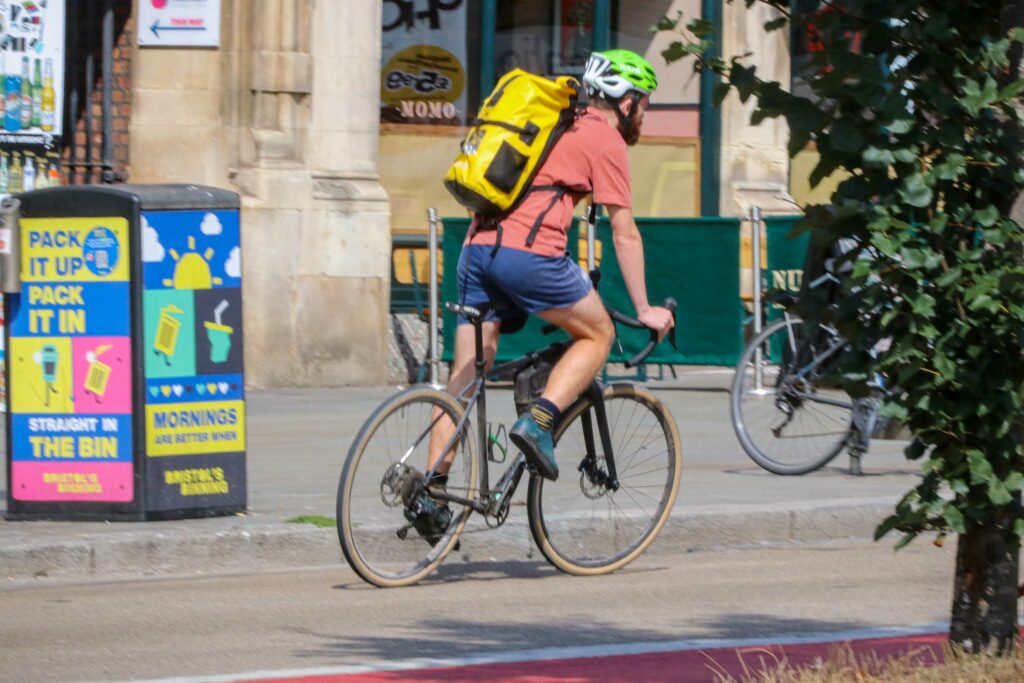
Yes, we know we just said ride harder, but you can’t ride hard all the time and racking up the volume and easier miles can be just as valuable. This’ll probably be especially the case during winter when you’re building a base to work from closer to your big goals a few months down the line. If you’ve had a big ride, race or event at the weekend, try using your commutes as a recovery ride too.
Carry more
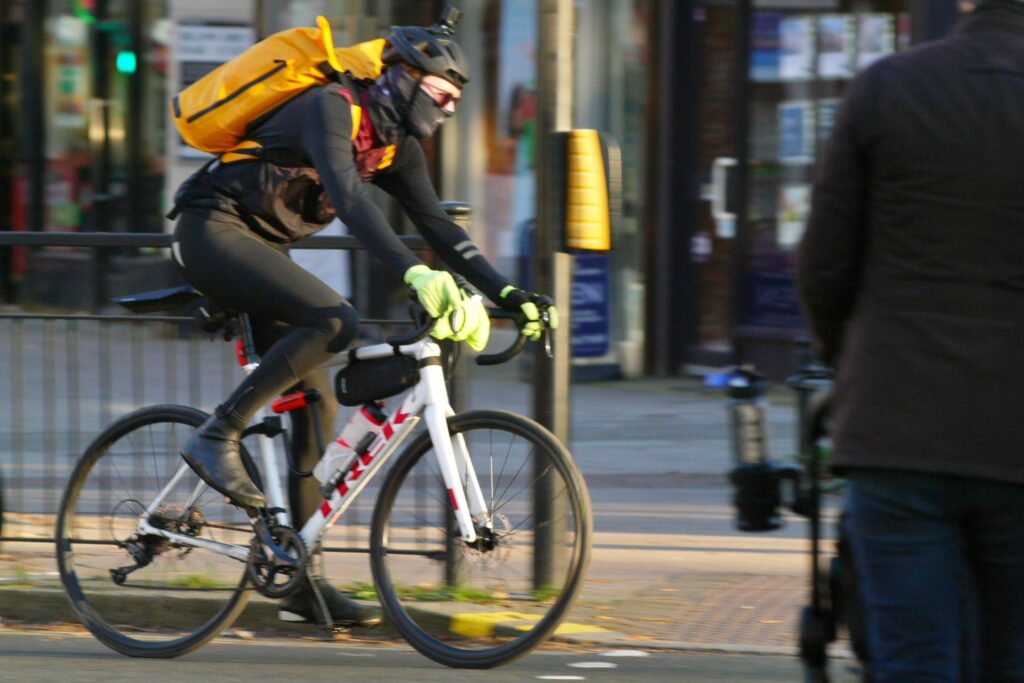
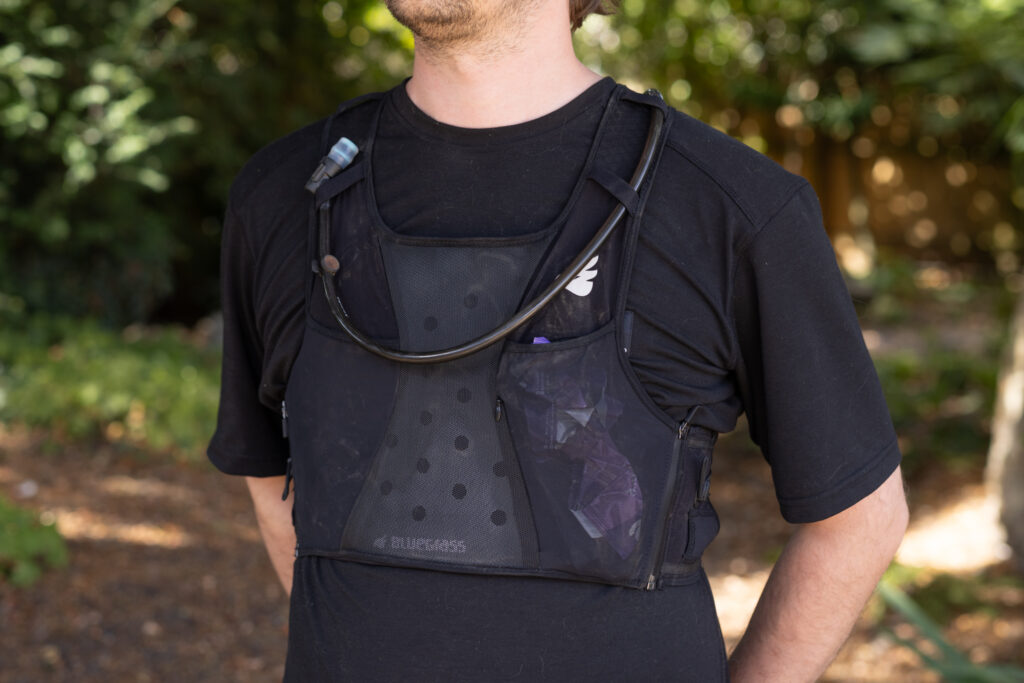
This is a weird one, and whether it actually makes you fitter or not is questionable, but riding with a heavy backpack or pannier is one way to make your life harder. When you spend a whole week lugging it back and forth, a weekend ride liberated from the heft of your work bag makes your ‘normal’ bike setup suddenly seem like a featherweight hill-climbing machine. It can completely transform how you view the way your bike rides.
Tech editor Mat remembers one time some office jokers put a few chunky hardback books in his backpack for a laugh. Copy that if you really want. Riding up hills at the same pace, but carrying an extra 5kg, is going to see you pushing more power (assuming all other conditions and factors remain consistent etc.), but we wouldn’t bother with this one. Try and get your bag set up as comfortable as possible and leave the training aspect for our other suggestions.
Focus on technique
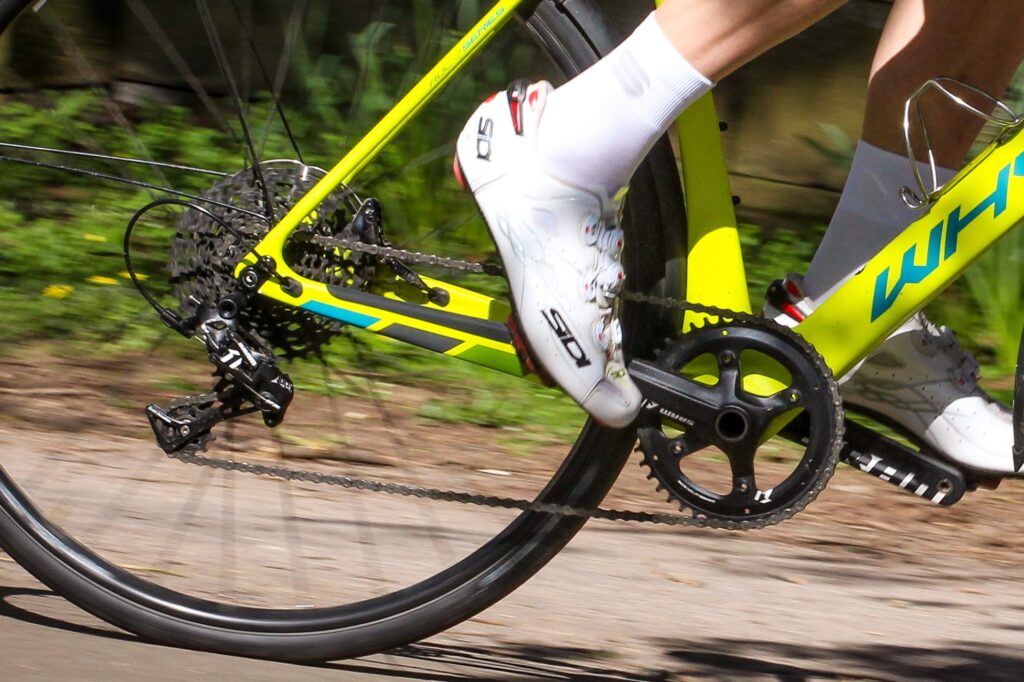
Not everything is about fitness. Increase the amount of time you ride and you’ll naturally get more confident cornering and handling your bike. You could also dedicate some of your time to specifically focusing on your pedalling technique, an often overlooked part of cycling.
The consistently inconsistent weather of a climate such as the UK will also get you used to cornering, descending and braking in a range of conditions.
Ride fasted to work
If you’re into fasted training or want to give it a try, a morning commute is a safe bet. You’re not going to blow up so spectacularly you don’t make it in (or you shouldn’t if you do it properly), and it’s right at the start of your day, which is obviously ideal logistically. Check out our feature below for all you need to know.
> Should you try fasted training? Here’s what you need to know
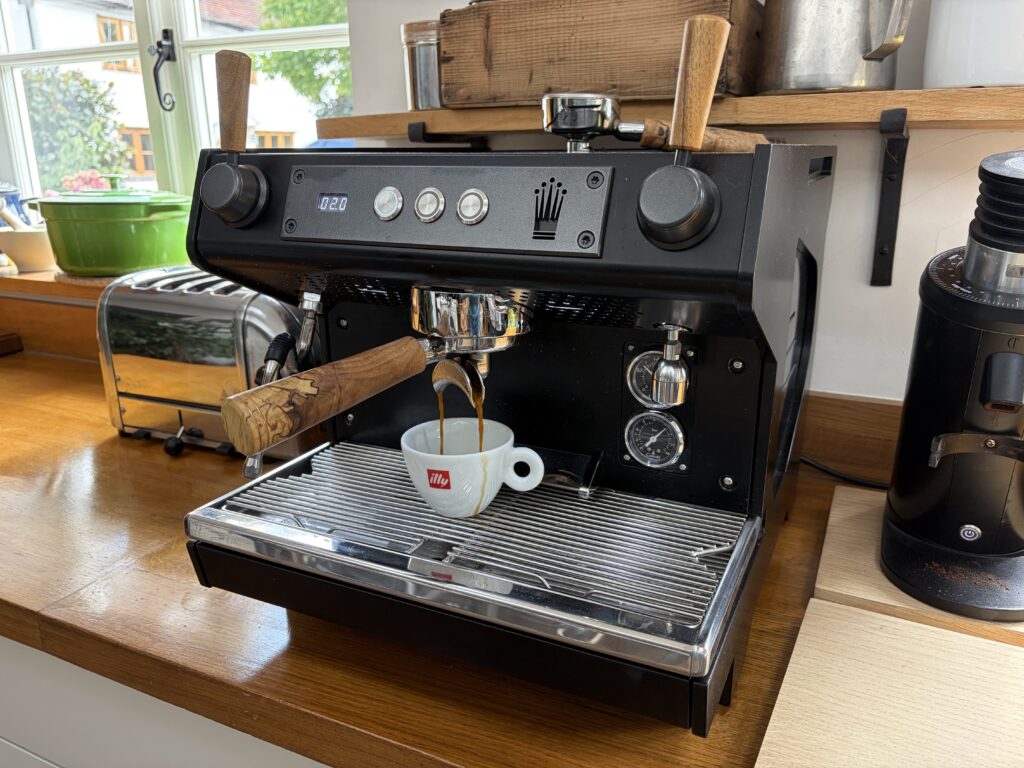
Don’t worry, you’re still allowed water and a black coffee.
You’re not just training your body
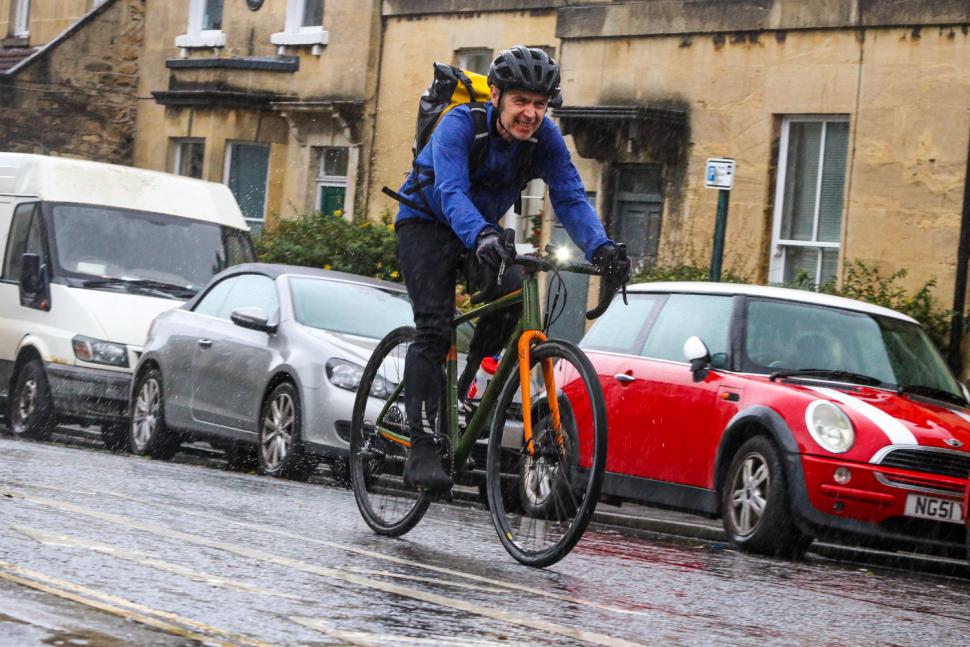
Commuting by bike, especially during winter when it’s wet, cold and dark, will not only train your body, but also your mind. You won’t always want to; there are going to be rides when there’s a 20mph headwind, never-ending downpours and chilly temperatures to battle through, but forcing yourself to get it done will build mental resilience and discipline (as well as giving you a great sense of satisfaction). If you can ride through all that, think how easy those spring and summer miles are going to be? 15 degrees and overcast never felt so good.
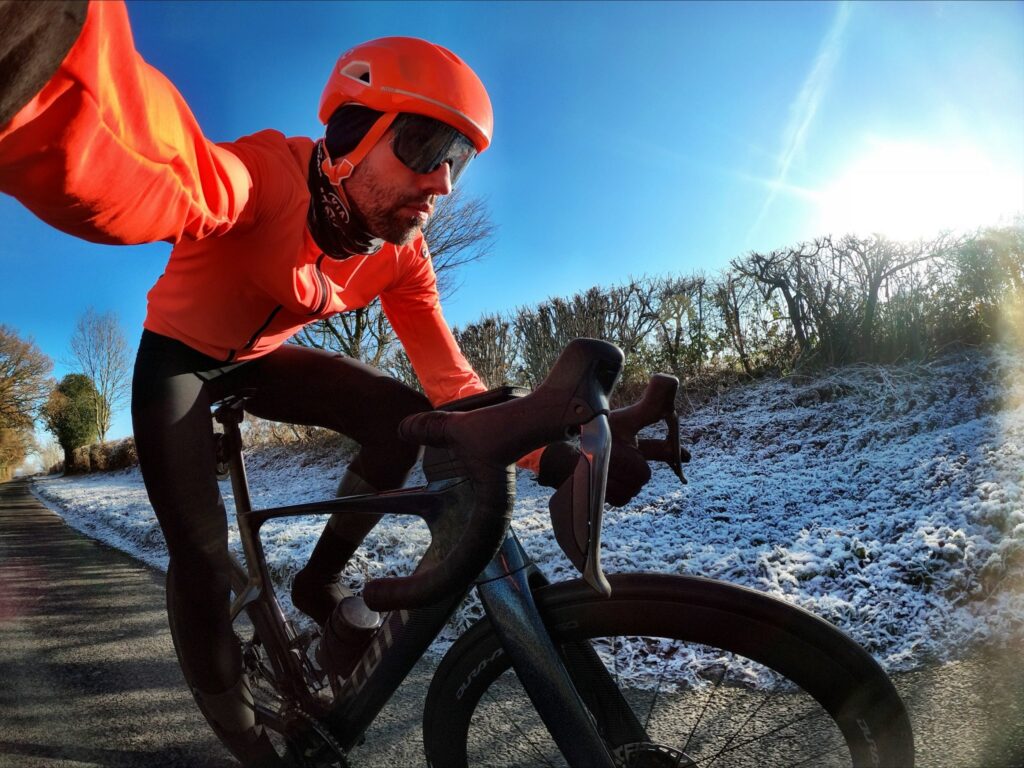
Don’t get us wrong, there will be times you should leave the bike at home and find another way of getting to work — be sensible when there are stormy winds, ice, snow or flooding about. Apart from anything else, crashing, injuring yourself and having to take time off the bike is a sure-fire way to lose fitness, but don’t pack it in and take the train just because there’s a chance of rain or it’s a little bit chilly. From our experience, 95 per cent of the time, once you’re out the house, you’re fine. You’ll rarely regret a bike ride once you’ve done it.
Make your life easier with appropriate kit, mudguards, a spare set of cycling clothes at work (just in case you get wet on the way in) and by preparing everything the night before to give yourself the best chance of avoiding the temptation to drive.
> Cycling to work, the ultimate commuting checklist
Regularly cleaning your bike and staying on top of maintenance, fitting mudguards, and keeping an eye on consumable components like brake pads and chains, while not fitness tips, will make your bike more pleasant to ride through winter, probably making you more likely to get out the door in the first place, and in turn increasing your mileage.
Got any other top tips? Get down in the comments and share them below.









5 thoughts on “How to get more out of your commute — top tips to become a fitter cyclist by riding to work”
Get a trainer. OK that might
Get a trainer. OK that might seem a little counter-intuitive, but if you’re the sort of person who does get discouraged by the dark, cold and wet in winter and quit the cycle commute, having a way to keep cycling through those months likely means you’ll start commuting by bike again earlier in the year than you might have done, and be able to do more of all the stuff above when you do, instead of spending time building up all the fitness you lost.
And if your opinion of the
And if your opinion of the trainer is anything like mine (n.b. probably biased by it being cheap), you will rapidly decide that if the choice for exercise is between the trainer and dark, cold, wet, windy roads, you will knock up a few 100 rainy miles as an excuse not to use the trainer…
@mdavidford And use the trainer as an add-on maybe even when you do commute; when I escort Mrs H to school in the warmer months I frequently take detours on the way home to bump the usual 25km round trip up to 35 km plus, but when it’s wet and cold I take the shortest possible route, about 21 km and then hop on the trainer for 10–15 km indoors in the warm. In fact I did that a bit in the record-breaking summer we’ve just had as well, when it was 38° in the shade I used the shortest route and then added extra at home with the fans on.
My tip would be to add an extra loop via Mt Ventoux or the Croix de Fer to your work commute. This would increase your base endurance. But don’t forget to have a larger lunch and breakfast if you live and work in the UK.
Do like Chris Froome used to do and ride with your brakes on.