



If I was starting road cycling in 2025 from absolutely zero, this is what I’d do to have an incredible setup on what, for cycling at least, is quite a tight budget.
There’s a lot of marketing in the cycling industry, most of which is nonsense, so I’ve tried to pick products which avoid that and give you good value. But cycling is still a pretty expensive sport to buy into, especially if you do it in one lump, so I’ve set myself a budget of three grand, which I know is still an absolute heap of money.
There are ways you can spend significantly less, and I’ll cover those as we go through.
The Bike
Let’s start with the obvious: you’ll need a bike. This will be your biggest expense, and you’ve got three main routes—buying new, using Cycle to Work, or going second-hand.
Buy New
Buying outright is the most expensive option, but you’ll get a reliable machine from day one. While true bargains are becoming rarer, today’s entry-level carbon bikes are significantly better than what was available when I started.
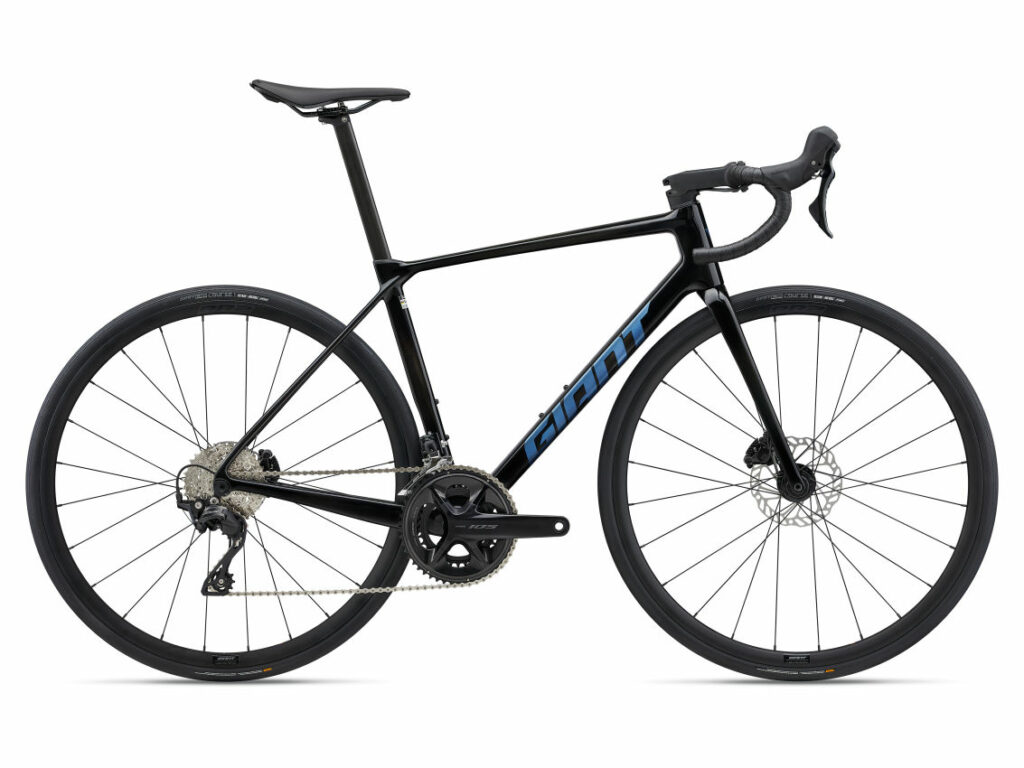
One standout option is the Giant TCR Advanced 2 at £2,149. With a full carbon frame and fork, room for 33mm tyres, Shimano 105 hydraulic disc brakes and mechanical shifting, it’s light, fast and versatile. The wheels are Giant’s own with 22mm internal rims – ideal for fitting 28–30mm tyres, although annoyingly it comes specced with 25mm tyres as standard (though Giant says these are effectively 28mm).
Disc brakes are now the standard and worth going for if you want a future-proof setup. Rim brakes, while still found on budget bikes like the Giant Contend 2 (£850), are increasingly rare.
Cycle to Work
If you’re employed in the UK, Cycle to Work schemes are well worth investigating. They let you spread the cost over 12 months and can cut the price substantially depending on your tax band and your employer’s provider.
Buy Used
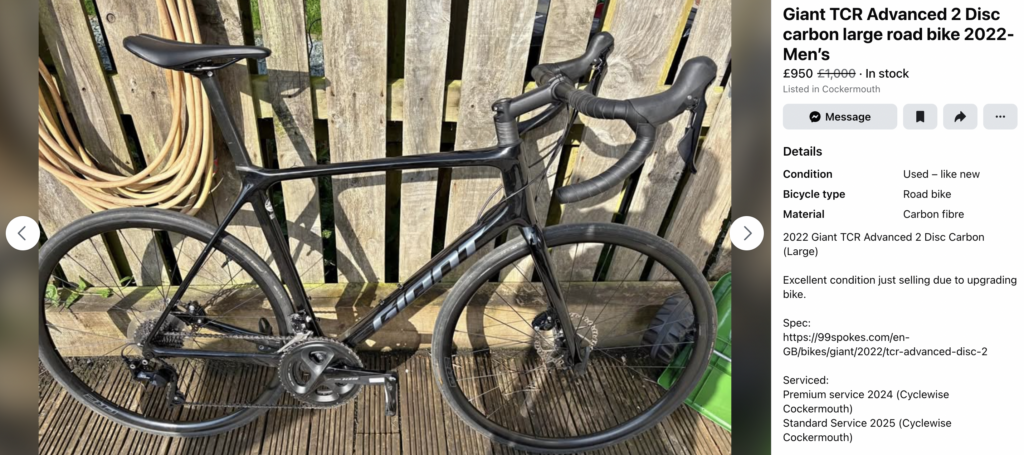
The most cost-effective approach is buying used. Facebook Marketplace and eBay are overflowing with options. That same TCR? You might find a 2022 version for around £1,000.
But proceed with caution: make sure the bike isn’t stolen and be realistic – if the deal looks too good to be true, it probably is. Also factor in some post-purchase TLC: gear indexing, a brake bleed or new bar tape are often necessary.
Learning to work on bikes can save you money and massively improve your mechanical confidence. If you’ve got some basic tools, YouTube, and patience, this route can be both rewarding and economical.
Will It Fit?
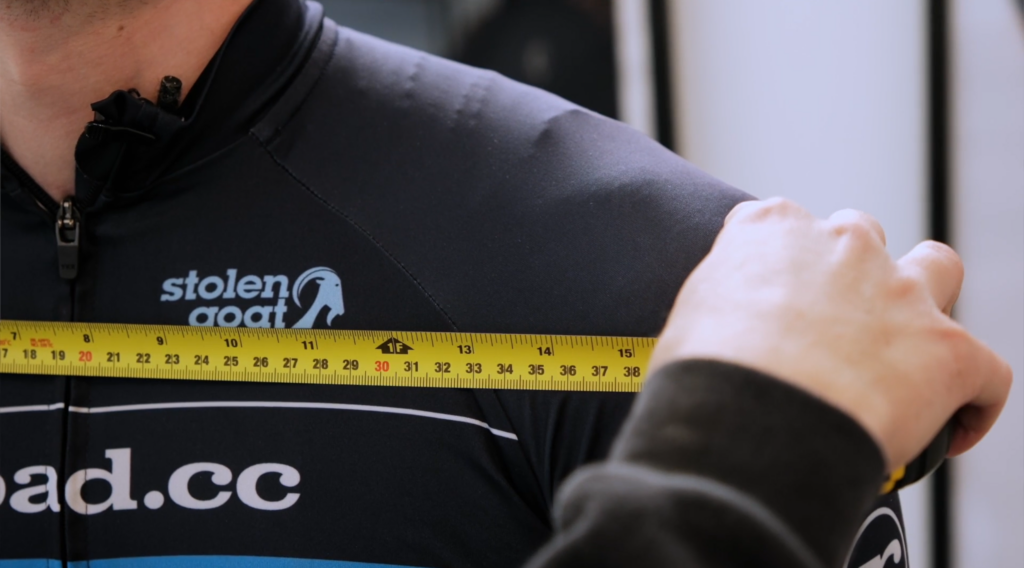
Before you buy, ensure the bike fits. For beginners, a pre-purchase bike fit is a smart investment. This fit at The Bike The Body (£150) will give you essential measurements such as saddle height, bar width, saddle setback.
All of these can help you set up your bike correctly or avoid a poor purchase altogether. Worth every penny.
Pedals & Shoes
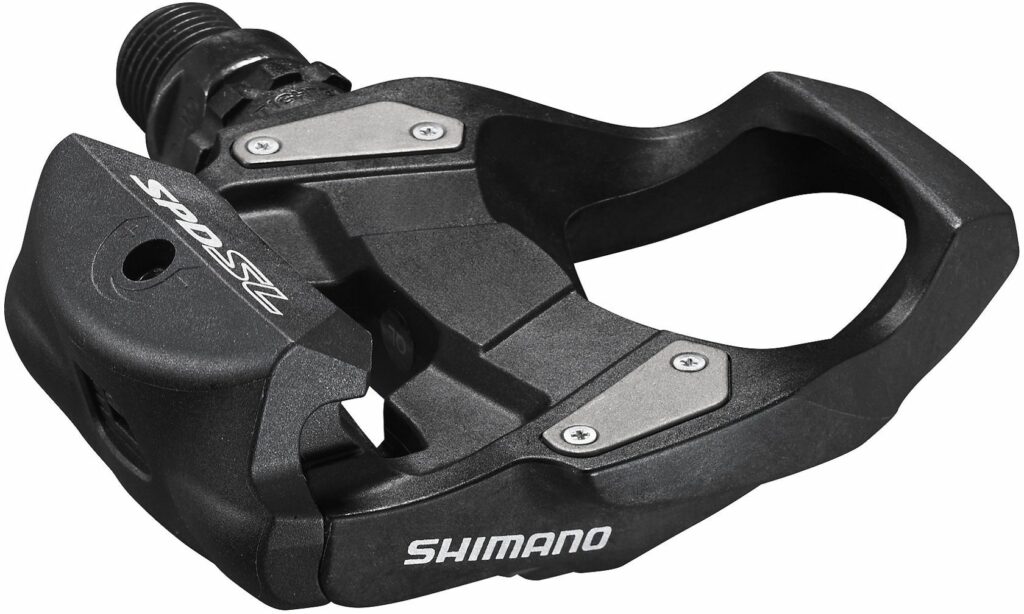
Most bikes, even premium ones, don’t come with pedals. I’d recommend Shimano RS500 or Look Keo Classic, both affordable and proven. I’ve always gone with Shimano; they’re solid and a bit cheaper.
Shoes are trickier because fit is highly personal. One good-value starting point is Boardman’s carbon road shoes (£90) – two dials, good adjustment, and decent styling. Try them on in-store if possible.
Helmet & Sunglasses
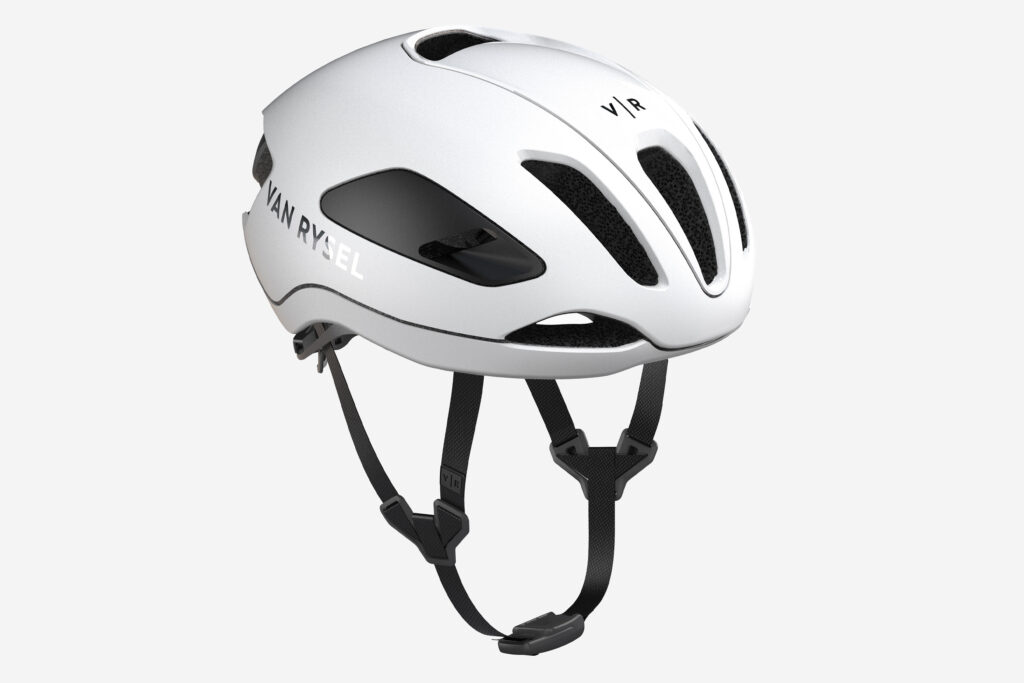
Van Rysel’s RCR-F helmet is arguably the best value aero lid on the market right now. AG2R use it in the Tour de France. It’s cool, lightweight, and under £100.
Match it with Van Rysel’s RoadR 900 sunglasses (£60). I’ve been using them recently, and they rival offerings from Oakley in terms of clarity, fit and style. Plus, two adjustable nose pieces allow a dialled fit.
Tech: Cycling Computer
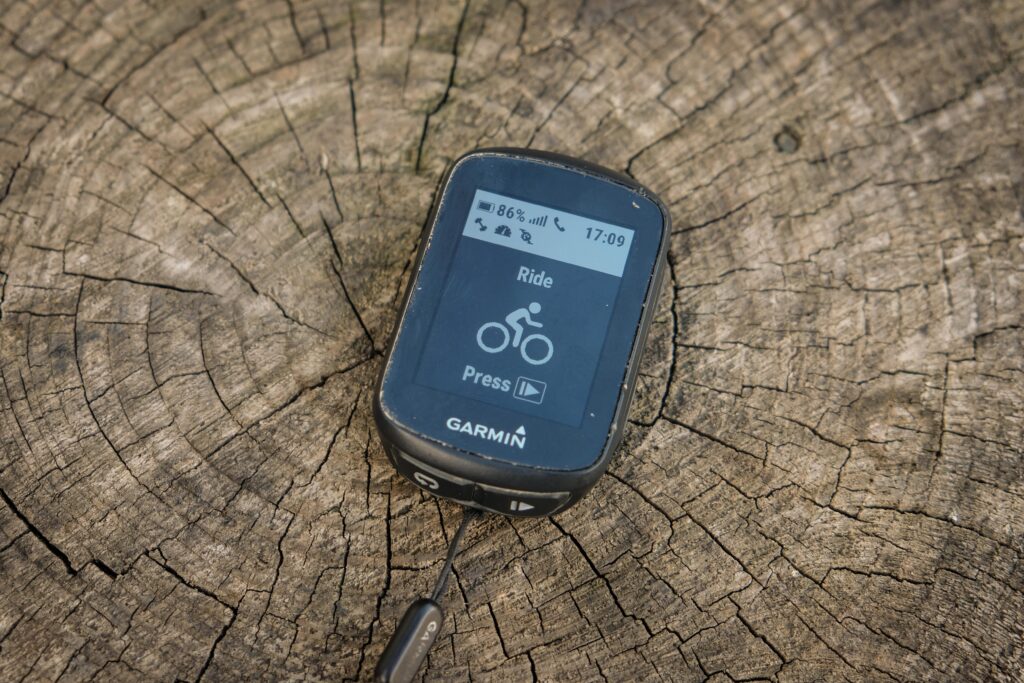
This one’s optional, as the Strava app and your smartphone are perfectly good for ride tracking.
If you want live stats and navigation, however, a dedicated head unit is worthwhile. The Garmin Edge 130 or Wahoo Bolt are solid, budget-friendly options. I’d suggest buying used here too – you’ll save a lot.
Kit: Jersey, Bib Shorts & Socks
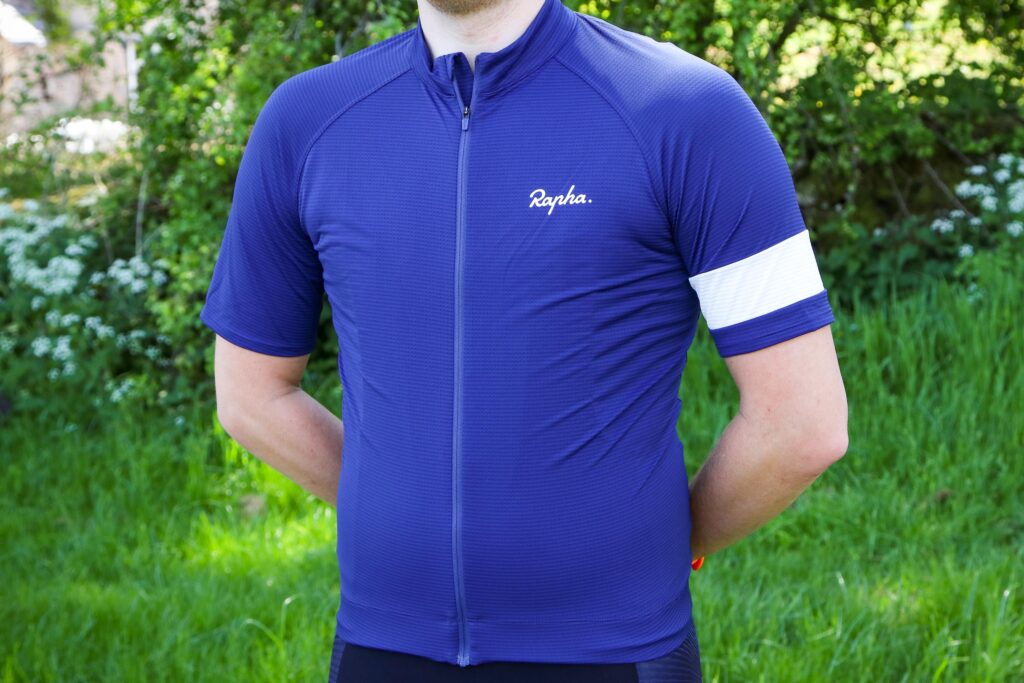
You don’t need to spend a fortune on kit.
Jersey: Go with Rapha’s Core – great fit, quality construction, and a wide range of colours at a fair price.
Bib Shorts: I rate the Van Rysel Racer 4 highly, especially the grey version. Excellent value. There’s no women’s version of this specific model, but the Racer 3 bibs are a solid alternative.
Socks: White socks are a classic look, but £20 for a single pair is madness. Go for Galibier’s £9 socks if you want technical performance, or grab a 6-pack of New Balance socks from TK Maxx for £13.
Nutrition
Pre-mixed sports drinks are convenient, but often overpriced and unnecessary unless you’re racing.
For training rides, I use MyProtein’s maltodextrin powder – pure carbs at a fraction of the price. Mix it with squash and add a pinch of salt for an effective DIY hydration mix. A couple of bottles will only set you back a few pounds.
As for food: bananas, flapjacks and Haribo are simple, effective, and much cheaper than branded bars and gels.
And then don’t forget that all-important cafe stop. It’s good for the soul.
Spares & Tools
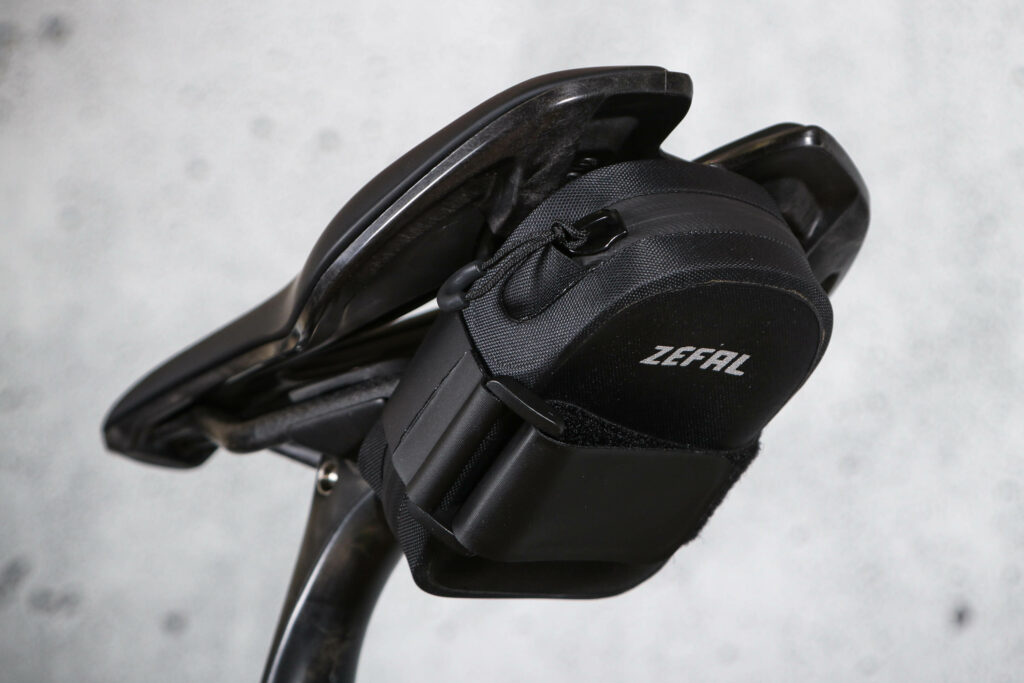
It might not be exciting, but carrying basic spares is essential. Here’s what you need:
- Mini pump
- Two spare tubes
- Tyre levers
- Small multi-tool
- Saddle bag (optional but handy)
You can carry them in jersey pockets, but a saddle bag ensures you never forget the essentials.
Final Costs
Let’s price this up based on buying new, excluding any Cycle to Work or second-hand savings:
Bike – £2,149
Bike fit – £150
Pedals – £35
Computer – £150
Shoes – £90
Helmet – £100
Sunglasses – £60
Kit (jersey, bibs, socks) – £170
Nutrition + bottles – £20
Spares + tools – £56
Total – £2,980



















35 thoughts on “Starting cycling in 2025? This is what I’d do”
£170 for jersey, shorts and
£170 for jersey, shorts and socks for a beginner? Van Rysel summer essential jersey £9.99, RC100 bibs £29.99 and summer socks £7.99. Beginners (and many others, I would argue) really don’t need an £85 Rapha jersey. Is a beginner really going to know or notice the difference between a £100 helmet and the equally good looking RoadR 500 from the same company at £29.99? I’d also say a beginner doesn’t really need a full-carbon frame, the Giant Contend SL disc has full 105 12sp with aluminium frame and carbon fork for £1445 at Balfes at the moment…I’d say a beginner could spend a grand less than suggested and still get all the quality they need.
Totally agree. Unfortunately,
Totally agree. Unfortunately, it shows just how out of touch cycling journalists seem to be.
Aside from the cost (£2,000 plus just isn’t starter budget), a TCR really isn’t a beginner’s bike – it’s a full on race bike with all that comes with that.
And, as well as making some odd ‘cheap choices’ like Rapha, a fair few things have been missed off the list of essential items.
So all in all I’d advise novices to steer well clear of this article!
I think the article proves
I think the article proves that in cycling you cannot simultaneously be a complete novice, and experienced.
Any bike would be also hard put to be both “versatile” and (assuming this is not marketing puff) “this uncompromising race bike delivers explosive acceleration and unyielding pedalling stiffness”. When I’ve built up what has turned out to be a fast frame, it’s the twitchy steering you get that I don’t enjoy, a sense that it’s always trying to get away from you.
I get that a paid-for bike fit will inform some finer adjustment points on a major purchase and perhaps avoid painful or pricey problems, but I’d have thought wait until you’re really into it and fitter. Depending on your age and fitness start-point, I’d say youre you’re a different person physically after a couple of years. So save the £150 for when you dive in and buy your “best” bike (and your first purchase takes up training and utility duties.)
Lastly, I enthusiastically got some SPD-SL pedals when I got back into cycling a few years ago. I really struggled with them and the shoes and pedals have been languishing until this year. I put them on my new high summer build and since it’s been high summer since April, we’ve got some miles in. I’d say start off with plain old SPD – so long as you don’t wear 3/4 length baggies and a short sleeve over a long sleeve, we’ll still accept you as a roadie.
If buying second hand be very
If buying second hand be very careful of sizing. Manufacturers’ size calculators will give you a recommended frame size, but frames don’t always have a size stamped on them, and seat tube c-t, the easiest thing to measure, rarely bears any relationship to size.
The TCR is one of my favorite
The TCR is one of my favorite bikes but in no way makes sense for a beginning cyclist. It’s very much a racing geometry with all that entails. It will be uncomfortable and twitchy for beginners. A Defy would make much more sense if you are talking Giant. The current Defy is practically a racing geometry too though. I have one and it’s my 3rd Defy.
I’d definitely avoid race
I’d definitely avoid race geometry bikes for a newby cyclist and advising either an all-road or gravel bike with fat slicks (32-35mm) for the road.
Most new cyclists don’t tend to enjoy the traffic at first, so being able to mix in some easy trails and towpaths aids the enjoyment. I realise this is a road bike thing, but my main bike is now an all-road with 2 sets of wheels. Super sturdy and comfortable and does pretty much anything.
Also SPD pedals and shoes are much easier to deal with than SPD-SL.
I’m going to double-down on
I’m going to double-down on the SPD cleats. I’ve seen too many club mates injure themselves trying to walk on Look cleats. Otherwise a good article.
Don’t forget lights front and
Don’t forget lights front and rear – also during daytime. Essential for safety…
Why would you need lights in
Why would you need lights in summer, in the daytime? For safety read victim blaming.
Hirsute wrote:
read reality, I’m afraid. I’ve taken to DRLs not least in summer. I see other riders, especially in the light/dark of tree cover, much sooner with than without.
Totally agree. NEVER go out
Totally agree. NEVER go out without at least a back light on. Yes, you shouldn;t have to, but being dead but right is not a good look.
cardch wrote:
In the rain, fog/mist or riding in dappled country lanes with alternate shade/open patches I agree that a daylight running light is desirable, but I don’t NEVER go out without one; if I’m riding in London on a clear sunny day then the driver who can’t see a six foot tall brick-shithouse-build rider clad in fluorescent yellow helmet, jersey and gloves on an all-white bike is not going to see a small flashing light either.
Hmm. Everyone will chose
Hmm. Everyone will chose their own “acceptable compromise” of course, but for me this is on the slippery slope to “OMG you need at least 3 lights and nothing less than 20000 candela!” to “NEVER go out on a bike – you MUST use a car” via a constant litany of “better alive than right”.
“More visible” always seems sensible… I think there is a law of diminishing returns though – which contradicts the pressures of the “arms race” idea at work here e.g. “most important is I have to be more visible than the others”. Which leads to “but this one goes up to 11 though”.
This falls down somewhat and not just because it always relies on drivers (and pedestrians) looking – which is ultimately outside our control. (Having said that I am very keen on reflectives – another safety intervention which only works when people look…)
It is more reasonable where “it’s only me out there” but I mostly cycle in urban areas. And humans adapt to filter out “background noise”. So as more people have really bright lights the salience diminishes (“just lots of little lights, nothing to see here”) – again because I suspect drivers and pedestrians are “looking for the cars” much of the time…
Not dead yet – in fact not hit yet (some close calls though) – having ridden a lot without daylight running lights (indeed often with dynamo lighting only), very occasionally with it, and driven in motor vehicles (various). In fact my worst cycling injury so far has been a broken shoulder due to a low speed fall, no other road users involved…
cardch wrote:
In all likelihood, though, you’re not going to be dead either way.
Hirsute wrote:
I totally understand why people get upset about having to go full safety and visibility and how this is seen as victim blaming. Unfortunately the reality is, if a driver (or pedestrian) doesn’t see you then they can’t avoid you and you will be the victim.
I always run daylight strobe front and rear and try to wear at least one piece of bright clothing.
MTB Refugee wrote:
As Rendel and mdavidford note none of that necessarily implies that if you don’t have (insert PPE or safety gear here) you will somehow become a magnet for drivers (the usual sales pitch). Nor that they will either see you OR avoid you if you do have these things.
I am happy that some things are worth the effort to perhaps decrease the probability of collisions (so I always run lights when it’s dark / have reflectives / think about road position etc.). But that becomes arguable for things which rely entirely on others (e.g. other people actually looking at all, or your salience in an urban area with everyone running lights / wearing hi-vis).
It’s true there is a separate argument to be had about “… and what happens after the bad thing happens” (though I’m much more concerned about never getting to that point). So what could you do to help your defense if you hit someone who steps out in front of you or increase the likelihood of the other party being held to account or compensation if you are hit. If that is your concern it may indeed be “decked out like light airport runway lights, running multiple cameras” – and good luck…
A few years back I was riding
A few years back I was riding with a mate on a nice sunny day. He was maybe 100m ahead when he went into the shade under trees and suddenly I could barely see him. Ever since then I’ve run lights in the daytime. A couple of Exposure lights I picked up for about £50 (bargain!) which must weigh all of 100g.
Sure, if a driver isn’t looking then they can’t see you. But I don’t see the downside in being more visible for the ones who are looking. After all, it’d be me that would suffer.
No wonder the number of
No wonder the number of people cycling is falling, apart from London, if this is regarded as typical advice. Half the cost, all in, might be a better figure to aim for. Sure, the TCR is relatively good value at that price point, but you’d have to be extremely sure that cycling is a passion you’re going to continue for a few years to throw that kind of money around.
Always interesting to see
Always interesting to see what others regard as necessary, cheap/expensive, but this pick is a bit all over the place, going quite high on the bike (>£2k, but indifferent wheels?), £60 sunglasses are ok but not £20 socks, no gloves, a Rapha jersey, but scrimping on nutrition and the pedals.
They will need to spend £25 on a track pump, whatever the Lidl Crivit workstand currently costs, and there’s some decent cycling tool sets for £30 and up.
A well-designed aluminium
A well-designed aluminium bike with Sora or Tiagra is all you need. £800? Only real drawback of lower end bikes is cable discs that new riders don’t always know how to set up well, but rim brakes are fine if you can find a bike with them.
Or as others have said, an entry-level gravel bike probably makes more sense if you’re not an aspiring club racer.
Only real drawback of lower
Only real drawback of lower end bikes is cable discs that new riders don’t always know how to set up well, but rim brakes are fine
I don’t agree with this. TRP Spyre and HY/RD are easier to set up and maintain than rim brakes, and don’t wear your rims out. They need so little adjustment that you have to remember to keep the pad position adjustment bolts greased so they don’t seize in.
I honestly feel that cable
I honestly feel that cable-actuated discs are the best option for many riders and uses. I have bikes with hydraulic discs, rim brakes and cable discs; the rim brakes are Dura Ace and fabulous but obviously as you say there is the downside of rim wear. The hydraulic brakes (105) are great as well but I have neither the time/expertise/equipment to bleed and service them (and certainly I couldn’t fix a fault roadside – can anybody? – as I can with cable brakes), so that’s an extra expense I could well do without. The cable actuated discs (Tiagra) don’t seem that far off the hydraulics to me, not as smooth but no difference in stopping power, and I can adjust for rotor warp or pad wear with a twiddle of a barrel adjuster. If one could still buy DA/Ultegra/105 cable-actuated discs I would take them over hydraulics, personally.
My daughter’s bike has TRP HY
My daughter’s bike has TRP HY/RD and they are better than the basic Spyre, but not much. She recently toured the Lofoten Islands to Tromsø.
Going to have to get TPU
Going to have to get TPU tubes if you think you are getting two in that saddle bag.
Three grand is ridiculous
Three grand is ridiculous just to start somethiing you might or might not like. Go to your local bike shop and see what they have second hand, buy a cheap helmet, bib shorts and a rear light and you will get going for well under £300. Try it for 6 months and see how you get on. You do not need a bike fit or a computer or new pedals or shoes. Just try it and see if youl like it! If you stick at it for 6 months then maybe investigate something more sophisticated. That is what I would do.
This seems to be yet another
This seems to be yet another RoadCC article that’s a series of adverts aimed at the wannabe racers who are most likely to come to this website. And they want folk to pay for access! Dear me.
Cugel wrote:
In fairness, if people can afford to fork out three grand for something they’re not sure they’re even going to like, a few extra quid for a subscription’s probably going to be neither here nor there for them.
Cugel wrote:
Agree; another performance biased article/ You Tube video……
You can cycle on a hybrid/ folding bike, wear normal clothes and shoes whilst riding to work, the shops or on a canal towpath…..it’s still cycling.
Velophaart_95 wrote:
Did you miss the first sentence?
Road.cc is primarily a site concerned with road cycling (as in sports cycling, not just cycling on roads, obviously) and this is an article about buying kit to get into that, it’s not saying there’s anything wrong with riding a hybrid or a folder or a penny-farthing if you want, but that’s not what this site, or the article, are about.
Well you say that. But they
Well you say that. But they incerasingly add gravel bike stories…
I have no interest in them, having come to the site for road cycling stories.
Surreyrider wrote:
So you frequently say. As I think I’ve pointed out when you’ve said this before, with many people nowadays choosing to have a gravel bike as their road bike it seems to me perfectly legitimate to feature gravel bikes on the site and also, if you don’t want to read the gravel bike stories why don’t you just, um, not read them?
Agree, but in fairness it
Agree, but in fairness it does say “If I was starting road cycling” and later mentions “sport”. Plus all the models appear to be fully-paid-up lycrist infiltrators!
While road.cc absolutely does cover “general cycling interest” as the name suggests this site has a strong lean towards … roadies. I think it’s fairly clear.
FWIW lots of other places cover the more general case (e.g. Cycling UK regularly has “cycling for the rest of us” reviews and guidance, although of course they also have a slight slant, growing out of a cycle-touring focussed organisation).
When I first started road
When I first started road cycling I went into Decathlon* and spent about £600 on a Triban bike (this would be their current nearest equivalent). I didn’t want to spend too much in case it wasn’t something I got into, and I figured if I did get into it I could keep it as a winter bike and get something better for the summer.
In the end it turned out to be all the road bike I needed for a number of years – I commuted on it, did a few 100km rides and even a couple of duathlons. I eventually bought a gravel bike and relegated it to turbo trainer duties.
* If you don’t have a Decathlon near you, try the lower end of the Boardman range in Halfords.
One thing about clipless
One thing about clipless pedals that wasn’t mentioned. If you are new to road cycling, and you get some of these pedals, PRACTICE CLIPPING/UNCLIPPING FIRST before you go out on the road! You’ll save yourself bouncing off the road.
I wouldn’t buy new, but thats
I wouldn’t buy new, but thats my opinion (and experience). There are loads of good bikes on the second hand market. My tip is to find a good bike shop within few miles of your house and that you trust them. My bike shop is the most valuable part of my cycle experience. I’ve learned so much from them and they have literally saved the day on more than one occasion.