



“Don’t look back, don’t look back, there is no glory in the back,” went a famous Samurai quote, and that pretty much summed up the theology and method to the racing style of two of Asia’s greatest bike racers of the 2000s; Shinichi and Koji Fukushima, two of Japan’s most successful and influential road racers of the era.
The brothers came to cycling quite late in life, and in an unusual way, as Koji told me long ago: “We had muscular problems with our feet in the family, so had to go to hospital for regular check-ups. One day a doctor said to my father that I had legs like a Keirin rider. Shinichi heard and got a bike, then started training. It was a while later when I started.
“I’d finished university, and lost direction, my parents asked Shinichi [who is two years older] to look after me, so he sent me a bike. I started riding, then training, and then racing; and it just went from there.”
With little around in the way of support or guidance for Japanese road racers of the era, Shinichi decided that he needed to go west if he wanted to make it as a bike racer. In 1994 he went to the Netherlands for five months, aged 23, and then moved to northern France, where he raced local and national level races.
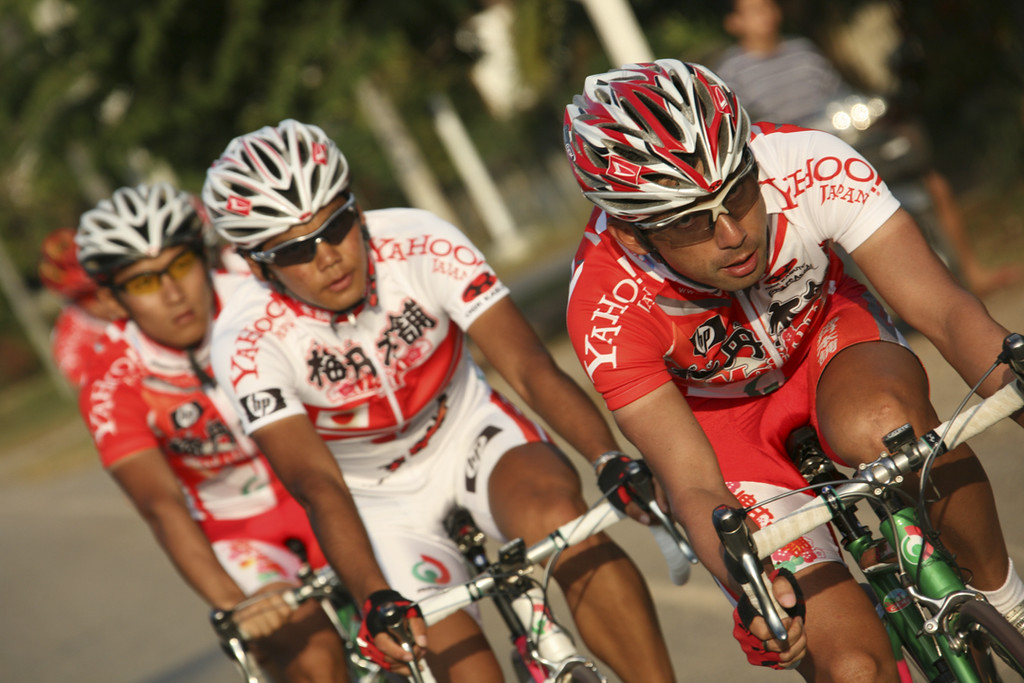
“When I first went to France it was unusual; then Koji came, and we started to improve and get results,” he explained. “Slowly, we brought other riders across, and the team formed (which evolved over many years into Bridgestone and Meitan).
“Originally, it was just me and Koji getting results, but then we had a lot of good riders who followed through.”
The French scene, especially in the north, is rough cut, and was not always accepting and open to foreign riders, though Shinichi, and then Koji soon started making a name for themselves, winning good races, and gaining many supporters in the country.
From the outset Shinichi had the aim of helping to create opportunities for other Japanese and Asian riders and the whole Fukushima family became involved.
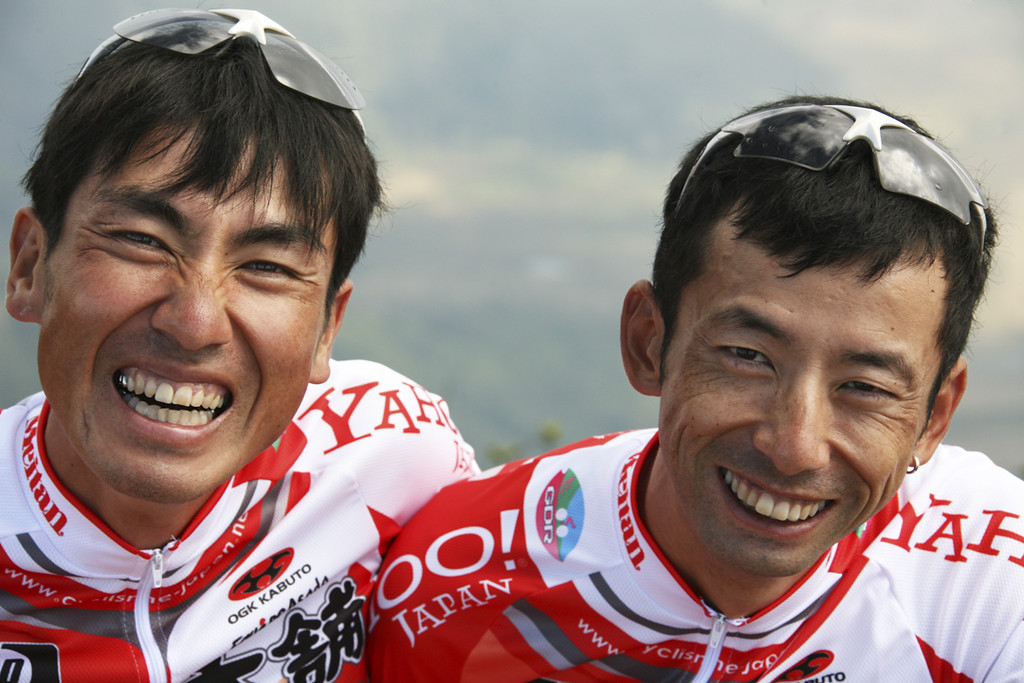
“My father worked for Daihatsu and helped get them involved in a development team, they put a lot of work into that and our team,” Shinichi recalled. The openings and opportunities they created helped riders such as Yukiya Arashiro and Takashi Miyazawa along their way to WorldTour careers.
My first encounter with the brothers was in early 2002 at the Tour de Langkawi, where they were both riding for the Japanese national team. Many of the big-name pro teams (such as Mapei) were there in full force, and yet these two bold underdogs weren’t deterred.
Koji, in particular, would ride with his heart nailed to his sleeve, regularly attacking with long-range solo breaks. These often seemed insane given the firepower behind, and they rarely worked out in those early days and bigger races.
However, Koji earned more TV time than most others and won the hearts of both race followers and the riders alike, who learned to expect to be chasing him down most days. Add to that his charmingly eccentric character, eternal flare and huge smile, throw in his daily harmonica solos on the podium, and everybody was behind Koji and hoped he would one day champion over the stars.
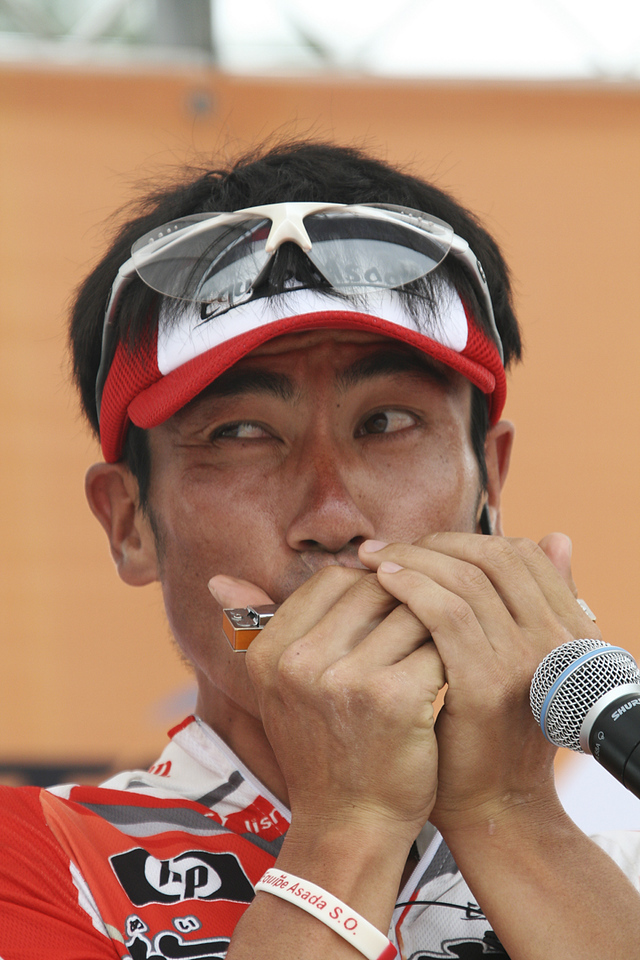
I asked him why he always rode that way, intrigued by why he didn’t play things more tactically. “Maybe I could get more results playing it differently, but this is my style, and I want to keep it that way,” his answer came.
In 2005, on stage three of the Tour de Langkawi, Koji’s warrior-like dream finally paid off. I can still remember watching on as it looked set to come true, and with a virtual tear in one eye; he did it, solo for almost the whole stage, winning by over two and a half minutes, and taking the race lead in with it – the second ever stage win by an Asian rider at the race.
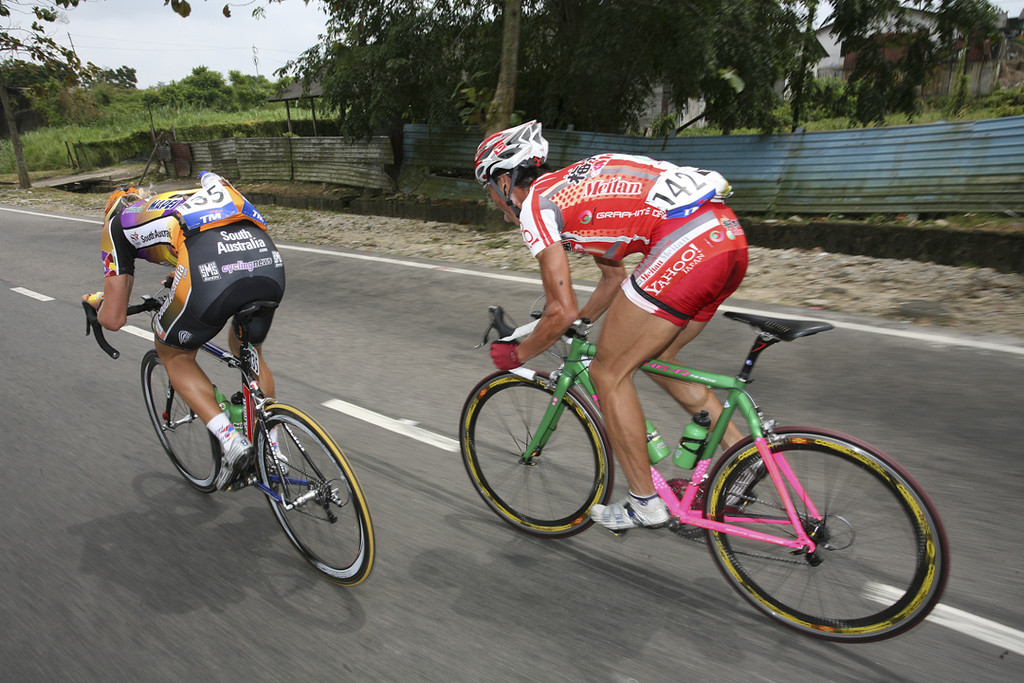
Two years later, not to be outdone, Shinichi also took a seemingly impossible victory of stage five of the race, where he laid absolutely everything on the line to haul in his two professional European breakaway companions (who had jumped him) to score victory in the closing meters.
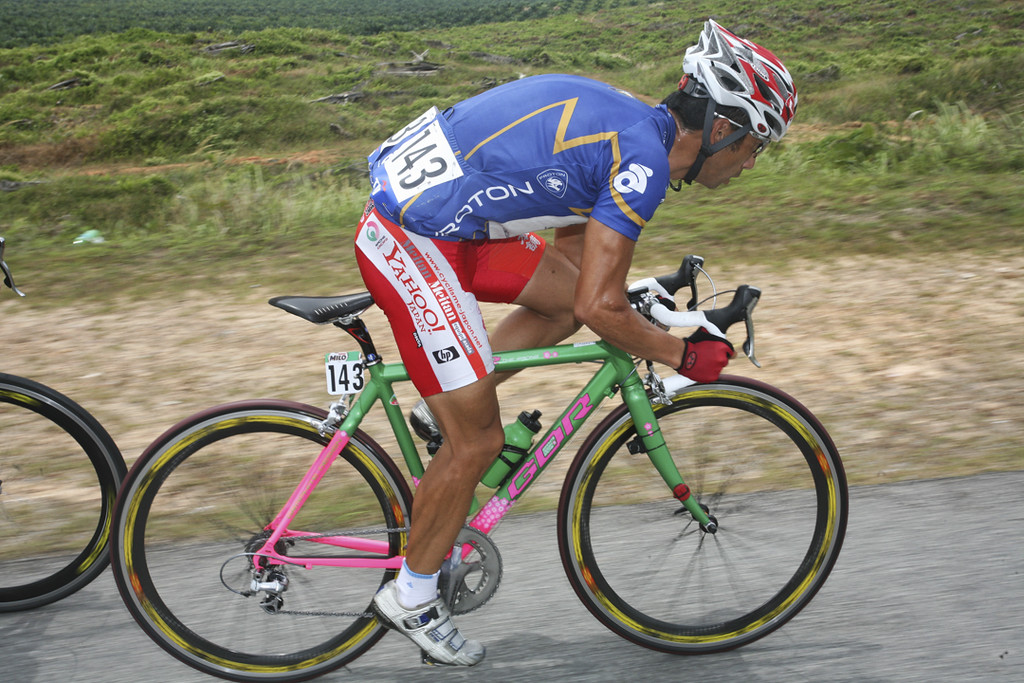
By this time I already knew the brothers pretty well, and by chance I ended up becoming a distant seasonal neighbour. Over the years I spent a lot of time around the brothers, particularly Shinichi, and other Japanese riders too. I got to learn close up how they went about their racing and training; their discipline, the old-school all-or-nothing approach, insanely long and very hard daily rides – often motor paced.
It was stuff that would ground many a budding Asian pro racer and instilled a whole new level of work ethic and commitment too.
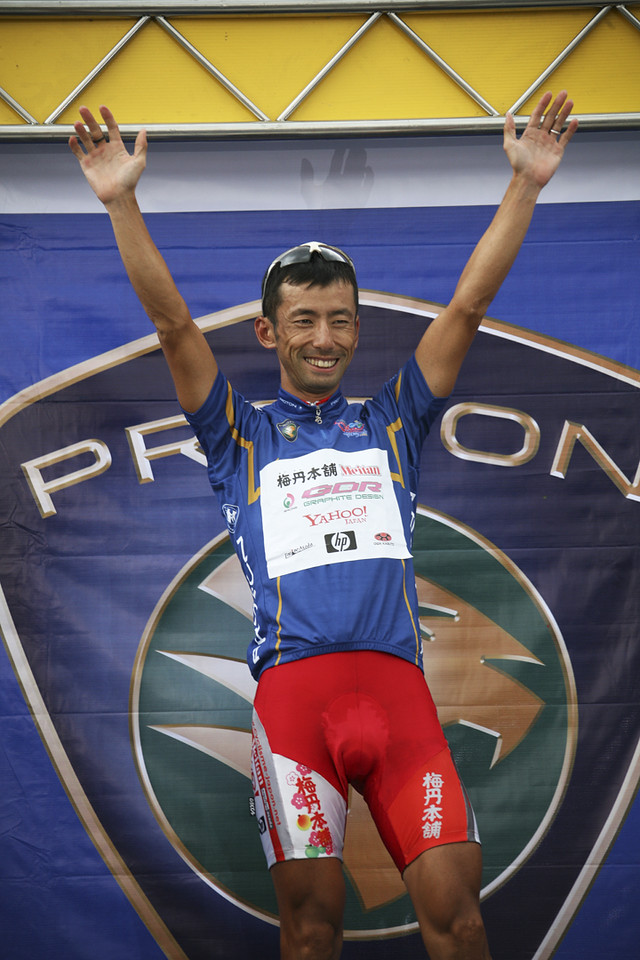
Their successes were many. Shinichi did have a longer career and scored more victories, but Koji also won his fair share of big races, including the Tour of China (where the brothers broke away together for a 1-2 on one stage), Boucles de la Mayenne and GC at the Tour of Serbia.
Shinichi won far and wide too, including becoming the first Japanese rider to win the Tour of Japan, winning the Tour de Brunei, Tour of Siam, scoring stages in many major regional races, at the Circuit des Ardennes, and winning other ranked races in Europe too.
While the two brothers had very different characters and styles, both were all or nothing: much like Samurai on two wheels. With their natural charisma and differences, they were an extremely popular double act of the era, with Shinichi always very much playing the role of big brother and leader.
Sadly, the Meitan team decided it was about time Koji hung up his wheels towards the end of the 2000s, which he was respectfully accepting of, if not a choice he wanted to make.
These days Koji lives on the outskirts of Paris, where he runs a flea market-style business selling traditional Japanese craft products. Naturally, he does this in the fully committed showman way that only he could, including still entertaining with his enthusiasm and harmonica on social media.
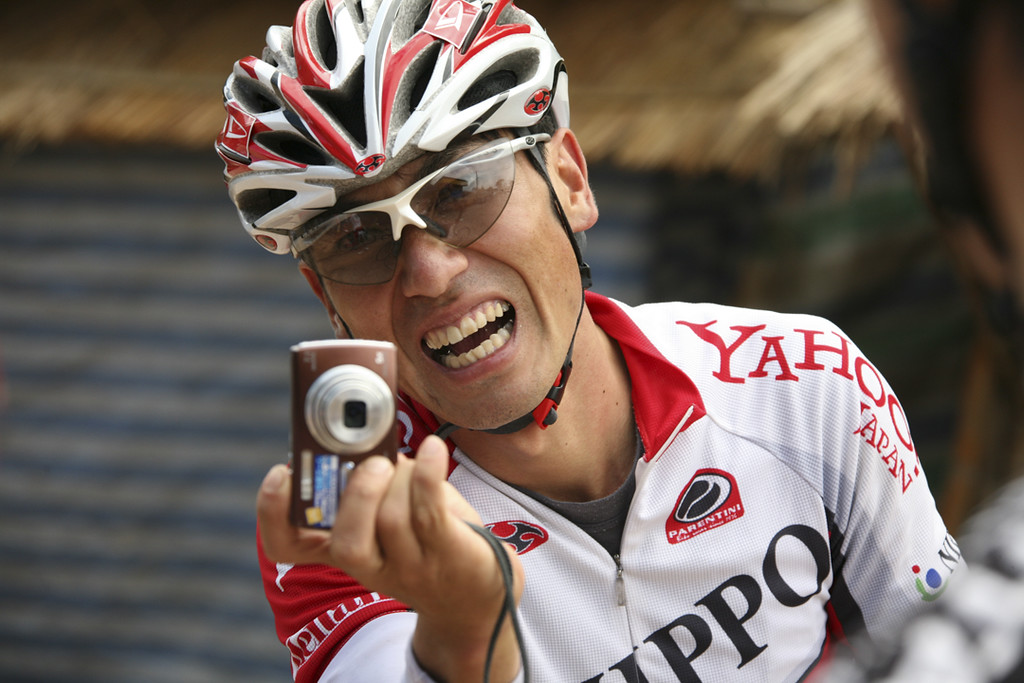
Shinichi raced on until 2013, when he rode for the Nippo team, before becoming a sports director with them. He returned to live in Japan, where he now runs a small, dried fruit produce farm – that is when he’s not out there travelling to races around the world with his grassroots Bonne Chance development team, a passion that still drives him, and makes a huge difference to many young riders.
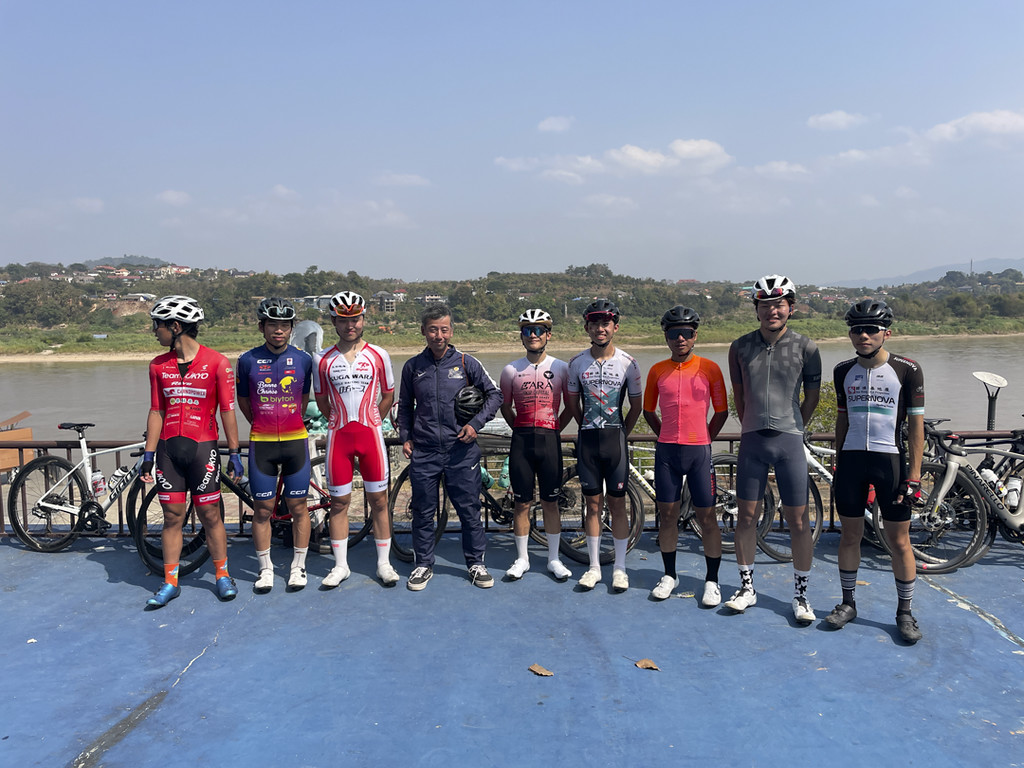
Recently he joined forces with his former arch-rival Wong Kam-Po and his Wings bike shop to further the great cause, which has driven much of his cycling life. You may never have heard their story before reading this feature, but few could argue Shinichi and Koji Fukushima’s is one worth telling.



















2 thoughts on “Meet the Fukushima brothers, past stars of Asian road racing”
nice story
nice story
Definitely a story worth
Definitely a story worth telling and reading. Arigato Gozaimasu!