



With the current cost of fuel and the omnipresent risk of wasting time sitting in rush hour traffic, you might be considering commuting by bike. We’ll presume you’ve already got the job to commute to, so now you need the bike for the job. That can be a bit of a minefield, so here’s a look at some typical bikes that are ideal for the commute, and some top tips to get you on your way.
With the right preparation, commuting by bike is not only pretty easy for many of us but also an enjoyable and sustainable way to travel to work. It offers numerous benefits for your health and finances, and may even mean you can stay in bed a little bit longer.
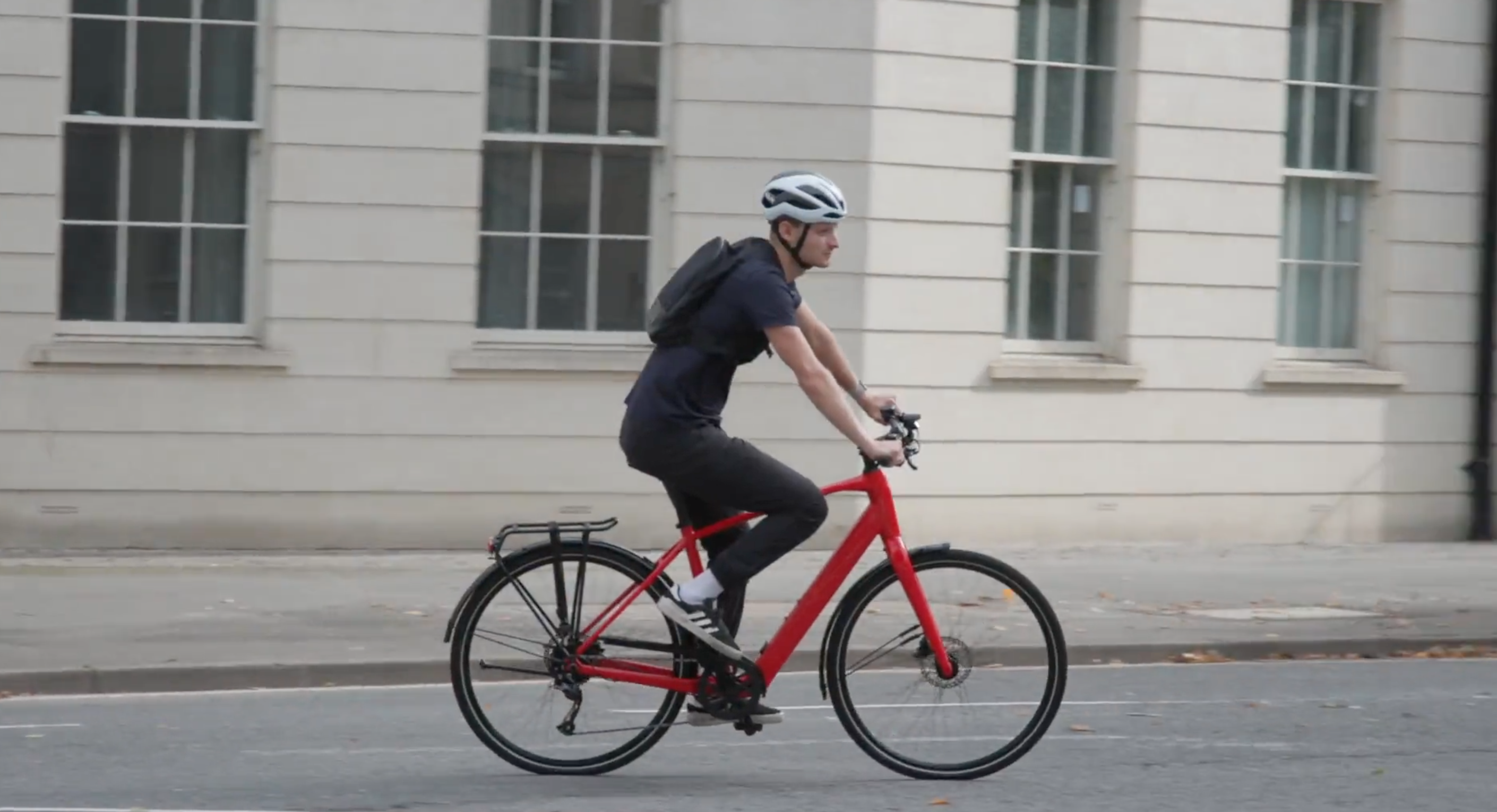
Commuting by bike is a great way to get out in the fresh air and maybe even contribute to maintaining your fitness. Another positive of commuting by bike is that you can generally get closer to the office than in a car. Not many people like sitting in traffic or trying to find parking spaces in tight town centre car parks. Plus, parking isn’t free for most of us and all those payments add up.
The growing network of cycling infrastructure that’s popping up in cities also makes it easier than ever to commute by bike.
So, how do you choose the right commuting bike for you and your needs? Let’s look a little closer at some of your options from our reviews archive…
Carrera Subway All Weather Edition Men’s Hybrid Bike (£388)
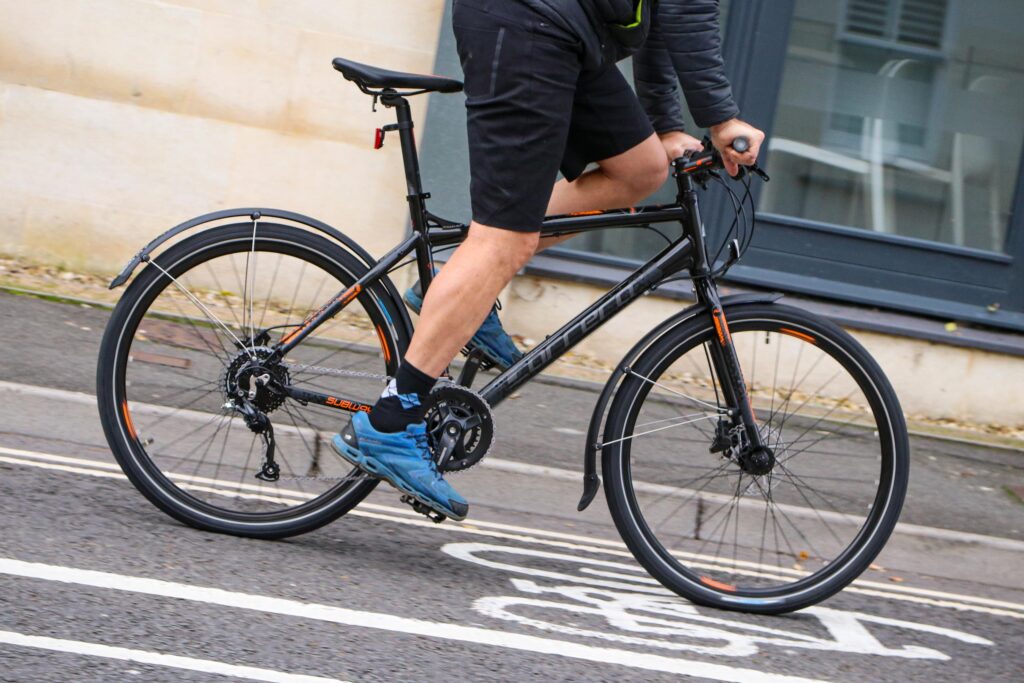
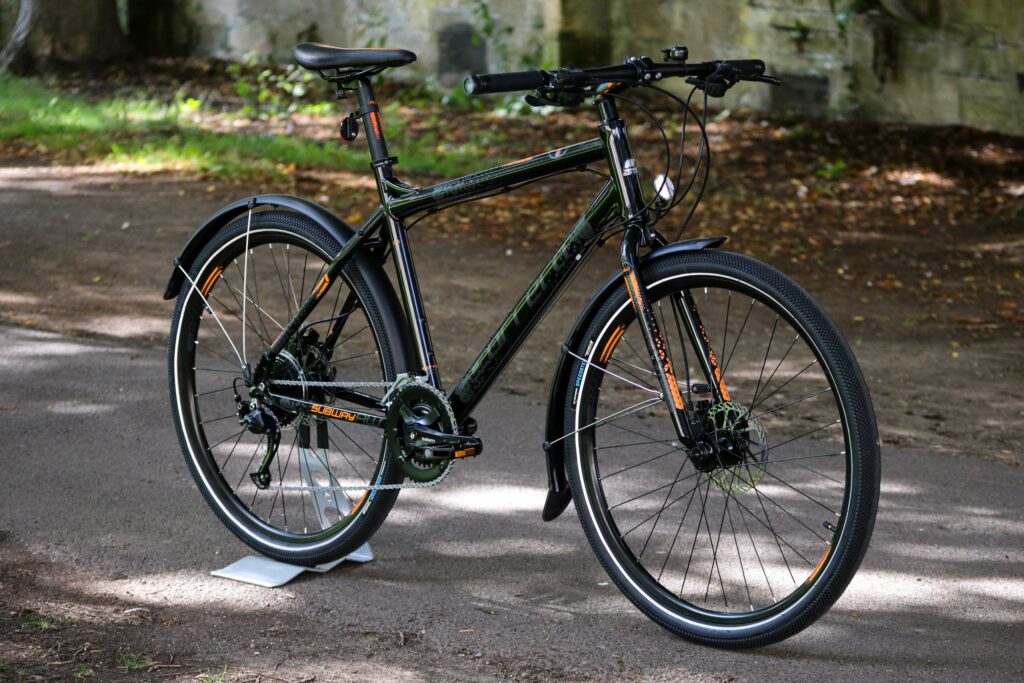
The Carrera Subway All Weather Edition from Halfords is a mountain bike-styled urban warrior that comes out of the box with some very useful winter-riding accessories and an excellent spec for a very modest price. It makes an ideal crosstown commuter.
Reviewer John Stevenson said, “This is a great bike for recreational and commuter cyclists of all kinds, especially ones who are planning to keep going however bad the weather gets. But it’s also great for exploring country lanes, dirt roads, canal towpaths and the like.”
What makes this an ‘all-weather’ bike? Three things. It comes with mudguards; it has heated grips to keep your hands warm in winter; and you get a pair of LED lights to help you be seen on dark evenings. Each of these features is useful for commuting – when you need to get to work at a particular time, no matter the weather.
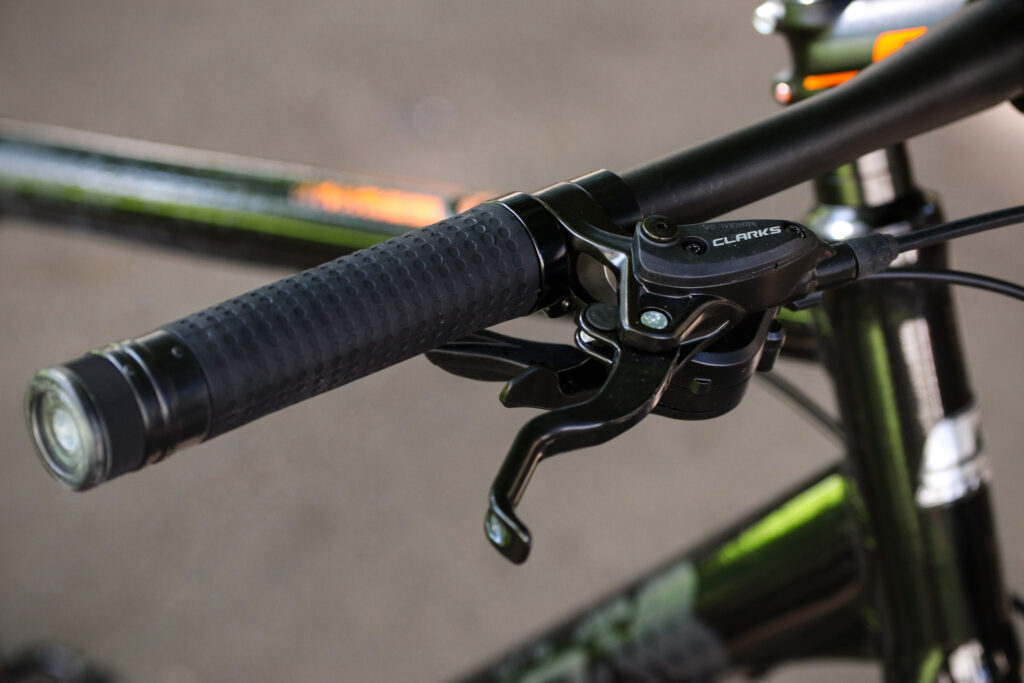
Okay, the lights and mudguards are pretty basic, but you can’t carp too much about that given this bike’s low price, and although you might think they’re a bit of a gimmick, the heat grips keep your hands toasty through a half-hour commute. They’re marvellous.
To make a bike perfect for commuting, many people would argue that mudguards are a non-negotiable, as they protect you from the splash and spray of mud, water and debris and can help to protect your bike, and obviously your clothes. If you have a relatively short commute and are thinking of commuting to work in what you want to wear for the day, then mudguards really are a no-brainer. Also, the lesser talked about part of mudguards is that they can actually reduce your maintenance and lower long-term costs on bike servicing.
The Subway All Weather Edition’s ride is quite firm although it’s easily softened by reducing the tyre pressure a touch. The handling is on the quick side but it’s not twitchy, so manoeuvrability in traffic is good.
You get a wide range of gears, including plenty of low ones, so you can comfortably get up just about anything a UK city is likely to throw at you, even if you’re carrying a few essentials to or from work.
The Shimano gears shift better than you’ve a right to expect from a bike of this price, while the Clarks Clout disc brakes provide plenty of easily controlled stopping power. The levers have reach adjustment so they work well with small hands too.
The Subway AWE is well thought out, provides bad-weather extras and is truly excellent value for money. If there’s a better bike out there for less than £500, we haven’t heard about it.
Giant Escape City Disc 2 (£699)
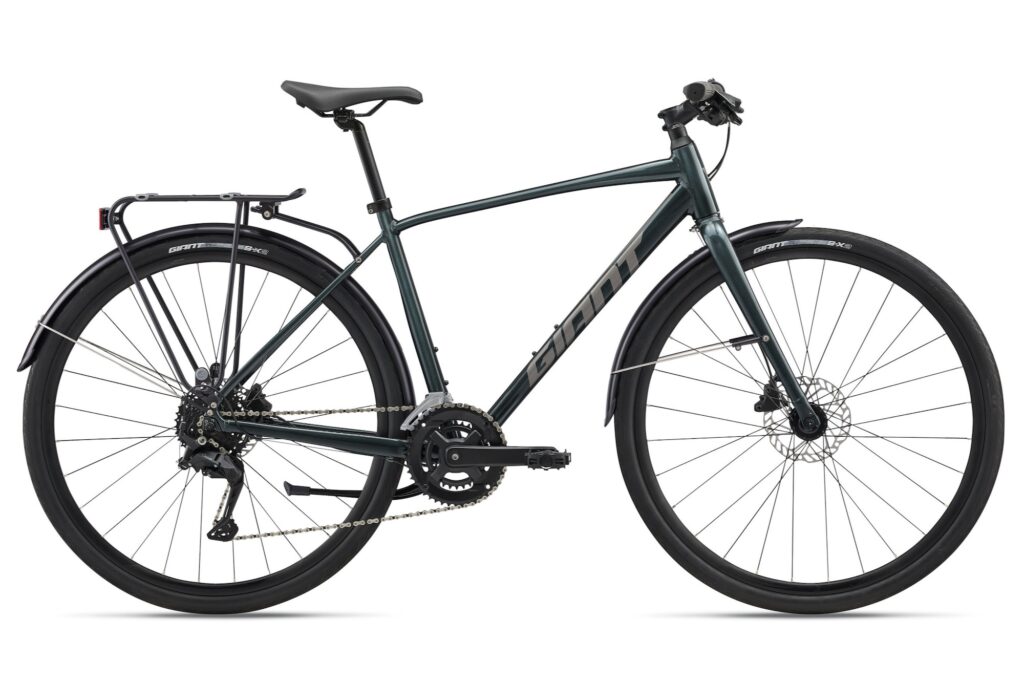
You can take most bikes and make them more suitable for commuting – to a greater or lesser extent – with the addition of a few accessories, but some come setup for commuting in the first place and that can make things a whole lot easier.
Giant’s aluminium Escape City Disc 2 is one such bike. For a start, the flat handlebar gives you a reasonably upright riding position that provides good vision in traffic and plenty of control. Beyond that, though, you get components and accessories that have been picked for their commuter-friendliness, including close-fitting mudguards to help keep you dry.
Even if the rain has stopped, bike tyres can throw up a lot of water 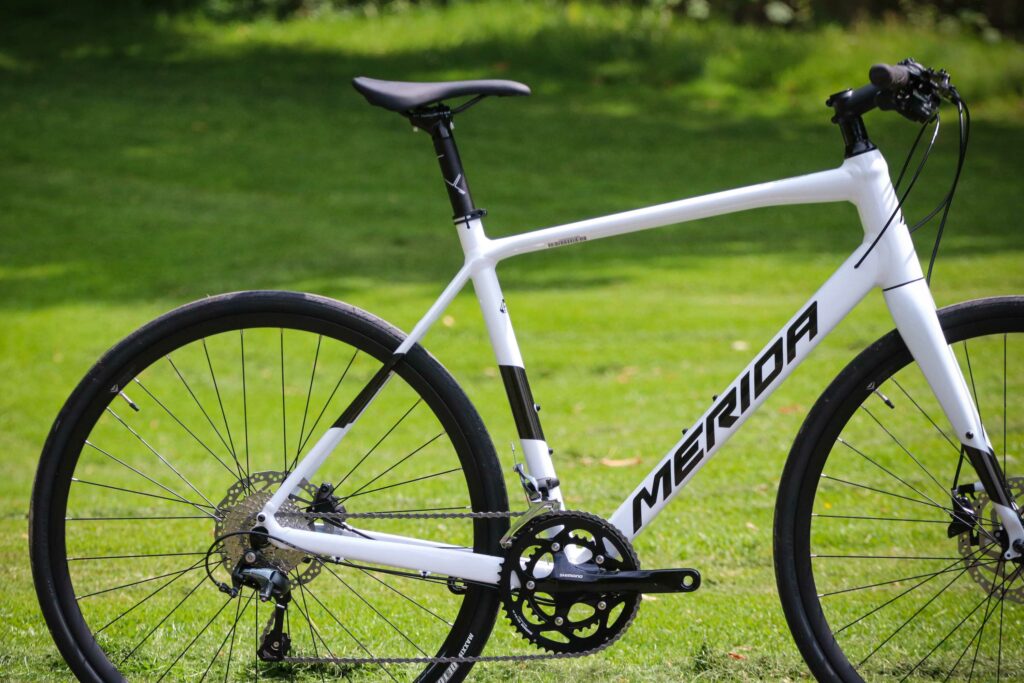 and mud from the road; mudguards stop it getting deposited all over you and whatever you’re carrying. They make a big, big difference, which is why many experienced bike commuters swear by them.
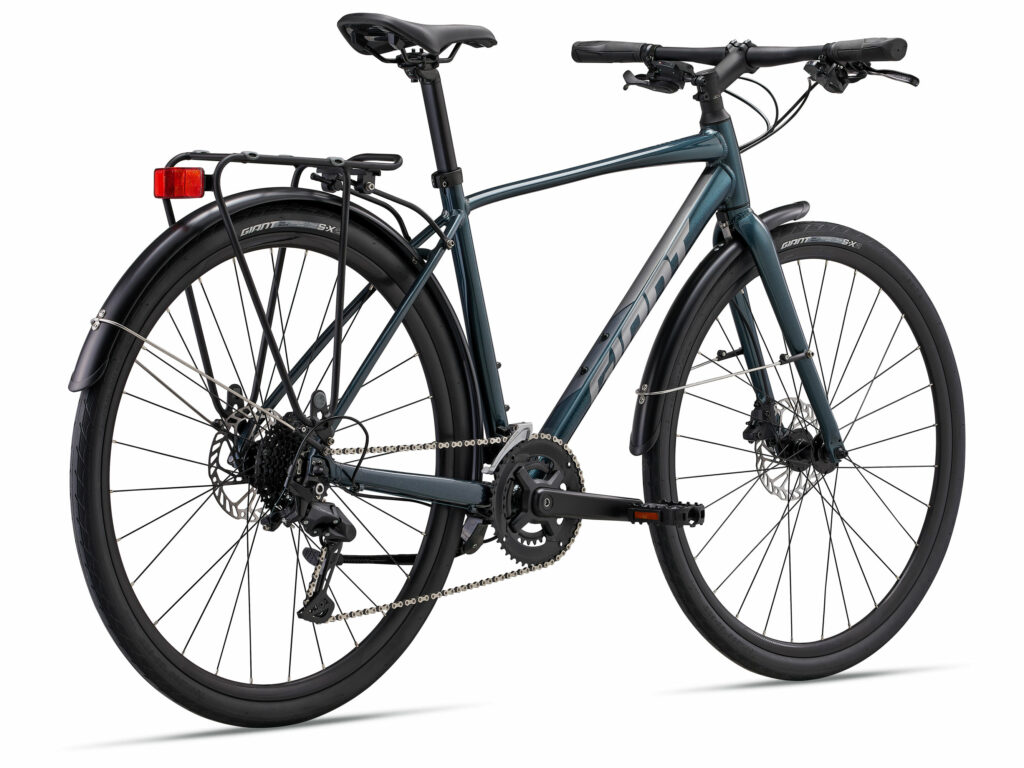
You also get a rear rack. Now you might be perfectly happy carrying what you need for a day at work in a bag on your back – that’s fine if it works for you – but many riders prefer a rack-mounted pannier, especially for heavier and/or bulkier loads. If you’re one of these people, the Escape City Disc 2 has you covered.
Giant’s 38mm S-X2 tyres come with puncture protection to keep you rolling, a double chainset (meaning you get two chainrings) and an 11-36T cassette to help you conquer the climbs, and Tektro HD-R280 hydraulic disc brakes that provide plenty of power when it’s time to stop.
Last time we reviewed a Giant Escape Disc, reviewer Simon Withers praised the comfort and practicality.
“It’s functional but fun, good value and versatile,” he said. “It’s comfortable on the roughest of roads and will cope with a variety of unsurfaced routes without complaint.”
Merida Speeder 300 (£1,000)
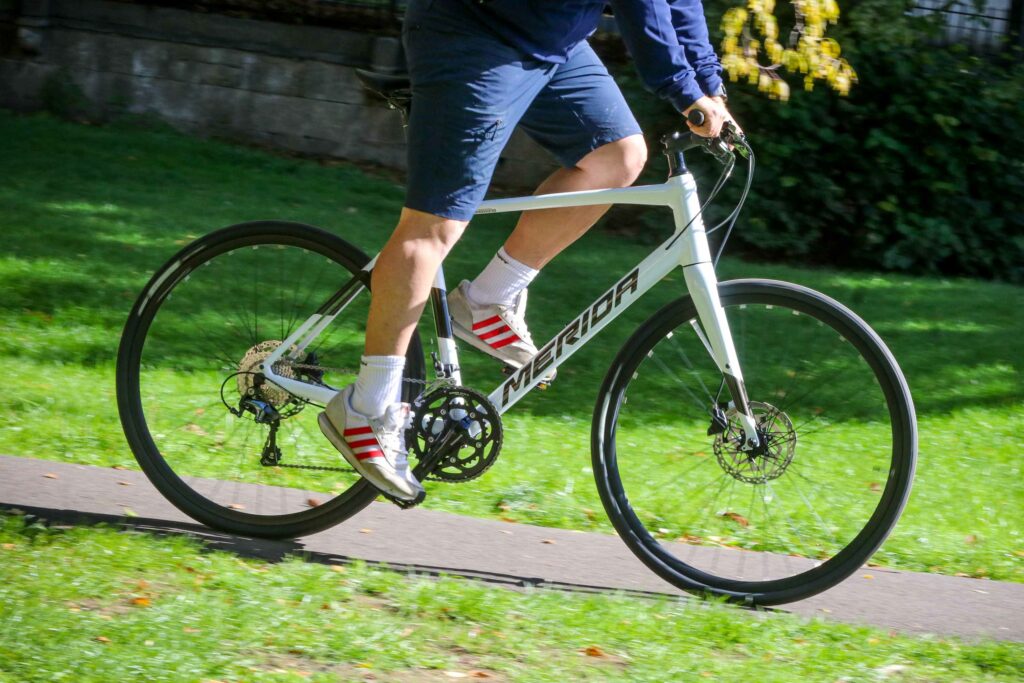
Merida’s Speeder 300 fast hybrid might not come setup ready for all-weather commuting through a British winter, but it has many features that make it a great option for the job, including powerful Shimano hydraulic disc brakes, space for 35mm tyres, and multiple mounting points for mudguards, a rear rack and a kickstand.
Built around an aluminium alloy frame and Merida’s full carbon fibre Speeder CF2 fork, the Speeder 300 couldn’t be more aptly named.
“It’s nippy, feels lighter than the scales would have you believe, and the relatively upright riding position allows you to dart about in amongst the traffic with uninterrupted sightlines,” said our reviewer Stu Kerton. “Whether you are looking at a new bike for fitness or commuting, the Speeder 300 is a well-equipped and quick flat bar alternative to a road race machine.”
Ah yes, that’s the other thing… the Speeder isn’t just a commuting bike. It’s sprightly and comes with a wide range of gears so you can have a lot of fun on it in the evenings and at weekends too.
The riding position is a little higher than that of a similarly sized road bike, but not to the point that you feel you’re sitting too upright. This gives you great views above cars and allows for a relaxed position when moving through busy streets. It also means that you aren’t putting a huge amount of weight on your wrists and avoids stressing your neck and lower back.
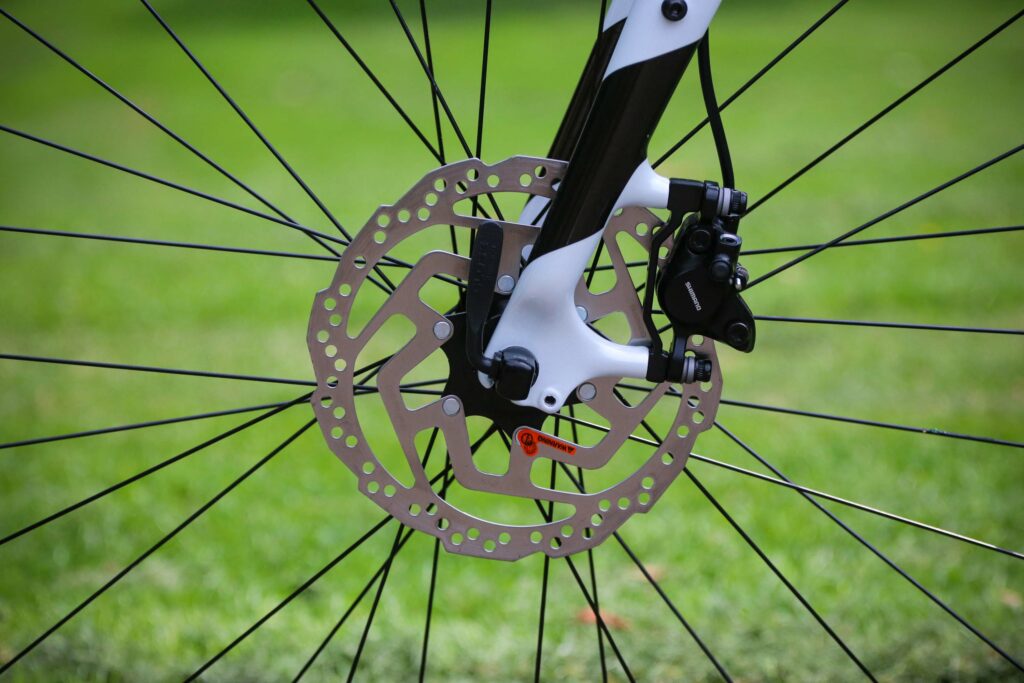
The Speeder 300 is quick and efficient and the ride quality is very good. Merida has done well on the budget too; you get a lot for your money here, including Shimano Tiagra shifters and derailleurs, although Speeder models start at just £700 if you’d like to spend less.
Brompton C Line (£1,399)
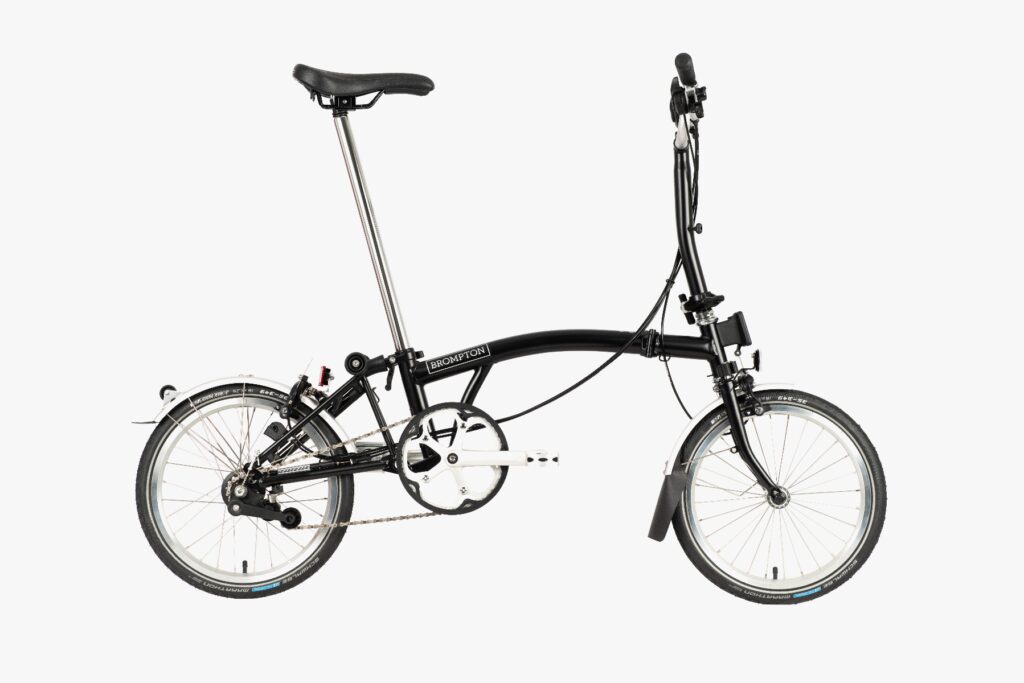
If your journey to work involves riding some of the way and also using another mode of transport such as a train or bus, a folding bike could be the best option for you. Folding bikes have hinges that allow them to collapse in seconds for easy transportation and storage, Britain’s Brompton being the most famous example.
The Brompton fold is a work of genius. You swing the rear wheel under the frame, fold the main frame, lower the seatpost/saddle, and fold the handlebar down. In under 20 seconds, you end up with a 585mm x 565mm x 270mm package that you can push or carry on public transport or in the boot of a car. You can also put it in a shopping trolley, take it into cafes, pubs and restaurants or stick it under your office desk, and that all means there’s less chance of it getting stolen.
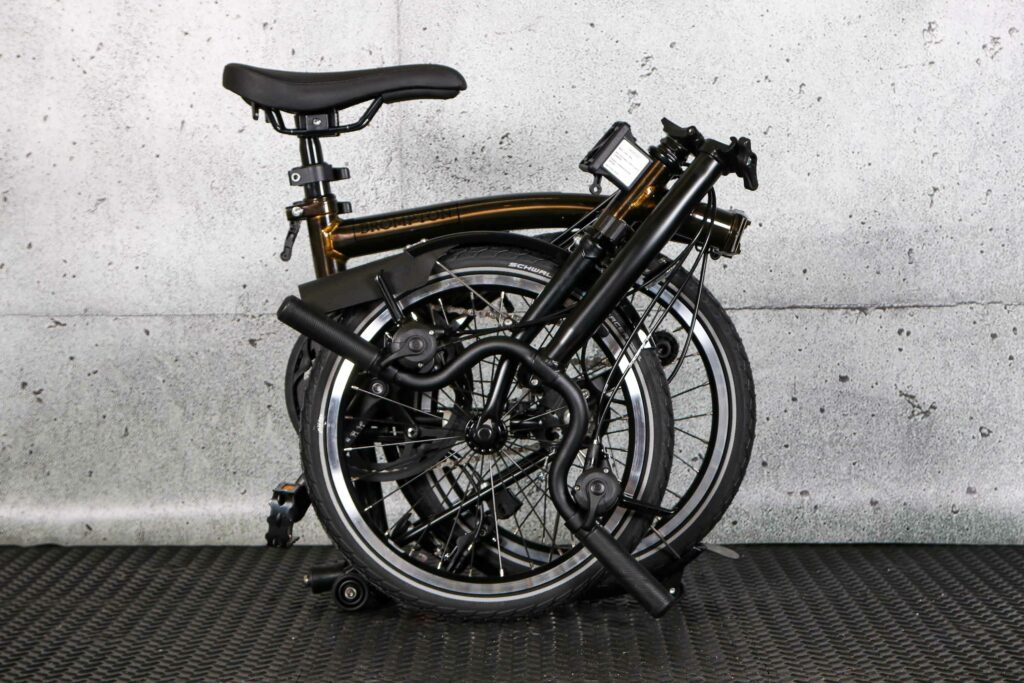
The last time we reviewed a Brompton C Line, reviewer Matt Swaine said, “The folding process is a cinch and tucking the left-hand pedal away is a chance to really savour what a design classic this is.”
Brompton offers various models in its lineup, including titanium options, but the C Line is steel. Matt described it as “the ultimate commuter” and “fiendishly nippy and a lot of fun to ride.”

The steering might feel a little twitchy at first but you soon adjust to that and see it becomes an asset for weaving through traffic and avoiding obstacles at the last second.
There are plenty of other folders out there, but none of them pack down as easily or as tidily as a Brompton. If you want to save some money, Brompton’s A Line offers the same folding system with prices starting at £999, and if you’d like to get some electrical assistance, there’s a whole range of Brompton e-bikes.
Orbea Diem 10 (£5,199)
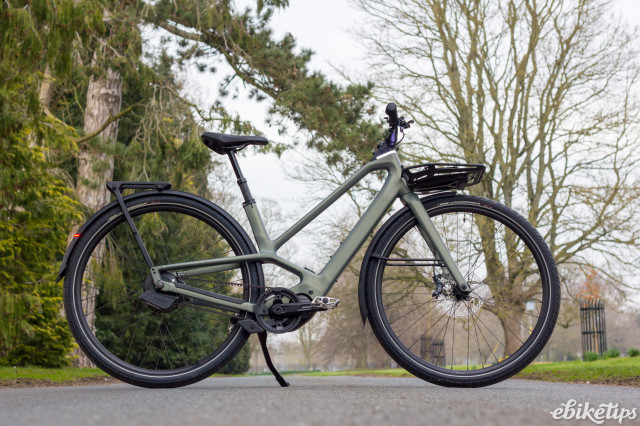
We know what you’re thinking: five grand is a lot of money to spend on a commuting bike. You’re absolutely right, of course, but the Orbea Diem 10 is an exceptionally good urban e-bike that’ll get you across town quickly and efficiently, and there are less pricey options in the range. The electric assistance will be especially welcome on long or hilly commutes.
A commute to work by bike needn’t to be tiring, and an e-bike is the logical choice for many. You still pedal but with the motor doing a lot of the work, meaning that you can save energy and not get too sweaty.
An e-bike ride can be a really enjoyable experience. Having the helping hand of a motor makes a big difference when you’re stop/starting at traffic lights because it means you can accelerate quickly and keep up with traffic in rush hour.
Yes, a bike like the Orbea Diem 10 is heavy, but it brings versatility with mudguards, lights, and carriers at both the front and rear – a great idea for those longer commutes where you don’t want to be carrying a backpack. You also get useful extra features like a kickstand and a dropper seatpost.
The Diem 10 is equipped with Shimano’s EP801 mid-drive motor. This is one of the Japanese brand’s more powerful offerings, typically seen on eMTBs. It’ll assist you up to speeds of 25km/h – the legal maximum in the UK and EU. Paired with a 630Wh battery (reviewer Rebecca Bland got around 80 miles per charge, and there’s the option of a 252Wh range extender), it’ll easily handle hills, headwinds and heavy loads. The added electric boost might even tempt you to take the long route home when the sun shines.
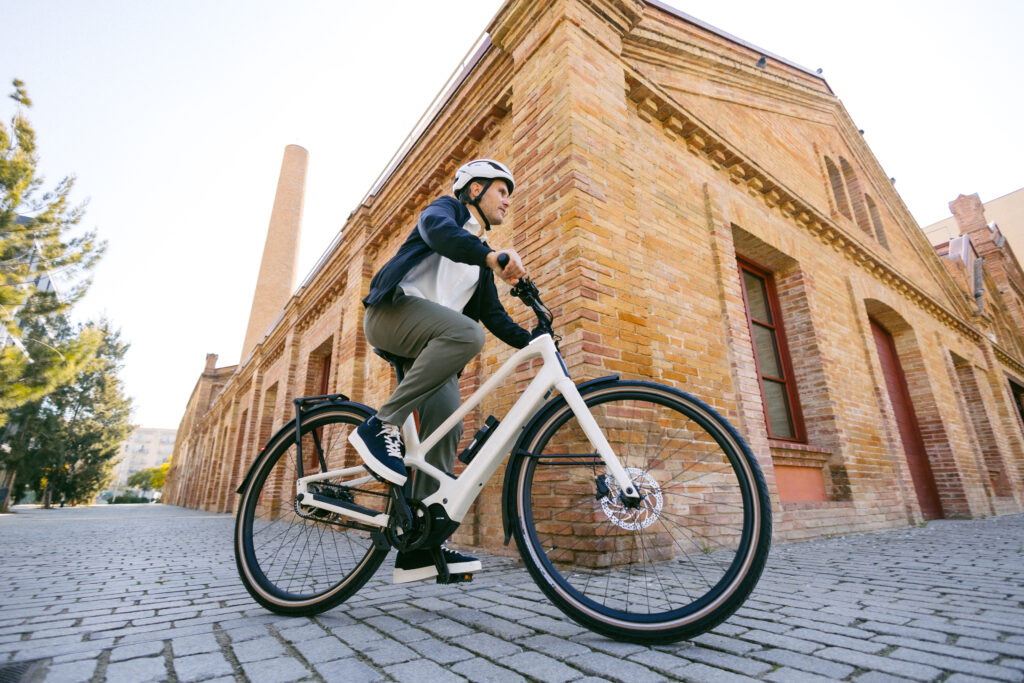
The Enviolo Automatiq gear hub works well, responding to your cadence when you want to get the bike to shift up or down. You can also customise it through the Enviolo app.
The hub shifts down when you stop. This means you don’t need to push a hard gear when you set off again – and it’s automatic so you don’t need to change gear manually to benefit from this.
The Orbea Diem 10 is the top-tier bike in the Diem hierarchy, and that’s reflected in the price. If you don’t want to spend this much, there are cheaper options starting with the Diem 30 at £3,399.
Accessories
If you’re cycling to work, here are various accessories that you might want to buy if they’re not already on your bike.
Mudguards
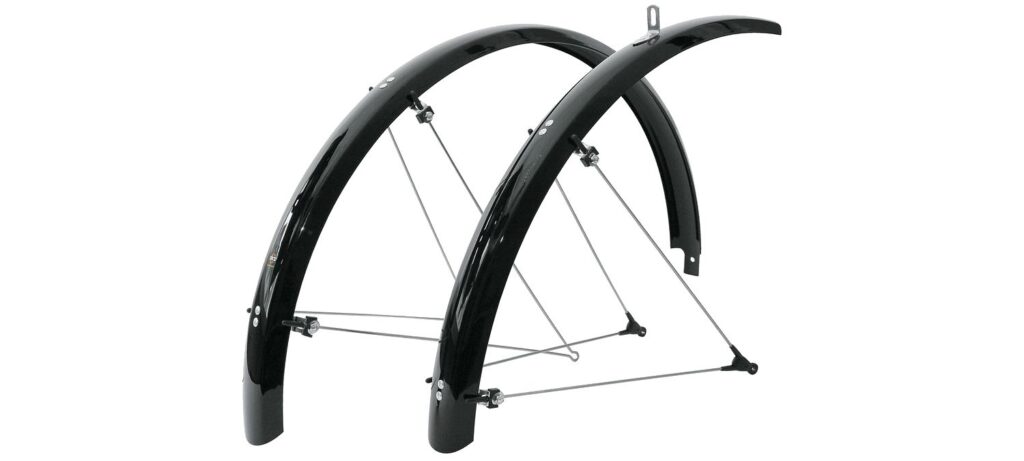
While rain is the enemy of anyone who rides to work, wet roads can be equally unwelcome. Bike tyres are incredibly effective at transferring water and mud from the road surface and chucking it all over you, your bike, and anything you’re carrying. Anyone who’s riding behind you is in the firing line too.
Mudguards stop all that. If you’ve never used mudguards, you might be be surprised at how much difference they make.
Racks

A lot of cycle commuters ride with what they need for the day in a backpack, but others find panniers mounted to a rack to be a more convenient option, especially for bulky and/or heavy loads.
Read our guide to the best bike pannier bags and pannier racks — our ultimate guide to all your cycling luggage possibilities.
Waterproof jacket
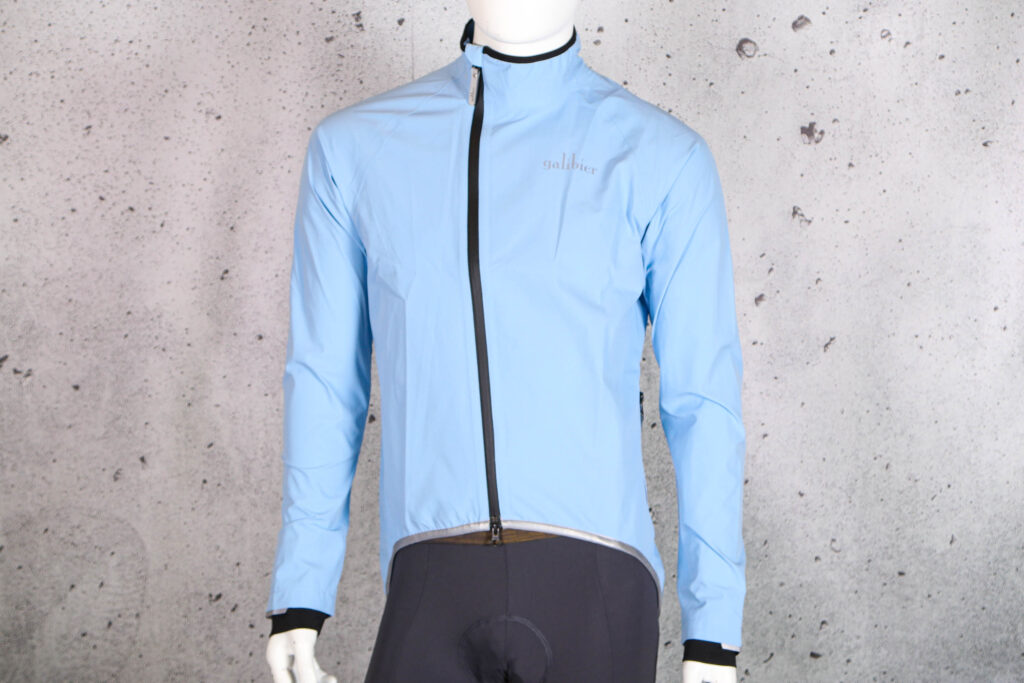
If you’re cycling to work, chances are that you’ll need to set off at a specific time regardless of the weather on any particular day. It will sometimes be raining when it’s time to go – sorry to break it to you but that’s the way the world works – and you’ll occasionally get caught in a shower mid-ride. Be prepared by arming yourself with a waterproof jacket.
Check out out guide to choosing the right waterproof cycling jacket to keep you dry.
Lights
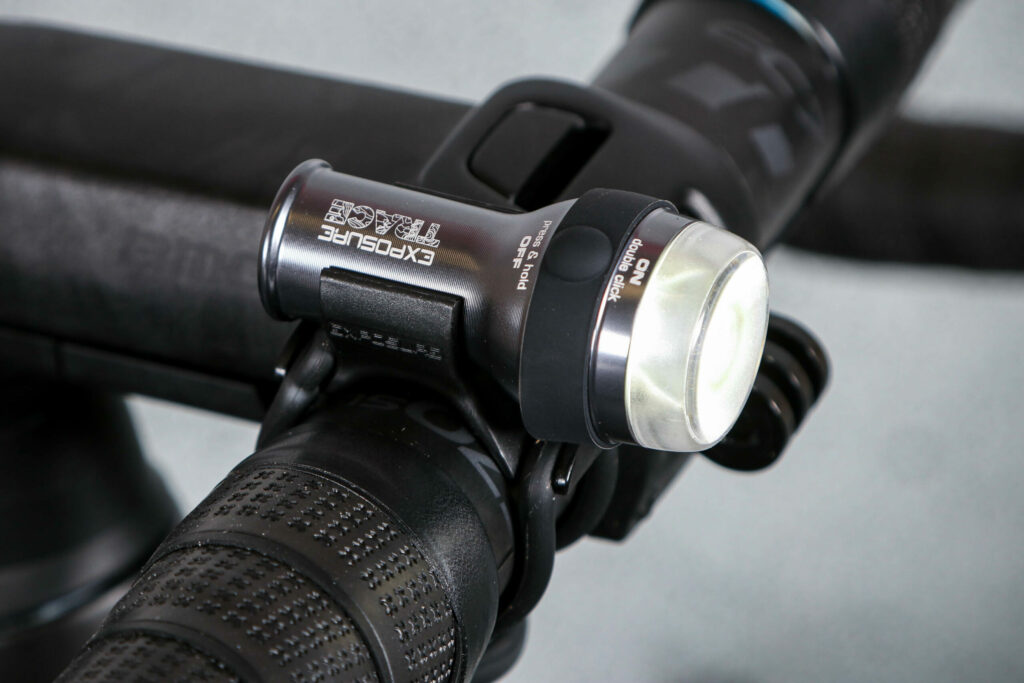
If you’re riding at night – or even on dull mornings and evenings – you’ll need lights to help you see and be seen.
Take a look at our ultimate guide to bike lights for road cycling.
Cycle to work initiatives
Even the cheapest of these bikes represents a fairly sizeable investment, so what can you do as a commuter before buying?
In the UK there are cycle to work initiatives, which are run through the company you work for. Essentially, there are different vouchers on offer for different values, giving you a pre-tax saving. The money goes out of your monthly pay packet, and you can save anywhere from 20-40% off the price of a bike, which is a great deal.
Hopefully this article has helped you see that commuting by bike can be easy if you have the right bike for your needs and level of fitness.
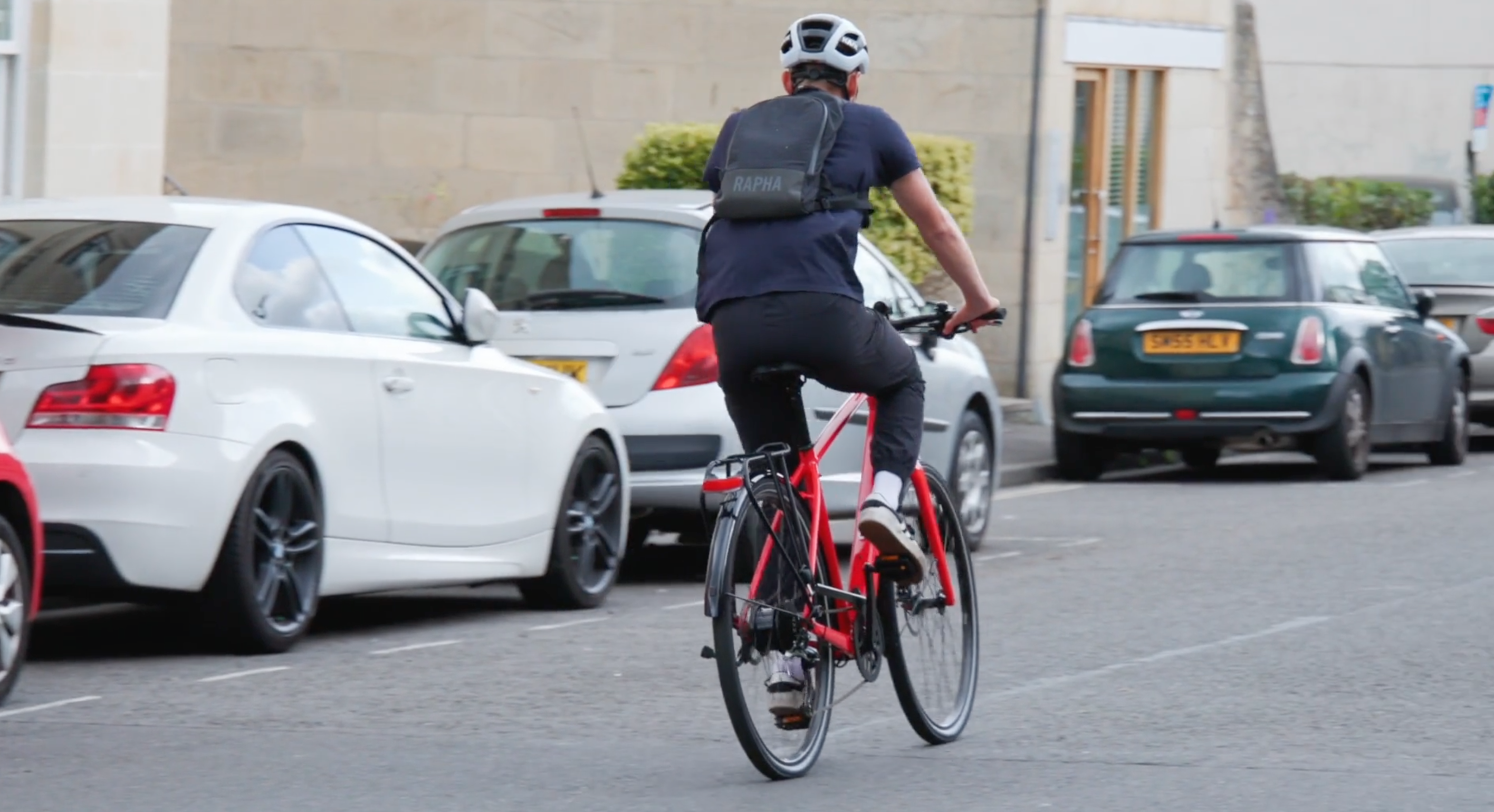
If you want more information on commuting by bike to work, get in touch with your local bike shop – they’ll be more than happy to help.












4 thoughts on “How to choose the right bike for cycling to work — what’s the best bike for commuting duties?”
I was a little disapointed that my favourite brand didn’t get a mention, but I guess we all have our preferences. My current commuting bike is a Boardman HYB 8.8:
https://road.cc/content/review/boardman-hyb-88-297867
With 5500 miles under it’s proverbial belt, it is doing me proud, and proving to be excellent value for money. I bought mine in the annual January sale at Halfords for around £680, which for me, was splashing out “big style”, practically double what I paid for my previous steed, a Boardman Hybrid Comp 2014 – stolen in the middle of the night…
Why doesn’t the review include any Dutch style bicycles where one is sitting upright and has handle bars that are bent to fit human bodies and their various articulations? Let’s face it, the Dutch are the experts about everyday cycling and commuting. Why not listen to them?
My main bike is a “practical bike” – albeit a rather fancy one with slightly less upright position and a bit lighter (a Cube Travel Exc). But in Edinburgh I’d still be reluctant to go “full Dutch”.
The “why do we see different bikes different places” is well covered eg. here:
… and the “why they’re good *for the conditions*” here:
https://www.aviewfromthecyclepath.com/2009/01/anatomy-of-reliable-everyday-bicycle.html
(And many other places eg. Notjustbikes has videos on that).
Well, they’ve got a Brompton AND that Orba looks fairly upright…
I’m guessing “because this is road.cc and tends towards the more sporty types”? Those on here who commute (and UK cycle commuters generally) are likely to tend towards “the fit and the brave”. For that use case less upright bikes can have advantages.
And… there *are* the “more upright bikes” being used … in the form of those hire ones (Lime, whatever the Boris bikes are now etc).