



Facebook Marketplace is a great place to pick up a bike for loads cheaper than you can buy one new… but, unfortunately, it’s also a place where nefarious types are busy trying to con you out of your cash.
In this article and video, we’ll take you through some top tips for staying safe when buying or selling bikes on Facebook Marketplace. We’re basing this advice around Facebook because it’s probably the biggest online marketplace for bikes right now, but most of this stuff applies wherever you’re looking for a bargain.
We’re sticking mostly to what you should and shouldn’t do when arranging to buy or sell through Marketplace here, and tips for spotting potential dodgies online. For a full comprehensive walkthrough on buying second-hand, including plenty of info on how to inspect a used bike before parting with your cash, head straight on over to our guide on buying a second-hand bike. If all this seems like too much faff and you’d rather buy brand-spanking new, we’ve got you covered too with guides to everything from road bikes under £1,000 to folding bikes for the commute.
Right, let’s start with some basic red flags…
NEVER pay for anything with an unusual payment method
Gift cards and wire transfers are favourites with scammers, as they’re completely untraceable.
NEVER click on a payment link sent to you by a seller. Always use a recognised payment app or website and go there yourself to sort out a payment.
NEVER believe a payment confirmation email from a buyer: always go and check to see that the money is actually there.
NEVER send an advance payment to ‘secure a sale’. Chances are you’ll not see that money again.
NEVER accept an overpayment
This scam’s as old as the hills. The buyer gives you a cheque for more than the value of the thing you’re selling, you pay the cheque in, refund them the difference, the cheque bounces, and you lose your gear AND some cash. Don’t fall for that one!
NEVER give a seller your phone number
…or click on any kind of ‘verification’ link they send you, scan any QR they send you, or forward on any verification code that gets pinged to your phone. All of these are normally attempts to hack your account. NEVER agree to move a conversation out of Facebook to somewhere else. NEVER allow yourself to be pressured into a sale.
…aaannnnddd breathe! Ok, let’s buy ourselves a bike.
Buying: the golden rule
Well, let’s kick off with the golden rule of buying second hand stuff. Sometimes people don’t know what they have, and okay, sometimes you can bag yourself a real bargain. But if something seems too good to be true… then it probably is, sorry.
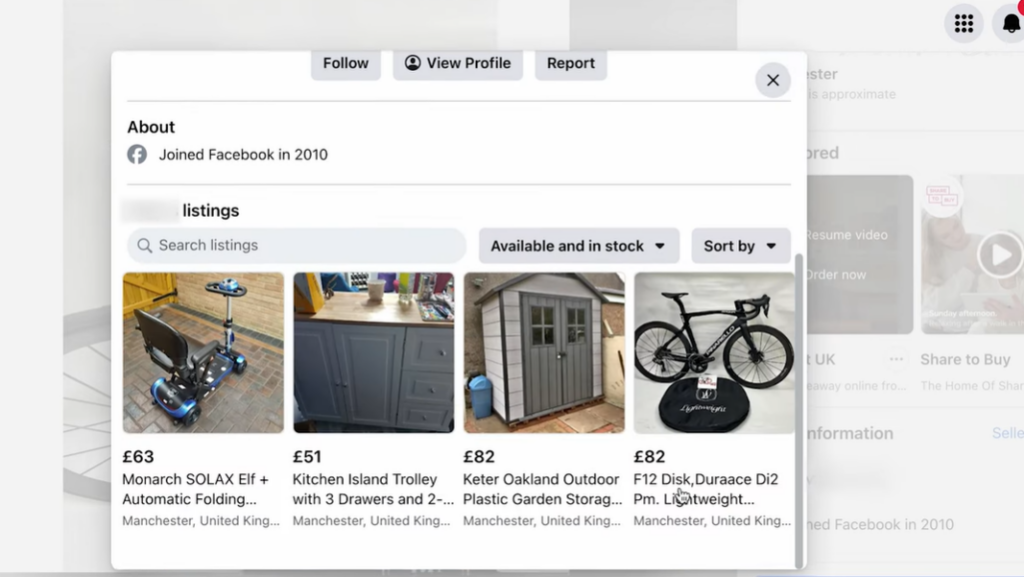
Don’t let your desire for cheap stuff cloud your judgement. Do you really think you’re going to get a ten grand Pinarello with Lightweight wheels for eighty-two quid, as we found on one of the fake listings we found on Marketplace? Come on.
But, say you’ve found a bike you like the look of on Facebook Marketplace and you want to know more. What should you do?
Check the user’s profile
The first thing you’ll want to check is the seller’s profile. Facebook has been around a long time, so most people’s accounts are a few years old at least. If the profile is very recent, and especially if it doesn’t have a profile picture, that’s an obvious red flag.
If the account is public, check for ‘normal person’ stuff going on such as the user posting to their account, or being tagged in photos from others. Someone selling a bike who joined Facebook in 2024 with no friends or profile pic is probably one to steer clear of.
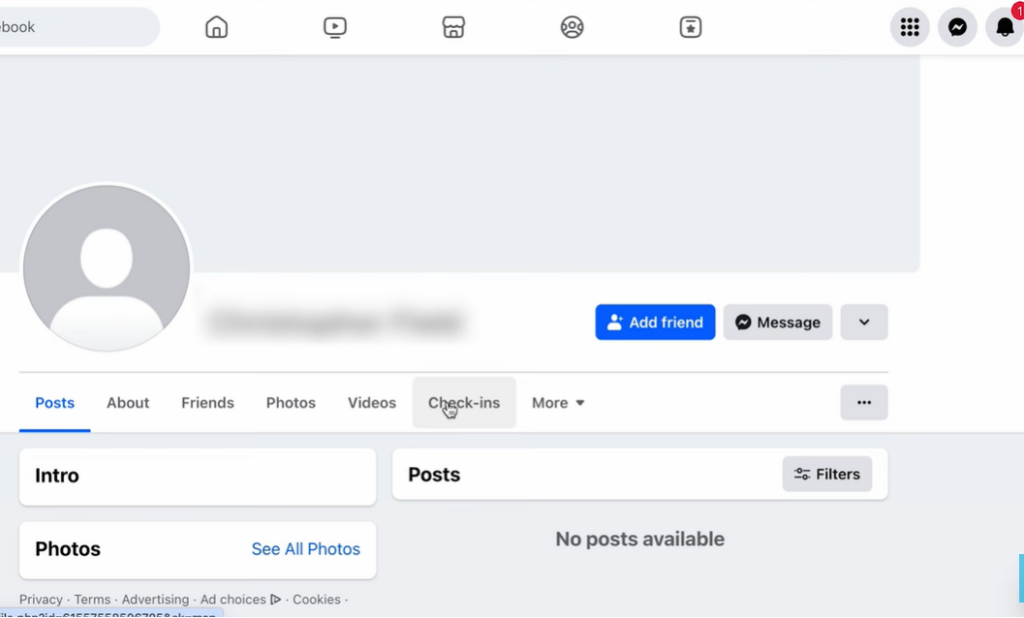
Check what else the seller has on Marketplace. Often scammers will have a range of stuff for ‘sale’, all of which looks very cheap, and all of which are about the same price. Normally this is somewhere in the £50-£100 range, which has obviously been hit on as the sweet spot for people taking a punt in the hope of snagging a bargain.
The profile we came across selling the Pinarello for 80 quid also had a mobility scooter, a shed and a kitchen island up for grabs. Except he/she didn’t, of course, have any of those things. It’s an obvious scam.
If any of this is the case with your seller, then walk away. And report them too, for the benefit of everyone else looking for Pinarellos, sheds or mobility scooters.
Check the listing
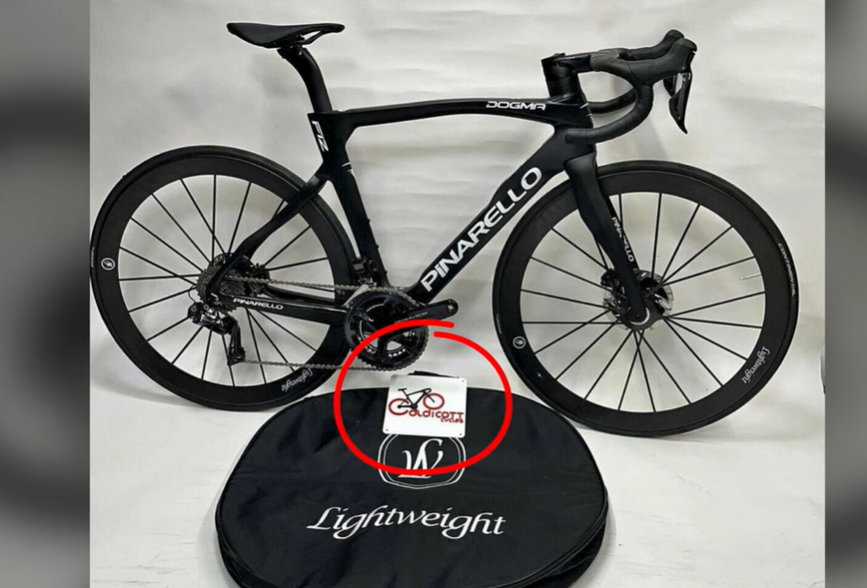
Next check the listing. Firstly, do a reverse image search on the images used in the listing to see if they show up anywhere else. The Pinarello we found had a ‘Coldicott Cycles’ logo, and a quick Google search of that shop brings up their website shop with expensive bikes at, well, normal prices you’d expect to see for high-end road bikes.
How much detail is there about the bike? A real listing for an expensive bike will almost always have genuine-looking pics, a bit of backstory about the bike, and a realistic price. Not everyone will add much by way of a description, but most people selling a posh road bike will, and even someone selling an old beater will normally make a bit of an effort if they’re genuine.
Assuming you’re happy that the bike’s a real sale, and you want to go further, then the next step should always, always be to…
Meet up in person
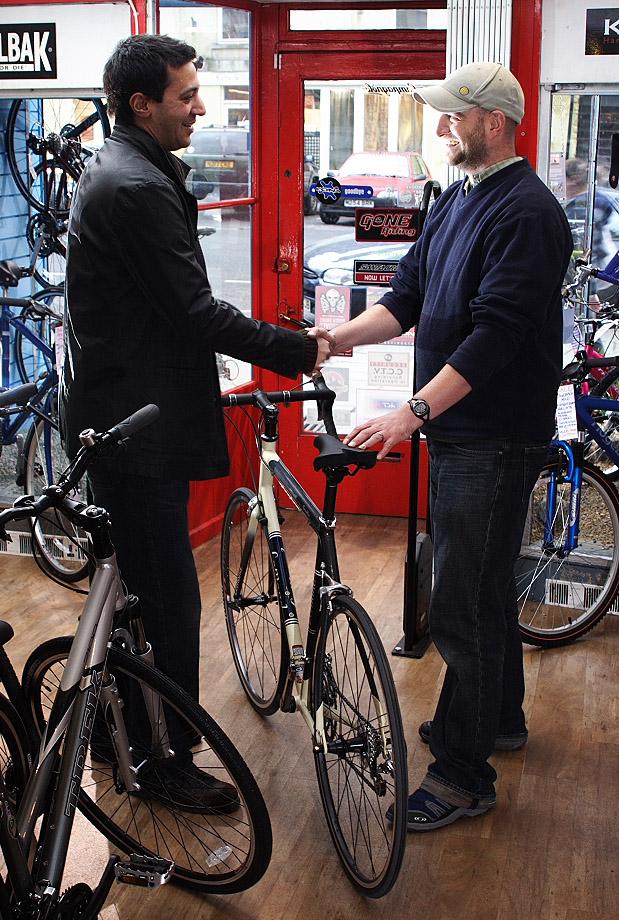
When you’re buying a bike, it’s so important to meet up in person, see the bike, kick the tyres and give it a ride round the block.
You get to meet the buyer and form an opinion about them. You get to see the bike with your own eyes, and you can check for things like crash damage or worn parts that might not be obvious in the seller’s pics. You get to try it out for size, and find out if the position is what you want.
Meeting up in person also protects you from a lot of underhand activity. Scammers pretending to sell bikes they don’t have will, obviously, not want to meet you. If you’re there with the seller and the bike, you can have a face-to-face chat about the price and the method of payment, which will protect you from many of the ways that bad actors try to get your cash without handing anything over.
Test riding is always a bit of a dance, to be frank. On the one hand, if you’re selling a bike you don’t want some rando just riding off with it, never to reappear. If you’re buying, you don’t want to hand over a pile of cash to someone only to find the bike is a wreck and they’ve scarpered when you get back.
If you’re buying, there are some things you can do to put a seller’s mind at ease. If you’re going to drive to a meet, then you can meet somewhere the seller can see you arrive in your car. That way they’ll know you’re coming back for it. Bringing a friend is a good idea too, who can stay with the buyer.
It’s best to set the ground rules for a viewing, especially if you’re buying an expensive bike. For instance, you can let the seller know that the first viewing is just that: a viewing. You won’t have money with you, and you won’t agree to buy. They may pressure you to make a decision, but if they do, you can walk away. There are plenty of other bikes out there.
We wouldn’t recommend handing over any cash before a test ride, or any form of security deposit like a car key or bank card, that could potentially be worth more than the bike to a scammer. Most sellers will be happy with something that’s personally identifiable, and a pain to replace for you, but not of any real value to them. A driver’s licence is good. Most people are reasonable and honest, and just trying to buy or sell stuff. But if you have any doubts, just leave. You’ll kick yourself if you were right and you don’t!
Paying for a bike in person
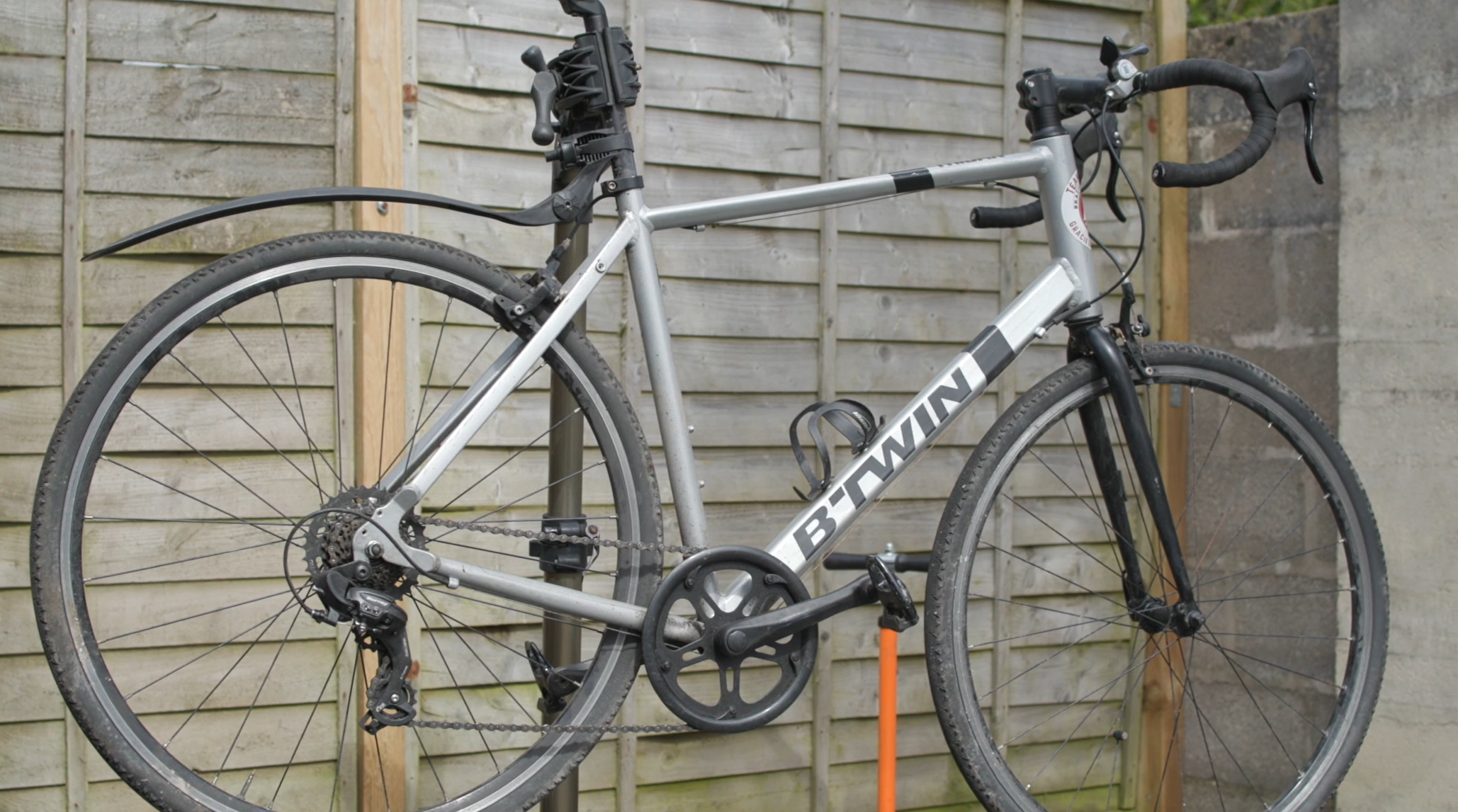
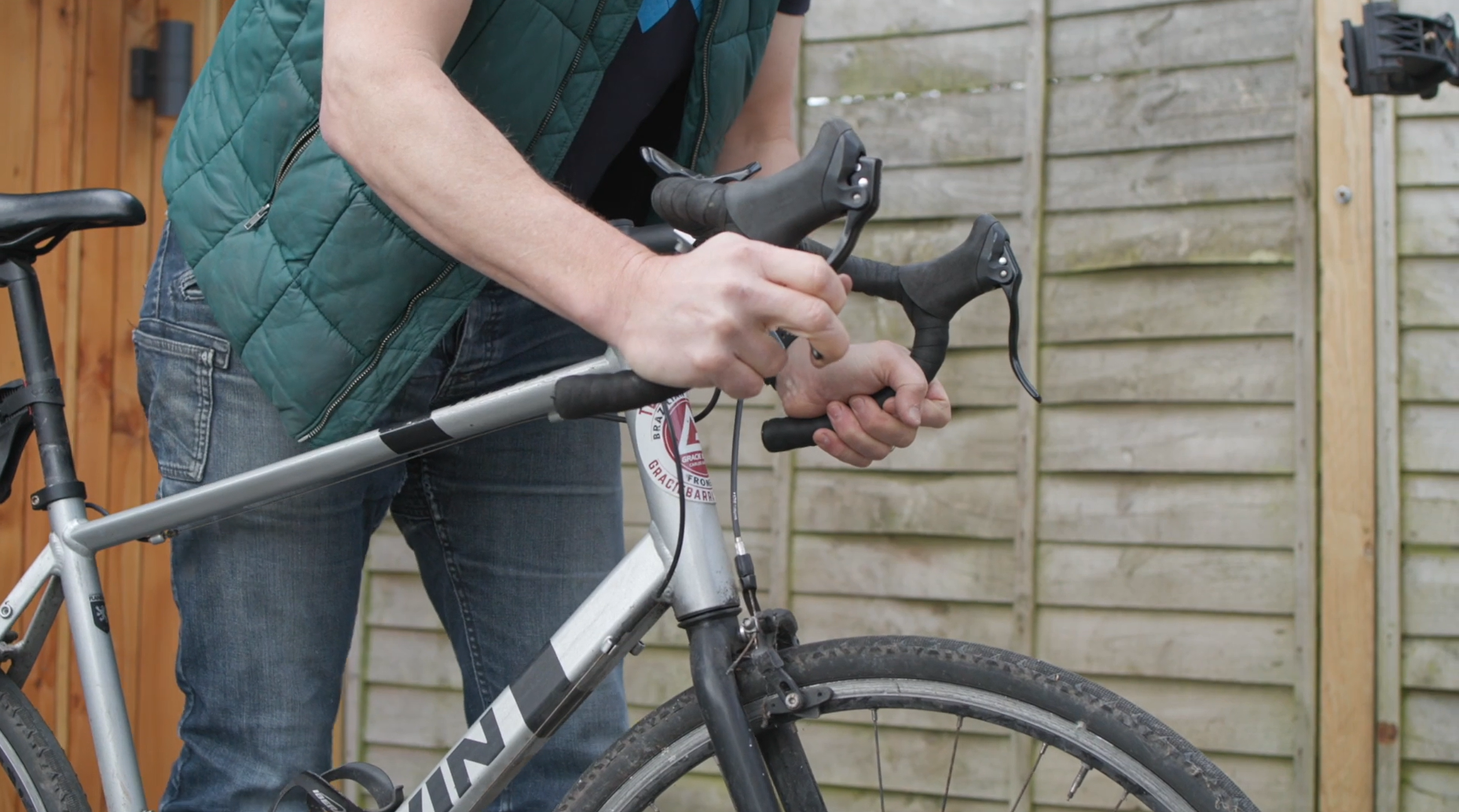
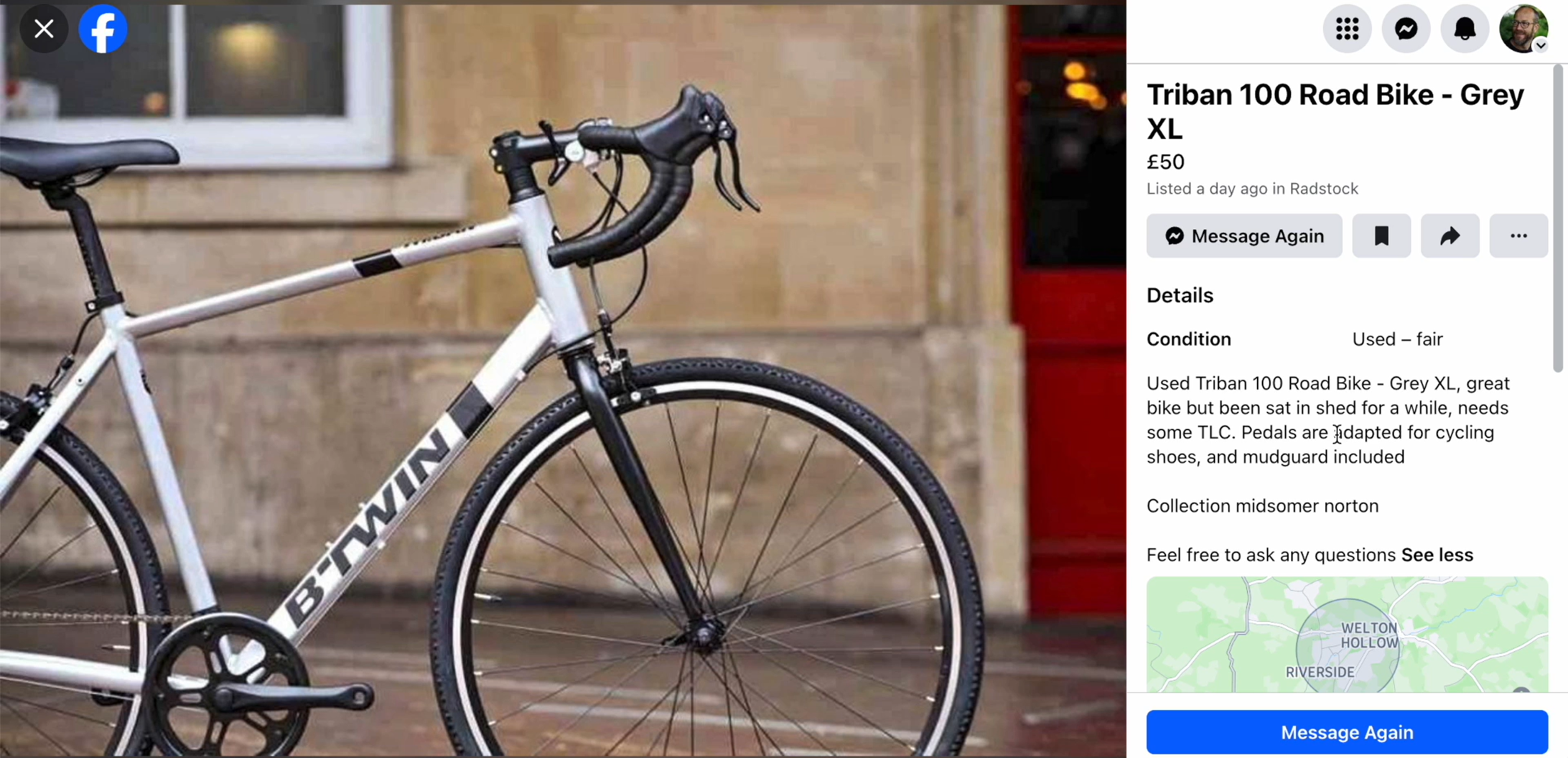
Obviously, if you’re meeting up with someone to look at a bike you can just hand over cash. Did I mention this beautiful Btwin I bought (above) was only fifty quid?
But: you don’t HAVE to, and there are some reasons you might not want to. If it’s an expensive bike, carrying a large amount of money can be risky, and if the person you’re meeting turns out to be not who you thought they were… well, let’s not go there.
Most people these days bank online, and most people have a banking app on their phone. For the most part, transfers are usually instantaneous. So one option is to transfer the cash electronically rather than hand it over physically.
Another option is to use PayPal. This can be a better option if you don’t fully trust yourself to spot problems with a bike, because if you use the Goods and Services payment method then there’s a dispute resolution system. It’s not free, but if you’re up-front that this is what you want to do, then you can thrash out who’s going to pay the fee. Maybe you can split it, or even if you end up paying it’s not a big extra bill on top of the bike cost for some peace of mind.
Buying remotely
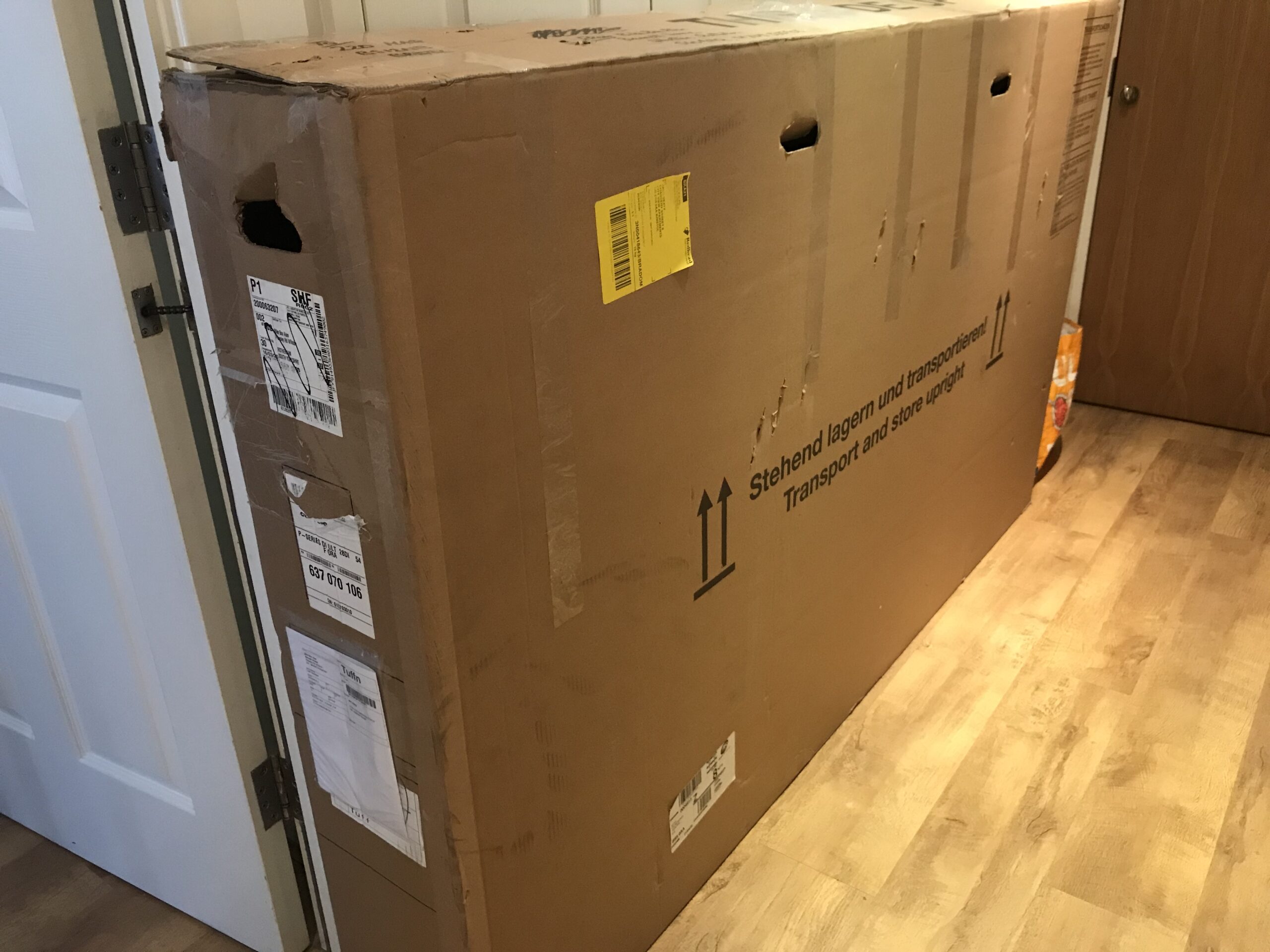
What if you really want a bike, but it’s not practical to meet up? You might find exactly the bike you’re looking for at a great price at the other end of the country. What then?
Obviously buying remotely introduces you to more risk. You can’t look at the bike in person, and you have to get it delivered to you. It might get damaged in transit, or just not show up at all. In the UK there are distance-selling laws that protect you in some circumstances, but they mostly don’t apply if you’re buying second-hand from a private individual.
Also, the test ride dance is replaced by the postage and payment dance. If you’re selling, you’re going to want to see the cash before you send the bike, and if you’re buying you’re going to want to see the bike before forking out the cash. It’s for you and the seller to thrash out the details there, but here are some top tips.
Firstly, always use a payment method that offers you some protection. Again, PayPal Goods and Services is an obvious choice. Many buyers, even honest ones, will ask you to do a ‘friends and family’ payment because there are no fees, but that offers you no protection at all if the sale goes wrong. You’re basically just handing over the cash.
If your seller will allow it, we’d definitely recommend organising the postage yourself. That way you’re in charge of the whole process and you can be sure it’s legit.
Whichever way you’re doing it, make sure that both you and the seller have all the tracking information. Make sure that there’s enough insurance to cover the cost of the bike, and factor this into the price you’re paying. It can increase the postage costs quite a bit for a more expensive bike.
Ask the seller to provide you with photos of the bike being packed, and also when it’s fully packed. If the box is obviously damaged when it arrives, these could prove invaluable if you have to make a claim.
Selling
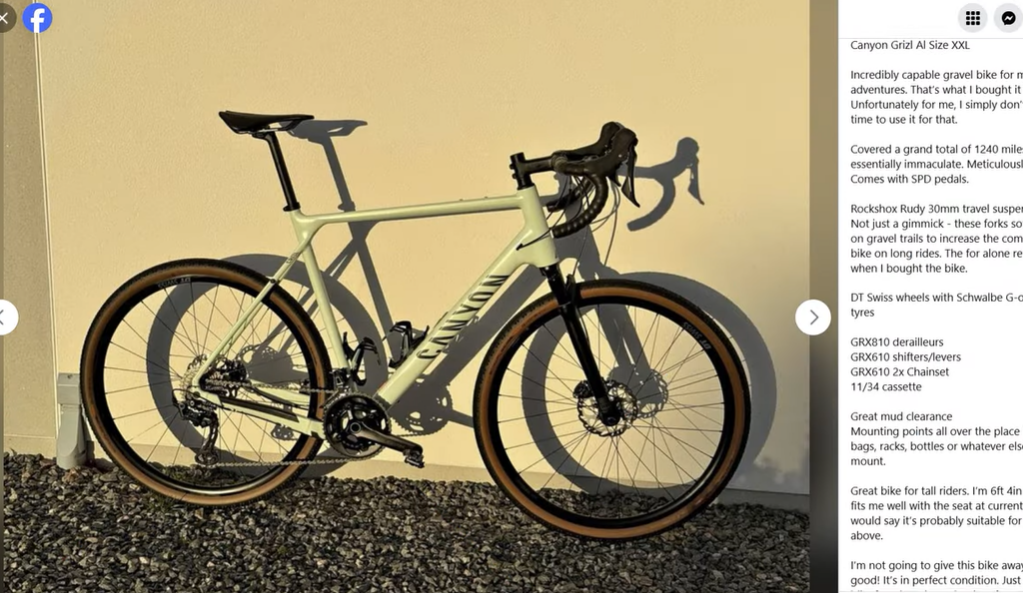
If you’re selling a bike, rather than buying, then really most of what we’ve said already still applies, but obviously the boot’s on the other foot.
Try to make your listing detailed and honest, and use your own photos, and plenty of them. Be as helpful and as open as you can with prospective buyers. Find a local buyer if possible, who’s willing to meet up to see the bike, and make sure that you protect yourself if you’re offering a test ride, and when you’re sorting out payment.
If you are posting a bike, make sure you find a sturdy box for it, and pack it as well as you possibly can. Your local bike shop will probably give you a box, or sell you one for a few quid.
Take photos and share them with the buyer. Use a payment method with a dispute mechanism, and a tracked and insured courier service that you trust. If the buyer is organising the courier, check the tracking details and address with the courier when they arrive. If you can’t confirm them against what you have from the buyer, don’t let the bike leave. It’s better to be safe than sorry.
If you’re careful, then buying second-hand is a great way to get lots of bike for your money. Got any more tips? Stick them in the comments below!














7 thoughts on “How to buy a bike on Facebook Marketplace — don’t get scammed with these key dos and don’ts for buying a pre-owned bike online”
I have bought and sold loads
I have bought and sold loads of used bicycle stuff and whole bicycles as you can occasionally find some great deals, but I am hesitant to buy something without seeing, let alone paying for it in advance.
I have noticed though that in UK the difference between new and used kit can be extravagant sometimes. It is amazing that Dave bought a whole bicycle for less than a fancy bottle mount (that is the most ridiculous thing for me that can cost more than 50 quid, but open to hear better examples).
Nothing here about checking
Nothing here about checking that the seller actually owns the bike they’re trying to sell you, and hasn’t just ‘recently acquired’ it?
Exactly this, we all worry
Exactly this, we all worry about our bikes getting nicked. They only do it because they think they can sell it. Doing that quick and cheap through FB or Gumtree is a favoured method. Apart from the moral issue, if the bike does get traced you have no money, no bike and no comeback.
FWIW I have bought and sold quite a bit via ebay, and I look for descriptions as I would write them i.e. lots of detail and honest appraisal of condition. The one time I didn’t do this I ended up with a chainset where one of the chainrings was the wrong BCD with a missing bolt to allow it to look like it fitted. I grumbled at the seller, gave them a low score, but mainly kicked myself for buying something with minimal details/ photos. The cost of replacing the ring with the correct one trebled the cost of the purchase.
Surprised there’s no mention
Surprised there’s no mention of the ‘courier to collect’ scam – it’s rife on Facebook.
http://www.mumsnet.com/talk/_chat/4886857-what-is-the-scam-with-facebook-marketplace-collections
I would definitely second the
I would definitely second the warning to use the Paypal “Goods and Services” option for payment protection: a couple of years ago I was searching for a MacBook for a friend and found what seemed a very genuine seller who told me that as she was a student would I mind paying via the “Family and Friends” option so she could avoid paying any fees as every penny was important to her. Like a complete mug I said sure, I understand – inevitable result £200 out of pocket and no way of reclaiming the money from PayPal’s buyer protection programme. Nowadays if someone asks for a “Family and Friends” option I always offer to pay the fees myself (it’s only 2.9% so not going to come to a significant sum unless it’s a really expensive item), if they continue to ask for F&F payment after that it is the reddest of red flags warning that you’re dealing with a scammer.
This article and the comments
This article and the comments are very useful to many of us!
I think I have just been
I think I have just been lucky. I have bought a great .many thingss on eBay. Amongst them and bigger items have included two Carlton steel bicycles and I think over the years 6 cheap cars, 1 generator. Never been to see them, I have usually asked a question about the object. I have always found I have got exactly what I expected. I have either bought them via PayPal or cash on collection. The nearest to a bad deal I have come was with a car when it had faults which were additional to the faults listed. Fortunately for me it was an ignorant seller because the faults were very fixable and so even though there were 2 unlisted faults it took less than five minutes to fix one of them and hour to fix the other. So getting it £2000 below market value still made it a bargain.
I would say make sure you know as much about what you are buying as possible, make sure the one you are interested in is described honestly, does it match with what you expect for that make and model. Is it the right colour if not do they say why not. Check the background of pictures. Does the product fit with the surroundings. If a tidy £4,000 bicycle is it in a garden full of rusting metal or is in a well looked after garage or drive? If it is not photographed on private property be very cautious. If you are not happy with their description or if you have a question ask it. If they are genuine the answer will probably be more about answering your question than trying to sell their bicycle.
That’s my experience for what it’s worth.