


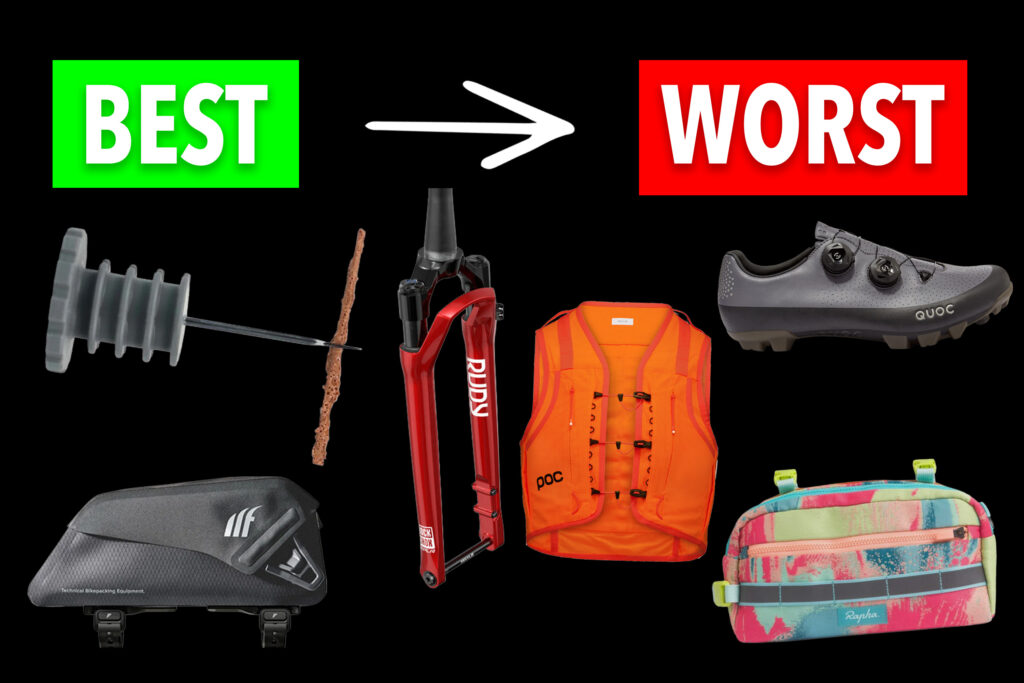

I quite like upgrading my gravel bike, and I bet you do too. Whether you’re chasing a faster average speed, trying to make the bike more “sendy,” or just looking to carry more snacks, the aftermarket is a goldmine (or minefield).
But let’s be honest: some upgrades make a massive difference, while others are just a fancy way to lighten your wallet. To save you some cash for coffee and cake, I’ve ranked the most common gravel upgrades from ‘Top Tier’ to the ‘Don’t Bother’ D-grade.
Tyres — top tier
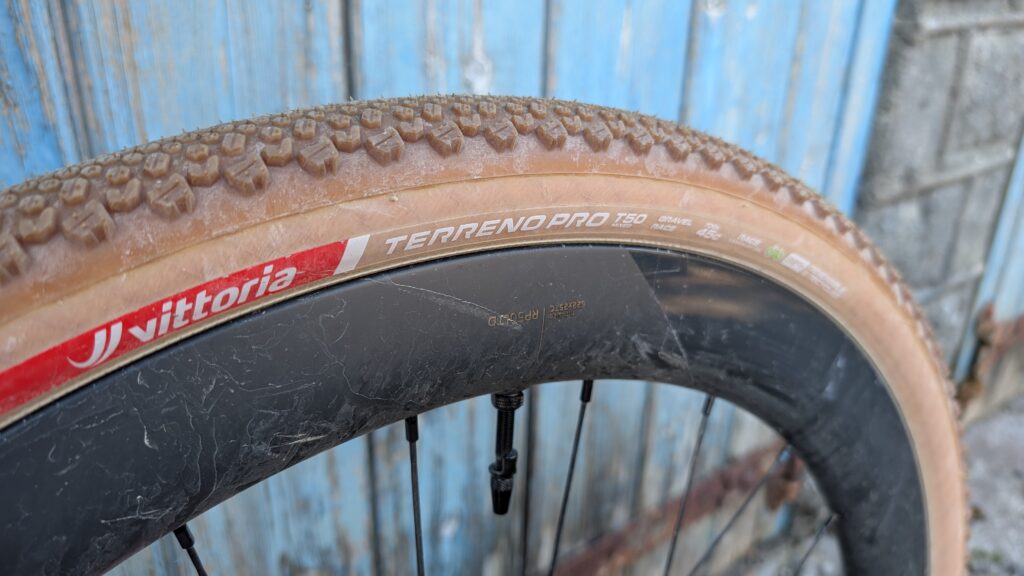
We’re starting here because tyres dictate a massive portion of your ride quality. Your choice essentially decides if you’re riding a sluggish tractor or a nimble rocket.
A Schwalbe Marathon Plus is legendary for city commuting and puncture protection, but it’s absolute rubbish for speed. Meanwhile, something like the Vittoria Terreno T90 is a winter hero but feels like riding through treacle in July. On the flip side, a super slick summer tyre won’t be much use in the mud, so choose a tread pattern and construction based on your intended use.
And then you need to consider tyre width. Some riders swear by fast XC MTB tyres, while others basically want high-volume road slicks.
Tyres are always at the top of my list when I’m considering an upgrade. I’m always happy to drop money here because it’s the single most effective way to tune your bike’s personality.
Frame facing — top tier
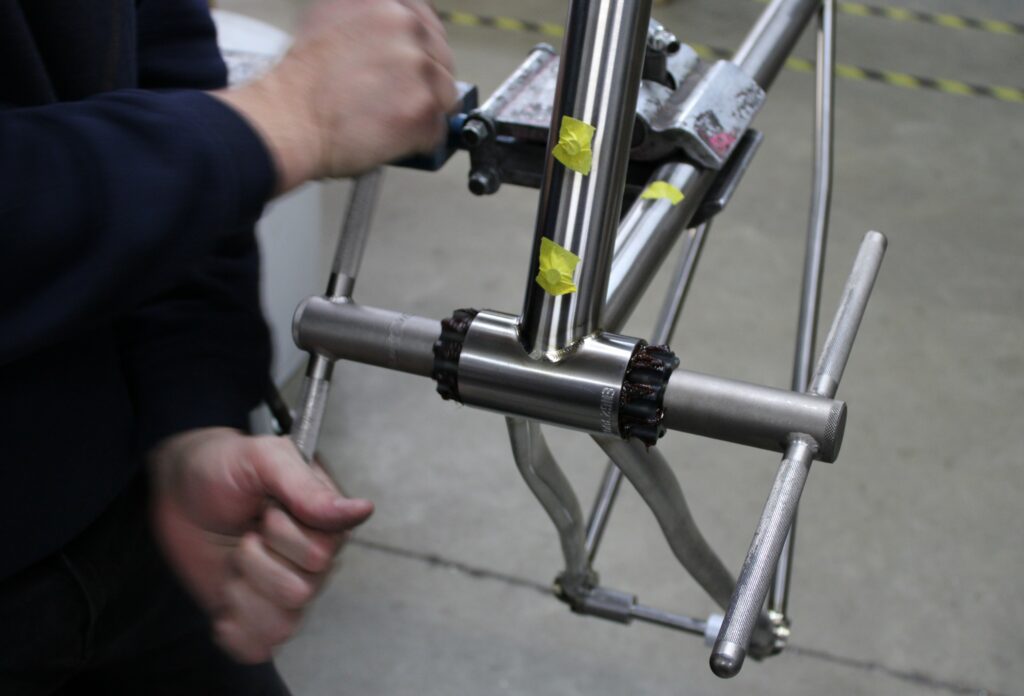
A bit of a curveball, this one. Frame facing involves using a precision tool to flatten the surfaces of your frame and I consider the bottom bracket shell and brake mounts to be an excellent upgrade to any bike.
Most frames—even high-end carbon ones—aren’t perfectly flat out of the factory. Don’t get me started on how bad that is, but it is worth putting right. Your BB bearings will last significantly longer because they aren’t running askew, and your brakes will actually stay lined up with less rotor rub.
Visit a proper bike shop for this one, because the tools for this job are expensive and they need to be used well. It’s a ‘once-and-done’ upgrade that saves heaps of mechanical heartache.
Bar tape — top tier
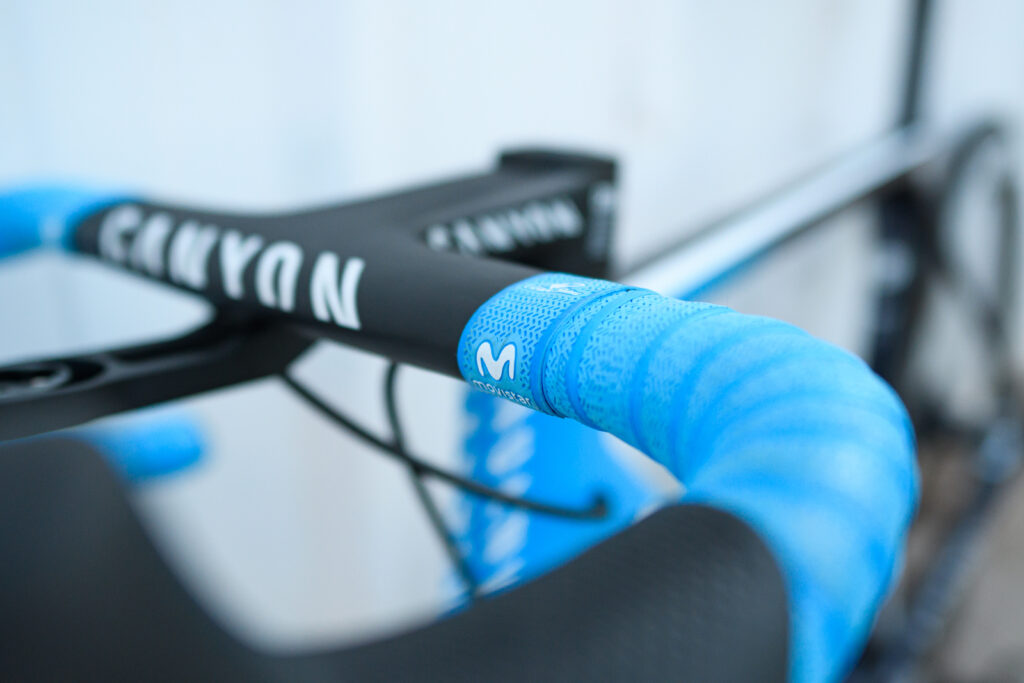
Looking for a “new bike feel” for the price of a few inner tubes? This is it.
Fresh tape brightens up the front end and can significantly increase grip and vibration damping. Plus, it’s the easiest way to add a bit of personal style to the cockpit.
Mudguards — top tier
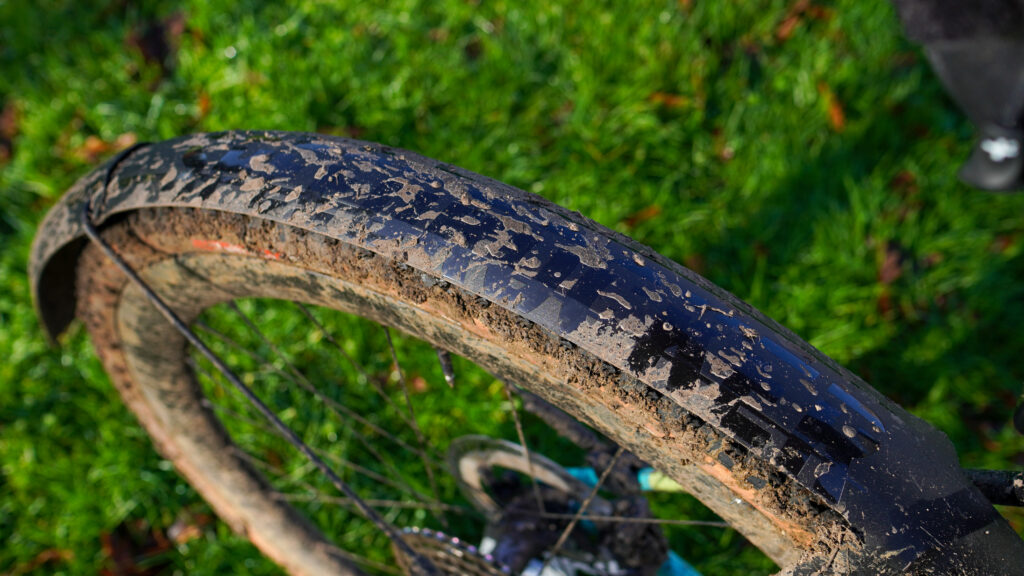
Call me a roadie at heart, but these are essential for winter. Keeping your legs and backside clear of grit and swamp water is a game-changer. The SKS Speedrocker XLs are the gold standard here—sturdy, easy to fit, and they actually stay put.
Tubeless plug tool — A
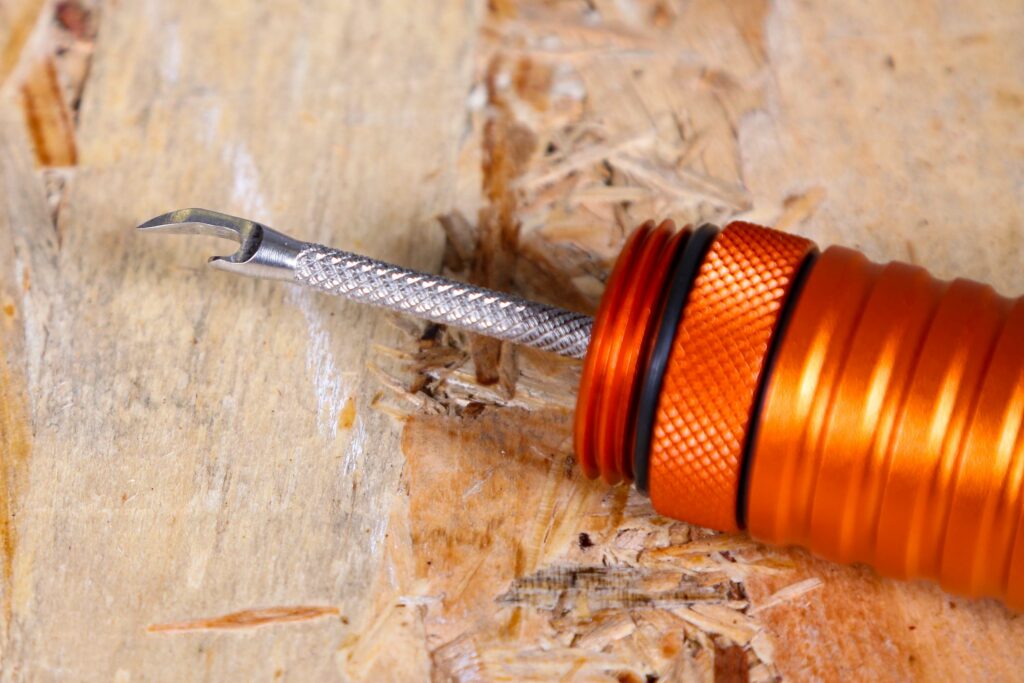
It’s not a matter of if you’ll puncture on gravel; it’s when. Get a proper plug tool (and learn how to use it before you’re standing in a ditch in the rain). While you’re at it, make sure your saddlebag is actually stocked.
A boring upgrade, but you’ll thank yourself for sorting this.
Top tube bag — A
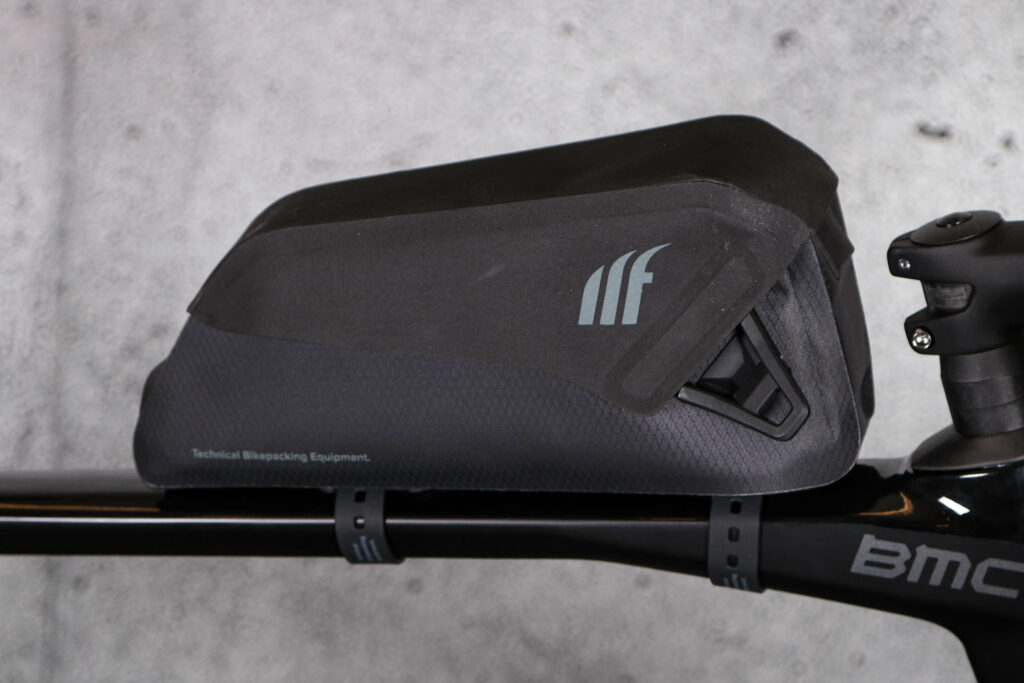
The humble top tube bag is superior to the bar bag for me. It offers quick, one-handed access to snacks and tools without interfering with your handling or your out-front computer mount.
Suspension fork — A

Yes, they’re heavy. Yes, they’re expensive and require servicing. But a short-travel fork (like the Lauf or RockShox Rudy) opens up terrain you’d usually avoid and gives you heaps more confidence on loose, chattery descents.
Electronic gears — B
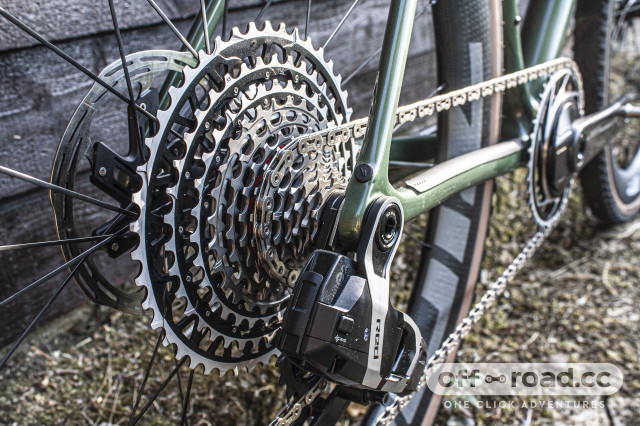
Don’t get me wrong, I love them. I have them on all my bikes. The shifting is crisp and perfect every time. However, they aren’t “needed.” Modern mechanical groupsets are so good now that electronic shifting is a luxury, not a necessity.
Aero socks — C
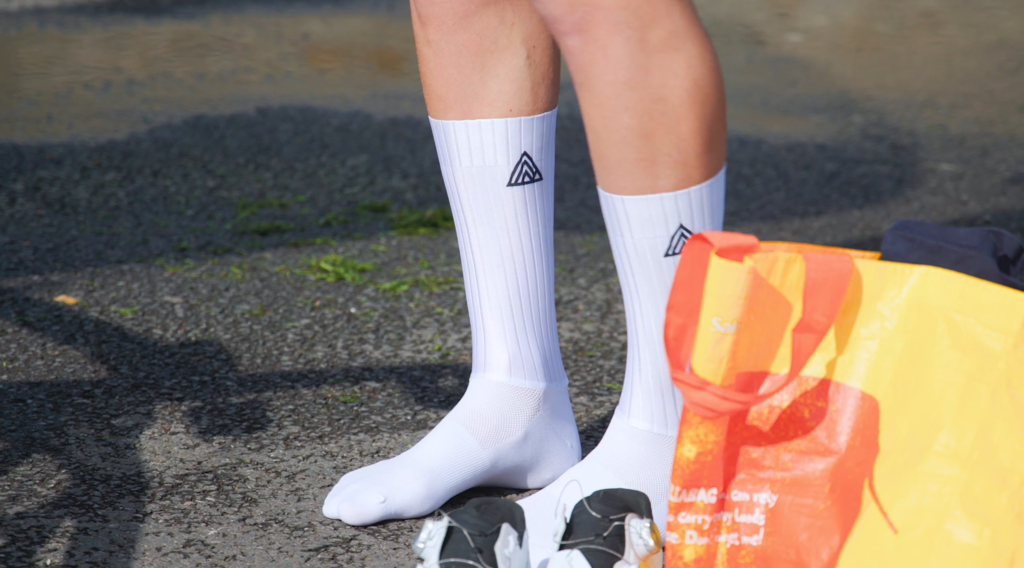
Surprisingly, these make a measurable difference in drag. If you’re at the pointy end of a gravel race like The Traka, they’re worth the cash. If you’re just out for a Sunday bimble? You can probably pass on these.
Hydration pack — C

Great for technical racing where you can’t take your hands off the bars to grab a bottle. I wore one for Traka last year and it was a lifesaver. The downside? They are a total nightmare to clean and dry out if you use anything other than water in them.
Gravel shoes — D
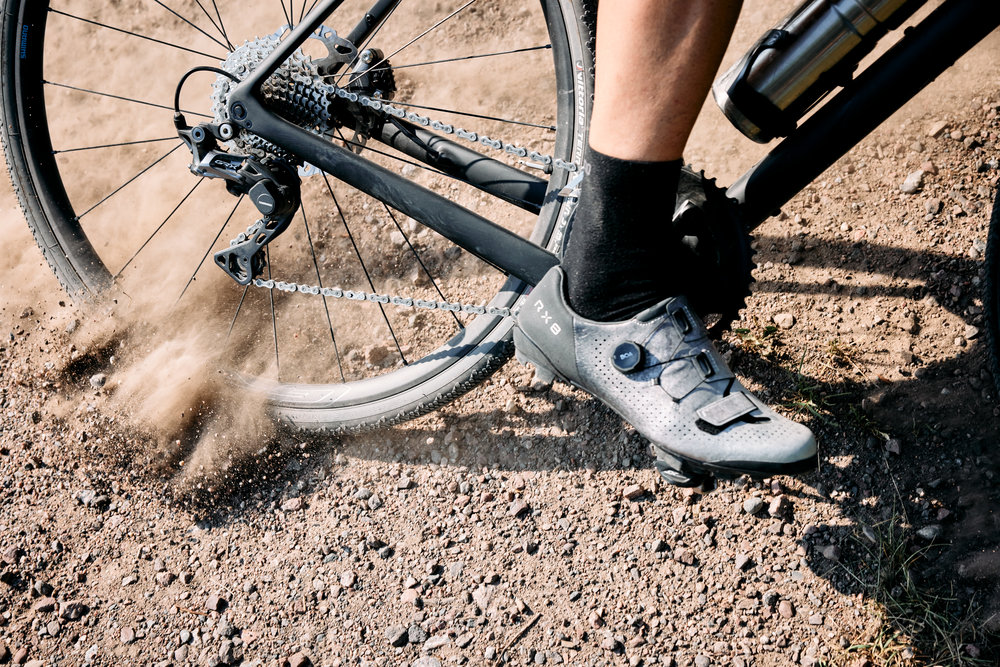
I’m calling it: I think it’s absolutely crazy that these exist. Most ‘gravel’ shoes are just XC MTB shoes rebranded with a ‘dusty’ colour and a higher price tag. If you aren’t planning on walking, you could just use road shoes. If you are walking, just buy MTB shoes.
Bar bag — D
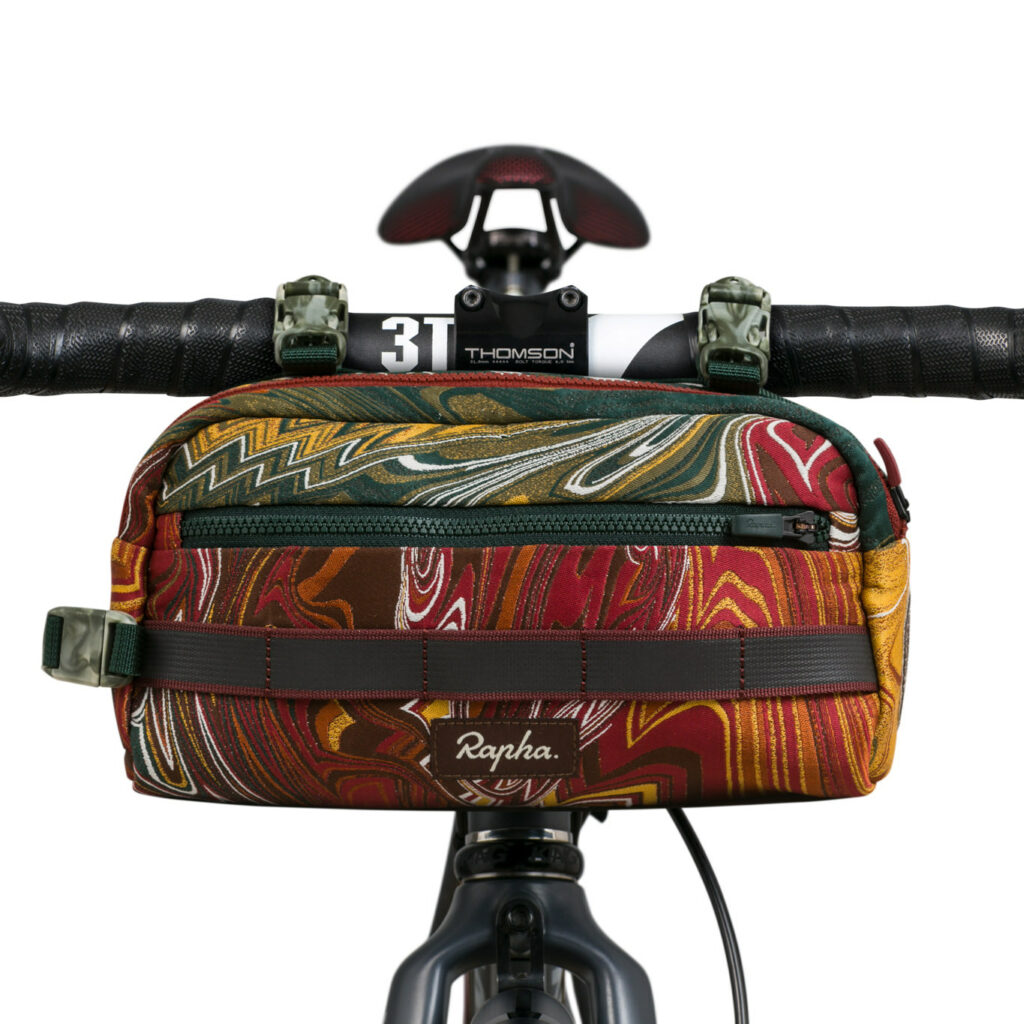
I just can’t get on with them. My computer mount makes them awkward to open on the move, and my Rapha one has a persistent rattle that drives me mad. Keep them for bikepacking trips where you need the space for a passport and a spare puffy jacket.
Power meter — D
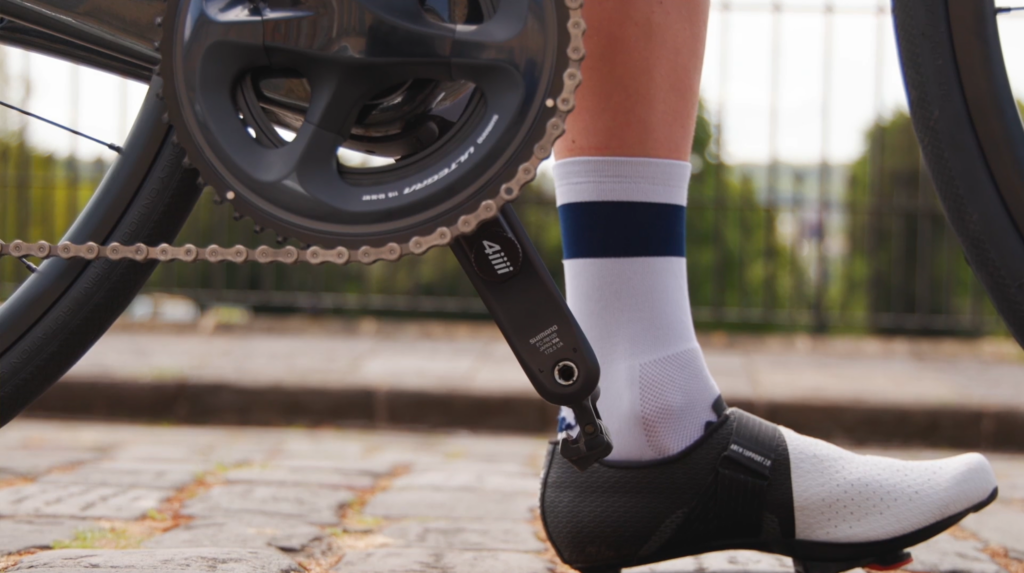
They are incredible tools for getting faster if you’re a data geek. But for me, gravel is about exploration, chasing mates down singletrack, and surviving techy climbs. Do you really need to see your 3-second average power while you’re trying not to bin it into a bush?
Carbon spokes — D
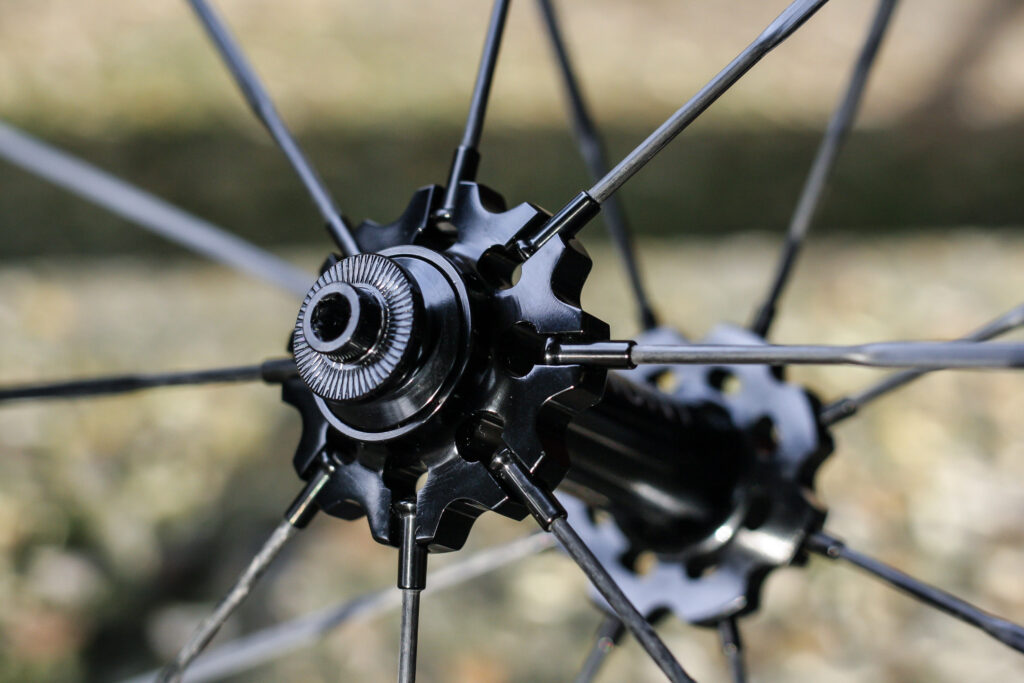
These make wheels incredibly light and stiff. On the road, that’s a dream—Yoeleo’s 60mm hoops climb like a mountain goat. On gravel, however, they can make the ride feel harsh and ‘pingy’. Unless you’re a pro racer, stick to steel spokes for the compliance.
A friend — top-tier
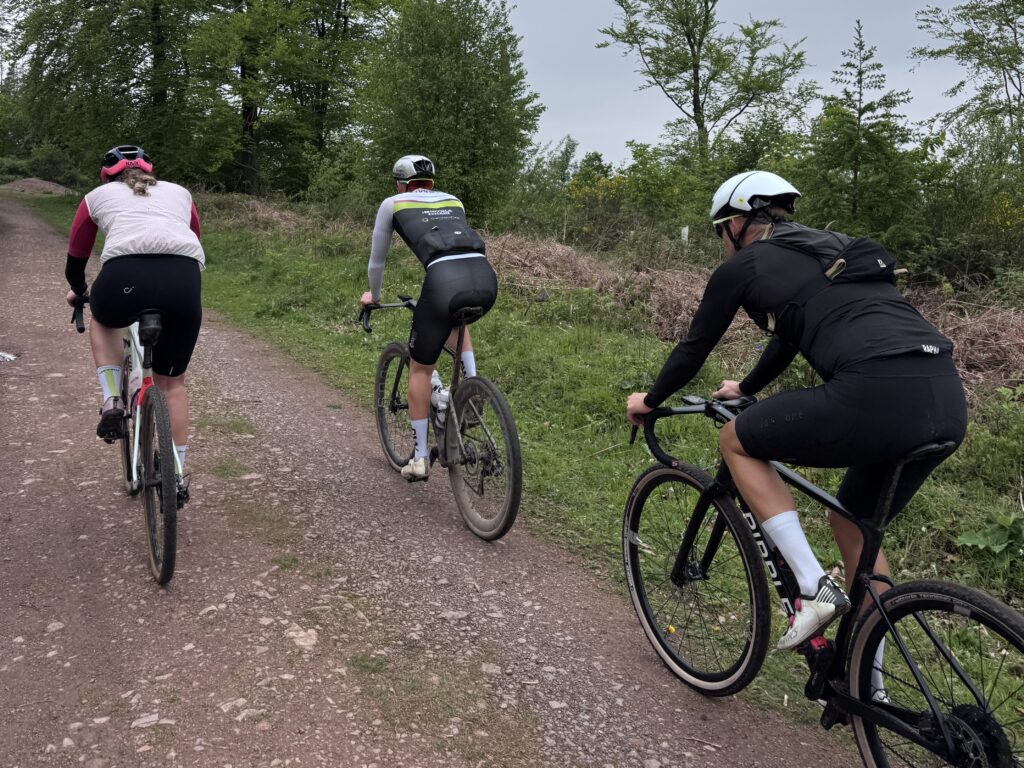
The ultimate upgrade. Bikes are better with company. A good riding mate can watch you crash, splash you through puddles, and most importantly, push you to ride that extra 10km when your legs are screaming.
They’re also there to lend you a pump when you forget yours.




















6 thoughts on “The best and worst gravel bike upgrades (according to Liam)”
Good article. But suspension forks… Presumably your frame needs to be suspension corrected otherwise you’re going to mess with the handling?
Many modern gravel frames are already suspension corrected to allow the fitting of aftermarket suspension if desired, I believe.
While it will make a difference to a frame that doesn’t have suspension-corrected geometry, the difference is marginal if you stick to a short travel fork that is designed for gravel riding.
If you decide to put on a 100mm MTB XC fork on a standard gravel bike, that is when things all start to go wrong.
I think you may have missed out a ‘p’.
Great article. I agree with most of the upgrades except the suspension forks.
Pretty much all the gravel suspension forks on the market have crazy service requirements. Lowers every 50 hours, full service every 100 hours on a bike that does 5-10 hours a week in the summer? No thanks
A suspension stem requires almost zero maintenance and makes a very noticeable difference to the ride. Add higher volume tires if possible and that’s my perfect gravel bike, capable and low maintenance please.
To be fair, those sort of service intervals are common across modern suspension parts – it’s not just gravel. Although agree it might be more of a burden on a gravel bike.
A suspension stem certainly helps with comfort, but I don’t think it delivers quite the same benefit as a suspension fork when it comes to dealing with technical terrain.