


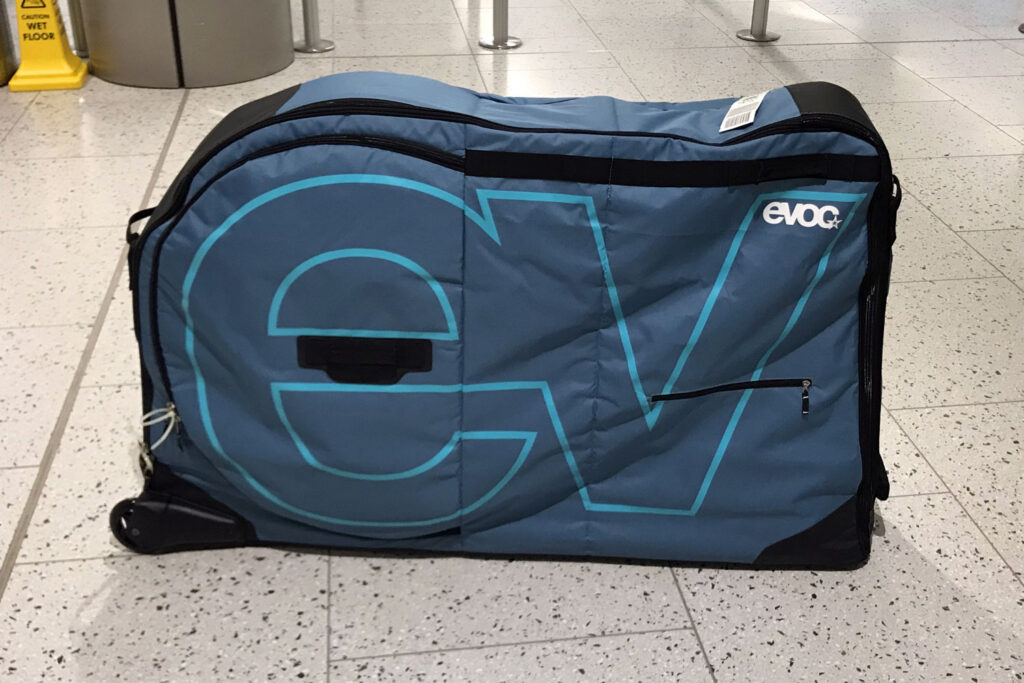

Flying with your bike doesn’t need to be stressful; with preparation and insider advice, you can breeze through the whole experience. Here are some of the most important issues that the road.cc editorial team has experienced and heard about, along with the best ways to tackle them. From packing tips to airline policies, here’s everything you need to know for smooth travels.
Bicycle insurance: compare quotes and find yourself a great deal to get your bike covered
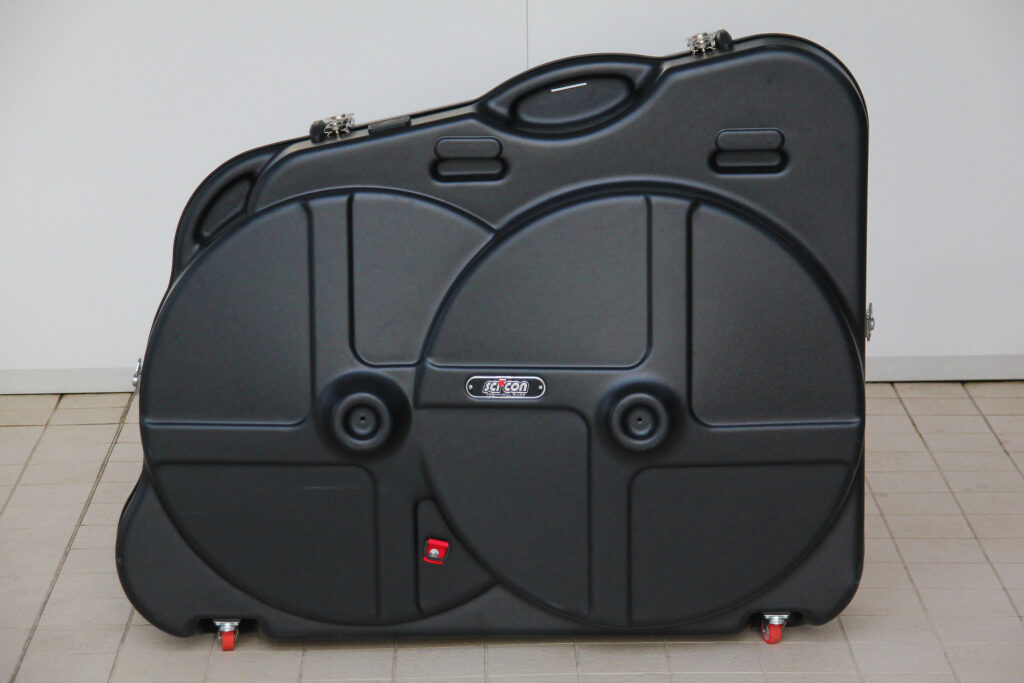
Give yourself plenty of time to pack your bike
Packing your bike might take longer than you think, especially if it’s your first time with a new box, so don’t leave it until the day you’re flying. Life’s stressful enough. Some brands have detailed instructions to follow or even online videos to help you get it right (Scicon Sports shows you how to pack its Aerotech Evolution on its YouTube channel, for example).
You can be more carefree once you’ve done it a few times.
Mark your saddle height
Mark your saddle height on your seatpost before taking it out of the frame. A pen mark, paint or piece of electrical tape around the post will do the job.
It just makes life a little bit easier on the other side without the need to take a tape measure.
Pack carefully
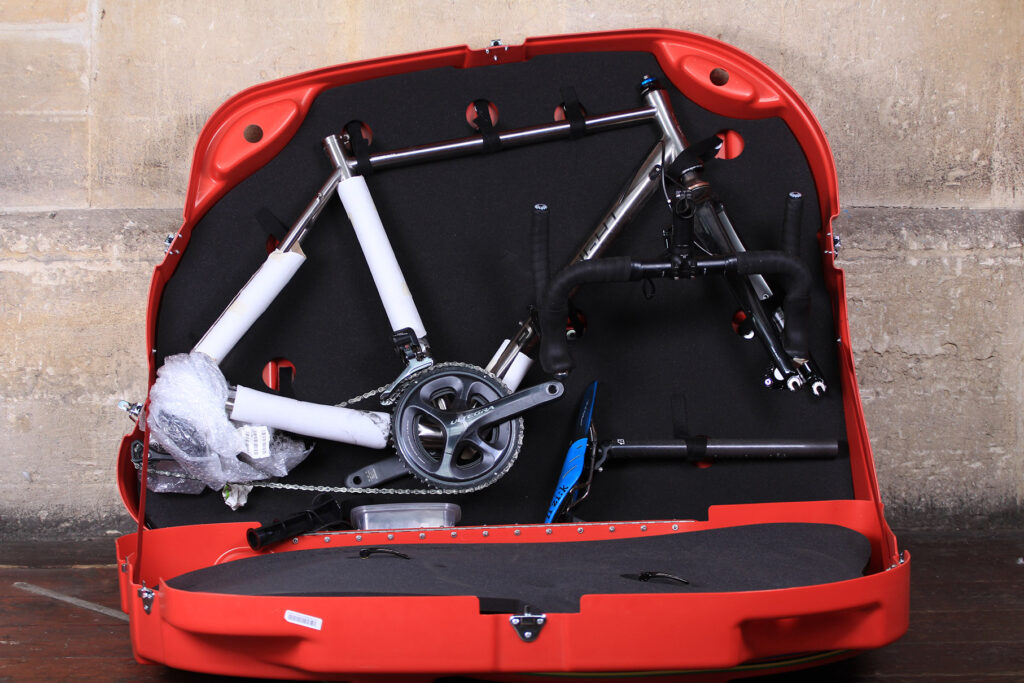
Arm yourself with loads of bubble wrap, foam pipe lagging (available cheaply from DIY stores), and tape (electrical tape is perfect), and cover up everything you can – frame tubes, crank arms, handlebar, stem, seatpost…
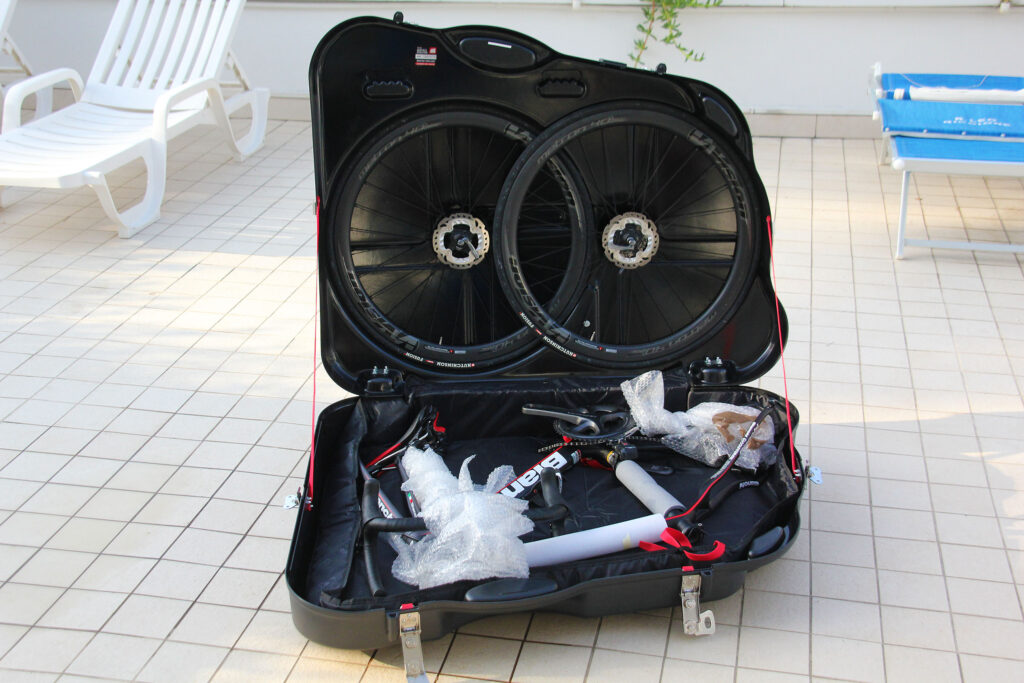
Pack everything carefully, and don’t forget that security could open your bike box to check what’s inside. There’s a good chance they won’t be as attentive as you when they repack it. The more you cover up, the less chance of damage from anything they leave loose.
> Check out the best bike boxes and bike bags 2025
Be particularly careful with disc rotors (they can get bent), chainrings and the rear derailleur, all of which can be damaged quite easily. You’ll probably want to unbolt the rear derailleur from its hanger to avoid damage. It takes seconds.
If your wheels attach to the box’s sidewall using quick-release skewers, use a skanky old set in case they get damaged or an end comes unscrewed in transit (we learned that the hard way).
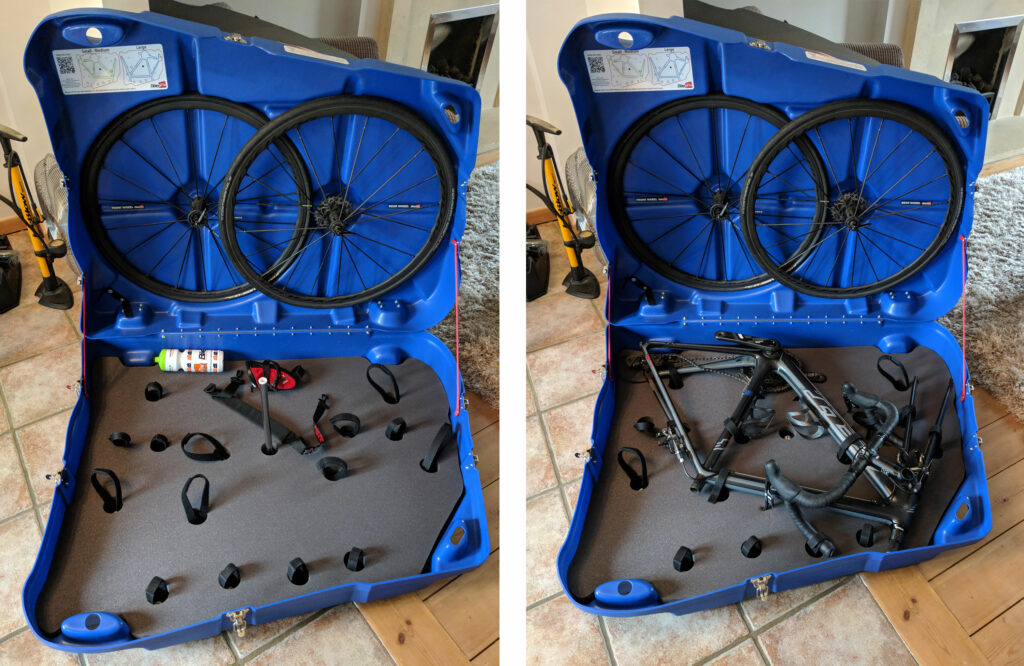
Secure everything inside your bike box
Minimise the movement of everything inside your bike box by strapping it all in place as tightly as possible. The box could find itself upside down during the journey, so anything unsecured could rattle around in there.
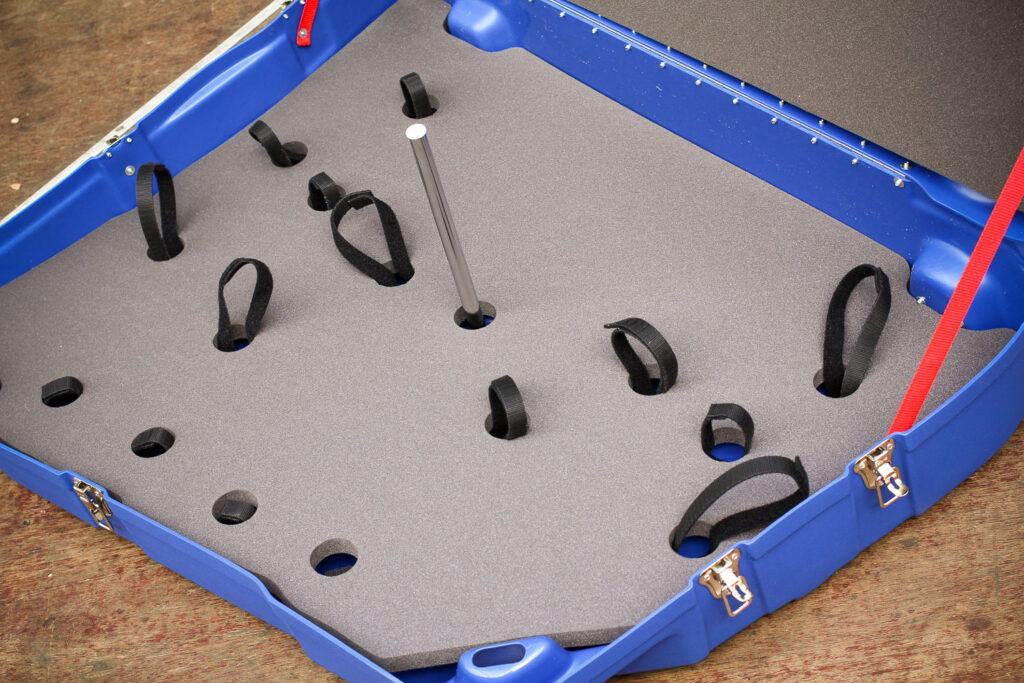
Don’t put your pedals loose on the bottom of the box and expect them to stay there, for instance. Either strap them to the side of the box (if that’s possible) or cover them in bubble wrap and stick them in a bag.
All bikes won’t fit in all boxes
Some bikes and boxes don’t work well together. Unusually large bikes and some mountain bikes can be tricky, and some time trial/triathlon bikes take a lot of disassembling. Plus, bikes with integrated (rather than removable) seat posts can be hard to accommodate.

As you’d expect, smaller bikes are easier to pack. You might get away with leaving the seatpost in the frame of a smaller bike, for example, whereas you’ll probably have to remove it from a larger frame.

If in doubt, check with the box manufacturer before spending your money.
Use spacers between the dropouts
Fit spacers between the dropouts of your frame and fork to prevent damage.
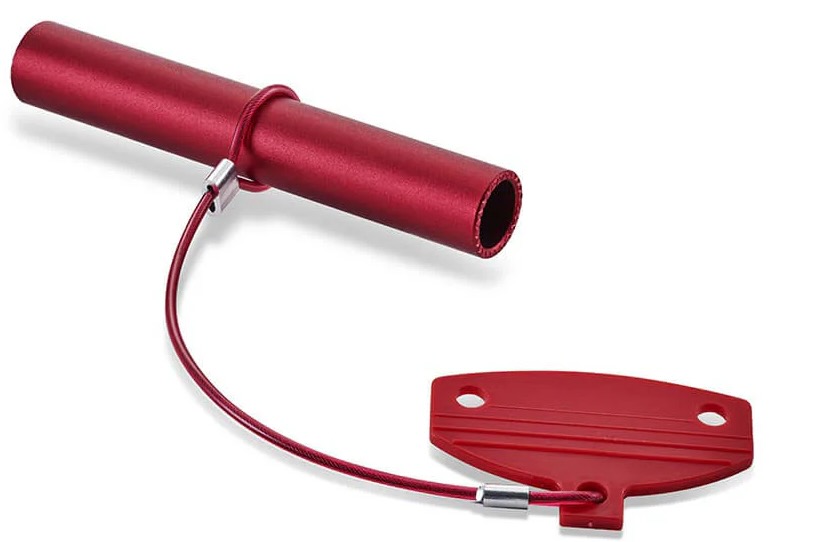
You can buy dropout spacers like this one from Condor (£19.99), but plastic ones are fitted to bikes when they’re sent from the manufacturer to bike shops, so flutter your eyelashes a bit and they might give you a couple.
Use disc brake pad spacers
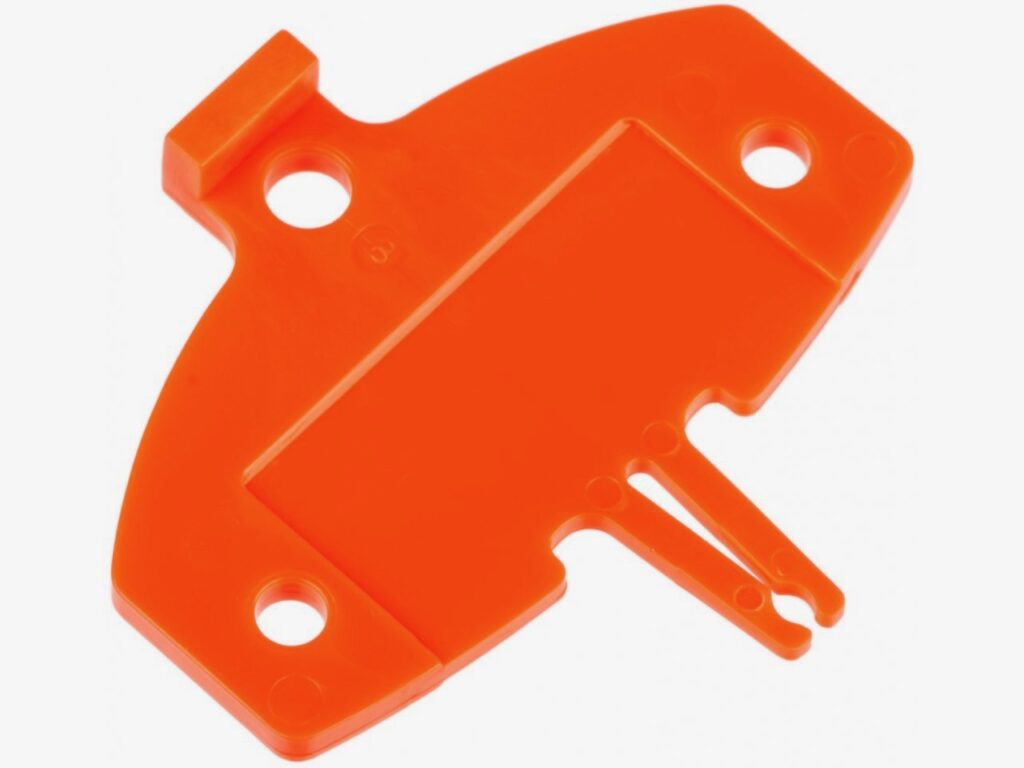
Fit spacers to stop the disc brake pads from closing accidentally without a rotor in place. If you don’t have any, they’re not expensive but your local bike shop could have some spare ones floating around from boxed-up bikes that have been delivered. Give the mechanics a packet of biscuits and they might but a pair aside for you.
Should you deflate your tyres?
Most airlines require you to deflate your bike tyres before flying. Deflate them to at least 1 bar (14.5 PSI) below their maximum stated pressure (you might need to deflate them further to fit in the wheel spaces in your bike box).
Is it necessary to let all the air out? No, but it’s not worth having that argument with check-in staff.
Something like Lezyne’s Digital Travel Floor Drive or a rechargeable Cycplus AS2 Pro Mini Bicycle Tire Inflator will make things easier on the far side.
Add a tracking device
It’s unlikely that your boxed bike will go missing but, you know, it does happen. Lots of people add a tracking device to make a lost bike box easier to find.

You’re probably up to speed on Apple’s AirTag, for example, and there are various bike-specific mounts out there.
> Innovative bike security solutions: from underground storage to high-tech tracking
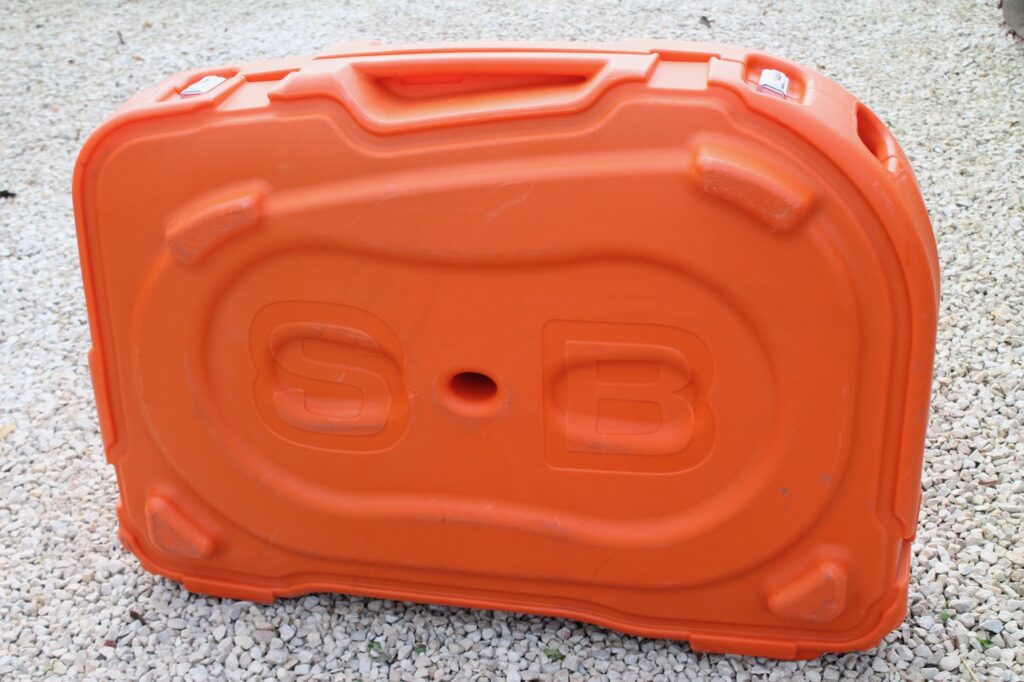
Some bike boxes come with integrated trackers. The Shokbox Premium that we reviewed has an optional GPS tracking system, for instance.
Can you carry other luggage in your bike box?
If your boxed bike is below the airline’s weight limit, you might be tempted to add extra luggage to the box. Just be aware that airlines often say that you shouldn’t do this.
For example, British Airways says, “Clothes and other personal items must not be packed in your bike cover or box. This may cause delays during security screening or mean your bike cannot travel.”
Look, we’ve all chucked extra stuff in there without any problems; just don’t tell anyone and don’t blame us if the airline kicks up a fuss.
You can use a cardboard box as a bike box
You can grab a cardboard delivery box from your local bike shop and use it as an alternative to a plastic bike box.
A cardboard box doesn’t provide the same level of protection as a rigid-sided bike box with a steel anti-crush pole in the middle, obviously, but it could save you quite a bit of money.
We know people who have been using them for years without any issues, although that’s not to say this will always be the case, of course.
Remove the rear derailleur
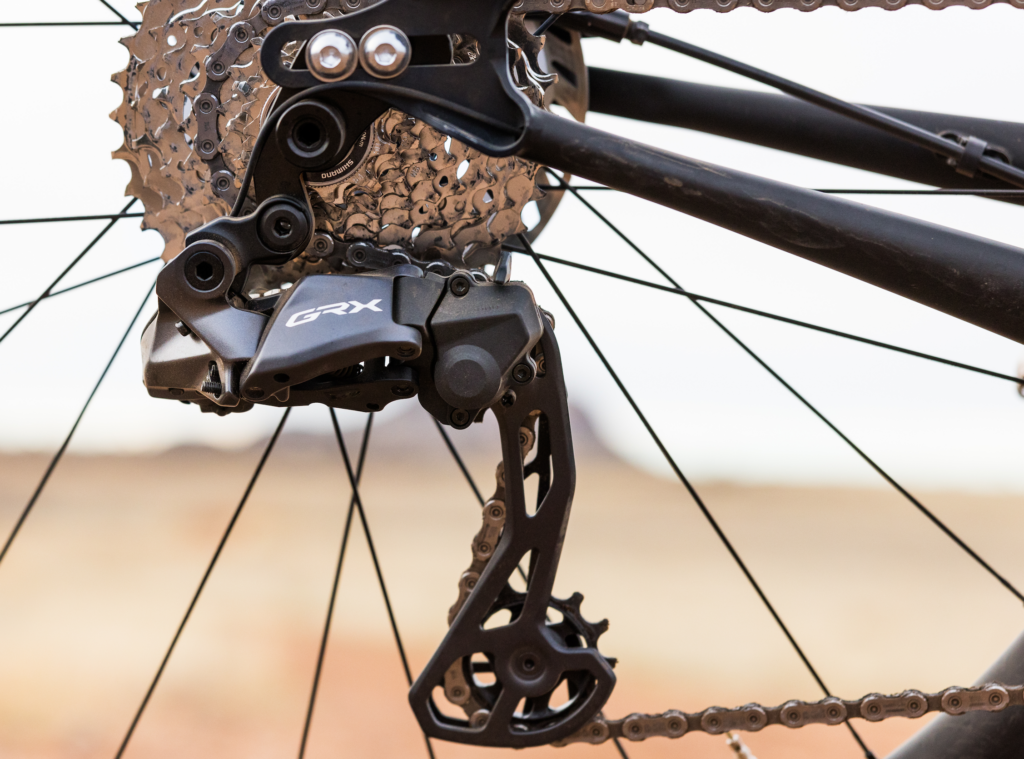
Many people remove the rear derailleur before travelling. That’s the safest option, and the one we’d recommend to avoid damage.
You could be okay to leave the rear derailleur in place if your bike isn’t resting on it (the frame is suspended) and there’s no danger of the side of the box or anything inside pushing against it, which could cause the hanger to bend. Chances are that the manufacturer of your bike box has specific advice on this. Take it!
If you’re in any doubt whatsoever, whip the derailleur off and wrap it up. It’s a simple job that takes no time.
Make sure your booking allows you to take your bike
If you’re flying with some companies, such as British Airways, you can use your hold baggage allowance (if you have it with the fare option you’ve chosen) to take a bike – although they ask that you let them know you’re intending to bring a bike as soon as you’ve booked your flight. Bear in mind that with BA Economy (with a checked bag), your bag can’t weigh more than 23kg. With Premium Ecomomy, you’re allowed two 23kg bags. Exceed the weight limit and you could find yourself paying more.
With many other companies, you’ll need to pay extra for a bike. With Ryanair, for instance, booking a boxed or bagged bike (weighing a maximum of 30kg) will cost £60 online, rising to £75 after you’ve made your initial booking or at the airport. That’s in each direction.
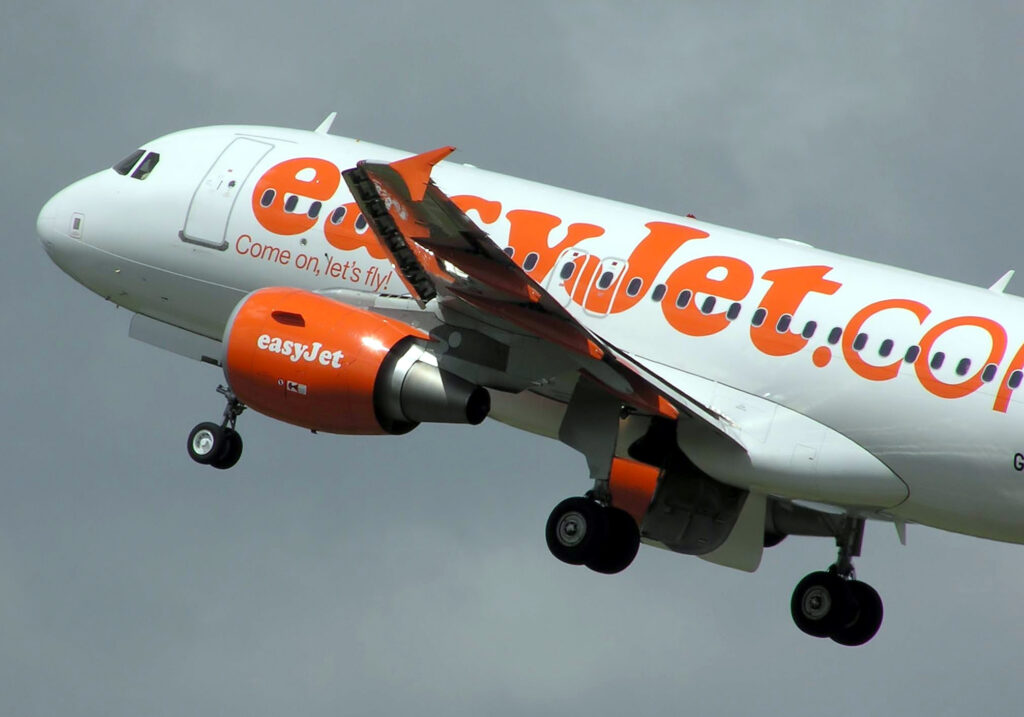
With EasyJet, you need to book a bicycle as ‘large sports equipment’ (up to 32kg). It’ll cost you £50 per flight if booked online, or £60 at the airport.
Check the weight of your packed bike box
Bear in mind that some bike boxes weigh much more than others and, as mentioned, different airlines have different weight allowances, so check in advance. Don’t assume the weight allowance will be the same as the last time you flew.
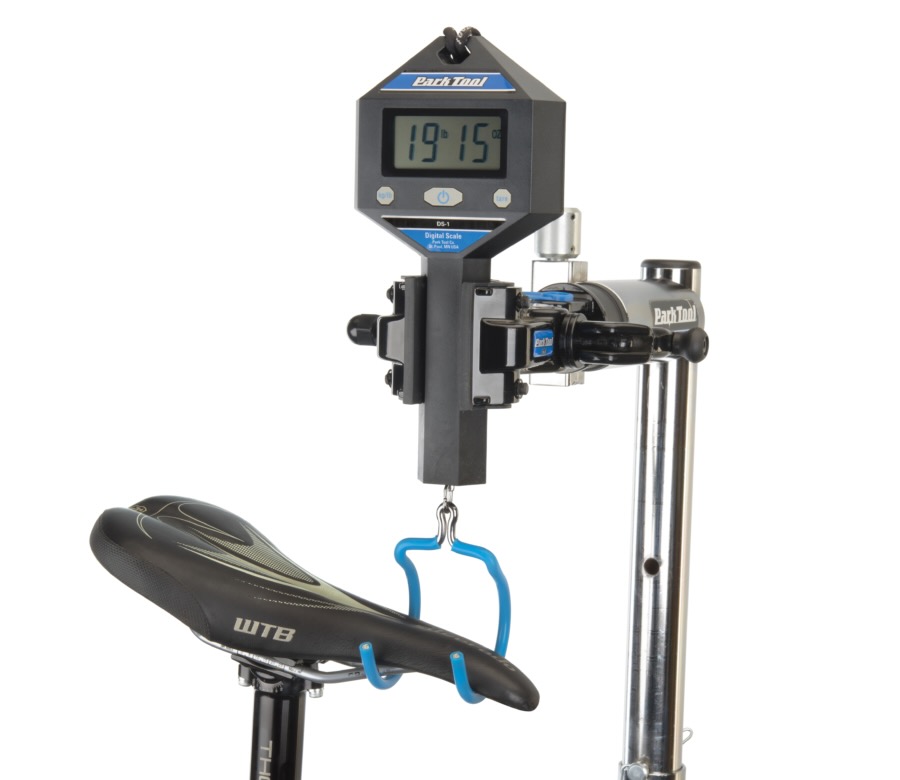
Rock up at the airport with a bike box that’s over the weight limit and you could incur excess baggage charges. Apart from anything else, that’s stress you really don’t need, so check it before you leave home.
Hanging scales are perfect for the job. If you don’t have any, your bathroom scales will do.
If you can’t balance your bike box on the scales, weigh yourself, then weigh yourself again while holding your bike box off the ground and calculate the difference.
Someone will ask what’s in the box
Even if your box has the outline of a bike moulded into the plastic or Bike Box Alan stickers plastered all over it, at some point a fellow traveller will ask you what’s inside.
That’s just the way it is, so get used to it. You could try travelling in full Lycra, but we suspect someone would still ask.
Don’t pile stuff on top of your bike bag
Don’t stick your bike bag horizontally on an airport trolley and then heap the rest of your luggage on top or you’ll risk crush damage. Stand it upright to avoid trouble.
You’ll have to lift the bike box at some point
All bike boxes and most bags come with wheels, but you still have to lift them occasionally – over gravel driveways, into the back of the car, up steps at the train station, and so on.
Read our bike bags and cases reviews
Even with a lightweight road bike inside, a fully packed bike box might weigh around 20kg. You can probably manage that for a short distance, but the size and shape can be awkward so you might want to have a trial run ahead of time just to be sure, and maybe even fashion yourself a shoulder strap out of a length of webbing if you have to carry it far.
While you’re at it, a lanyard threaded through a latch can make pulling a bike box a whole lot easier.
Don’t carry tools in your hand luggage
The rules covering what you’re allowed to carry in your hand luggage at UK airports say no screwdrivers, pliers or “tools with a blade or shaft longer than 6cm”.
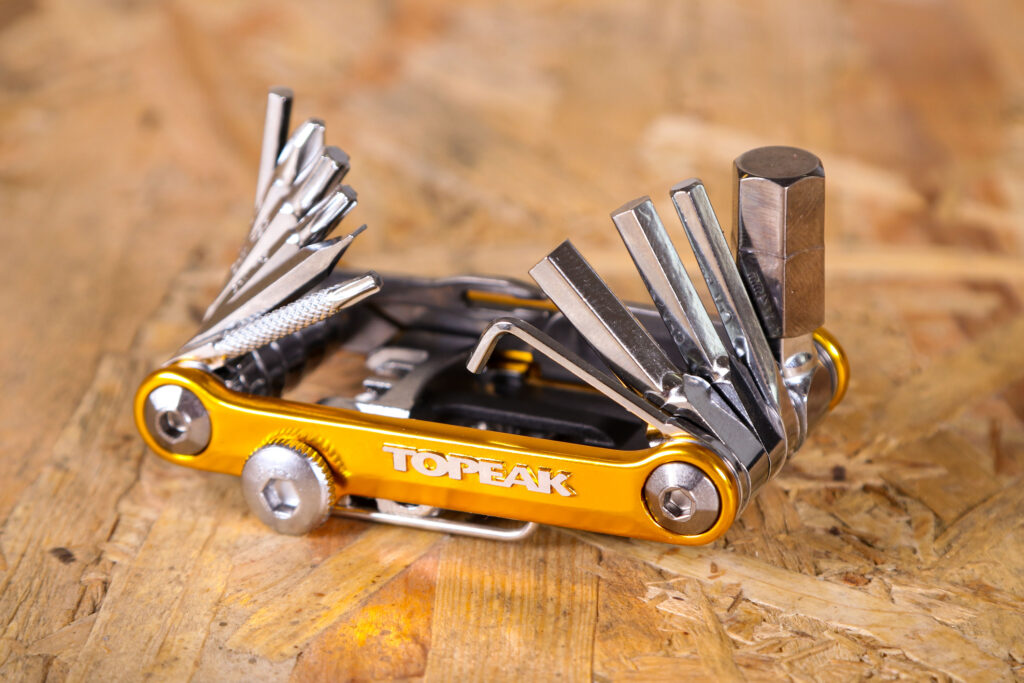
Screwdrivers and wrenches/spanners are out too.
Gatwick Airport’s security advice says, “There are several items you can carry in hold luggage that you are not allowed to carry on board with you in your hand luggage. These include… tools (including multi-tools and penknives).”
We’ve forgotten about the multi-tool squirrelled away in a backpack pocket before and had it taken away. You’re better off avoiding the hassle and putting anything like this into the hold.
CO2 cartridges can be a hassle
The UK Civil Aviation Authority (CAA) says that you can carry: “No more than four small cylinders of carbon dioxide or other suitable non-flammable non-toxic gas per person and the water capacity of each cylinder must not exceed 50ml.”
For CO2, a gas cylinder with a water capacity of 50ml is equivalent to a 28g cartridge.
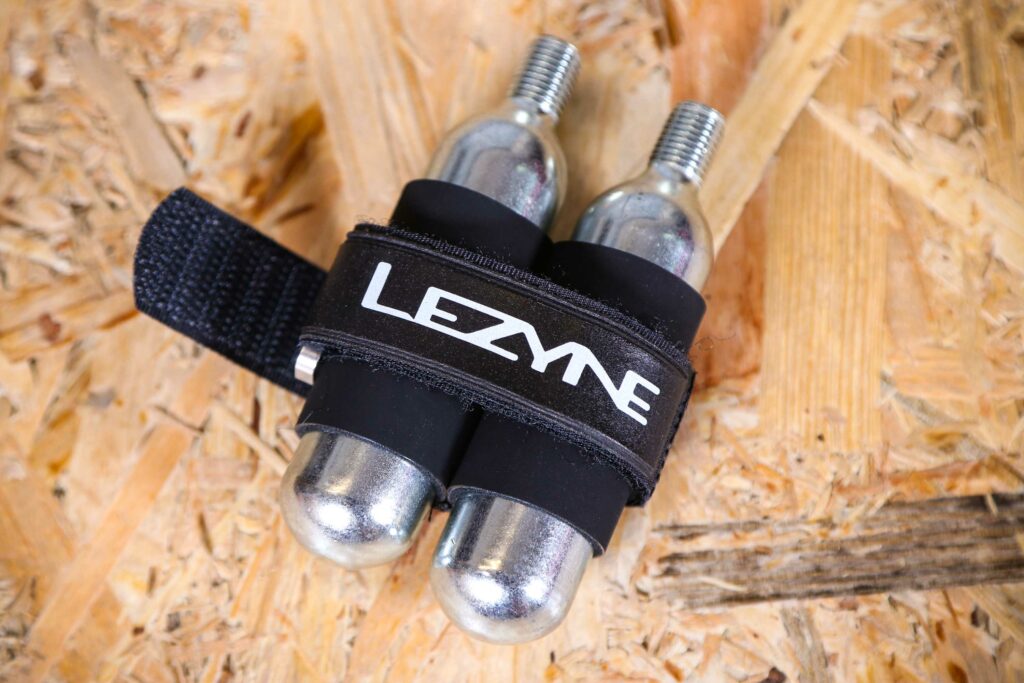
However, Gatwick Airport’s security advice says, “Some items simply aren’t allowed on planes at all. These include… any gas cylinders”.
The US Transportation Security Administration (TSA) says, “Except for personal medical oxygen cylinders, you can only carry an EMPTY compressed gas cylinder onboard a plane.”
It says that CO2 cartridges aren’t permitted in either carry-on or checked-in bags.
The advice on CO2 cartridges is mixed, then. If you take them, be prepared to lose them.
Some airlines are more bike-friendly than others
Every airline publishes its bike carrying policy online; just Google ‘EasyJet bike’ (or whatever) to get the info you need, including size and weight limits, and charges.
Bear in mind that where additional fees apply, they’ll be charged in both directions. If you want to take your bike with Ryanair, for example, it’ll cost you £60 for the way out and another £60 for the way back (that’s at the time of booking; it’s £75 in each direction if you want to amend an existing booking).
British Airways currently allows you to take a boxed bike as part of your checked bag allowance, costing you no extra as long as it’s under 23kg. That weight limit isn’t a problem for a road bike, although you might struggle with some mountain bikes and heavier boxes.
The rules for e-bikes are different
Most airlines won’t carry electric bikes because of the risk of fire from lithium-ion batteries. If they do allow e-bikes, it’ll be up to a stated battery capacity.
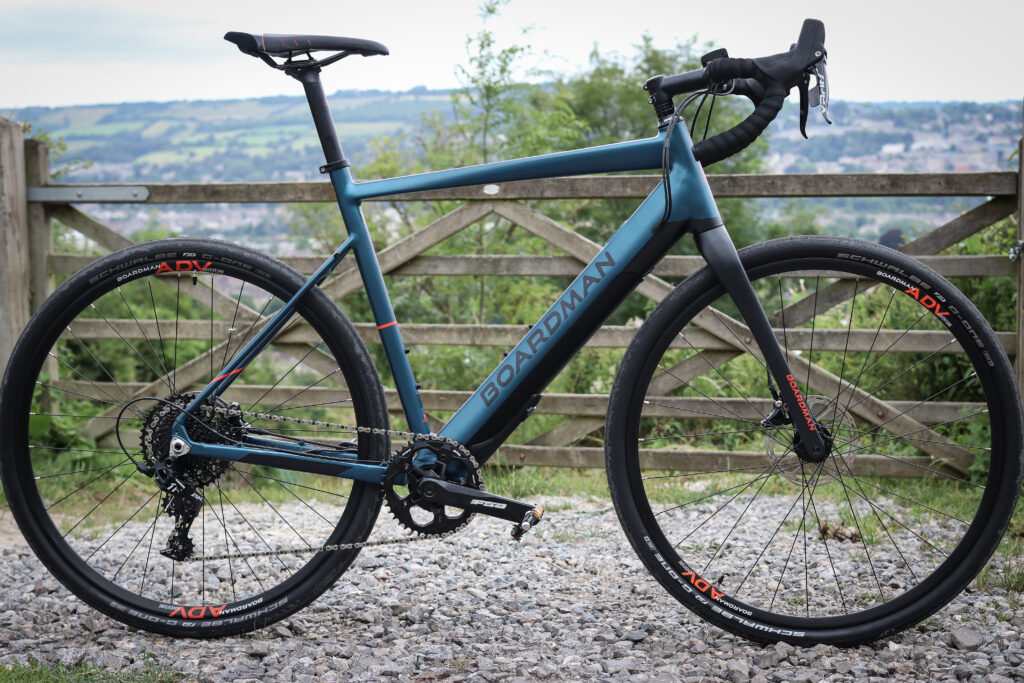
EasyJet, for example, says: “Electric bicycles are not permitted for travel.”
British Airways specifically says, “You can take non-motorised, non-electric pedal bicycles or push bikes in a bicycle cover or box on our flights.”
Delta says, “Passengers are permitted to travel with lithium-ion batteries that contain a maximum of 160-watt hours per battery. Any lithium-ion battery containing more than 160-watt hours is prohibited from carriage on all passenger aircraft.”
That’s not particularly high. Whatever you do, check the airline’s rules before booking your ticket.
Oversized baggage can turn up virtually anywhere
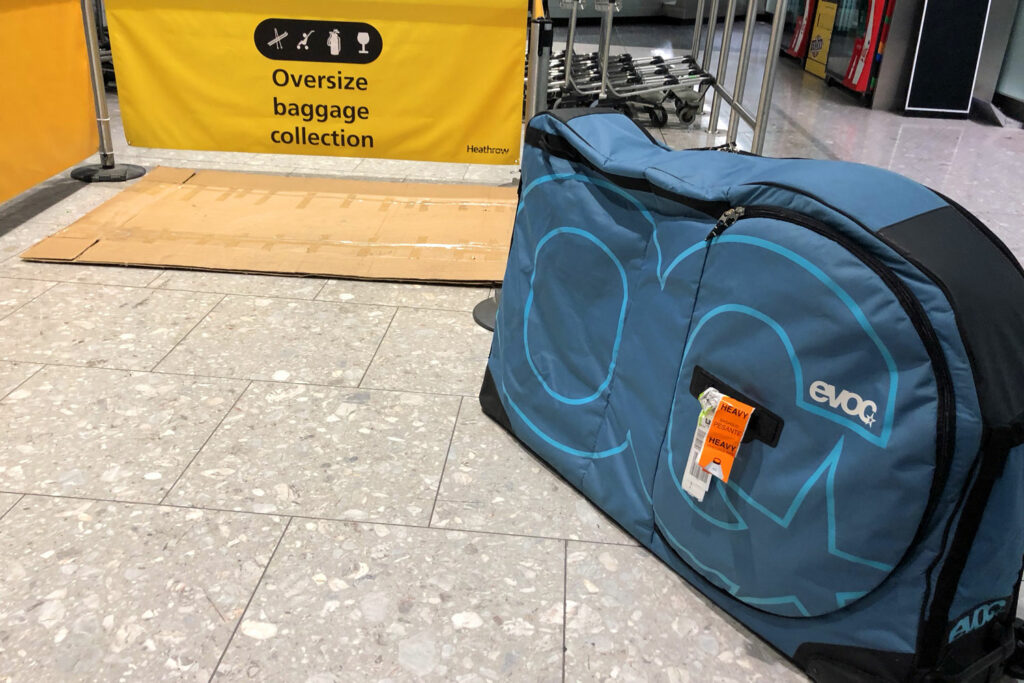
Sometimes there’s a designated collection point in the baggage reclaim hall for oversized baggage, sometimes your bike box will appear on the carousel with the rest of the bags and suitcases, sometimes it’ll be pushed through a door next to the carousel…
Don’t presume that the same airport will do the same thing every time.
Make sure your bike box(es) will fit into your hire car
Two standard bike boxes will fit inside a Fiat Panda with the back seats folded down, despite what they tell you at the car hire desk when they want you to upgrade. You’ll get a couple more bags in too, but things start to get dicey if you plan to take much more.
Check the dimensions of your bike box(es) against the dimensions of your hire car, just to be sure, and make certain that the boot opening is large enough.
Carrying your bike on a train or bus at the other end?
Check the rules. Sometimes it’s easy, sometimes it ain’t.
Consider having your bike delivered for you

Companies like Sherpr will send a box for you to pack, then they’ll come and pick it up and deliver it to your final destination, saving you the hassle of lugging your bike around
The prices depend on your destination, the weight of the package, and how quickly you’d like it delivered.
Get insurance
Make sure your bike is insured for foreign travel or things could get expensive if anything goes wrong.
> Bicycle insurance — compare quotes and find yourself a great deal to get your bike covered
Damage can sometimes occur when you’re not with your bike, and it’s sometimes difficult to get anyone to accept liability.







34 thoughts on “The stuff they never tell you about flying with your bike… and how to make it easy”
Good tip about tools in hand
Good tip about tools in hand-luggage. Gatwick security confiscated my mini torque wrench that I had forgot to put with the bike. When I asked why I was told it was to stop me interfering with the plane. I’d never thought of unbolting my seat and sliding it back for more legroom up to that point!
SPD pedals look surprisingly
SPD pedals look surprisingly like grenades when X-Rayed in your hand luggage. That is all
Don’t forget to deflate tyres
Don’t forget to deflate tyres. Put rags and wet ones in the box so you can keep your hands and bike clean while you unpack.
They also tell you to deflate
They also tell you to deflate suspension forks and rear shocks.
I haven’t bothered on the last flights I’ve done. The pressure difference between ground level and inside the plane at altitude isn’t that much. Planes generally have a cabin pressure equivalent to 8000′, which is around 10.9 psi and ground level is 14.7 psi – that difference isn’t going to bother something engineered to cope with over 100psi.
Agree with the rags, though.
I got lax about deflating
I got lax about deflating tyres, especially knowing that I’d have to pump them back up with a minipump. Last Nov. had a blown out rear tyre on a flight to NZ, shouldn’t happen, but it did. The tyres were around 45-50psi and they’re rated 75 according to the sidewalls. One good thing out of it, Queenstown buses all have bike racks on the front and go direct from the airport to the centre of town.
ajft wrote:
Well, that was caused by something else, not the pressurisation system of the aeroplane, unless you depressurised, the masks dropped and the pilots carried out an emergency descent to <10,000ft. It’s quite easy to tell if that is being done due to the ‘rubber jungle’ dropping and the screaming, and of course now mobile phone filming of your fellow passengers.
They don’t call me Pilot Pete for nothing!
PP
You could pay £21 for those
You could pay £21 for those Scicon dropout spacers (they do look nice, it’s true), but I’ve been using a couple of bits of copper plumbing pipe and 4 large washers with the wheel QRs.
I’ve had problems packing a bike with disc brakes, as the disks were trying to bash the frame in a nasty combination of bending one and gouging the other. Ended up taking them off, dropping them in a food bag and taping that between the spokes.
I’ve hated Heathrow T5 from the first time I used it, travelling with a bike box, as none of the lift doors are wide enough to get a trolley with a bike box on through, so it’s take bike box off trolley, put in lift, follow with trolley, etc, etc. Needed a trolley, as had other baggage.
My Bikeboxalan was purchased
My Bikeboxalan was purchased several years ago and was designed around rim brakes. Not sure if they have updated the design to accommodate disc bikes now, but I found one disk would have to be removed as it would foul.
Previous bike had 6 bolt rotors and that was a bit of a pain. I’ve now got centre lock, which is simple in comparison. I too place them in a sandwich type bag to avoid getting them contaminated, then put them in a cardboard ‘sandwich’ for protection. Taped between the spokes is a good idea.
PP
If you can afford it – and if
If you can afford it – and if they fly where you want to go – British Airways business class gives you 2 x 32 kg baggage allowance per person.
If you have a bike box and four panniers inside a massive, FOAD canvas bag (as we do), then it works out no more expensive than flying economy and paying for exra baggage.
At least, that’s our experience. YMMV and all that.
My experiences; All the
My experiences; All the verbal promises in the world when booking won’t matter, the person on the checkin counter on the day will have the final say, be early, be polite. Watch out if you’re flying on any airline that codeshares with others, the one you booked might allow bikes with one set of rules, the one you end up on might have a different set of rules! Some *airports* charge a bike handling fee, so if you transit them you can suddenly get whacked with a nasty charge (can’t remember, think it was Frankfurt). Security or checkin at an airport (thanks Heathrow) might decide that your entire bike needs to be unpacked from its box and examined, you’ll be escorted off into the bowels of the airport and watch as they unpack it all and examine it, then *you* are given five minutes to cram it all back in the box because “you’re holding them up” — carry extra packing tape in the box, not in your carry-on because security will confiscate it! Pack your bike as though the luggage handlers are going to give it a roundhouse kick to stop it falling off a luggage trolley — yes, I watched that happen to mine from inside the aircraft (Frankfurt). If you have to take your bike off to somewhere with the other “oversize items” make sure as best you can that it really will go on the aircraft with you… and not four hours later because “sometimes it doesn’t all get loaded”
I live in the US and am
I live in the US and am interested in taking out insurance against any potential damage caused to my bicycle by the airline I’m flying. Any suggestions? I’m having a difficult time finding flight insurance.
I use PedalSure in the U.K.,
I use PedalSure in the U.K., don’t know if they have an equivalent in the US. It’s part of a household buildings and contents policy aimed specifically at cyclists. Insurance provider is Axa.
It covers all my (and family) bikes – I have two Colnagos with nominated £10k values. They are covered for theft from home, whilst travelling, abroad or whilst parked up (as long as they are locked to an imovable object).
They are covered whilst in transit against damage, including commercial flights and also accident damage from me being involved in a crash. It also covers ALL ancillaries such as clothing, helmet, shoes, Garmin, lights, infact anything associated with my riding.
PP
It massively depends on the
It massively depends on the airport too. I’ve had no problems in Gatwick or Liverpool for multiple flights, but Manchester has been an absolute pain every time.
Last time going out they removed my single CO2, which has never been a problem anywhere else. That is fair enough, and easy to do.
Only the way back catching an onward flight, they searched the whole bag, and filled out a full risk form over my chain lube. Took 20 minutes of the guy searching the whole bag, finding the lube, reading the back of it for ages, filling out forms, holding up everything. It was crazy.
You will find that most check
You will find that most check-in staff are not employed by the airlines, they are usually one of the handling agents or airport staff employees who operate check-in on a contract for each airline. They will quite often wear the airline’s uniform,so it looks to you like they are actually working for the airline you have booked with. This is even more true overseas.
They may operate check-in for different airlines on different days. Each carrier has its own set of ‘Conditions of Carriage’, which stipulate what you can and can’t carry in cabin and hold. These must follow the Dangerous Goods Regulations, but some will, and some won’t apply the exceptions exactly the same. CO2 cartridges are the classic. EasyJet regs allow for 4 per person (they changed it a few years ago), but you may find the check-in, or more likely Aiport Security operative doing the outsize back x-ray checking is unaware of the specific airline’s rule.
In the past I have had the easyJet check-in supervisor attend outsize baggage with me and my group, who handed a specific form to the security x-ray operator confirming the CO2 cartridges were allowed. The security bod was happy with that, and through we went. This was at Manchester. The same cannot be said on the return – some are very lax and others pedantic as feck.
PP
Shred wrote:
In fairness, it may seem crazy to you as it’s ‘only chain lube’. Now, carriers have a duty of care regarding the safety of the aeroplane. The Dangerous Goods Regulations have been developed over the years to classify what is safe and what is potentially not safe to be carried in hand luggage, hold luggage and cargo on aeroplanes, which are obviously even more strict for passenger aeroplanes. There are items that are down right banned, others that have restrictions and those that pose no risk.
Not only does it list thousands of chemicals, products, devices etc etc and classify whether they can, or can’t be carried, but where they can be carried, in what quantities and what they can or cannot be carried with (such as other products that alone are harmless but together can become dangerous). It also gives guidance on packaging and contains an Emergency Response Guide for pilots in case something happens.
Aeroplanes have crashed due to various dangerous goods incidents in flight, including leaking corrosive liquids, exploding or burning chemicals, reactions between chemicals, you name it, it’s happened.
So, when you read the chemical constituents of a simple bottle of chain lube, can you tell whether any of those ingredients could potentially endanger a flight should the bottle leak? Tricky eh? And what other chemicals are contained in the myriad of bike products, cosmetics, household products, novelty items or even those that the simple idiot member of the public has secreted away in their suitcase? How will your chain lube react if mixed with them?
Air travel has become so everyday that it is difficult as a punter to appreciate the complexity and work that goes on behind the scenes to ensure a safe flight. It truly is remarkable and is constantly being revised and updated as more and more ‘products’ come on the market and someone tries to carry them on a flight…it is not the same as jumping in a car…
One of the biggest threats now is thermal runaway of laptop/ mobility scooter type batteries. That is one fiercely intense fire. I hope I’m never faced with such a scenario mid-Atlantic….
So have a little sympathy for those who have to sign our name(s) to every stage of the pre-flight stating that ALL the regs and rules have been followed to ensure that flight is safe. As Captain, I sign for the lot before departing and it is my job to ensure that safety is maintained throughout. I rely on a huge number of other people doing their jobs properly in order to do this. All of us (if we are still alive) who have signed our names may have to stand in a court of law justifying our decisions at some point.
Hopefully that puts your £10 worth of minor frustration into context.
“Happy flighting!”
PP
Wrap your chainset in an IKEA
Wrap your chainset in an IKEA bag.
An inflatable roofrack allows your bike box to go on the hire car roof and the rest of the family and luggage to go inside. Or a semi-soft bike bag that will fold up and go flat in the boot and a sea sucker roofrack for the bike. Done both, but ran out of nerve with the soft bike bag and airports.
ALl the checking the world
ALl the checking the world can mean nothing on the day when you turn up and the person on the gate on the day decides that they will use their discretion and your bike needs a special charge, or can’t fit and has to go as special luggage.
Some airports have their own special rules & charges, I was nearly stung by a 100 Euro fee transitting somewhere in Germany, managed to politely talk my way out of it
One day the security people at an airport WILL decide that your carefully packed & boxed bike needs to be completely unpacked to be inspected “for security”. You will then be given five minutes to throw it all back into the box to make it to the aircraft
Pack it as though the ground crew are going to physically throw it 2 metres from conveyer belt towards the trolley, and well enough so that when they miss and it hits the tarmac it’ll survive — yes, I watched them do this from the window of the aircraft while waiting to disembark
Your bike doesn’t have to fly
Your bike doesn’t have to fly anywhere!
It is now customary that I post after these articles that there are ways other than flying to get your bike to wonderful places to ride (when we are once again able to do so, of course). I usually take about 160 people a year to huge variety of destinations: Alps, Pyrenees, Mont Ventoux, Amsterdam, Girona, Flanders, etc. I take all my groups’ bikes with me by road, and some of the guests come with me in comfort by road and I meet others at an airport or train station way down south. No bikes need to go anywhere near a bike box or bag or baggage carousel or (mis)handler. They travel ready to ride so we are usually riding by lunchtime on the day that you leave the UK and until after lunch on the day you come home. No need to waste your precious holiday time reassembling and dissembling your bikes to go back in the box. If you like the sound of this have a look at http://www.lavieenvelo.com,
(apologies if you object to a commercial post but I think, in this instance, it is relevant to the discussion, and no article ever includes what I offer in spite of me operating successfully for over 5 years).
Seeing these articles reminds
Seeing these articles reminds me of the time I went on holiday with Nielson when they were hosting a Tri camp. I remember seeing about 10 bike boxes being loaded at Gatwick with envious eyes. All was going well until arriving at the Greek airport which was a small terminal building with 1 carousel and not a lot else. (Preveza I think)
The Greek baggage handlers insisted on loading the bike boxes on the much too small and narrow baggage belt – which was fine for them on the other side of the wall. Caused total carnage on the passenger side when the boxes all toppled off at the first corner, scattering boxes and people around like 9 pins. The poor owners all had kittens.
Be aware if the airline offer
Be aware if the airline offer to take your bike without packing it. Yes, some now do. I was surprised to have a visitor arrive with a bike (Frankfurt to Hamburg with Lufthansa) this summer that went on and came off the aircraft without a scratch. Handlers at both ends handled it like it was second nature to them. However, on taking the visitor back to check in for the return flight back with Lufthansa from Hamburg to Frankfurt they refused the bike. The handlers at the oversized counter shrugged and smiled saying if it had a tag on it they would take it, but no interest at the checkin counter – even after explaining that the bike had been brought inbound on the same aircraft and airline. So, even though the “hub” airport might take an unpacked bike – beware as the return airport may well not do.
@Lufthansa – come on guys – I thought you were keen to get us travelling again? This kind of pro-active approach in Frankfurt is quite obviously of no use if you don’t ensure it works also for the return leg of the ticket you sold
After a couple of times of
After a couple of times of taking my own bike, I rented one last time. It did make life a lot easier, and cost less, but I did miss my old steed…
I would certainly recommend removing the rear derailleur. Takes seconds and is likely to save you a bent hanger.
“What’s in the box?” Kinetic
“What’s in the box?” Kinetic Sculpture. Has gotten me “no charge” several times.
Got a an original BBA and
Got a an original BBA and wonder what gear I should leave my bike it to travel? Ive got a double chainset and usuually leave it in the smaller chainring on a mid range gear – is this recommended?
Just get a Buxumbox bike case
Just get a Buxumbox bike case. No need for bubblewrap and foam and stressing about whether your bike will survive.
You can even get a buxumbox built so that you don’t have to put your saddle down or take your handlebar out of the stem. Remove wheels, put frame in case and lock in the dropouts, put wheels in bags and place beside – done. Buxumbox also has a bunch of bungie cords at the bottom to hold extra stuff, with plenty of space for a track pump.
If you travel with a bike every few years or more, just get a Buxumbox.
I have a BuxumBox best I have
I have a BuxumBox best I have had Heavy but easy to move around better than the Scicon Aerocomfort, mine is an old model so I need to remove the handlebars
You need to be rich though…
You need to be rich though…
£1200 ???
“Don’t pile stuff on top of
“Don’t pile stuff on top of your bike bag”
This paragraph says it all. If that’s a risk then just imagine what’s going to happen when the luggage handlers get hold of your bike bag.
Always, aways use a hard case. Buy one, borrow one or hire one, but always use one.
Never used one. Never had an
Never used one. Never had an issue.
I have never used a box.
I have never used a box. Packed my tourer in a massive heavy duty plastic bag (CTC used to sell them). Frame wrapped with pipe foam, handlebar turned, pedals off, real derailleur unattached, tucked into rear triangle and wrapped in bubble wrap with the rest of the drive train. I slightly deflate tyres but try not to make them completely flat. Panniers and pedals into folding hold-all. I have often ridden to the airport and packed it up in situ. At the other end, put bike together then put all packing material in bag. If I’m flying back from same airport try to find somewhere to leave it or have posted it on to my final destination. Logic is that the package is too awkward a shape for luggage handlers to pile other things on top so usually ends up on top of the heap. Never had a problem although I always make note of the nearest bike shop to my destination airport just in case!
You don’t do cycle-touring do
You don’t do cycle-touring do you? I made many tours across Spain, France and adjacent countries in my touring days, mainly flying from one airport but returning from another. This is usually achieved by using a cardboard bike box from your local bike shop and possibly having to dump it on arrival, then finding another one (not so easy, admittedly) for your return.
This experience was so stressful that, for later tours, I used P&O ferry Hull-Zeebrugge or Eurostar (not without its problems)! plus sharing a 2- bunk space with my bike on a Madrid-Lisbon sleeper train (expensive!).
I was going to post something
I was going to post something similar. After flying a few times with bags and then cardboard boxes I had S&S couplers fitted which meant the two halves of the bike protected and bagged up could fit horizontally on the wider shelf at the end of the carriage in the 1st gen Eurostar trains. This was no longer possible from 2015 when the 2nd gen carriages came out and the rules were changed to 85×85. Like you the last tour I did was by ferry (to Dunkirk). Whilst using the ferry added a whole travel day outbound it was the least stressful part of the journey and there are nice places to eat in the town centre.
No mention of what to do with
No mention of what to do with Di2 battery? when checking in I sometimes get asked anything electronic or any batteries in the bike box and just lie and say no, (coin cell batteries in shifters/powermeter/other things) and sometimes I leave Di2/AXS batteries in there, other times I take the Di2/AXS batteries out and put in my hand luggage but have been questioned at security before and almost had one confiscated as it was a “spare battery not fitted in an appliance”, but was then let through as it is so small.
and can you adress the unconfirmed nonsensical rumours that airlines want you to drain your hydraulic brakes?
Sometimes it doesn’t matter
Sometimes it doesn’t matter what the rules say, the person on the desk on the day will decide that your bike cannot fly, or is a hazard, or is uninsurable
Sometimes the most carefully packed bike will be required to be taken for “additional screening” and you’ll have to unpack it all, watch as everything is poked & prodded, then given 2 minutes to cram it back in the box to race back through the airport to make your flight
Sometimes you find that an airport that you transit has their own “special outsize luggage fee” that the airline you booked with doesn’t tell you about
Sometimes you find that the airline you booked with that will take your bike, code-shares with another airline that you end up with on one leg of your flight … and second airline WILL NOT take your bike without an extra charge
and most times you have no
and most times you have no problems at all…
/
Sometimes it doesn’t matter what the rules say, the person on the desk on the day will decide that your bike cannot fly, or is a hazard, or is uninsurable
Sometimes the most carefully packed bike will be required to be taken for “additional screening” and you’ll have to unpack it all, watch as everything is poked & prodded, then given 2 minutes to cram it back in the box to race back through the airport to make your flight
Sometimes you find that an airport that you transit has their own “special outsize luggage fee” that the airline you booked with doesn’t tell you about
Sometimes you find that the airline you booked with that will take your bike, code-shares with another airline that you end up with on one leg of your flight … and second airline WILL NOT take your bike without an extra charge— ajft