


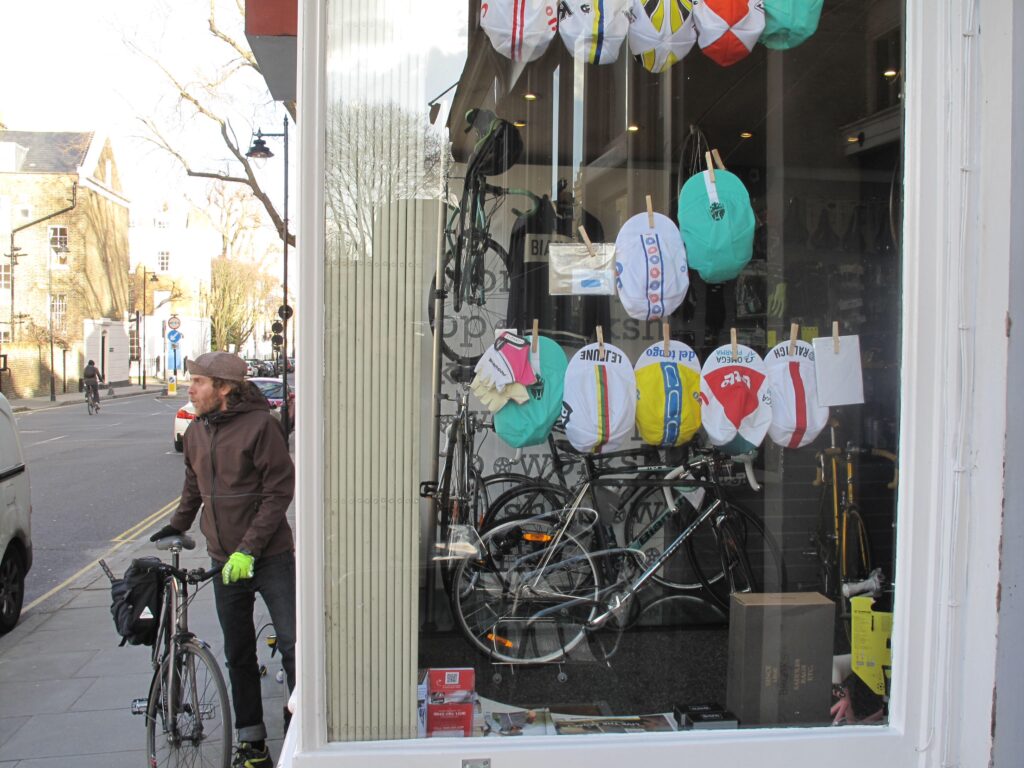

After a few incredibly challenging years in the bike industry things are predicted to become a bit brighter in 2024, new research suggesting new bike sales could grow by 12 per cent with “easing inflation and wage growth helping to improve consumer confidence” and cycling for transport seen as an effective means to “reduce spending on petrol and public transport”.
That is the view of Mintel, the market intelligence agency also predicting that sales of e-bikes will continue to rise in 2024, along with continued interest in second-hand markets. The new research has also pointed to 34 per cent of women aged 45 to 64 being interested in taking up cycling, suggesting the industry could benefit from tapping into this market’s interest.
Having surveyed 2,000 people, the research reports that around half (49 per cent) of cyclists or people interested in cycling said they are more likely to consider buying a second-hand bicycle than they were a year ago, while new bike sales are forecast to rise by 12 per cent in 2024.
> What’s in store for cycling in 2024? road.cc shares some two-wheeled prophecies for the year ahead
Concerning figures from the Bicycle Association published last year charted the industry’s post-pandemic struggles, UK bike sales falling even further in the first half of 2023, that despite levels falling to a 20-year low in 2022.
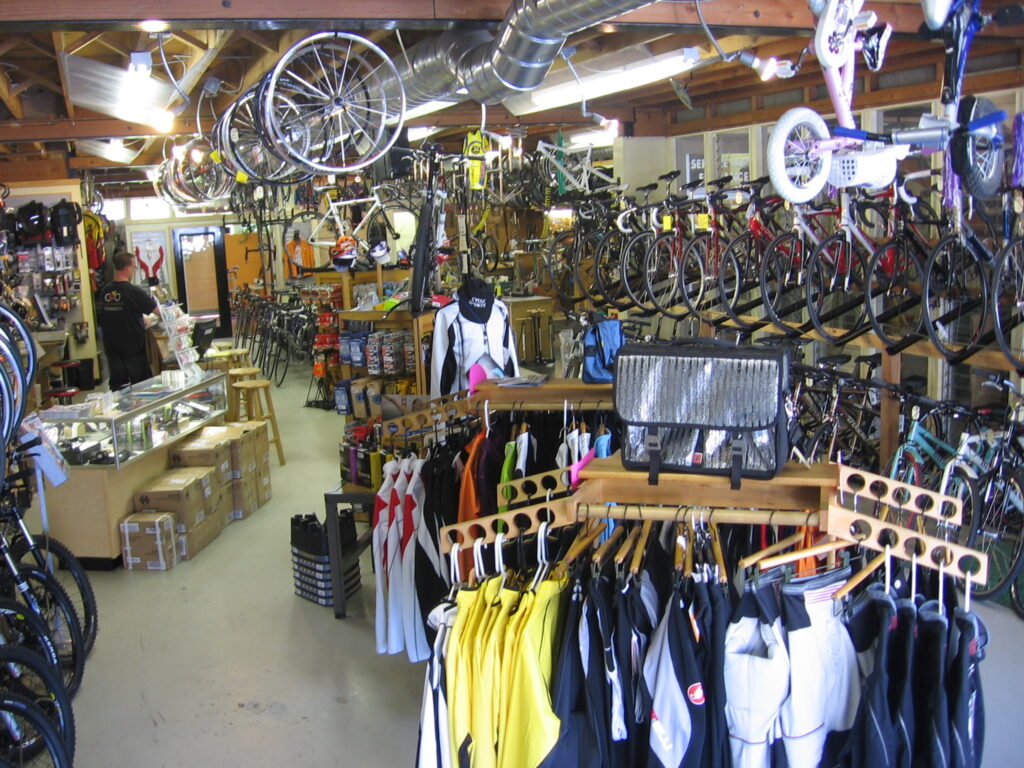
Mintel’s numbers were similarly of concern, suggesting that bike sales had fallen to an estimated 1.9 million in 2023, down 42 per cent from the heady days of 2020 and 3.3 million sales. The company’s forecast for 2024 sits at 2.1 million, up on the previous two years and pointing to the cycling industry being “on the road to recovery”.
“Rising living costs have severely impacted demand for new bikes and e-bikes, which had already been suffering due to Covid-related supply-side issues. A recovery in demand is now underway,” category director for leisure research Paul Davies explained.
“In the near-term, easing inflation and wage growth are helping to improve consumer confidence while heavy discounting by retailers is helping to boost sales. The cost of living is also encouraging people to take to two wheels to get around, as around a third (34 per cent) of Brits are cycling more compared to a year ago to reduce spending on petrol/public transport.
“Looking further ahead, continued investment and development in the country’s cycling infrastructure, and a rising focus on sustainable travel will help to further lift demand. But the growing second-hand market, with the likes of Halfords now actively involved, is now a threat to new bike sales growth. Half (49 per cent) of Brits who currently ride a bicycle or would consider riding one in the future agree that they are more likely to consider buying a second-hand bicycle compared to a year ago.”
> Raleigh confirms redundancies and Nottingham headquarters move in “very difficult decision”
The research also suggests that while there is currently a “considerable gender gap” in cycling, with 41 per cent of men cycling versus just 22 per cent of women, this may be closing. And with 34 per cent of women surveyed aged 45 to 64 stating they are interested in taking up cycling, Davis believes the female market could offer considerable opportunity for growth.
“Overcoming the considerable gender gap in cycling has been a challenge the industry has long struggled with, however, it remains a market opportunity that cannot be ignored,” he said. “A meaningful rise in participation among women is likely to result in a meaningful rise in bicycle sales.
“Converting this interest into actual participation will require a greater focus on female audiences when developing new products and marketing campaigns. Messaging with a greater focus on cycling as a family activity could play a role in boosting interest among women.”



















11 thoughts on “Bike industry “on the road to recovery”, new research suggests”
Quote:
They can’t possibly be talking about the UK. It’s a fantasy. There is no prospect of a future government – Labour or Conservative – that would take active travel seriously, particularly cycling, let alone take climate change seriously. I don’t see much happening to the economy or the direction of government so I expect the cycling market to be in the doldrums for some time.
Wishing for 12% growth on the current situation is nothing to get excited about while they reckon “34% are cycling more”? You’re havin’ a laugh!
Growing the female market will not happen whle the roads are so hostile and the likelihood of decent infrastructure being built is almost zero when numerous councils across this ravaged country can’t even repair potholes while many are facing bankruptcy [Guardian].
Well, Labour will be a lot
Well, Labour will be a lot better than Mr Sunak’s govt.
In the medium term, there is no option but to go big on active travel. It is impossible to meet climate targets and maintain current levels of driving.
HarrogateSpa wrote:
They might be … but they’re not advertising the fact for active travel / motoring reduction as far as I’m aware. Indeed it seems the usual Labour play of “we’ve been out of power for time now – whatever you do don’t cock it up and scare middle England! Just make out that we’re basically like Thatcher’s governments but in red”.
In so many ways going big on active travel is an open goal for so many improvements including financially (I think this will probably need a massive drive on public transport also though) …
… except that in the UK this would be “change!” on so many levels that there will be something to offend almost everyone. So political ammunition for any opponents and be sure that – cynically or not – they will use that! Even though if the changes did happen, within a couple of years it would be a total non-issue * as the world wouldn’t end. Indeed it would actually get slightly better.
* Except that some things like “where and how you can drive / expect cars or bikes” will probably take a generation to be fully “learned” by most.
I agree 100%. Labour need
I agree 100%. Labour need floating voters and the ones that voted for Boris and helped put us in this dreadful position. Their success will also rely on how the traditional media treat them as the election approaches.
It could be but public transport is such a mess that, even with lots of investment and a wholesale desire for change, it will take a long time to turn it around. And someone will then have to sell it to drivers, many of whom, as you say, won’t want to change.
Driving your car everywhere has been normalised to the point where choosing an alternative is considered odd. Driving has been facilitated at the expense of other options.
Simon E wrote:
It could be but public transport is such a mess that, even with lots of investment and a wholesale desire for change, it will take a long time to turn it around. And someone will then have to sell it to drivers, many of whom, as you say, won’t want to change.
Driving your car everywhere has been normalised to the point where choosing an alternative is considered odd. Driving has been facilitated at the expense of other options.— chrisonabike
I agree, particularly the last bit – and it wasn’t just “change happened”. (Particular choices were made by some politicians / those with influence, at least partly for the usual venal reasons…)
On public transport – all I know is that this is a) a standard reason given as to why people drive and b) excellent public transport seems to correlate with countries with higher cycling modal share – e.g. here:
HarrogateSpa wrote:
What makes you think that? Labour and Tories are the two cheeks of the same arse.
As Private Fraser said “we’re doomed”.
HarrogateSpa wrote:
Surely by 2050 there’s a good chance there’ll be virtually no internal combustion cars left?
HarrogateSpa wrote:
quite, and that’s why the climate targets will be missed. We are staring into the abyss and people at the back are shoving forward for a better view.
there is no appeitite for reducing car use among the dino juice junkies, and no appetitie among the weathervane politicians to alienate drivers.
As soon as the covid deaths stopped spiralling out of control we went straigt back to extracting as much carbon from the ground as possible. C)2 for 2024 higher than 2023, higher than 2022, etc etc the gap between what we are doing and net zero grows every day.
It’s not just cars, it’s international travel, rampant consumerism, population still growing.
Good news if this positivity
Good news if this positivity materialises…unfortunately, given the severe spike during Covid and the continuing “return to normal” I just don’t see how the bike industry will be better. It might be better than 2023, but that is a low benchmark by which to measure success.
Their is certainly more
Their is certainly more positivity in the industry this year than at the start of 2023, whether this is miplaced still waits to be seen.
A telling sign though is that most European markets saw 2023 as a better year so there is still a small nuggest of happiness that their is growth in the industry if you ignore the COVID years
The Mintel report predicts
The Mintel report predicts that the market for e- and non e-bikes combined will be around 2018 annual unit sales level by 2027-28 – almost zero unit growth in a decade. The only value growth comes from higher ASP. While that’s recovery from the hole we’re in right now, it’s still far from positive overall Vs the pre-pandemic forecasts.