



As the Tour de France rolls into another July, anticipation is once again high for blistering attacks, daring descents, and the sheer spectacle of the world’s greatest bike race. It is, after all, the pinnacle of professional road cycling and its average speeds have never been higher.
But that trend may soon be coming to an end.
A series of proposed changes from the UCI could slow down the peloton, which could be a good thing – but many have reacted with anger and confusion over some of the proposed changes and questioned the UCI’s intentions, such as the highly controversial rule that deems handlebars must have a minimum width of 40cm. While safety is the stated priority, these regulations directly impact rider aerodynamics and could fundamentally change how races are ridden and won.
Before we explore what these new rules mean for the sport, it’s worth asking: how did the Tour get so fast in the first place?
Doping: a troubled history
Ask a casual observer why Tour de France riders are so fast, and chances are, doping will be part of the answer. And with good reason. From amphetamines in the 1960s to the EPO era of the 1990s, performance-enhancing drugs undeniably played a major role in pushing race speeds to unprecedented levels.
> Cheating at the Tour de France — a rich history
But the introduction of the Athlete Biological Passport in 2008 was seen as a significant step forward. The 2015 CIRC report highlighted this as a turning point, and since then, the number of high-profile doping cases has markedly declined.
That doesn’t mean the sport is entirely clean – many still suspect that some athletes are finding new ways to game the system. But even if we assume cleaner racing today, we’re still left with a question: if doping is (mostly) out, why are riders still going faster?
The aero revolution
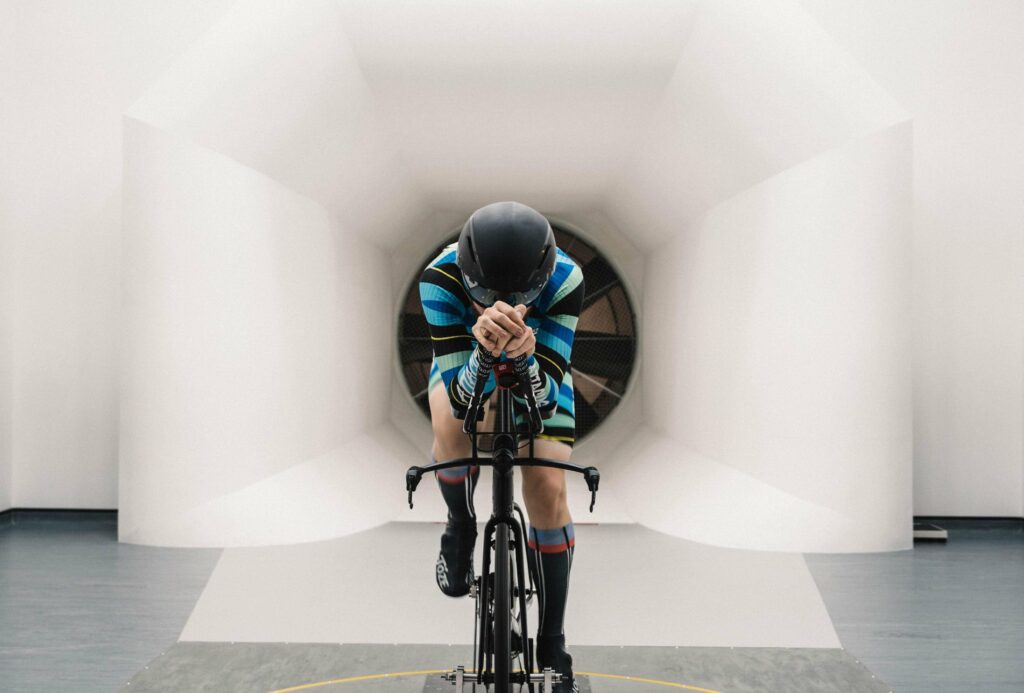
According to Dr. Xavier Disley, a leading aerodynamics expert and founder of AeroCoach, the answer lies in wind resistance.
“At Tour de France racing speeds of 45km/h, around 90% of the force acting on a rider is the aerodynamic drag. So the reason why you can’t ride at 80km/h on the flat just by pedalling at a normal rate is because the resistor force slowing you down becomes exponentially greater the faster you go.”
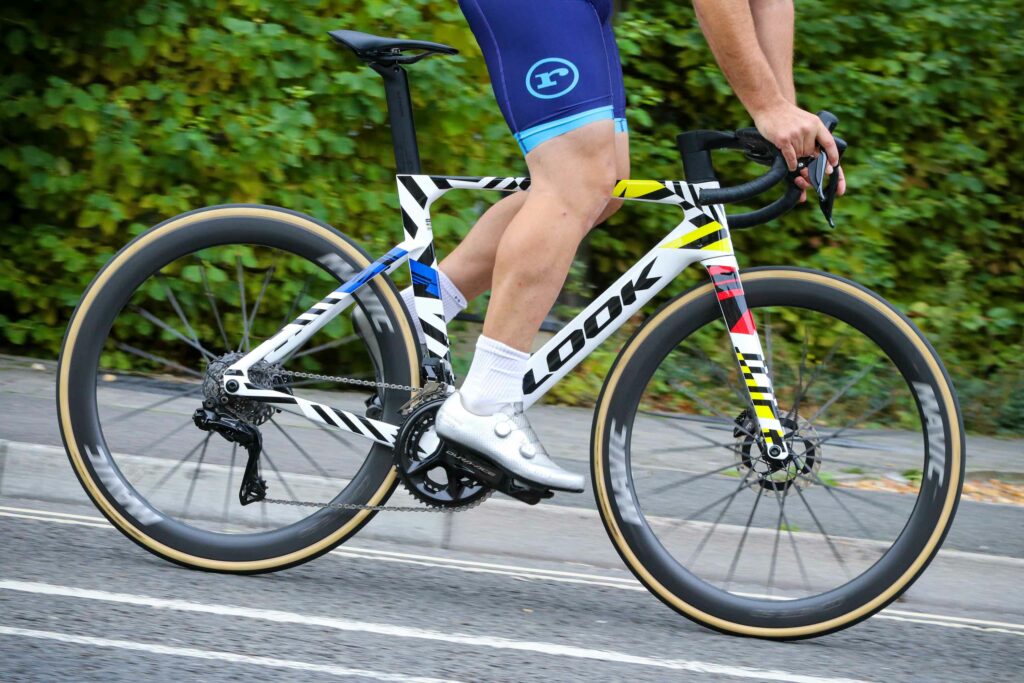
In recent years, there has been a widespread adoption of aerodynamic improvements: narrower handlebars, deeper wheels, aero-optimised frames, and ultra-slick race clothing. Riders are not only faster on the flats, but also climb quicker due to better equipment and positioning.
Even on mountain stages, where traditional wisdom suggested aerodynamics mattered less, modern data shows otherwise. With riders averaging 20–25kph uphill, that’s firmly in the range where aero matters.
Disley points out, for example, that “a 3% aerodynamic saving is equivalent to shaving 1kg off your system weight.”
UCI intervention: speed vs safety
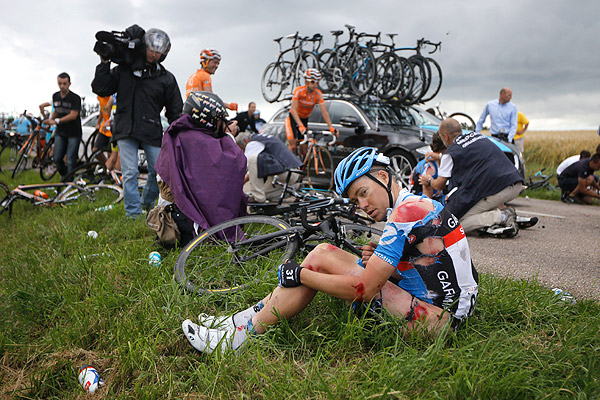
Which brings us to 2026. That’s when a package of new UCI equipment regulations is due to come into force, and they’ve already stirred controversy across the pro peloton.
Among the most impactful are:
- A maximum handlebar width of 40cm (measured outside to outside)
- A maximum wheel depth of 65mm
- A ban on time trial-style helmets in road races
- A gear restriction trial this August, limiting riders to a 54×11 setup
- A tyre width limit of 30mm
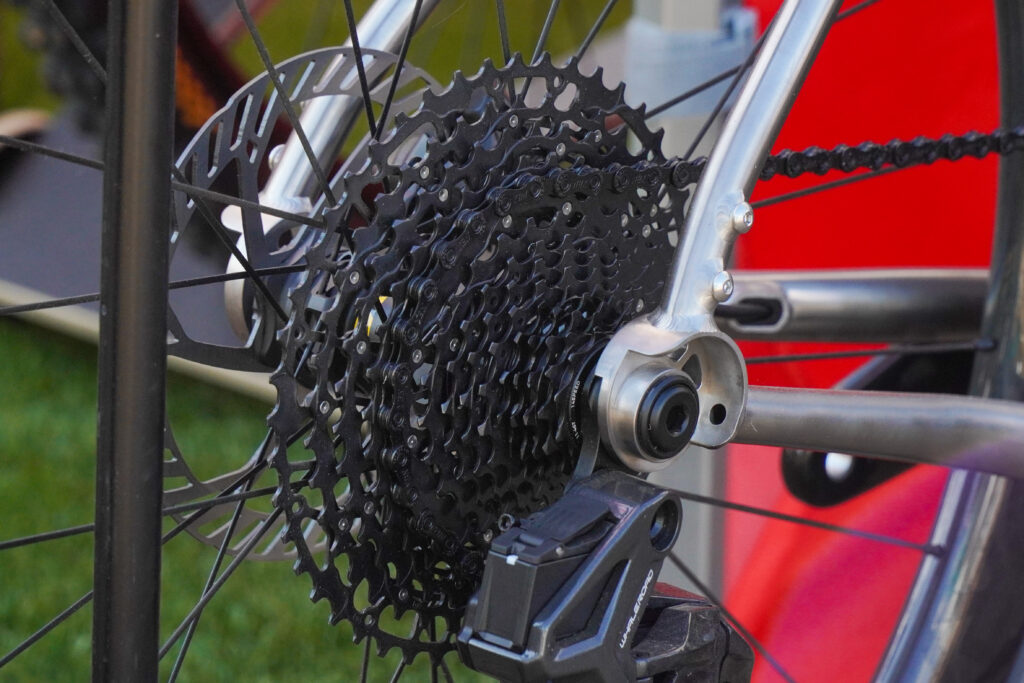
The first key factor here is the size of a rider’s gears as this will affect the top speed at which riders can pedal. SRAM riders more than Shimano and Campagnolo. SRAM riders currently have a 54×10 as their largest ratio, whereas Shimano and Campagnolo riders are generally limited to 54×11 anyway.
How often do riders require a greater gear size than this? I’d say that’d be only very occasionally because if you spin out this gear ratio, you’re probably going downhill so the rider will probably settle into an aero tuck to save their legs.
While it is somewhat understandable that the UCI is trying to reduce the occasions where riders can put the power down on a slight descent, those riders are still going to be travelling at incredible speeds on descents.
Look at Tom Pidcock’s recent video for RedBull where the Q36.5 rider clocked close to 100kph. What’s more, this isn’t an uncommon descending speed for the pros.
Looking at the other measures, widening the bar width will increase a rider’s drag as their frontal area will increase. That should slow them down, but I’d suspect two other factors came into the UCI’s thinking here. Firstly, bike control, which has been referenced in the past as a reason for controlling bar width.
Then there is aesthetics. I think the UCI simply doesn’t like the way overly narrow bars look. This is likely to be a large part of why they’re also banning the use of time trial helmets in road racing next year.
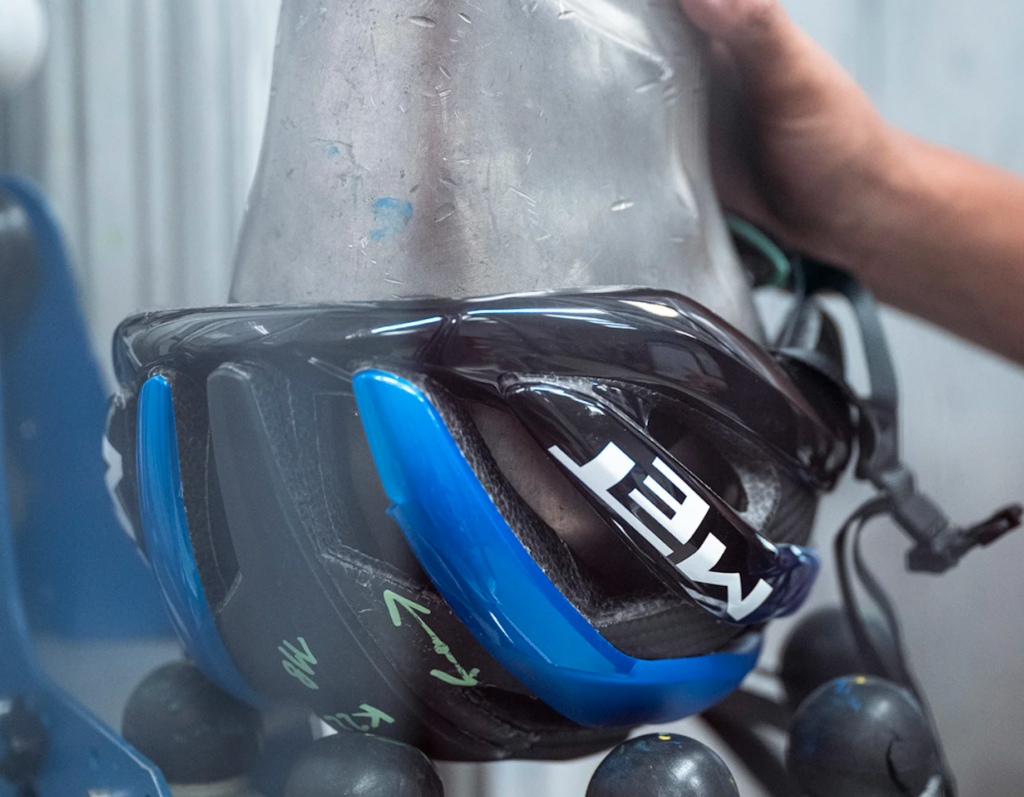
On the surface, the logic is that these restrictions will reduce top-end speeds and improve rider safety, particularly in bunch sprints and technical descents. But whether they will meaningfully reduce crash risk is still up for debate.
The racer’s view
Emily Tillett, a road.cc tech team member who also happens to be an international track racer and very accomplished road and gravel rider too, says that while improving rider safety is an admirable aim, she doesn’t believe the proposed changes will have the desired impact.
“I struggle to see how things like gear ratio limits, minimum bar widths and maximum wheel depths are going to make a meaningful impact on the safety of racing”, Emily says.
There is, however, the undeniable fact that many crashes come down to race dynamics, rider behaviour, and course design. Emily points out that there are practical solutions available to help riders when they do crash.
“I think there are far bigger things that could improve rider safety. Crashing is a part of cycling and will always be a factor.
“Having GPS tracking built into race numbers would mean a rider could be located and possibly treated more effectively. But cycling also seems to be behind with its concussion protocols. Riders sometimes appear visibly dazed and lose their balance, yet they’re allowed to get back on their bikes. That’s because there is nothing in place to get that rider checked and then properly help them back into the race.”
Emily also points out that while a SCAT test is currently in use, there is no official rule allowing teams to help their rider back to the peloton. Until there is, we’re likely to see riders continuing to prioritise getting back into the race.
The last ‘fast’ TDF?
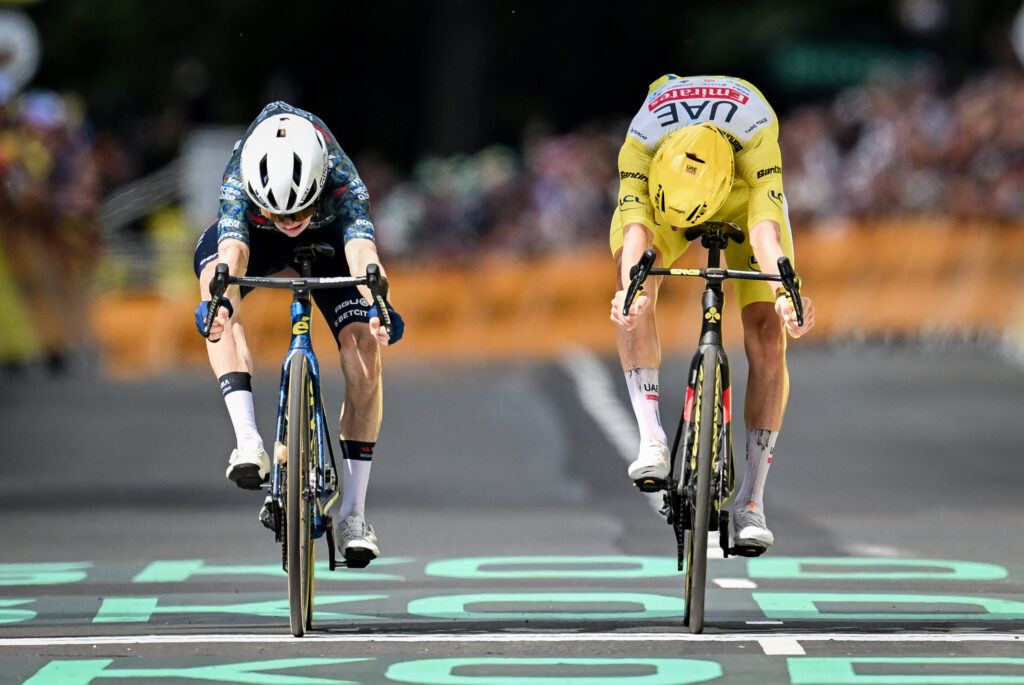
So, could we really see a noticeable reduction in average speeds in 2026? Obviously the pro peloton is still going to be moving far faster than any of us mortals could, but there’s a chance that rules such as maximum gearing could see the record-breaking speeds of the last few years be put on the shelf for quite some time. Whether the proposed changes actually result in a safer environment for riders is still highly contested.










1 thought on “The last ‘fast’ Tour de France? Why the UCI’s attempt to slow the pro peloton is unlikely to work”
No. They’ll always go faster,
No. They’ll always go faster, always have. Oh, and you forgot to mention nutrition and training advances behind higher speeds. They’re just fitter…