



Gravel as a discipline is booming, and while the concept might mean different things to different people, the elite gravel racing scene is ushering in the rapid development of aero bikes, components and even clothing. In fact, some race-orientated gravel bikes are becoming obsolete overnight owing to growing trends of wider tyre clearances and the rise of the Universal Derailleur Hanger (UDH).
The big theme here is aerodynamics and the need for speed. Aerodynamics is an obsession among competitive amateurs and professional road riders, and now it’s becoming increasingly de rigueur in the off-road space, too, with cyclo-crossers and even cross-country mountain bikers adopting road-inspired skinsuits and aero helmets.
An obsession with marginal gains
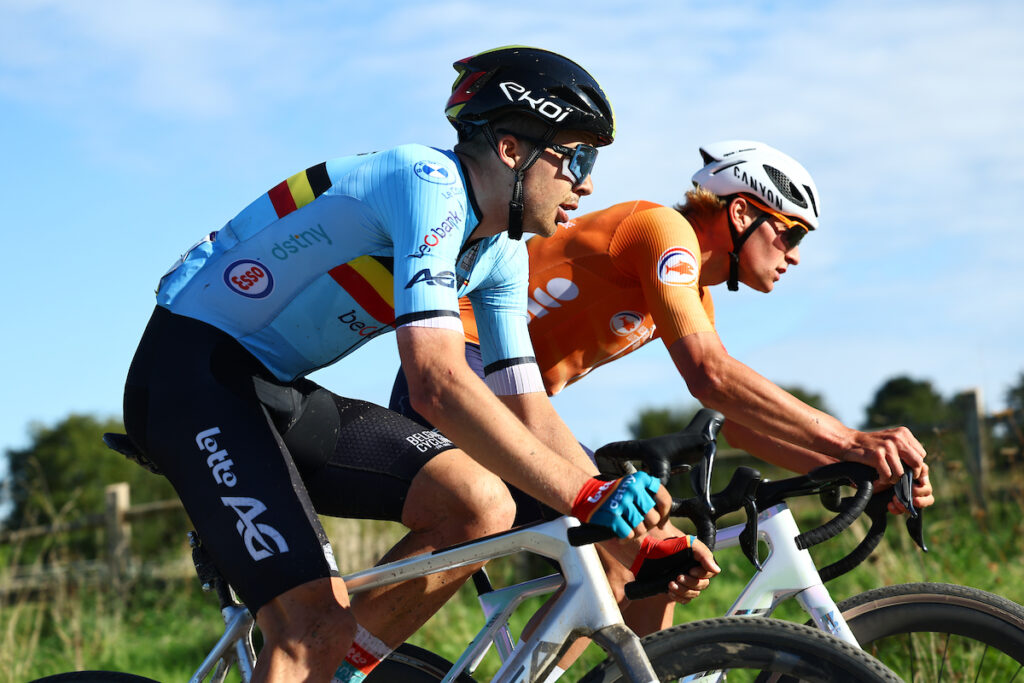
Based on the many similarities the two disciplines share, it’s no surprise we’re seeing more and more road racing-inspired innovations trickle down into gravel racing. After all, many WorldTour teams have riders who compete across multiple disciplines, helping to accelerate research and development and providing valuable product feedback that informs decisions at the top. These riders include the likes of Tom Pidcock, Mathieu van der Poel, Matej Mahoric, and Pauline Ferrand-Prévot.
Below, we’ll take a closer look at the aero trends dominating the pro and amateur fields, and also examine what’s happening on the other end of the spectrum, where the spirit of gravel is well and truly still alive.
The rise of the aero gravel bike
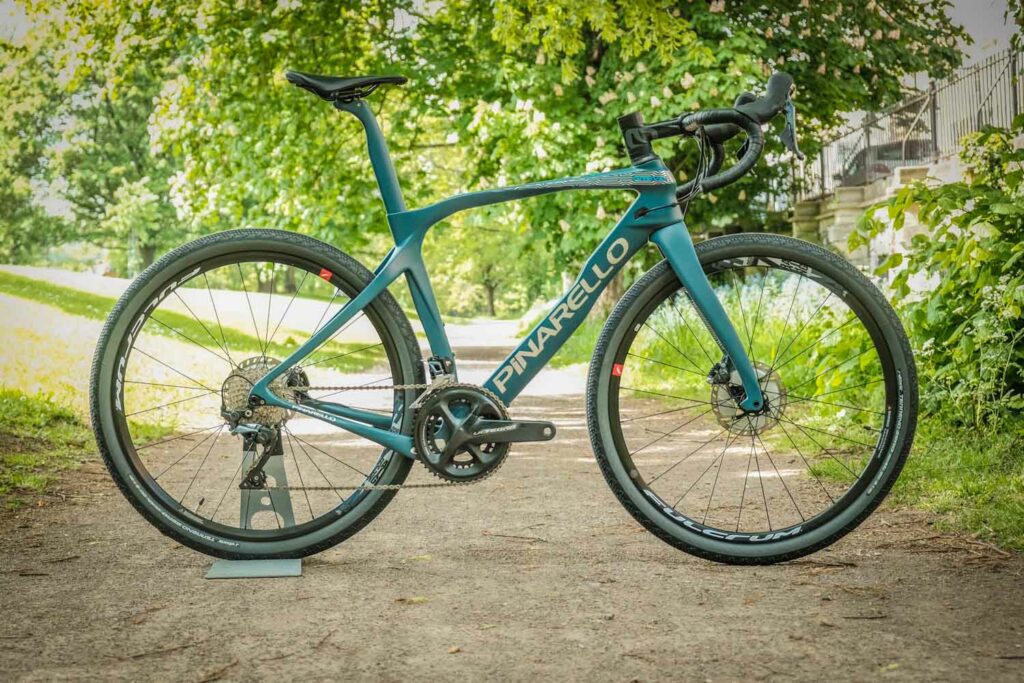
Rewind to 2020, and the gravel racing bike looked very different to today. While the discipline was still in its infancy (and still is to a certain extent), rounded tubing, exposed cabling and hoses, relaxed geometries, and wide-flared bars were dominating frame features – let’s not forget that 40mm tyres were considered wide back then.
> Why riders like you need to get more aero
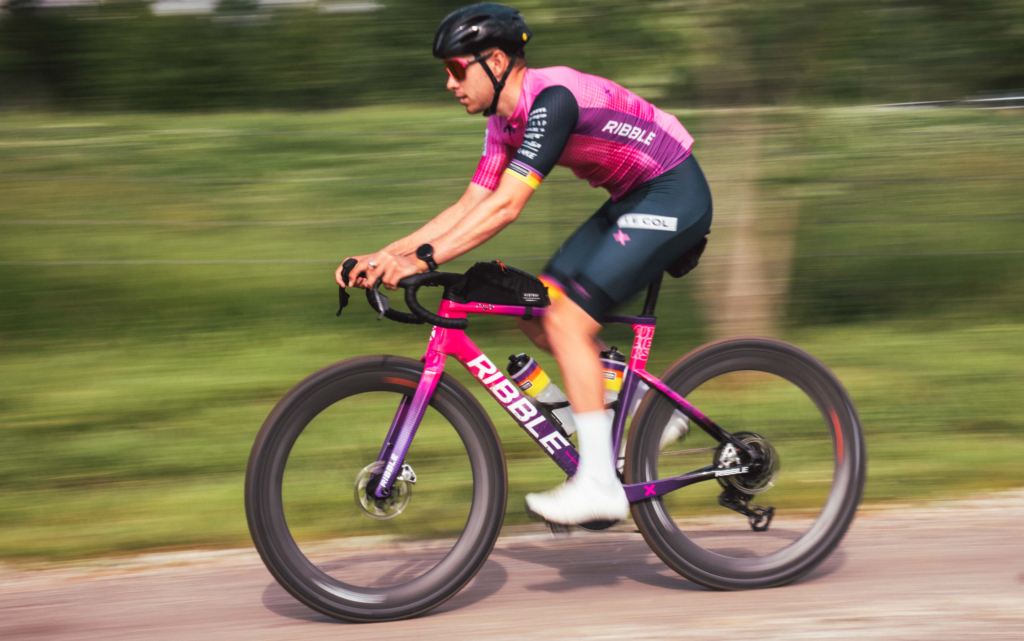
Fast forward to 2025, and aerodynamics have become so crucial that bikes are being designed from the ground up in wind tunnels, many of which utilise tube shapes and basic architecture like their road-going counterparts, and can now even accommodate tyres as wide as 2.1-2.2 inches – this was mountain biking tyre territory just 10 years ago.
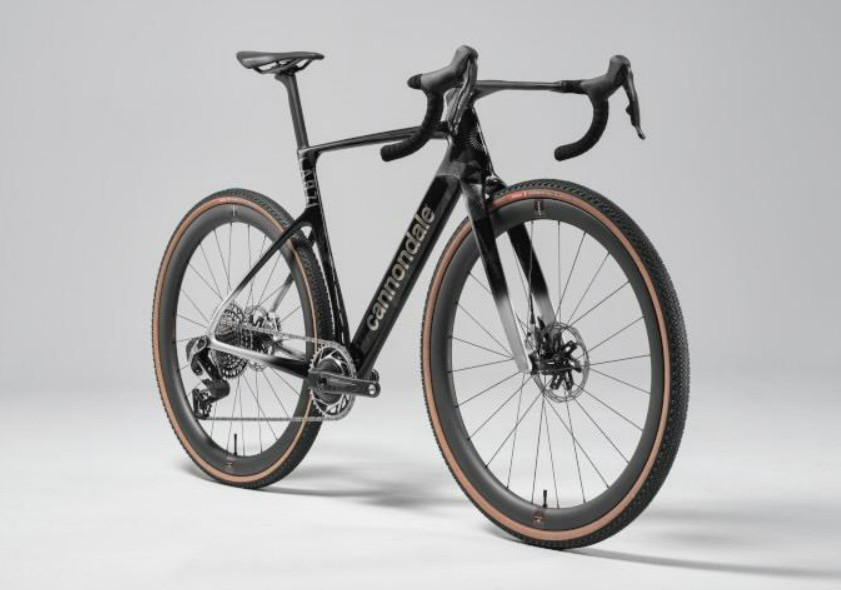
Leading the aerodynamic charge are the Cannondale SuperX and Cervelo Aspero-5, two bikes that are based on their road-going stablemates, the SuperSix Evo and S5. As such, the geometry numbers are aggressive, and the riding position very similar to that of a road bike – in fact, bar the gearing, which might very well comprise a 1x setup, bikes like these would have no issue keeping up in road race, chain gang or local group ride.
For the new wave of gravel bikes, the clear focus is aerodynamics and Cannondale’s engineering manager Steve Smith reiterates the company’s goals for the new SuperX gravel bike.
“When designing the bike, the team focused on three main areas. The first of those was aerodynamics. We were able to use our dedicated in-house team, including Dr Nathan Barry, and use our years of knowledge that we’ve developed from doing road platforms such as the SystemSix and two generations of SuperSix EVO.
“This has allowed us to achieve new levels of aerodynamic performance on this bike.”
Gravel-specific wheel systems… and TT-style disc wheels
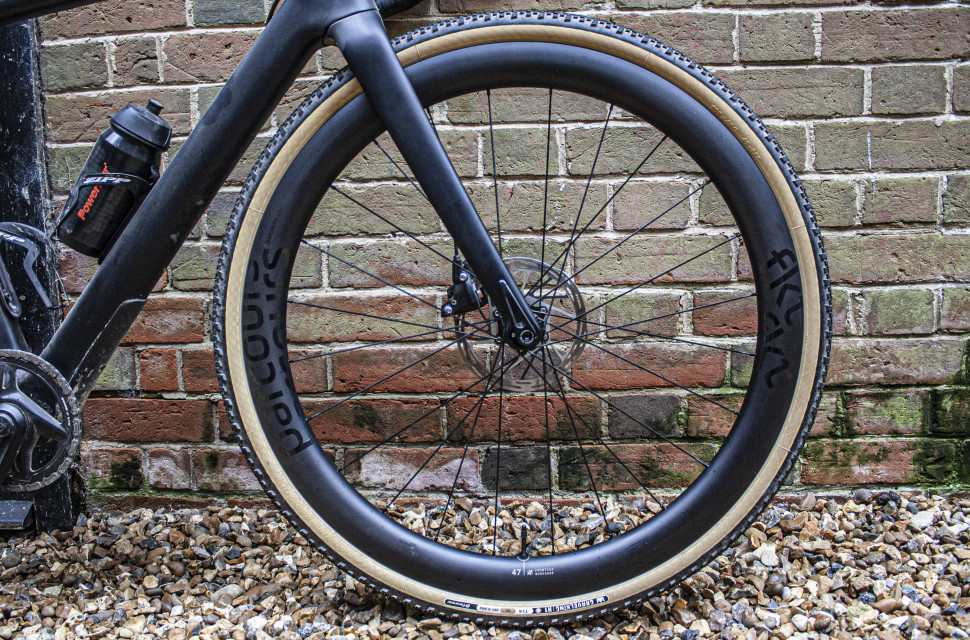
One of the most critical areas for maintaining speed in a gravel setting is the wheel-to-tyre interface. Wider tyres and softer tyre pressures ensure a better contact patch with the ground and can minimise vibration loss, serve as a form of suspension and improve speed.
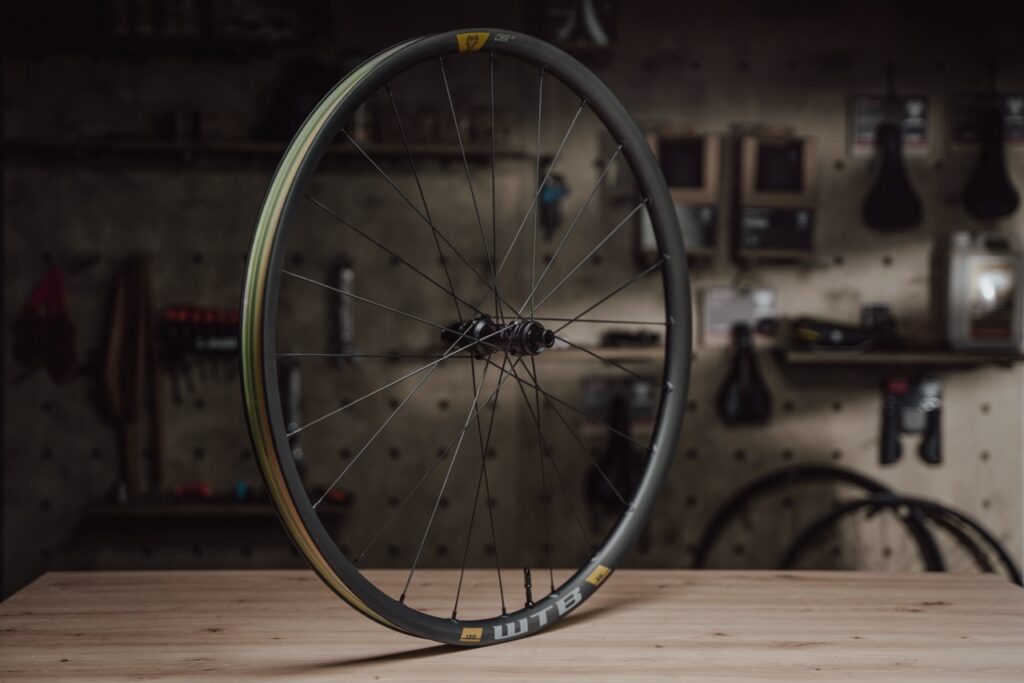
New wheels are now manufactured as a complete system (wheel and tyre) to improve overall performance and aerodynamics. Parameters such as rim depth and internal rim width, as well as tyre size and compatibility, have led to truncated rim depths that improve airflow from a thicker tyre and tread protrusions. Zipp, Reserve, and Parcours are early adopters of this concept and are among the most aerodynamic rolling stock options available. The result? Aero gravel wheels with up to 54mm deep profiling and 32mm internal rim widths.
Dov Tate, founder of Parcours, has some interesting ideas on why we’re seeing such a focus on aerodynamics and describes it as ‘the first generation of performance gravel tech’.
”As gravel has grown as its own cycling discipline, it’s inevitable that some riders are looking to push the boundaries of performance. Unlike in road racing, it’s not taken the best part of 75 years to come around to the idea that aerodynamics matters.”
Asked if the obsession with aerodynamics will perhaps lead to stricter regulations, Tate had the following to say:
“The main difference compared to road riding is the current lack of oversight or regulation. We’re seeing a lot of homegrown solutions or “hacks” even at the most prestigious races and while the ingenuity on display is great to see, it’s important that riders and racers are kept safe. Given the recent issues with the new UCI regulations for road and track, I can see why gravel racers might be wary of more restrictions, but I’d say that a sport like triathlon (specifically long distance or Ironman) finds a good balance of taking some parts of UCI rules but not all. So there’s still space for innovation.”
Things are getting even more extreme, however. At this year’s Unbound Gravel, Chase Wark’s outlandish Lauf Seigla gravel bike drew massive attention for its time-trial-bike-inspired components. This included a custom rear HED Stillwater wheel with a disc fairing and a 50mm deep HED Stillwater front wheel with a 28.5mm internal rim; both wheels were wrapped in 2.2-inch Continental Dubnital Race tyres.
Aero helmets
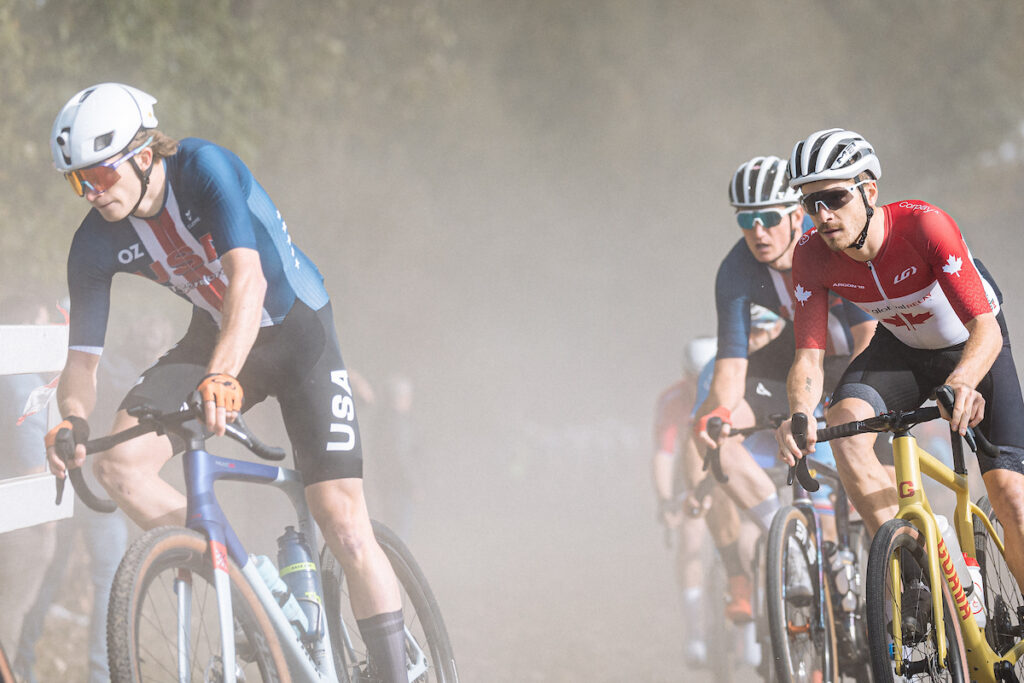
Gravel riders are turning to aero road helmets for racing. While the gains are small, over longer distances, aero helmets can make all the difference. New models are designed with strategically positioned vents for cooling and also feature slip-plane liners for improved safety in the event of a crash.
While there are a few all-round aero helmet options, such as the Fizik Kudo Aero and Met Rivale Mips, most riders are opting for road-specific aero helmets such as the Specialized Evade III, Met Manta and Abus Gamechanger 2.
Bike position
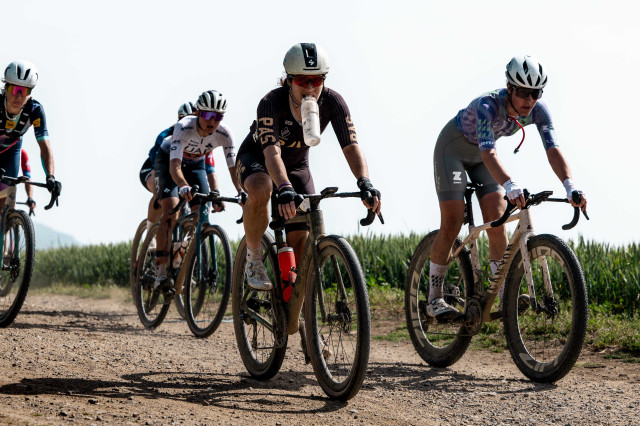
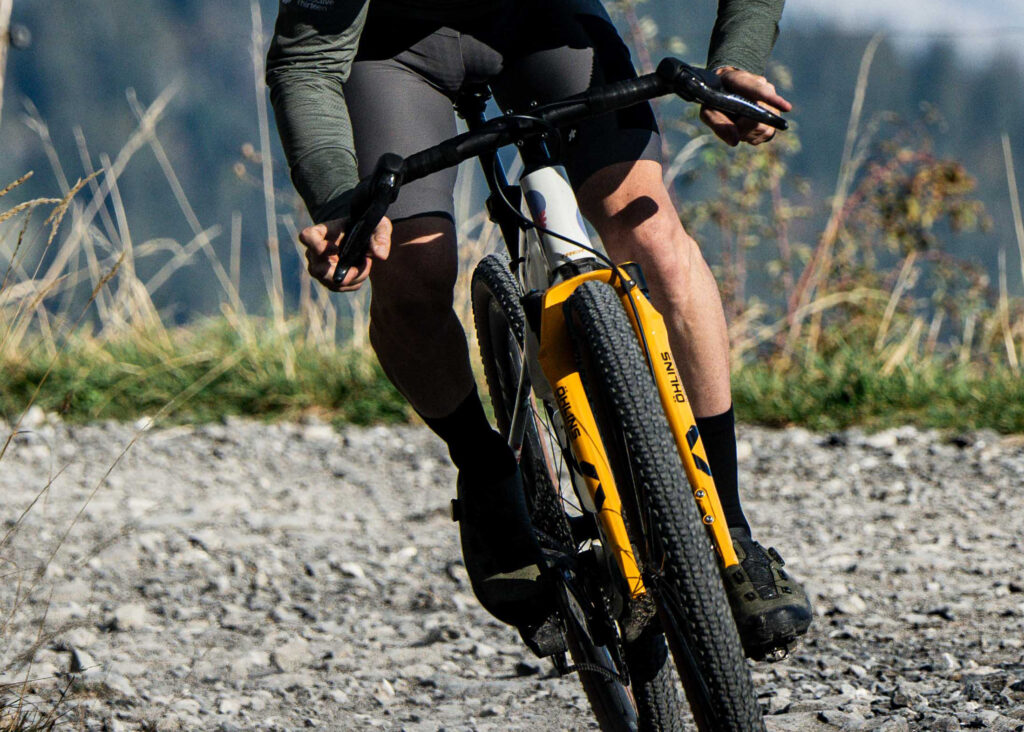
Bike position is primarily dictated by frame geometry, but as I previously mentioned, we are seeing more aggressive, road bike-like positions adopted by gravel racers, complete with longer reaches and slammed front ends. Road racers are often more flexible than mountain bikers coming across to gravel, and can stretch themselves over the frame and achieve a very slippery position.
Some riders are mimicking their road setup entirely and eschewing off-road-specific shoe/pedal interface for road bike shoes and pedals, which provide a “larger platform from which to apply force to the pedal” and possess better aerodynamics.
While some bikes still have provisions for dropper post integration, gravel courses are not very technical and nullify the need for such contraptions.
Skinsuits and socks
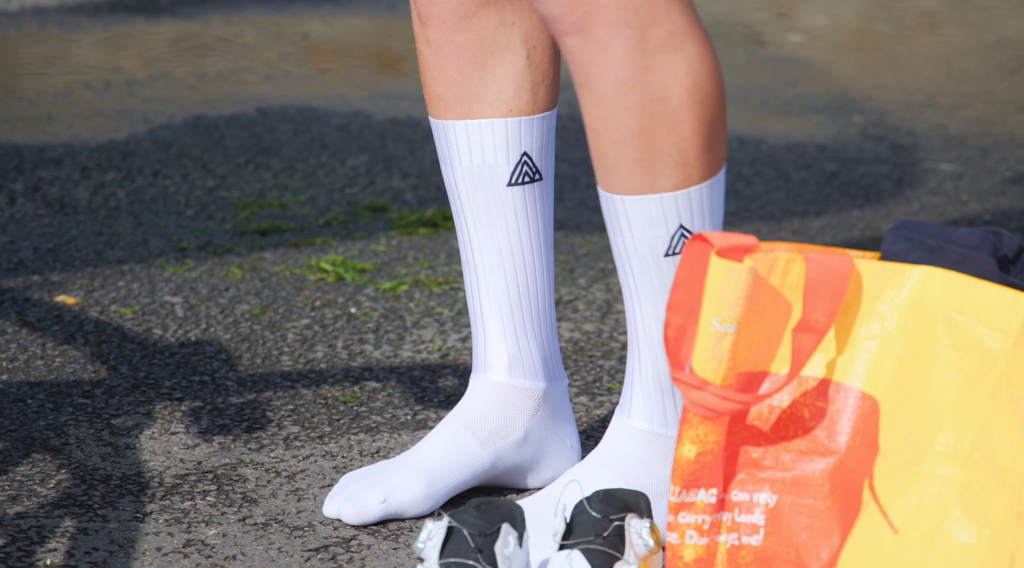
Flannel shirts won’t cut it anymore at this level, I’m afraid, as the aerodynamic skinsuit is now commonplace. We’ve seen this at the UCI Gravel World Series, Unbound Gravel, Lifetime Grand Prix, and the Gravel World Championships. Skinsuits have evolved over the years to offer improved comfort, with gravel versions gaining pockets and extra storage but still retaining wind-cheating tripping fabrics and body-hugging fits.
The same principles have been applied to socks, with some riders using full aero overshoes to unlock marginal gains.
What happened to the ‘spirit of gravel’, then?
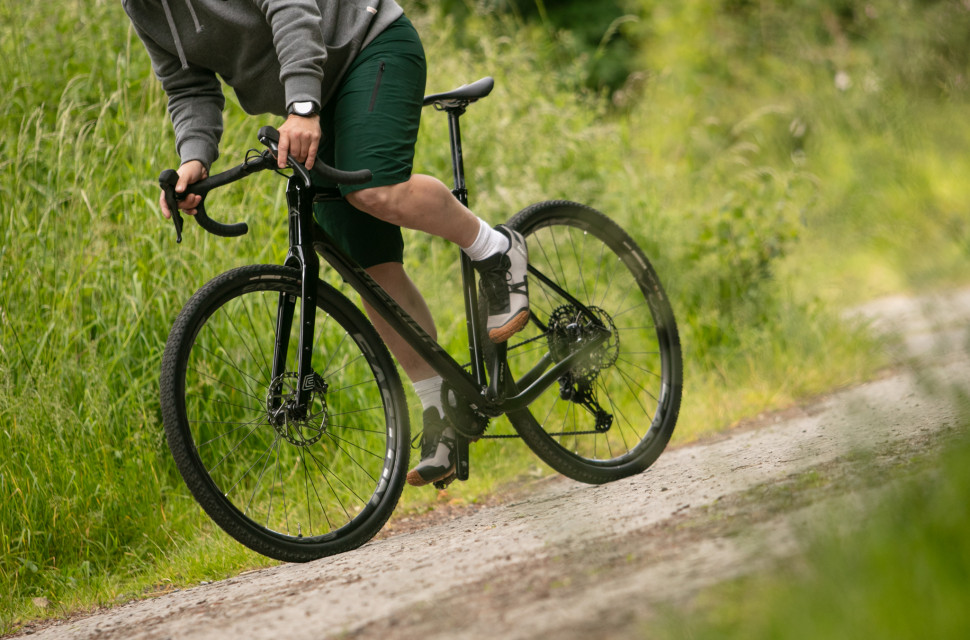
At the other end of the racing scale is a totally different rider, where the rhetoric around extreme comfort and enjoyment is still very much alive. Not only are we seeing this at ultra gravel events across Europe, Africa and America, but the general gravel rider, too. This mindset is more common in 300-mile-plus races than in shorter racing distances and comes as no surprise; the harsh terrain has cumulative effects on the body, and this fatigue needs to be mitigated by the right equipment choices and bike position.
While the focus is more on comfort, adventure and utility rather than speed and performance, the mindset of the racers remains the same, and racing is still very much the modus operandi.
More relaxed geometries
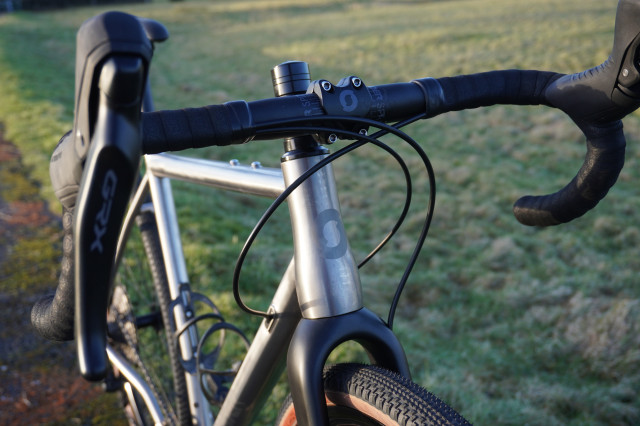
Comfort trumps speed here, and the main factors to achieve this stem from head tube angles, chainstay length, and front-centre numbers – even stack height plays a significant role, providing a more upright rider position for better comfort.
A slacker head tube angle provides stability at higher speeds and over rough terrain, as do longer chainstays. The front-centre number is key when it comes to how weight is distributed between both axles, and gravel bikes with progressive geometry will have longer front centres than racy gravel bikes.
Mechanical shifting
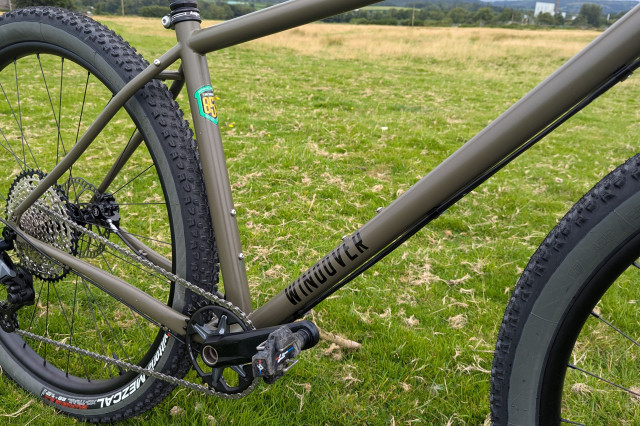
Good old cable shifting is not dead. In fact, in many ways, mechanical shifting is more reliable than the electronic equivalents – Di2 and AXS – due to the hardier nature of the components and the lack of reliance on batteries and phone apps.
Although this isn’t something relegated solely for use among adventure/endurance riders, it is more common in this setting due to the bulletproof nature of equipment. It is still extensively used in marathon events, including mountain bike races such as the Absa Cape Epic.
More suspension: forks and dropper posts
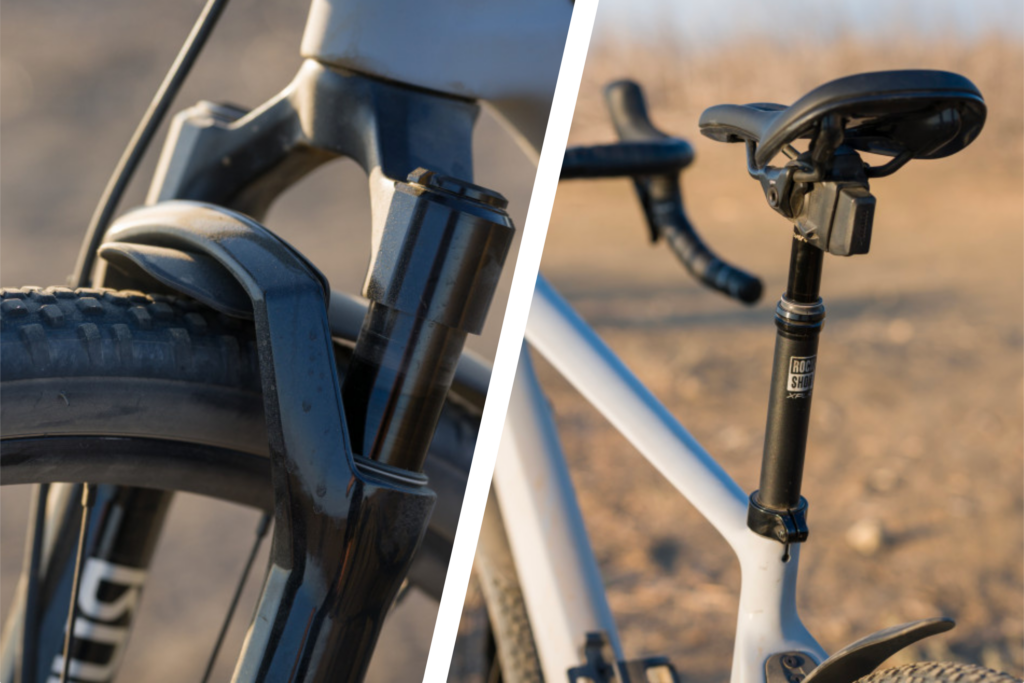
Wider tyres and lower pressure can act as a form of suspension, but this only works for short distances, as corrugated roads for hundreds of miles can fatigue the body very quickly.
While we have seen riders at the pointy end of the shorter races using suspension forks, it’s more commonplace on the endurance side, where bikes are fitted with dedicated gravel-specific forks (some even use cross-country mountain bike forks depending on the event) and dropper posts to counter the jarring nature of the terrain.
Despite lowering a rider’s weight on tricky, technical descents, dropper posts can also provide a rudimentary form of suspension by compressing slightly under impact.
Wider, flared handlebars
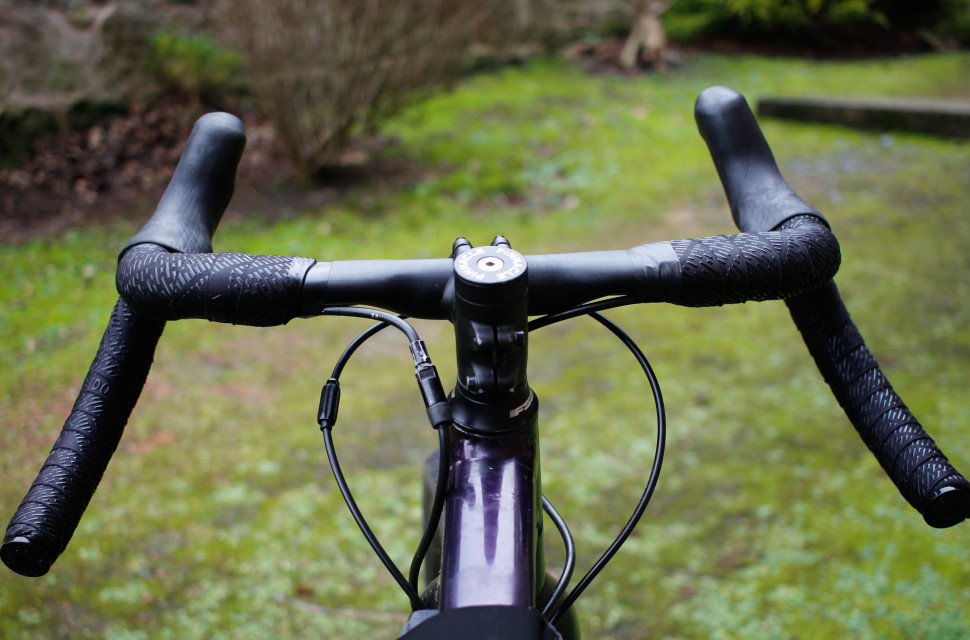
Let’s forget the controversial new UCI rules around narrow handlebars for a moment. Narrower handlebars, while more aerodynamic, can negatively affect comfort over longer distances and force the body into awkward positions that impact performance and accelerate fatigue. Wider handlebars can provide greater leverage and manoeuvrability, better shock absorption and, depending on the flare, equip riders with more hand position options for improved comfort.
Increased focus on bike storage and bag-carrying capacity
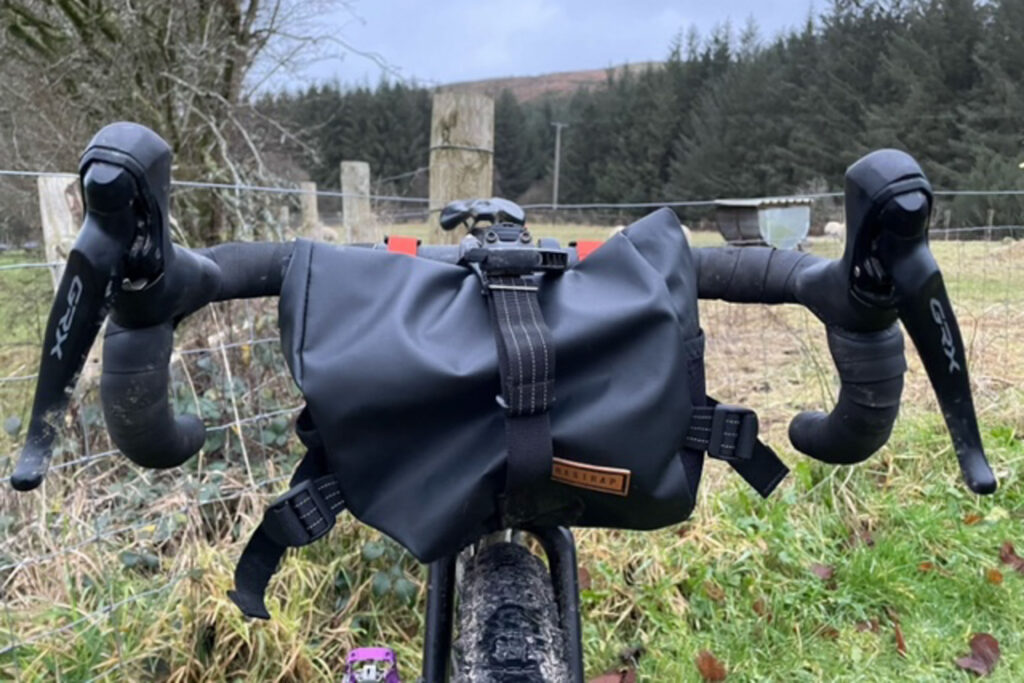
The most significant difference at this end of the gravel racing spectrum is that of on-bike storage. Handlebar and frame bags are very much the order of the day, and the big giveaway here will be the liberal use of mounting points within the triangle, and on the fork and seat stays.
While bags will add significant weight to the bike, the increased storage capacity for essential tools, food, and extra clothing, along with better weight distribution, enhances handling and stability – especially on long, technical descents where backpacks can upset the centre of gravity.
Gravel + aero: final thoughts
In closing, gravel racing needs to find the right balance here, and that’s going to be tricky to achieve. The two extremes are splitting the demographic right down the middle and segregating the one element that made the discipline so special, so endearing: inclusion.
Whether or not aerodynamics is truly killing the sport and snuffing out the spirit of gravel in the process, only time will tell, but one thing is for sure – the UCI’s involvement via the Gravel World Championships and Gravel World Series, plus the rapid commercialisation that comes with it, isn’t doing the discipline any favours.









10 thoughts on “Does gravel racing have an aero problem? Why some are saying the need for speed is ‘killing’ cycling’s newest discipline”
In answer to your headline’s
In answer to your headline’s question, I couldn’t care less. This is a road cycling website – this feature belongs on your off road/gravel site. Please stop padding out your content with this.
I don’t agree – it’s very
I don’t agree – it’s very easy to ignore the topics you’re not interested in. Let’s leave the site organisers to decide what to put on it- I think they’re doing a pretty good job
Gravel is actually closer to
Gravel is actually closer to Road than it is to proper off-road. In fact, I actually think, the roadie world have hijacked Gravel and made it more ‘road like’ than the proper off-road discipline its meant to be.
Gravel started with folk
Gravel started with folk riding their cyclocross bikes for longer periods and on less technical courses. They fitted bigger tyres than the 33mm max allowed for UCI events, because it was comfortable [and faster] and thus gravel bikes were born. So gravel has a more roadie style background than MTB, because CX riding is basically off season racing for roadies. The very successful road racers MVDP, Van Aert and Pidcock are all world champion CXers
We’ve been here before with
We’ve been here before with Cross Country MTB, Downhill etc. Seems that as soon as the rest of the world use modern technologies and surpass the Americans, they cry foul about it not being in the original spirit of the sport.
I think its like anything.
I think its like anything. Some people get pissy when something they thought was theirs turns out not to be. Theres a substantial number of road cyclists who are exactly the same. Complaining about a million things they don’t have to buy and how everything is aero, expensive, carbon etc. The market caters to pretty much everyone. No, you can’t have exactly what you want but no one can. Just enjoy your sport however you want and leave others to do the same.
Aero problem.. no i don’t
Aero problem.. no i don’t think so..
It all depends on the pacours really, the bikes at unbound are built like aero offroad TT because of the parcours but would not work well on the tracka..
I like my (1st gen) aspero is somewhat aero because i use it with road wheels on my commute,
Gravel racing has a problem –
Gravel racing has a problem – and it’s because it’s basically, Road racing, but off-road. Similar tactics, watts, aero, etc
It needs to be more off-road like, more technical, and involve more skills from riders, and not about watts/ power.
I’d actually like to see more Enduro style races; timed special stages with riders racing on their own against the clock rather than all these mass start events.
If bikes need more aero, that suggest the courses used need tweaking, and become more twisty & technical, rather than flat out mile upon mile of straights roads.
What is the point in those
What is the point in those changes? We already have that. They are the various types of MTB racing.
Gravel racing originated on non technical, often very straight gravel roads, hence the name. All bike racing is about watts/power. Even downhillers are incredibly fit athletes.
Racing is always about
Racing is always about winning and using the best gear to do so. Racing is also never inclusive as such, it’s always about beating other folk. It however only becomes exclusive when you need race licences and the ‘right sort of bike’. It also kills innovation when you proscribe what bikes/gear can be used.
Gravel exactly like MTB, was started by folks informally racing each other and then developing better and more suitable gear to go faster. Over 20 years a handful of mates, became massive race events. But nothing has fundamantally changed. The non-racers get the benefits of better bikes for whatever variation of riding they do. They can still have a go at really tough events like Unbound or do more social chilled rides with mates. Or do both.They are not mutually exclusive. A chap on yesterday’s social gravel* ride is racing the Walesduro next week.
*I used my hardtail as that route is way more fun on that bike. Lots of ‘gravel’ riding in these parts is just XC riding rediscovered by folk who missed it during the 90s. Most gravel bikes are now drop barred MTBs anyway. Fatter tyres than the early 90s and tyre width was the old definition of a bike suitable to use in an MTB race. Bigger than >1.5″ or 38mm
Racing getting more popular and competive is of benefit to us all, even if we have no interest or the ability to compete.
Bear in mind that the Dirty Kanza started in 2006 with just 34 riders riding the singular 200-mile distance available and only 15 finished. Now the race is called Unbound, with 5,000 riders and you get a place by lottery it’s so popular.