



Just a few years ago, radar technology in cycling was virtually unheard of. Fast forward to today, and rear radar lights have become a must-have for many riders with more and more cyclists investing in them for added safety and awareness on the road. So, what exactly is a rear bike radar and how does it work?
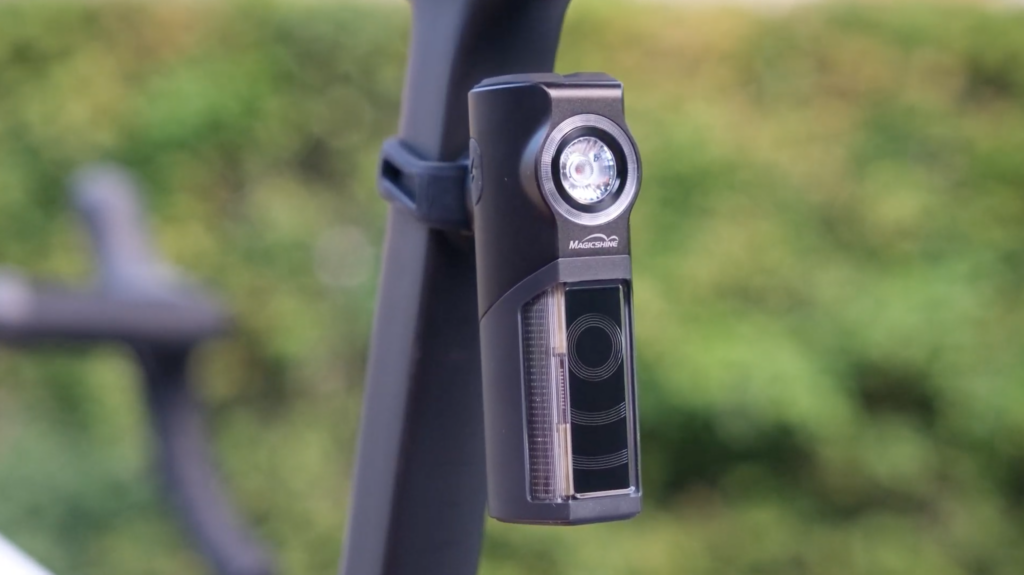
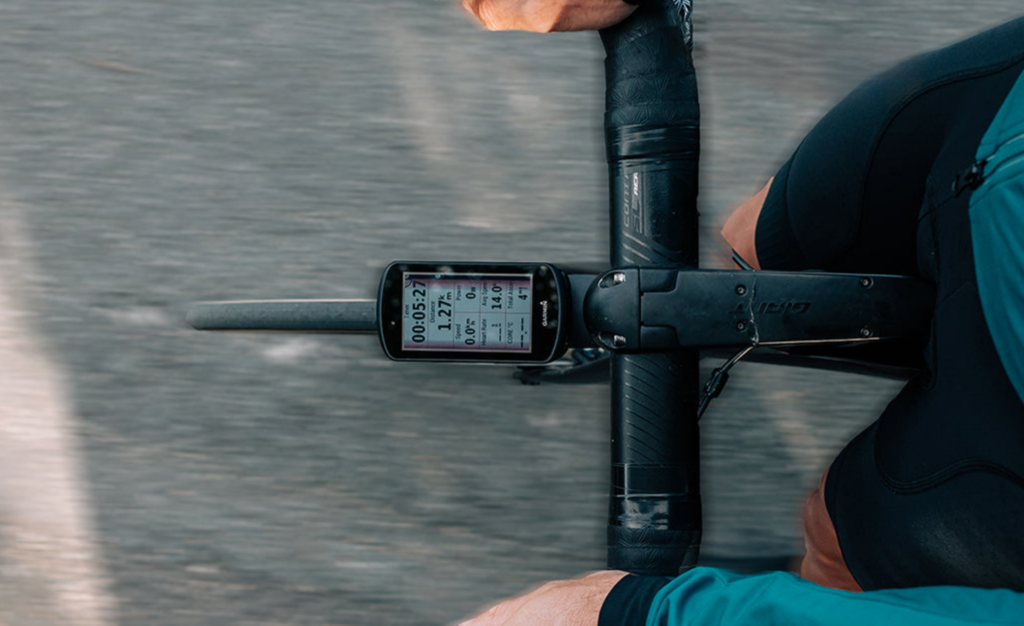
The Magicshine Seemee R300, for example, is a radar tail light that can detect vehicles approaching from up to 140 metres away, whether it’s a car, van, moped, or e-bike. Once it picks something up, the information is sent to your bike computer, where it shows the relative distance and speed of the approaching vehicle. The idea is to increase your awareness and reduce surprises from behind.
At first glance, the concept might seem unnecessary, after all, knowing something is behind you doesn’t change what that vehicle’s user is going to do. But the real benefit comes in two key areas.
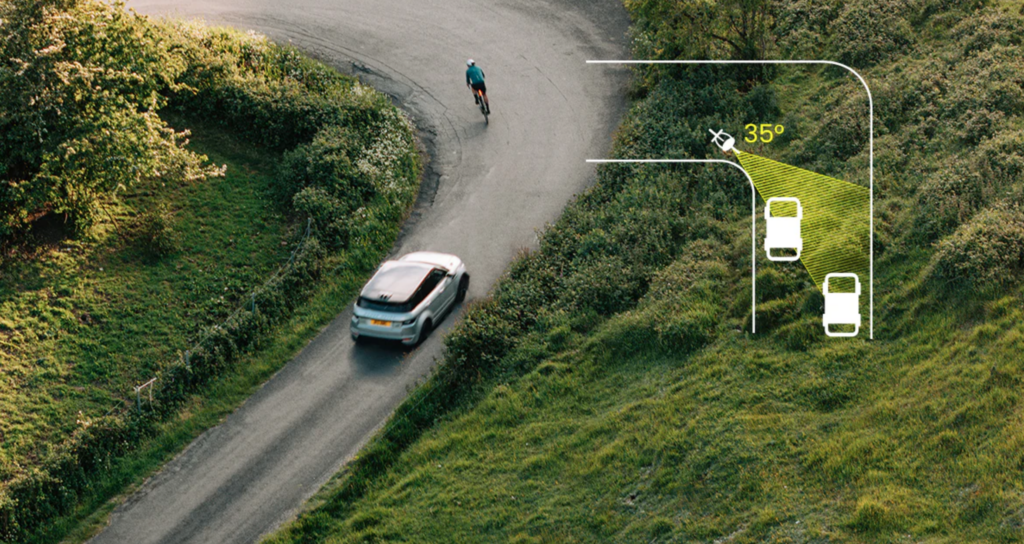
First, the radar gives a clearer picture of what’s going on behind without needing to constantly check over your shoulder. The Seemee R300, for example, has a 270 degree viewing angle and 35 degree off-centre, meaning if something is approaching, it’s likely to pick it up. This gives more confidence and peace of mind that when your bike computer says it’s clear, you can stay focused on the road ahead, rather than second-guessing what might be coming up from behind.
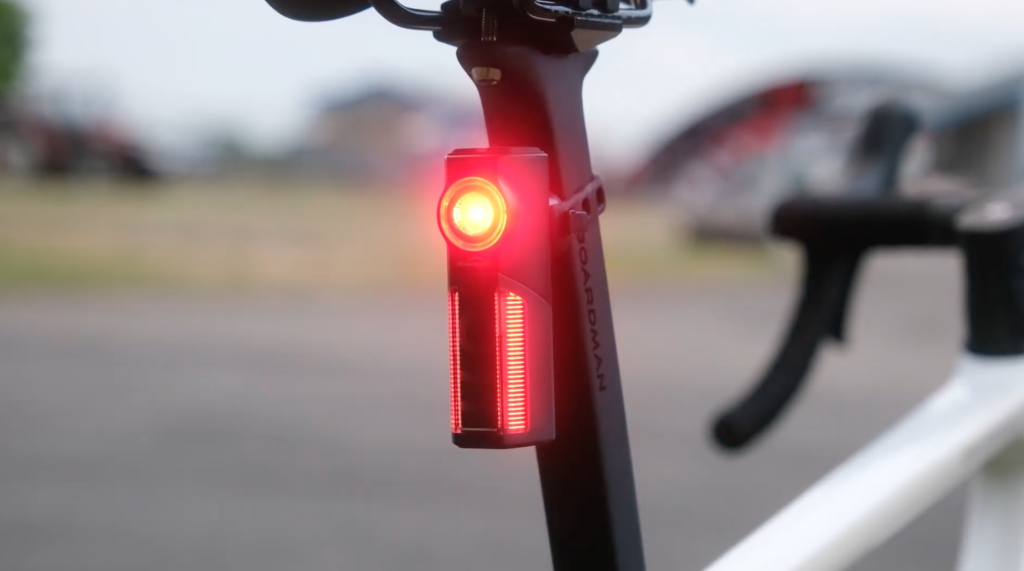
Secondly, the R300 doubles as a 300 lumen rear light. When a vehicle gets within 70 metres, the light automatically triggers a flash before adjusting brightness through smart dimming.
The result? You’re far more visible without blending into your surroundings with a constant rear light or irritating others with super bright flashing the whole time. It’s also a smart way to preserve battery life. In a sea of bike lights offering AI modes and braking features, this straightforward functionality feels like exactly what a smart rear light should deliver.
Radar rear lights have seen a noticeable surge in popularity lately, with many riders only recently discovering the benefits they offer. Speaking to fellow cyclists, the consensus is that most people either didn’t know this kind of tech existed or were waiting for it to become more reliable. Fortunately, the latest generation of radar lights has made significant improvements in both performance and practicality.
The Magicshine Seemee R300 is a good example of how far the technology has come. Even in its brightest light mode, with the radar function active, it offers an eight-hour runtime, while switching to a standard rear light mode extends battery life to up to 100 hours.
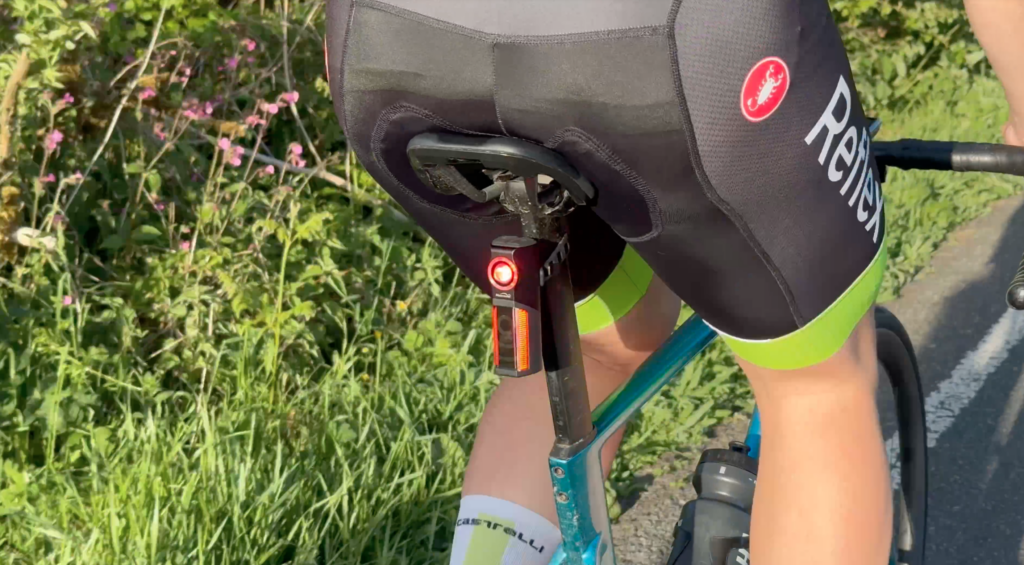
It’s also IPX6 water resistant so can handle wet weather, and comes with a two-year warranty that adds peace of mind for long-term use.
Another concern that often holds riders back from adding more tech to their setup is the perceived hassle. More devices to mount, more things to charge, and more steps between getting ready and actually riding. For many, the idea of adding a radar system might seem like just another complication.
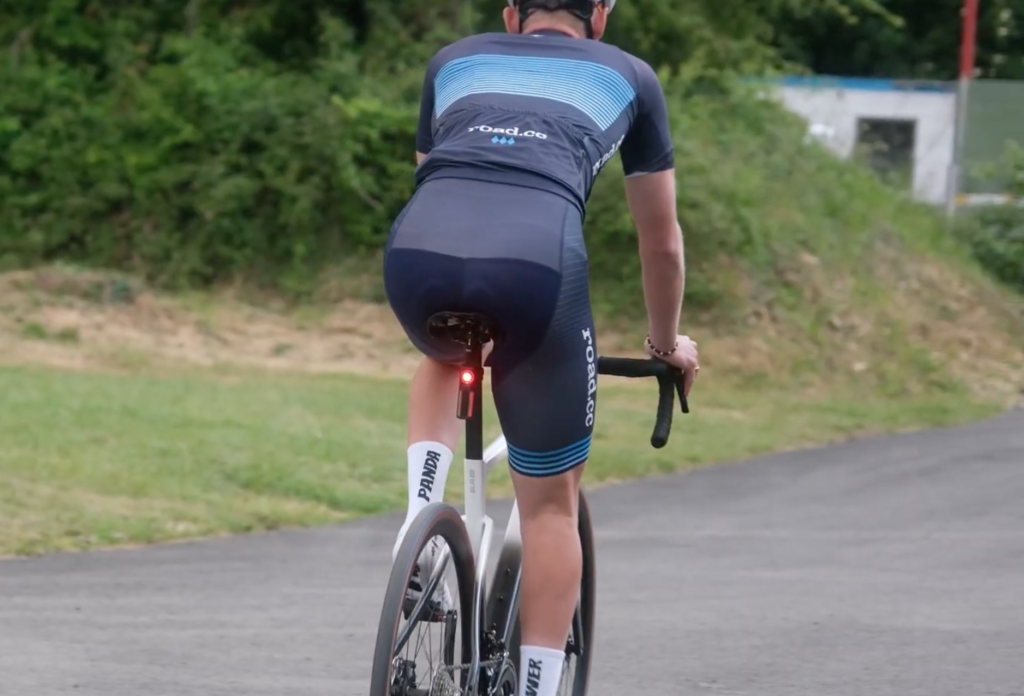
In reality, that’s not the case. Despite being a piece of advanced tech, a radar unit like the Magicshine Seemee R300 is remarkably straightforward to use. Fitting it is no more difficult than installing a standard rear light, and the battery life means it doesn’t need constant charging. Pairing with your bike computer takes seconds, and once it’s set up, it becomes a ‘fit-and-forget’ part of your kit.
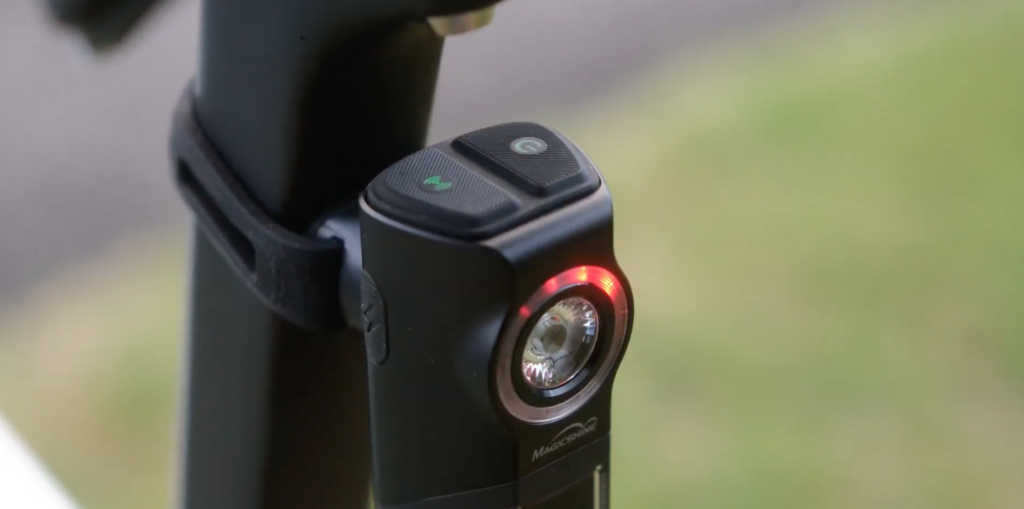
Operation is simple, too. With just two buttons, adjusting light modes or settings is quick and easy, even with gloves on.
Many gadgets come with hefty price tags – bike computers easily surpassing £500, jackets costing a small fortune, and even a new cassette sometimes feeling like a mortgage-sized expense. The Magicshine Seemee R300 radar tail light has an RRP of £129.99 which feels reasonably priced for what it offers.
That said, it’s understandable that £130 is still a significant investment for many. For those looking to dip their toes into radar tech without breaking the bank, the Magicshine Seemee 100AD offers many of the same smart features, including the PelotonSync flash for £59.99.
Considering that a quality rear light alone can easily cost half that, it’s no surprise that radar tail lights are quickly gaining popularity amongst cyclists seeking better safety without the premium price tag.
Let us know your thoughts on cycling with a radar in the comments section below.




32 thoughts on “What exactly is a bike radar system, and why does everyone want one?”
Didn’t GP-Lama review the
Didn’t GP-Lama review the Magicshine poorly?
Afaik most of the reviews
Afaik most of the reviews tend to show that Garmins 10 year old radar tech still has the best mix of detection range and lack of false positives.
300lumen … for a rear light
300lumen … for a rear light?
What happened to ‘must not dazzle’?
Article says it uses the
Article says it uses the radar to automatically dim as vehicle gets closer….
I’ve got a viz300 but only
I’ve got a viz300 but only use that mode in winter when the sun is very low shining down a NSL. Also useful this time of year before sunset with bright low sun (I had to slow to 10 mph on Monday night but I do not have confidence that many other drivers would react the same).
I don’t buy the argument for
I don’t buy the argument for not looking round. In my experience, certainly in daylight, looking round early when you’re aware of a vehicle approaching sends a clear signal to that driver – “I know you’re there and I’m interested in what you’re doing”. The complete idiots won’t notice, but some drivers I think do take more care as a result…
Agree, as ridiculous as it
Agree, as ridiculous as it may seems, sometimes when cycling you have to add a little drama to be noticed.
It doesn’t take away the need
It doesn’t take away the need for good observation, it is a tool that enhances good observation.
I know its a sponsored piece,
I know its a sponsored piece, but the headline is a bit much.
‘What exactly is a bike radar system, and why does everyone want one?’ is a bit much.
Everyone does not want one and I think they will always be a very minority purchase for those that like a gimmick.
Sniffer wrote:
Have to agree, I know a good number of cyclists including quite a few who are always up for buying a bit more tech and I don’t know any of them who run a radar nor have I heard any of them expressing any interest in having one. Not saying they might not be useful, I have no experience of them, but it’s definitely not something that “everyone” wants.
It would be better to draw a
It would be better to draw a clear distinction between urban and rural. In an urban place, it goes off all the time so not very useful.
More useful in a rural one where you can be caught unawares if you are just enjoying the scenery. I use one as I am on an NSL, no footways or streetlights which everway I go home. When it beeps I can check distance and speed. If there is no one near, I then take the lane and see if they slow. If they don’t slow, then I have a couple of extra seconds to get on the verge. It also helps that the flashing changes on car approach.
I have mentioned the speed in a police submission just to get it into evidence (although wouldn’t be evidence of itself unless they sat down with frame counting and working out distance travelled).
I also have a small mirror and I find they work well together.
Overall, it really depends where you live and cycle.
I have mentioned the speed in
I have mentioned the speed in a police submission just to get it into evidence
It won’t. The police refuse to accept any evidence of speed of a vehicle from a video, just as they have taken to refusing to accept any evidence of the closeness of a passing vehicle from a video, or any evidence at all to the disadvantage of a driver, really.
Not sure why you ignored my
Not sure why you ignored my next sentence. My phrasing was also deliberate: ‘into evidence’.
Because it will be dismissed
Because it will be dismissed out of hand by the police as non-evidence
Hirsute wrote:
You’re right to highlight the different use cases regarding urban & rural. Much of my riding is in Dorset on NSL B roads and lanes.
An example screen grab here (kept because 10 seconds later it was a close pass), you can see the van in the distance. At this point I hadn’t heard it yet, the head unit has already alerted me (and because this is a camera version, recording started). This would not have been visible yet on a mirror.
The incident that tipped me
The incident that tipped me over to getting one was on an nsl back road. The Merc guy must have been doing 60+ and I was just relaxing and not paying much attention. Must have been very close too.
Those doubting the benefis of
Those doubting the benefis of radar are wrong, but entitled to their opinion. It is not a gimmick.
I’ve been riding 63 years and do so now on country roads, often by myself. I am slightly hearing impaired, so my Garmin gives me advance notice of approaching traffic, with an indication of speed, from the rear. This ensures that I am rarely caught unaware of vehicles passing. That is a safety benefit and not a gimmick.
I will not ride without radar and neither will the friends of mine who have invested. I consider it a game changer in terms of allowing me to ride defensively where neccessary and feeling safer on the roads.
Legin wrote:
A mate of mine was espousing the wonders of his Garmin radar at the weekend.
I used the word gimmick. I
I used the word gimmick. I could probably have used a better one.
My comment was less about the effectiveness of the item being promioted, but more the exagerated headline that claims ‘that everyone wants one’.
I am pleased that you have found something that works for you.
You will still be in a minority that wants one though.
I ran a rear radar for a few
I ran a rear radar for a few months but ended up selling it. I’m casting no shade on the tech, it absolutely works, but I found it made me think too much about bloody cars. It was making me anxious. I’m happier without it. Your kilometrage may vary, of course.
What exactly is a bike radar
What exactly is a bike radar system, and why does everyone want one?
They don’t. Hands up who thinks me having a radar ‘warning me’ virtually all the time would reduce the chances of these offences occurring, now that the police across the land are declaring that close-passing doesn’t exist, and they’re not going to take any action anyway
https://upride.cc/incident/wa12ezu_schooltrafic_closepass/
https://upride.cc/incident/kv61gda_peugeot308_closepass/
I find my rear view mirror is
I find my rear view mirror is cheap, very effective and doesn’t need to be re-charged!
Except when it’s low sun
Except when it’s low sun directly on it, it fogs up and you can’t tell how many people are behind you when it’s dark.
If you want to know whether they are giving space then that’s when it is useful.
I’ve had 2 radars, the first
I’ve had 2 radars, the first I found it was unnecessary after a while, but if you’re in an area whereby cars speed regularly ie country roads etc, then theyre useful, that’s why I’m got another now. I’ve a mirror and a back flasher and that was enough but the effect and how it flashes DOES help imo, tho if you feel you can do it without cest la vie 👍
Surprised by some of the
Surprised by some of the comments. For me, riding on south Devon’s rural roads it is a game changer. I ran a daytime light anyway and the light on the Garmin Varia is brilliant, you get spotted a long way off and with the radar, knowing a vehicle is approaching (from 140 yards) enables me to take a suitable position and gives a bit of confidence – no more shocks when someone passes at speed.
Pedantically it is 140m. I
Pedantically it is 140m. I have had this flash up on the Garmin head unit too.
Pedantically it’s 0.696
Pedantically it’s 0.696 furlongs
Not sure what your point is.
Not sure what your point is. 140 yards is less than 140 metres.
Nah – it’s 4.537E-15 parsecs.
Nah – it’s 4.537E-15 parsecs.
One comment said it was a
One comment said it was a game changer, and going on to say: “enables me to take a suitable position and gives a bit of confidence – no more shocks when someone passes at speed.” What a load of nonsense, if you are not always riding in a suitable position you already don’t know what you’re doing. No more shocks if someone passes you? Really? You can’t hear a car coming up behind you? I guess if a person is deaf maybe the radar is ok, but a mirror does the same thing for a lot less money, and you see back further than 140 meters.
I do most of my riding on country roads, been doing it for over 50 years, and never saw a need for a radar.
Mirrors don’t fog up unless you’re breathing on them, and mirror in the dark can see car headlights.
A radar is not going to tell you if a car is on a collision course with you, and if you are always riding where you need to be to remain safe then there is no problem. I knew a guy that was rear ended by a car, he had one of those radar, he said it didn’t tell him that he was going to be hit, but then he said something interesting, if could have told him he was going to be hit, there was no place for him to go to evade the accident. He sold his radar and got a mirror. He was the only person I know of, or have seen on road that used a radar.
For over 100 years since cars have been around along with cyclists, people didn’t wish for some sort of technology to detect cars coming up from behind. All this is about is Garmin marketing instilling fear into people to sell a product.
I’m not going to discourage someone from not buying one, but I think if people simply ride using their brains that God gave them they would be fine without one. Like I said before, if you are hard of hearing or deaf it could be useful, but I can’t see how it would be anymore useful than a mirror. A deaf person drives a car without a rear radar, do they need one? No, that’s why cars have mirrors, and deaf people know how to use them.
Somewhat what bizarre rant.
Somewhat bizarre rant. I use a radar and see someone else with one every couple of rides.
Mirrors have flaws like vibrations, blind spots rain drops and tiny images. You also seem not to allow people to take up different positions depending on the nature of the road, potholes street furniture etc.
Each to their own.
I used to think much the same
I used to think much the same ’till a few weeks ago when an old friend and I went for the cycle we’d been meaning to go for ages. He’s now rather deaf and has a Varia, he’s delighted with it and is now feels much more confident on the road than he did. His wife’s anxieties are also much reduced. While I have no desire for one they certainly have a niche. It’s a far smaller niche than perhaps their manufacturers would wish but that’s another issue.