



In true trickle-down style, the SRAM Rival AXS wireless groupset has been updated with the aesthetics and ergonomics of its range-topping Red sibling, changes that have brought upgrades to both the shifting and braking performance. And while the price has gone up, it’s still a lot of bang for your buck.
SRAM Rival AXS: Performance
This time last year SRAM released a new version of its flagship Red groupset, and after reviewing it I said I believed it was the best gearing/braking setup on the market. The good news is that SRAM has trickled down much of that design and performance to its cheaper groupsets, Force AXS and the one I’ve been riding here, Rival AXS.
Compared with the previous version, this new Rival groupset has dropped a bit of weight and increased in price but taken a huge leap forward in terms of performance and aesthetics in my opinion.

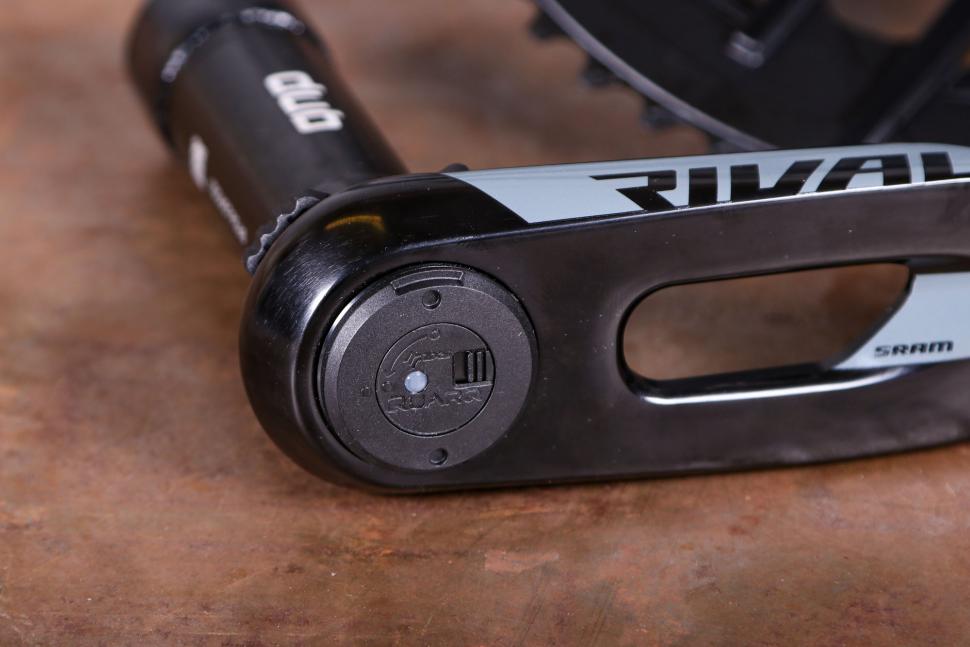
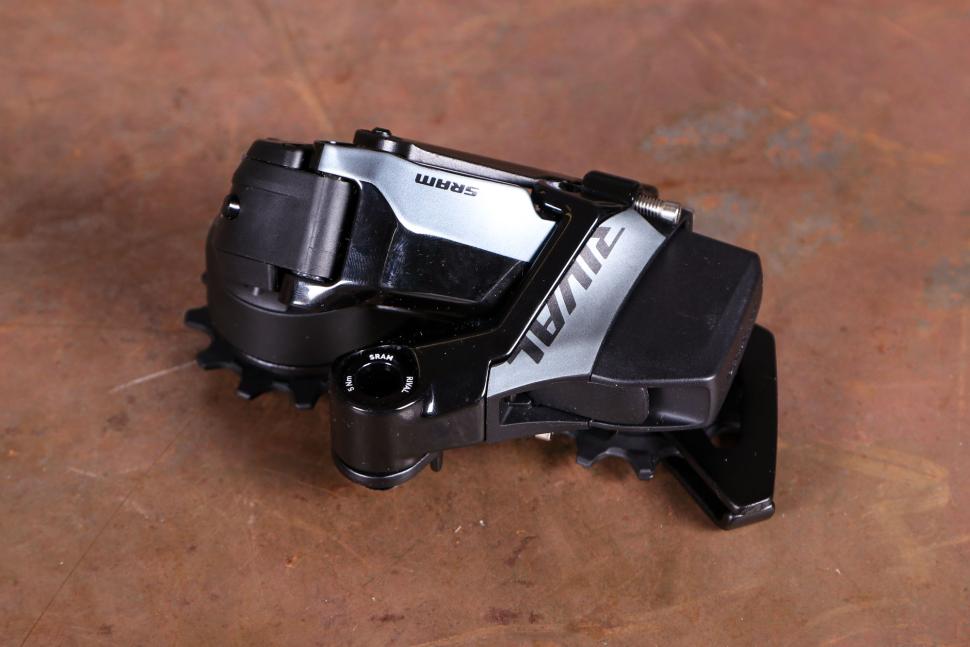
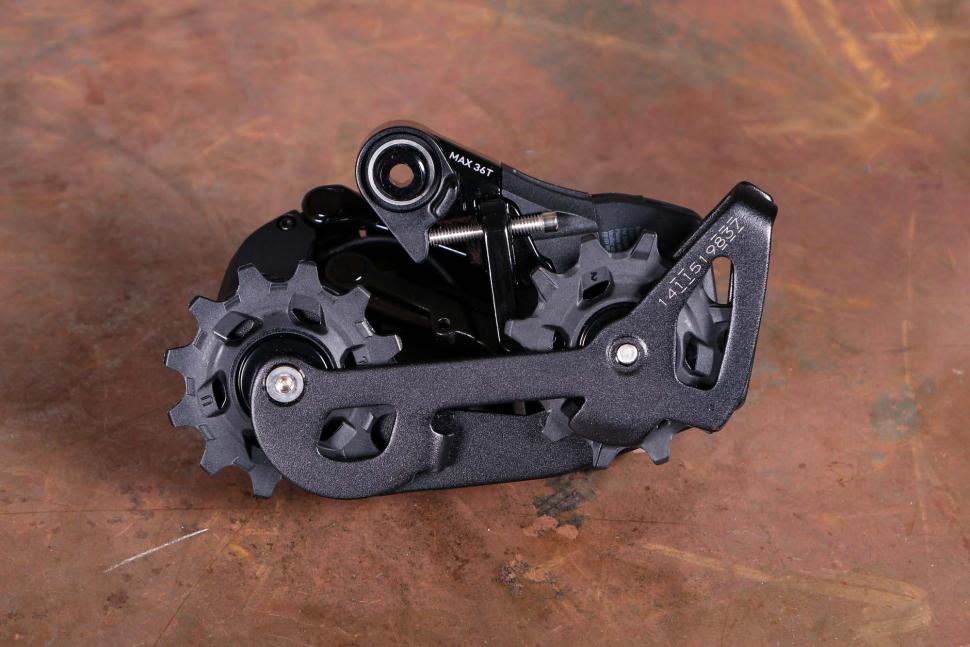
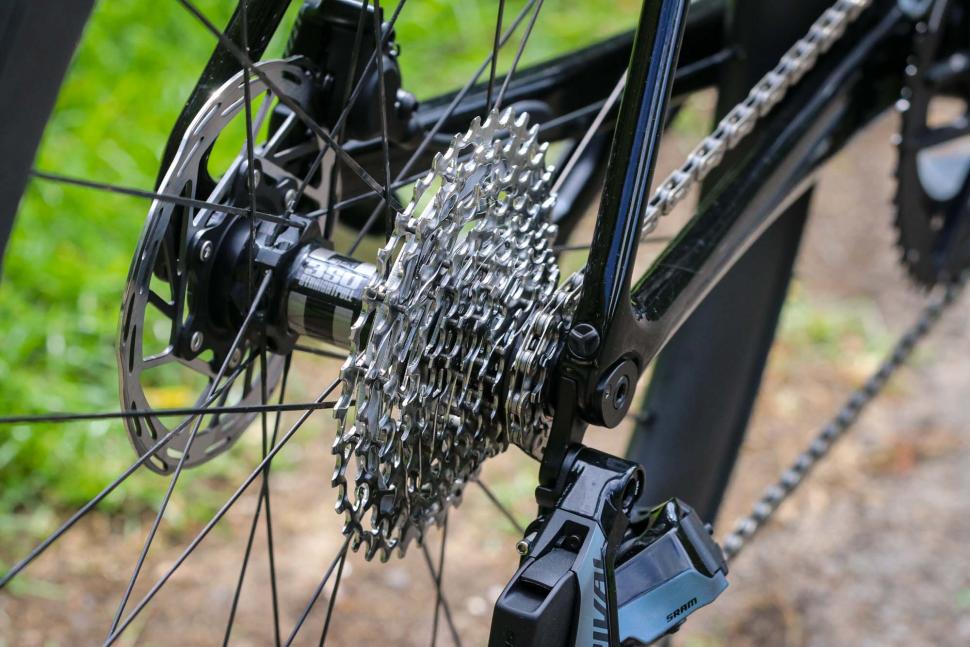
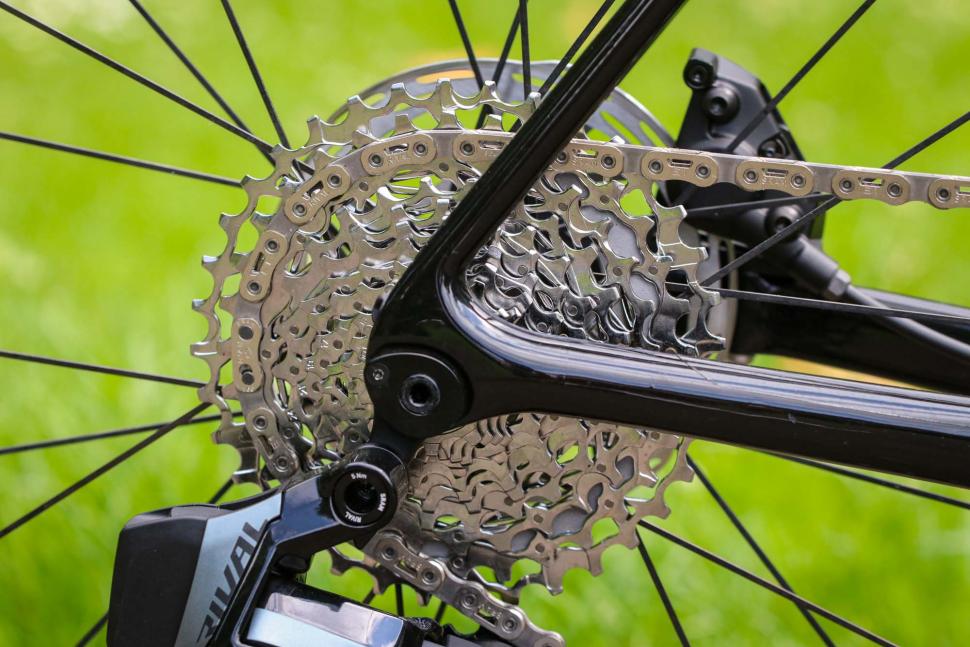
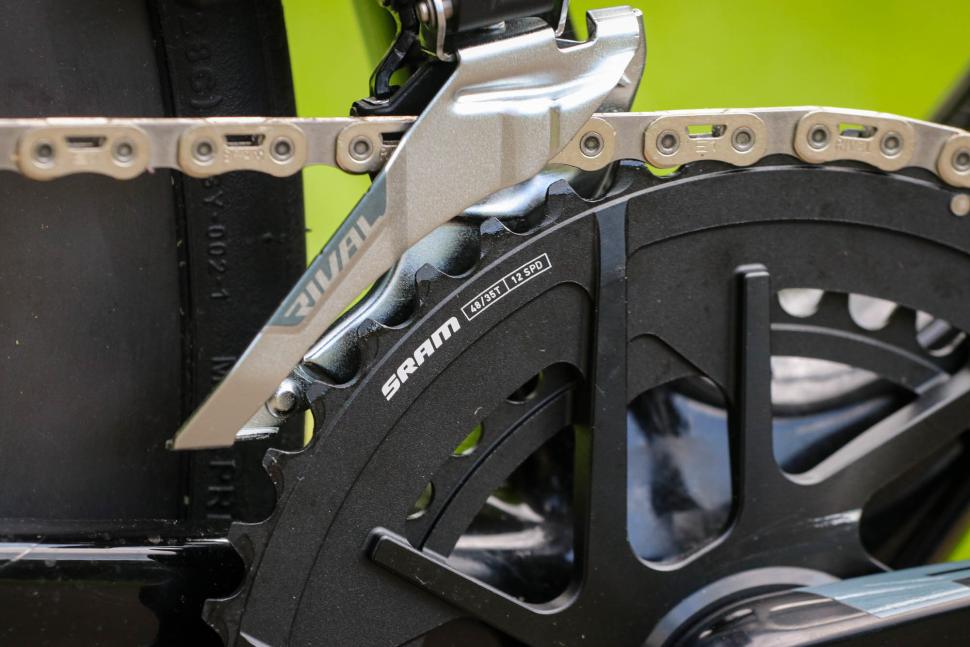
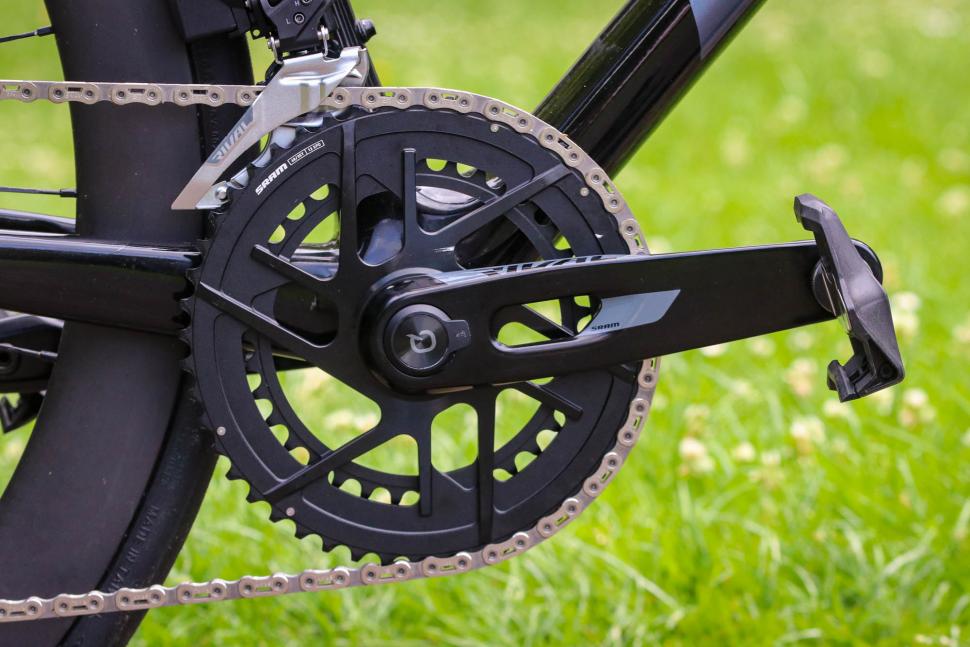
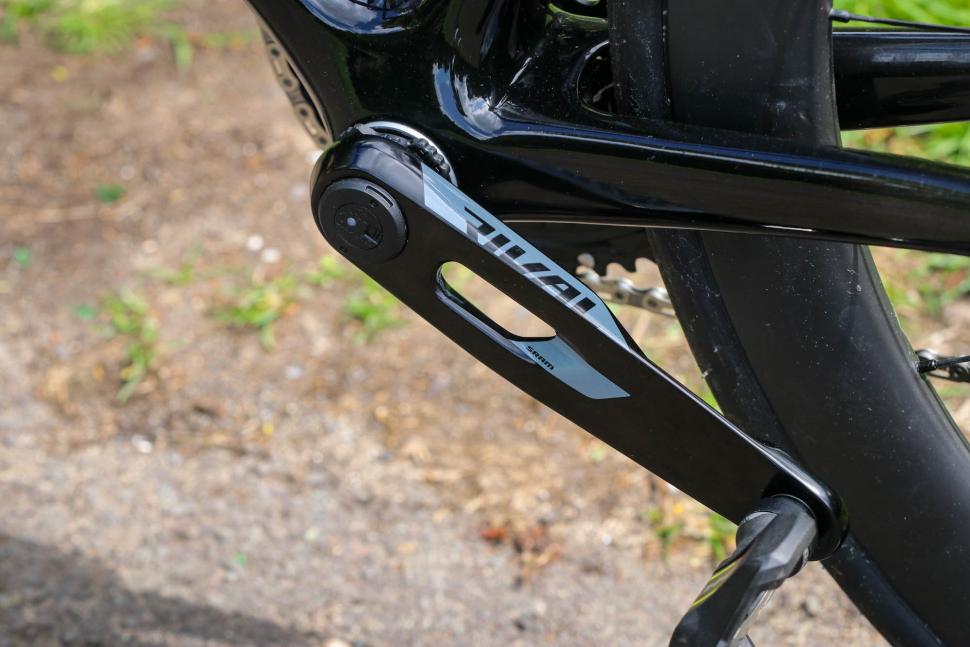
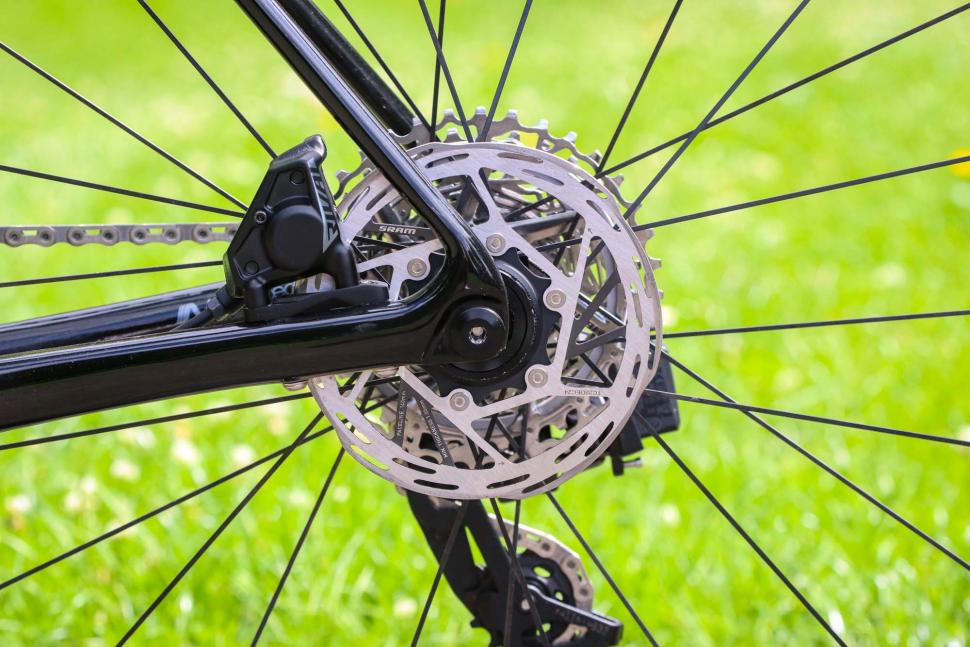
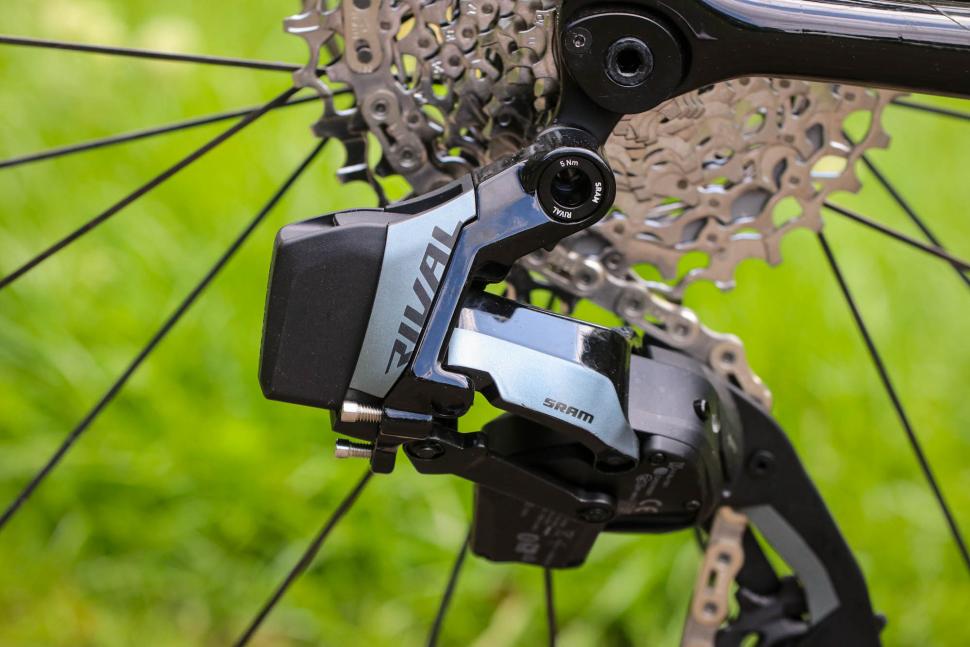
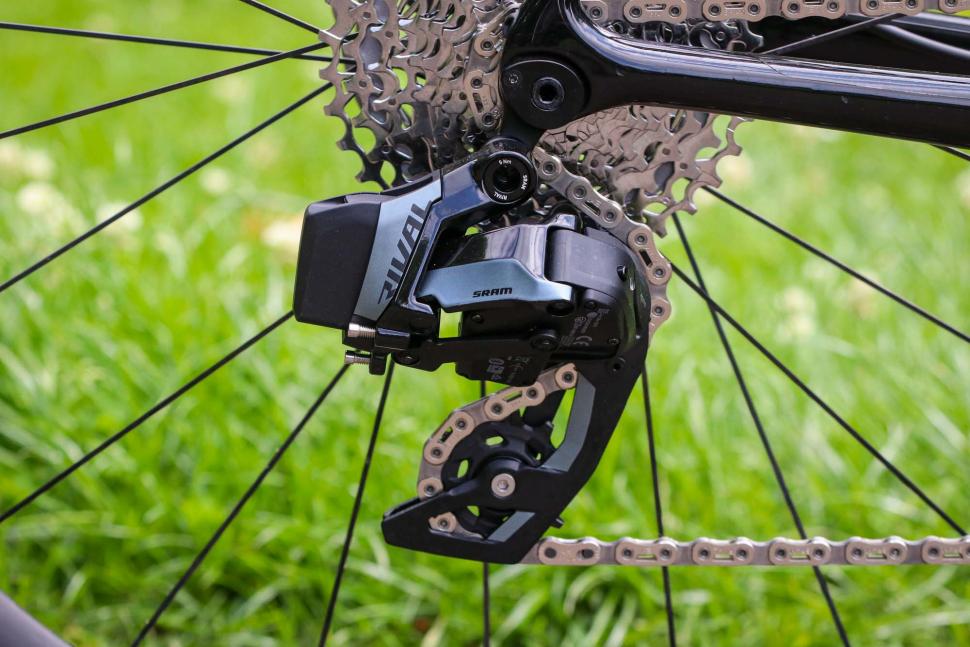

The gear shifting has improved in both speed and precision over earlier iterations, and – to my mind at least – the chainset and cassette ratios on offer provide the best efficiency of any on the market.
Everything just worked perfectly throughout the test period, with no missed shifts or anything like that, and any modifications you want to make as to which gear paddle does what can be done quickly via the app.
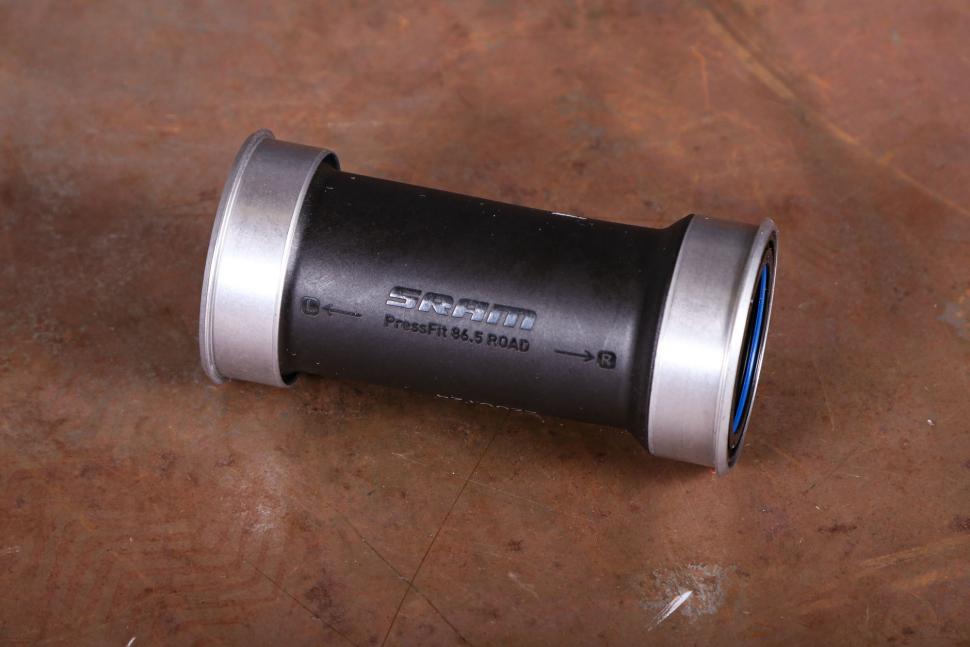
In fact, if you are buying the groupset separately, as opposed to buying it on a bike, you’ll find it incredibly easy to set up. I fitted it to my 2022 Giant TCR, with the only faff being running the brake hoses internally through the frame – although I did drop the frame off at my local bike shop to have the bottom bracket fitted as I didn’t have the tools to remove the old press-fit and install this DUB version.
Other than that, it’s a matter of bolting on the bits, pairing them up and giving everything a few tweaks.
In the past I’ve always said that Shimano had the edge over SRAM on braking performance, not in terms of power, but modulation. With the new lever designs found on Rival and above, this is no longer the case as SRAM has really upped its game in terms of feel and feedback regardless of how hard you are braking.
From a performance point of view Rival works extremely well. Over the previous version it feels much more refined and high end, running smoothly and quietly throughout the whole system while being pretty much fit and forget bar occasionally charging up the batteries.
SRAM Rival AXS HRD Shift-Brake System (ED-RIV-E1)
£250 per unit/brake
Weight: 763g (438g shifters, 325g brake callipers inc hoses and hydraulic oil)
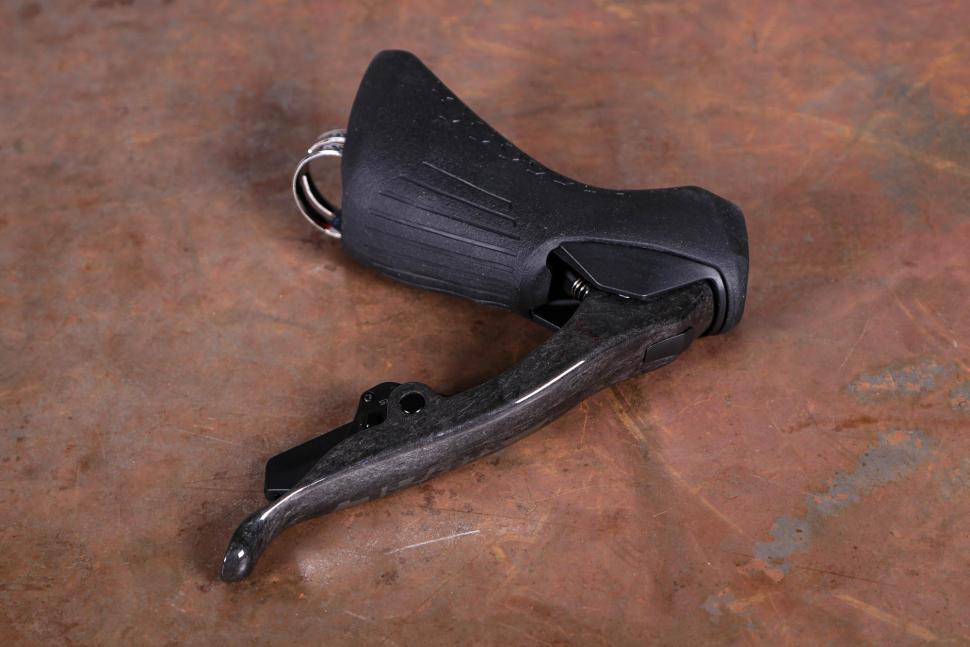
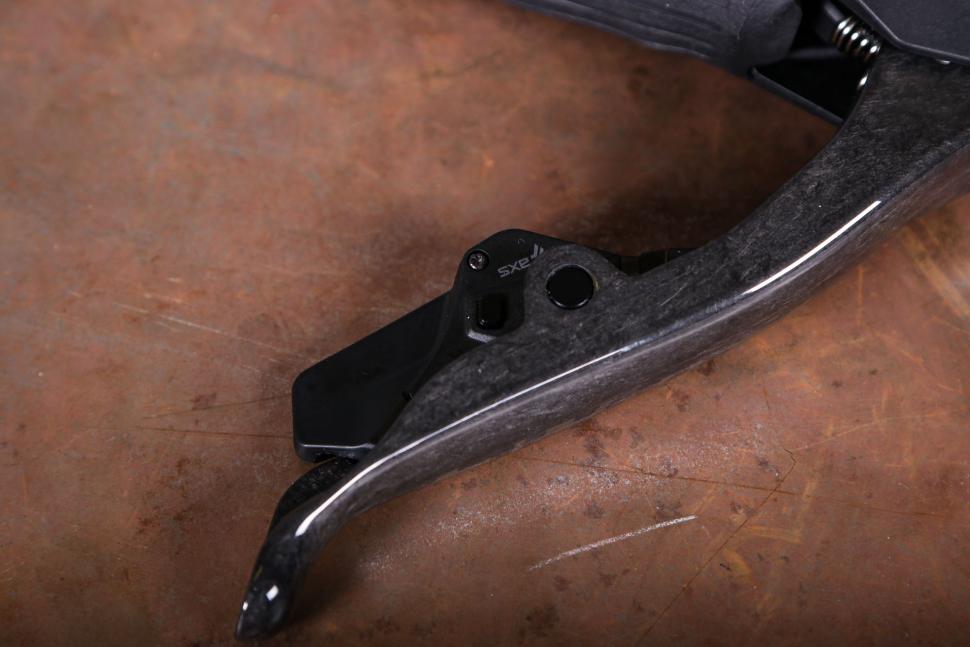
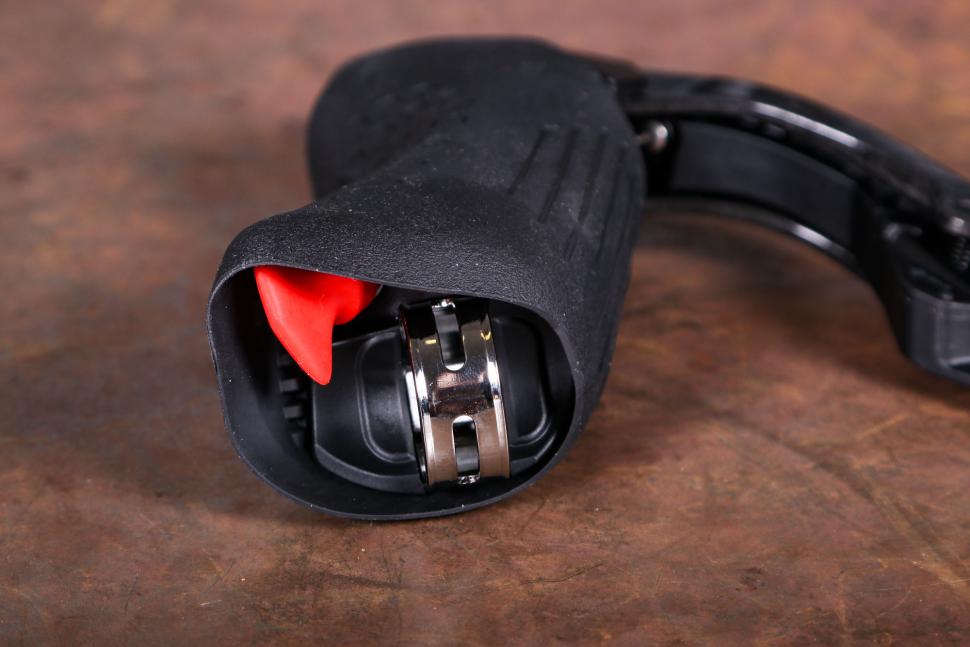
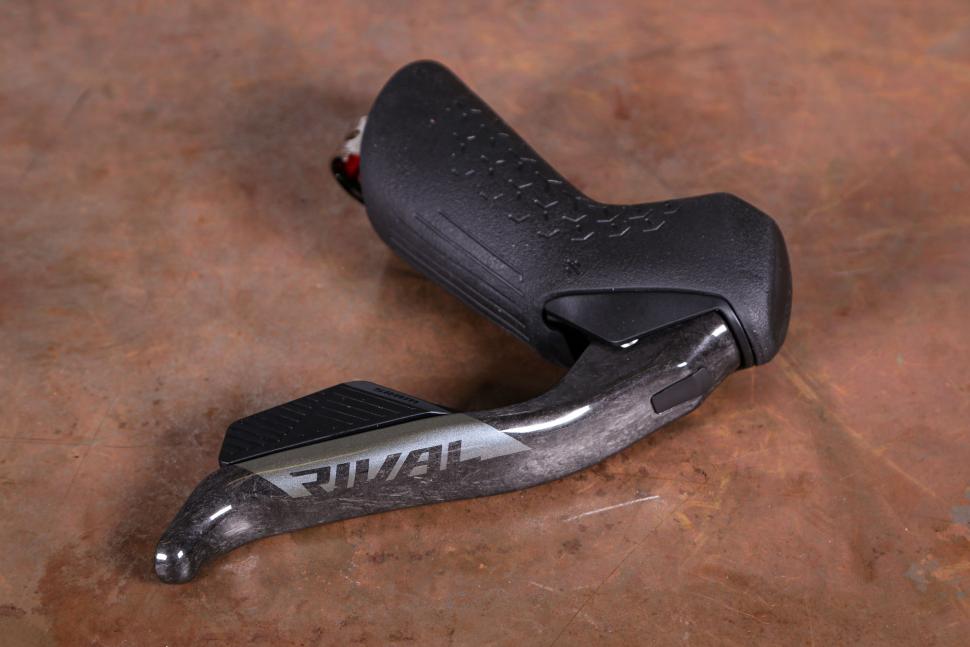
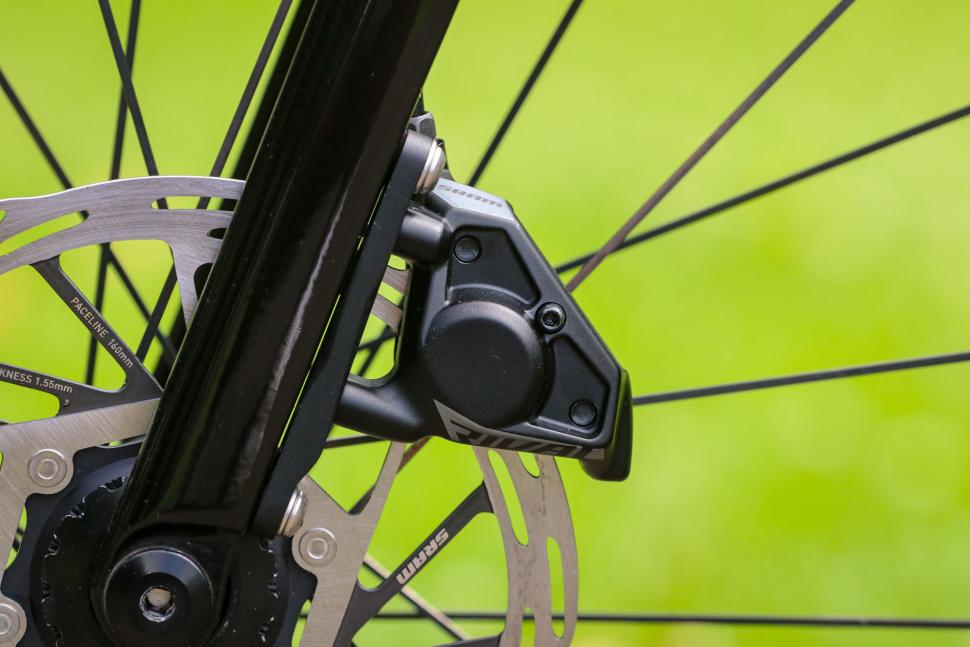
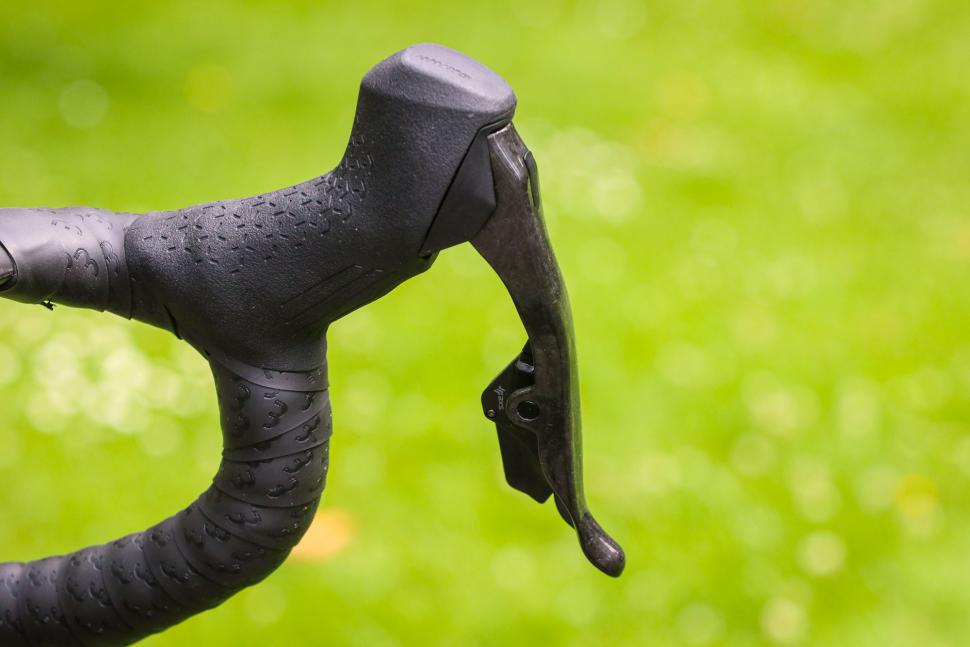
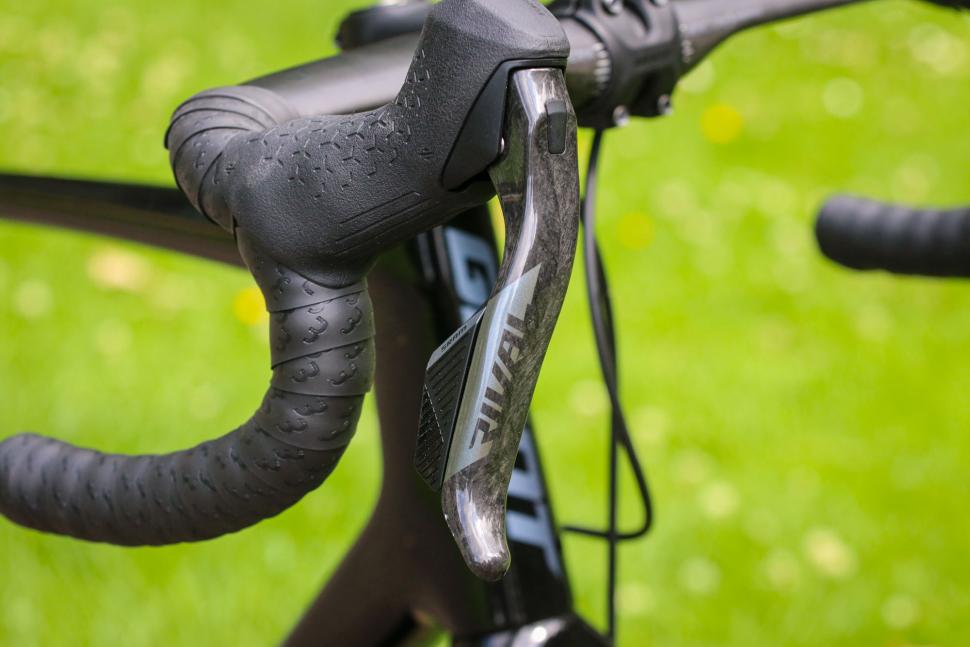
One of the biggest upgrades has been to the HRD shift/brake units, with a new shape that mimics that of Red and also the newly released Force groupsets.
By tweaking the position of the primary piston, moving it from the pommel of the lever into the main body of the hood, SRAM has managed to reduce the overall size of the shifter body and give it a much better shape in terms of ergonomics. The design is slightly smaller than Shimano’s 105 Di2 and I must admit I prefer these new style SRAM offerings over those from Shimano. This new SRAM lever feels almost like Campagnolo’s older mechanical shifting units that I was riding on 15 to 20 years ago.
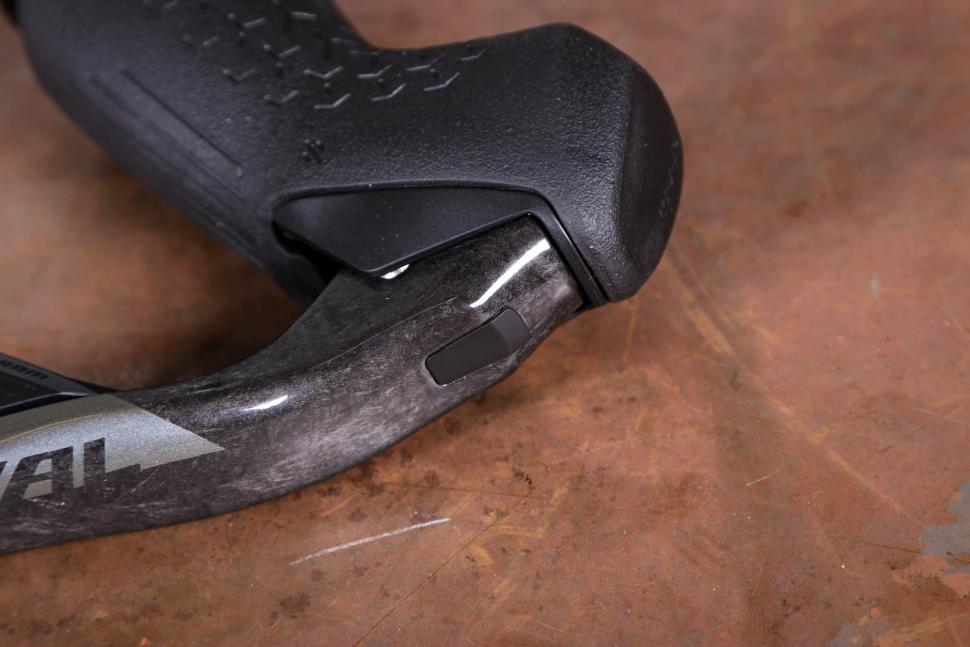
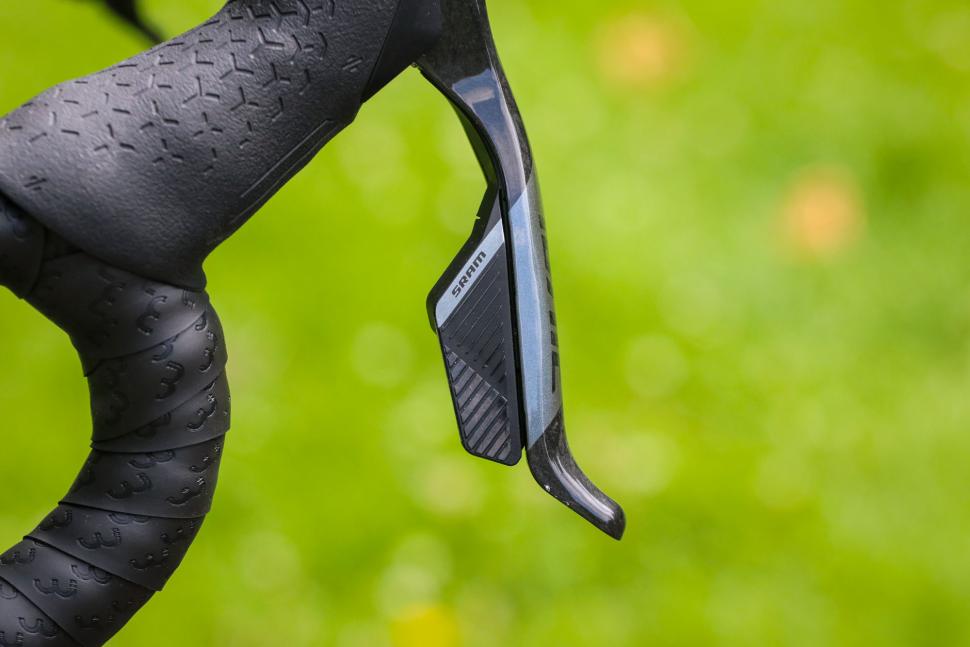
The brake lever is now made from carbon fibre rather than the fibre-reinforced thermoplastic of the previous model, and has a shape that works well for wrapping your fingers around, helped by a slight flare that sees the bottom of the lever kick out slightly further than the top.
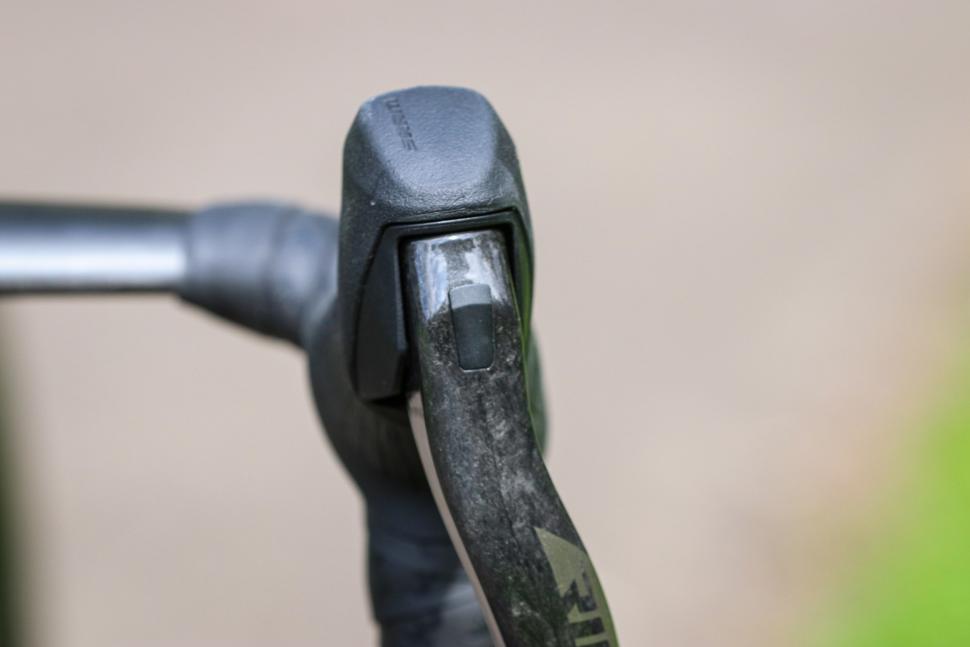
To further increase the ergonomics and usability, you can adjust the reach of the lever using a 2.5mm hex key. Unlike Force or Red units you don’t get the option of any Bonus Buttons, auxiliary buttons that you could set up for a secondary shifting option, or to control screen scrolling from a paired computer, for instance.
When it comes to braking, the new design gives a higher lever pivot, which greatly reduces the amount of effort required at the lever to bring the bike to a stop: as much as 80% less when braking from the hoods, and 33% less when in the drops, apparently!
SRAM says one-finger braking is possible, and it’s true. I’m currently riding with a rotator cuff injury in my right shoulder, and I’ve lost some of the movement and feeling in my arm and fingers, so the power achievable from the brake levers here without having to squeeze too hard has been a real bonus.
Other neat features are the textured hoods and shifter paddles which help grip when riding in the wet or with sweaty hands, and the batteries will last a long time before needing to be replaced.
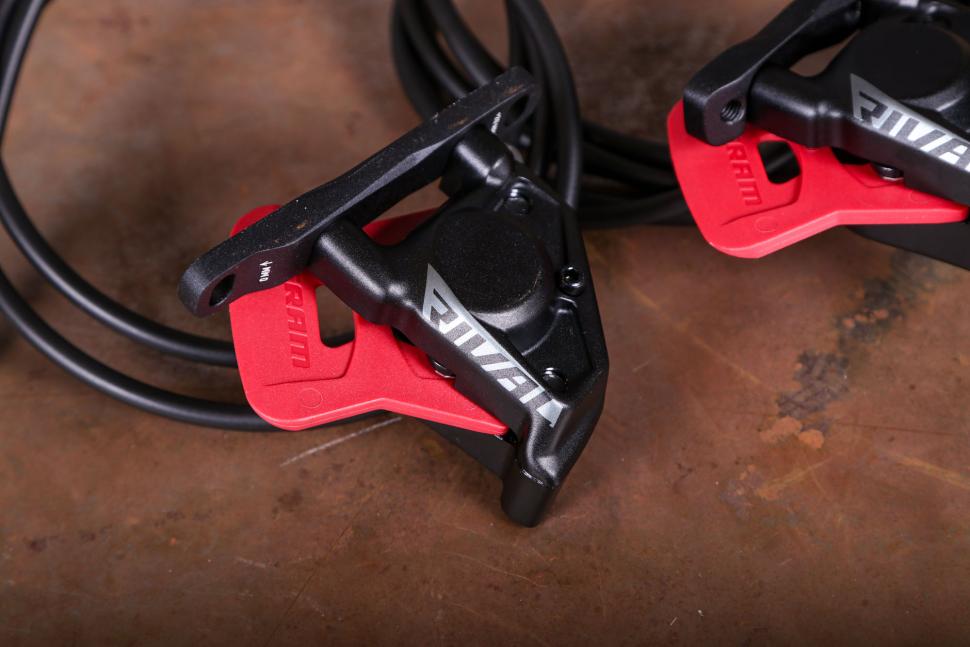
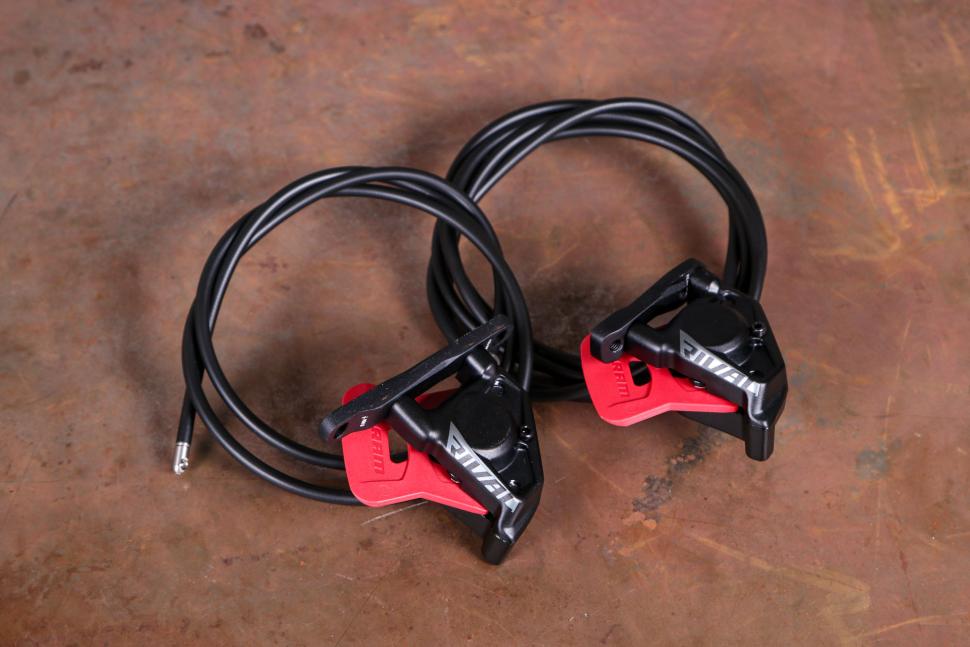
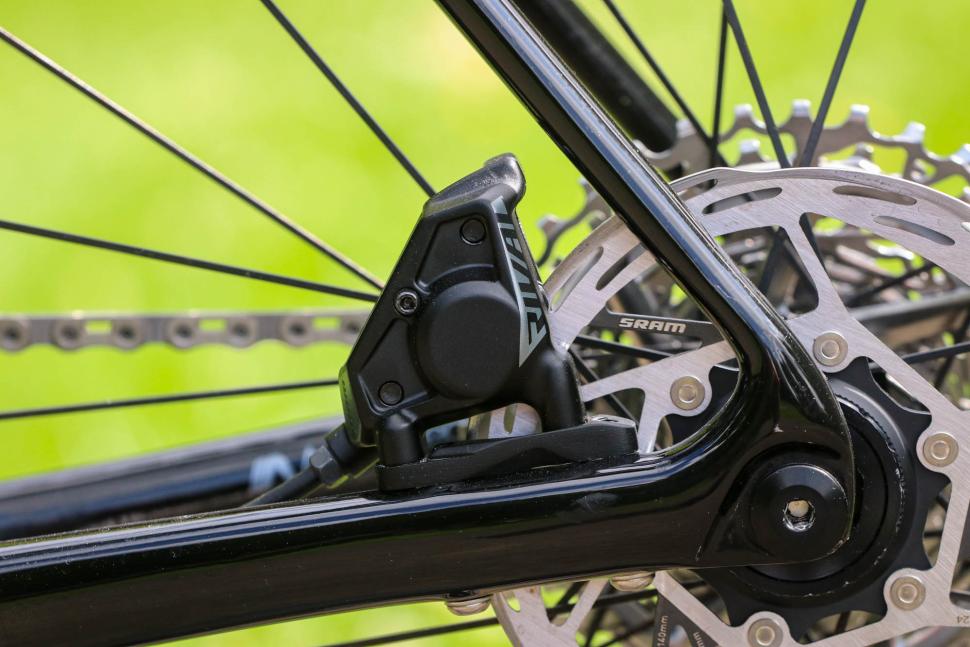
The brake callipers are, as you’d expect, flat mount and are easy to work on in terms of swapping pads out and bleeding the system. SRAM hasn’t said anything about the callipers in its press release, but the aesthetics and shape have definitely changed compared with the previous versions, now resembling a style similar to Red but without the material being machined away around the piston.
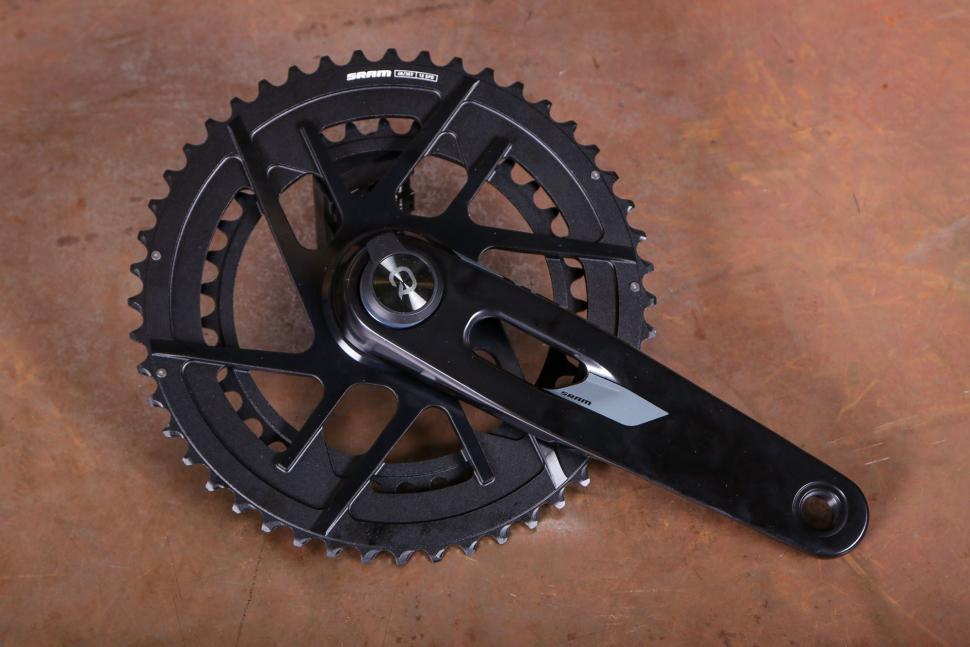
SRAM Rival AXS Power Meter Crankset (FC-RIV-P-E1)
£340
Weight: 846g
Option reviewed: 48/35T chainrings, 172.5mm cranks
Options available: 46/33T, 48/35T chainrings; 160mm, 165mm, 170mm, 172.5mm and 175mm cranks; non-power meter cranksets (£195, 801g claimed)
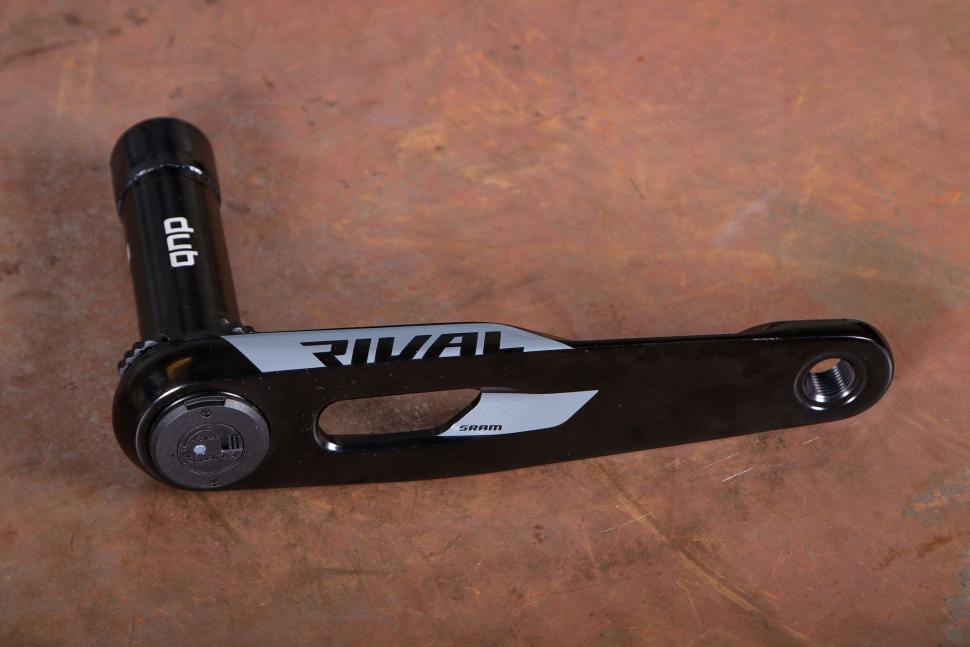
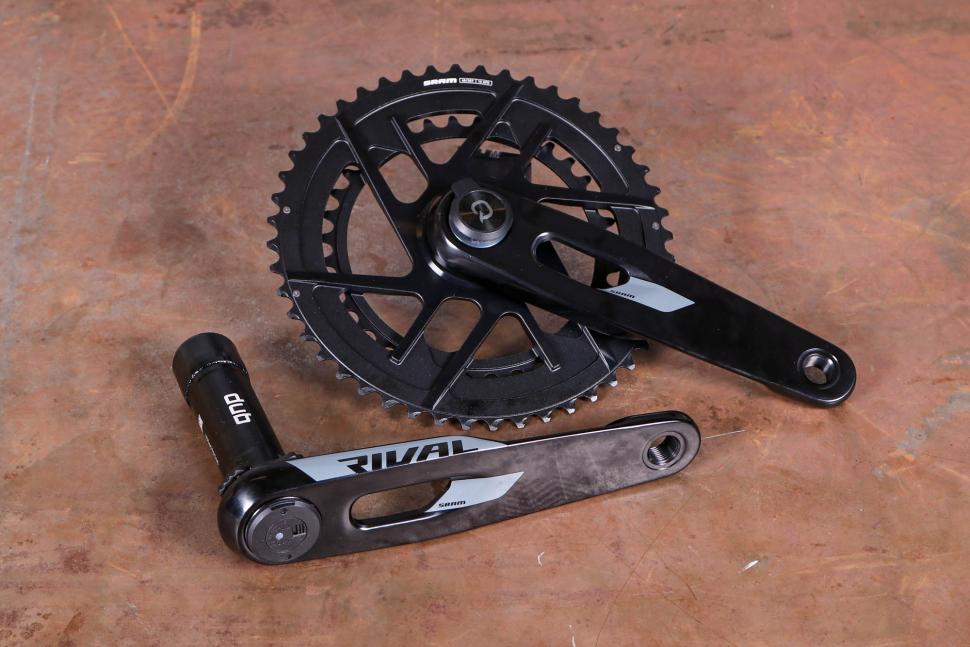
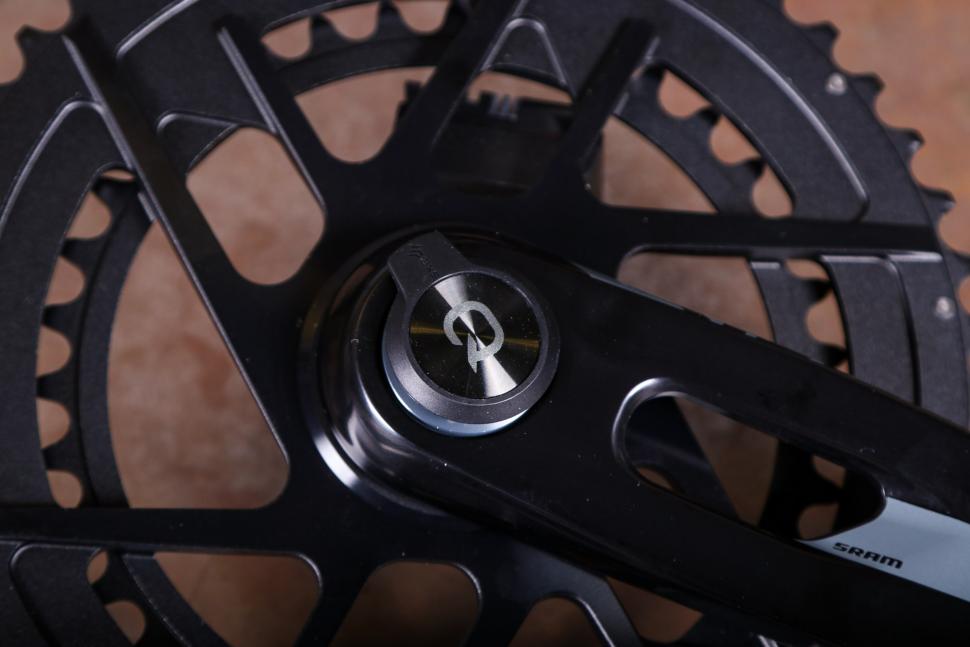
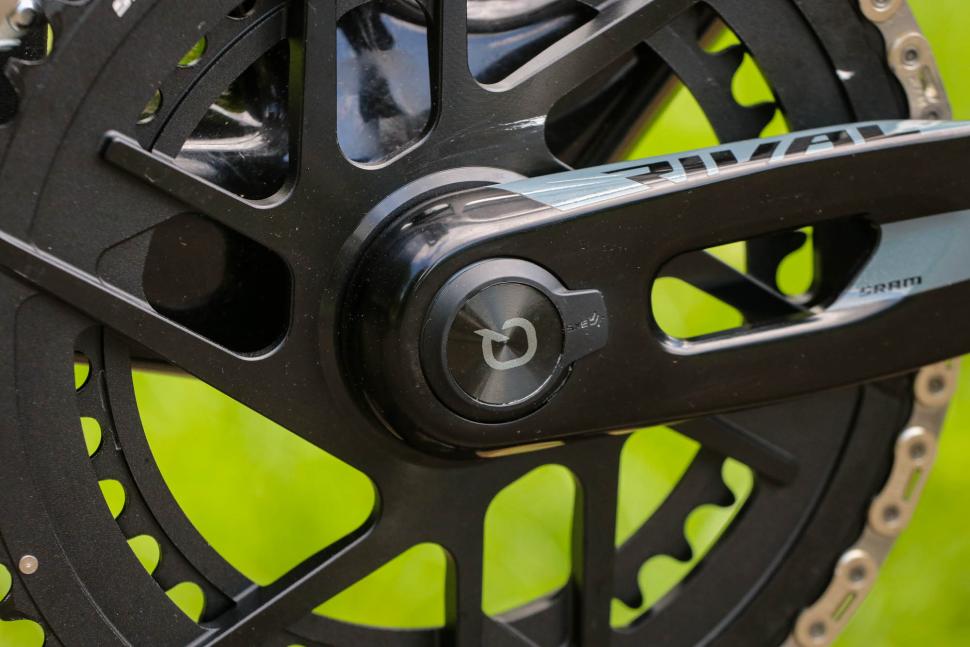
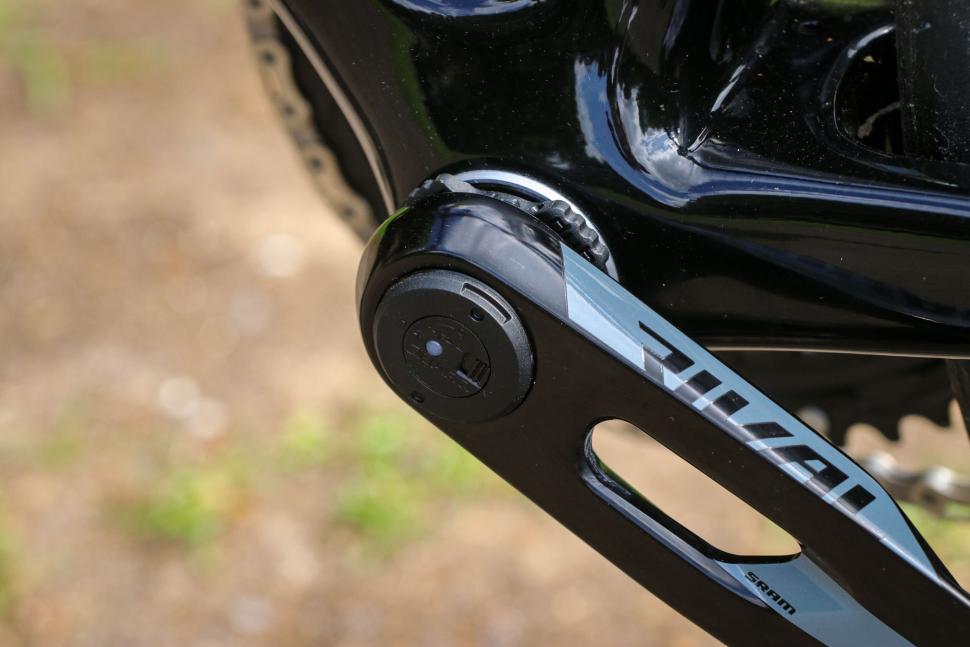
The crankset is available in either a power meter version, as we have here, or a non-power option. At just £145 over the cost of the standard crankset it’s a cheap way to bring power measurement into your rides, and it only adds around 45g.
It’s a spindle-based unit which is single-sided, measuring power on the left side and using that to calculate total watts. SRAM claims an accuracy of +/-1.5% regardless of temperature, which seems realistic. I haven’t had time to do a lot of thorough power meter testing with this, but a couple of sessions comparing the crank’s figures to that of a Tacx Neo 3M showed impressive consistency.
Battery life is said to be 400+ hours (you can keep an eye on this in SRAM’s app) and is user replaceable with an AAA lithium battery. I’ve had the chance to get one wet ride in and all was good; I appreciate any water ingress won’t show up straight away, but SRAM does claim IPX7 for waterproofing which is impressive.
SRAM will also sell the left power meter crank separately, so should you want to upgrade from the standard crank at a later date you’ll be able to.
Note that a bottom bracket isn’t included; if you need one that’ll be another £38.
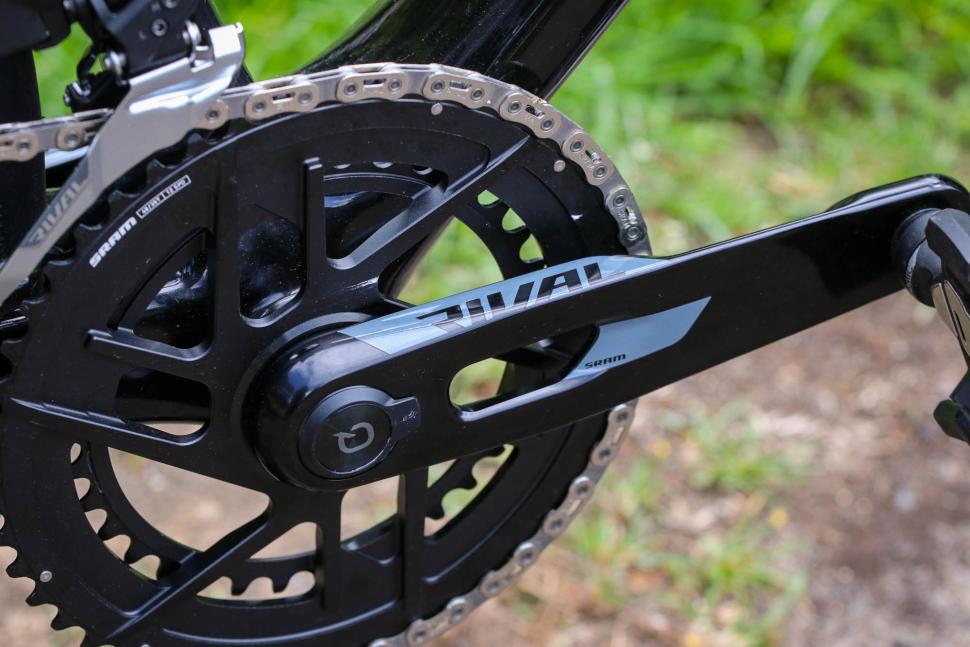
For this E1 version of Rival AXS (the previous version was D1) the cranks have seen some big updates, with SRAM calling it its most advanced aluminium road crankset.
They have seen a complete overhaul, and SRAM has claimed that the engineering in the design has managed to remove excess material without sacrificing stiffness. I for one couldn’t feel any flex or movement when riding hard out of the saddle, and I do think the cutouts give quite a cool look to the cranks. Lengths available are 160mm, 165mm, 170mm, 172.5mm and 175mm.
The chainrings are available in either 46/33T or 48/35T ratios and are now machined from a solid billet of aluminium, creating a one-piece design rather than two separate rings that fit to the crank via a spider system. This increases stiffness and allows SRAM to create this cool-looking design.
The rings are available as separate kit too, so easy to replace, and you could switch for a different size if you planned on a week’s riding in the mountains, for instance.
Thanks to the design the rings are very stiff, so there are no problems with flex when shifting under heavy load, and I never experienced a dropped chain, although a fair bit of this is down to the front mech too.
I mentioned earlier that I’m a big fan of the ratios that SRAM uses. I’ve been riding on the 48/35T, and get on well the 48-tooth ring compared with the 50T and above found on Shimano’s offerings as it allows me to spin a higher cadence for efficiency, and I can use it right across the spread of the cassette, only dropping to the smaller chainring on the steepest of climbs.
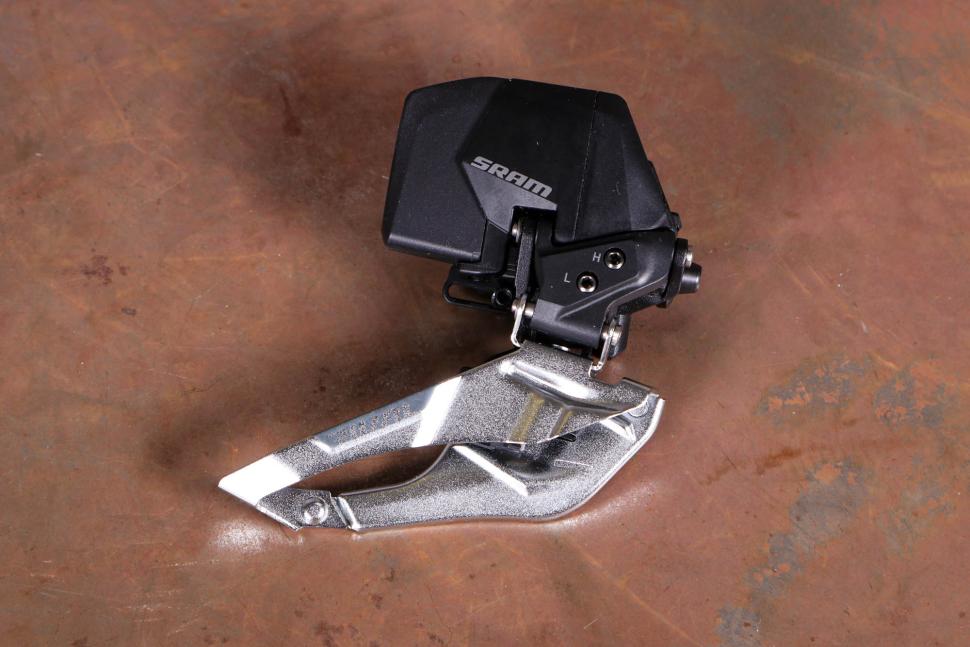
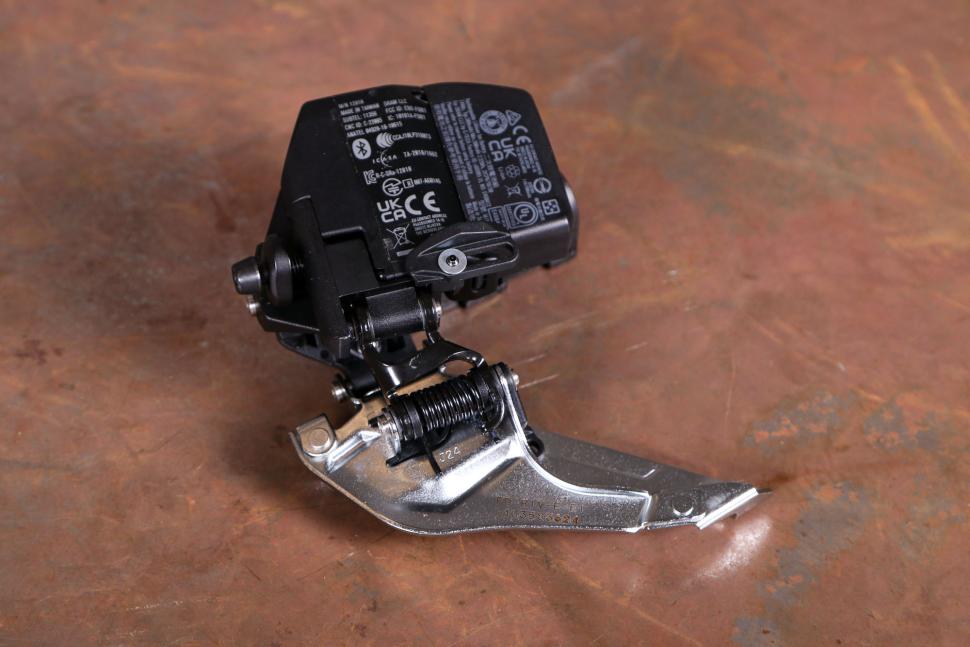
SRAM Rival AXS Front Derailleur (FD-RIV-E-E1)
£285 + £56 battery
Weight: 161g
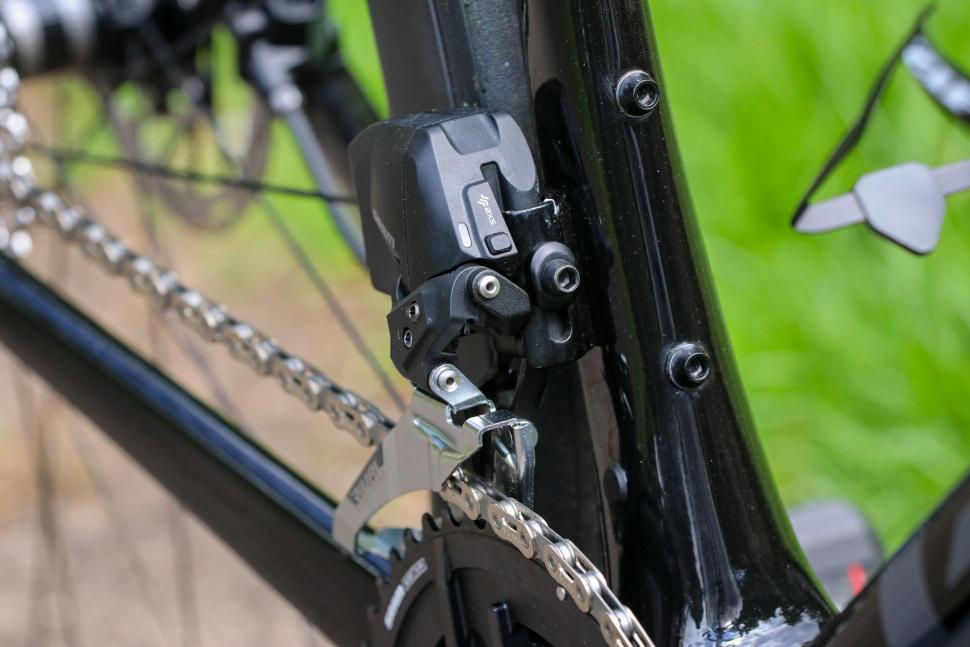
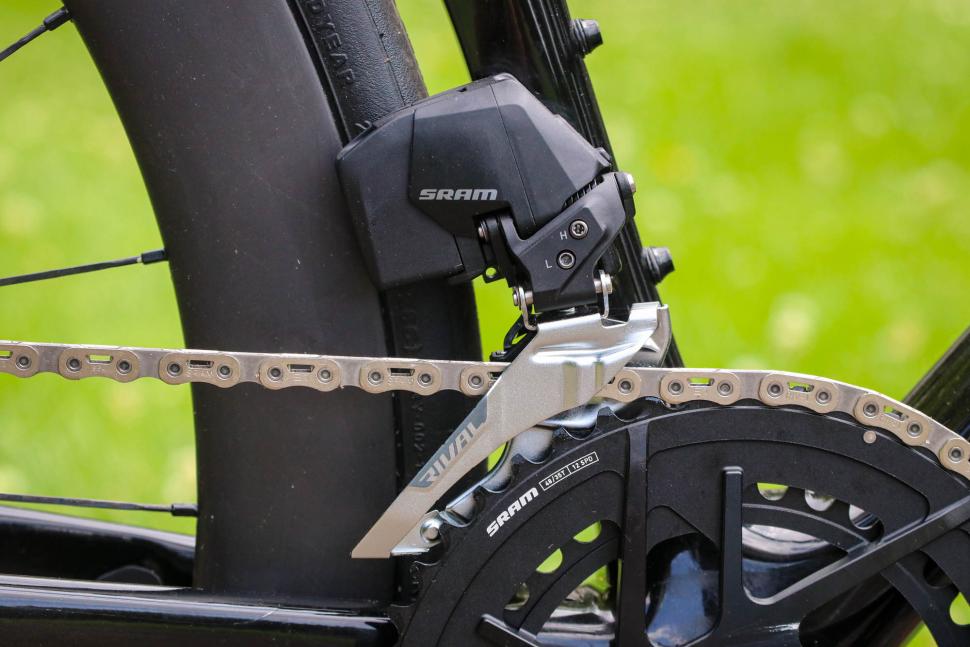
Just like Red, the new Rival AXS front derailleur has a narrower cage to increase the speed of the shifting between the front and rear chainrings. To compensate for the more precise setup that requires, SRAM has also added auto trim, something that was missing from both Force and Rival in the past.
In the box SRAM includes a plastic tool that you slot into the front mech cage to dial in the alignment with the chainrings; this makes setting it up very easy indeed.
SRAM Rival AXS Rear Derailleur (RD-RIV-E-E1)
£170 + £56 battery
Weight: 310g
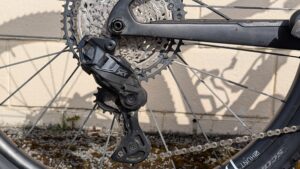
The rear mech is classed as the brains of the operation as it is the main unit that all of the other AXS components talk to. To pair up the whole system, or to add any new components, you press the AXS button on the rear mech and the button on the other component. After a few blinks and flashes everything is connected and talking to each other.
Regardless of which cassette you are running, or whether it’s a 1x or 2x crankset, you’ll be able to use the same rear mech. Just like the front mech it is easy to set up and you can dial in the final gear positions in small increments.
Once set up everything is very quiet thanks to the mech having a spring clutch mechanism, and with bounce kept to a minimum the shifting remains very crisp and spot on right across the cassette.
Battery life is decent. SRAM claims between 15 and 60 hours, obviously dependent on your route and how many times you’ve been changing gear. Charging it up is simple enough, and only takes about an hour or so depending on where you have it plugged in. It’s also worth noting that the batteries are interchangeable, so if your front mech runs out of juice you can switch batteries with the rear mech and vice versa.
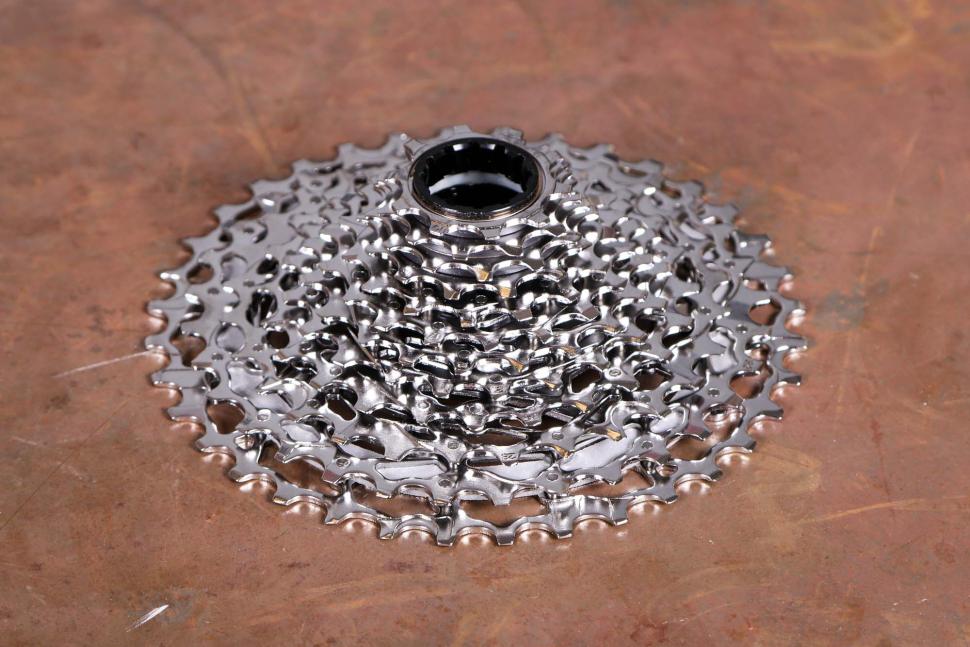
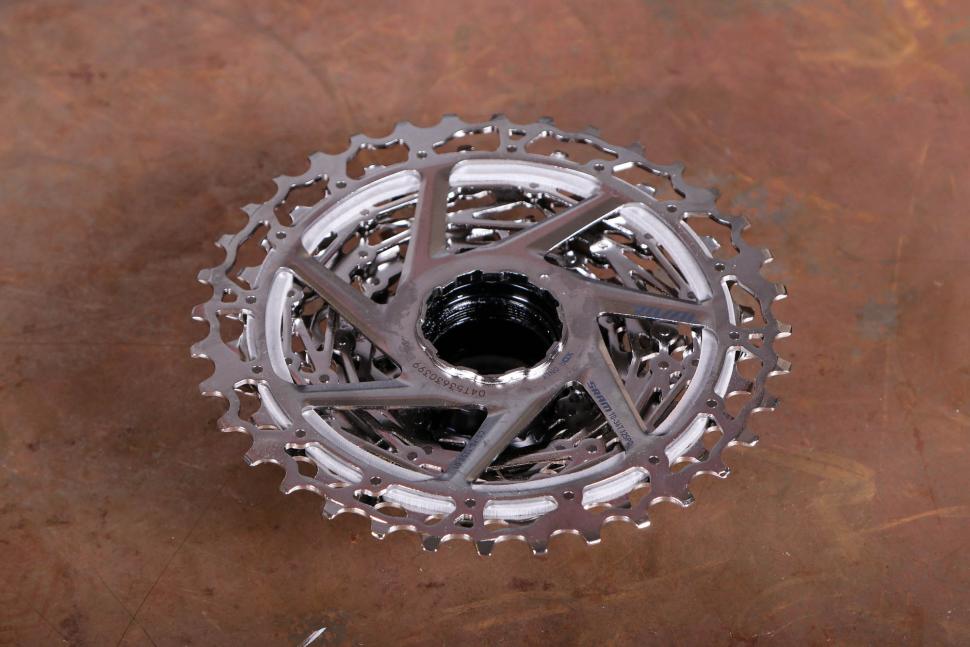
SRAM Rival AXS XG-1250 Cassette (CS-XG-1250-D1)
£118
Weight: 343g
Option reviewed: 10-36T
Options available: 10-30T, 10-36T
SRAM’s Force and Red cassettes are available in four sizes: 10-28T, 10-30T, 10-33T and 10-36T, but with Rival you are stuck with just two – 10-30T and 10-36T.
The D1 suffix at the end of the part number denotes that this is the same cassette as found on the previous Rival iteration. Rear shifting worked well on that setup and it still does here.
Unlike, say, Shimano’s cassettes, SRAM’s are single units and are designed to fit on its XDR freehub design. You slide the cassette onto the freehub body and once it locates with the splines, you tighten it using a lockring and it pulls itself onto the hub. It’s a simple design and makes swapping cassettes between wheels very easy to do.
The cassettes are 12-speed, and this 10-36T gets over the wide range by having close ratio sprockets for the smallest four, jumping up in one-tooth increments, 10-11-12-13, before increasing to two at a time – 15-17-19-21 – then the last few jump in fours: 24-28-32 and 36T. It does mean that those larger sprockets can feel a little gappy, but as they are generally used for climbing and lower speeds it’s not really a problem.
The 10-tooth offsets the 48T chainring, being smaller than SRAM’s competitors, so there is no loss of top-end speed.
SRAM Rival Chain (CN-RIV-E1)
£40
Weight: 276g (124 links)
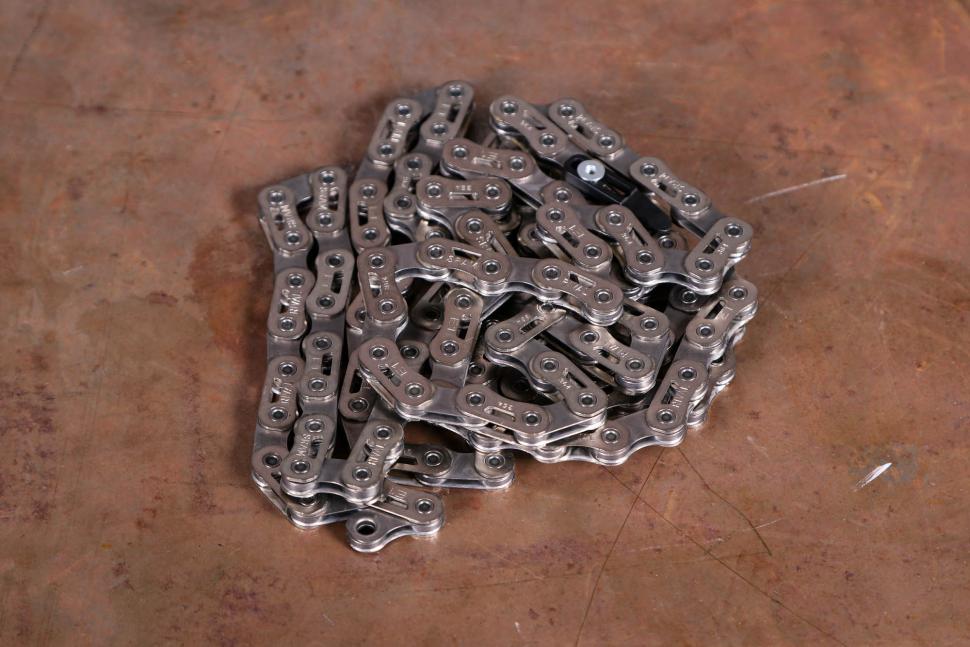
Like the rest of SRAM’s range the chain uses its Flattop design which it claims allows for a narrower chain with quieter operation, and for this version SRAM has lightened things with cutouts in the link plates.
It’s compatible with both 12-speed and 13-speed AXS dropbar groupsets and uses a Hard Chrome finish for longevity. I’ve ridden about 250 miles on this groupset so far, so it’s way too early to be able to detect how long the chain will last. If it turns out to not be very good after a more longterm review, I’ll come back and update things here.
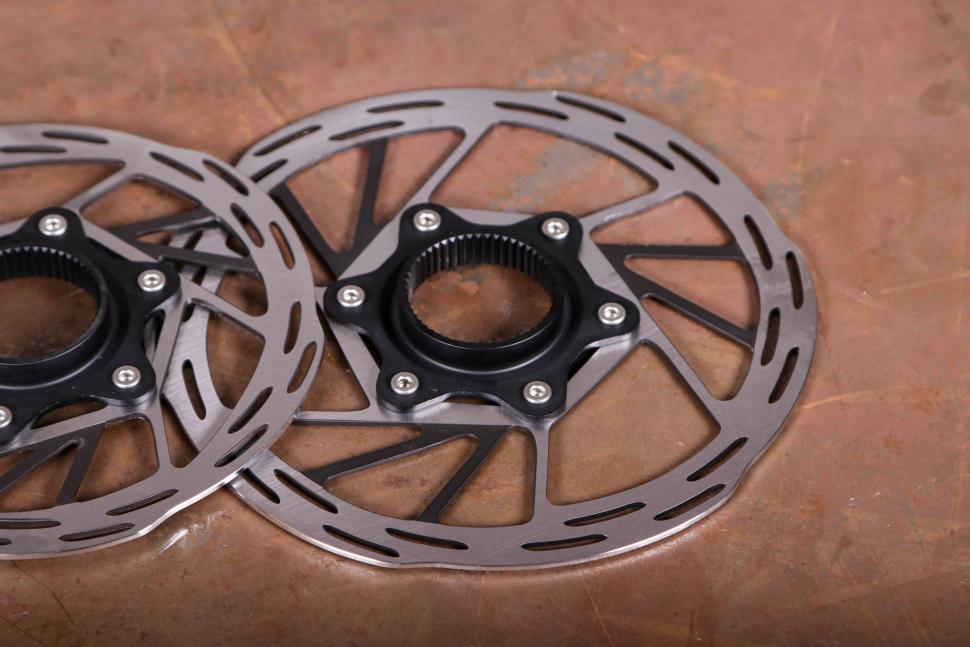
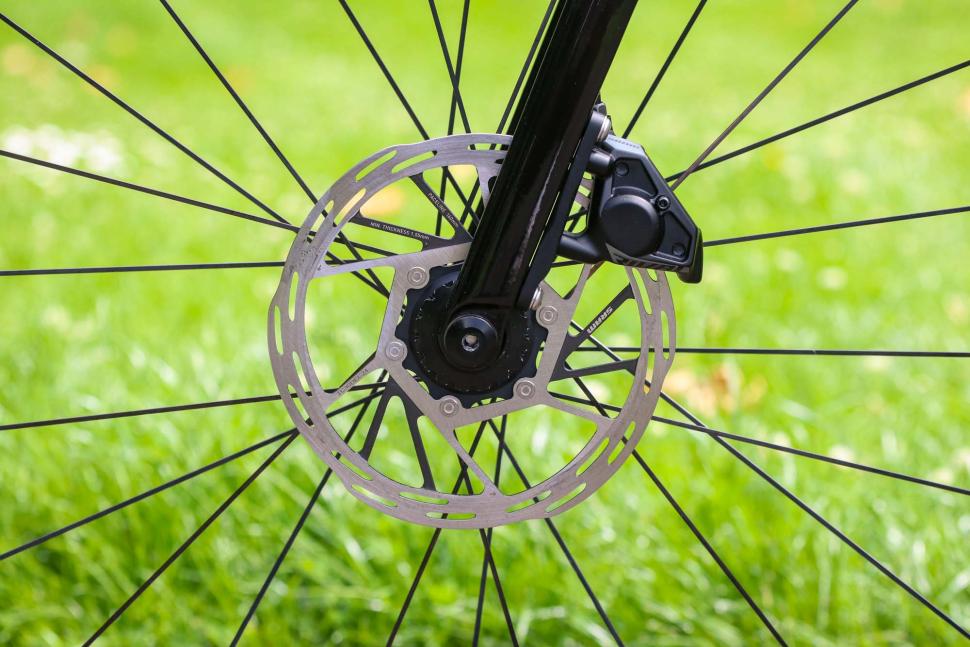
SRAM Paceline Rotor (RT-PLN-A2)
£55 each
Weight: 138g (160mm), 117g (140mm)
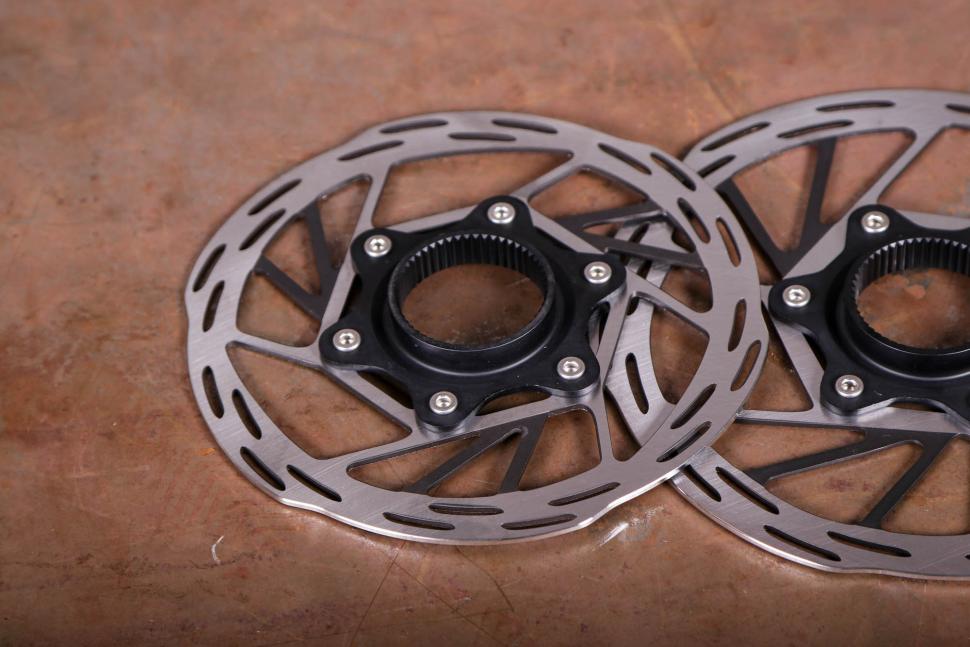
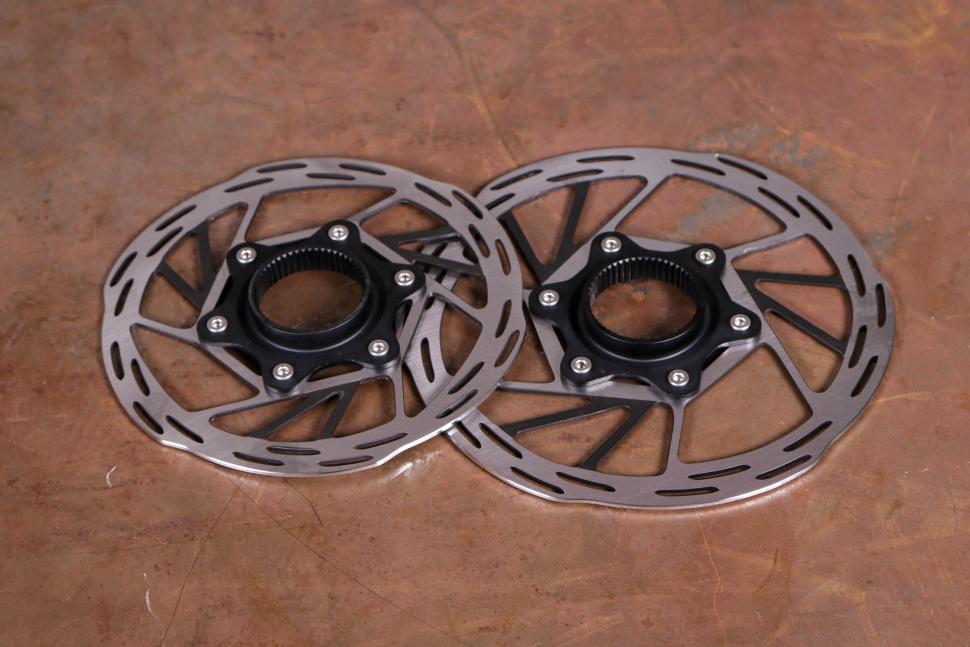
The Paceline brake rotors are non-groupset specific, but this latest version uses an aluminium carrier over the previous steel version which drops the weight by 20g.
Either 160mm or 140mm options are available.
SRAM Rival AXS: Rivals & value
Shimano’s 105 R7100 Di2 is the most obvious direct competitor with SRAM Rival AXS. Both are 12-speed mid-range groupsets, with subtle differences, the main ones being that AXS is completely wireless and each mech has its own battery, whereas 105 has wireless shifters but the front and rear mechs are wired to an internal frame battery.
The advantage of the SRAM system for me is that you can remove the batteries from the bike for charging, which is ideal if you want to top them up in the office or you don’t want to bring your bike indoors to charge it up. Also, in the winter months cold weather can give battery life a kicking, so if your bike lives in a shed or garage you can remove the batteries and keep them inside in the warm.
The gearing is slightly different, too, with Shimano going for a 50/34T or 52/36T up front, while SRAM goes for the smaller setups mentioned above. The 105 cassettes have a smallest sprocket of 11T while SRAM goes to 10T. As I’ve said earlier in the review, I find SRAM’s ratios more efficient for my riding style, so horses for courses.
Shimano doesn’t offer a power meter for 105 either, although many other third party companies do.
> 12 reasons why you should buy, and use, a power meter
Price-wise, Rival AXS used to be a much cheaper alternative than the Japanese manufacturer’s ‘everyman’ groupset, but this new version has seen the price jump up by a few hundred quid.
A non-power meter Rival AXS setup now costs £1,576, and £1,730 for this power meter option. As I said earlier, SRAM doesn’t include the bottom bracket in its groupsets, so you’ll need to add that for £38 if your bike isn’t already fitted with one. If you are a new SRAM user and need everything to get you going, including chargers and batteries, you are looking at £1,614 or £1,768.
If you are upgrading from, say, an older Rival, Force or Red groupset and don’t need batteries (£110 per pair), charger (£46) and bottom bracket then you can knock a chunk off that. Also note that this new Rival is backwards compatible with the previous iteration, so you could upgrade component by component.
When I reviewed Shimano 105 Di2 in 2022 the full cost including wires, battery and so on was £1,730, and looking at the current RRPs it’s still pretty much in that ballpark. So Rival AXS is still cheaper, but not by as much as it was.
One thing worth noting as well is that the consumables – the bits that are going to wear out quickest – are slightly cheaper from Shimano. An 11-36T cassette, for instance, is £84.99, whereas the 10-36T Rival is £118; 105 brake rotors are £29.99 compared with £55 for Rival, and a 105 chain is £34.99 while Rival’s is a little more expensive at £40. Worth bearing in mind if you ride your bike in all weathers.
Weight-wise things are very similar indeed, with 105 Di2 coming in at 2,995g and Rival AXS a claimed 2,993g. I weighed our groupset before I fitted it to the bike and got the figure of 3,043g which included the bottom bracket and the hydraulic brake fluid in the hoses.
Jamie reviewed the Wheeltop EDS-TX Wireless setup this time last year and was reasonably impressed. It’s not a full groupset, though, comprising carbon fibre shifters, front and rear mechs and brake callipers.
It currently costs £745 (reduced to £558 at the moment) but you’d have to allow for import duties at customs. The same components for Rival would cost £1,113. The main criticism about the Wheeltop is that it isn’t anywhere near as refined as the latest groupsets from SRAM and Shimano.
SRAM Rival AXS: Conclusion
Would I buy SRAM Rival AXS? Absolutely!
Apart from the few misgivings I’ve mentioned, mostly around the higher prices of the consumable items compared with its main rival, I can’t fault Rival AXS when it comes to performance.
It’s closer in performance to the range-topping Red groupset than 105 is to Dura-Ace, which highlights just how good it is, and everything from the initial setup through to riding with it has been simple and hassle free.
I also think it is a great-looking groupset. The new chainset looks very high end, and the new shifter shape means the hoods and levers are stunning to use.
Verdict
Great ergonomics and performance, making it the market leader at this price point
All the deals displayed on our review pages are pulled from a constantly updating database feed of the best affiliate deals available. The criteria for deciding on what are the best deals is who is offering the lowest, delivered price. In most cases we will be showing the very best deal available online, but sometimes you may be able to find an item cheaper. If you can please feel free to post a link in the comments box below. To find out more about affiliate links on road.cc click here.
road.cc test report
Make and model: SRAM Rival AXS
Size tested: 48/35T, 10-36T
Tell us what the product is for and who it’s aimed at. What do the manufacturers say about it? How does that compare to your own feelings about it?
SRAM says, “Rival AXS puts premium performance within reach. This noticeably lighter groupset brings effortless and powerful braking, smooth and fast shifting, integrated power measurement, and AXS connectivity to more riders than ever before. Enjoy pro-proven tech on everyday rides.”
This new Rival groupset works brilliantly, with huge gains to braking performance, and shifting speed.
Tell us some more about the technical aspects of the product?
From SRAM:
Chainset: 48/35T or 46/33T with or without power meter
Cassette: 12-speed, 10-36T or 10-30T
Chain: 12-speed Flattop 124 links
Rotors: Paceline, 160mm or 140mm
Front Mech: 12-speed, wireless
Rear Mech: 12-speed, wireless, works with all chainset sizes
Brakes: Hydraulic calipers, flat mount
Shifters/brake levers: 12 speed, wireless, carbon levers, adjustable reach
Tell us how the product performed overall when used for its designed purpose
This is an excellent groupset that works brilliantly throughout.
Tell us what you particularly liked about the product
New hood shape gives excellent comfort and braking power.
Tell us what you particularly disliked about the product
Limited cassette sizes.
How does the price compare to that of similar products in the market, including ones recently tested on road.cc?
It’s just over £100 cheaper than Shimano 105 Di2 without power measurement, or you can buy the power meter version of Rival for about £30 more than the non-power-measuring 105 Di2.
Did you enjoy using the product? Yes
Would you consider buying the product? Definitely
Would you recommend the product to a friend? Yes
Use this box to explain your overall score
This latest iteration of Rival AXS is a big jump forward from the previous (very good) version, bringing loads of refinement and increases in shifting and braking performance.
About the tester
Age: 46 Height: 180cm Weight: 76kg
I usually ride: This month’s test bike My best bike is: B’Twin Ultra CF draped in the latest bling test components
I’ve been riding for: Over 20 years I ride: Every day I would class myself as: Expert
I regularly do the following types of riding: time trialling, commuting, club rides, sportives, fixed/singlespeed,



3 thoughts on “SRAM Rival AXS 2025”
Everyone knows the 10t cog on
Everyone knows the 10t cog on SRAM is useless so it’s really an 11 speed. Shimano has a more usable 11t that actually works. But i am impressed with the new SRAM and I have been using Shimano since the early 80’s. I will wait and see what thi groups are like in actually use though instead of a “review” focused more on getting advertising SRAM than being used for readers. Yes it is that obvious.
I worried about that before I
I worried about that before I purchased a bike with SRAM force AXS but I only ever use it on an occasional downhill and it works fine for that, the pros might have a different opinion due to their increased power output but for mere mortals it works well.
Is this rear caliper set up
Is this rear caliper set up for a 160 mm disk but fitted with a 140 mm disk? Certainly looks like it! The caliper is barely engaging the disk at all.
