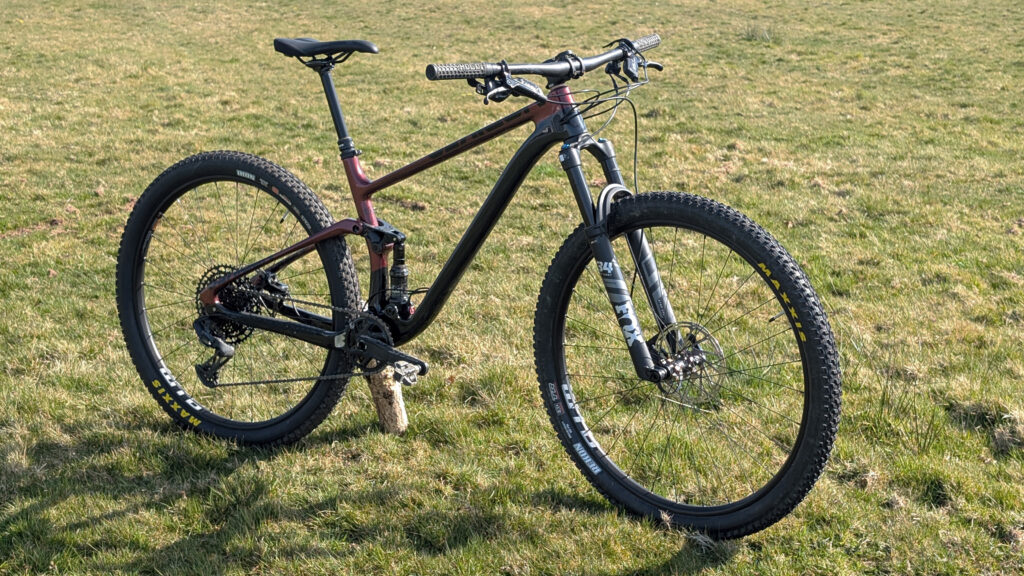

The NS Bikes Synonym was among the first bikes to truly embrace progressive suspension design in the cross-country category, boasting geometry and numbers that seem almost radical for a rig with just 120mm of travel. On the trail, it performs exceptionally well — delivering an impressively confident and playful ride that stands out as the most enjoyable cross-country bike I’ve ridden to date. That said, it’s not without its shortcomings, and a few key flaws hold it back from reaching its full potential.
- Orbea Oiz M21 mountain bike review
- Trek Top Fuel 8 Gen 4 mountain bike review
- Canyon Lux Trail CFR review
NS Bikes offers two versions of the Synonym, both based on the same carbon frame. The RC model comes with 100mm of travel front and rear, while the TR bumps that up to 120mm. Each variant is available in two builds. At the top of the TR range is the TR1, equipped with high-end kit including a Fox Factory 34 Step-Cast fork, a blend of SRAM Eagle X01 and GX components, and Hunt wheels. The model tested here, the TR2, is priced at £4,399 and features a more modest specification but shares the exact same frame.
NS Synonym TR2 – Technical Details
The Synonym has been in the NS Bikes line-up for five years now, with only minor specification tweaks introduced each model year. The frame remains unchanged since its debut, yet its geometry still sits firmly on the progressive end of the spectrum, outpacing many newer bikes that also claim to push boundaries. At launch, its key figures must have seemed almost outrageous: a 66-degree head angle paired with a 76-degree seat angle might easily have been mistaken for a typo. It’s a bold combination — bringing downhill bike (at the time) slackness up front with time-trial bike steepness at the rear. Consider the recently updated Kona Hei Hei, which now shares those exact angles in a size medium when fitted with a 130mm fork, showing just how far ahead NS Bikes was.
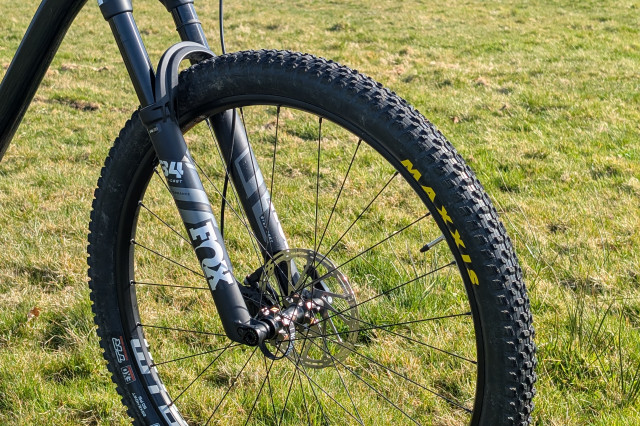
NS Bikes is traditionally known for long-travel and dirt jump machines, making the Synonym its first dedicated cross-country platform. Rather than simply adding more travel, the Synonym TR is designed to give riders a more capable position on technical descents. NS claims many riders are choosing the TR over the RC version for precisely that reason, often supported by quicker lap times and faster trail segments.
Built around a full-carbon frame, the Synonym utilizes flex-stays to eliminate rear pivots, thereby reducing weight, alongside a press-fit BB92 bottom bracket shell. The frame also features full internal cable routing, a push-to-unlock (PTU) dual remote lockout, and a thumb-actuated dropper seatpost across all models.
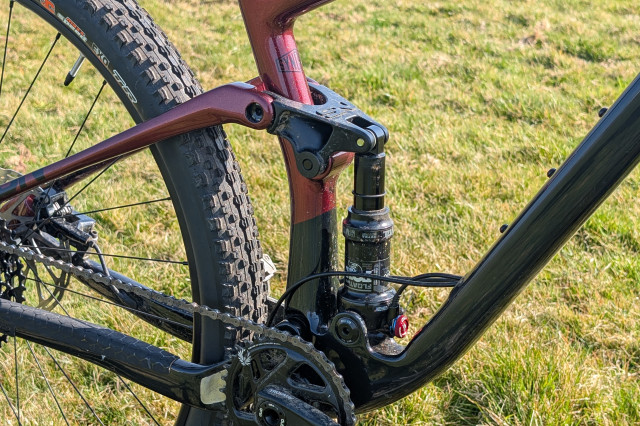
It’s available in four sizes (S to XL), and our medium test bike tipped the scales at 12.94kg out of the box, without pedals and running inner tubes.
NS Synonym TR2 – Components
The Synonym TR2 is equipped with a Fox Performance Elite Float DPS shock, featuring a two-position remote and the larger volume Evol LV air chamber. Up front, it’s paired with a Fox Performance 34 Step-Cast fork.
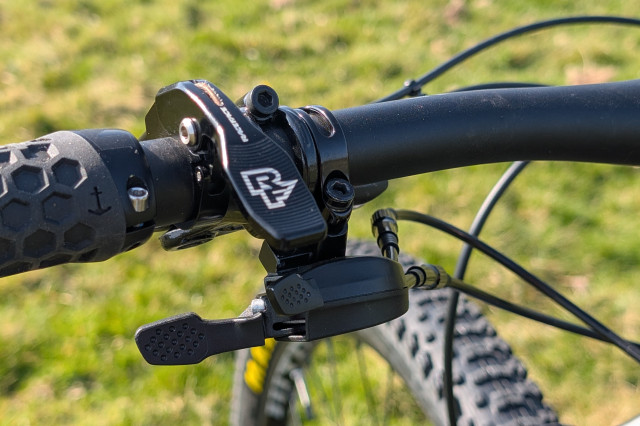
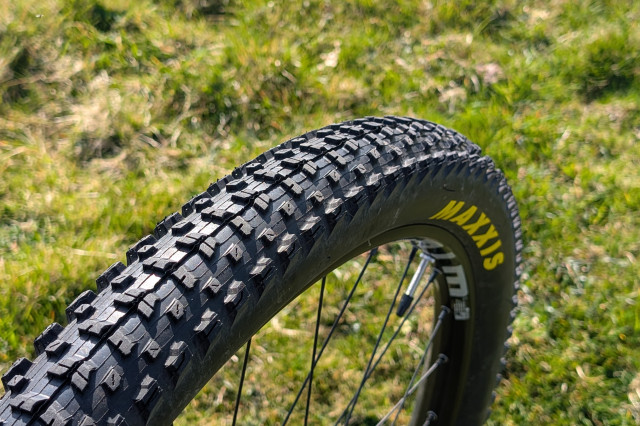
Our test bike rolls on NS Bikes’ own-brand hubs with straight-pull spokes, laced to WTB ST Light i28 rims — although the official specification lists narrower i25 rims. If accurate, that would be a notably tight fit for the kind of riding this bike is built for, especially when paired with the fitted tyres: a Maxxis Rekon 2.4in WT EXO up front, and an Ikon 2.35in EXO at the rear.
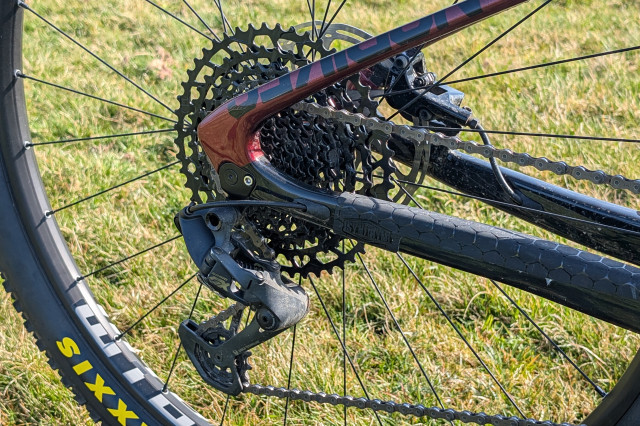
The 12-speed drivetrain is a mix of SRAM components, combining a Truvativ chainset with a 34T chainring, a GX rear derailleur, NX shifter, and a PG1210 cassette and chain. Braking is handled by SRAM Level T brakes with 180mm rotors at both ends, hinting at the Synonym TR2’s trail-orientated intentions rather than being a purebred XC race machine.
Crank lengths are fixed at 170mm for all sizes except the XL, which gets 175mm. It’s a shame not to see more size-specific options here, as shorter riders — myself included — would likely benefit from shorter cranks, particularly on steep or technical climbs, something that became evident throughout testing.
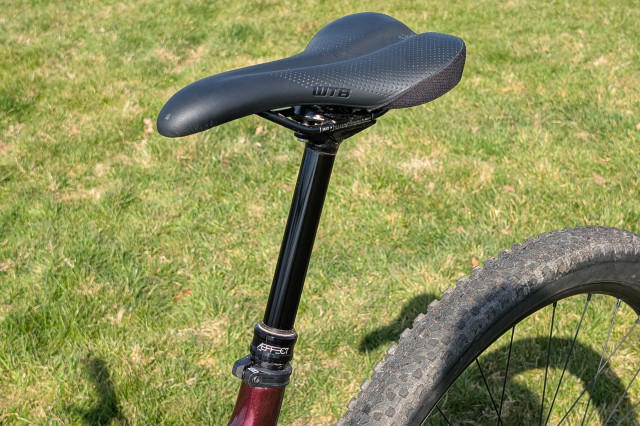
The finishing kit is made up of NS’s own-brand alloy components, with all sizes, except the XL, fitted with a 50mm stem; the XL gets a 60mm stem. A WTB saddle sits atop a Race Face Aeffect R dropper post, rounding out a practical and capable build.
NS Synonym TR2 – Performance
Before turning a pedal, there was already a disappointing discovery. Although the wheels are labelled tubeless-ready, the WTB rims should have come fitted with proper tubeless tape and a slim rim strip beneath to increase the height. Instead, they arrived with only basic rim tape installed. The correct WTB-specific tape isn’t readily available and, according to WTB itself, should have been fitted at the factory. Without it, a tubeless setup was impossible — a frustrating oversight on a bike of this calibre and price, especially given that virtually every rider will want to run a tubeless setup. Fortunately, I was able to source the correct rim strips directly from WTB and complete the conversion.
Once the wheels were sorted and I could finally get the bike out on the trail, the Synonym immediately felt worlds apart from a traditional cross-country bike. Even compared with the recently tested Orbea Oiz — another bike with progressive geometry — the Synonym feels longer and lower. As soon as I hit the dirt and pointed it downhill, the stretched-out position translated into a stable and composed ride that inspired confidence right from the off.
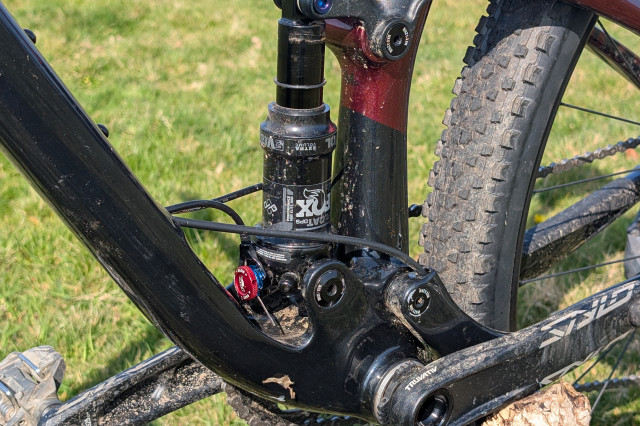
My first proper outing was on Afan Forest’s waymarked trails, which offer a mix of steep, technical climbs and rougher downhill sections. The bike’s standout feature is undoubtedly its geometry, but this route also highlighted mixed results from the suspension performance. With the fork set up to achieve correct sag for general XC riding, it felt sluggish and harsh over rougher ground, even with the rebound damping set fairly quick. It simply couldn’t keep up when the trail got choppy. In comparison, the newly updated Fox 32 Step-Cast Factory fork, despite offering less travel, feels far more capable thanks to improved damping and support.
Climbing performance is strong, with the rear suspension exhibiting minimal pedal bob — likely a result of the shock’s factory tune. However, when the terrain gets rough, either while climbing or on rougher flat pedalling sections, the rear end can feel a little underactive over the bumps. A more supple feel here would have been welcome. The two-position remote lockout works well enough for a pure XC race setup, but for the more trail-focused TR model, a three-position system — with open, climb, and full lock modes — would offer better versatility for general riding.
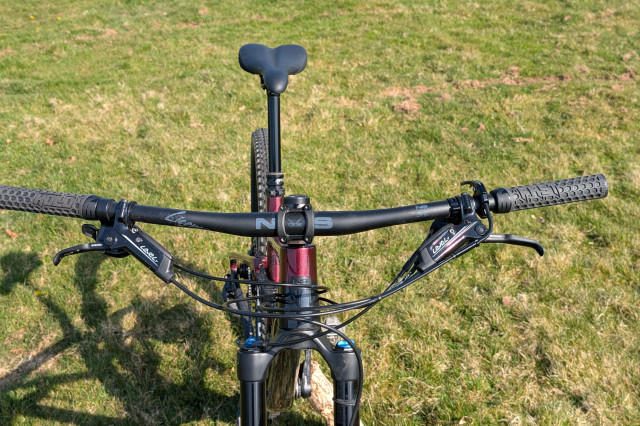
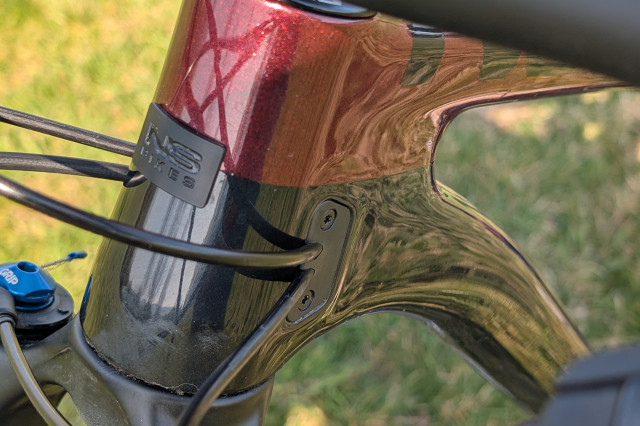
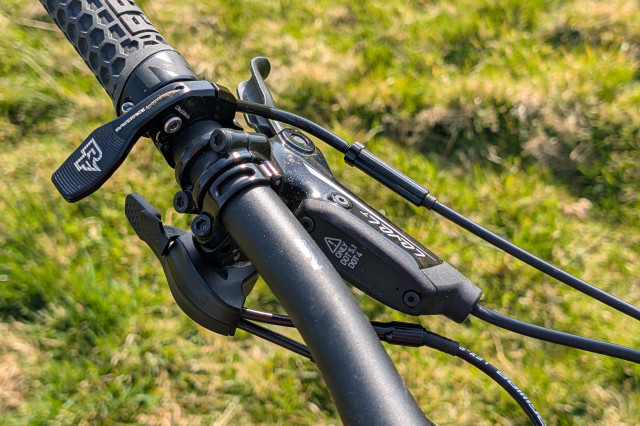
The lockout system itself is arguably one of the bike’s most frustrating elements. The Push-To-Unlock (PTU) mechanism means the suspension is locked by default, requiring a push of the lever to open it. It’s all too easy to accidentally engage the lockout mid-ride, and in my case, the dropper lever’s default position occasionally caused the lockout lever to engage when the post was dropped. Moving the lever out of the way created reach issues and compromised cable routing. The whole setup feels like an afterthought, especially when compared with more ergonomic systems like Orbea’s Squidlock. While Squidlock is not perfect, it’s significantly more refined and user-friendly. That said, despite the jumble of cables, the internal routing is neatly executed, with large ports that should make future maintenance relatively painless.
Drivetrain-wise, the components are serviceable for general XC use, but the inclusion of SRAM’s lowest-tier 12-speed PG1210 cassette is disappointing given the bike’s price tag. At 640g, it’s both heavier and less capable than higher-tier options and lacks the smallest sprocket found on higher-tier 10-52 cassettes. Shifting is decent — smooth and reliable – but the range and weight fall short. A GX-level 1275 cassette, for example, offers a wider range and drops nearly 200g in weight, making it a much more appropriate choice for a bike of this price.
Riding the Synonym has reshaped my expectations of what a cross-country bike can be. After years spent racing and riding more traditional XC-focused bikes, I was quickly won over by the riding position and the extra confidence that comes from the longer reach. Despite this added stability, the handling remains sharp, even around switchbacks. The 760mm handlebar is noticeably wider than those found on many XC bikes — something that won’t suit everyone, but this can easily be fixed and cut if preferred.
The inclusion of a dropper post is essential, and I found myself using it more than usual. This is likely due to the steep seat tube angle, which places the rider further forward — a position that works excellently for climbing. When things turn steep and technical on the way down, having the ability to shift weight rearward is vital, but while the Race Face Aeffect R dropper post works well, the lever’s compromised position was frustrating. The frame’s long seat tube, measured to the top, also limits post insertion. Despite falling within NS Bikes’ recommended size range for the medium, the 150mm drop post left the saddle a few millimetres too high for me, even at its lowest point — a small but annoying detail that detracted from the fit.
On technical climbs, I would have preferred shorter cranks. The 170mm arms combined with the relatively low bottom bracket led to a few too many pedal strikes, especially on stepped ascents. While this is more of an industry-wide issue than one unique to NS Bikes, it’s still something that affects ride quality in practice.
Tyre choice on the TR is well judged. The combination of a more aggressive Maxxis Rekon up front with a faster-rolling but still grippy Ikon on the rear strikes a solid balance between speed and traction. The Rekon’s open tread pattern and solid shoulder grip offer good support when cornering or navigating slick terrain, without compromising too much on rolling speed.
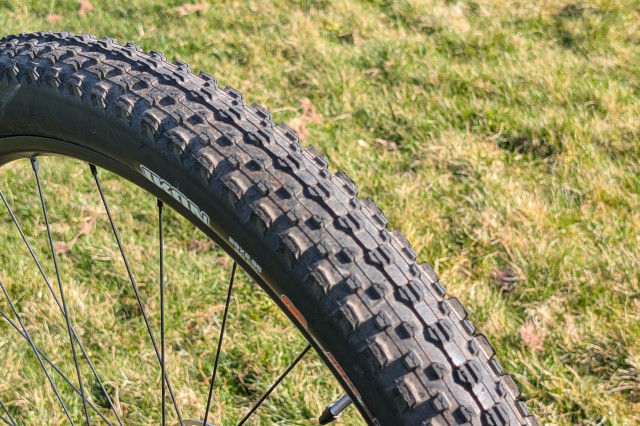
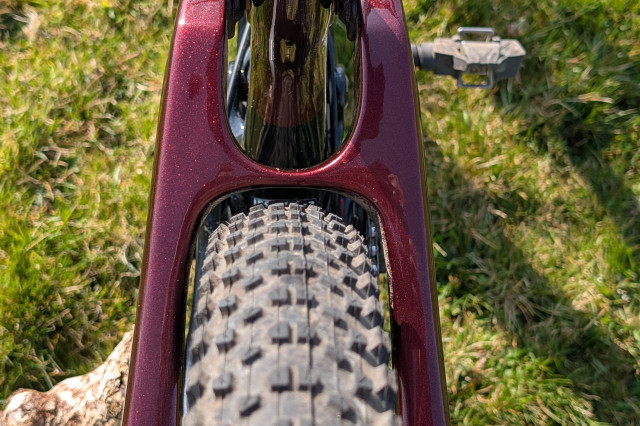
Mud clearance is acceptable, although the seat stay bridge is fairly tight when paired with the 2.35in rear Ikon. This will likely be the limiting factor if you want to upsize tyres. Up front, the fork has ample space around a 2.4in tyre, which is reassuring for those planning more rugged use.
The Synonym TR2 feels like a bike with something of a split personality. It combines race-focused elements — such as the two-position lockout, firm suspension tune, 34T chainring, lightweight Step-Cast fork and full remote cabling — with more trail-friendly features like a wider bar, larger brake rotors and a more versatile tyre setup. Pure racers might wish for a lighter overall package, but at 12.9kg, the TR2 is still respectably light for a trail-capable bike. While it can absolutely appear on a start line, it seems far more likely that it will be used mostly for general trail riding.
Some components, like the drivetrain or cockpit, can easily be changed to suit individual preferences. Others — such as the frame’s geometry, the shock tune, and the dropper post insertion — are fixed into the design. As a result, the TR2 walks a fine line between cross-country speed and trail confidence, and while it doesn’t always get that balance perfect, it offers a fresh and engaging take on what a modern XC bike can be.
NS Synonym TR2 – Verdict
As a riding platform, the Synonym TR2 has masses of potential — but at £4,400, there are compromises and a sense of mixed intent that feel out of place. With the RC models clearly targeting the pure XC racing crowd, a few key changes to the TR line could transform it into a far more cohesive and compelling trail option. The biggest hindrance is the suspension setup, particularly the PTU remote and two-position lockout, which simply don’t suit the TR’s intended use.
The TR2 is the more affordable of the two TR models, but it finds itself surrounded by some strong competition. If you’re open to an aluminium frame, the Gen 4 Trek Top Fuel 9 offers SRAM AXS T-Type shifting and a bit more suspension travel, with a 130mm fork, for £4,500. The Specialized Epic 8 Evo Comp also sits at this price point, delivering a full-carbon frame and Eagle AXS drivetrain, with a more trail-focused build. If you’re leaning towards lightweight trail or occasional cross-country racing, the Canyon Lux Trail CF 8 offers a carbon frame, Shimano XT groupset, and Reynolds carbon wheels — all for £4,199. All of these bikes match or exceed the Synonym TR2’s performance on paper, especially in terms of components, while staying within the same price bracket.
Despite being several years old, the Synonym’s geometry still feels sharp and forward-thinking. In fact, other brands have only recently caught up. And while the fork and elements of the suspension feel outdated, the ride itself remains hugely engaging. The TR2 descends with far more confidence than most 120mm bikes, encouraging you to push harder into steep or technical sections. It’s genuinely fun to ride, with handling that keeps up with much longer-travel bikes.
That said, the fork feels harsh, the suspension tune is unforgiving, and the PTU lockout remains a frustrating piece of the puzzle. A three-position system would better suit this more trail-orientated TR model, while reserving the firmer, dual-mode setup for the RC version. Component choices are generally fine, but shortcuts are evident — most notably in the drivetrain and cassette — which dull some of the bike’s shine at this price.
NS Bikes has created a brilliant frame that makes for a fast, fun, and capable trail-focused XC bike. It’s perfectly suited for big days in the saddle and could easily toe the line at a race. But while the geometry is still ahead of the curve, the supporting components — particularly the suspension and drivetrain — let it down slightly, making it difficult to justify the full retail price without some key upgrades.
You might also like:
- What is downcountry?
- Trail mountain biking – everything you need to know
- How to tweak your mountain bike’s geometry – Cockpit
About the bike
Tell us what the bike is for, and who it’s aimed at. What do the manufacturers say about it? How does that compare to your own :
When we launched the Synonym people shook their heads in disbelief. This bike was miles away from any short travel bike out there. The ultra-slack head angle, massive reach and very steep seat tube had never been used in a short travel bike. But The Synonym was the herald of a revolution. Today we all know that progressive geometry is the way to go – even in lightweight XC / trail bikes! The Synonym TR is really a game changer. Radical geometry and a beefy 120mm fork presented in an ultra-light weight package give the rider a unique experience. It burns trails unlike anything else on the market. All available alternatives either have old-school geometry or are heavy and slow to pedal. Most riders who have tried this bike swear that they can go just as fast on downhill trails as they do on their standard, “big” trail / all mountain bikes. This is because unless you are on extremely rough trails, the limiting factor is usually not the suspension travel, but the position that the rider has on the bike and the way it handles. This amazing ride impression that riders have reported is backed up by lap times and measured segments. In fact, this bike is so fast that many riders have opted for the TR version (with small modifications) as their XC racing weapon, instead of going for the dedicated RC version. The Synonym TR is built around a full carbon frame with flex stays, eliminating the need for heavy pivots.
State the frame material and method of construction. List the components used to build up the bike.:
NS Bikes specification:
frame: NS Synonym, superlite carbon fibre w/ 120mm travel
sizes :S,M,L,XL
rear shock: Fox Performance Elite Float DPS 2pos remote lockout, push-to-unlock, Evol LV Trunnion 165×42.5
fork: Fox Performance 34 Step Cast Float Grip, 120mm travel, 2pos remote lockout w/ Open Mode Adj, push-to-unlock, 15x110mm Boost, 1.5 tapered steerer tube, 44mm offset
headset:FSA NO.42/47/ACB
stem: Synonym Trail 31.8 (S: 50, M, L & XL: 60mm), angle +5°
handlebar: NS Licence Mini Rise Lite 31.8, 760mm, 15mm rise
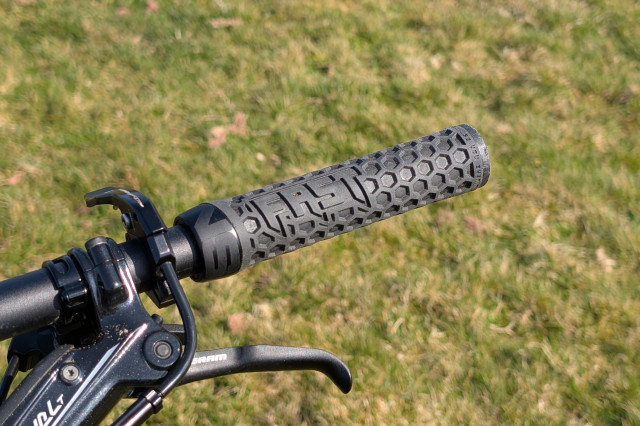
grips: NS Hold Fast supersoft
seatpost: Race Face Aeffect R internal S: 120mm, M, L, XL: 150mm 31.6
saddle: WTB Volt Medium Cromoly
front brake: Sram Level T, 180mm
rear brake: Sram Level T, 180mm
levers: Sram Level T
rims: WTB ST Light i25 TCS 2.0 29”, 28h, tubeless compatible
spokes: Straight Pull Spokes
front hub: NS Rotary Straight Pull 15 Boost 15×110 disc (sealed bearings)
rear hub: NS Rotary Straight Pull Cassette 148x12mm Boost (sealed bearings)
tires front/rear: Maxxis Recon 2.4WT EXO/TR / Maxxis Ikon 2.35 EXO/TR
crankset: Truvativ STYLO 7K DUB 170mm 34t (XL size 175mm)
bottom bracket: Sram DUB Press Fit BB92
pedals: none
chain: Sram, 12 spd
chainguide: none
derailleurs: Sram GX Eagle type 3 12spd
shifters: Sram NX Eagle, 12spd
cassette: Sram PG-1210, 10-50t 12 speed
Frame & Fork
How much suspension travel does the fork have?:
Was the bike comfortable to ride? Tell us how you felt about the ride quality.:
How was the bike in terms of sizing and angles? How did it compare to other bikes of the same stated size and intent?:
Overall rating for frame
How much suspension travel does the rear end have?:
Did the bike feel stiff in the right places? Did any part of the bike feel too stiff or too flexible?:
Tell us about the build quality and finish of the frame:
Tell us about the geometry of the frame:
Reach: 466mm
Front centre: 766mm
Stack: 599mm
Standover: 753mm
Headtube: 90mm
Chainstay: 438mm
BB height: 326mm
Wheelbase: 1201mm
Head angle: 66 degrees
Tell us about the materials used in the frame:
Fox Performance Elite Float DPS 2pos remote lockout, push-to-unlock, Evol LV Trunnion 165×42.5
Riding
How did the bike transfer power? Did it feel efficient?:
How would you describe the steering? Was it lively, neutral or unresponsive?:
Tell us some more about the handling. How did the bike feel overall? Did it do particular things well or badly?:
Rate the bike for sprinting:
Any comments on sprinting?:
Rate the bike for high speed descending
Any comments on high speed descending?:
Rate the bike for technical descending:
Any comments on technical descending?:
Rate the bike for flat cornering:
Rate the bike for technical climbing:
Any comments on technical climbing?:
Rate the bike for climbing efficiency:
Any comments on climbing efficiency?:
Rate the bike for agility:
Suspension
Rate the fork for performance:
Any comments on fork performance?:
Rate the fork for durability:
Rate the fork for efficiency:
Any comments on fork efficiency?:
Rate the fork for value:
Any comments on fork value?:
Tell us some more about the fork. Anything you particularly did or didn’t like? Any features which didn’t work well together?:
Rate the rear suspension for performance:
Rate the rear suspension for durability:
Rate the rear suspension for efficiency:
Any comments on rear suspension efficiency?:
Rate the rear shock for value:
Tell us some more about the rear suspension. Anything you particularly did or didn’t like? Any features which didn’t work well:
Rate the balance and performance of the suspension overall:
Any comments on the balance and performance of the suspension overall?:
Drivetrain
Rate the drivetrain for performance:
Rate the drivetrain for durability:
Rate the drivetrain for weight:
Any comments on drivetrain weight?:
Tell us some more about the drivetrain. Anything you particularly did or didn’t like? Any components which didn’t work well to:
Rate the drivetrain for value:
Any comments on drivetrain value?:
Wheels & tyres
Rate the wheels for performance:
Any comments on wheel performance?:
Rate the wheels for durability:
Rate the wheels for weight:
Rate the wheels for comfort:
Rate the wheels for value:
Tell us some more about the wheels.Did they work well in the conditions you encountered? Would you change the wheels? If so, wha:
Rate the tyres for performance:
Rate the tyres for durability:
Rate the tyres for weight:
Rate the tyres for value:
Tell us some more about the tyres. Did they work well in the conditions you encountered? Would you change the tyres? If so, what:
Controls
Rate the controls for performance:
Rate the controls for durability:
Rate the controls for weight:
Rate the controls for comfort:
Rate the controls for value:
Anything else you want to say about the componentry? Comment on any other components (good or bad):
Summary
Did you enjoy riding the bike?:
Would you consider buying the bike?:
Which components had the most effect (good or bad) on the bike’s performance? would you recommend any changes?:
Would you recommend the bike to a friend?:
Rate the bike overall for performance:
Rate the bike overall for value:
Use this box to explain your score:
All the deals displayed on our review pages are pulled from a constantly updating database feed of the best affiliate deals available. The criteria for deciding on what are the best deals is who is offering the lowest, delivered price. In most cases we will be showing the very best deal available online, but sometimes you may be able to find an item cheaper. If you can please feel free to post a link in the comments box below. To find out more about affiliate links on road.cc click here.