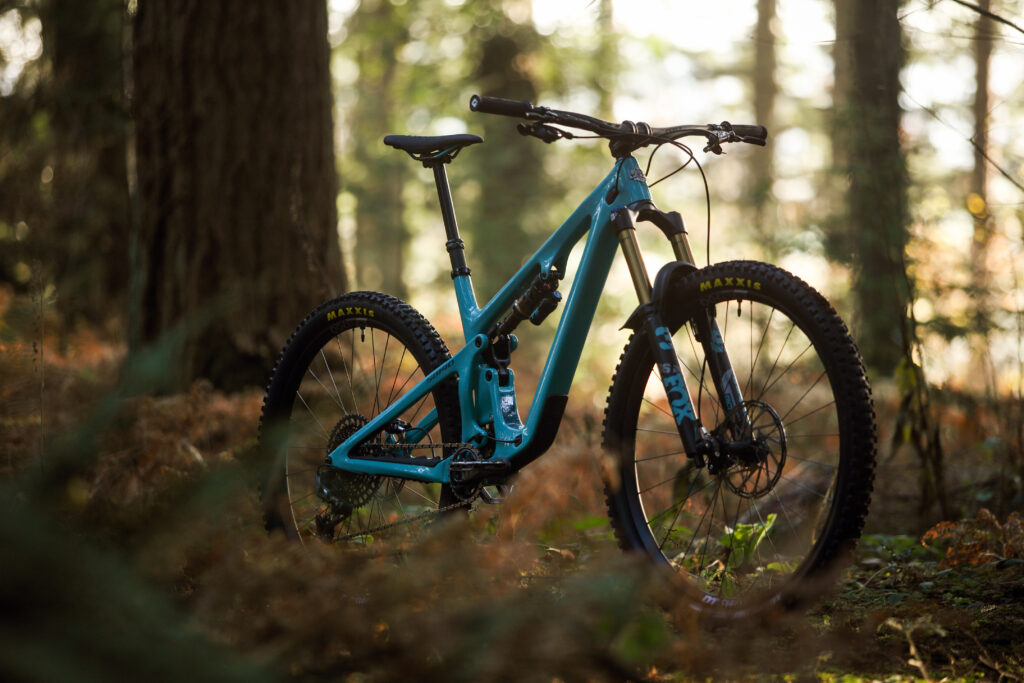

The updates to the Yeti SB140 have brought the geometry right up to date and made maintaining it easy with a trustworthy build specification. The bar height is a little too low for my liking and it can’t be labelled as “good value for money” but it sure is a solid and reliable trail bike if your pockets can take the hit.
- First Ride: Yeti 160E T-Series T1 – Yeti’s first e-mtb
- Privateer 141 GX Pike review
- Mountain bike etiquette – the lowdown on trail-side manners
Yeti SB140 LR T1 – Technical details
The SB140 sits squarely in the middle of Yeti’s new line-up with the lighter SB120 and the burly SB160 flanking either side. The new lineup sees updates to the geometry up to date and suspension performance.
The SB140 is aimed at trail riding with 140mm rear travel. There are two options to help with “burliness” – the LT series comes with Code brakes and a 160mm fork while the standard build has the less-punchy G2 brakes and a 150mm fork.
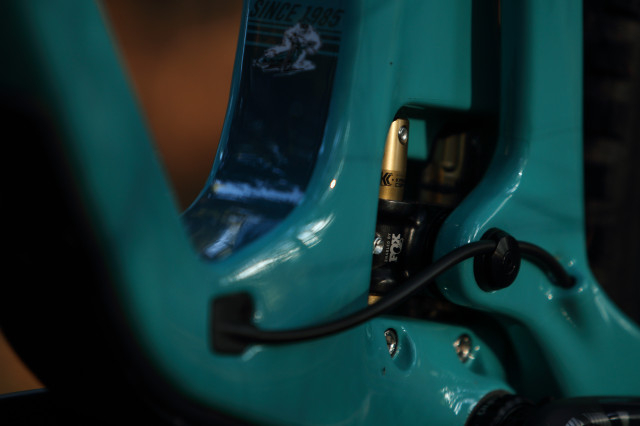
As with all the “SB” frames the Switch Infinity link is at the heart of Yeti’s design. It provides a virtual pivot point – one that moves with the motion of the rear triangle – allowing the kinematics to be tuned and controlled. Yeti claims to have improved the bearing interfaces and seals to “eliminate unwanted play or misalignment”.
Other nice features include off-the-shelf readily available bearing sizes. To make changing these bearings easier, they all sit in the alloy linkages rather than in the carbon frame. It’s nice to see some consideration for long-term maintenance going into the design.
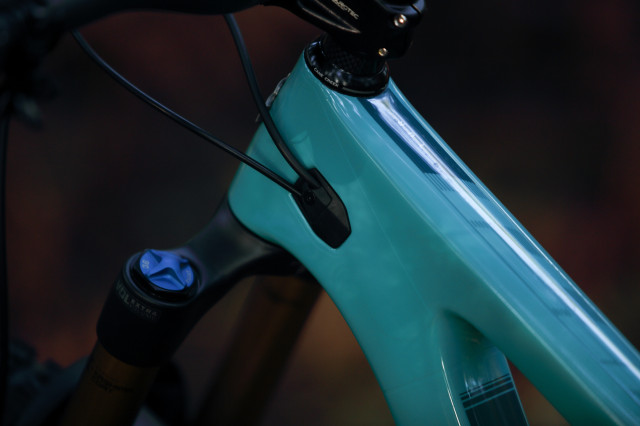
All the internally routed cables have guiding tubes in the frame, a reliable threaded BB is used and there is no headset cable routing – this is an easy bike to work on and maintain.
Yeti hasn’t followed the extremes of the “lower, slacker, longer” trend but has updated the new line of bikes to align with modern geometry. The SB140 comes in five sizes ranging from S to XXL, the latte of which can accommodate riders of 6’11” (210cm). Across those sizes, the Reach ranges from 430mm in S to 520mm in XXL – the Large comes in at 480mm. Not an outrageously large bike but right on the money for modern trail-ripping geometry. A head angle of 65-degrees (0.5-degree slacker than the previous generation) should provide a good balance between agility and stability.
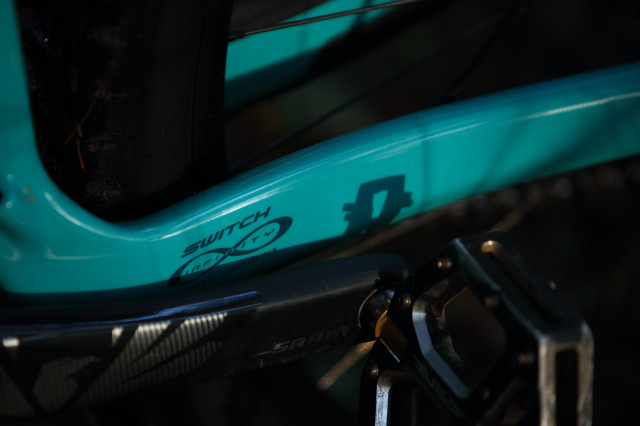
Yeti has incorporated unique chainstays and seat tube angles into each size with chainstays growing 2mm per size and actual seat angles steepening as the sizes increase. The chainstays are a little on the shorter side with the large running 440mm.
There are two frame options available – namely the C series and TURQ series. The carbon layup differs between these two options which result in the higher-end TURQ offering weighing around 225g less per frame.
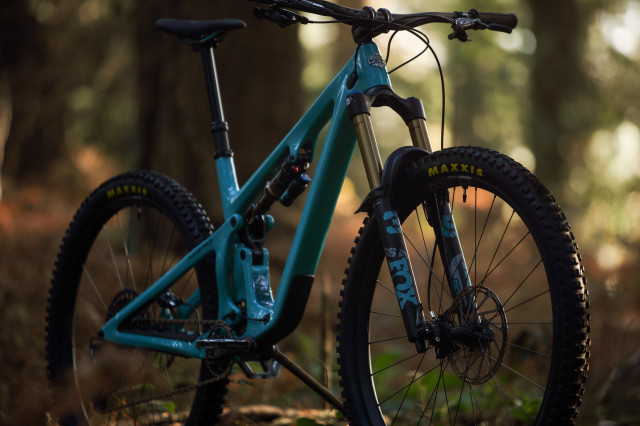
Spec options are offered sequentially from 1-4 which range from Fox Performance suspension and Shimano SLX or SRAM GX drivetrains up to high-end Fox Factory suspension and full SRAM XX1 AXS drivetrain. Just to spice up the range a little more there is an LR (Lunch ride) option for each spec offering which makes the SB140 a little more burly. The LR gets a 160mm fork (10mm longer than regular), piggyback rear shock and upgrades the brakes from SRAM G2 to SRAM Code. No prizes for guessing the LR is equipped to charge harder.
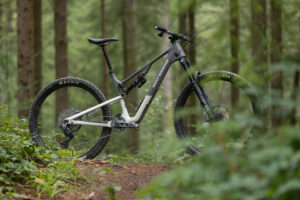
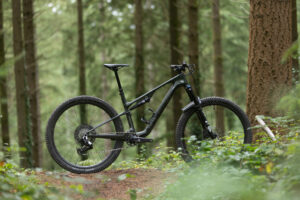
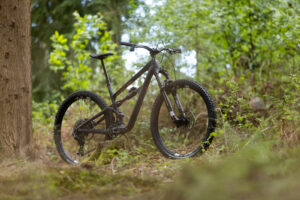
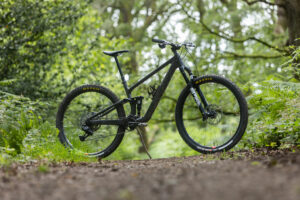
The bike pictured here is an SB140 LR T1. This means the lighter TURQ frame with a Fox 36 Factory 160mm fork and Fox Float X Factory rear shock.
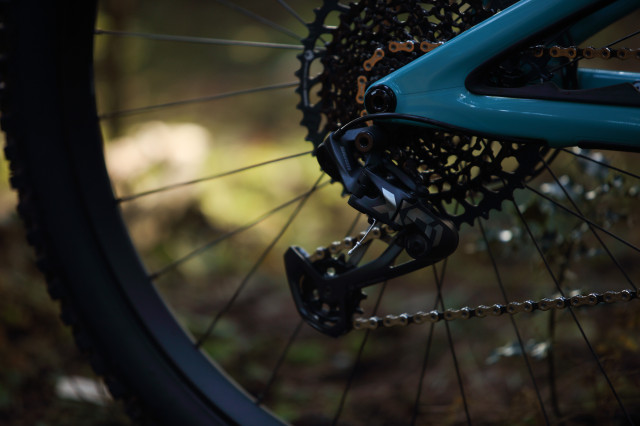
SRAM takes care of drive train duties using GX for the cassette, chain and shifter with X01 for the rear derailleur. The carbon cranks are X1 flavoured at 170mm with a 30T chainring.
Controls are well-specced using a 50mm Burgtec stem paired with Yeti’s 780mm carbon bar and the ODI Elite Pro grips will be a favourite of many. For the TURQ series, the dropper post is covered by Fox Transfer and comes in different lengths depending on the frame size – the Large has a 200mm drop which is promising.
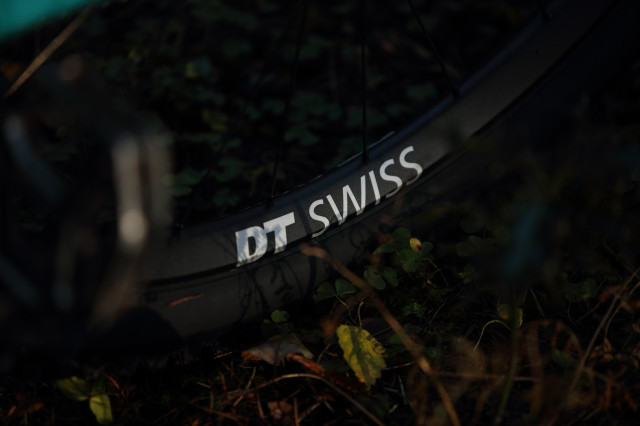
DT Swiss XM1700 wheels shod with Maxxis EXO+ rubber should be a reliable and confidence-inspiring setup.
Yeti SB140 LR T1 – Setup
Yeti’s website includes a calculator to help you get the initial set-up dialled in. Punch in your bike, spec level and rider weight (fully geared up) to get a recommendation on pressures and clicks for the suspension to start as your baseline. I used this as my baseline to get going and found it to be pretty close.
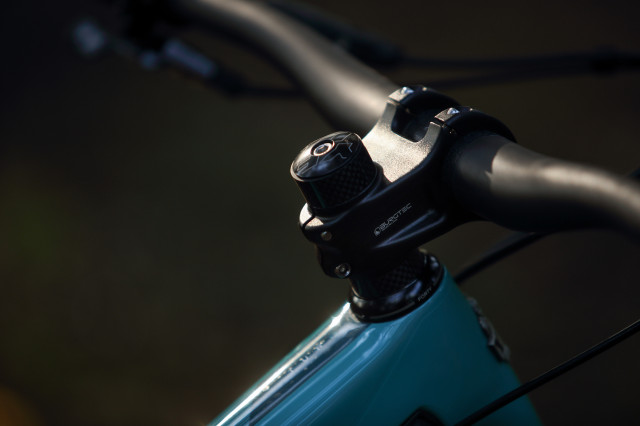
I found the stack height to be on the low side which meant the bar height is lower than I’d like and, paired with the 50mm stem, it puts the rider weight closer to the front axle which isn’t confidence-inspiring. To counter this I lifted the stem to the top of the steerer (still lower than I’d personally like), I also added an extra five psi to the fork and a little more low-speed compression to keep it up in the travel. This helped the bike feel more stable on the steeps but taller rides (over 6ft) may need to try higher-rise bars to get the bar height right.
Yeti SB140 LR T1 – Performance
Once the bar height issue had been figured out and resolved I started to feel much more at home aboard the SB140. The Fox factory suspension is impressively supple and gave plenty of well-controlled and supportive squish. The rear end felt plush over the trail chatter but, for me, it lacked the mid-stroke support I was looking for. It had a linear, almost coil-like feel, which gave lots of traction but I came to the end of 140mm a little too quickly. This can easily be tuned with some air-can tokens to help with ramp-up – it’s nice to have the option to tune it depending on personal preference.
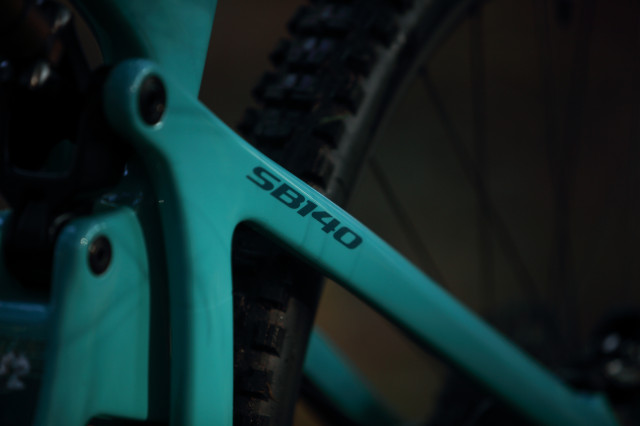
With the 160mm fork up front, I felt like the bike could handle anything I threw at it, on the fast and relatively rough (for a trail bike) trails the bike stayed composed and well-mannered. I was impressed with how well the 140mm rear end kept up with the 160mm fork – the standard recommended settings from Yeti’s website gave a good level of control for the rear shock which stood up to repeated hits well.
The SB140 has certainly benefitted from its geometry update. On the large, I found the 480mm reach and 65-degree head angle gave a confidence-inspiring riding position when attacking the trails. The rear end (chainstays) I’d argue is a little on the short side which sacrifices outright stability but offers nimble handling.
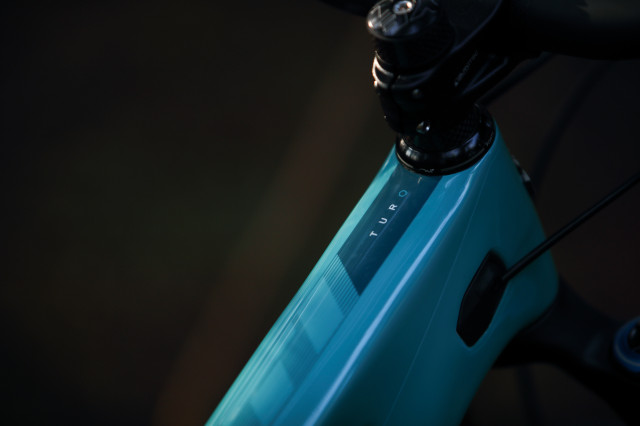
Thanks to the shorter travel and fairly lightweight build, the SB140 is a hoot on smoother and flowier blue-style trails. It pumps well through the terrain but it’s maybe not as snappy as a thoroughbred trail bike – this could also be down to the plush rear end which could be resolved with some tuning.
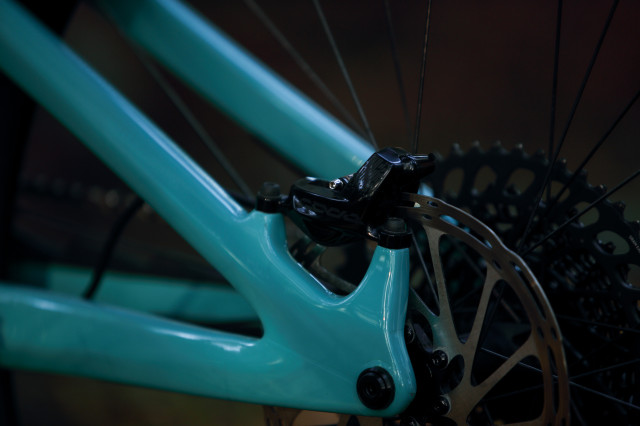
The Code RSC brakes are worth a special mention. They are smartly specced on this LT version providing all the power you could need in a well-modulated package.
Inevitably after hooning down, climbing back up is next on the agenda. The improved seat angle makes the SB140 a competent and comfortable climber and the seated position feels efficient when stamping on the pedals. Another advantage to the steeper seat angle is a sensible effective top tube length which means, even with the seat all the way up, it doesn’t feel like a stretch to reach the bars. The switch infinity rear end is surprisingly active in the first part of the travel when pedalling. The plus side to this is increased traction when pedalling over rough ground, however, I did also experience pedal bob when on smooth sections and fire roads. The increased traction is noticeable and the pedal bob can be resolved by using the lock-out lever on the rear shock.
Yeti SB140 LR T1 – Verdict
There is no getting around the fact that the SB140 LT T1 is a pricey proposition. It retails at £8,500 and you get an analogue bike with no carbon wheels. What you do get is top-of-the-range brakes and suspension along with a competent frame and reliable spec.
For £8,000 the Santa Cruz Hightower is a worthy competitor. With 5mm more rear travel and 10mm less front travel it’s not a direct comparison, however, the VVP rear end will give a stable ride and for this money, the Hightower comes with a wireless drivetrain.
The Pivot Switchblade is also in close competition with the SB140 – it also offers 140mm rear end controlled by a DW link and 160mm front end. The Pro spec comes specced with XT/XTR and is priced the same as the SB140.
The Yeti SB140 is an effective climber providing a comfortable position for longer rides and has a nice balance of climbing traction with the option to firm up for efficiency. On the downs, the bike is playful and comfortable at high speed – but the bar height is a little too low which makes it feel less comfortable on the really steep trails (this could be remedied with a higher-rise bar if needed). It is by no means cheap but it represents a solid spec with clever suspension and the infamous Yeti heritage.
You might also like:
- How to set up your mountain bike suspension
- The 11 gravel-specific products you never knew you needed
- Top tips for mountain biking downhill in the mud – how to ride in muddy conditions
About the bike
Tell us what the bike is for, and who it’s aimed at. What do the manufacturers say about it? How does that compare to your own :
The SB140 is aimed at trail riding with 140mm rear travel and a pretty aggressive build. There are two options to help with “burliness” – the LT series comes with Code brakes and a 160mm fork whilst the standard build has the less punchy G2 brakes and a 150mm fork
State the frame material and method of construction. List the components used to build up the bike.:
As with all the “SB” frames the Switch Infinity link is at the heart of Yeti’s design. It provides a virtual pivot point – one that moves with the motion of the rear triangle – allowing the kinematics to be tuned and controlled. Yeti claims to have improved the bearing interfaces and seals to “eliminate unwanted play, or misalignment”.
Other nice features include off-the-shelf readily available bearing sizes which are easy to get hold of. To make changing these bearings easier, they all sit in the alloy linkages rather than in the carbon frame. Its nice to see some consideration for long-term maintenance going into the design.
All the internally routed cables have guiding tubes in the frame, a reliable threaded BB is used and there is no headset cable routing
Frame & Fork
How much suspension travel does the fork have?:
Was the bike comfortable to ride? Tell us how you felt about the ride quality.:
How was the bike in terms of sizing and angles? How did it compare to other bikes of the same stated size and intent?:
Overall rating for frame
How much suspension travel does the rear end have?:
Did the bike feel stiff in the right places? Did any part of the bike feel too stiff or too flexible?:
Tell us about the build quality and finish of the frame:
Tell us about the geometry of the frame:
Tell us about the materials used in the frame:
Riding
How did the bike transfer power? Did it feel efficient?:
How would you describe the steering? Was it lively, neutral or unresponsive?:
Tell us some more about the handling. How did the bike feel overall? Did it do particular things well or badly?:
Rate the bike for sprinting:
Any comments on sprinting?:
Rate the bike for high speed descending
Any comments on high speed descending?:
Rate the bike for technical descending:
Any comments on technical descending?:
Rate the bike for flat cornering:
Any comments on flat cornering?:
Rate the bike for technical climbing:
Any comments on technical climbing?:
Rate the bike for climbing efficiency:
Any comments on climbing efficiency?:
Rate the bike for agility:
Any comments on agility?:
Suspension
Rate the fork for performance:
Any comments on fork performance?:
Rate the fork for durability:
Any comments on fork durability?:
Rate the fork for efficiency:
Any comments on fork efficiency?:
Rate the fork for value:
Any comments on fork value?:
Tell us some more about the fork. Anything you particularly did or didn’t like? Any features which didn’t work well together?:
Rate the rear suspension for performance:
Any comments on rear suspension performance?:
Rate the rear suspension for durability:
Any comments on rear suspension durability?:
Rate the rear suspension for efficiency:
Any comments on rear suspension efficiency?:
Rate the rear shock for value:
Any comments on rear shock value?:
Tell us some more about the rear suspension. Anything you particularly did or didn’t like? Any features which didn’t work well:
Rate the balance and performance of the suspension overall:
Any comments on the balance and performance of the suspension overall?:
Drivetrain
Rate the drivetrain for performance:
Any comments on drivetrain performance?:
Rate the drivetrain for durability:
Any comments on drivetrain durability?:
Rate the drivetrain for weight:
Any comments on drivetrain weight?:
Tell us some more about the drivetrain. Anything you particularly did or didn’t like? Any components which didn’t work well to:
Rate the drivetrain for value:
Any comments on drivetrain value?:
Wheels & tyres
Rate the wheels for performance:
Any comments on wheel performance?:
Rate the wheels for durability:
Any comments on wheel durability?:
Rate the wheels for weight:
Any comments on wheel weight?:
Rate the wheels for comfort:
Any comments on wheel comfort?:
Rate the wheels for value:
Any comments on wheel value?:
Tell us some more about the wheels.Did they work well in the conditions you encountered? Would you change the wheels? If so, wha:
Rate the tyres for performance:
Any comments on tyre performance?:
Rate the tyres for durability:
Any comments on tyre durability?:
Rate the tyres for weight:
Any comments on tyre weight?:
Rate the tyres for value:
Any comments on tyre value?:
Tell us some more about the tyres. Did they work well in the conditions you encountered? Would you change the tyres? If so, what:
Controls
Rate the controls for performance:
Any comments on controls performance?:
Rate the controls for durability:
Any comments on controls durability?:
Rate the controls for weight:
Any comments on controls weight?:
Rate the controls for comfort:
Any comments on controls comfort?:
Rate the controls for value:
Any comments on controls value?:
Tell us some more about the controls. Any particularly good or bad components?:
Anything else you want to say about the componentry? Comment on any other components (good or bad):
Summary
Did you enjoy riding the bike?:
Would you consider buying the bike?:
Which components had the most effect (good or bad) on the bike’s performance? would you recommend any changes?:
The spec is reliable and well thought out
Would you recommend the bike to a friend?:
Rate the bike overall for performance:
Rate the bike overall for value:
Use this box to explain your score:
Product purpose:
Build extra:
Fork – FOX FACTORY 36 GRIP 2/160MM
Weight – Approx 14.5kg
Rear Travel – 140mm
Rear Shock – FOX FACTORY FLOAT X
Wheelset – DT SWISS XM1700 30MM
Rear Derailleur – SRAM X01 EAGLE
Shifter – SRAM GX EAGLE
Crankset – SRAM X1 EAGLE 30T 170MM
BB – SRAM DUB BSA 73
Cassette – SRAM GX EAGLE 1275 10-52
Chain – SRAM GX EAGLE
Brakes – SRAM CODE RSC
Rotors – SRAM CENTERLINE 220/SRAM CENTERLINE 200
Dropper Seatpost – FOX TRANSFER 31.6MM / SM: 150MM, MD: 175MM, LG-XXL: 200MM
Front Tyre – MAXXIS MINION DHF 2.5 EXO
Rear Tyre – MAXXIS MINION DHR II 2.4 EXO
Headset – CANE CREEK 40 INTEGRATED
Handlebar – YETI CARBON 35X780MM
Stem – BURGTEC ENDURO MK3 35X50MM
Grips – ODI ELITE PRO
Saddle – WTB SILVERADO CUSTOM
Product construction
Product construction extra:
Product performance
Product performance extra:
Product durability
Product durability extra:
Product weight
Product weight extra:
Product comfort
Product comfort extra:
product value
All the deals displayed on our review pages are pulled from a constantly updating database feed of the best affiliate deals available. The criteria for deciding on what are the best deals is who is offering the lowest, delivered price. In most cases we will be showing the very best deal available online, but sometimes you may be able to find an item cheaper. If you can please feel free to post a link in the comments box below. To find out more about affiliate links on road.cc click here.
Product value extra:
Overall performance:
Product likes:
Spec
Product dislikes:
Expensive