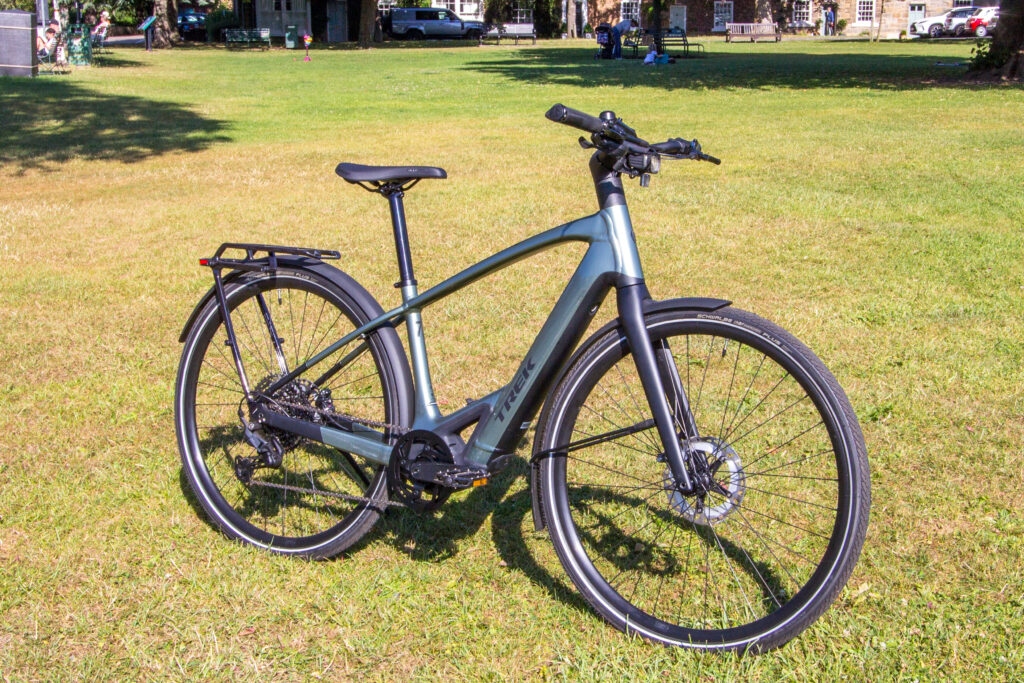

In 2025 we really are spoiled for choice when it comes to urban e-bikes. There’s quite literally something for everyone, whether you want to spend £500 or £5,000, carry the kids to school or fold a bike up so you can hop on the Tube. The choice is quite staggering. So where does the Trek FX+ 7 fit in?
The FX+ 7 doesn’t offer the flashiest, most spaceship-esque design, nor does it boast incredible torque numbers or a massive battery. What it does do is focus on the fundamentals. And it does that rather well.
Motor and battery
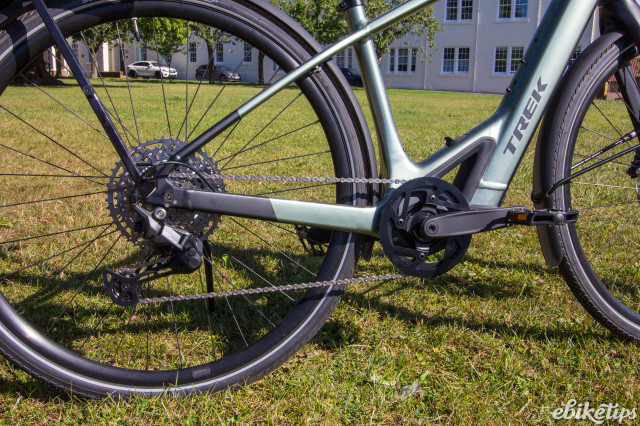
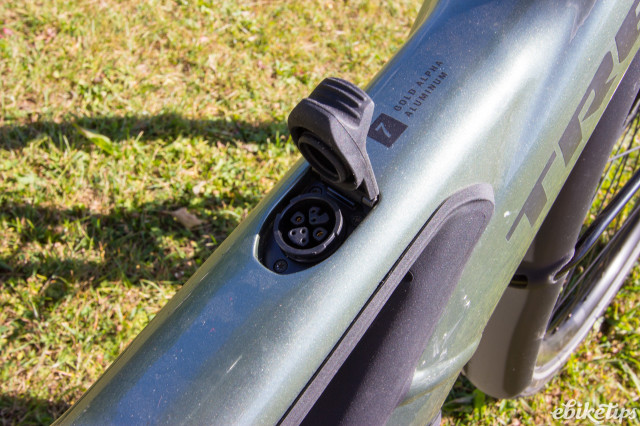
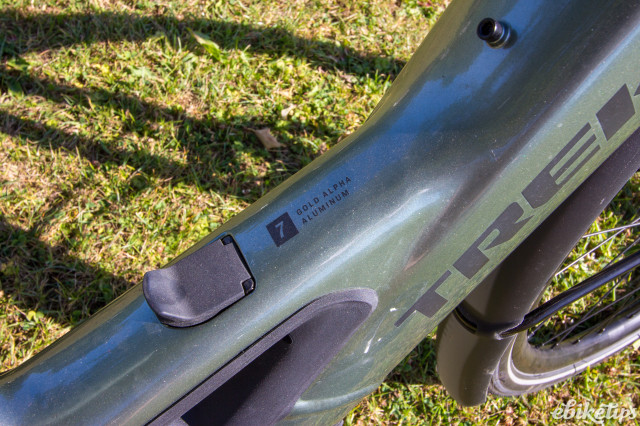
Trek has used the TQ HPR-50 motor on several bike models, from this urban FX+ 7 to the Fuel Exe mountain bike, so we know it’s a versatile motor. But in a world where DJI and Bosch and everyone else is offering massive torque numbers and ridiculous maximum power, can the FX+ compete?
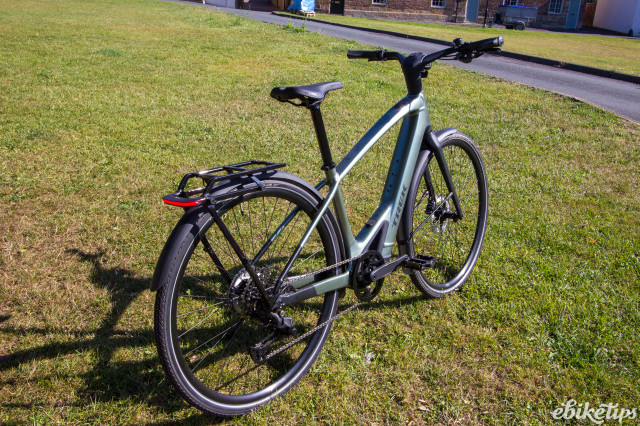
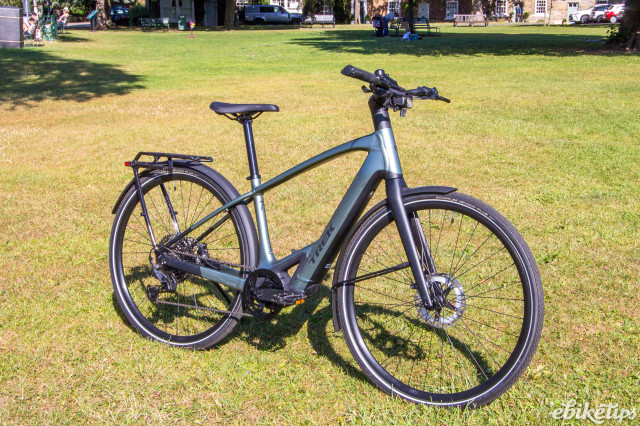
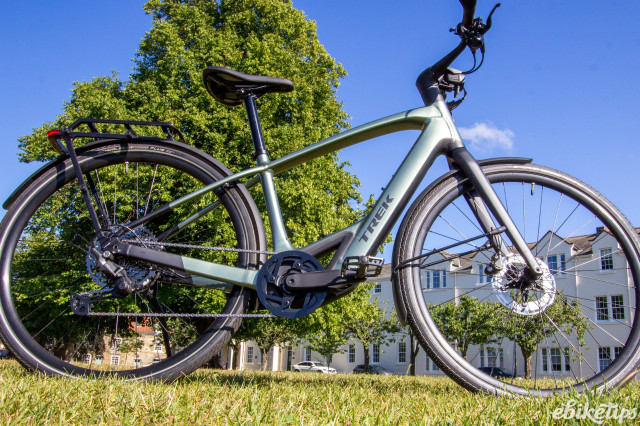
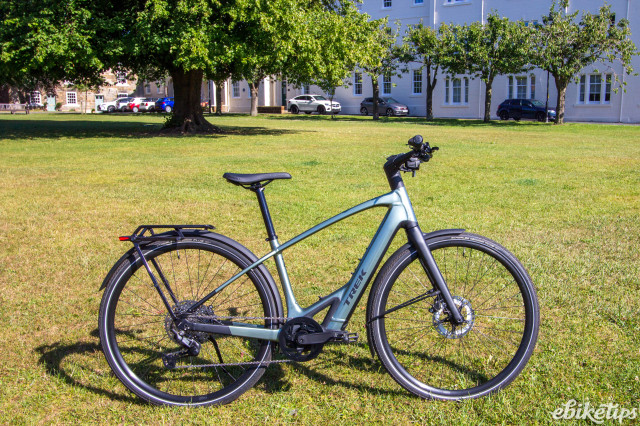
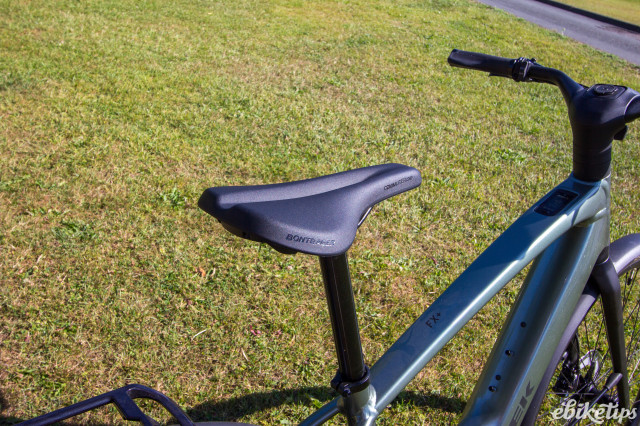
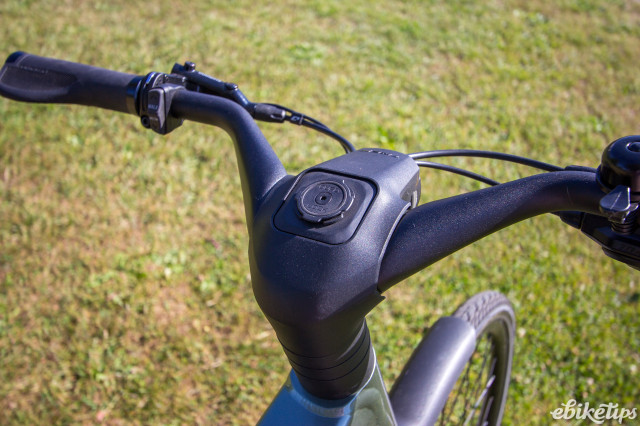
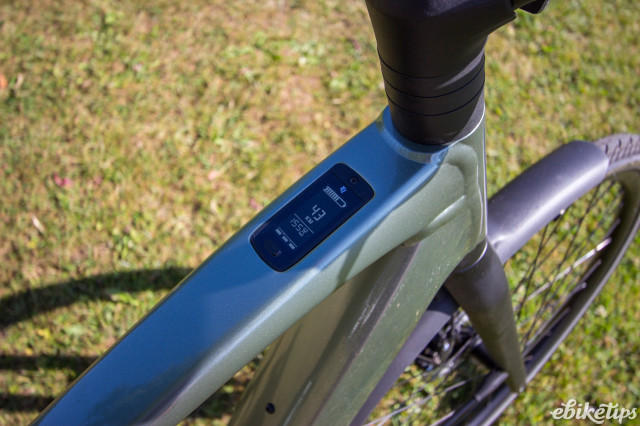
The term ‘urban’ is beginning to span a wider range of e-bikes. You’ll now see sizeable things offering up to 100Nm of torque sharing the bike path with those that look more like the FX+ 7; rather more inconspicuous, and offering far fewer (peak) watts.
But unless your mission is to beat everyone off the line at traffic lights, or you live at the bottom of a mountain and need to commute to the top for work, I think it’s important to look beyond the figures and focus more on how the bike actually rides.
That’s not to say the motor isn’t an important factor in an e-bike – of course it is. But I don’t think that torque and top end power are the be all and end all for urban bikes.
Recently, TQ launched the HPR-60 for e-mountain bikes and the HPR-40 for e-road, but I think the HPR-50 is still the right motor for this bike, offering up to 50Nm of torque and 300W maximum power. If you’re used to riding something like a Bosch CX motor, you might find this a little difficult to adjust to, but I see the HPR-50 as offering a more natural feeling boost; a gentle nudge that’s just enough to help you get over the crest of a hill, rather than feeling like you’re just a passenger and barely having to pedal.
Of the three assistance levels, I stuck mostly in the highest. Partially because I wanted to see the impact on the battery, and partially because I just didn’t think the lower levels did a great deal – for me at least.
The FX+ comes with a 360Wh battery, which again, isn’t that big, but I still managed just over 70km of riding from one charge, taking in a few thousand feet of climbing. The system reckoned I’d get about 77km maximum when I set off on a flat road, but it quickly changed depending on whether I was heading uphill or just cruising along – as you would expect.
It’s not a bike for doing millions of miles a week without having to recharge, but you can wring surprisingly decent mileage out of a single charge.
How it rides
The FX+ frame is constructed from aluminium with a carbon fork to absorb some of the road buzz, and I think it does that reasonably well. The 40mm tyres also help with this.
The head tube angle is 71 degrees, which is relatively steep. This means you get more agile handling and overall it lends itself to a more upright riding position. The seat tube angle is also steep at 74.6 degrees, again lending itself to sitting upright.
With hindsight, I probably should have asked for a size medium, as at 5ft 5in I was right on the cusp of the size brackets. I found the reach quite short (38.5cm), although I have been spending a lot of time on slackened-out mountain bikes and after a while on the FX+ it did begin to feel more natural.
I liked how the bike handled. It’s inherently agile and great for urban areas, but equally I took it on some country lanes and it was a serene experience. Riding around in my casual clothes, I felt like a lady of leisure, perhaps on holiday in Lake Garda, rather than just pedalling around North Yorkshire.
It’s also pretty lightweight at 19kg, which is less weighty than some of the designated ‘lightweight’ competition, such as the Specialized Turbo Vado SL. I found it easy enough to move through the house and out onto the road.
The only thing I wasn’t 100 per cent on was the ride comfort. It felt a little harsh, if I’m being brutally honest. It improved with lowering the tyre pressure, as you’d expect, but it was still not the most comfortable bike I’d ever ridden.
What I will say, however, is a testament to the overall design and touch points, because after two hours of riding without a chamois pad, I didn’t feel any discomfort and my hands weren’t blistering like they usually do without gloves. So there are some plus points – it was just hitting potholes and cobbles where the bike felt like it wasn’t that comfortable.
Components and spec
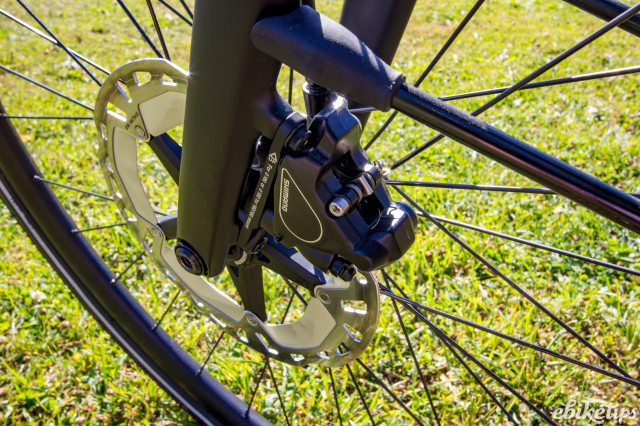
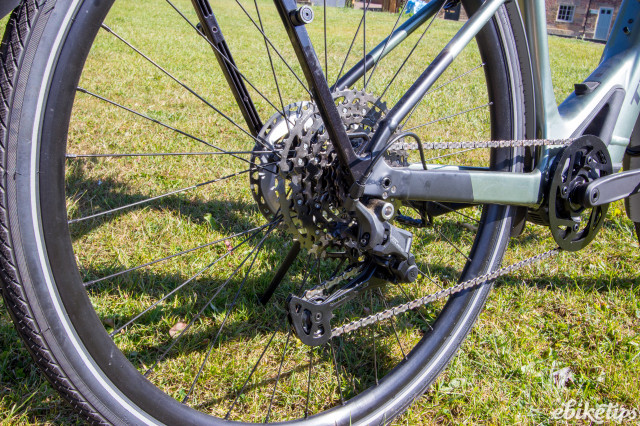
The FX+ 7 sits at the top of the FX+ range. At £4,000, you get a 10-speed Shimano Cues drivetrain. You can choose between a mid-step or this crossbar frame for the same price – albeit with some differences in colour options.
If £4,000 is a bit too much to spend, the FX+ 2 is Trek’s cheaper option, starting at just £1,700. The FX+ 2 is a significantly different offering in that it comes with a hub motor. However, I’ve also ridden that bike and while I’d say the TQ mid-drive is more natural feeling, the FX+ 2 is hard to beat for the money.
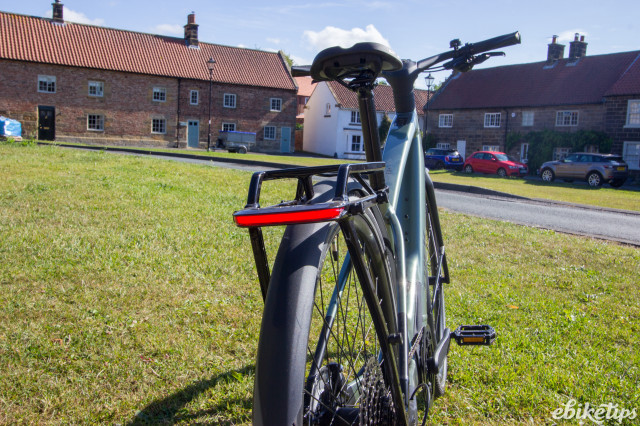
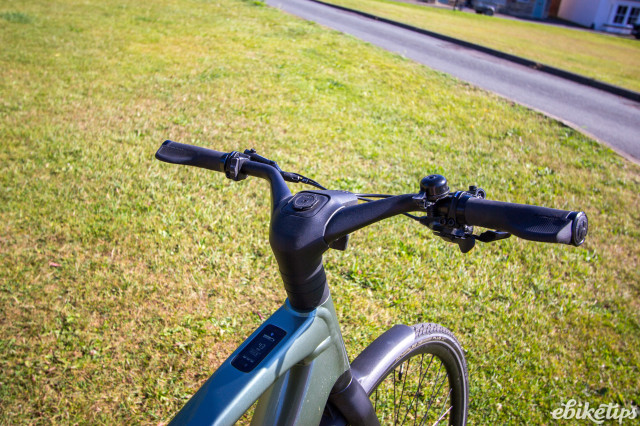
The FX+ 7 comes with all the bits and pieces you’d expect to make it a useful commuter bike, including a kickstand, a rear rack, integrated lights front and rear, and even a Quadlock phone mount on the cockpit.
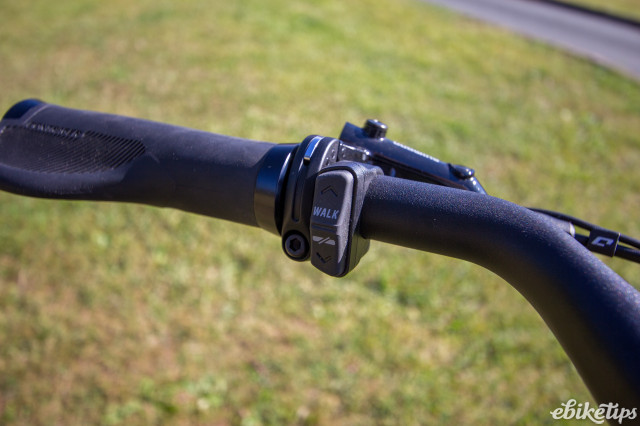
The drive system is controlled via buttons on the handlebars, but the screen is embedded in the top tube. From there you can scroll through the screens and see things like battery life, range estimations, power output and more.
I’m not a massive fan of screens on the top tube, and would much prefer to have something more at eye level, but that’s what the phone mount is for. And I suppose it provides people with different options, so they can decide what is best.
Value and conclusion
Overall, I think the Trek FX+ 7 is a pretty decent bike. It’s not flashy, it doesn’t have bizarre add-ons and flair that you just don’t need. It’s a fundamentally practical urban e-bike. It rides well, the TQ motor is decent enough for most, unless you want to arrive at work sweat-free (although in the heatwave that coincided with testing, that was probably a stretch for any mode of transport).
At £4,000 it’s a significant outlay, however, and there are other options that may be worth considering as well. The Specialized Turbo Vado SL 2 4.0 costs £500 less and offers something similar. It’s slightly heavier at just over 20kg, but delivers a bit more in terms of torque and range, if those things are important to you.
We haven’t yet had our hands on one, but Cube’s Nulane Hybrid has a Bosch SX mid-motor and is listed as being significantly lighter. Prices start at £2,699.
If price is no object then something like the Orbea Diem 10 may suit. Radical in looks, but superb to ride, it offers a fair bit as a commuter, leisure bike or light tourer, although it does cost over £5k.
At the other end of the scale sits the Engwe Mapfour N1 Air, at £1,499. It’s sub-20kg so reasonably lightweight, and comes with a carbon fibre frame rather than alloy. It comes as a step-through design as standard, though, so if you want a more traditional frame option then look elsewhere. It’s built around a hub motor too, so more of a competitor to the FX+ 2.
The Trek FX+ 7 is a nice bike to look at, it rides well too and the TQ motor is ideal for someone who wants a natural feeling boost on their e-bike without it being overpowering – but at £4,000 it’s up against some stiff competition which may have a little more to offer at lower cost.
All the deals displayed on our review pages are pulled from a constantly updating database feed of the best affiliate deals available. The criteria for deciding on what are the best deals is who is offering the lowest, delivered price. In most cases we will be showing the very best deal available online, but sometimes you may be able to find an item cheaper. If you can please feel free to post a link in the comments box below. To find out more about affiliate links on road.cc click here.