This article’s headline isn’t clickbait – honestly. It seems there really are moves afoot within the EU to take a fresh look at the way e-bikes are legislated. One aspect up for discussion and possible change is the way power limits are defined.
According to Bike Europe, in 2024 several EU ministries announced that current vehicle regulations would be revised. Although the remit of the changes is much wider than e-bikes, it appears they could affect existing e-bike regulations which currently cap e-bike motor power at a continuous rating of 250W – though as we have detailed, peak power can (and generally will) be a lot more than this.
> Torque it up: What is the maximum peak power from a 250W e-bike motor?
%20Cycle%20Show%2024-1024x683.jpg)
The fact this move was taking place at the same time as the UK’s own consultation on the matter – which ultimately decided to change nothing – is more than a little confusing. The reality is that UK e-bike law follows EU law as a matter of practicality. The EU – and Germany in particular – is where the vast bulk of e-bike sales are made. It’s unlikely many brands would make e-bikes to a different power standard purely for the UK market.
Information coming from Europe appears more specific and well thought out than the recent UK government’s proposed reforms, which seemed vaguely defined and short on empirical evidence and ultimately went nowhere.
What are the proposals?
We couldn’t find any EU sources that said what any new law might look like. However, given that Germany is by far the biggest e-bike market in the EU, with annual sales of around two million (followed not very closely by the likes of Netherlands and France with around 0.5 million annual sales), the German e-bike trade was always going to have a big say in any regulation change.
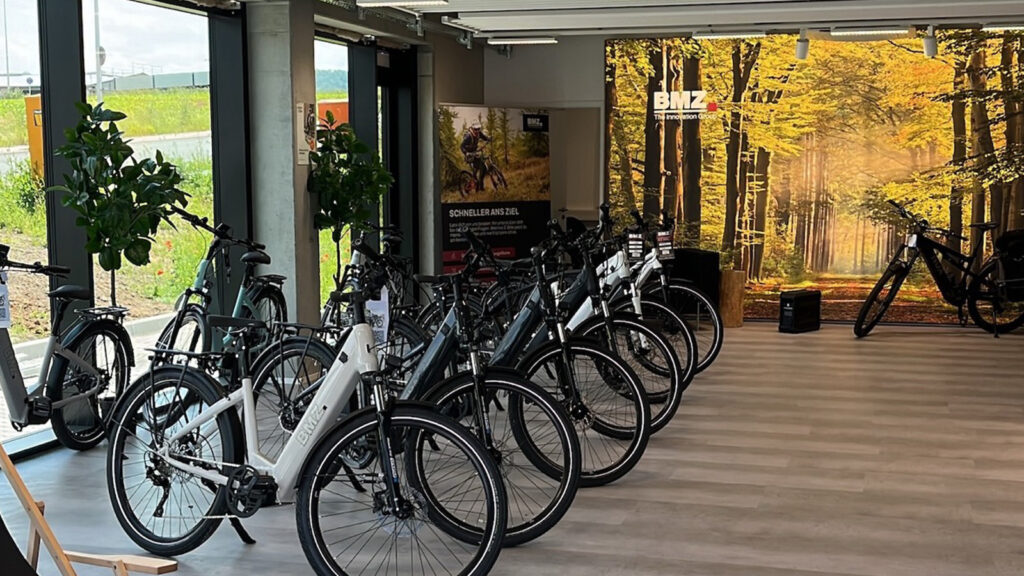
So information from Germany’s trade body ZIV (Zweirad-Industrie-Verband) is the best lead on what future regulation might look like. After consulting its members, it came up with a list of proposals designed to protect the e-bike’s ‘special status’ as a road vehicle with legal equivalence to the humble bicycle, while clarifying the key paramaters that define that status. As ZIV says, there are currently grey areas that result in confusion.
Here are its proposals with some explanatory notes added below:
- Support ratio of 1:4 and
- Support ratio of 1:6 possible up to max. 15 km/h
- Max. assistance power of 750W at the drive wheel
- Max. weight of 250kg for a fully loaded single-track EPAC or
- Max. weight of 300kg for a fully loaded multi-track EPAC
ZIV also notes that, “separate framework conditions and parameters must be defined for cargo bikes weighing more than 300kg (see EN 17860-4:2025) as they differ significantly from EPACs and bicycles in their dynamics, design and operation.”
Clearly ZIV has seen how entirely legal e-bikes (e-MTBs in particular) have become increasingly ‘supercharged’ at getting you up to the legal limit of 15.5mph assisted speed – recent product launches from DJI and Mahle being cases in point – hence the prescription for assistance limits linked to pedal input.
A simple example of the assistance ratio is provided by way of illustration: “If a cyclist has a power output of 100W, an assistance ratio of 1:4 would mean that the electric motor contributes a maximum of four times this power, i.e. 400W. This would result in a total power output of 500W at the drive wheel.”
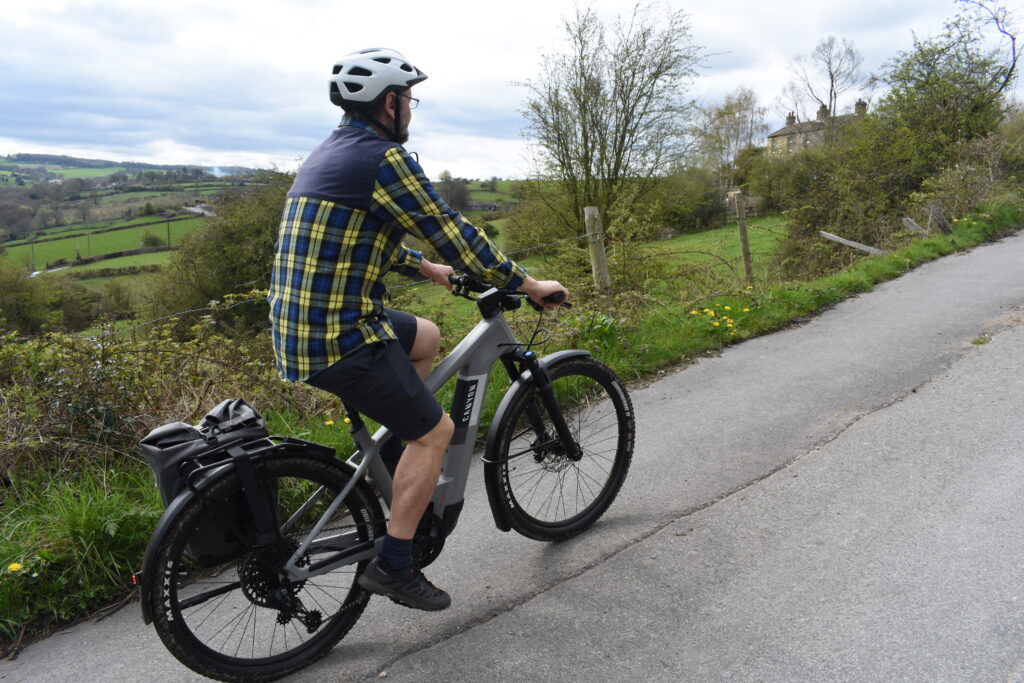
The 1:6 higher output limit at lower speeds is there to provide more assistance when most needed – for example on hill starts and when moving a heavily loaded bike from a standstill.
ZIV says, “This restriction would ensure that EPACs (EAPCs here in the UK – electrically assisted pedal cycles) can continue to be classified as vehicles of active mobility and set them apart from purely motor-powered vehicles.”
In other words, they want to keep a ‘red line’ between more precisely legally-defined EPACs and electric vehicles that don’t comply so as to protect the EPAC’s highly prized ‘special status’.
What impact might the new proposals have and who are the critics?
Whilst a headline figure of 750W for the ZIV proposals sounds like a dramatic increase over the current legal limit of 250W continuous power, in terms of peak power it would probably keep the situation much the same.
As we commented in our article on peak power, “It should be noted that e-bike law says nothing about maximum power and there is no accepted standard for how long it can be applied. In fact, peak power tends to be limited by the constraints of the 250W rating – which in practice tends to result in peak power up to about 750W.”
The main point is that the ZIV proposals are a more clearly defined and easily measurable set of parameters than the current regs which were formed many decades ago, when e-bikes were still very much a minority interest and e-bike performance technology was much more basic.
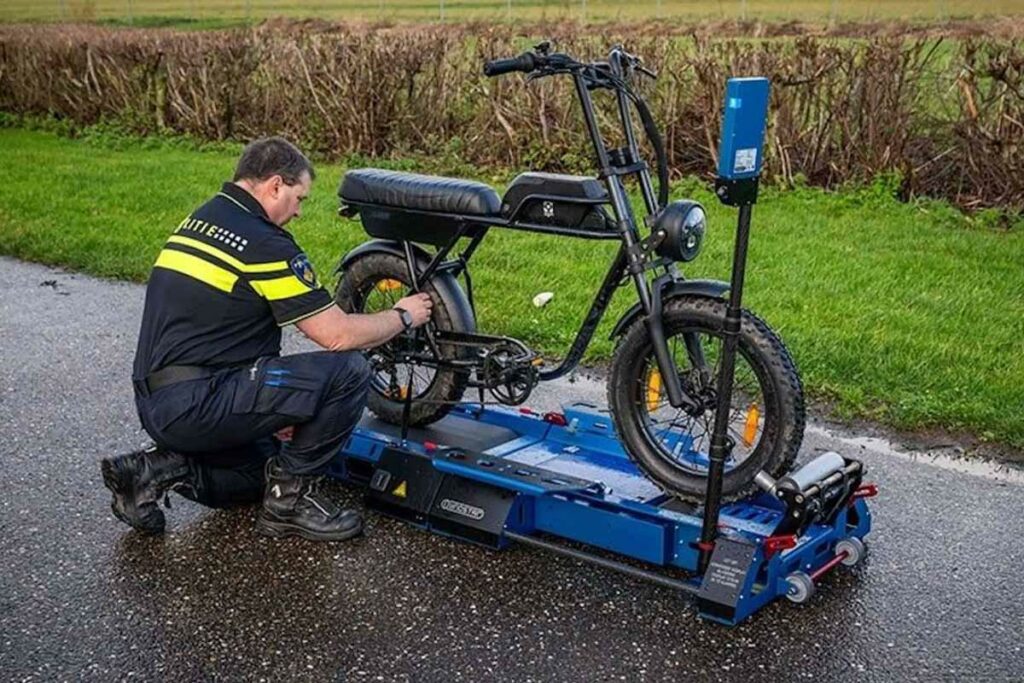
The ZIV proposals could make it easier for the likes of customs officials and law enforcement to clamp down on illegally powerful e-bikes through the use of tools such as roadside dynamometers – which as well as speed can measure power at the rear wheel.
Despite the seemingly uncontroversial nature of the ZIV proposals, they certainly have their critics. LEVA-EU (the European trade body for light electric vehicles) is foremost amongst them. Whilst there are laws and mechanisms that allow more powerful electric vehicles than legal e-bikes (which still fall short of much larger and more expensive full size electric cars), LEVA-EU clearly sees these as being too awkward to negotiate for potential customers and stifling of technical innovation in the field.
This Bike Europe article quotes LEVA-EU’s position clearly: “EPACs falling outside ZIV’s narrow definition would be forced into the L-category type-approval system, which is overly complex, prohibitively expensive and technically unsuitable for these vehicles. This would effectively eliminate their development and market viability…”
Hannes Neupert of EnergyBus is said to be advocating for an acceleration-based safety concept. This would involve no drive system power limits, but instead a limitation of the maximum power-assisted speed in proportion to the pedal power applied.
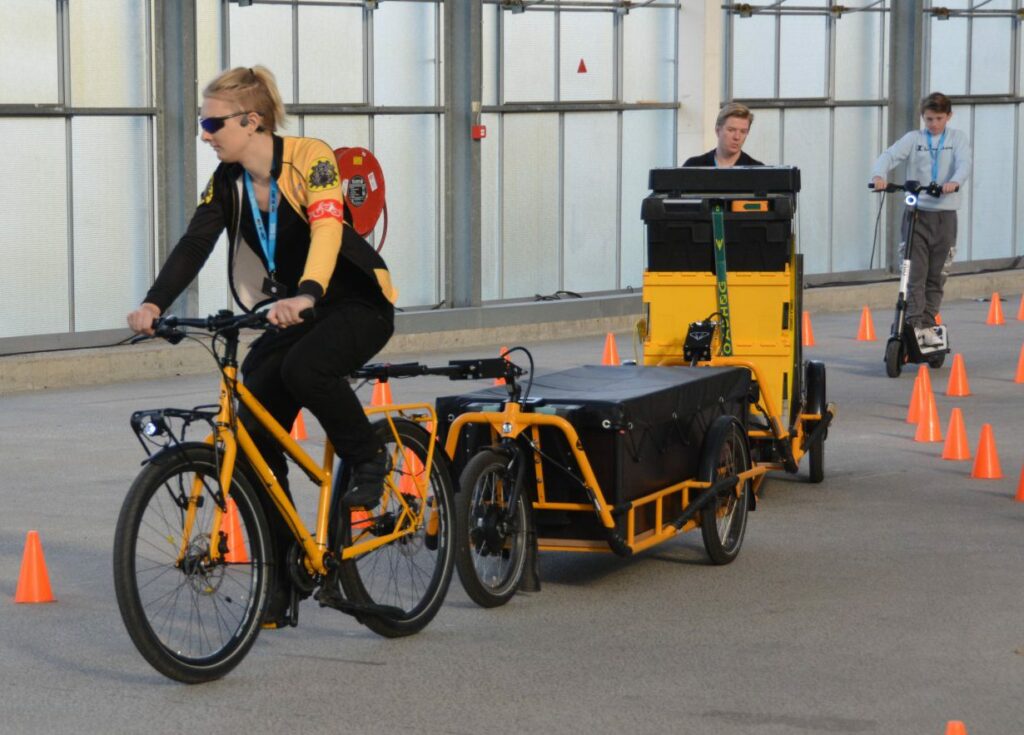
“Having more engine power available, as long as acceleration is regulated, will increase safety and will drive massive market growth, as e-cargobikes, tandems, special bikes for disabled people etc can then climb steep inclines at a minimum of 15km/h,” explains Neupert. “In accident research, the 15km/h limit is a critical speed that is considered safe and attractive.”
Neupert continues in the same article: “The 750W limit is an attack on people with physical disabilities, children, the elderly, tandem riders, cargo transporters, and families! The ZIV/CONEBI statement only reflects the attempt to preserve the e-bike as a core market for as long as possible. The future of the mobility transition is willingly sacrificed on the altar of quick profit.”
The future
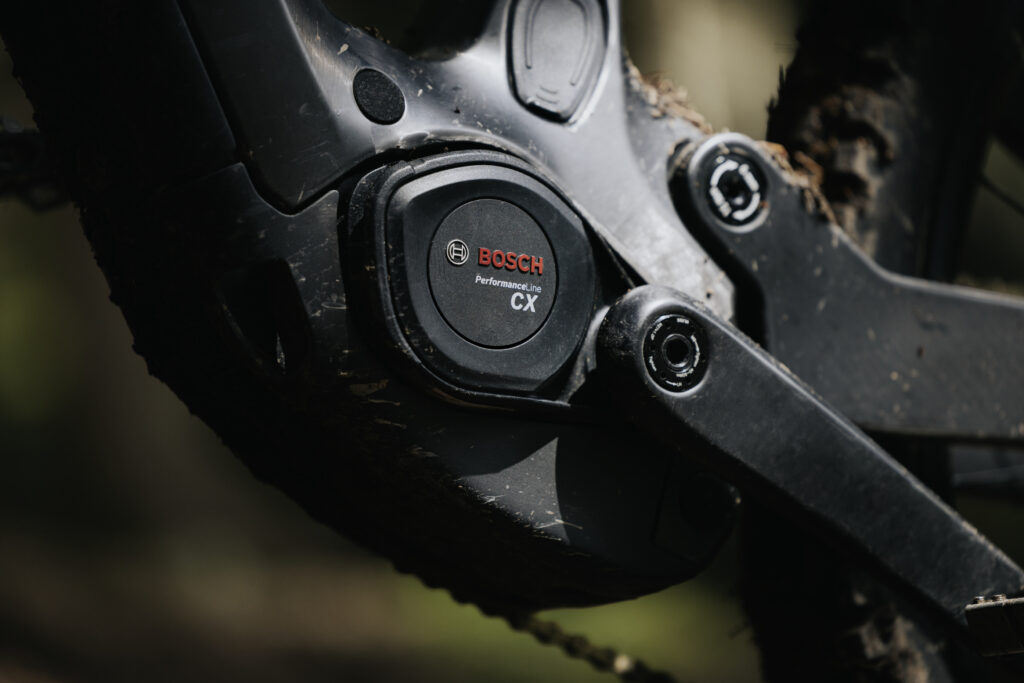
What is sure is that the new regs are still quite a way off and no-one knows for sure what they will contain – not in the public sphere at least. That hasn’t stopped speculative conspiracy-type theories that the likes of Bosch may know more than they are letting on – purported evidence being the fact that Bosch’s latest iterations of the Cargo Line and Performance Line CX motors have had their peak output raised to 750W.
Whatever the truth of discussions taking place behind closed doors, it seems the future of all kinds of electric mobility may get a whole lot more interesting when the new laws are finally passed. After all, they will cover everything from the lightest e-scooters to heavy lorries. If they get the laws right it could lead to an exciting new dawn for many new types of electric vehicle, not just e-bikes.
> Alternatives to e-bikes – what other light electric vehicles can you ride in the UK?