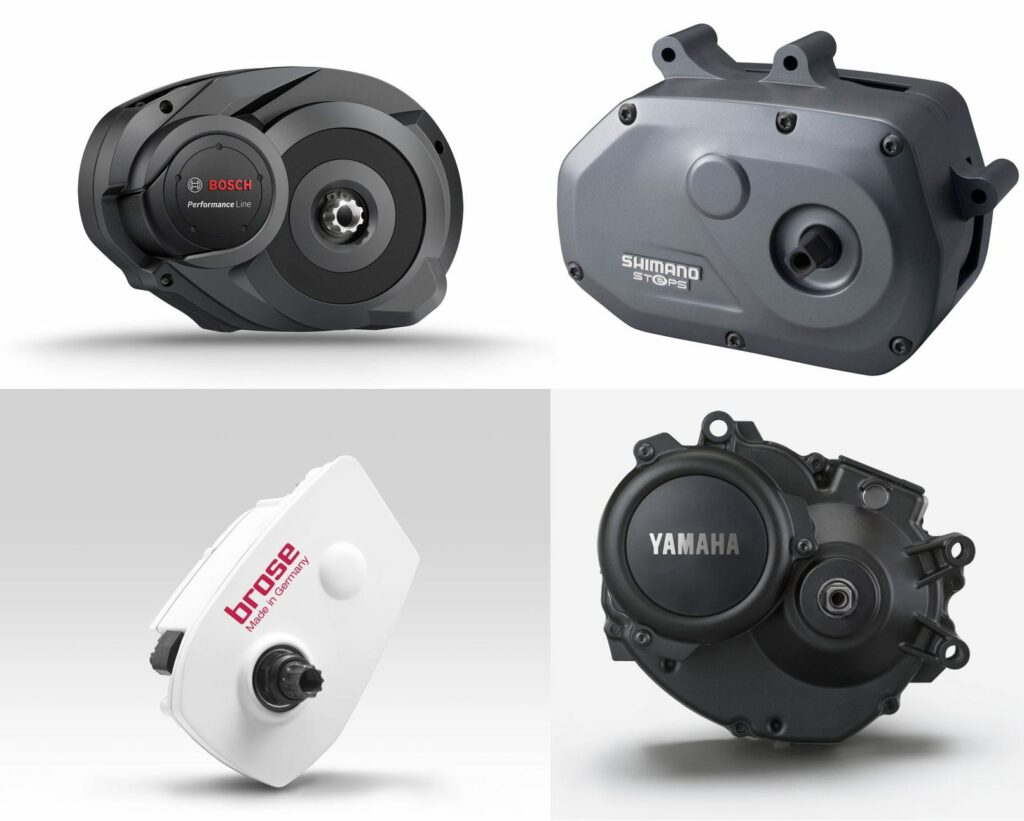

If you’re looking for a mid-motor electric bike for city, urban or leisure use then there’s plenty of choice across a wide range of manufacturers and prices. For the most part, though, you’ll be choosing between one of four main drivetrains. So we’ve set them back to back and asked: which is the best?
Of course, there’s more choice than just four. But we can’t include everyone and every bike, so here are the contenders in this mid-motor shoot-out:
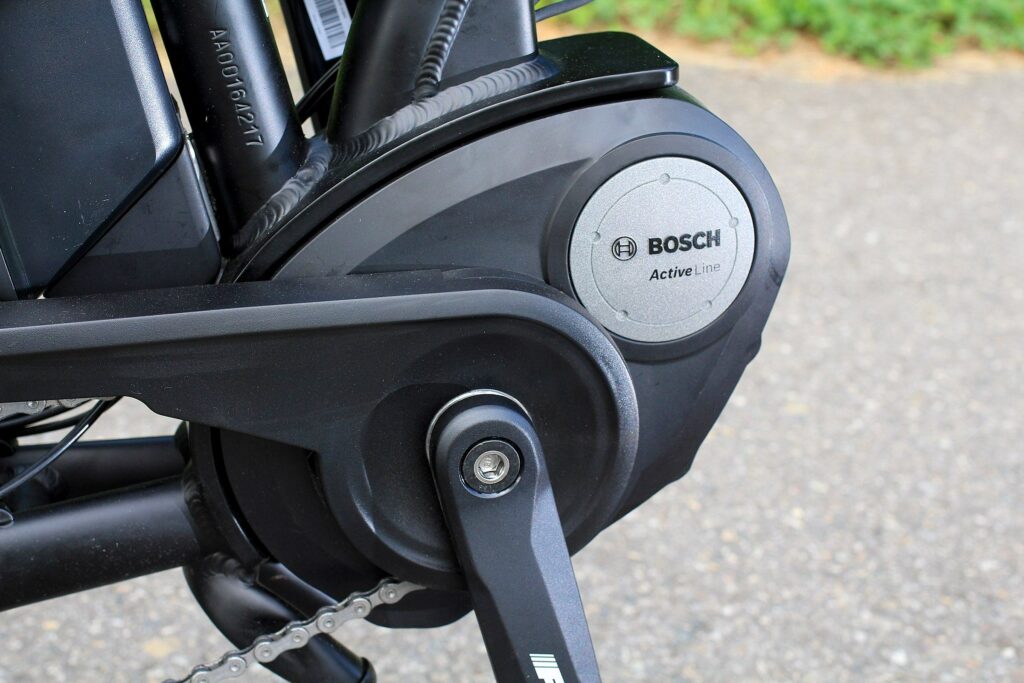
Bosch Active Line / Performance Line
Probably with the single biggest slice of the market, the Bosch Active Line motor sits at the bottom of their three-motor range; the Performance Line is the middle spec. We’ll score for both of them here (separately if they’re different) as they’re both widely used in urban bikes. The top-spec Performance Line CX motor is really designed for mountain biking and that’s mainly where it’s used, although you can find it on urban bikes too.
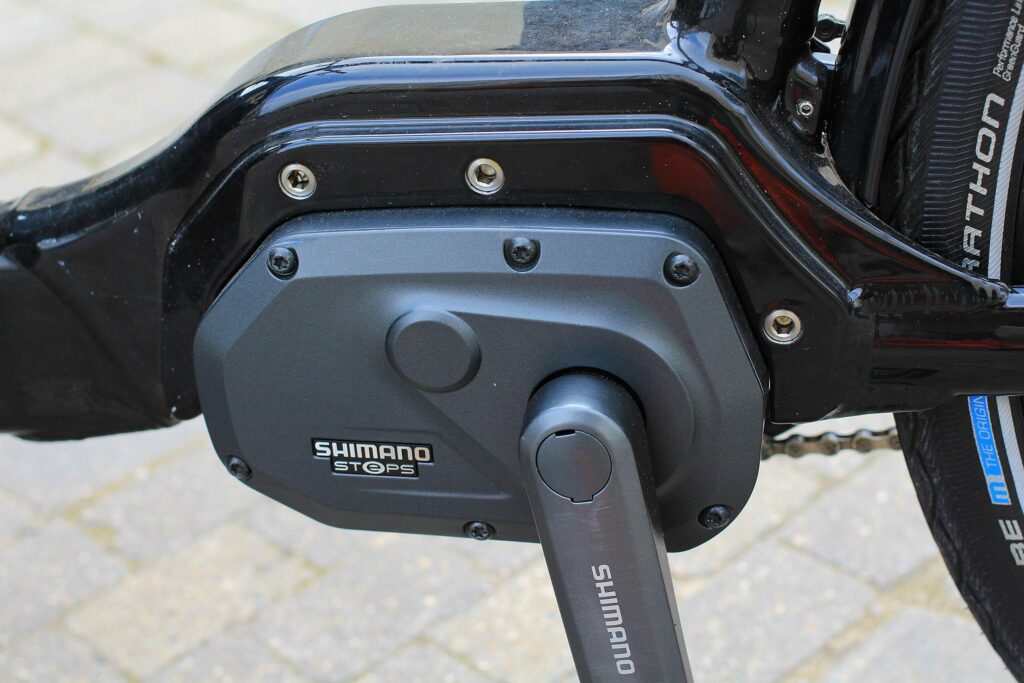
Shimano STEPS E6000
The urban STEPS system has been around since 2013, and has a decent slice of the market with the heft of groupset giant Shimano behind it. It’s now complemented by an e-MTB-friendly system, E8000, designed for off-road. Again, that more powerful system is already finding its way onto urban bikes too, but we’ll be looking at the performance of the original system here.
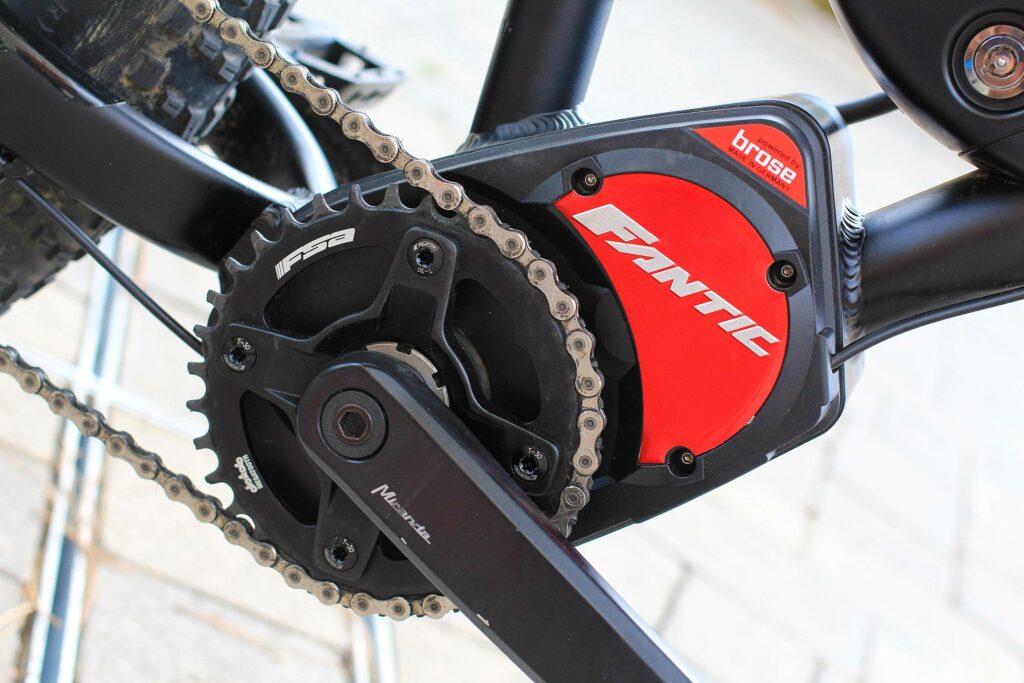
Brose
Brose come from an automotive background, and the motor that sits within their drive unit started out as a steering assist motor for cars. Brose use a planetary gear and then a belt drive as the reduction from the motor to the drive; that allows them to make the drive unit quite small, and Brose claim it has the best power-to-weight ratio of any mid-motor system. Although they’re not keen on saying what the motor’s maximum torque is.
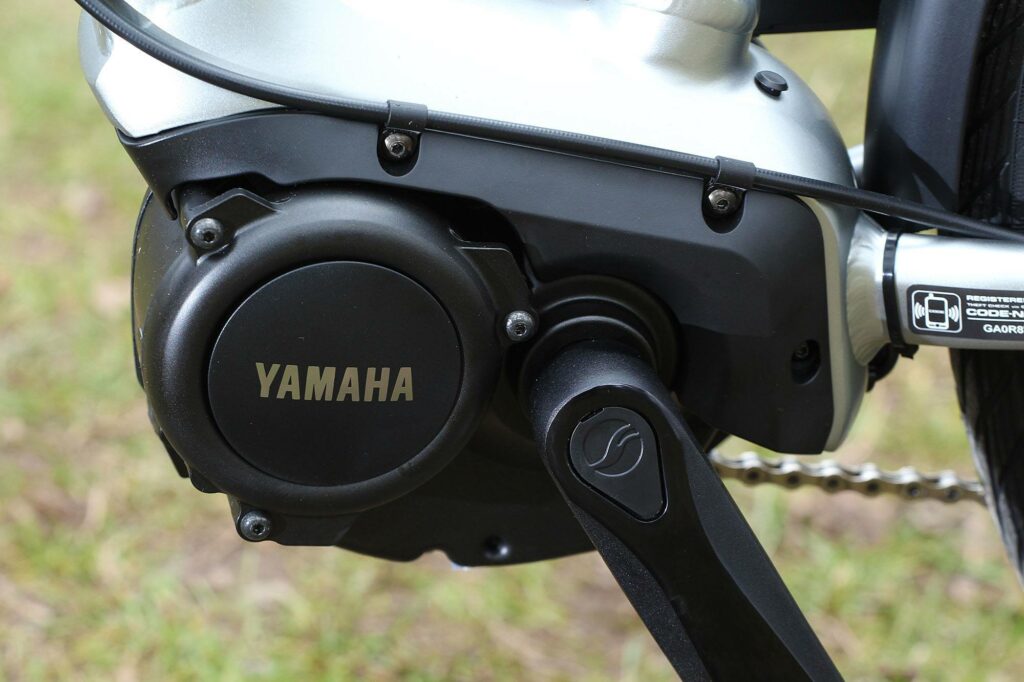
Yahama PW
Yamaha are old hands at making electric bike systems, having started way back in 1993. Yamaha’s PW motor has been used widely in both city and mountain bikes and it’s fairly compact and light, although the newer PW-X motor is smaller and lighter for the same output. That’s more aimed at the growing e-MTB market, and Yamaha will continue making the PW too. Giant use the PW motor within their SyncDrive system across urban bikes and e-MTBs, with custom control software
We’ve used all these motors on a number of different bikes. So without further ado let’s dive into some scores…
Quality
| Bosch | |
| Shimano | |
| Brose | |
| Yamaha |
These are all well-made, good quality systems, with excellent motors, batteries (where that’s a part of the system, Brose don’t) and display options. There’s really not much in it; if we were going to pick one of them out of the four then it’s probably be the Brose, but you’ll not go far wrong here. Brose don’t make their own batteries, relying on bike manufacturers to spec them, but we’ve never seen a Brose-equipped bike with anything other than a top-quality battery unit; the bikes are premium and all the components are to match.
Motor performance
| Bosch Active Line) | |
| Bosch (Performance Line) | |
| Shimano | |
| Brose | |
| Yamaha |
All EU-standard motors have to have a nominal continuous power rating of 250W: that’s how much power the motor can supply constantly, for an hour. And all EU-standard motors are capable of supplying more than that, for shorter periods of time. Stick an e-bike in maximum boost and point it up a steep hill and it’ll be pushing out way over the stated nominal maximum.
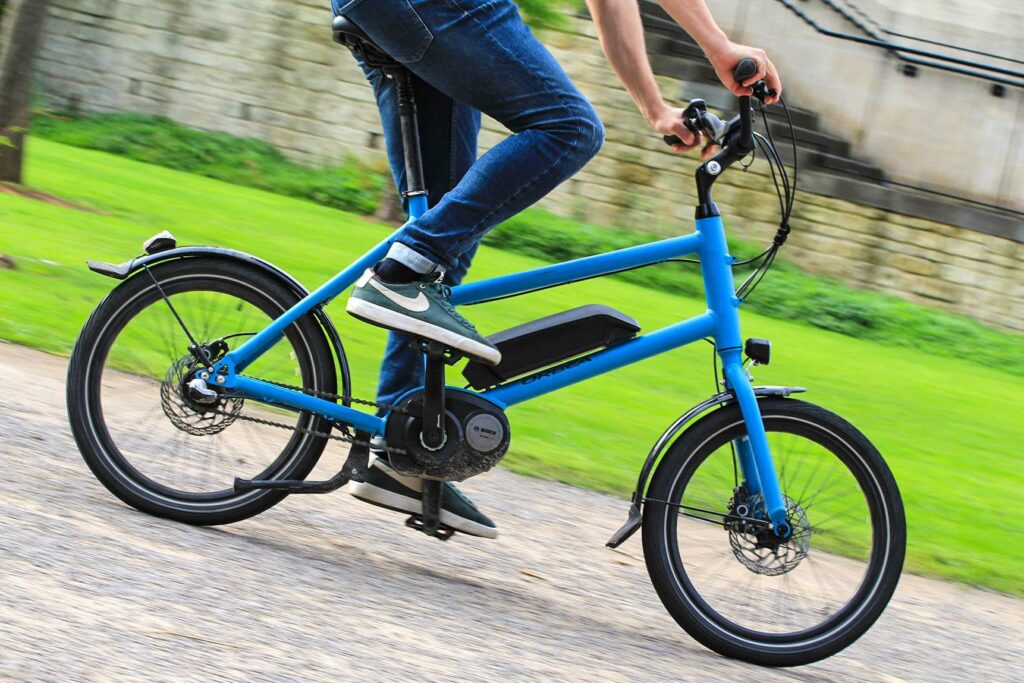
Torque is a better measure of how powerful a particular motor is. Bosch’s Active Line motor puts out 50Nm at its peak, and the Performance Line motor will give you 63Nm. Shimano’s STEPS motor has a 50Nm maximum. The Yamaha motor is more pokey, with 80Nm on offer. Brose don’t publish their peak motor torque, but our understanding is that it’s in the same ballpark as the Yamaha.
That’s not the end of the story, though, because the way the motor translates that available torque into assistance can affect the performance. The Bosch Performance Line motor isn’t as powerful on paper as the Yamaha but in use it feels like the most powerful, on a par with the Brose which has different ride characteristics but certainly packs a punch when you’ve got it working as hard as it can. The Brose is more reactive to rider input whereas the Bosch is more of a constant assistance.
Noise
| Bosch | |
| Shimano | |
| Brose | |
| Yamaha |
No doubt on this one: The Brose system walks away with the prize. The belt drive internals mean it’s a lot quieter than any of the other systems, and almost as quiet as a good hub motor, only really making a noticeable noise when it’s being pushed. The Shimano and Bosch units are pretty comparable across all their modes, getting increasingly noiseier the more you ask them to do. The Yamaha mirrors them, but is generally a bit quieter.
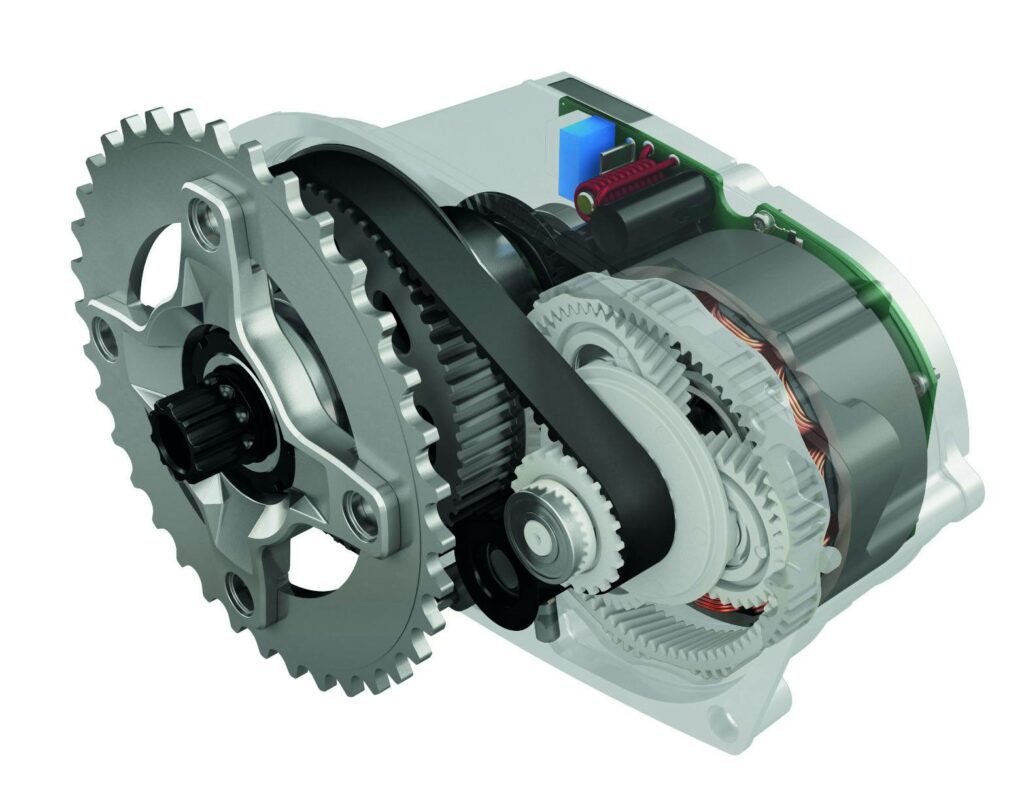
None of these motors make masses of noise. It’s more of a background, with the high-frequency sounds which are the most intrusive getting more noticeable as you go up through the assistance modes. But if you want to sneak up on someone – or pretend you don’t have the motor on – then the Brose is the clear winner.
Weight
| Bosch | |
| Shimano | |
| Brose | |
| Yamaha |
The weight of a mid-motor e-bike system, when added to the bike, is generally 6-7kg. Of that the motor is 3-4kg, the battery 2-3kg and the controls, wiring and other bits and bobs adding a bit more. These four systems are broadly comparable. Shimano’s motor is the lightest, at around 3.2kg, and Bosch motors weigh about half a kilo more. Depending on the the type of battery used (and its size) you can spec each of these systems to be lighter or heavier. Brose and Shimano edge it, but there’s really not much in it.
User experience
| Bosch | |
| Shimano | |
| Brose | |
| Yamaha |
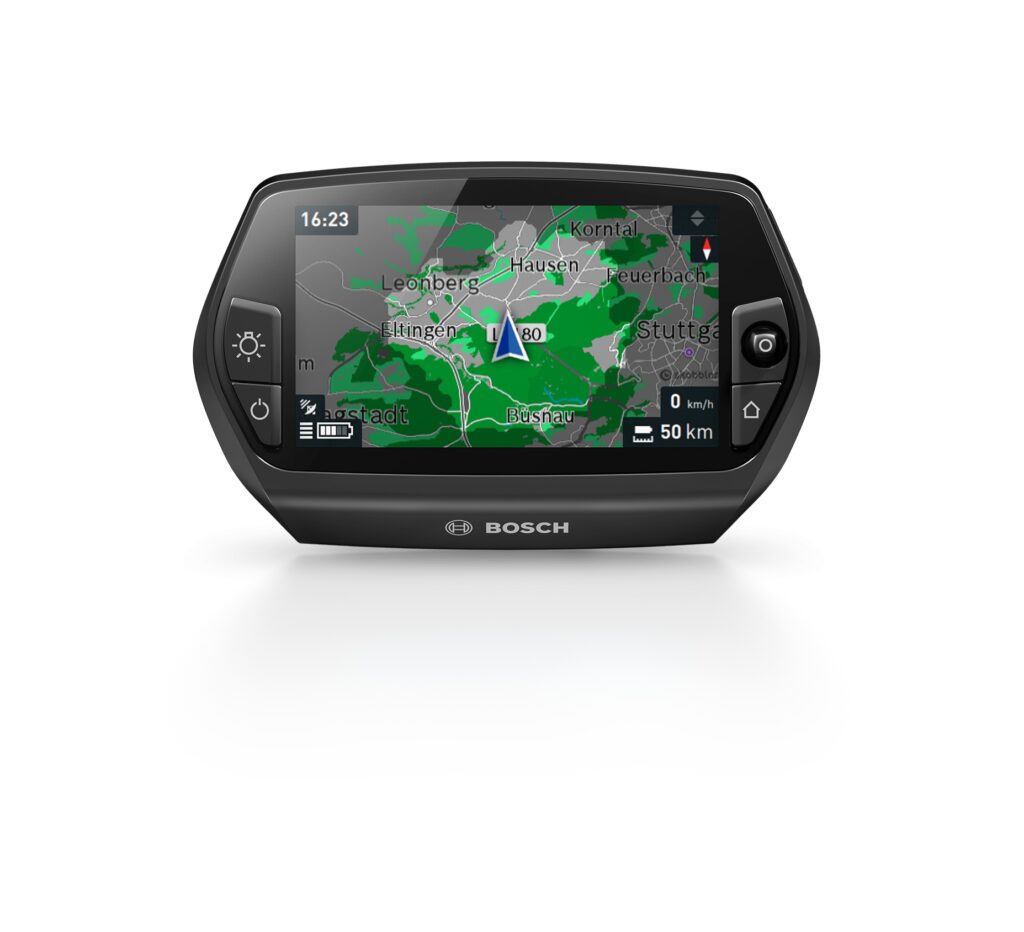
Looking at the experience of using the system – that’s turning it on, changing modes, getting other information – then the Bosch system offers the most. The standard Intuvia display gives at-a-glance display of all the stuff you’re really likely to want to know – battery level, assistance level, range – in an easy-to-read and clear LCD display. You can upgrade to the Nyon display which can display mapping, give directions and much more. The Bosch system is the only one to offer such a display.
Shimano have two displays but new bikes now will come with the newer, bigger display. Again, it’s nice and clear, though not quite as easy to read as the Bosch display. Brose don’t tie bike manufacturers down to their display but most bikes we’ve tested use it; it’s pretty decent too, as is the Yamaha LCD display. Yamaha have a cheaper LED display too, but unlike other more basic designs it still has a two-digit LED readout that can be used to display range, battery range or speed.
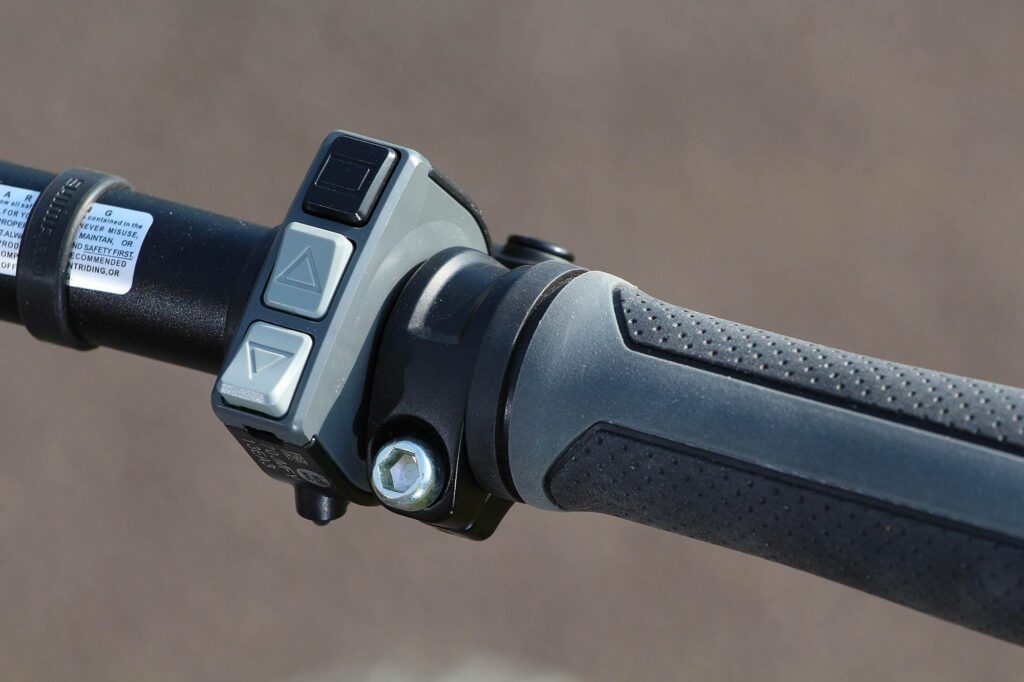
Shimano’s remote is my favourite: small and easy to undertsand and control. The Bosch remote is bigger and simple enough, but it’s a bit too easy to accidentally lean on it and change modes. The Brose remote is similar to the Shimano one but it’s not quite as tactile; there’s an all-in-one display/remote too but it’s seldom seen on city bikes, it’s more common on MTBs. That display is good though, with an LED readout and the display functioning as a rocker switch for assistance mode changes. Yamaha’s remote is probably the least user-friendly in terms of the size and positioning of the buttons, but it’s still okay.
Ride experience
| Bosch | |
| Shimano | |
| Brose | |
| Yamaha |
We’re concentrating on road riding here, the experience of the same system on- and off-road can be very different. All four are excellent performers. The Yamaha and Shimano units offer smooth and predictable assistance and the different levels of assistance on offer mean it’s easy to tweak for extra range or extra help.
The Brose and Bosch systems edge it, though. They’re quite different in terms of ride feel. The Bosch motor in the higher modes – especially turbo – makes you feel like a bit of a passenger, but if you’re tired at the end of the day and just want to get home it makes it really easy. In lower modes it offers more of a constant assistance at a lower level, so you can work as hard as you want to.
The Brose system is more responsive to a rider’s input, so if you’re from a cycling background you might prefer that. Even in lower modes there seems to be more power available if you jump on the pedals, and when you’re in high modes you can really feel the motor responding to what you’re doing. There’s advantages and disadvantages to both approaches but Bosch and Brose implement them really, really well.
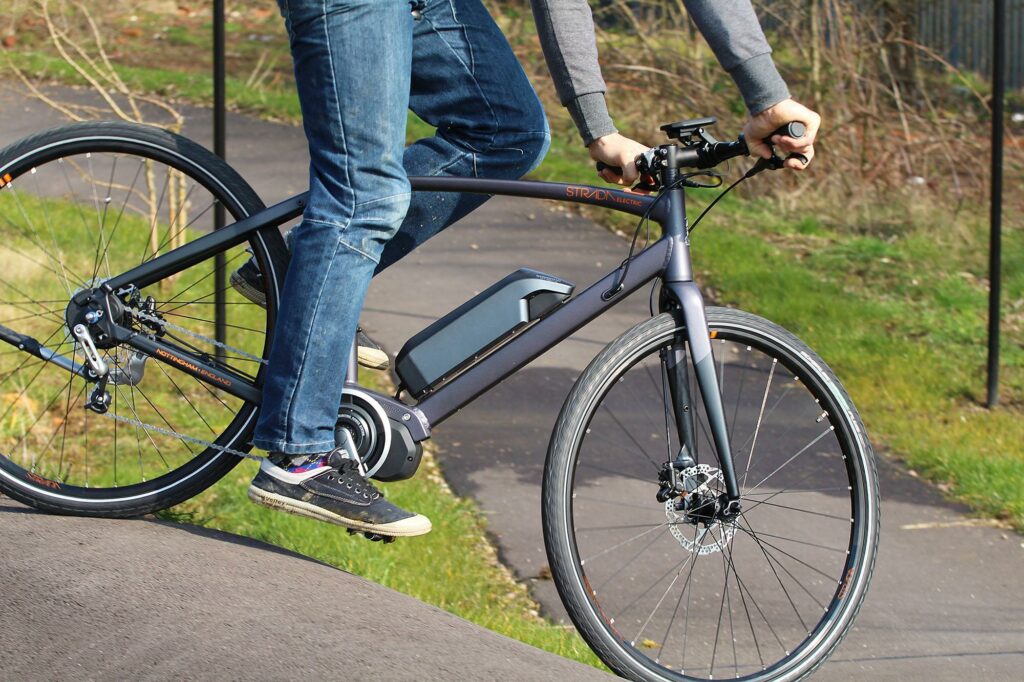
The Shimano motor is pretty similar in terms of its ride experience to the Bosch motor, although if we’re being picky it’s slightly more choppy in terms of its power application than the Bosch, without feeling like it knows what you’re doing like the Brose does. The Yamaha motor is unfussy and in the lower modes is very much in the background; it’s matched very well with user input. There’s quite a big jump between Standard and High modes which can sometimes feel a bit jarring. There’s nothing bad here, though. All four systems perform like the higher-end units they are.
Battery
| Bosch | |
| Shimano | |
| Brose | |
| Yamaha |
Bosch have struck ahead here by making their system dual battery compatible. That means you can get bikes with two 500Wh batteries, either two frame batteries or one rack and one frame. 1,000Wh should give you a massive range. Shimano by comparison still offer the STEPS urban system with just one battery, a 418Wh unit. They have a 500Wh battery for their e-MTB system and we’d expect to see it on urban bikes soon too.
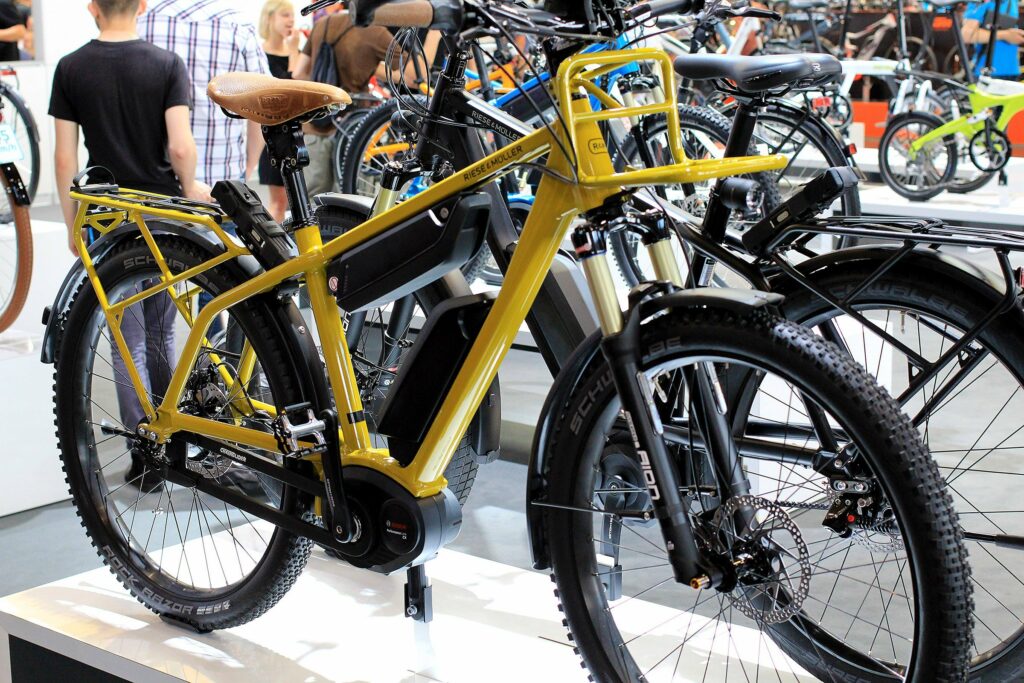
Yamaha offer 400Wh and 500Wh batteries in both rack and downtube options. Brose don’t make a battery at all, so they don’t get a score here, although Brose systems routinely come with excellent batteries up to 600Wh depending on the manufacturer.
Overall
| Bosch (Active Line) | |
| Bosch (Performance Line) | |
| Shimano | |
| Brose | |
| Yamaha |
Add all those numbers together and what do you get? Well, a pretty close result. We’ve weighted some of the categories more highly than others and exaggerated the final differences slightly, so it’s not just a case of adding the numbers together and dividing by the number of scores. But the Bosch Performance Line and Brose motors top out the field.
They’re quite different in terms of ride experience, so it’s not really a case of saying one is better than the other. The Brose motor is quiet and its assistance is more closely tied with what’s being put into the pedals. It’s more involving as a ride experience, and that might suit you if you come from a cycling background. If you’re just after an easy ride, then it’s hard to beat the Bosch system, which in Turbo mode offers a magic-carpet-like experience where you barely need to put in any effort at all. You can still use the lower modes for a more involving ride.
The Shimano and Yamaha systems are also good: genuinely, there’s no real loser here and you can expect to be happy with a bike fitted with any of these motors. The Shimano STEPS system feels more like the Bosch, but maybe isn’t quite as refined. Similarly, the Yamaha system is more like the Brose. It’s more involving, but not quite as good as reacting to rider input.