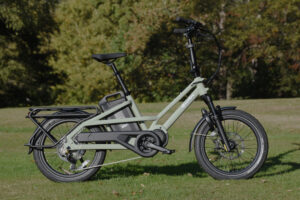


The Fiido T3 is an electric cargo bike with a big mid-drive motor and a very big battery. Despite that extremely competitive looking price, it is actually the direct-to-consumer brand’s second most expensive e-bike, beaten into second place only by the T3 Max, a version capable of carrying an even bigger payload.
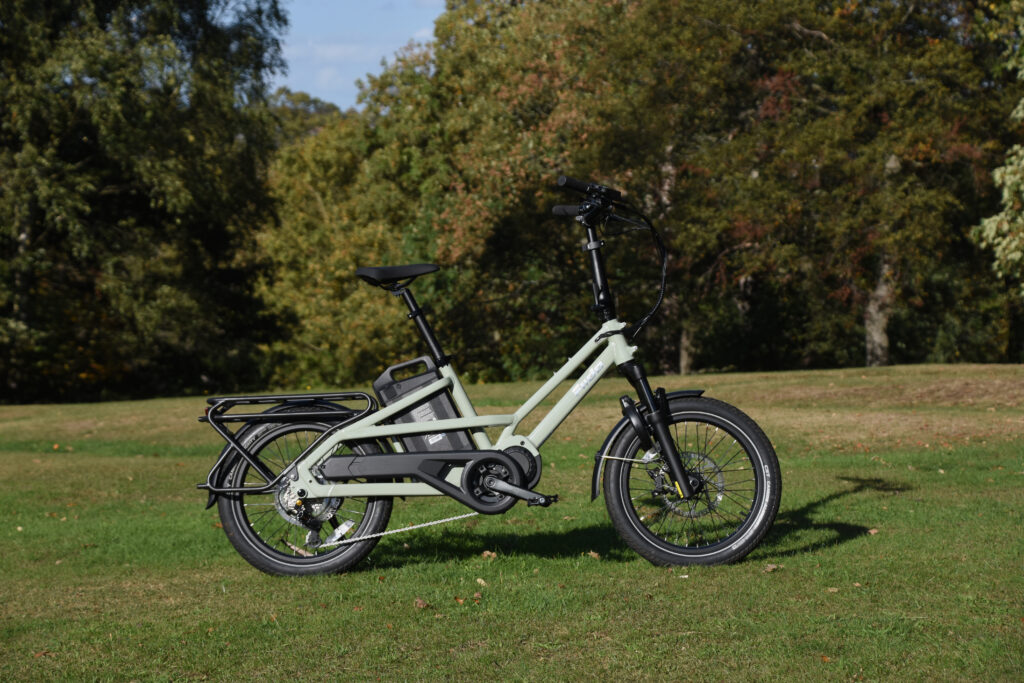
At first glance, the T3 looks very similar to many other longtail designs with an extended rear to its extremely strong-looking frame, plus chunky 20in tyres and front suspension.
What may jump out at you as different though is that huge capacity battery behind the seat post. It has a massive 972Wh capacity and its long and high proportions mean it actually takes up space that could be used for the load bed.
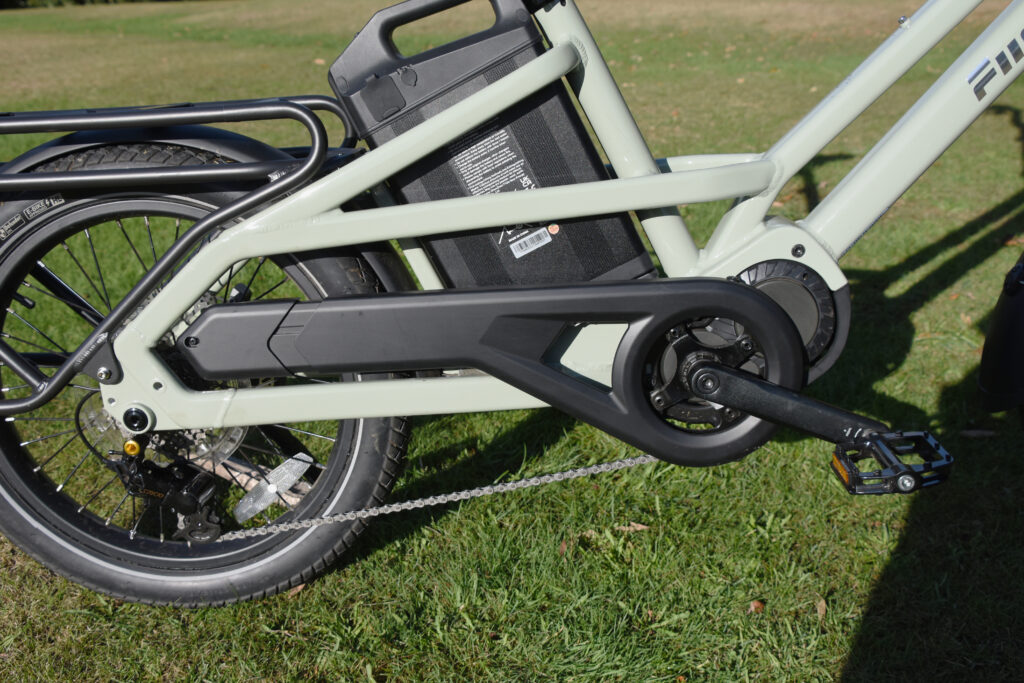
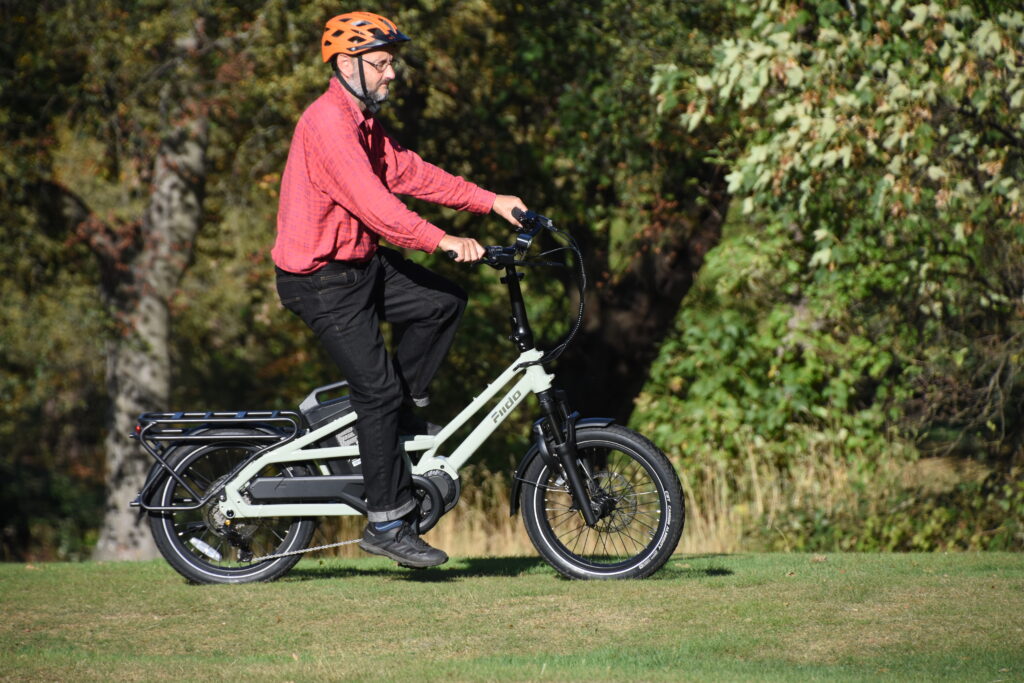
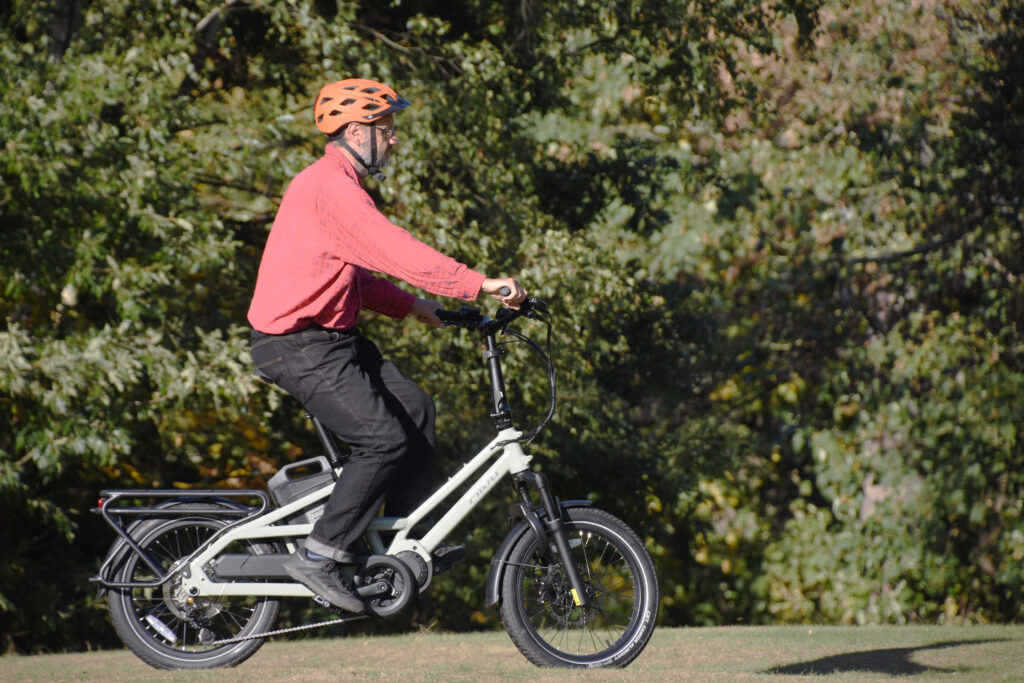
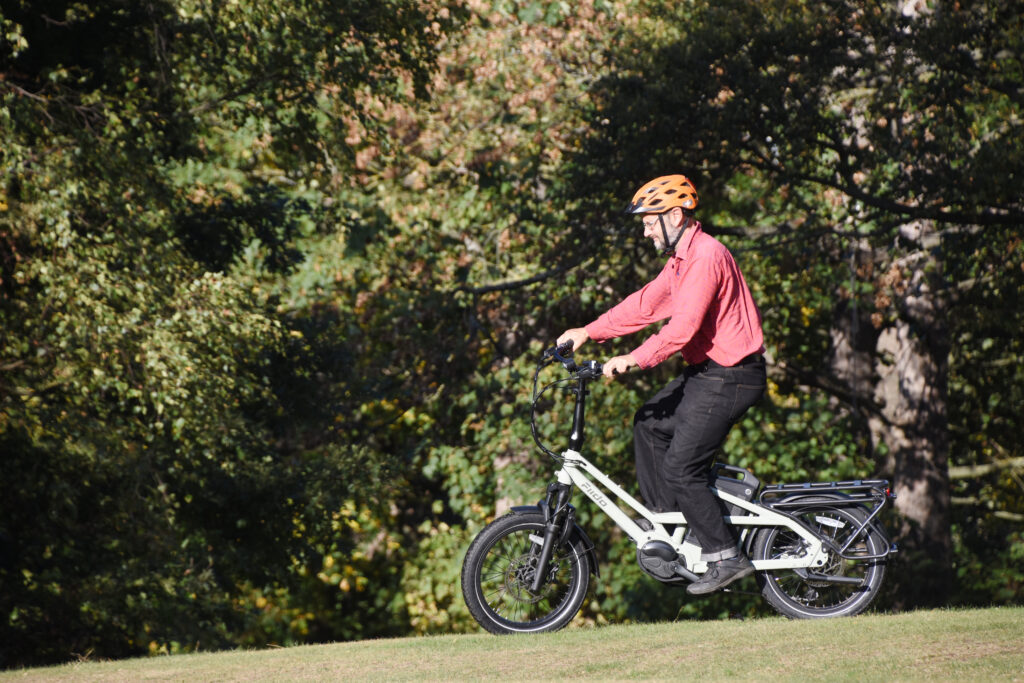
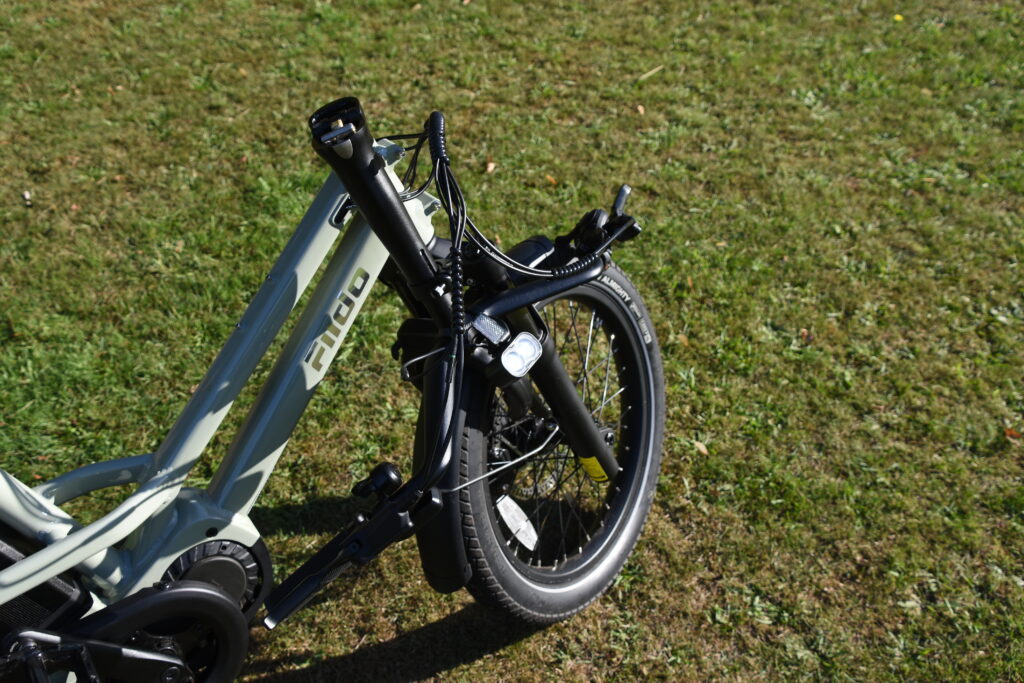
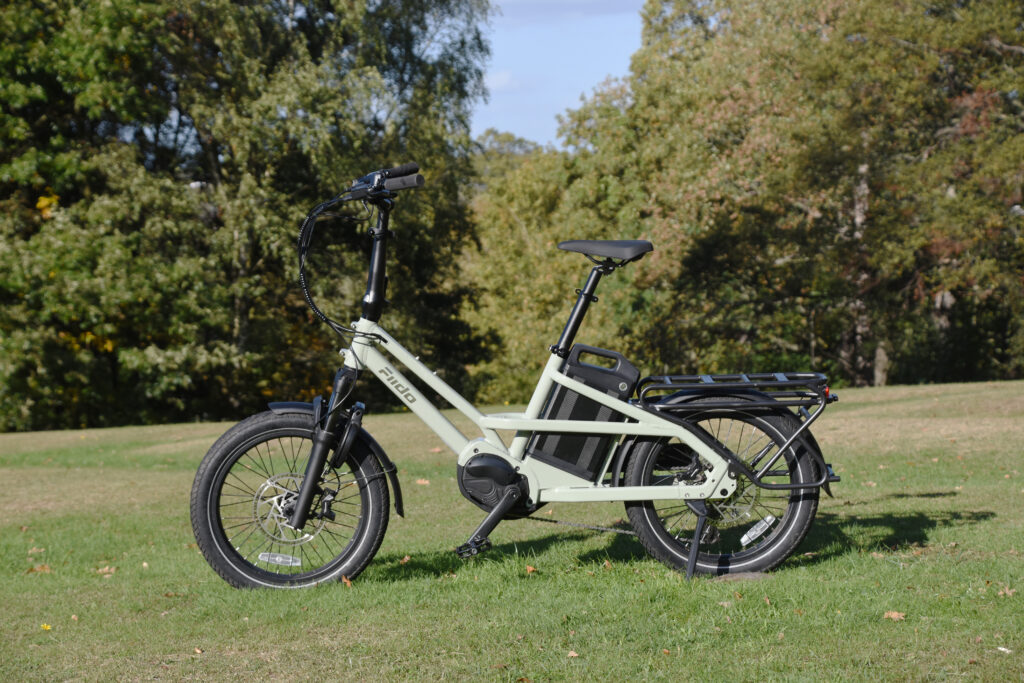
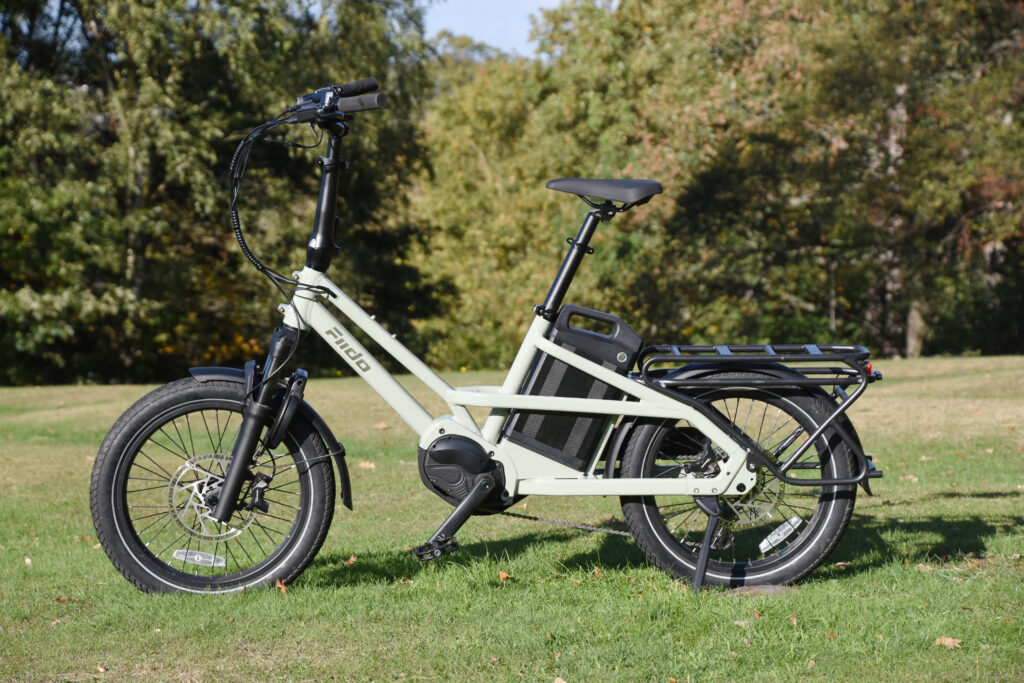
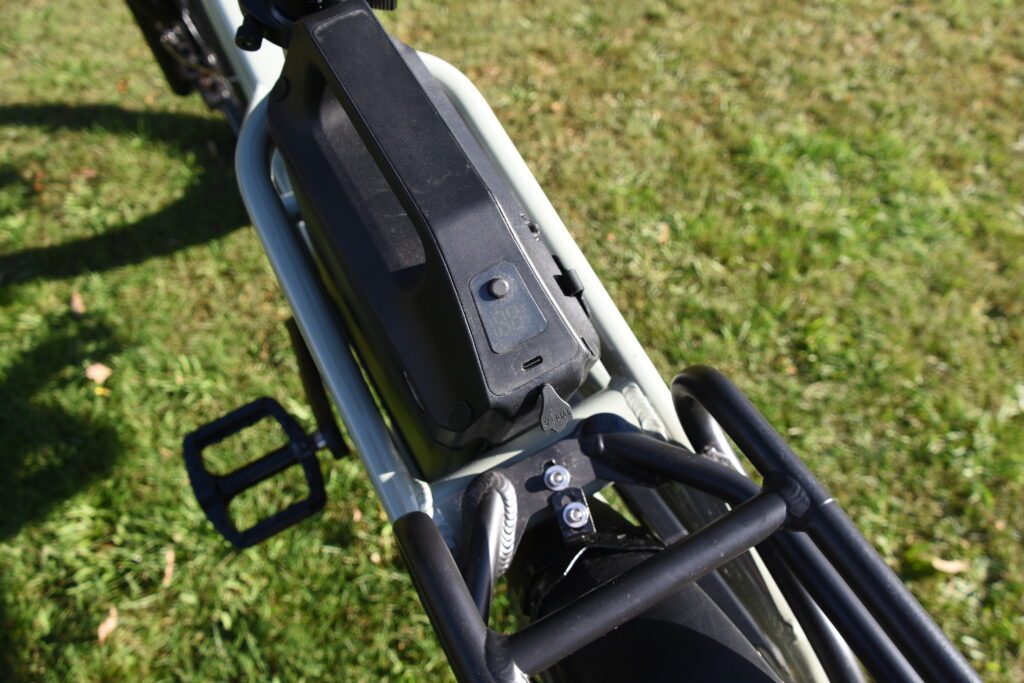
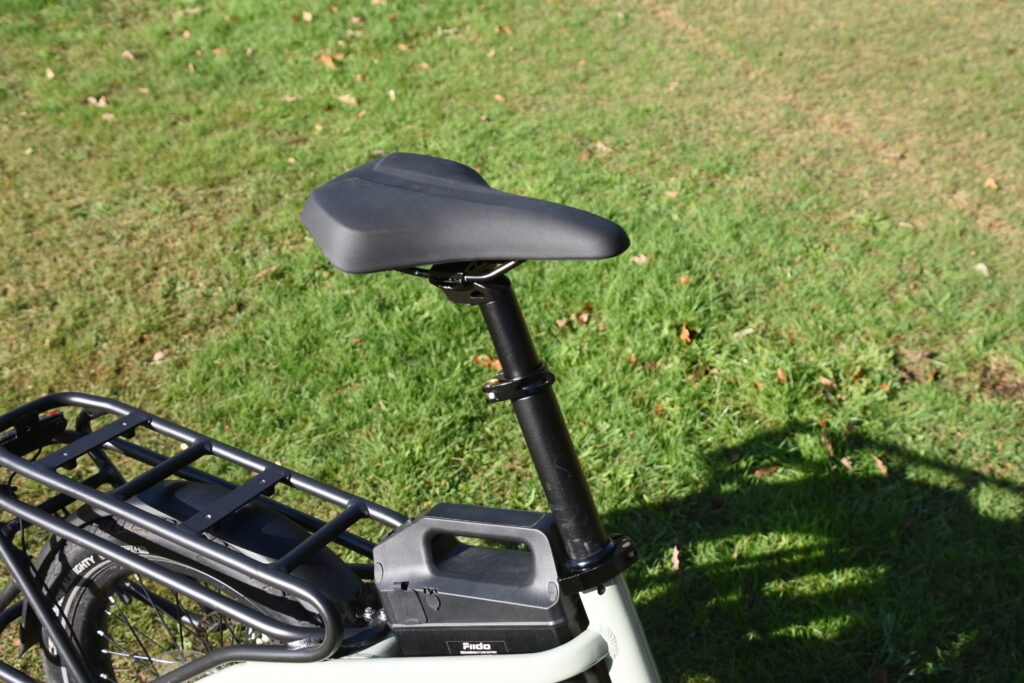
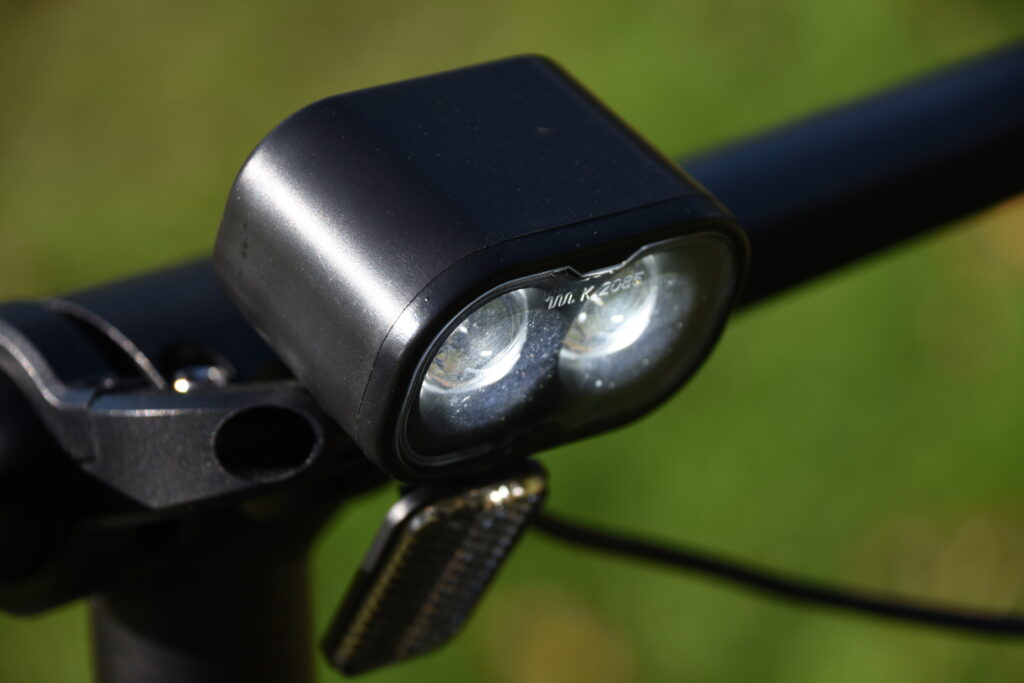
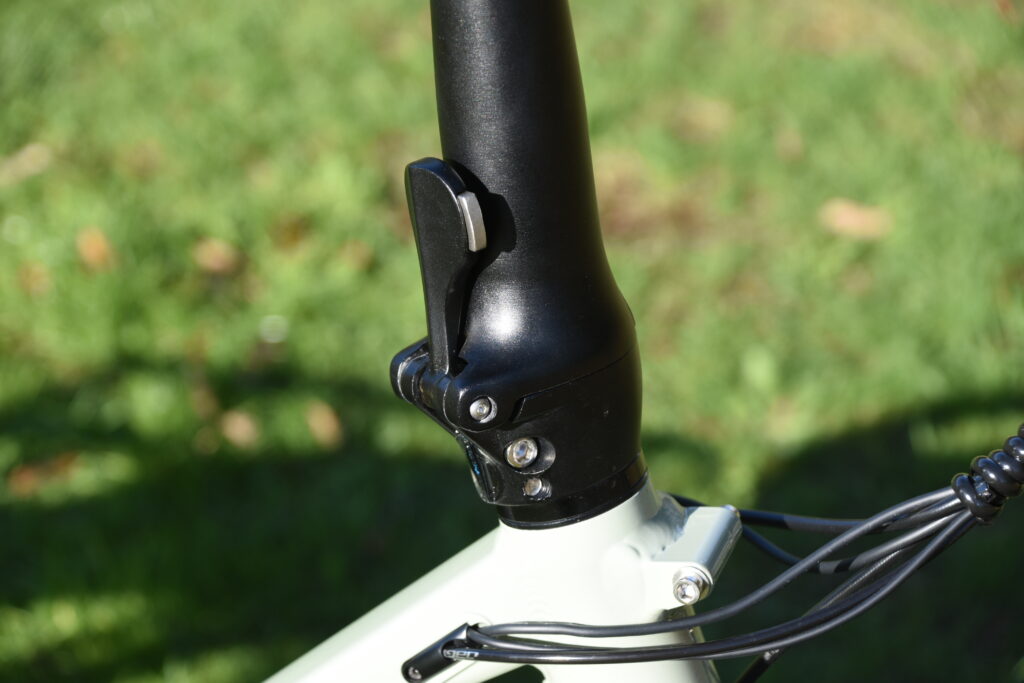
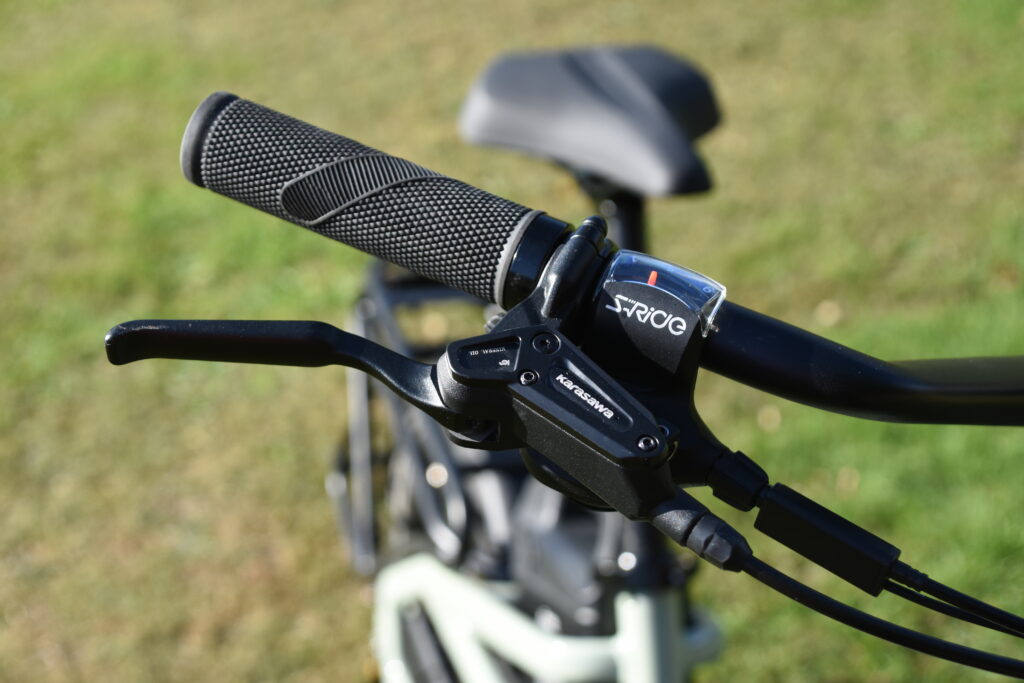
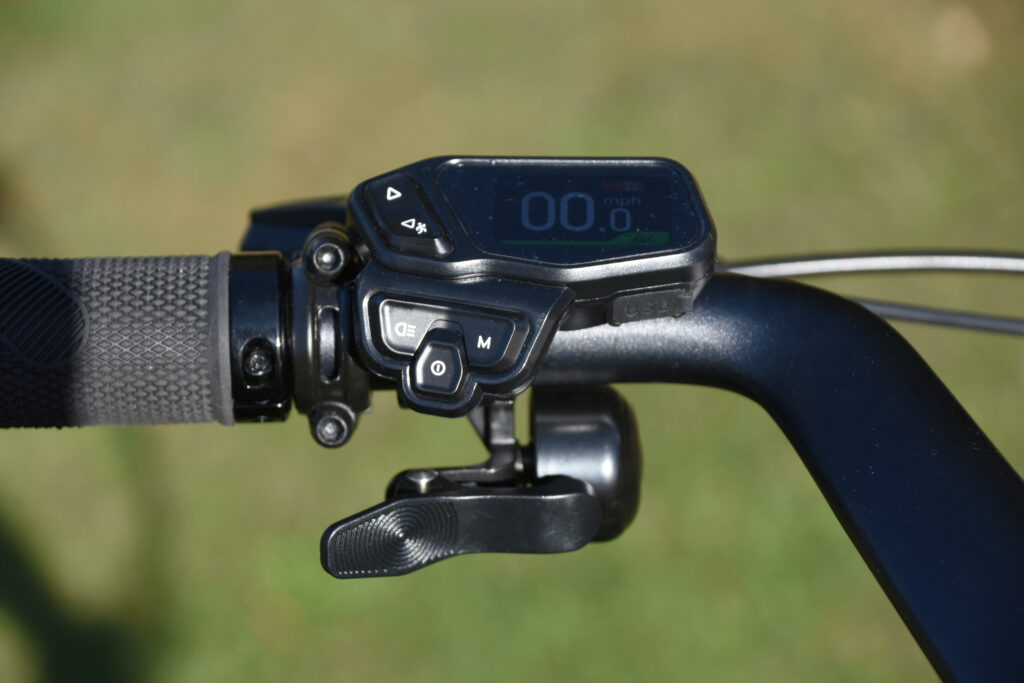
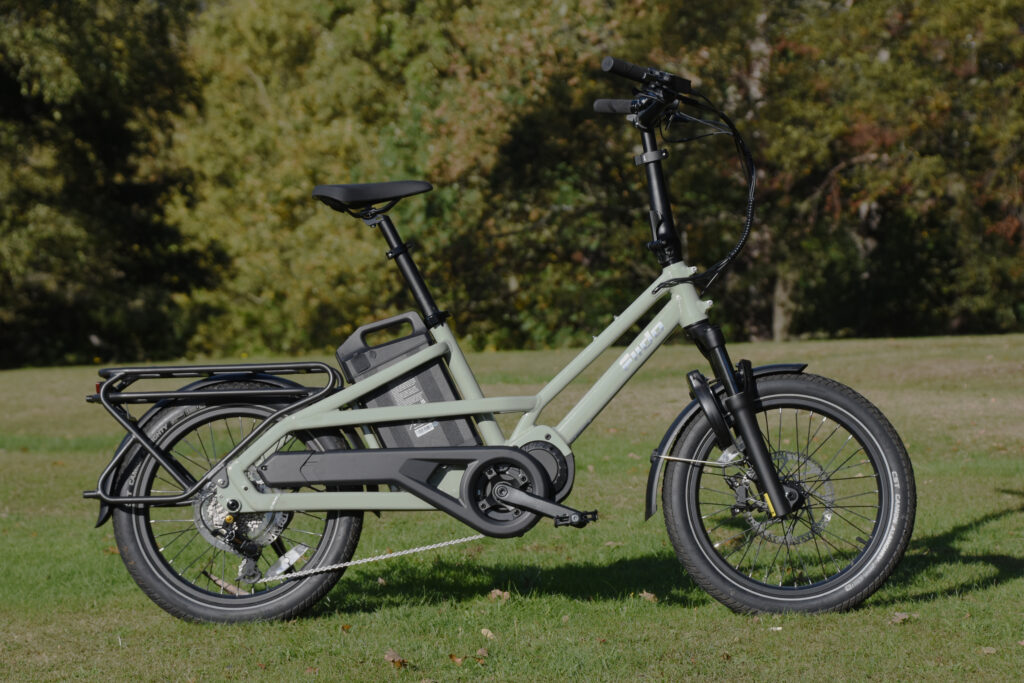
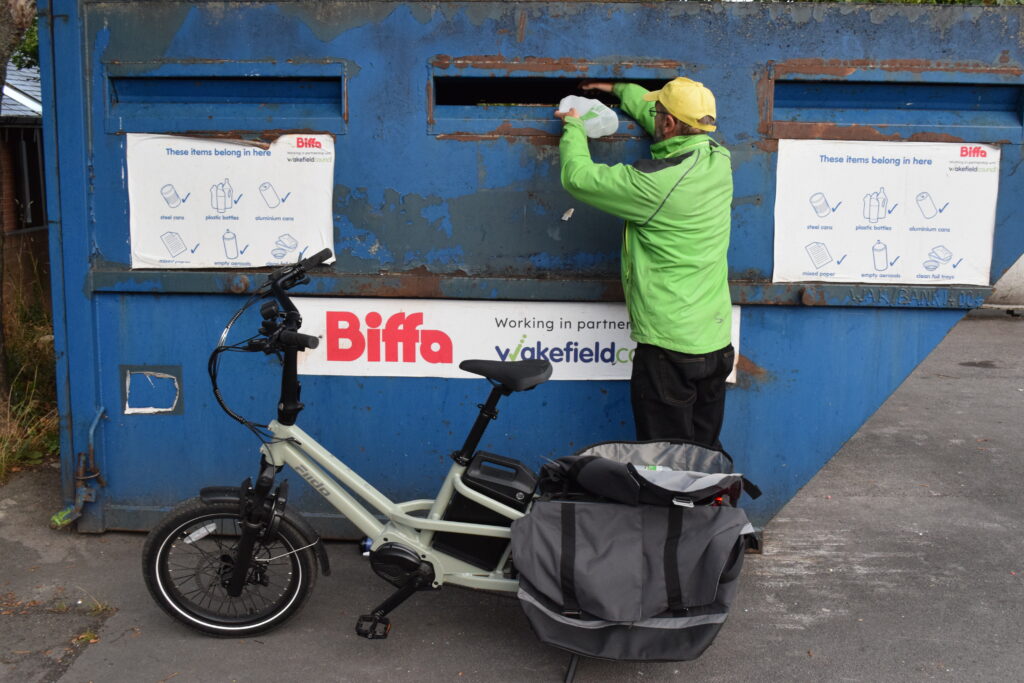
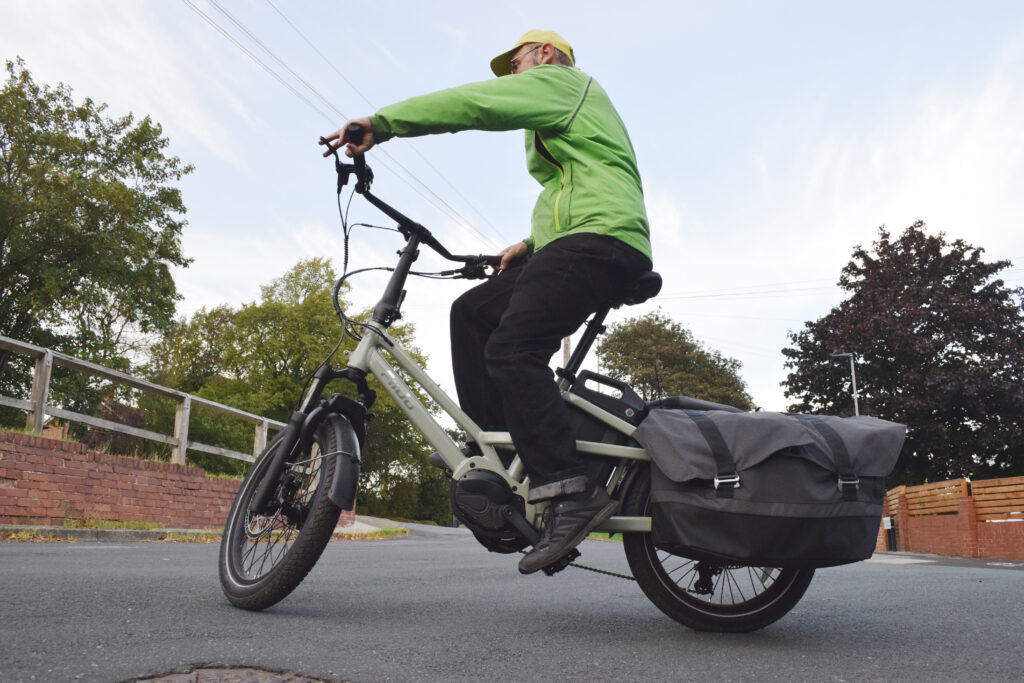
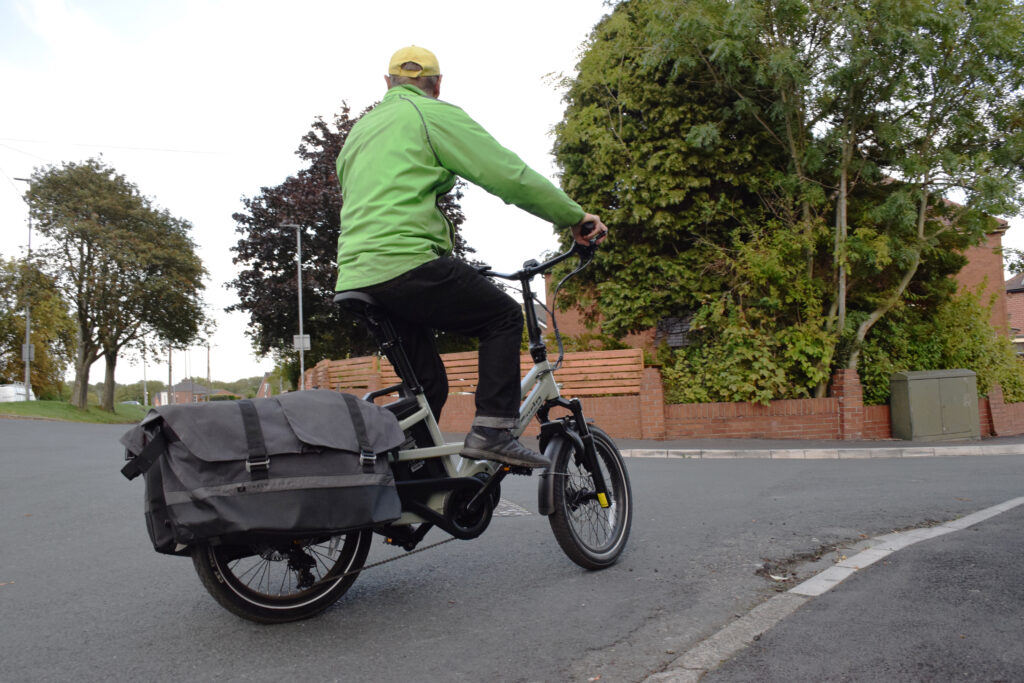
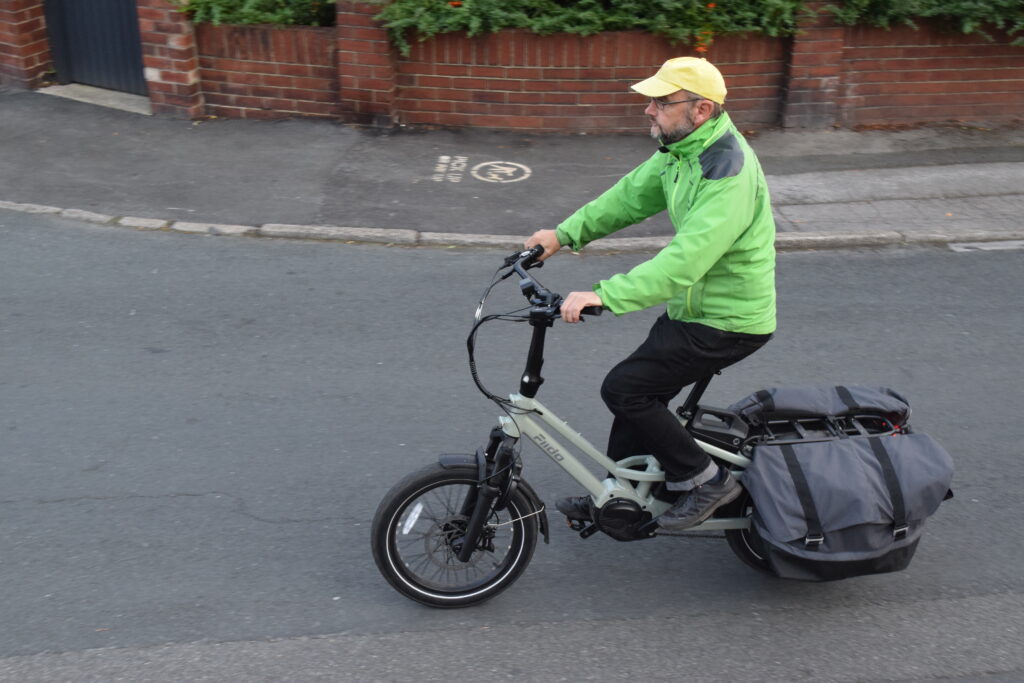
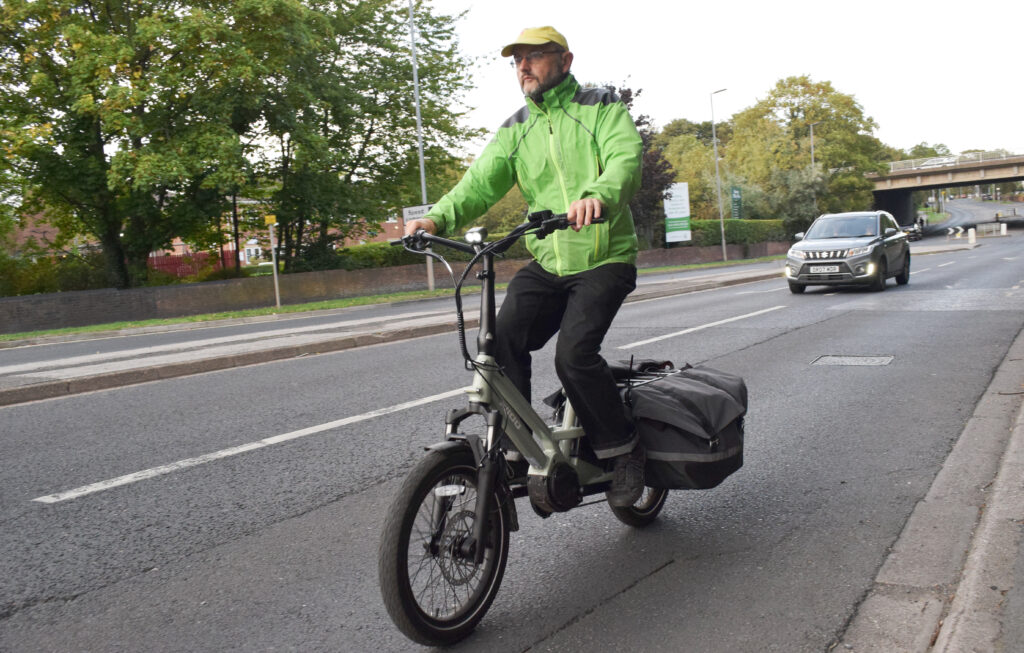
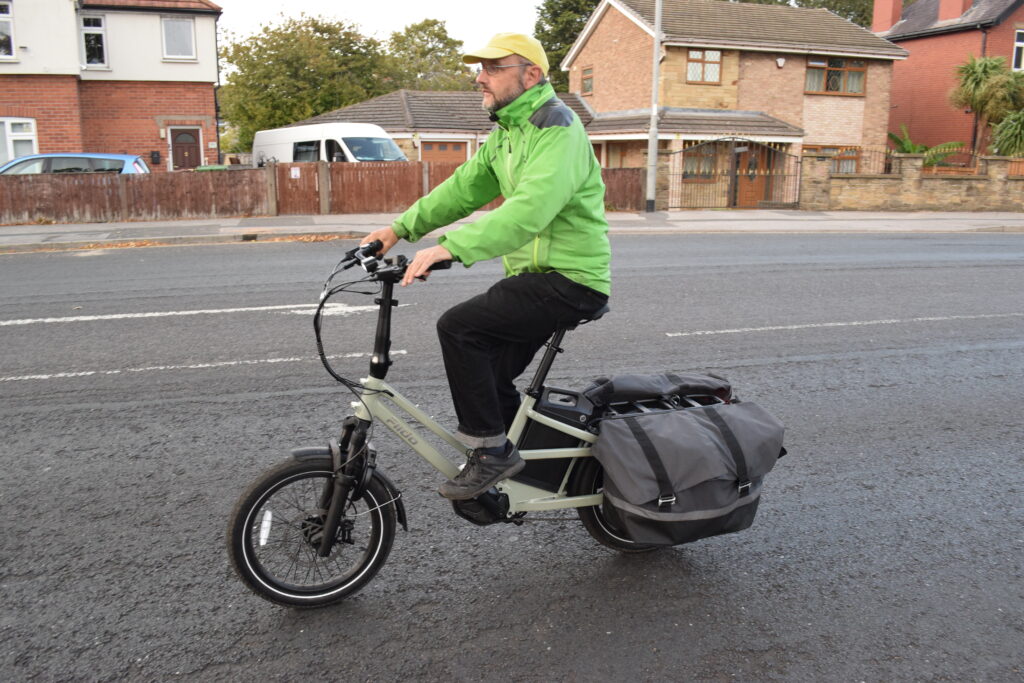
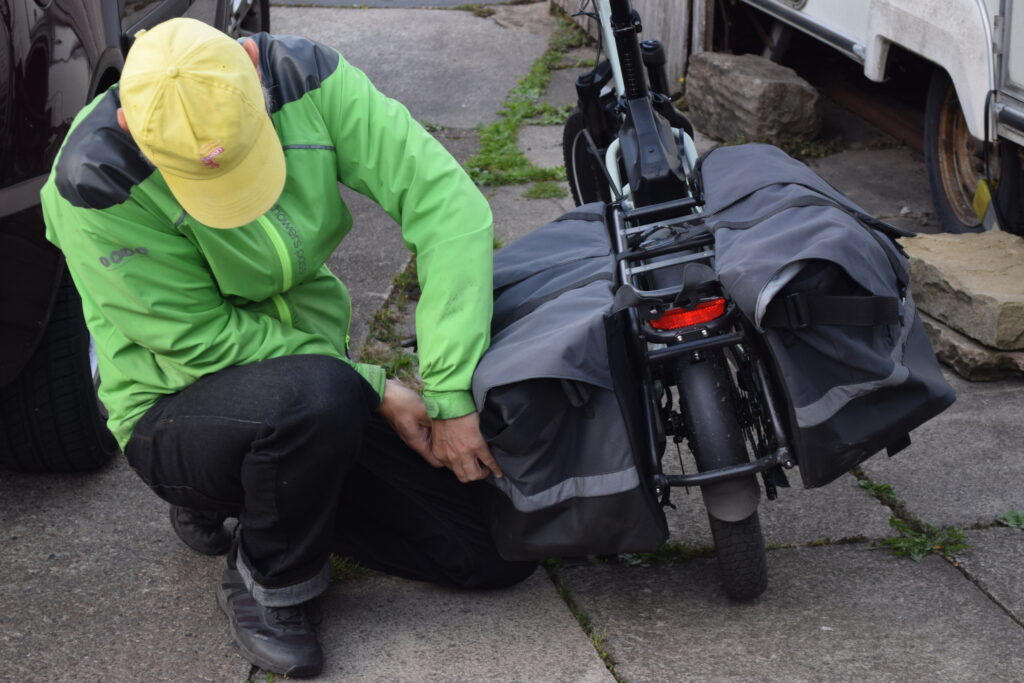
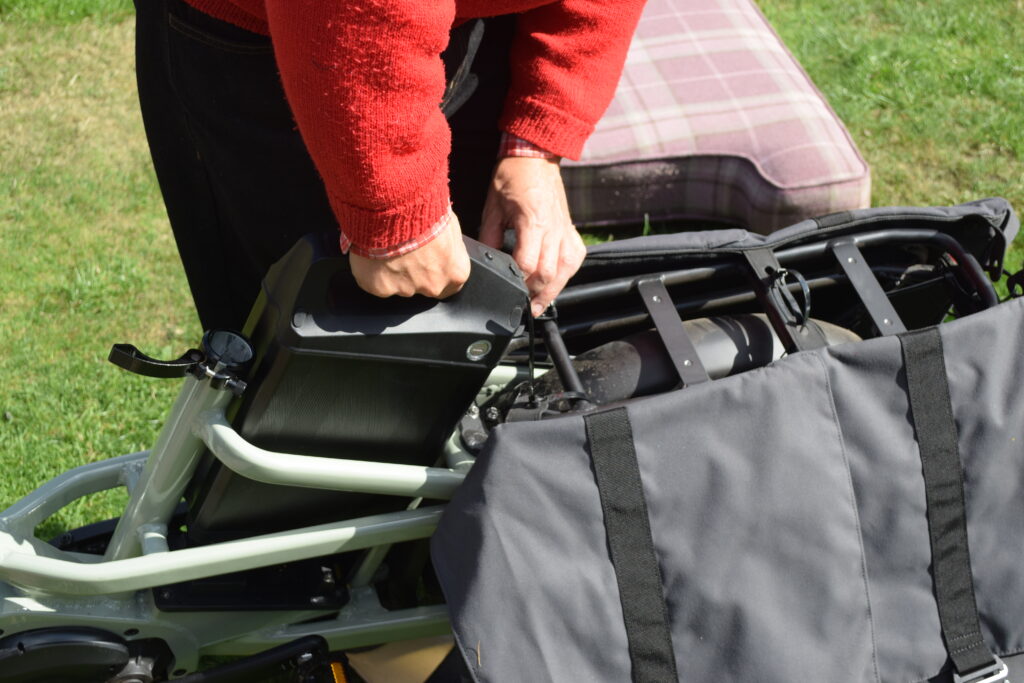
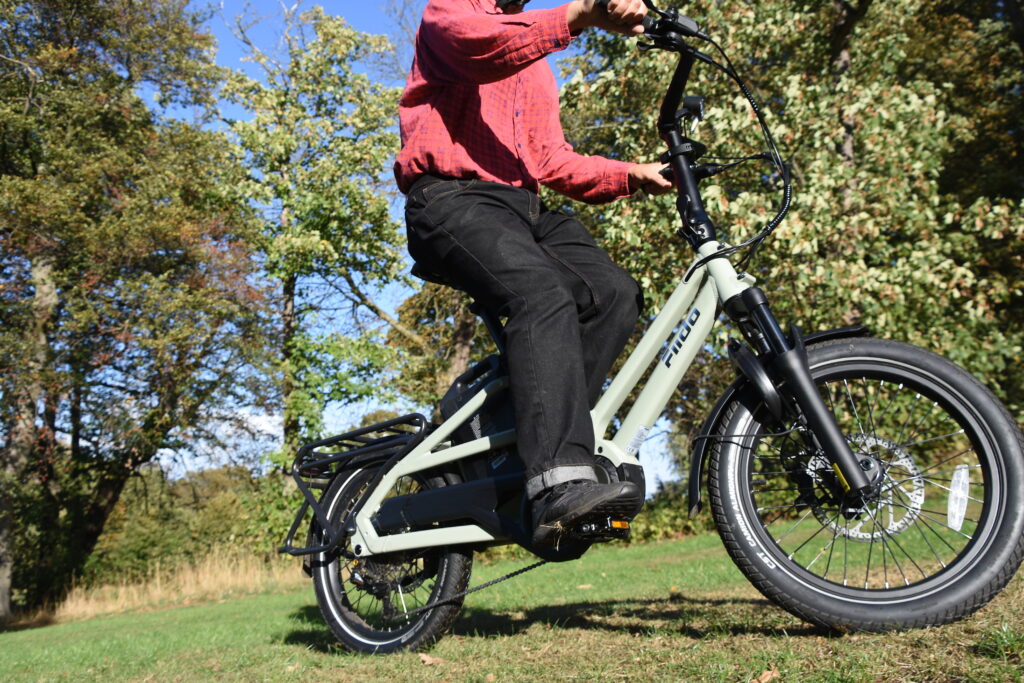
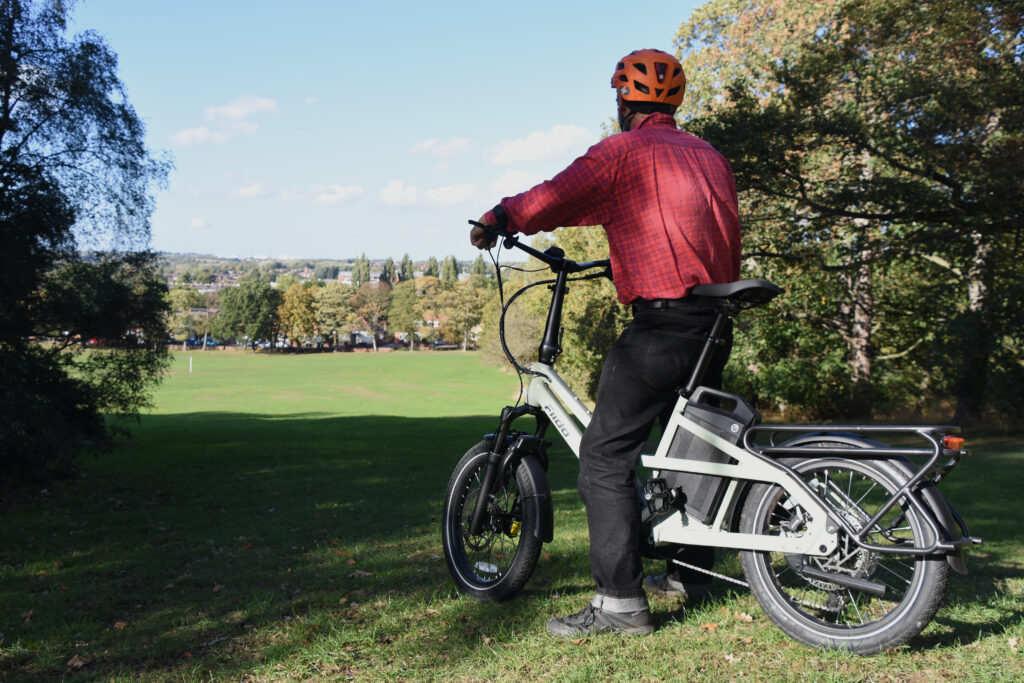
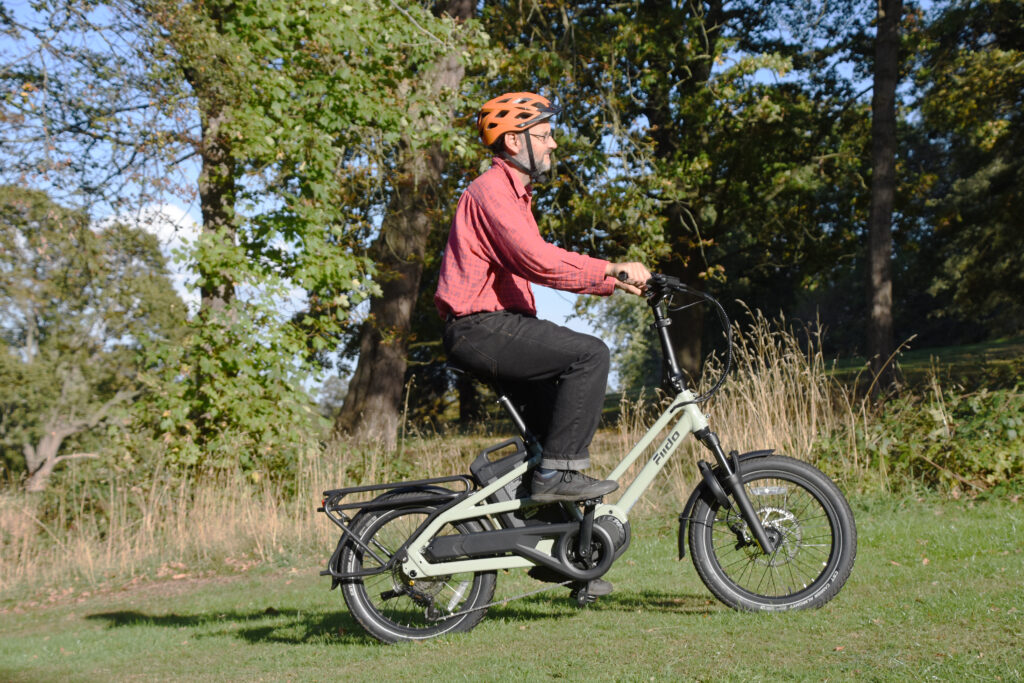
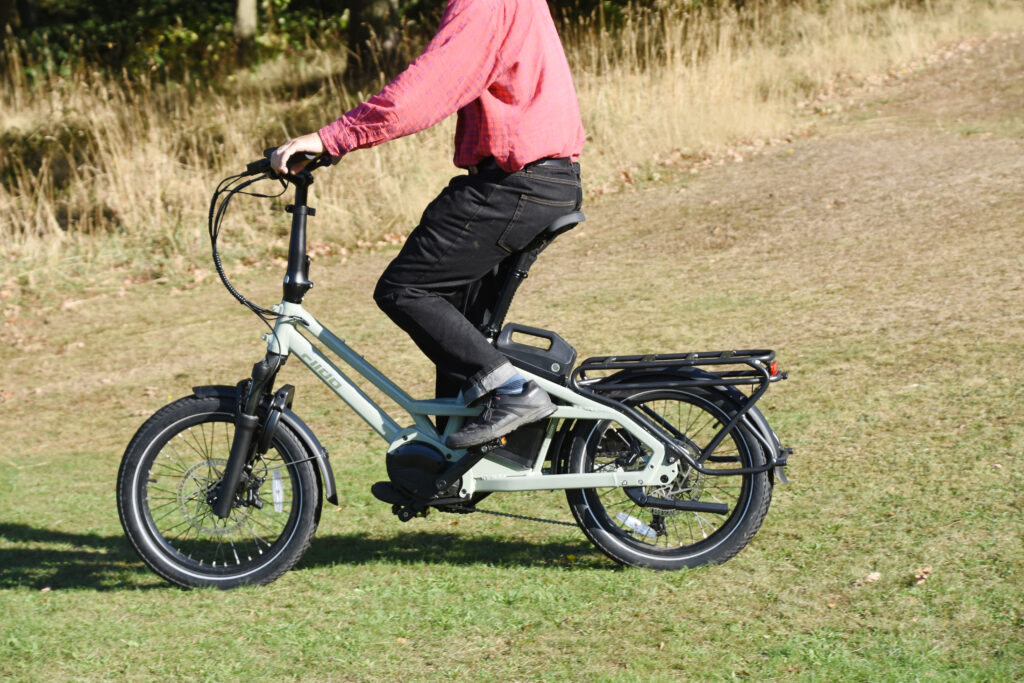
This immediate negative observation aside, the good news is that the T3 offers an awful lot of bike for the money. Not only do you get that massive and pretty easily removable battery pack, you also get a 100Nm rated mid-drive from the highly regarded motor manufacturer Mivice, four-piston hydraulic disc brakes on 200mm rotors, low ratio derailleur gears, mudguards, hardwired lights and a kickstand.
Let’s jump into the spec a bit more to explore exactly what you get for that bargain looking price.
Fiido T3: Frame and motor system
The frame itself looks well made with well integrated cabling passing through it, resulting in a nice clean look.
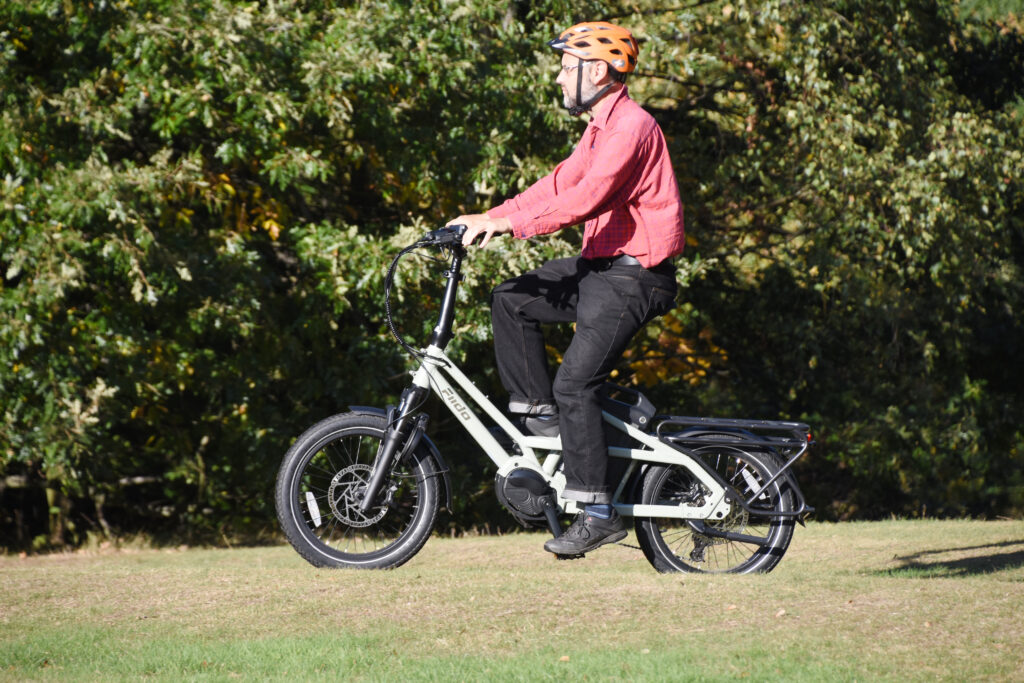
As with most of these frame designs, it is a one size step-through model, intended for as wide a market as possible. Fiido says it should be suitable for riders between 5ft 1in and 6ft 7in. Even though the handlebar and seat are height adjustable, this might be pushing it a bit. Still, it should be suitable for the majority of potential riders.
Weight is claimed to be 33kg, but on my scales it was 33.8kg. If you need to lift it, it can be lightened considerably by removing the 6.2kg battery, but whatever way you look at it, it’s a hefty e-bike – though no more or less than you might expect from the design. Comparable models, such as the Engwe LE20, are in many cases a fair bit heavier.
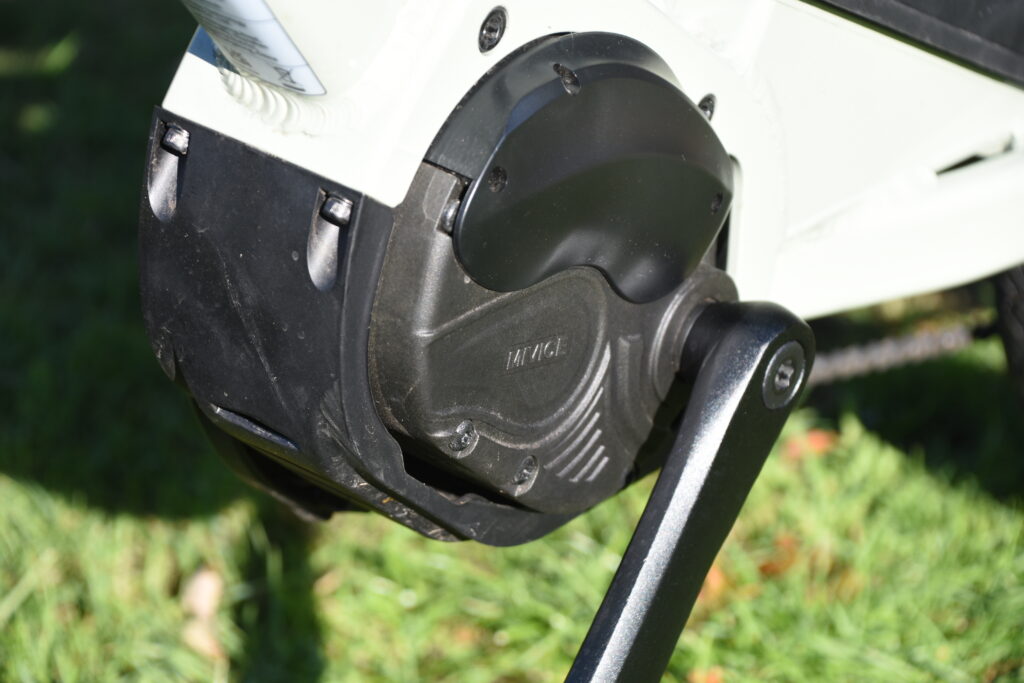
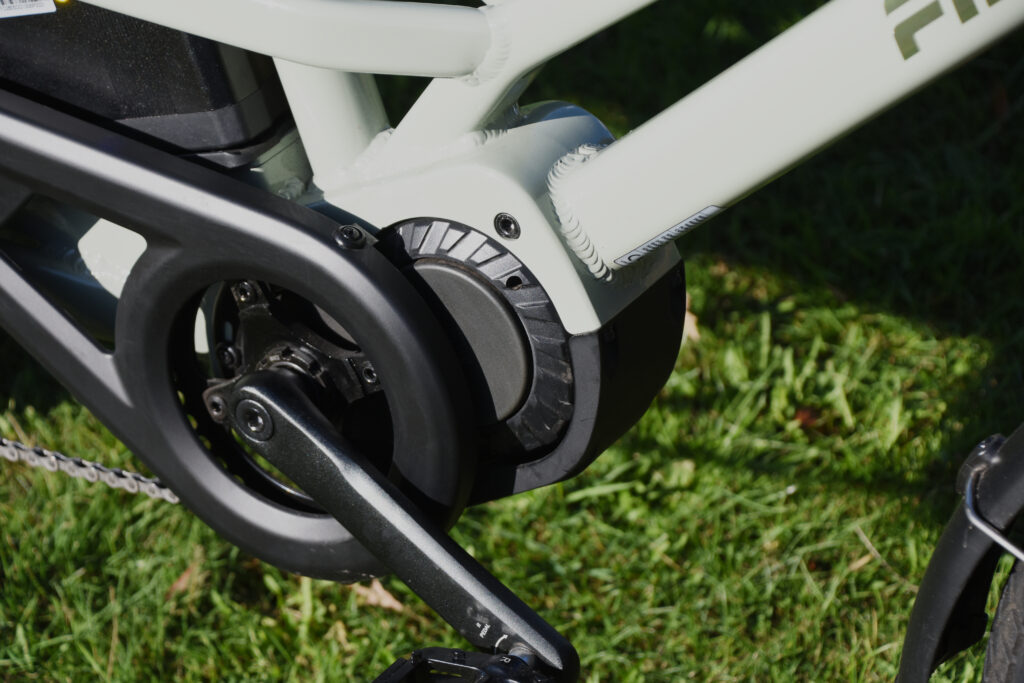
The motor system intrigued me most. I’ve ridden quite a few e-bikes with the lovely, light and responsive Mivice rear hub motor, and even a front hub variation on the Ahooga E-Max Alfine. Overall, I’ve been very impressed, so I was quite surprised to see a beast of a mid-drive on the T3, rated at 100Nm torque, as this is the polar opposite of the style of motor the manufacturer is known for.
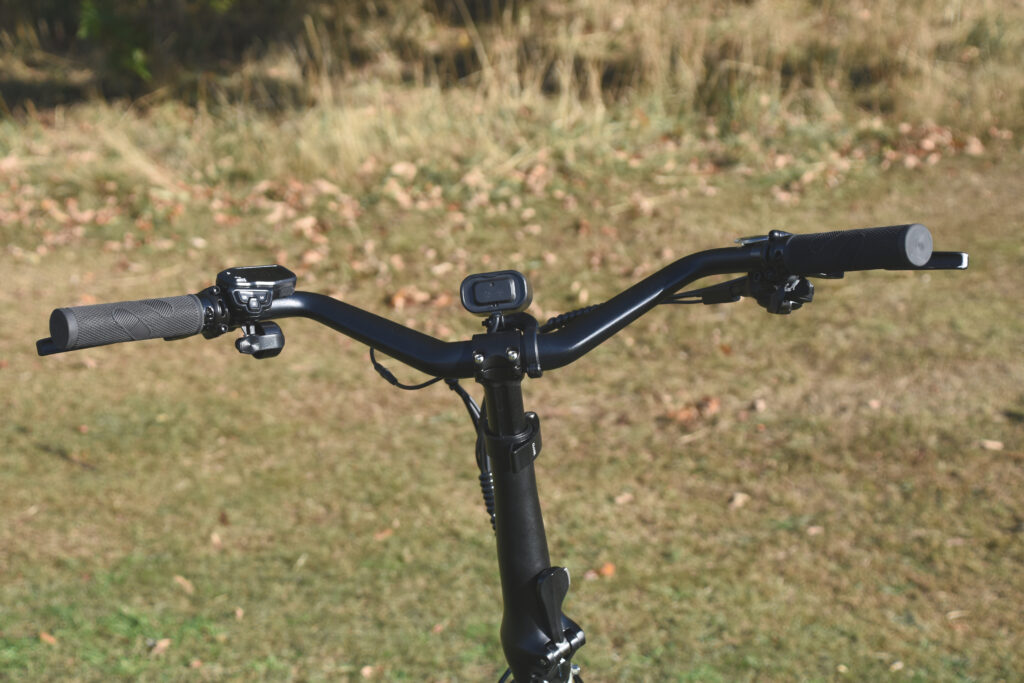
It has its quirks, as we will see in the next section, but overall it looks a good choice for a load hauler. Mivice also supplies the torque sensing as well as a small but nicely colourful TFT display that combines with the power buttons.
Fiido T3: Gearing, brakes and tyres
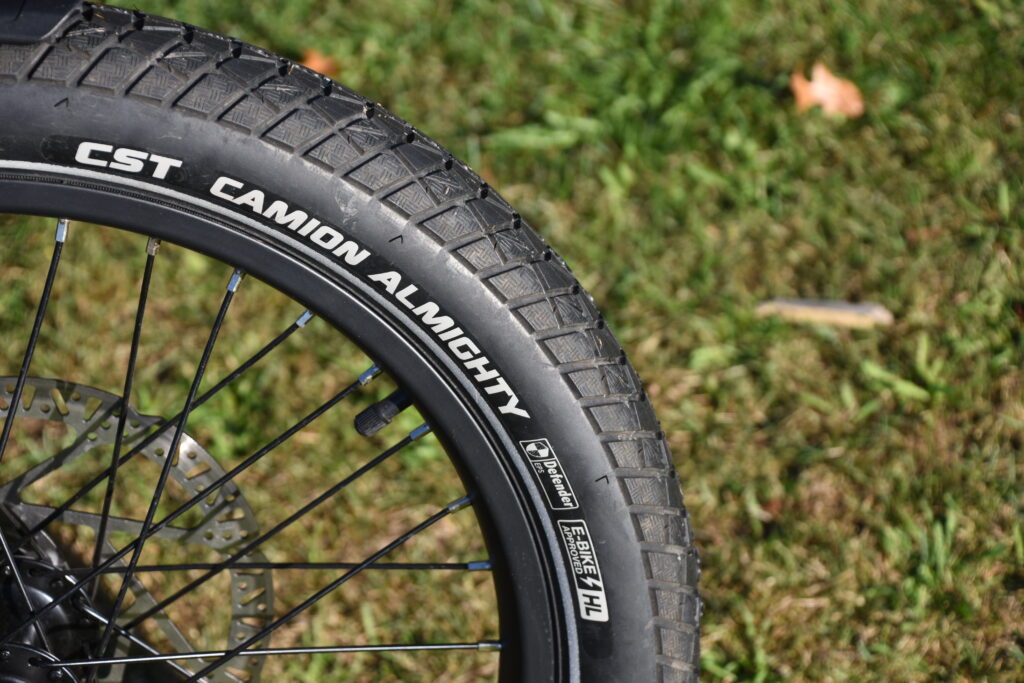
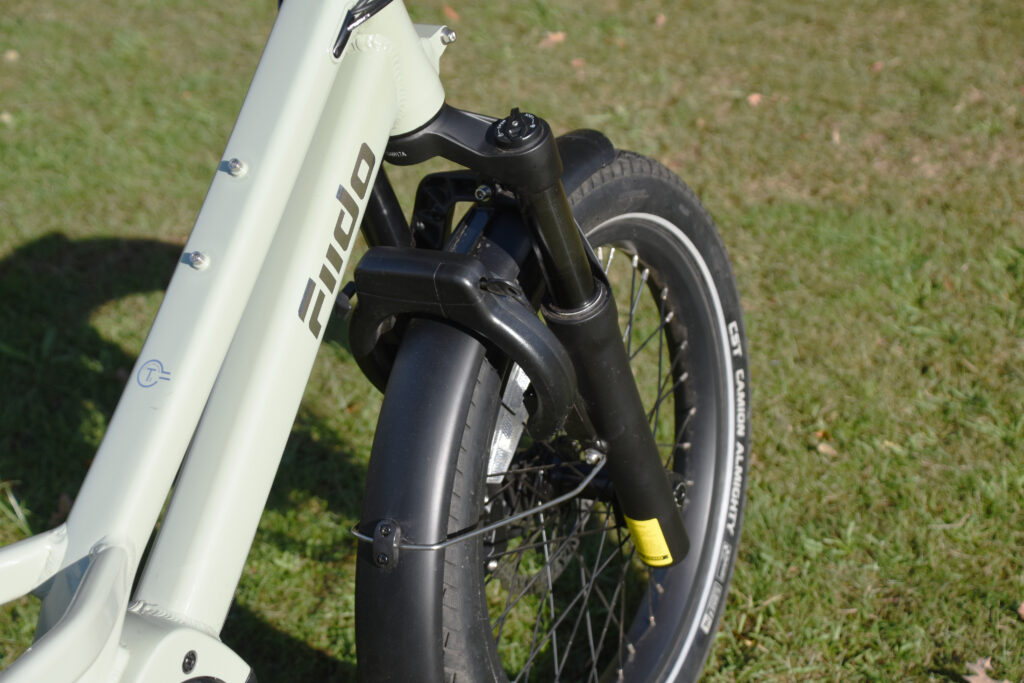
Elsewhere, the spec is pretty conventional and looks very suited to the heavy load hauling you’d expect the T3 to take on. I immediately picked up on the chunky 2.4in wide CST Camion Almighty tyres which looked just what you’d want on a load hauler, especially as CST says they feature ‘state-of-the-art puncture-resistant technology with ultra-strong sidewalls to support substantial weight’. They certainly look tough and durable.
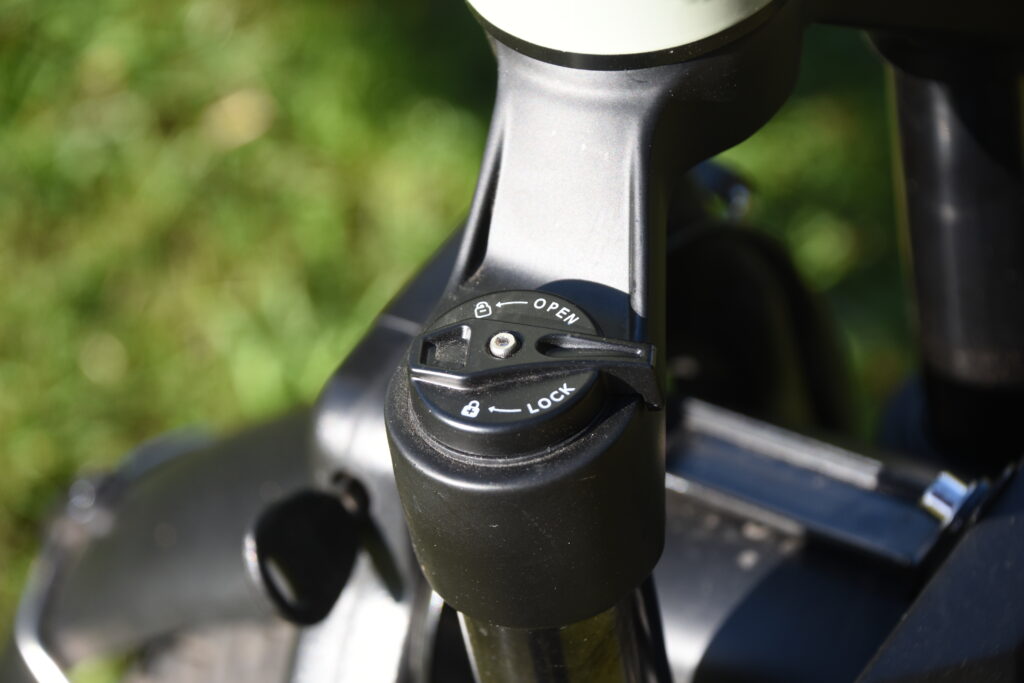
These combine with a 70mm travel steel sprung front suspension unit and funky Moustache-style angled-back handlebars, all of which makes for a comfier ride.
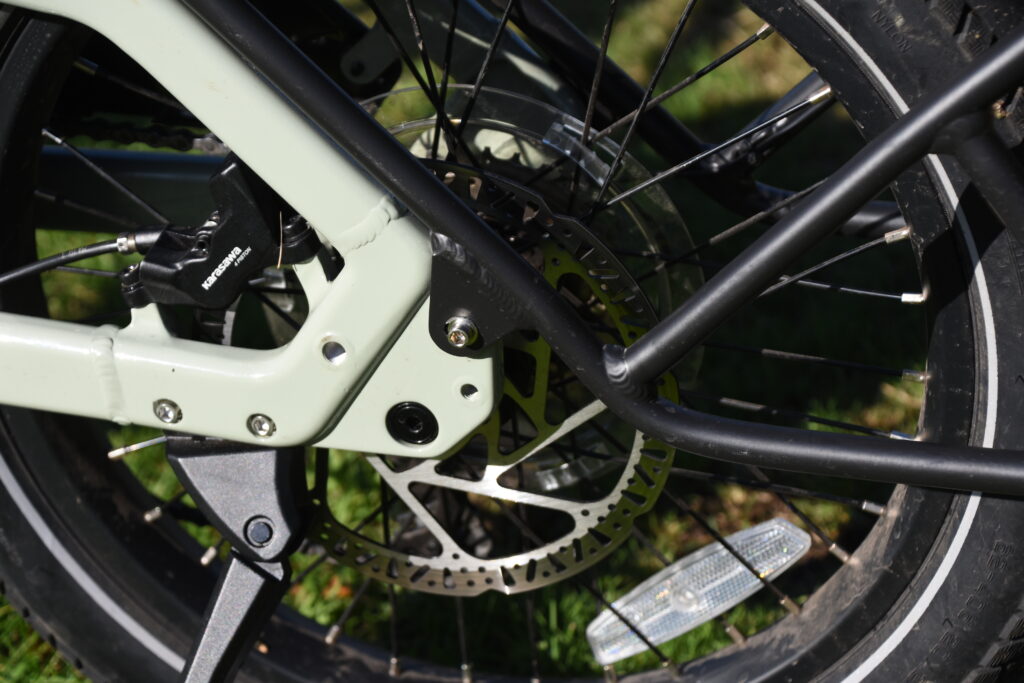
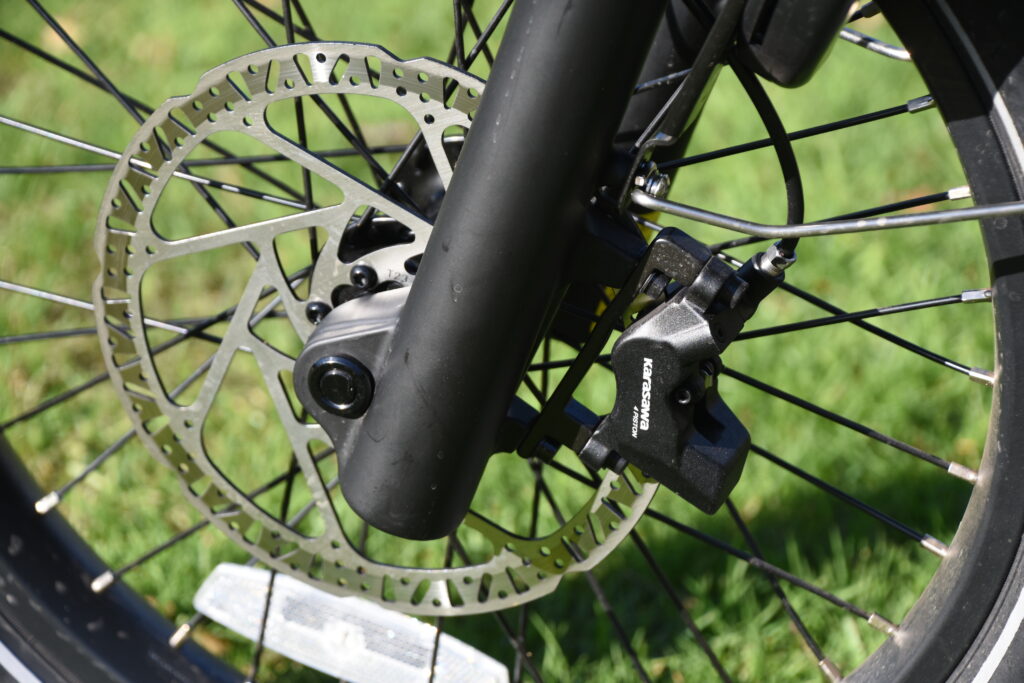
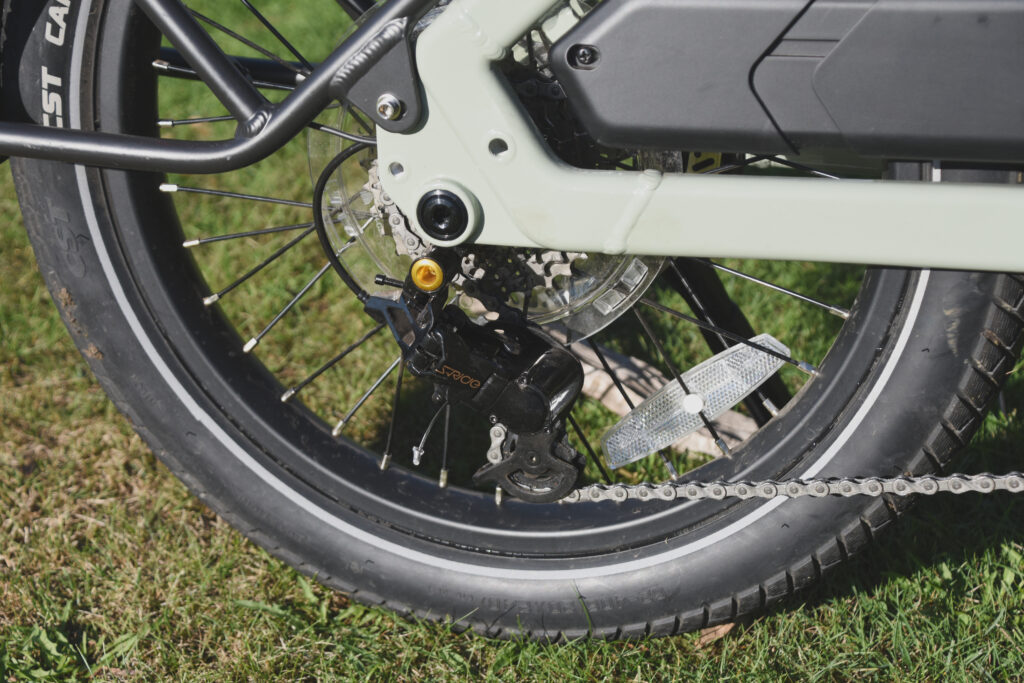
I was also pleased to see the spec of gearing and braking very much aligned with the load carrying purpose of the bike. The very sturdy looking 9-speed derailleur gearing has nice low ratios for climbing steep hills with heavy loads, albeit from little-known brand Stride. Similarly, the brakes are from the little known (in the UK at least) Karasawa, but promise plenty of stopping power thanks to four piston hydraulic technology.
There are a couple of nice ‘extras’ too in the form of a full length chainguard and a front key operated wheel lock.
There are clearly some cost saving aspects to the spec, such as the lesser known brands for the derailleur and brakes, and as is often the case with direct to consumer brands, you will need to assemble some of the bike yourself.
In this case, that amounts to slotting in the height adjustable handlebars, putting in the front wheel (impressively, a thru-axle design like the rear), adding the front mudguard, then finally the saddle and pedals – not too onerous as these things go.
Fiido T3: Digital features
There is a near field communication (NFC) key, which I found I needed to use after charging or removing the battery but, according to Fiido, you can also unlock the bike via Bluetooth through the Fiido app on your phone. I guess this theoretically offers a bit of extra security, but personally I’m happy with safe parking practices and a heavy duty lock.
I didn’t actually get around to looking at the app as it appears to offer much the same as other basic apps, which I don’t find that useful. But if you find viewing ride data, linking with map/navigation apps installed on your phone and making ‘fine adjustments’ to the bike’s power settings appealing, then it may be for you.
Fiido T3: Cargo capability
The payload for which the bike is rated is an impressive sounding 150kg – but that refers to rider and cargo, with up to 100kg for the rider and up to 50kg for cargo.
Whilst there are plenty of e-cargo models out there with bigger ratings, they can often be ambitious and I wouldn’t want to load much more than this onto an e-bike frame without risking some handling instability. I’ll talk more about the load carrying efficacy of the T3 in the testing section.
Whilst 50kg is a lot to carry on any design of e-bike, Fiido doesn’t supply you with any kit to help you do the job, which is a big disappointment.
They do say several brands of child seat should fit, but there aren’t any longtail style panniers on offer and beyond that Fiido says only that, “Dedicated accessories such as protective rails and guards (for kiddy carrying) are currently in development and will be introduced gradually.”
For now, this is a weakness. Brands like Tern and Estarli realise accessorising your e-cargo bike is a vital part of its functionality, not an afterthought.
Fiido T3: Battery
On a closer reading of the spec of the T3 it appears that Fiido can supply an inverter that plugs straight into a dedicated output socket on the 972Wh battery. As far as I know, this is a USP for an e-bike, but Fiido seems strangely coy about highlighting the bike’s ability to provide mains power (despite the fact it could prove useful on longer off-grid days out).
It instead recommends the T3’s bigger brother, the T3 Max, for use with the inverter system. This offers 1,620Wh capacity if you go for a dual battery setup and it also features a dedicated carrying space for the inverter itself.
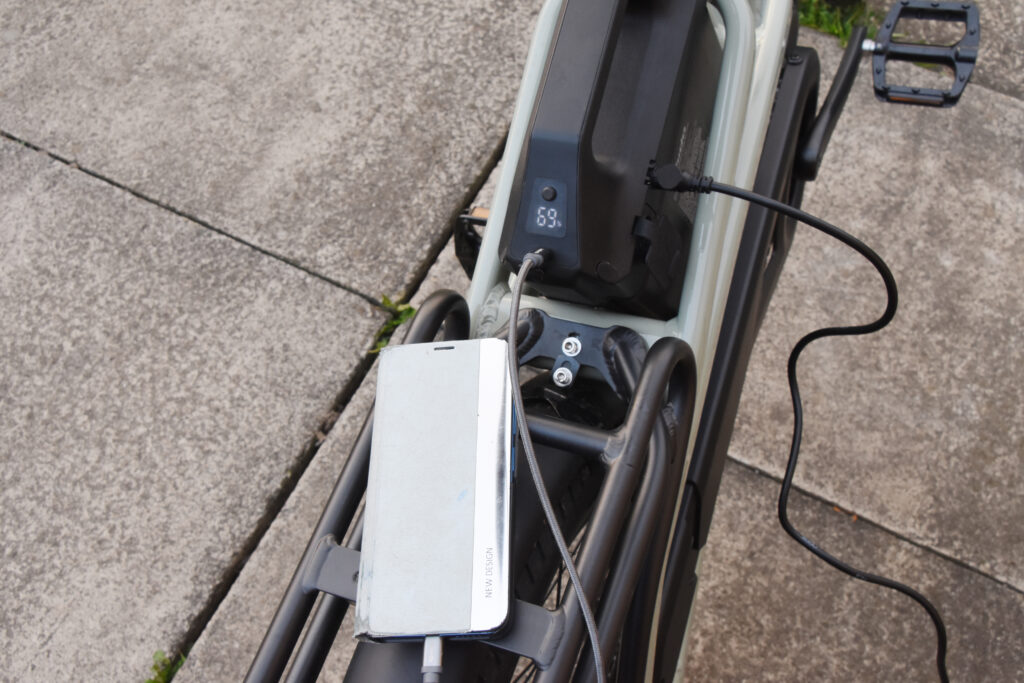
There is also a USB-C charging port on the battery and that did a good job of fast charging my mobile, though it failed to power up a small business laptop. The port is rather exposed to the elements though, on the top of the battery.
In short, the spec promises very effective load hauling and good range, but currently Fiido leaves the purchaser to come up with their own means of carrying people or things and also undersells the many possible uses of an e-bike battery that can supply mains power.
Fiido T3: Riding, hauling and range
As noted, the heart of the drive system is a Mivice motor (the X700, to be precise) and it performed very well in its role as a load hauler.
There are a couple of caveats to this. Like the premium-priced Tarran L1s I took a look at recently, it doesn’t feel as peppy as a full power Bosch motor on the flat and (unlike the Tarran) there is a lag in motor power when changing gear.
Crucially, there was plenty of low speed torque for taking heavy loads up hills and that’s what counts with an e-cargo bike.
I’m assuming the lag whilst changing gear is intended to minimise wear on the drivetrain and this is something other systems do, though in a rather more subtle way. The issue I had with the Mivice system is that it feels like a very long lag with no power at all and when you’re heading up an incline with a loaded bike, you will lose momentum on changing gear.
Still, there’s a practical benefit if it’s aimed at extending the lifespan of the drivetrain and presumably a software tweak could make it less jarring.
I did a couple of ultra steep hill climb tests to really put the bike through its paces with loads of between 30kg and 40kg. Like the aforementioned Tarran, it’s slow up mega gradients, but it does get you and a heavy load up an otherwise formidable hill easily and without drama.
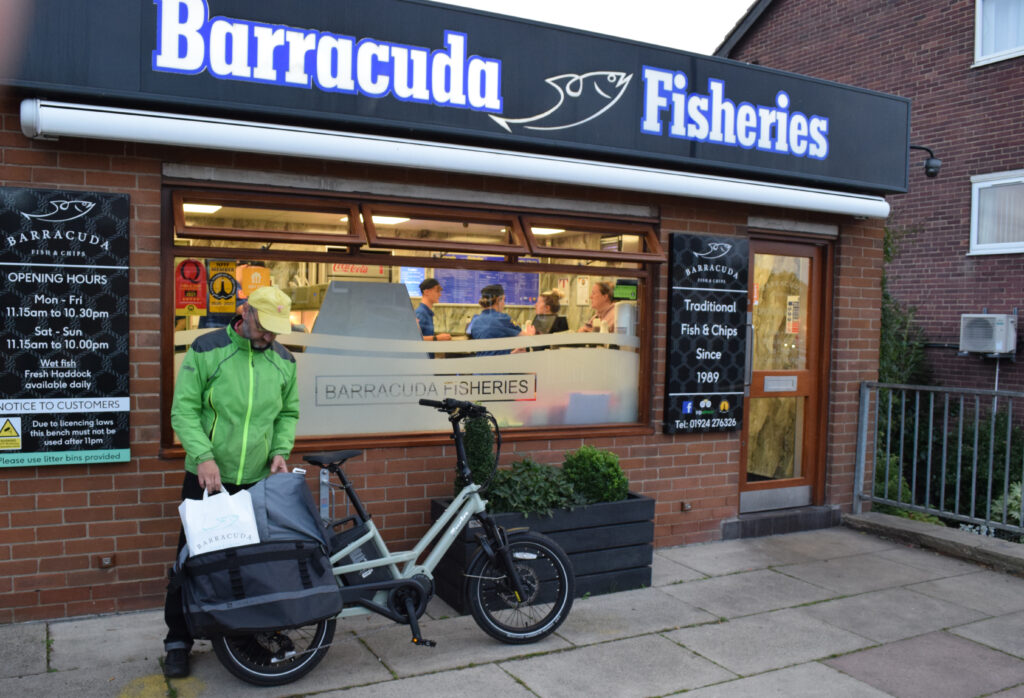
For my first test, the load was in a rack top box, whilst the second load was carried in a set of Decathlon longtail panniers that I happen to have. The latter climb felt much more balanced, reinforcing standard advice for carrying loads on bikes, which is to keep the weight as low down (and central) as possible.
Other aspects of the Mivice electronic system were impressive. The battery percentage gauge is clearly visible and accurate. It showed 50% left after a 32-mile ride over moderately hilly terrain with only a light load.
It would be easy to eat into the capacity much more quickly if the bike were loaded up and taking on very serious hills. So although the 972Wh battery is big for my intended uses, it’s certainly not overly so.
The combined display and button control unit gives you all the basics you need in one place and is up there with the best Bosch can offer in terms of ergonomic design – though I would have liked to have seen a clock and a power meter on it. It doesn’t overface you with metrics, as I feel some other systems do though.
Elsewhere, gearing was easy to use, if a little clunky, but importantly the ratios are nice and low to get you and whatever you have on board up the steepest of hills. They don’t provide much pedal power above 15mph, but you don’t need that on a bike like this.
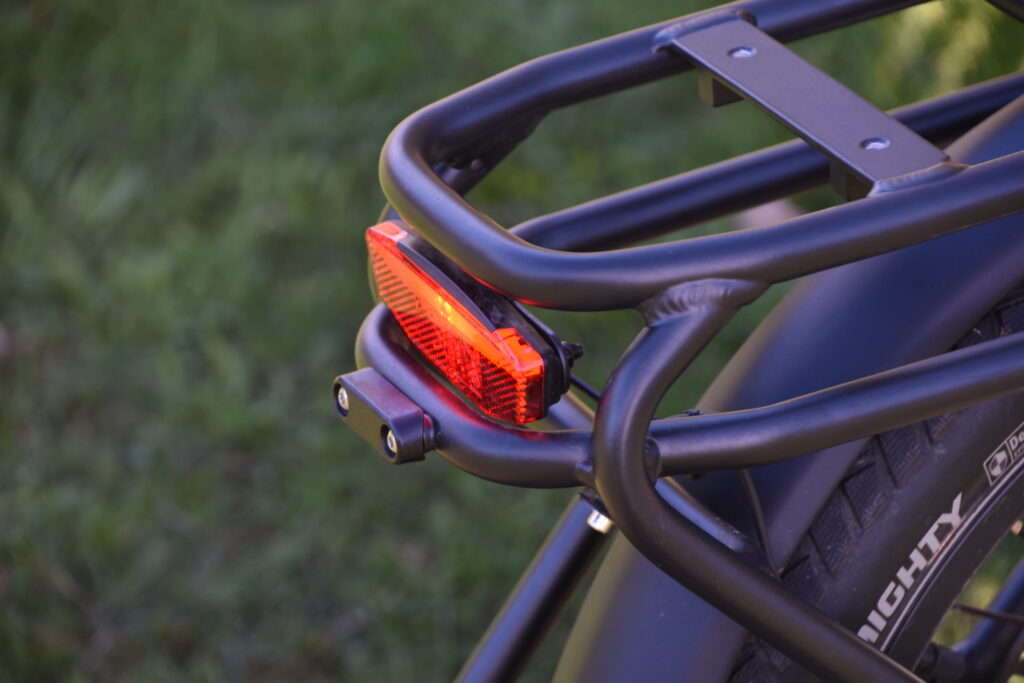
The brakes were adequate, if lacking the smooth modulation of pricier systems and the hardwired lighting powerful and effective even on unlit roads.
Overall, it’s a comfortable and stable ride that many people will be able to get on with and if you put even heavier loads on carefully and keep them low, it remains so. For the money, it’s a very effective load hauling package in terms of e-bike performance but…
Why no accessories?
Notably, Fiido offers no rear carrying accessories and even the front rack, for which there are mounting points on the headset, was a few months away from being available.
I feel it’s a bike crying out to be sold with the options of large panniers, bench seats, attachable child seats, foot rails and all the rest of the carrying paraphernalia that Tern has pioneered.
Hopefully Fiido will be good to its promise of introducing such things over the coming weeks and months and I’ll have to eat my words. Okay, these would all add to the cost, but bespoke carrying solutions would make it so much easier to use the bike for its intended purpose.
Similarly, I found the lack of a centre kickstand made the bike very awkward to use with my big Decathlon panniers. The provided side stand got hidden behind them and, even more impractically, it gave a fully loaded bike the potential to topple over.
Having said all that, it sounds relatively straightforward to fit a single child seat. Fiido recommends a width of around 17–20cm and names brands such as Bobike, Thule and OGK.
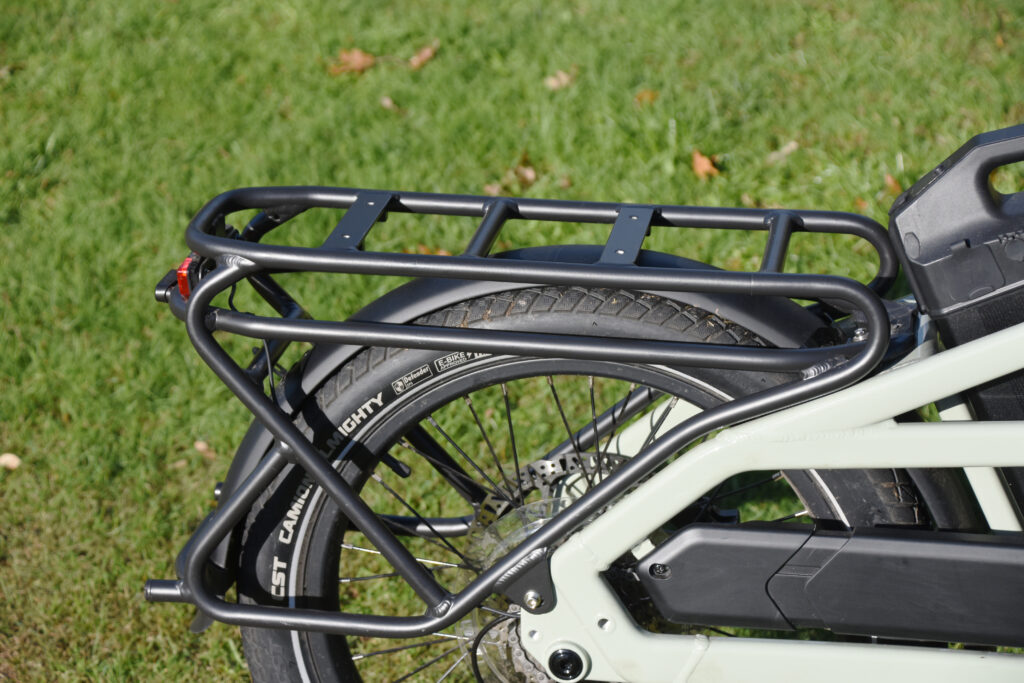
Fiido also says, “the T3’s rear rack is 158mm wide, with a 16mm tube diameter, so it meets the installation requirements of the MIK Adapter Plate 2.0” – this is good news, as it should open up all sorts of carrying possibilities.
I managed okay with my large capacity panniers, though these were fiddly to get on and off as I used quick release cable ties and with heavy loads, they could have done with more support underneath.
I also noted that the T3 is rated to pull 50kg on a trailer, which would make it a behemoth of a load hauler. Whilst Fiido sells a range of trailers, you will need to check it can supply or recommend a suitable mounting hitch for the rear thru-axle used on the T3.
If you are happy seeking out or improvising your own carrying accessories then the T3 is an impressive load hauler at a very competitive price.
The competition
The T3 Max is the T3’s big brother with a bigger battery option, a bigger payload rating and a centre kickstand, while the T2 is its fat-tyred, hub-motored ‘smaller’ brother. They are priced at £2,090 and £1,635 respectively. (The latter was actually discounted to £1,454 at the time of writing.)
The £1,727 price tag on the T3 is undoubtedly a strong selling point and most other longtail options near this price employ hub motors which would have to be remarkable performers to get close to the loaded climbing ability of the T3.
Engwe’s LE20 is undoubtedly a strong competitor, though it seems to be unavailable at present, while UK newcomer Aventon offers the very strong looking Abound for ‘preorder’, though we haven’t yet tested that.
Elsewhere, we really loved Estarli’s longtail with its powerful mid-drive, roomy rear load area and plentiful carrying options. Against this new breed of direct-to-consumer models, it is perhaps starting to look a little pricey, though do remember you get more peace of mind due to UK-based assembly and backup, including a dealer network the direct to customer merchants don’t offer.
It was only last summer that we were asking if you could get a good quality e-cargo bike for under £3,000 and the new boys on the block are clearly looking to push prices down towards £2,000. The Fiido T3 is a capable and welcome addition to the increasingly crowded field of value for money yet high performance e-cargo bikes.
Test Report
What does the manufacturer say about this product?:
A versatile cargo e-bike for family life, daily commuting, and everyday journeys around the city.
Tell us some more about the technical aspects of this product:
Frame Material: Aluminium
Motor: Mivice 250W mid-drive motor, max. torque 100Nm
Battery: Externally frame-mounted 972Wh, key removable.
Gearing: S-Ride 9-speed derailleur
Brakes: Karasawa four piston hydraulic discs, 200mm diameter, front & rear
Tyres: CST Camion Almighty, with Defender puncture protection. 20” x 2.4”
Saddle: Unbranded comfort style saddle with telescopically extending seatpost
Lights: Own brand hardwired front and rear
Any further comments on quality?:
Solid and well made with decently functioning components, especially given the price
Any further comments on performance?:
Sound functional performance for the price.
How does the price compare to that of similar products in the market, including ones recently tested?:
A similar price to others of the new breed of high performance, low price e-cargo bikes, such as the Engwe LE20. There are certainly more premium priced machines out there of a similar design, such as those from Tern, that are superior in performance and in the accessories they offer.
List the components used to build up the bike:
As above
Tell us what the bike is for and who it’s aimed at. What do the manufacturers say about it?:
Fiido’s website shows the T3 transporting a child or a dog and other goods on everyday and leisure rides.
Where does this model sit in the range? Tell us briefly about the cheaper options and the more expensive options:
Fiido has a wide range of very different designs with prices starting at £449 for the mini-wheeled, compact D3, right up to £2,090 for the T3 Max. The T3 is the second most expensive bike in the range at £1,727, behind the Max.
Tell us about the build quality and finish of the frame and fork:
Solid, if not the most refined looking by today’s standards of polished welds. Cabling is largely internally routed through the frame however.
Tell us about the materials used in the frame and fork:
Aluminium
Tell us about the geometry of the frame and fork:
Longtail design with a long wheelbase and a sit up straight riding position
How was the bike in terms of height and reach? How did it compare to other bikes of the same stated size?:
One size frame – just right for me at 5ft 8in. Bars and seatpost offer lots of height adjustment though
Was the bike comfortable to ride? Tell us how you felt about the ride quality:
Yes, quite comfortable and very stable on fast corners and descents
Did the bike feel stiff in the right places? Did any part of the bike feel too stiff or too flexible?:
Stiffness just right
Was there any toe overlap with the front wheel? If so, was it a problem?:
No
How would you describe the steering? Was it lively, neutral or unresponsive?:
Neutral
Tell us some more about the ride experience. How did the bike feel overall? Did it do particular things well or badly?:
Stable and comfortable, even on the worst condition roads and on some bumpy off road tracks
Which components had the most effect (good or bad) on the bike’s performance? Would you recommend any changes?:
The high torque motor and low gearing delivered good hill climbing ability, even with heavy loads
What kind of motor is it? :
Mivice mid-drive
What are the stated motor system specs? (Torque/power/maximum assistance speed):
100Nm torque, 250W power, 15.5mph max assist
Tell us some more about the motor. How did it feel overall? Did it do particular things well or badly?:
Powerful at low speed, though not as lively as some other brands (though over lively performance can be a negative, especially on an e-cargo bike). A very laggy cut-out during gear changes.
How did the motor perform at low speed? (e.g. on steeper climbs or setting off with heavy loads):
Very well
How did the motor perform at higher speed? Was it noisy? Did assistance cut out smoothly/abruptly at the 25km/h assistance limit?:
Assistance drops off prematurely at higher speeds when nearing the cut-out limit. I didn’t pedal beyond 25km/h
What type of battery is it? Is the manufacturer named?:
Lithium ion, Fiido own brand T3 model
Where is the battery on the bike? Is it removable?:
Mid-frame, key removable
What are the stated battery specs? (Capacity/voltage):
36V, 27Ah = 972Wh
Tell us about charging the battery. What’s the charger like? How long does it take?:
3A charger taking around 7-8 hours from empty to full
Tell us about the assistance levels. How many are there? Are they all useful?:
Bright, backlit buttons that are easy to use. Three nicely graduated power levels.
What do the manufacturers say about the range of the bike?:
Up to 116 miles – which is quite simply not achievable, according to my riding experience.
What was your experience of the operational range of the bike?:
Half the above figure in hilly country is more realistic.
Any comments on drivetrain performance?:
A bit noisy but functionally effective
Any issues with drivetrain durability?:
No
Tell us some more about the drivetrain. Anything you particularly did or didn’t like? Any components which didn’t work well together?:
All good apart from the noise
Tell us some more about the wheels. Did they work well in the conditions you encountered?:
All good
Tell us some more about the tyres. Did they work well in the conditions you encountered? Would you change the tyres? If so what for?:
Yes – comfortable and grippy with plenty of suspension effect and handling safety from the 2.4in width
Any comments on brake performance?:
Reasonable power, but a bit more progression would have been nice.
Any issues with brake durability?:
No
Tell us some more about the brakes. Did they work well in the conditions you encountered? Would you change anything? If so, why?:
All good
Any comments on controls performance?:
All good
Any issues with controls durability?:
No
Any comments on controls comfort?:
All good
Tell us some more about the controls. Any particularly good or bad components? How would the controls work for larger or smaller riders?:
Clear display and backlit control buttons – highly effective
Does the bike have a maximum luggage weight, or a maximum gross weight?:
50kg cargo load max and 100kg rider max for a 150kg total payload. Can also tow a trailer with a 50kg load.
Did you enjoy using the product? Yes
Would you consider buying the product? No
Would you recommend the product to a friend? Possibly
Use this box to explain your overall score
Whilst the T3 has some great performance and spec elements for the price, it needs more bespoke carrying accessories and a centre kickstand to make it more suited to its intended purpose.
About the tester
Age: 60Height: 172cmWeight: 70kg
I usually ride: E-bikes of any descriptionMy best bike is: Riese & Muller Homage
I’ve been riding for: Over 20 yearsI ride: Most daysI would class myself as: Experienced
I regularly do the following types of riding: Commuting, Touring, Fitness riding