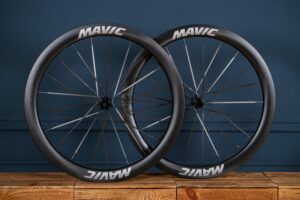


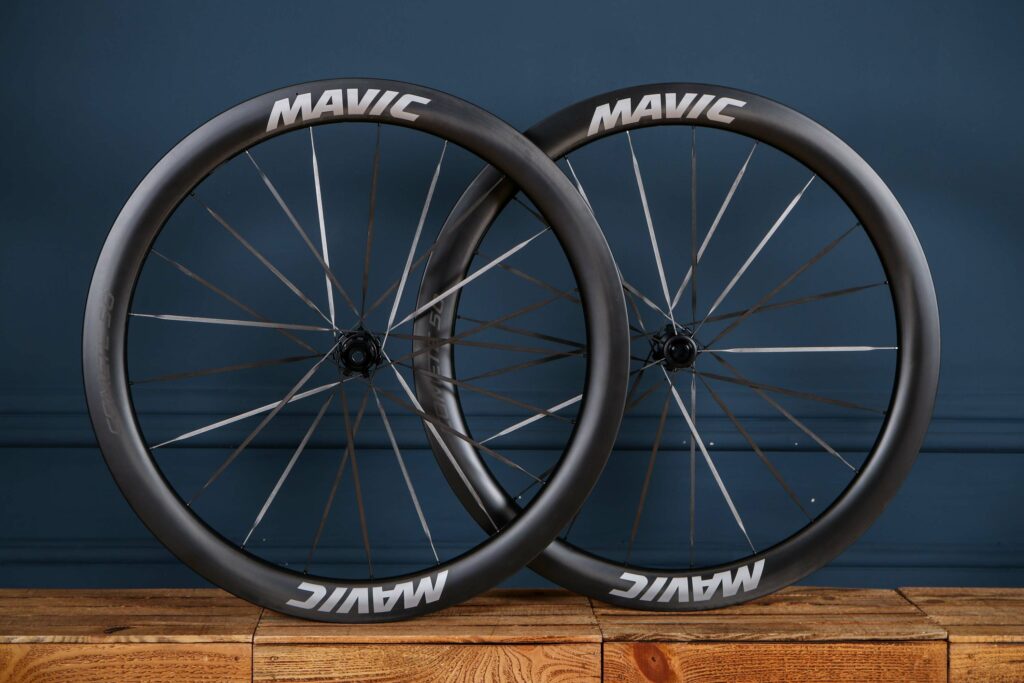

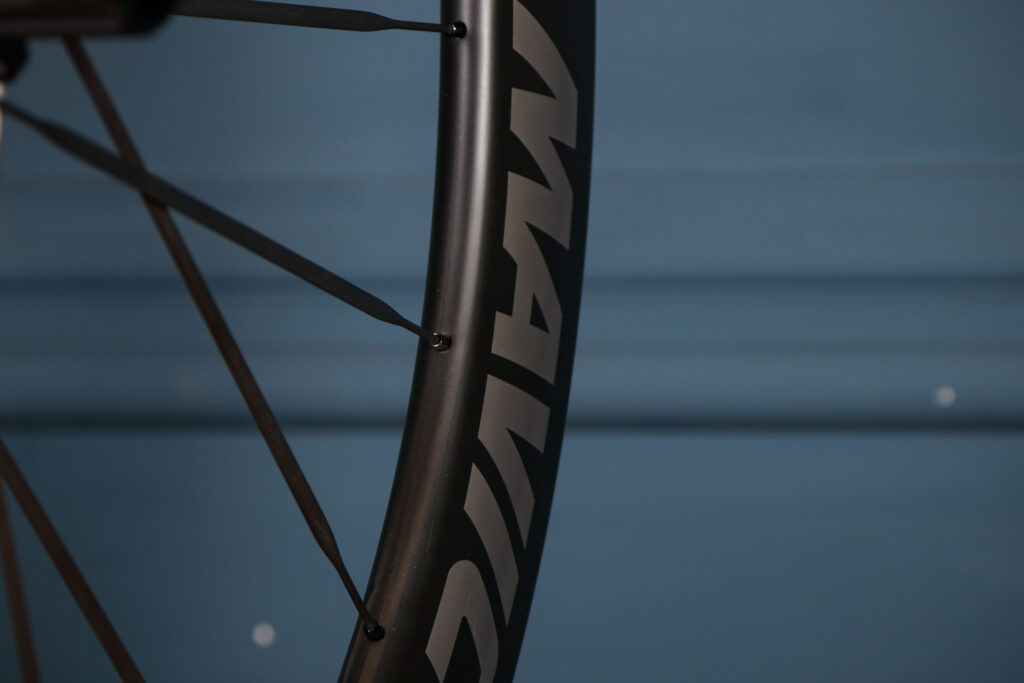
At a smidge over 1,300g the Mavic Comete 50 wheelset is very light, impressively stiff laterally, and – dare I say – looks rather swish too with its bladed carbon fibre spokes. These wheels don’t come cheap though.
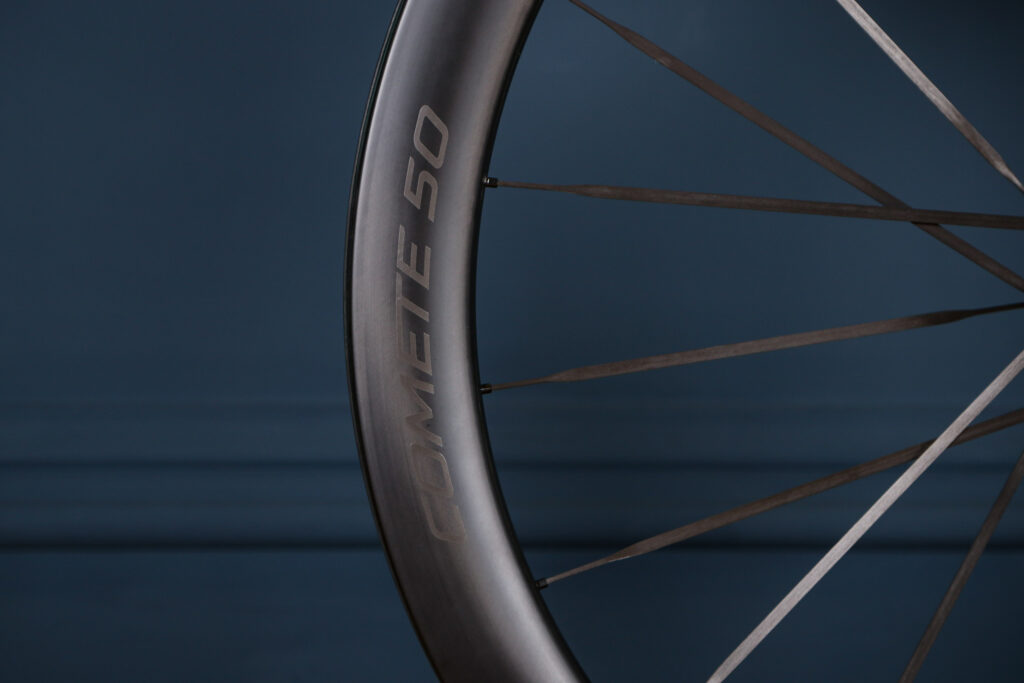
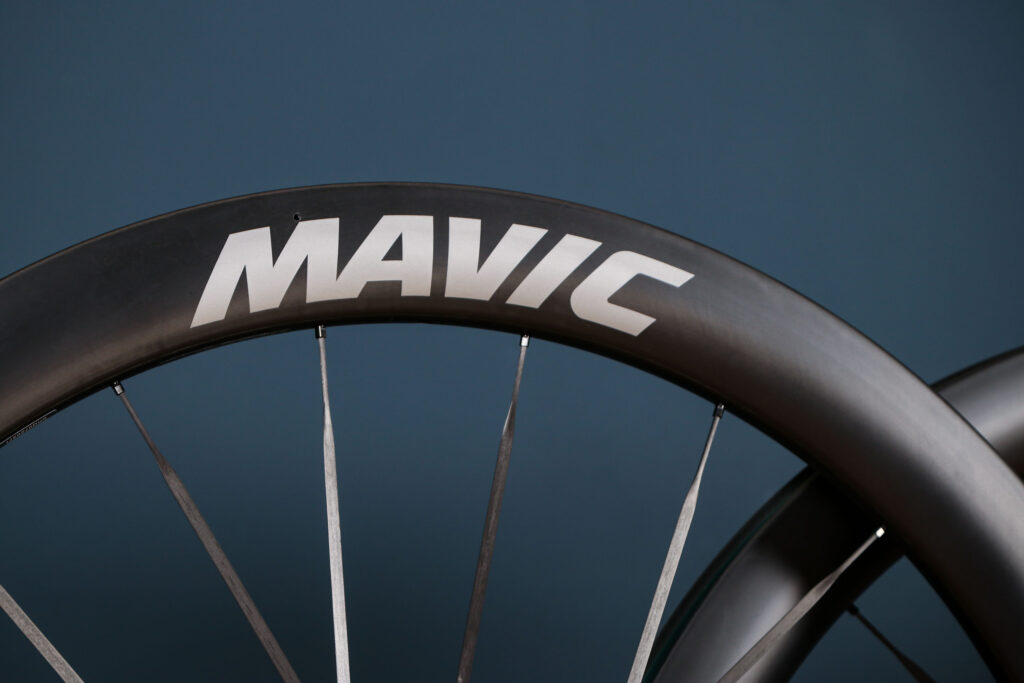
The name gives it away, but to confirm you’re getting a 50mm carbon fibre rim which is deep enough for some aero gains without being too negatively affected by strong winds and increased weight.
The wheels came up on our scales at just 1,308g which helps their versatility. The Comete 50s feel easy to keep rolling, especially as your speed increases and so does your drag, but if I was heading out onto a hilly route, I didn’t have to worry about facing any compromises on the climbs.
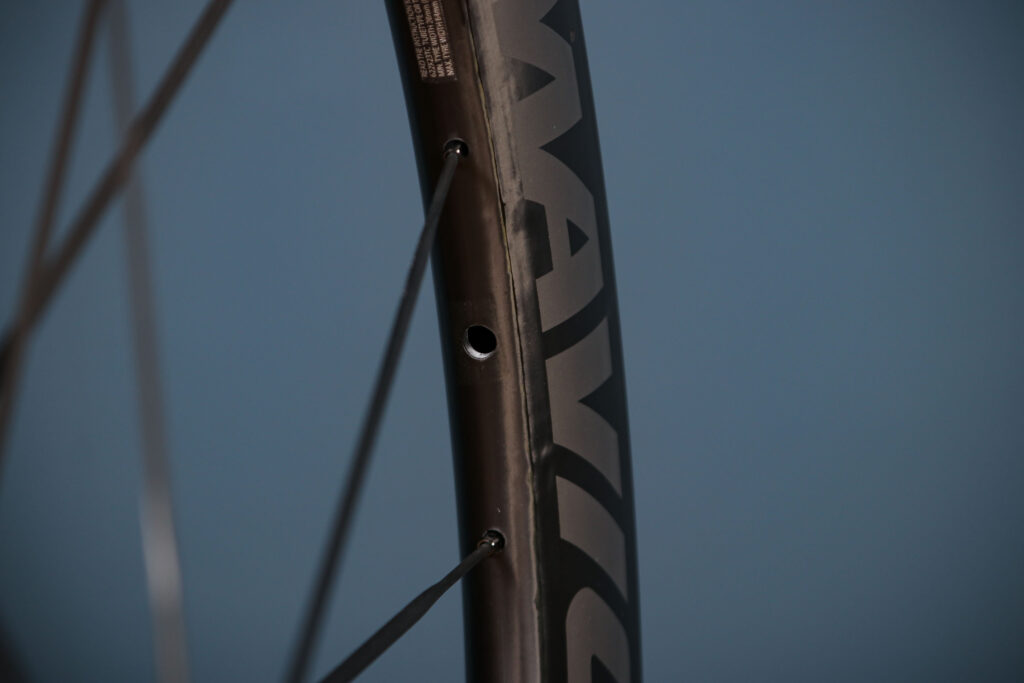
That’s not just down to the low weight either. These are some impressively stiff wheels, such that out of the saddle efforts didn’t highlight any issues with flex. This obviously benefits sprinting and hard accelerations too. I found the Mavics to be an incredibly efficient set of wheels on the whole.
Ride quality wise, it’s always a bit of a tricky one to gauge, but swapping the wheels around various bikes that I ride a lot gave me the impression that they offer a stiff, firm ride but without being harsh at all.
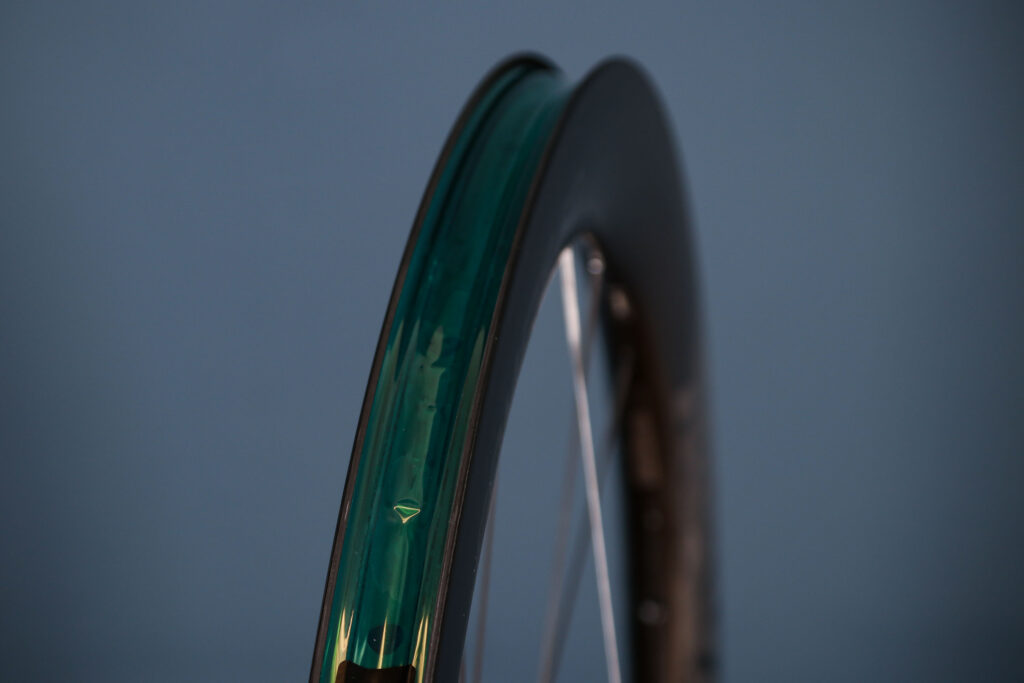
Rims
Mavic says that the rim is constructed from a mixture of Toray’s T700 and T1000 fibres with some 3K thrown into the mix too.
The internal rim width is 23mm (30mm external) which meant that the various tyres I fitted measured roughly a millimetre oversize. Some 29mm wide Vittoria Corsa Pros measured 29.97mm for instance, while Continental’s 28mm GP5000 came in at 28.85mm.
The rims use a hooked bead and I found fitting those tyres above relatively easy. It was a good, snug fit popping them onto the rim, but something I could do using just my thumbs.
Removing them required a tyre lever to unhook the bead off of the rim, but with little pressure, so I had no worries about damaging the rim at all.
Both tyres were set up tubeless and popped onto the rim with just the use of a track pump.
Spokes and hubs
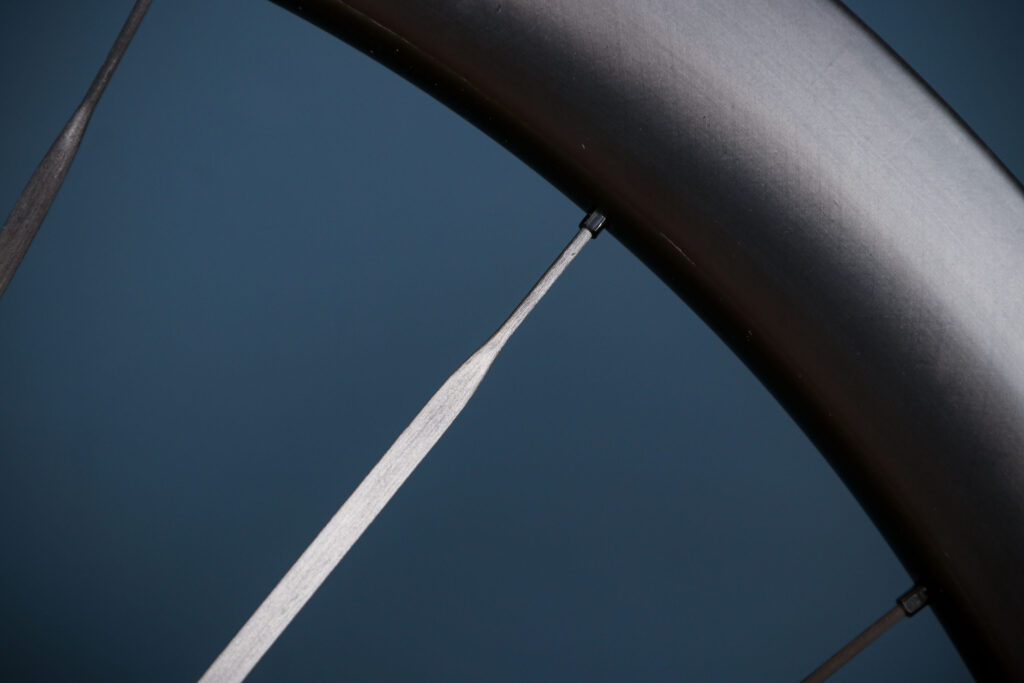
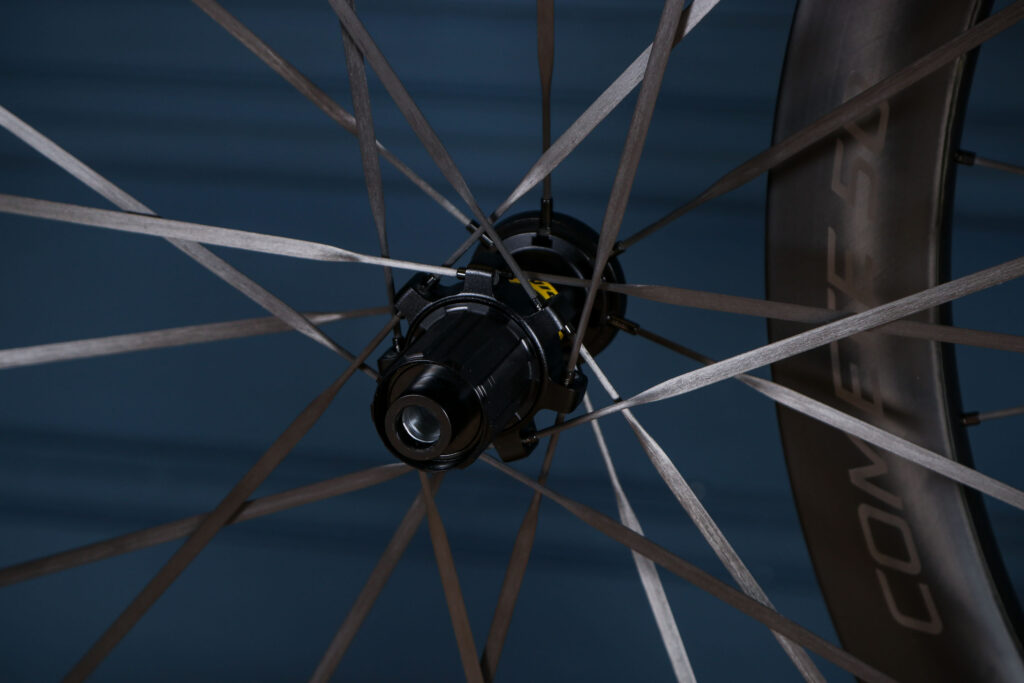
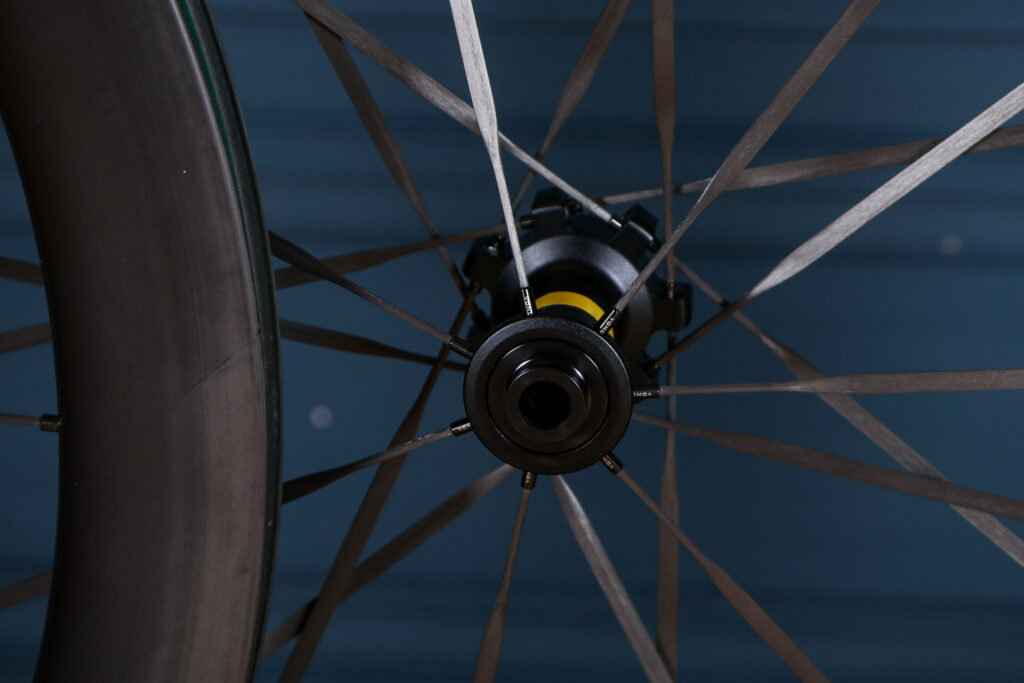
As for the rest of the build, the Cometes have 21 Mavic Aero Carbon spokes per wheel, laced with 14 on one side in a 2x crossed pattern and the seven on the opposing side laced radially.
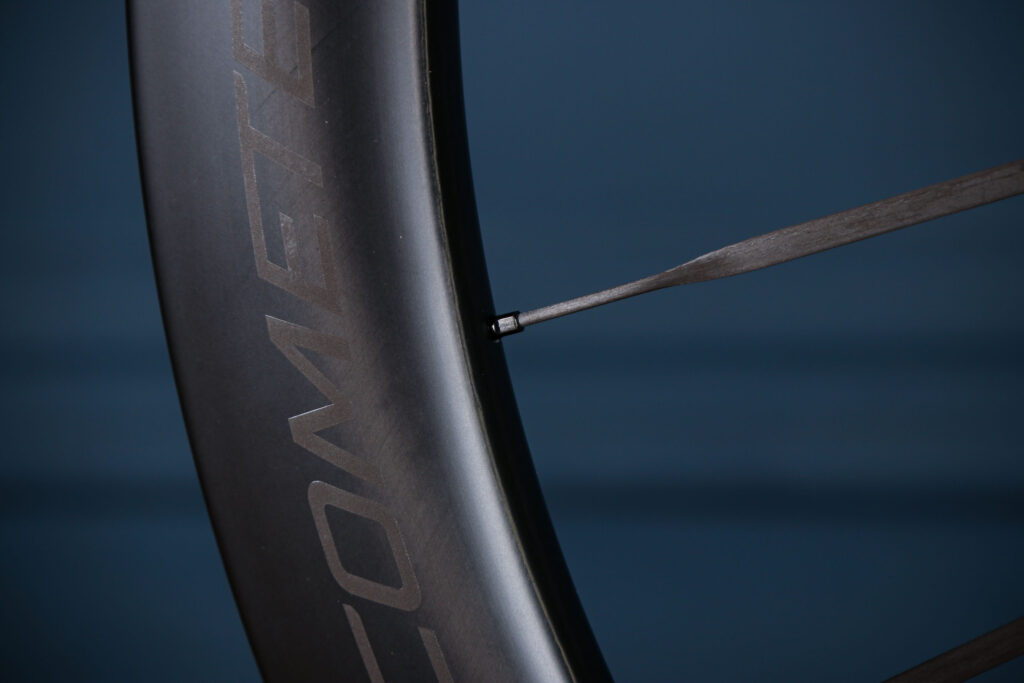
The spokes are made from unidirectional carbon fibre and are attached to the rim by aluminium nipples.
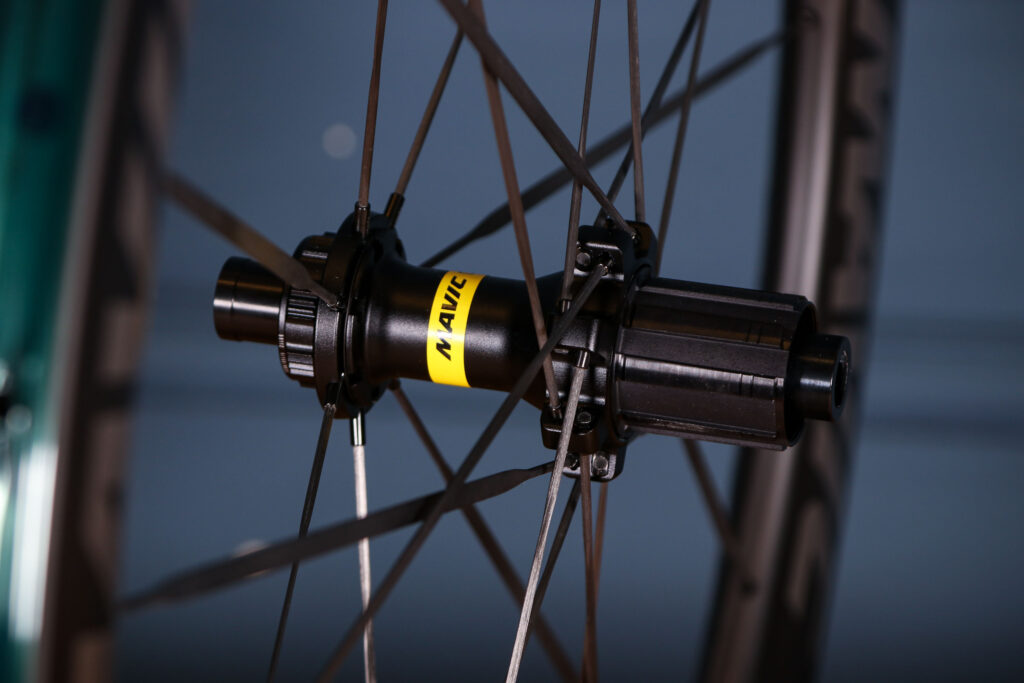
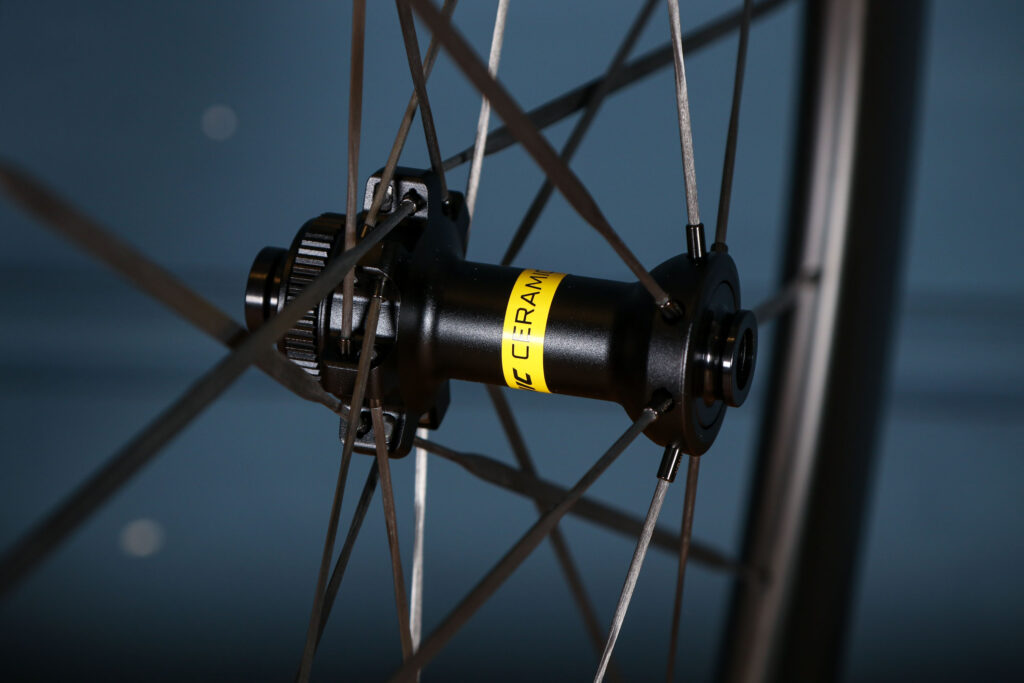
The hubs have an aluminium body and use an Instant Drive 360 ratchet design with 40-teeth and a double pawl design. It certainly feels incredibly quick when it comes to engagement and rocking the bike backwards and forwards while trackstanding at the lights highlights how small the engagement angles are.
In terms of compatibility, Shimano’s HG cassettes are covered, as are SRAM’s XDR range, but Campagnolo owners are going to feel left out.
Finishing things off are some ceramic bearings which certainly add to the smooth running of the wheels. The ‘spinning the wheel in the air’ test showed no signs of resistance or roughness anywhere in either of the hubs.
Longevity
In terms of durability, I only get the chance to ride wheels for around a month to six weeks, so it’s hard to give a firm opinion. What I have found over the years though is that if wheels are liable to lose tension or go out of shape, it will happen early on.
I’ve had no such issues with the Mavics at all. They’ve remained true even after plenty of country lane action with broken tarmac all over the place.
The hubs are still running smoothly too. If you like a bit of freehub buzz without it being over the top, you’ll like the Cometes, as that is exactly what they offer. A bit of noise, without being irritating.
Value
Initially, I thought the Mavics looked a bit pricey, but casting over some of the most recent wheels we’ve had in for review, they don’t stack up too badly.
The Comete 50s have a UK RRP of £2,299, which compares well with Fulcrum’s Sharq 42 Carbon wheels at £2,499.99.
Those are a bit heavier at 1,472g and have stainless steel spokes rather than carbon, but they do come with ceramic bearings. I’d argue that the Fulcrums are a bit more versatile too with a slightly wider inner rim width and a design that allows them to be used for light gravel as well.
Oquo’s RA57LTD wheels left Jez a little underwhelmed. He described them as, “Fast, effective yet slightly unremarkable.”
They are 57mm deep and weigh 100g more than the Mavics, plus again you don’t get carbon spokes, or in this case ceramic bearings. That does make their £2,110 price tag look a little over the top.
Sam was massively impressed with Specialized’s Roval Rapide CLX III wheels which weigh 1,332g.
They have externally wide rims of around 35mm, and while the 21mm internal width sounds narrow, that is more down to the shape of the rim well and the hook, which is different to most others on the market. You are getting carbon spokes and ceramic bearings, but the price is higher than the Mavics at £2,998.
Scribe undercuts them all though with its Elan Ultra 6 wheels, which Liam scored 4.5/5.
These deep section wheels have aero carbon spokes and are 65mm deep, although there are 50mm deep options available to match the Mavics for versatility. The Ultra 6s weigh a mere 1,284g though, which makes their £1,999 price tag look very impressive indeed.
Conclusion
Overall, I was very impressed indeed with the Comete 50s. I really enjoyed riding them in terms of how they felt and especially how they performed. They seem a very complete package and really efficient. Everything just worked well too.
For instance, the fitted rim tape is of a good quality, as were the valves, while the fact that tyres were easy to fit and remove is another big bonus. I also like the way they look with their understated graphics.
Thankfully though, I’m not a Campagnolo user, otherwise I’d have to remove them from my wishlist.
Test Report
What does the manufacturer say about this product?:
The Mavic COMETE 50 carbon road wheels are designed for cyclists looking for a single set capable of going fast on the flat, remaining responsive on climbs and maintaining precise tracking at high speeds. Their 50 mm profile and 23 mm internal width, combined with 28 mm tyres, optimise aerodynamics, efficiency and control.
Tell us some more about the technical aspects of this product:
Rim: 50mm deep, T700, T1000 & 3K carbon construction
Internal width: 23mm
External width: 30mm
Weight: 1,308g – 570g F, 738g R – road.cc weights
Freehub Type: 40T Ratchet
Freehub Fitment: XDR/HG
Bearings: Ceramic
Tyre Type: Tubed/Tubeless
Rim Style: Hooked
Minimum Tyre Size: 28mm
Max System Weight: 120kg
How does the price compare to that of similar products in the market, including ones recently tested?:
The Mavics are well priced against some similar wheel types that we have reviewed regularly, coming in around the mid-way point.
Any issues with durability?:
No issues at all.
Did the wheels stay true? Any issues with spoke tension?:
Yes, they stayed true throughout the review period.
How were the wheels in windy conditions?:
The rim depth and profile caused no issues with crosswinds and they felt very stable.
How easy did you find it to fit tyres? If you used them tubeless, how easy were they to seal?:
Fitting tyres wasn’t an issue. A close fit was found, but only required thumb pressure to fit them onto the rim.
How did any wheel extras (if supplied) perform?:
Good quality tape and valves.
Did you enjoy using the product? Yes.
Would you consider buying the product? Yes.
Would you recommend the product to a friend? Yes.
Use this box to explain your overall score
A very good all round package. They offer great performance, ride quality and durability, and I would be very happy with them if I’d bought them even at full retail price.
About the tester
Age: Height: cmWeight: kg
I usually ride: My best bike is:
I’ve been riding for: I ride: I would class myself as:
I regularly do the following types of riding: