Every so often, an e-bike comes along that refuses to fit neatly into a single category. The Diamant Suvea Trip Pro 800 isn’t really a commuter, although it’s perfectly suitable for that purpose. It isn’t a mountain bike either, despite having some serious off-road hardware. And while it has all the practicality you’d expect from a premium trekking bike, even this wouldn’t really fulfil its potential.
After spending several weeks with the top-of-the-range Suvea Trip Pro, I’ve come to think of it as something of a Swiss Army knife of e-bikes. I used it daily for running local errands, but I also put its off-road credentials to the test, including some serious gravel bashing on Dartmoor.
With a Bosch CX motor, 800Wh battery, Shimano CUES Di2 electronic shifting, a Fox 36 suspension fork, dropper seatpost and chunky Schwalbe tyres, the specification certainly suggests a bike that’s ready for adventure. But does putting mountain bike components on what is essentially a trekking/hybrid e-bike actually work?
First ride
I collected the Suvea fully assembled, and my first thought was that it looked like it meant business. It’s rugged, purposeful and imposing.
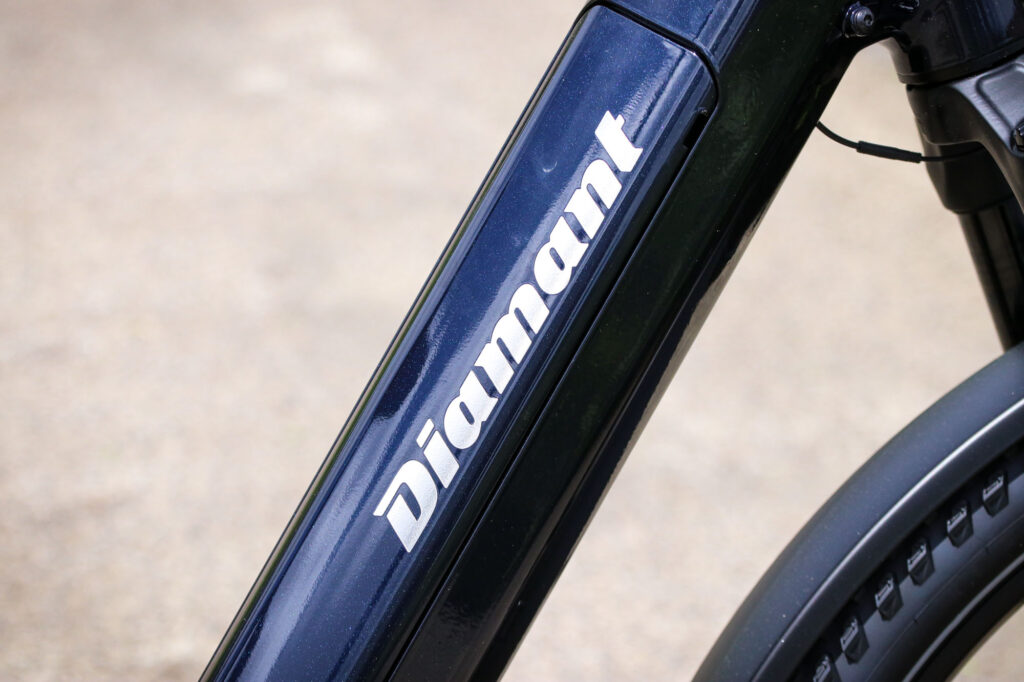
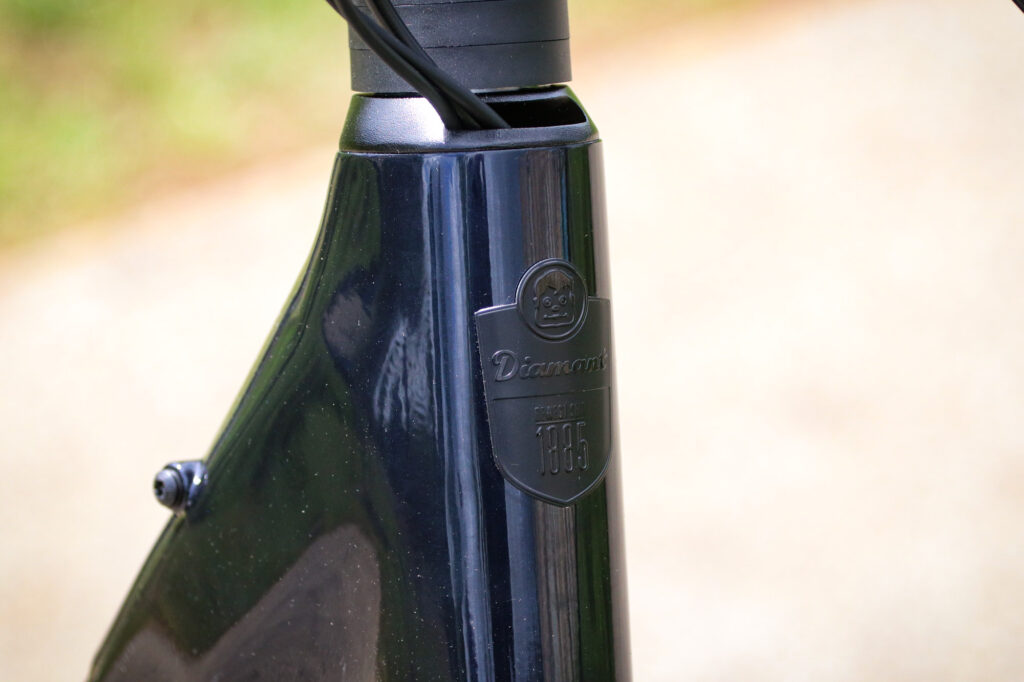
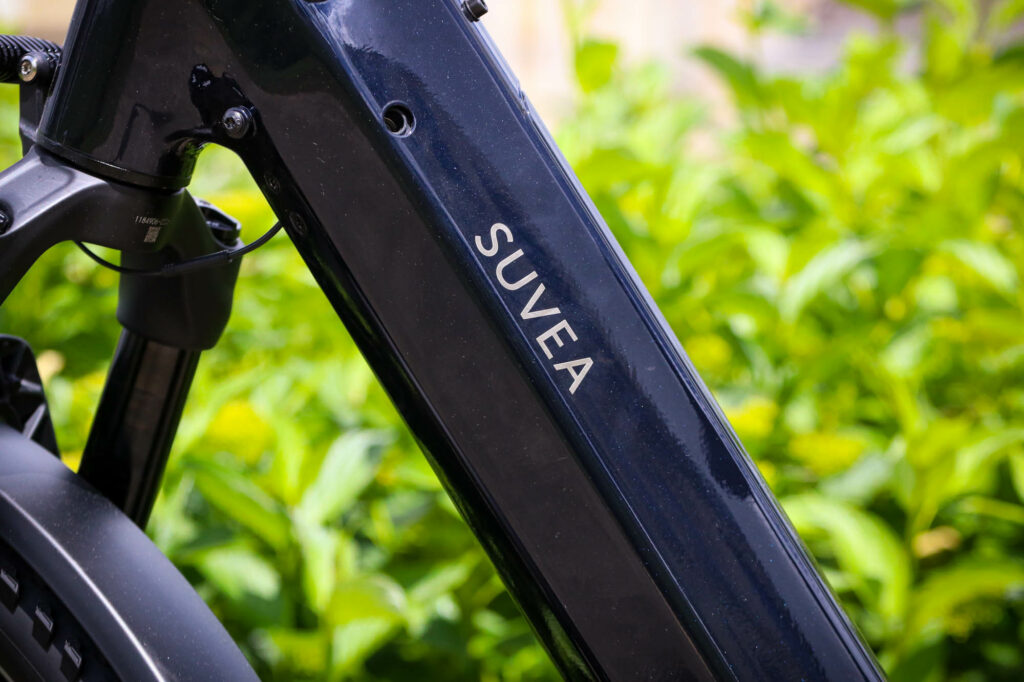
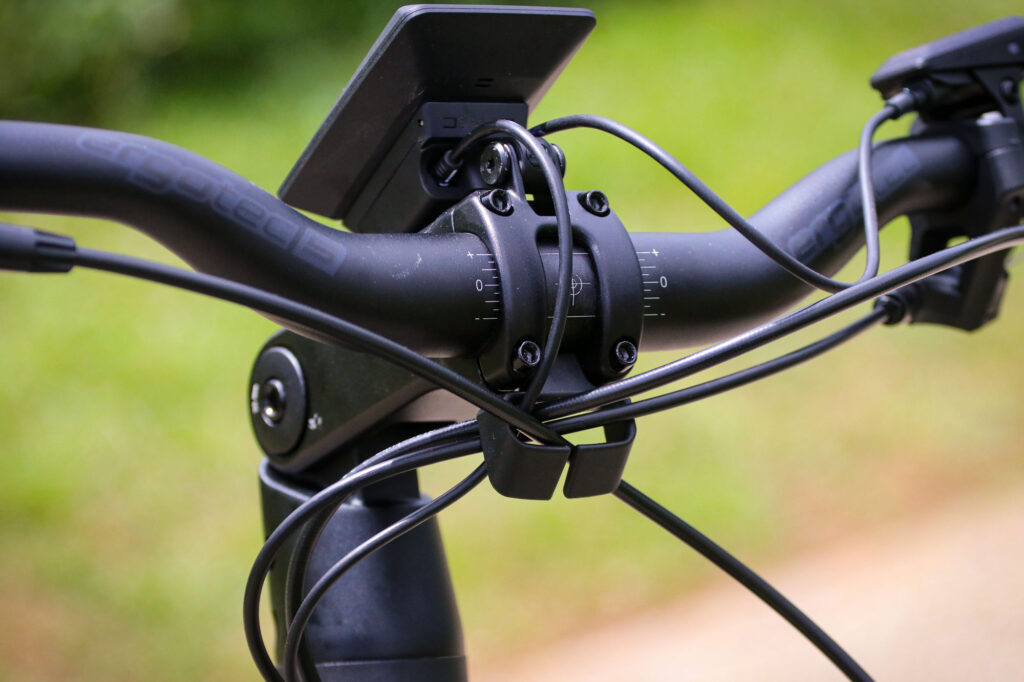
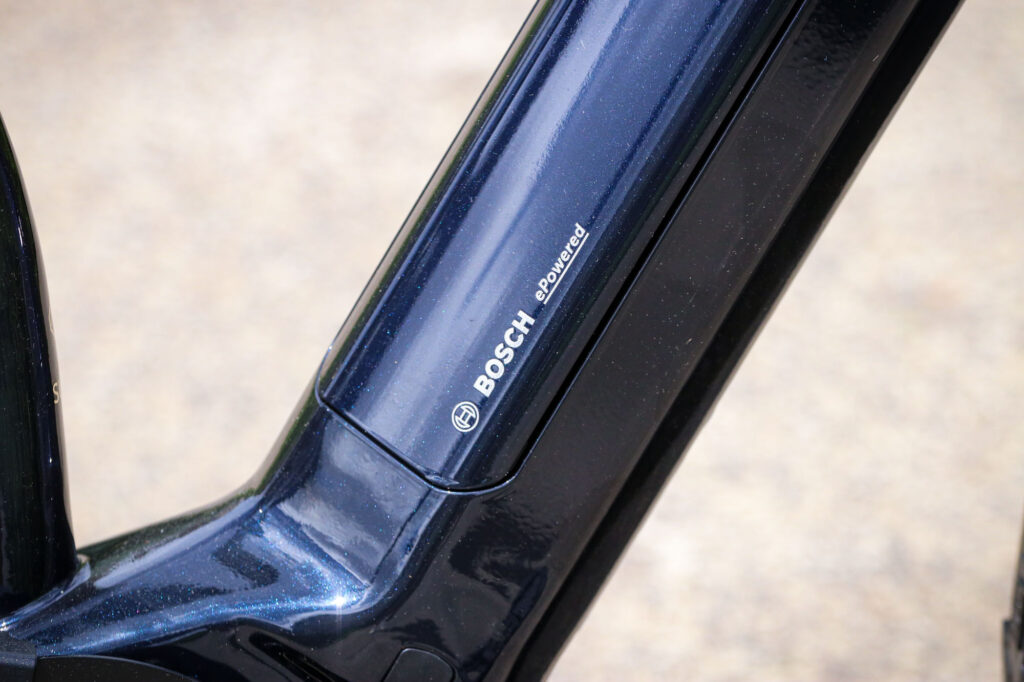
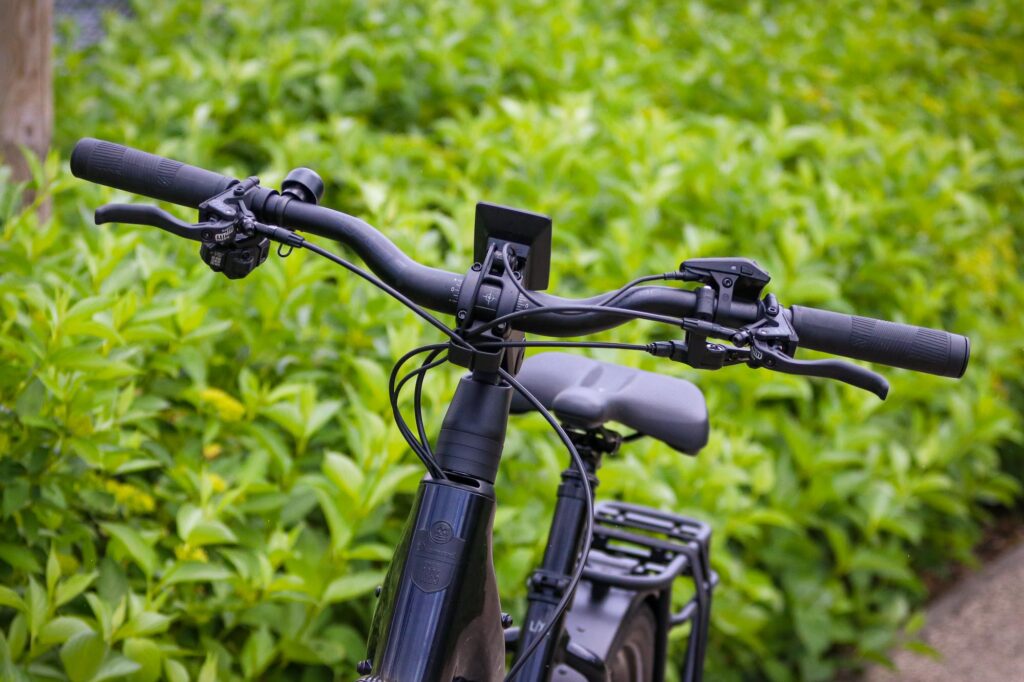
The test bike came in Midnight Blue, which looks particularly smart. The paint has a lovely deep lustre, and the overall finish is exactly what I’d expect from an e-bike at this end of the market. Cable routing is neat, with everything disappearing internally around the cockpit.

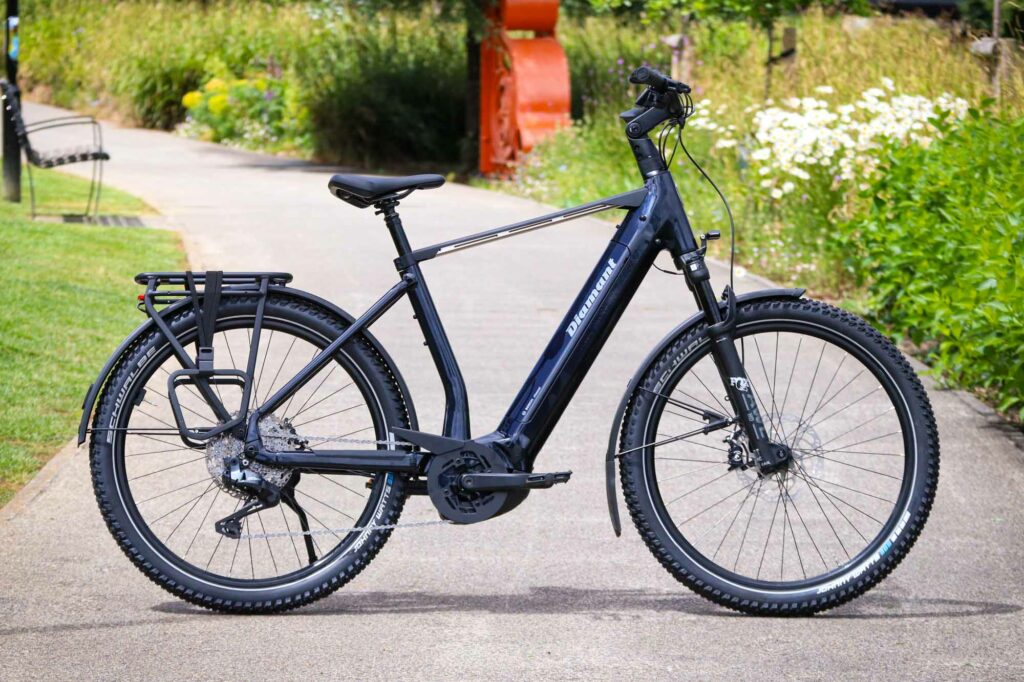
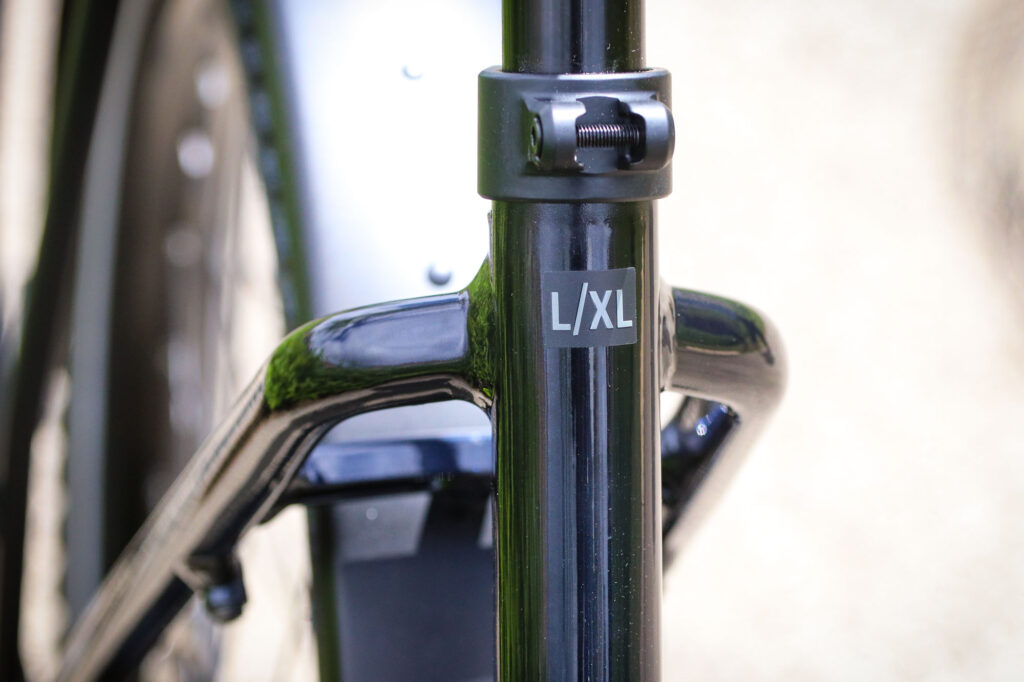
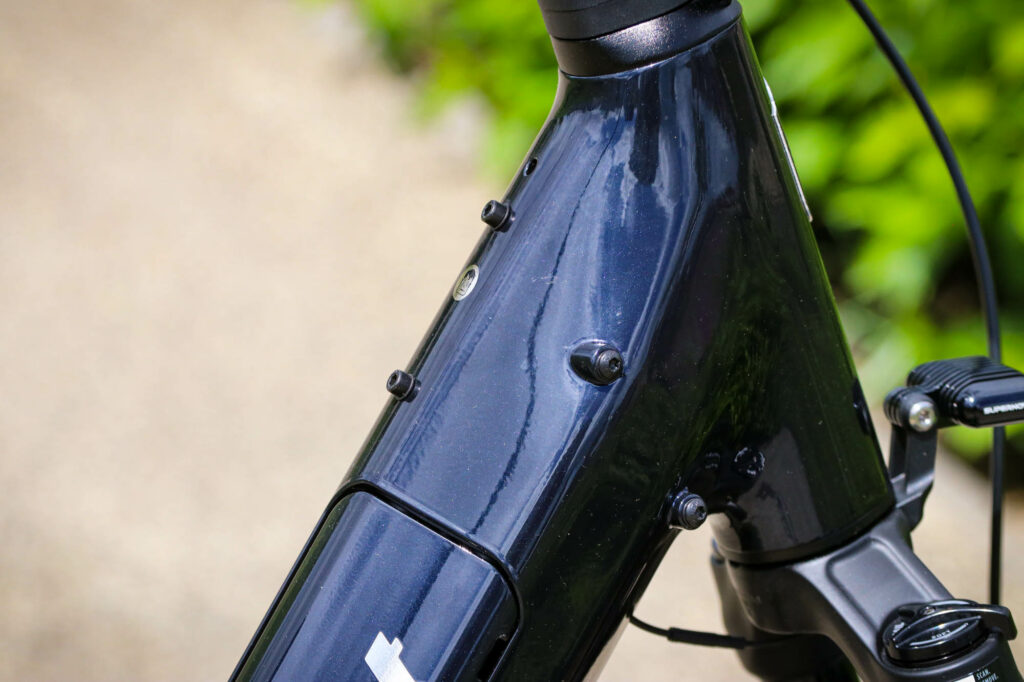
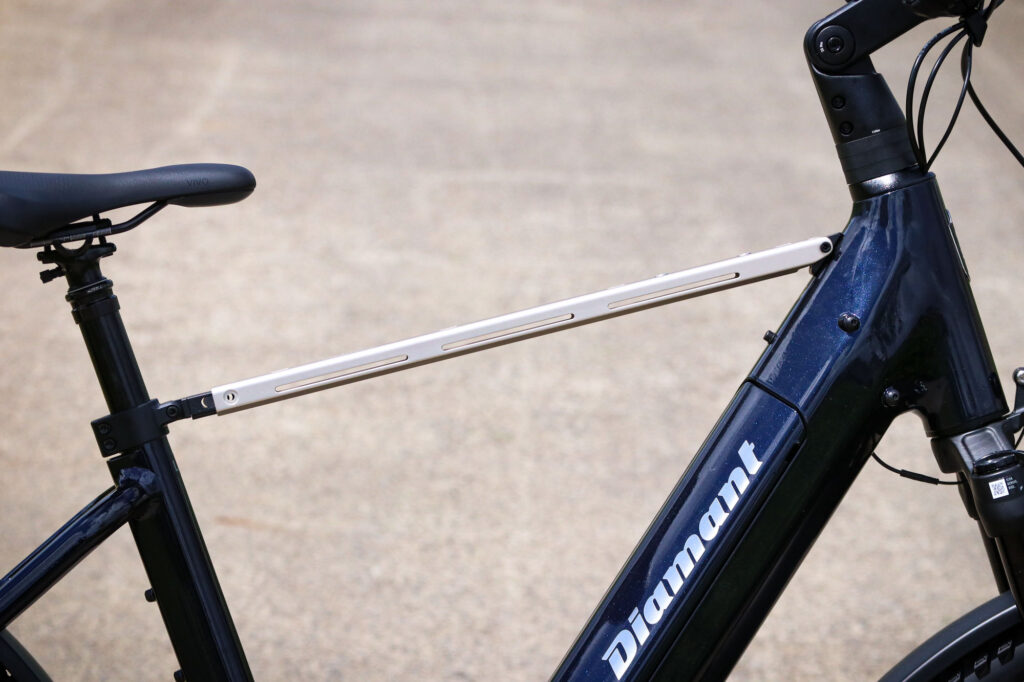
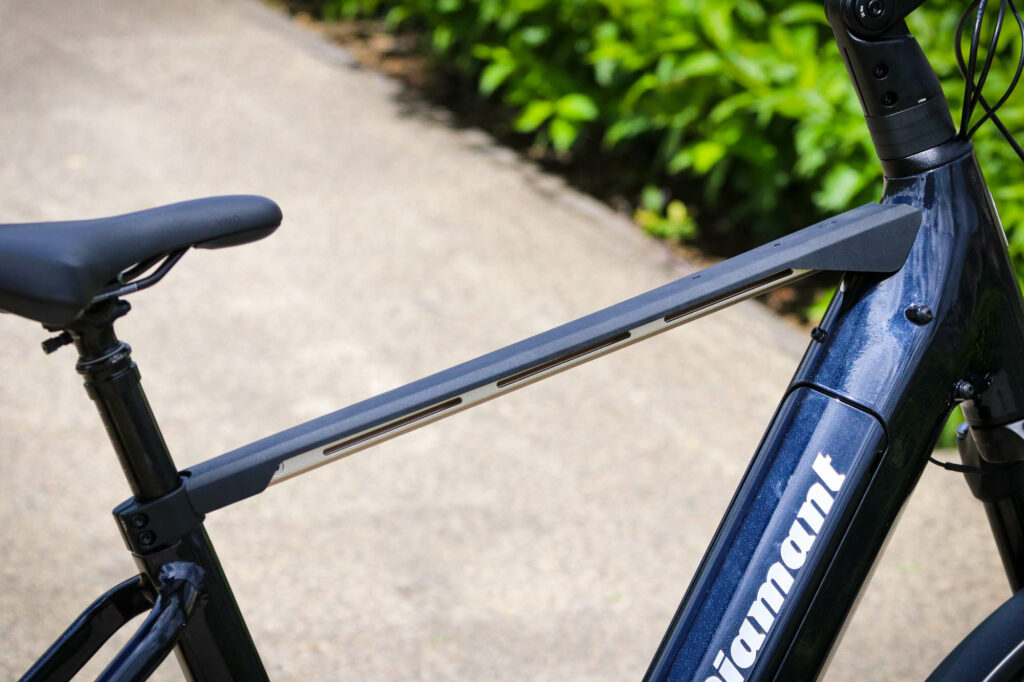
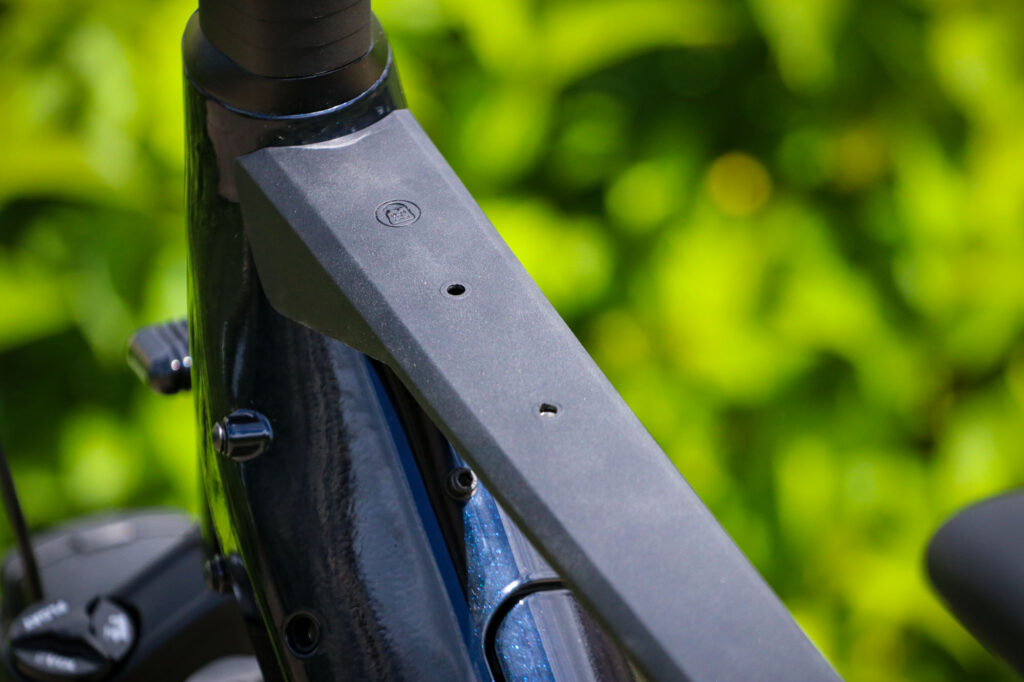
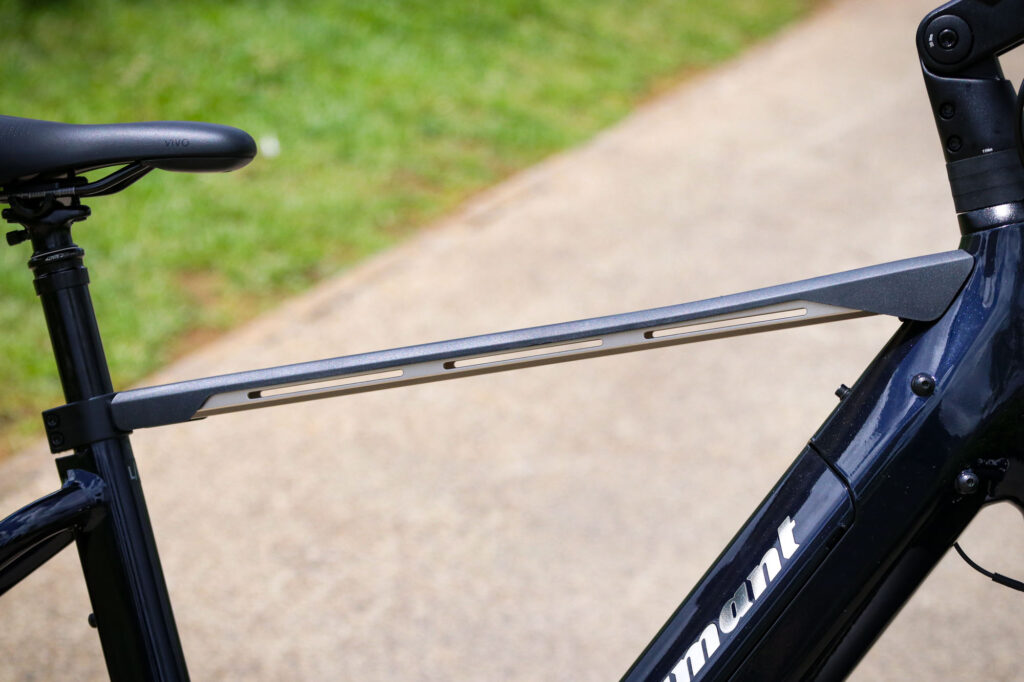
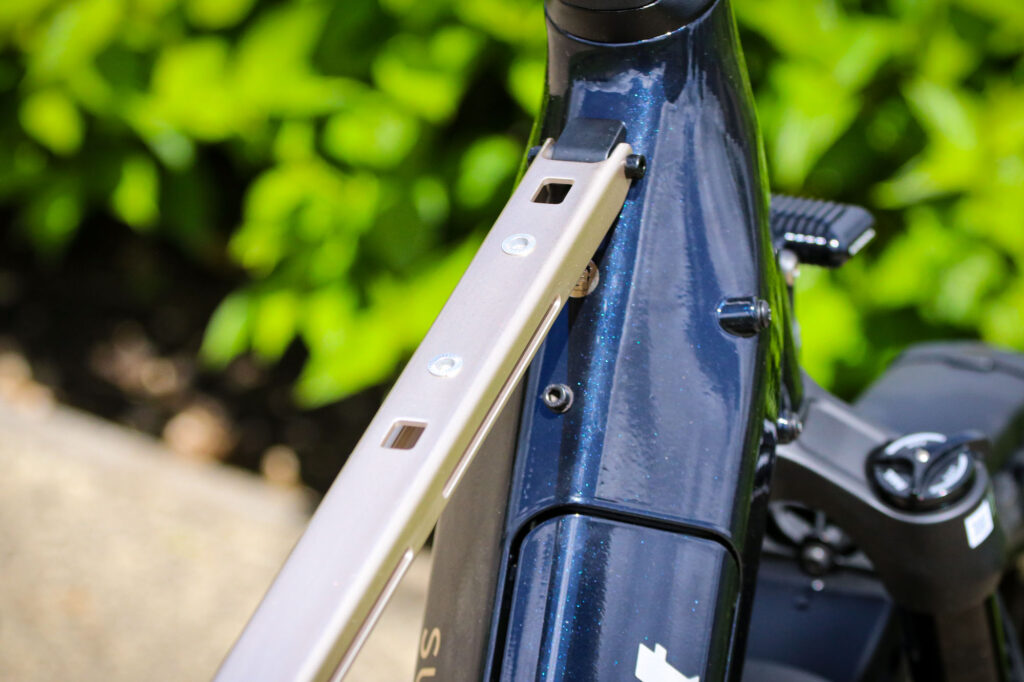
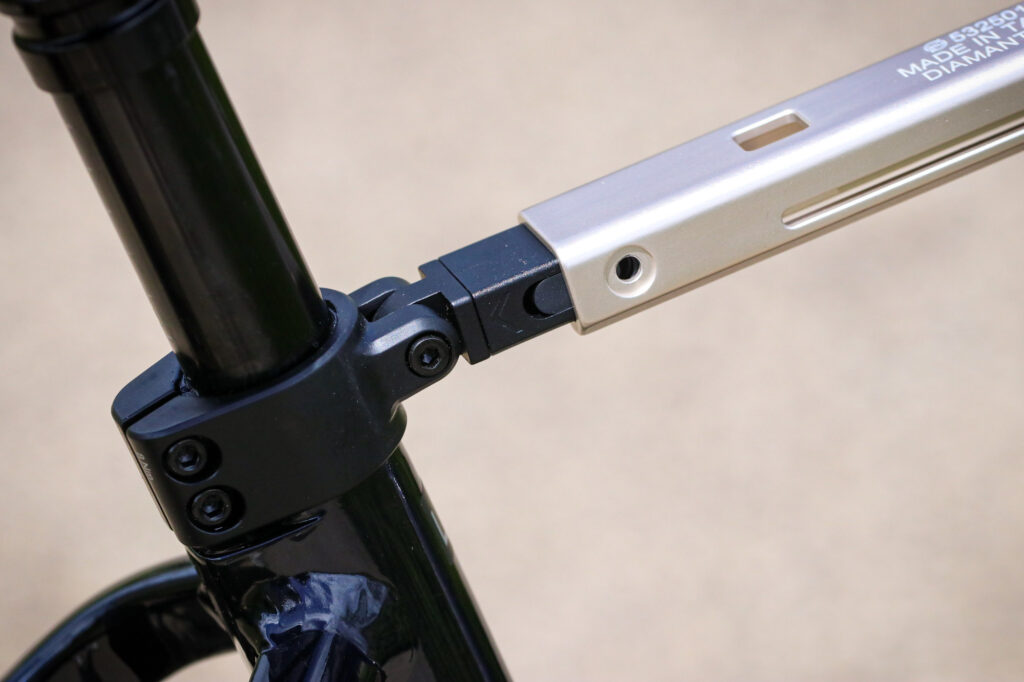
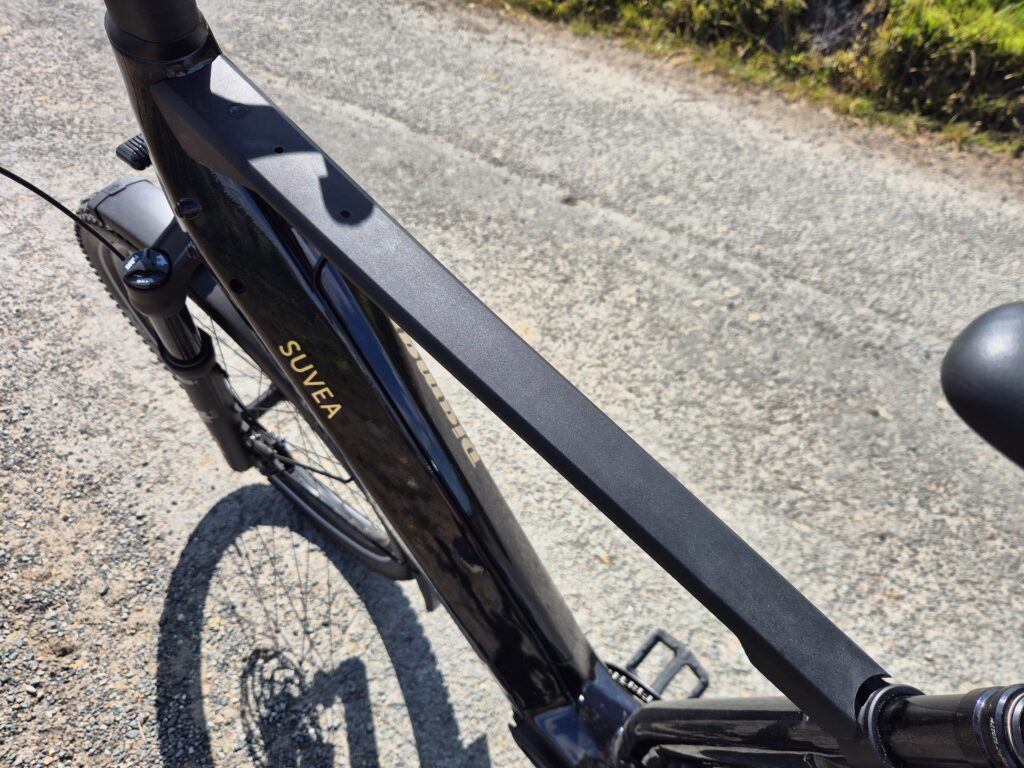
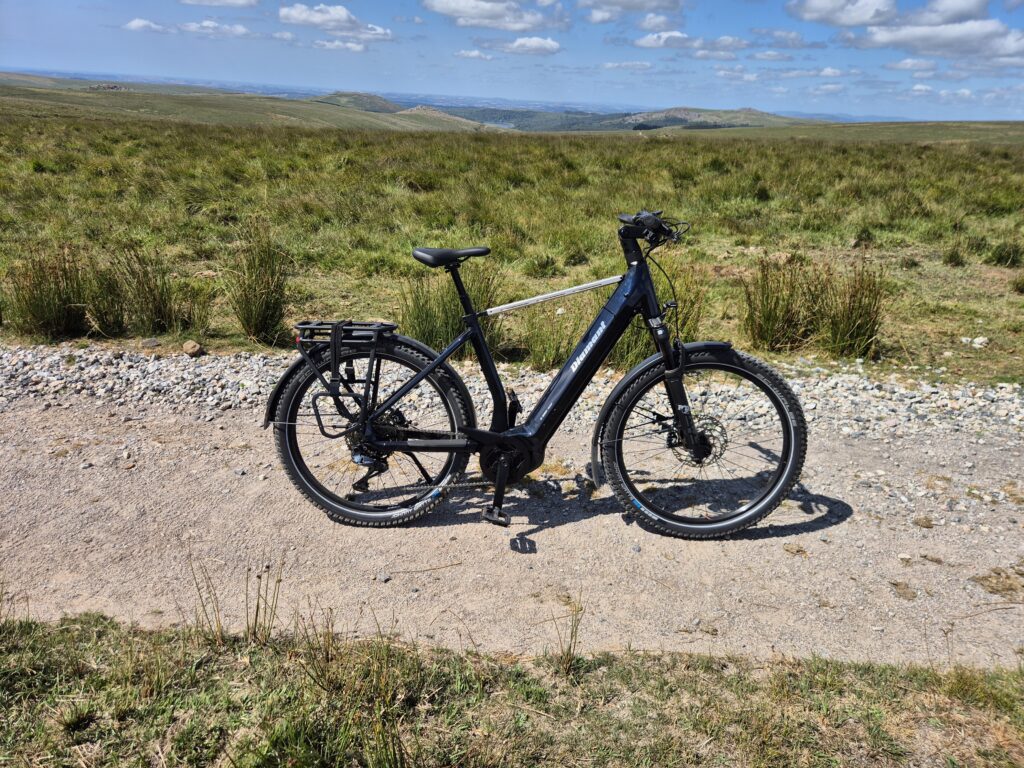
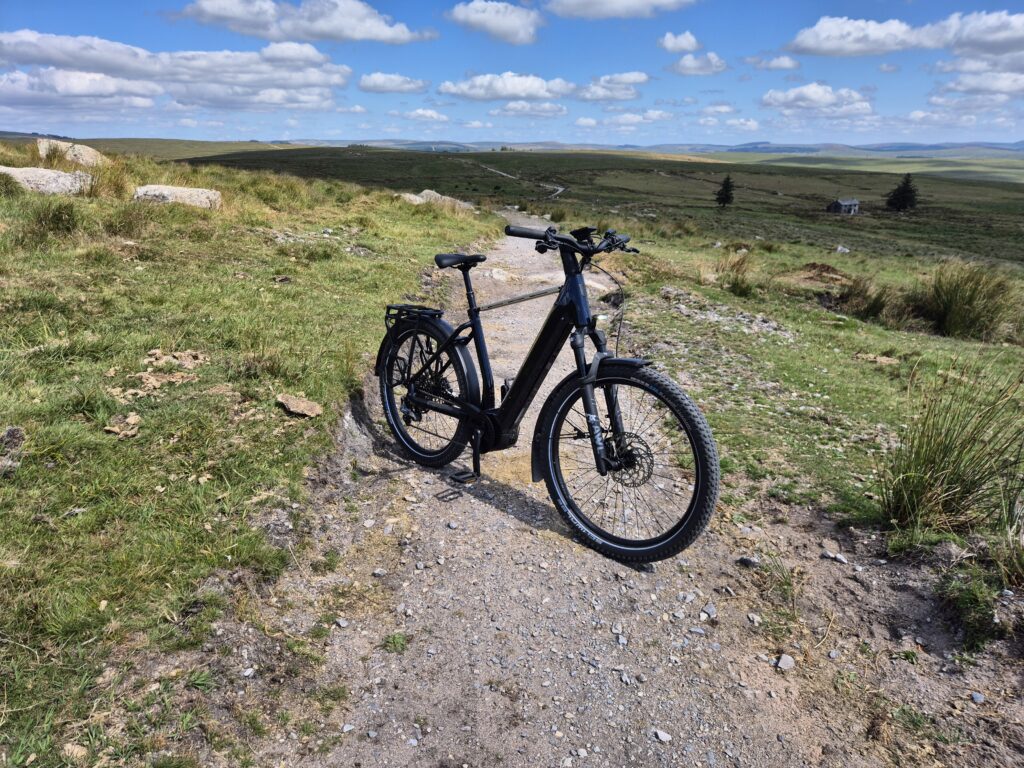
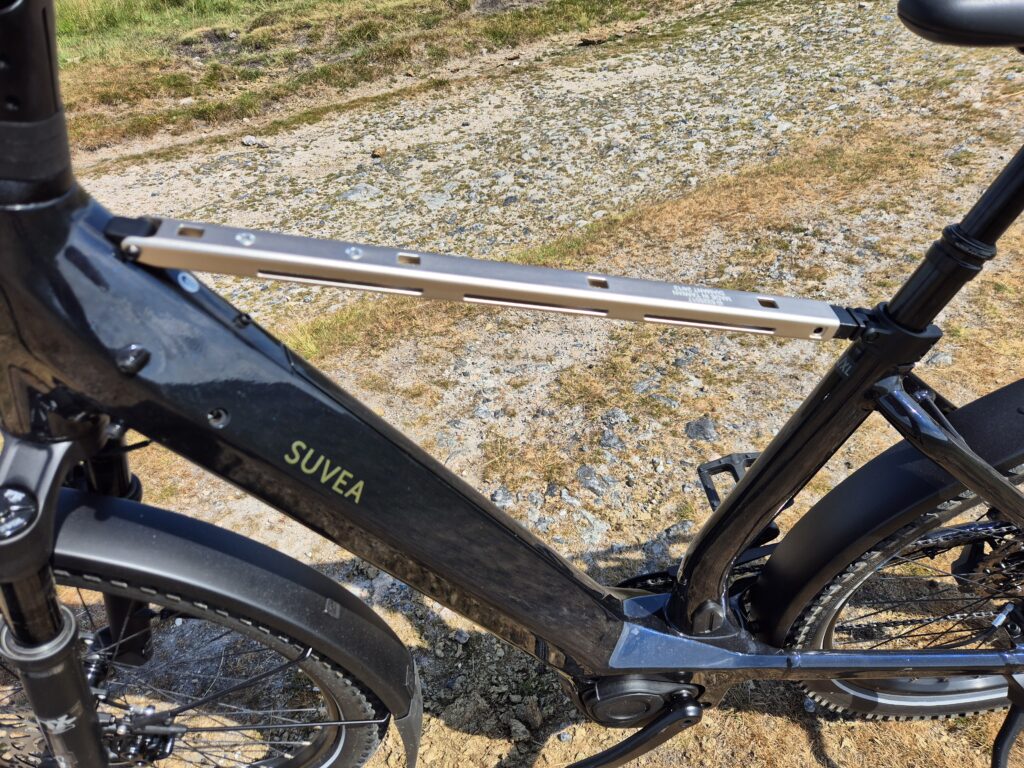
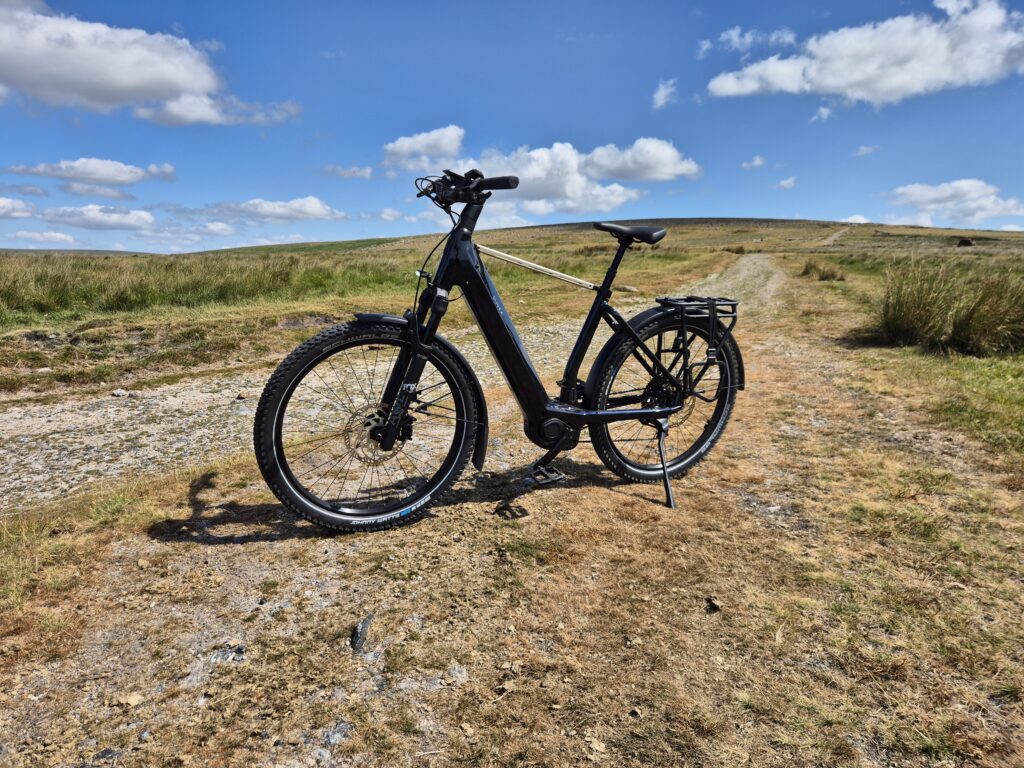
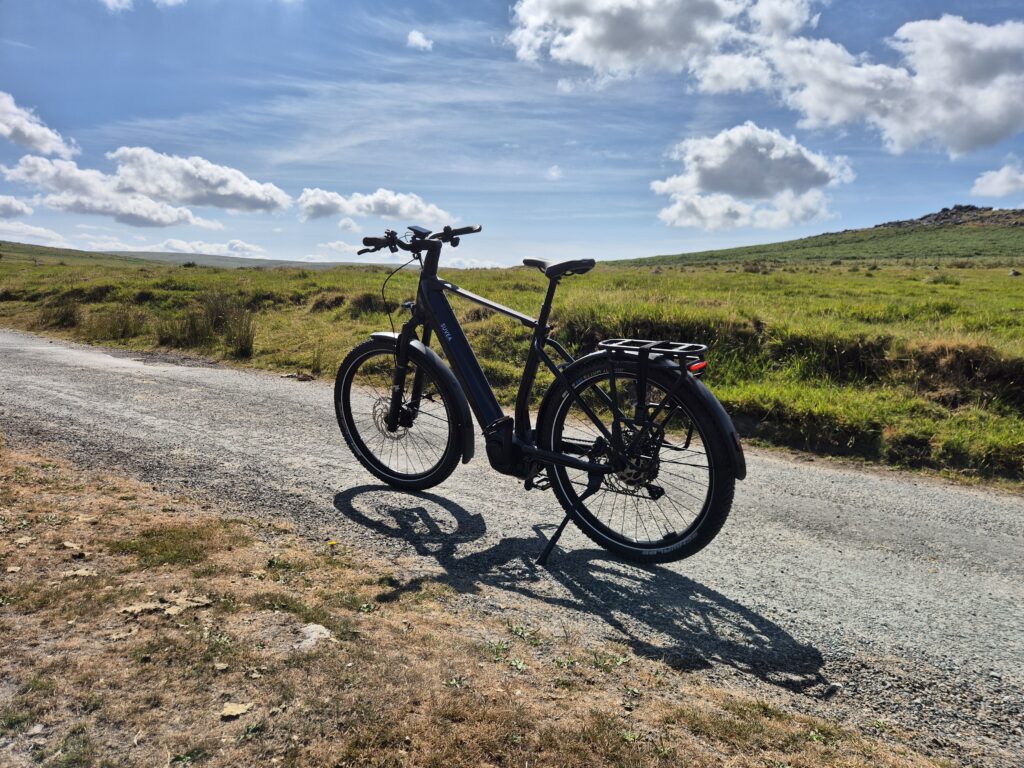
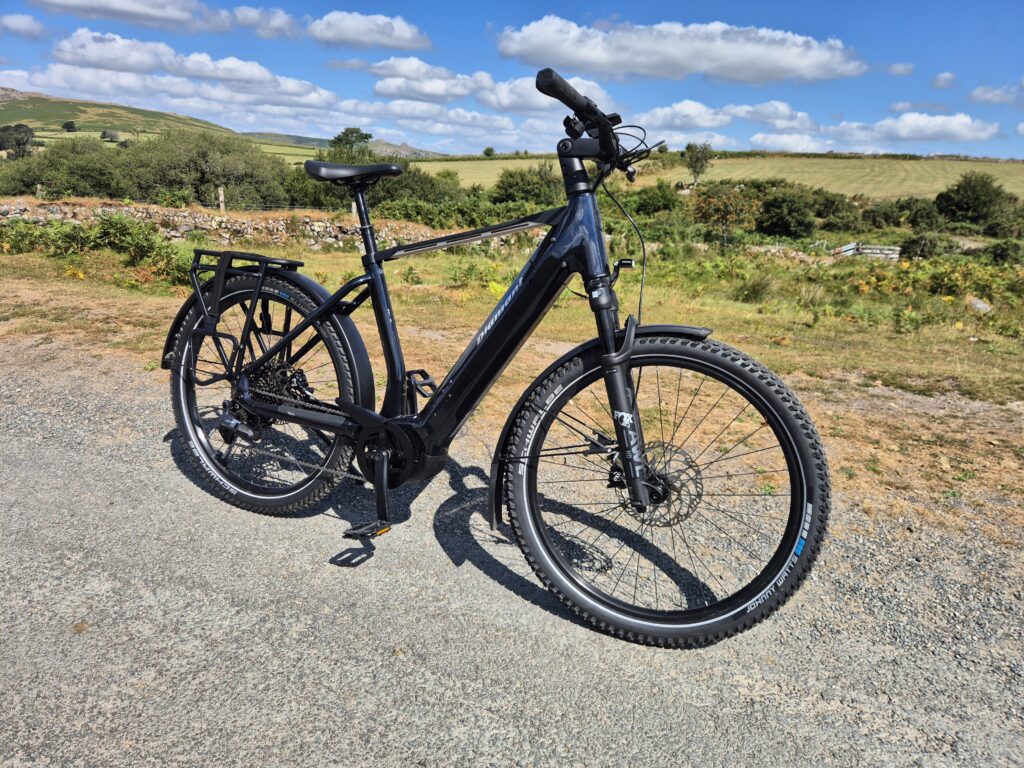
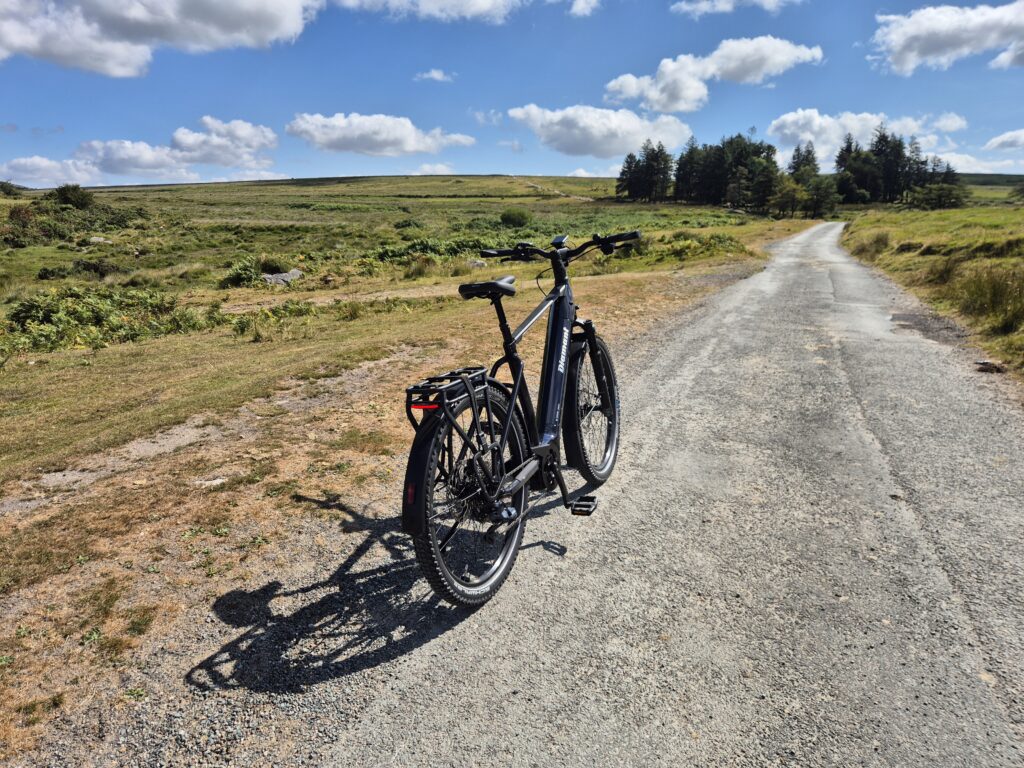
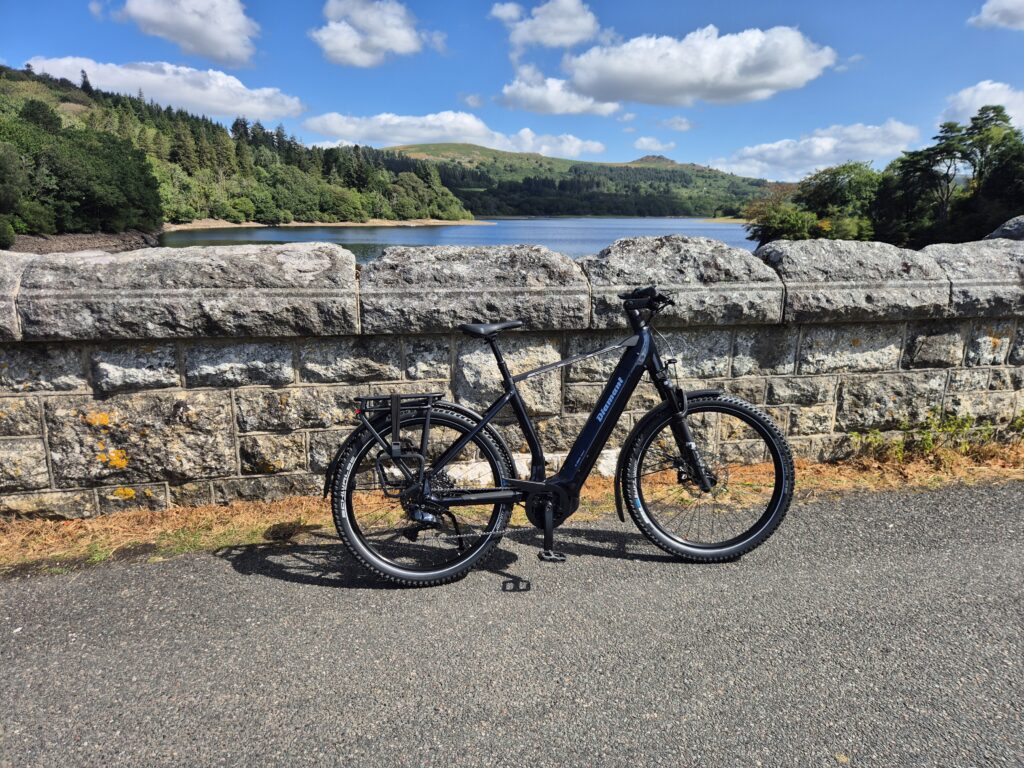
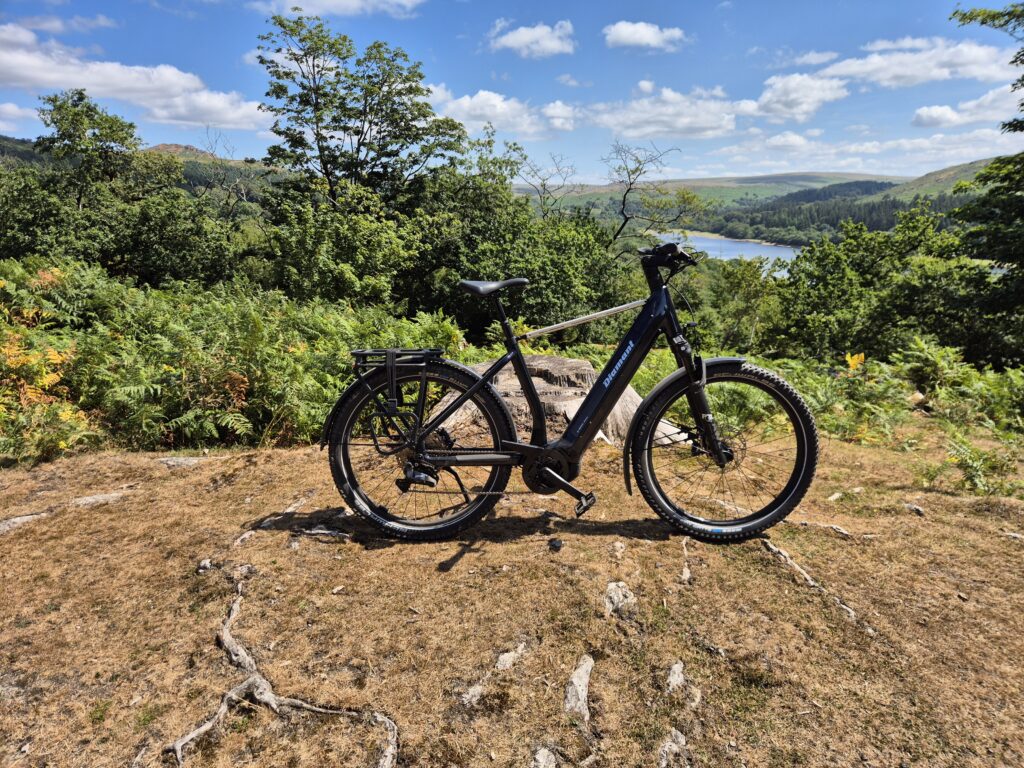
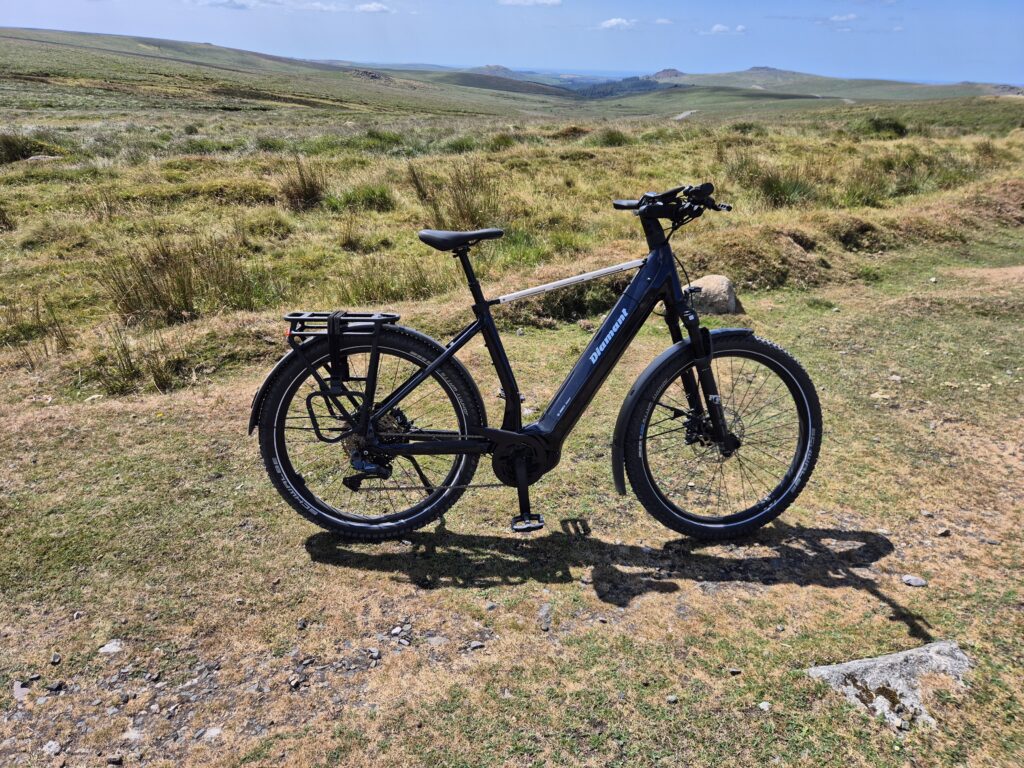
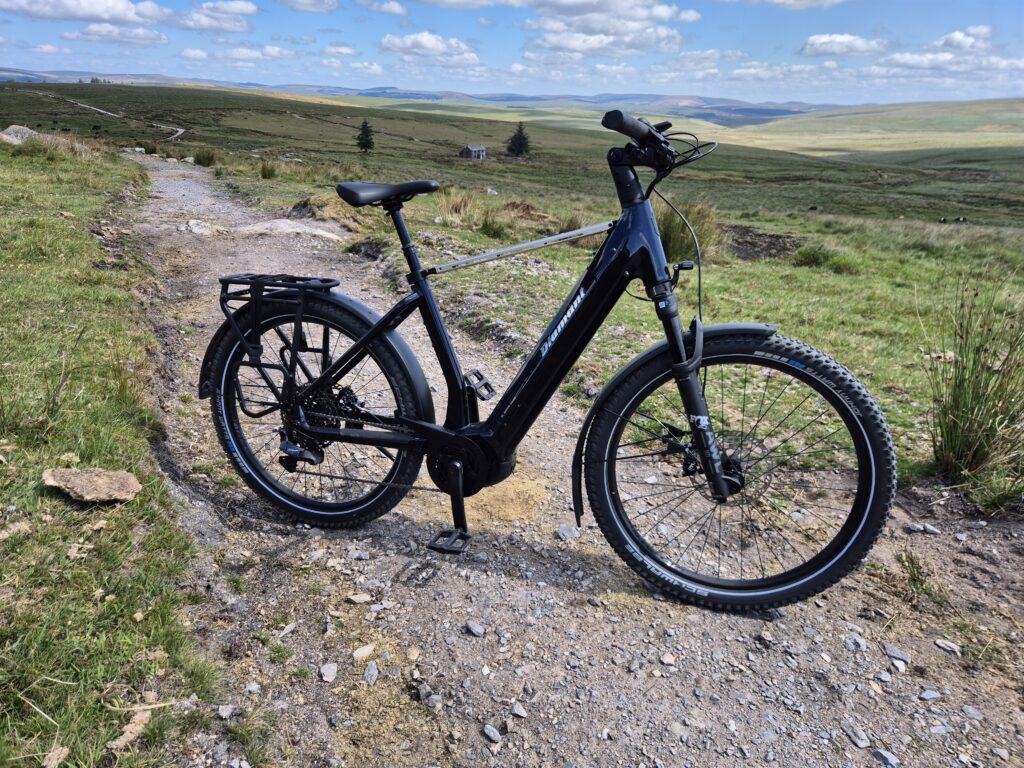
I’d been told beforehand that the Suvea was a step-through, yet at first glance the bike I collected appeared to have a conventional crossbar frame. It took me a moment to realise that what looked like the top tube wasn’t actually part of the frame at all.
Diamant calls it an Accessory Bar. It’s completely removable, and with it taken away, the Suvea looks like a conventional low-step bike. Refit it, and you get the appearance of a traditional frame, along with extra mounting points for luggage and adventure bags.
I’ve tested a lot of e-bikes over the years and can’t remember encountering anything quite like it. It’s a clever idea, particularly on a bike designed for touring and adventure riding, and it’s one of those features that makes you wonder why somebody didn’t think of it sooner.
Trying to pigeonhole the Suvea is difficult. The hybrid category has become incredibly broad in recent years, encompassing everything from lightweight, road-focused commuters to bikes that wouldn’t look out of place on a mountain trail.
The Diamant sits firmly towards the latter end of that spectrum. If I had to use a car analogy, it’s a bit like crossing a Nissan Qashqai with a classic Land Rover. On the surface it’s a practical, comfortable hybrid, but it’s been given the equipment and attitude to venture considerably further off the beaten track.
Despite all that off-road hardware, most of my riding on the Suvea has been far less glamorous. I’ve been using it for the usual weekly chores of shopping and popping out for the occasional last-minute takeaway. For that kind of riding, it feels almost indestructible. It’s solid, dependable and has the general demeanour of something that could take years of abuse without complaining.
Kerbs barely register, potholes are swallowed up by the big tyres and excellent suspension fork, and rough surfaces feel surprisingly smooth.
There’s a price to pay for all this versatility, and that’s weight. At close to 30kg, the Suvea is a substantial bike, and you definitely notice it at lower speeds. At walking pace it feels like a lumbering beast, lacking the snappy feeling of a lightweight hybrid. If you lived in a second-floor flat, I’d probably stop reading now, unless you’re looking to build considerable upper body strength.
Once you’re moving, though, most of that weight seems to disappear. The handling becomes assured, predictable and surprisingly responsive. It never feels particularly nervous and, despite its size, it’s actually quite enjoyable to throw around.
The weight becomes noticeable again once you ride above the motor assistance limit. Combined with the large tyres, maintaining a decent pace requires noticeably more effort than on a lighter, road-focused hybrid. If I were using the Suvea primarily on tarmac, I’d consider fitting faster-rolling tyres, but that would sacrifice some of the ability that makes this bike interesting in the first place.
And that’s really the point. Using the Suvea solely for a five-mile commute along smooth roads would feel like buying a Land Rover Defender for the school run. It’ll do it perfectly well, but you’re barely scratching the surface of what it’s capable of.
The riding position is unmistakably hybrid rather than mountain bike. It’s relatively upright, even with the adjustable stem positioned fully forward, and the geometry feels relaxed without becoming cumbersome once you’re up to speed.
After I took it for a jaunt across Dartmoor, I’d almost forgotten to assess whether anything hurt. My backside was fine, my legs were fine, and the only thing I noticed was a slight touch of pins and needles in my hands following one particularly long and bumpy descent.
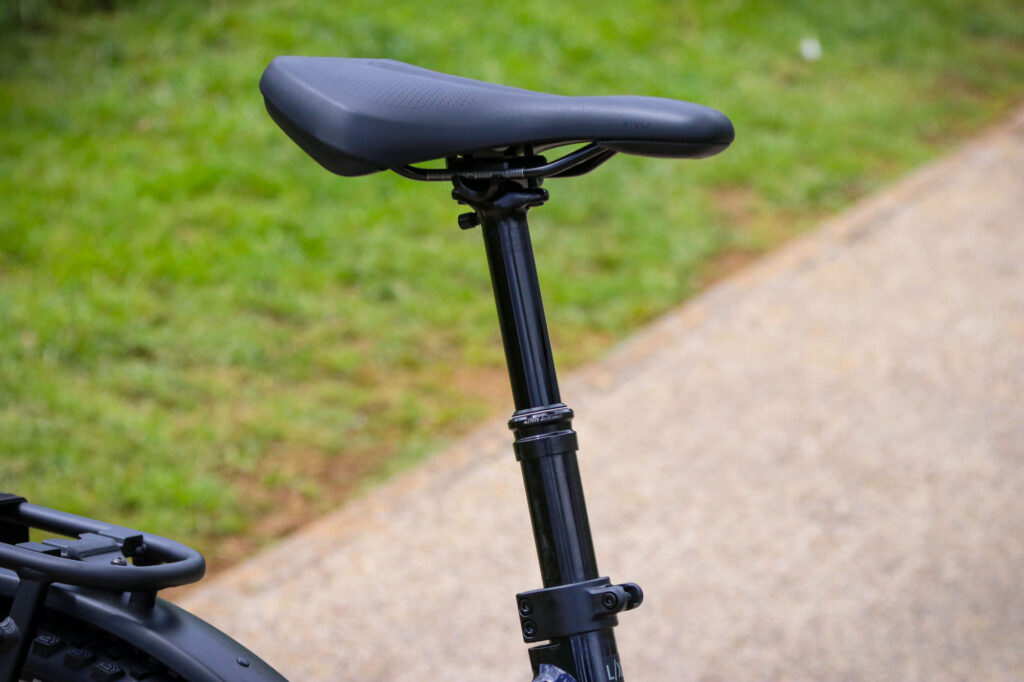
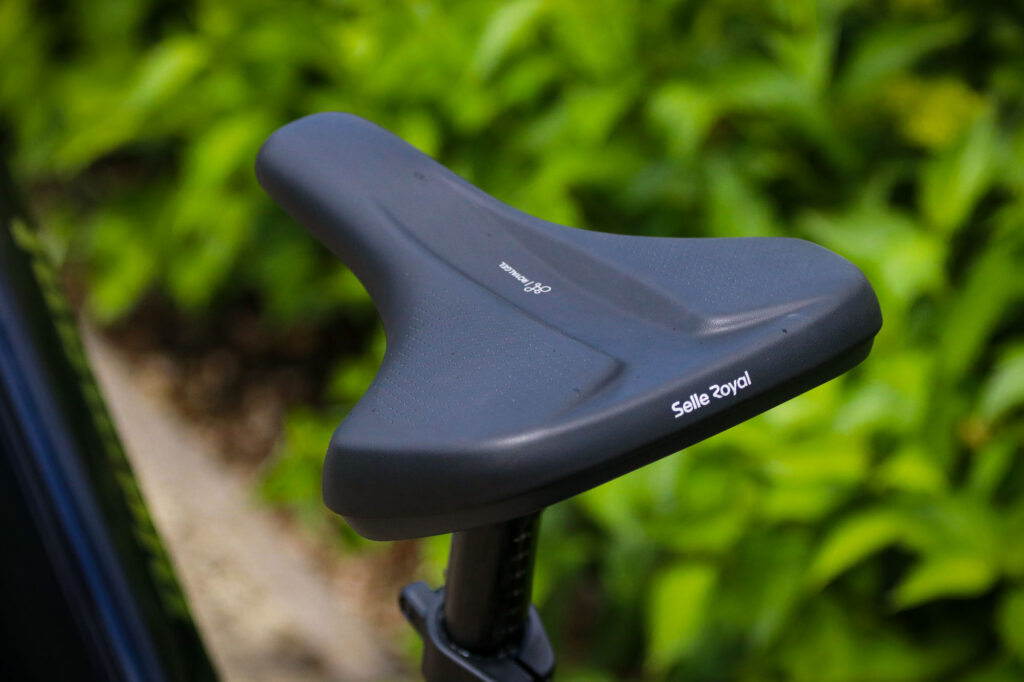
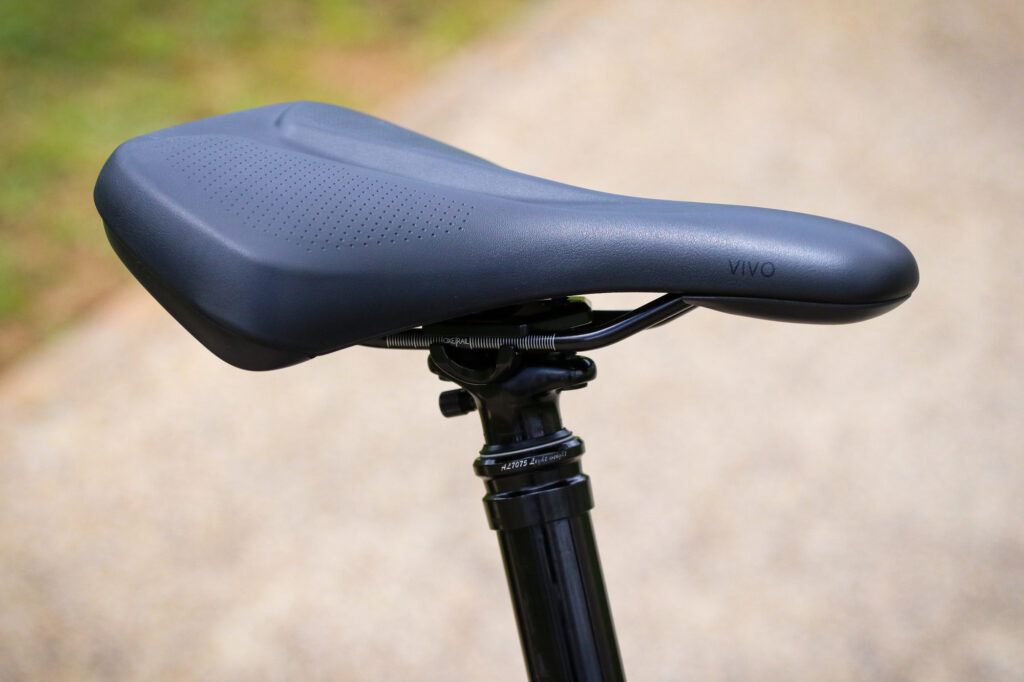
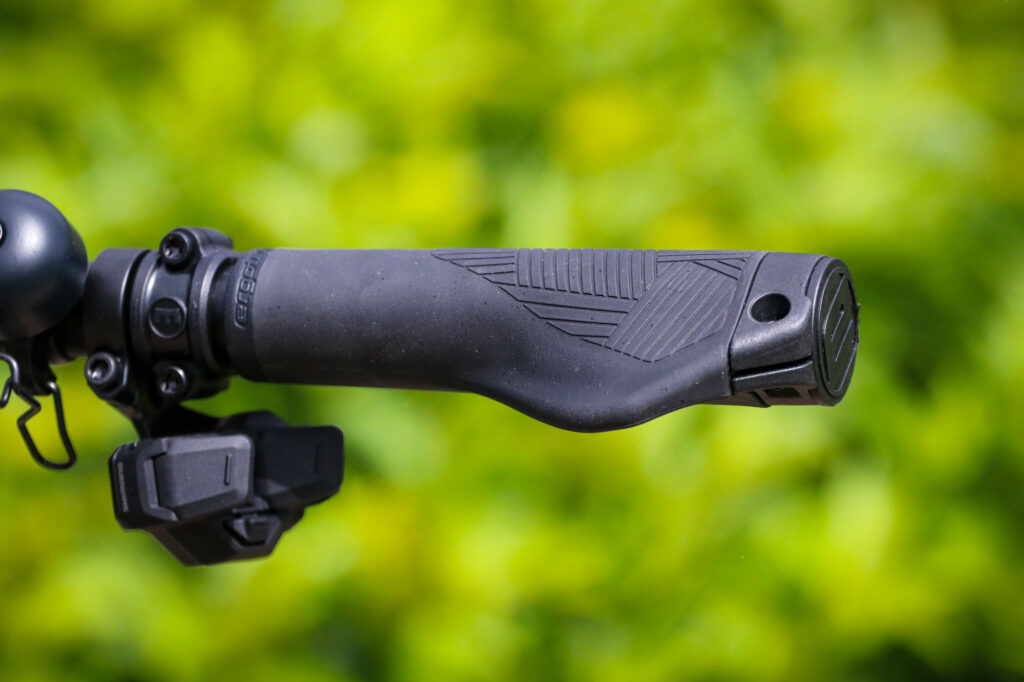
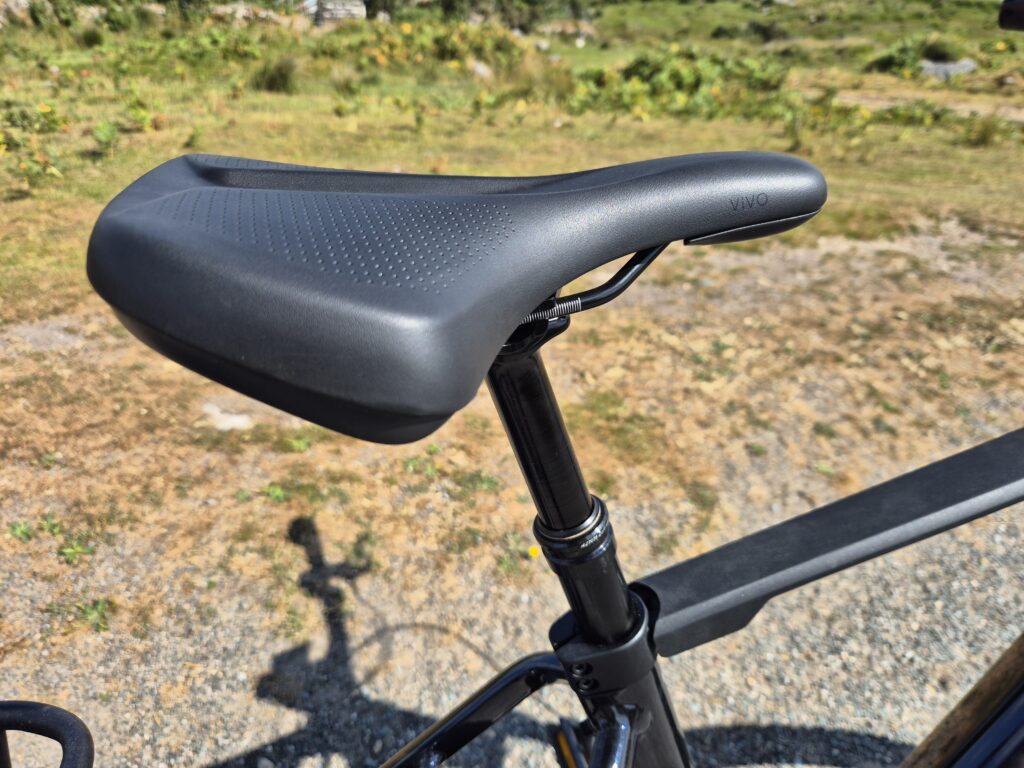
The saddle deserves some credit here. It’s supportive without being overly firm or excessively padded, and I’ve had no discomfort from it during rides approaching 20 miles. The ergonomic grips also provide plenty of palm support and work particularly well with the upright riding position.
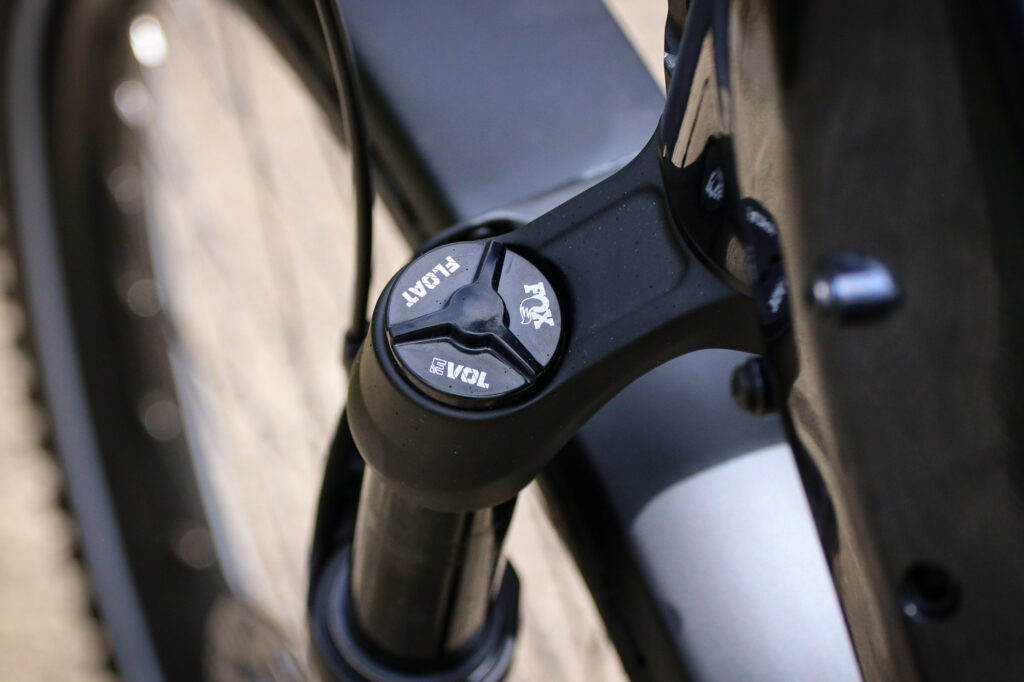
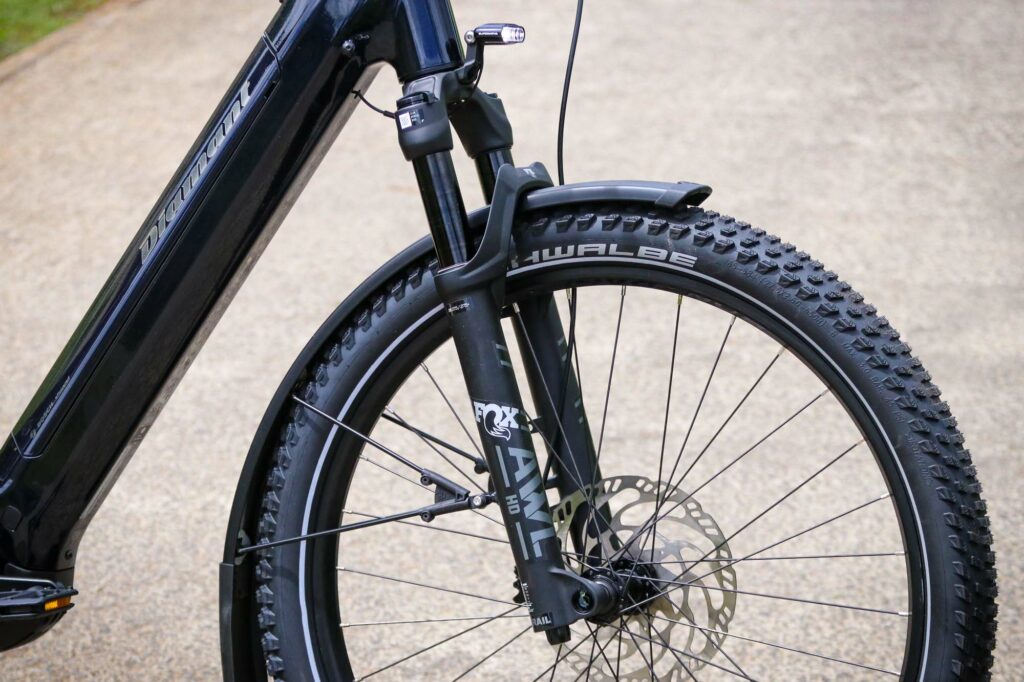
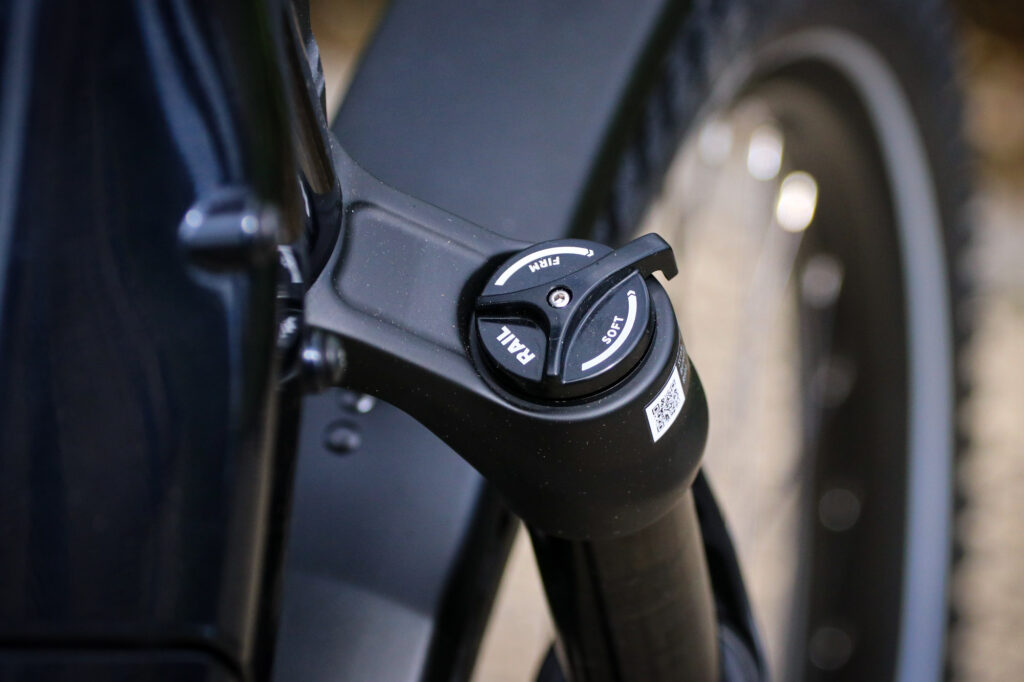
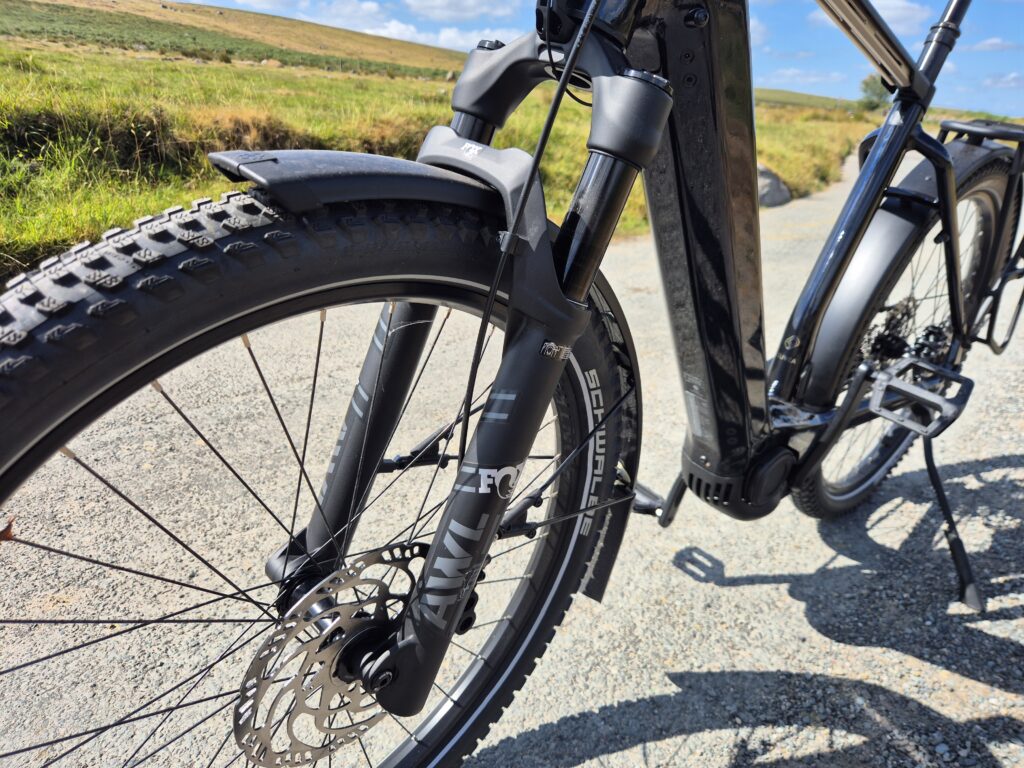
Suspension forks on hybrid e-bikes can sometimes feel like an afterthought. The Fox fork fitted to the Diamant is in a completely different league. Potholes that would normally produce a bone-jarring impact become soft bumps. Combined with those huge tyres, the result on tarmac is magic-carpet-like.
The suspension dropper seatpost is more dependent on how you use the bike. For riding to the shops, I could happily live without it, but once I headed off-road it made much more sense. Being able to drop the saddle before a rough descent allowed me to move around the bike more freely and made the Suvea considerably more confidence-inspiring.
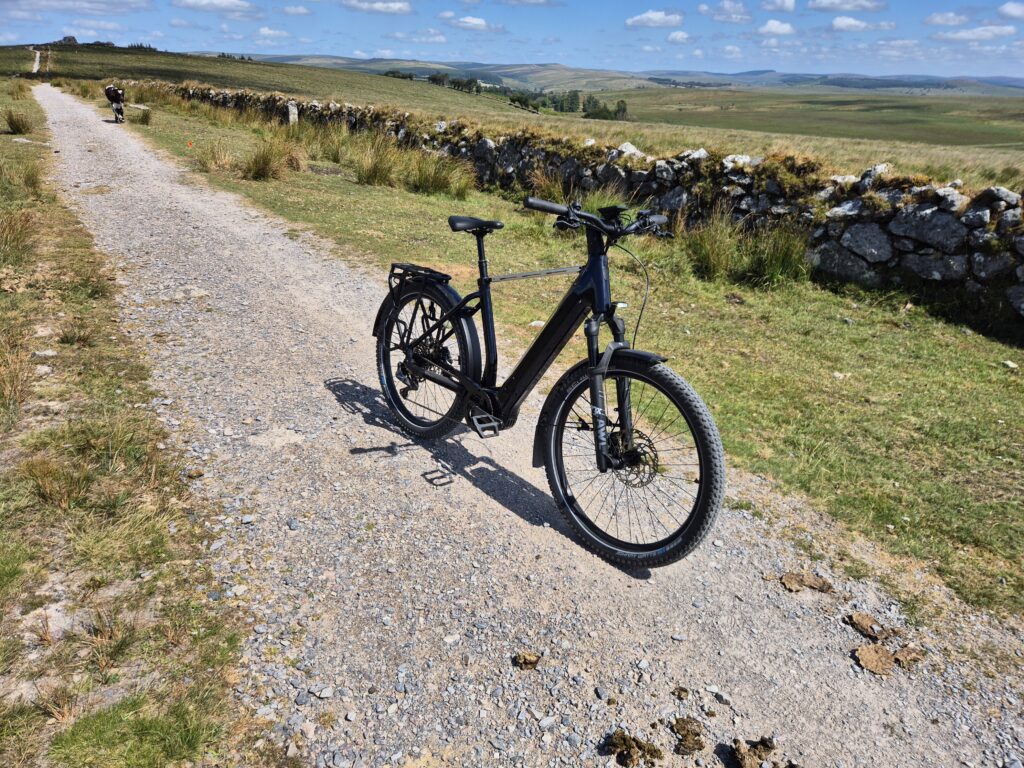
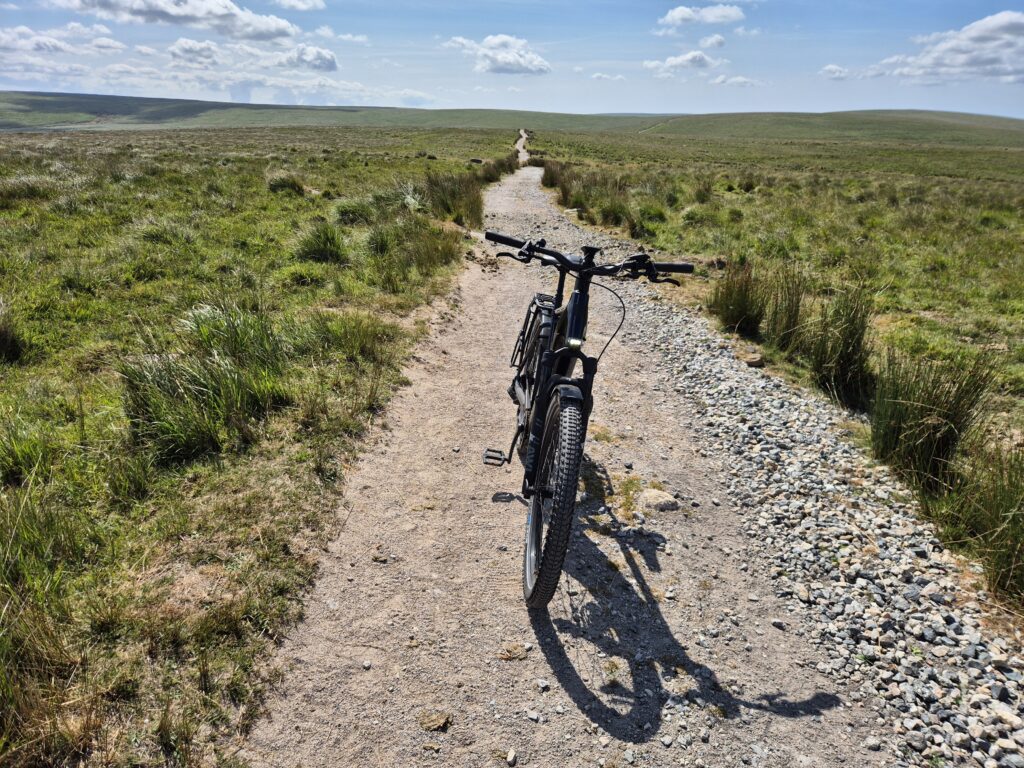
The real test came when I took the Diamant onto one of my favourite Dartmoor loops. I’ve ridden this route countless times before, including on gravel bikes and full-suspension e-MTBs, so I already knew what to expect.
The first half is where things are most interesting. It’s predominantly uphill towards Princetown, with a mixture of loose gravel, larger rocks and several steeper technical sections. Granite drainage gullies cross the track in places, some deep enough that you either need to slow down and carefully negotiate them or maintain your speed, pull the front wheel up and commit.
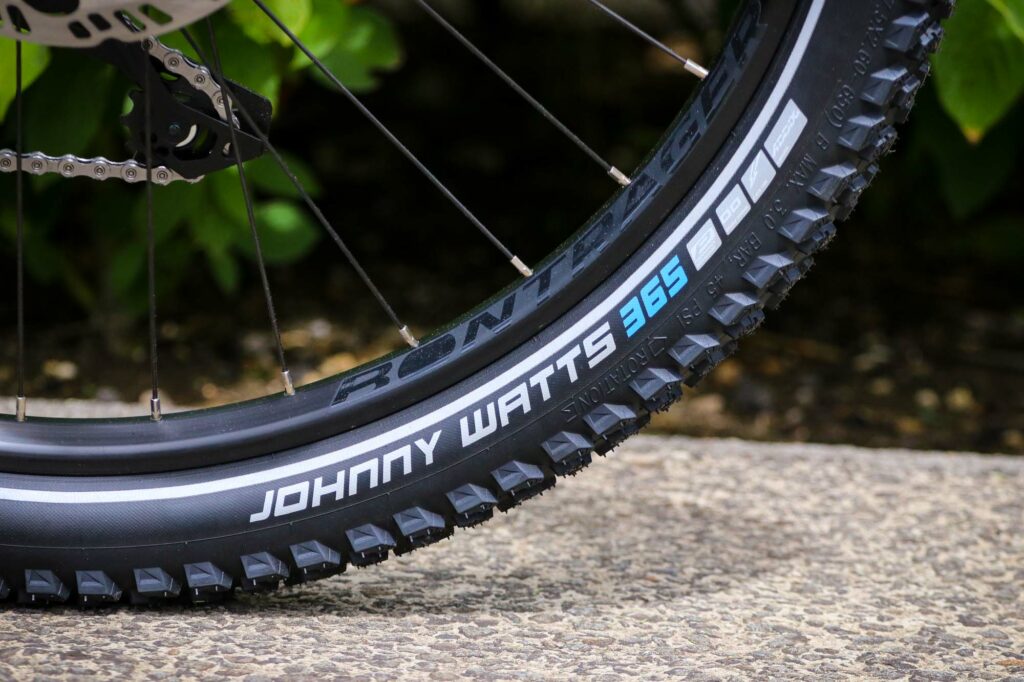
Before setting off, I lowered the tyre pressure to the low 30s PSI and on the loose Dartmoor gravel they were excellent.
Traction was predictable, even on steeper climbs, and the tyres gave me plenty of confidence over the loose rocks and rougher sections. There was occasional wheelspin when climbing particularly steep, gravelly sections, but nothing unexpected.
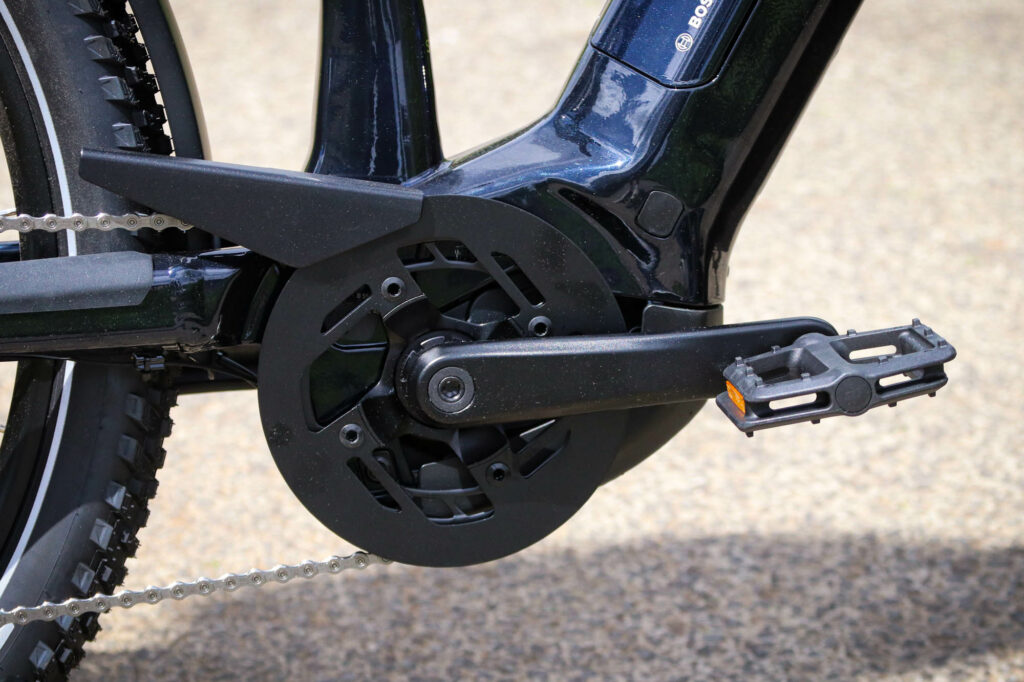
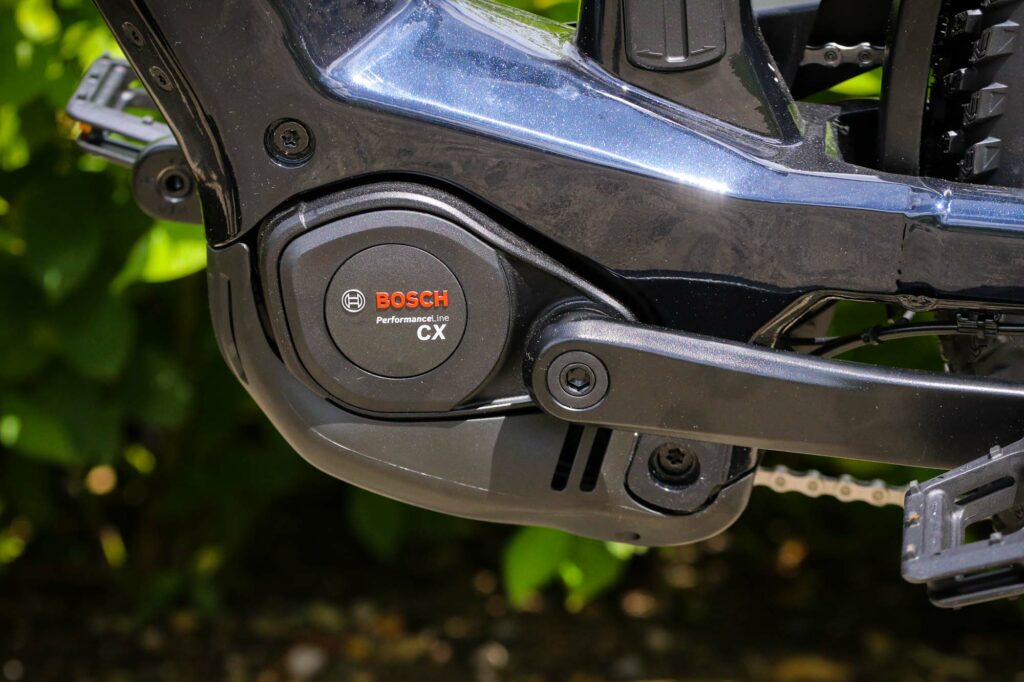
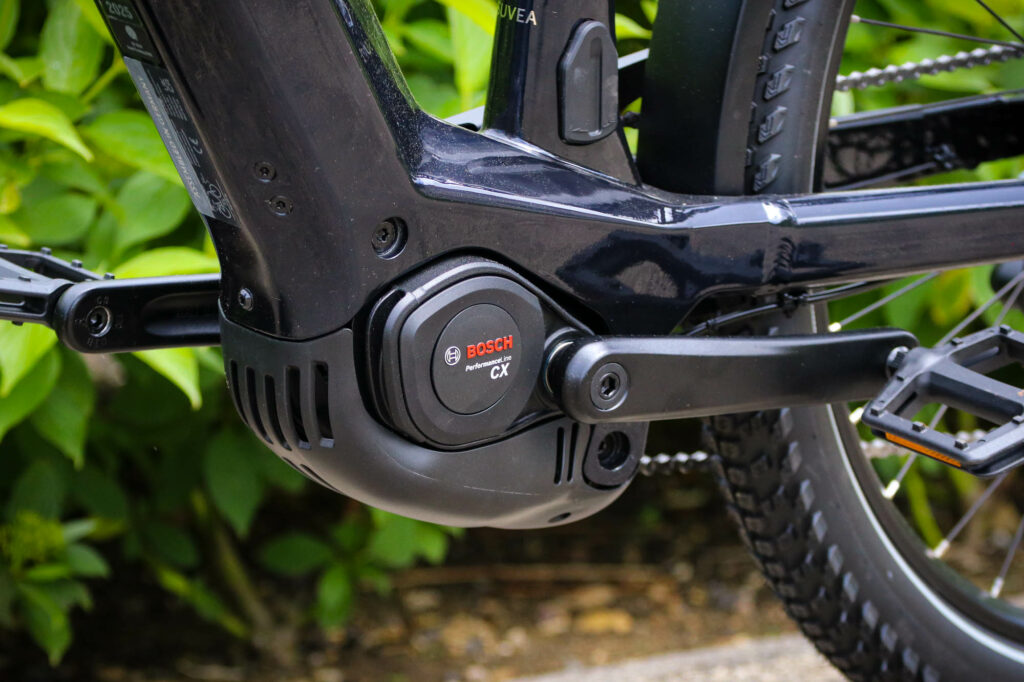
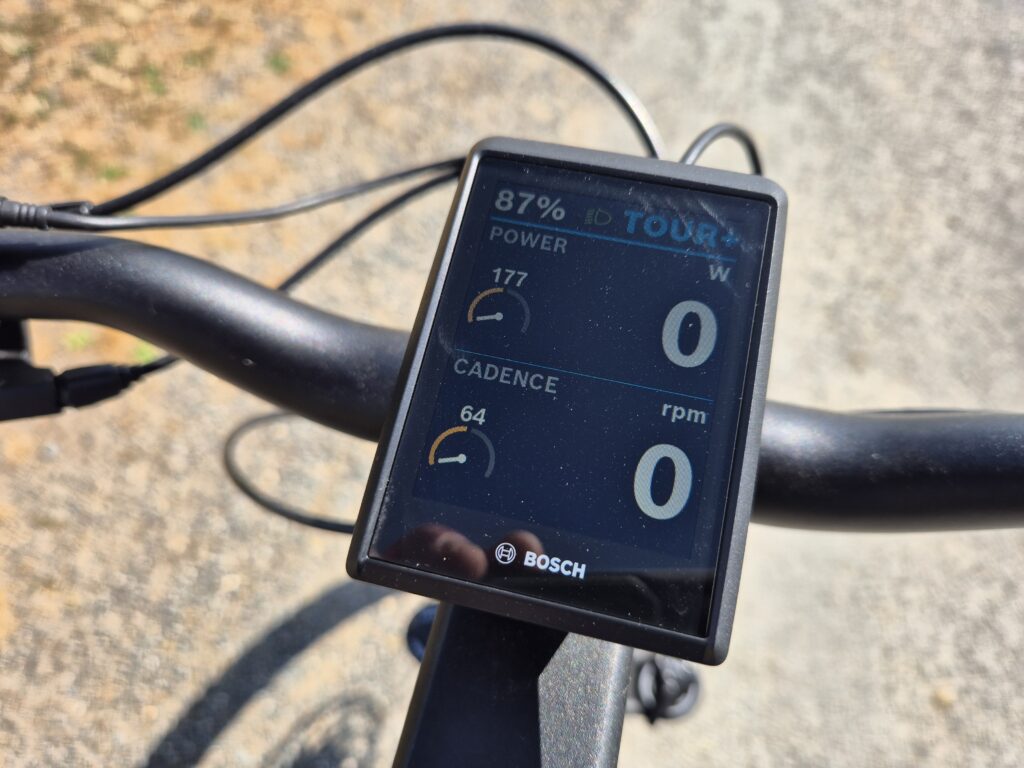
The Bosch CX motor was equally impressive. I spent the entire ride in Tour+ mode (the next setting up from Eco) and never felt the need to go higher. Assistance felt strong but natural, and the motor seemed to have an almost endless reserve of power.
Where the Suvea occasionally struggled was when the terrain became genuinely technical. The riding position and geometry are still fundamentally those of a hybrid bike, and the weight becomes more noticeable when you’re trying to pick your way through rocks at lower speeds. It never felt incapable, but there were moments when the bike seemed a little nervous.
The Suvea isn’t pretending to be a full-suspension electric mountain bike. It’s trying to offer a substantial amount of that capability while still being comfortable riding into town or heading off for a week exploring the Scottish Highlands.
The descent back towards Burrator is less technical and includes some lovely flowing gravel tracks. This was probably where I enjoyed the Suvea most.
It carries speed remarkably well, and once moving quickly it feels incredibly planted. The steering is responsive enough to make changing lines easy without ever becoming twitchy, while the combination of the Fox fork, big tyres and dropper post encourages you to push considerably harder than you would on a conventional hybrid.
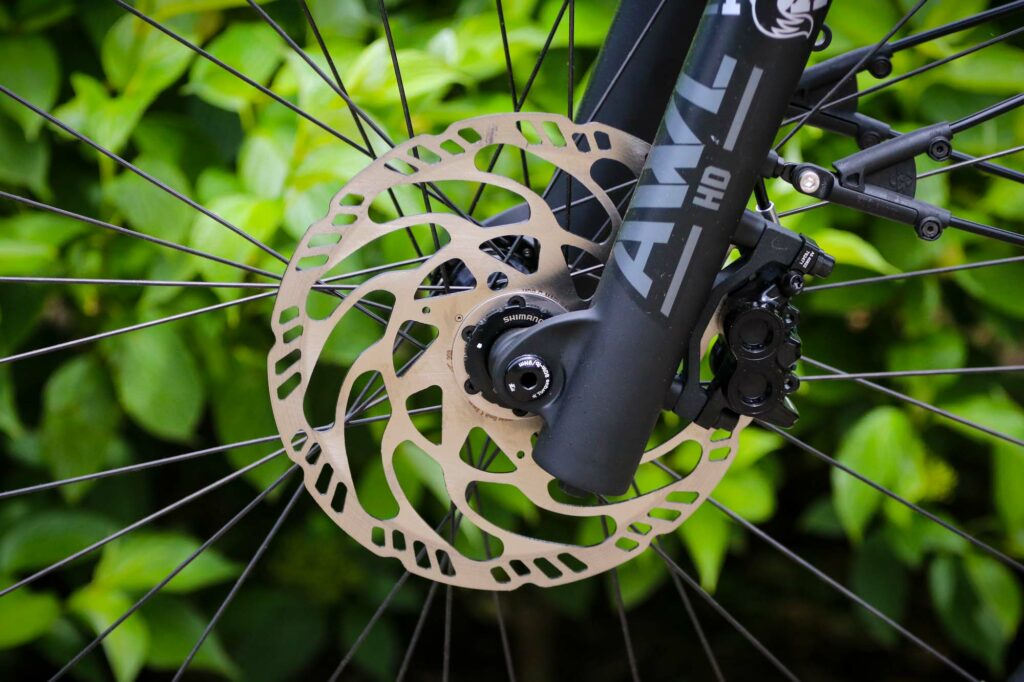
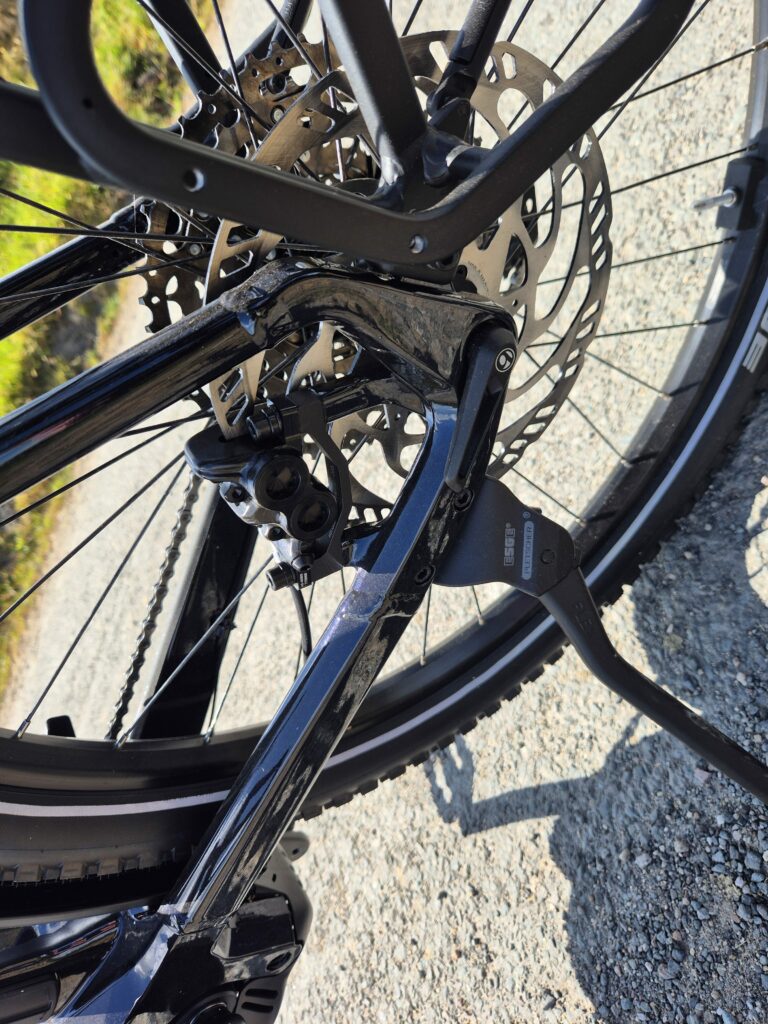
The Magura MT Thirty four-piston brakes were superb on the long descents, with plenty of stopping power and excellent modulation. They’re some of the best brakes I’ve experienced on an e-bike and gave me plenty of confidence when things got faster and steeper.
The descent was so much fun I started deliberately looking for little rises and bumps to launch from and managed to get both wheels off the ground on several occasions – not exactly Red Bull Rampage, admittedly, but considerably more enthusiastic riding than I’d normally attempt on what is effectively a step-through hybrid e-bike weighing close to 30kg.
That’s probably the biggest surprise with the Suvea. At walking pace it feels every bit as heavy as the scales suggest. Get it moving on a fast gravel track and its personality changes completely. It’s assured, confidence-inspiring and predictable, but there’s a playful side hiding underneath all that practicality.
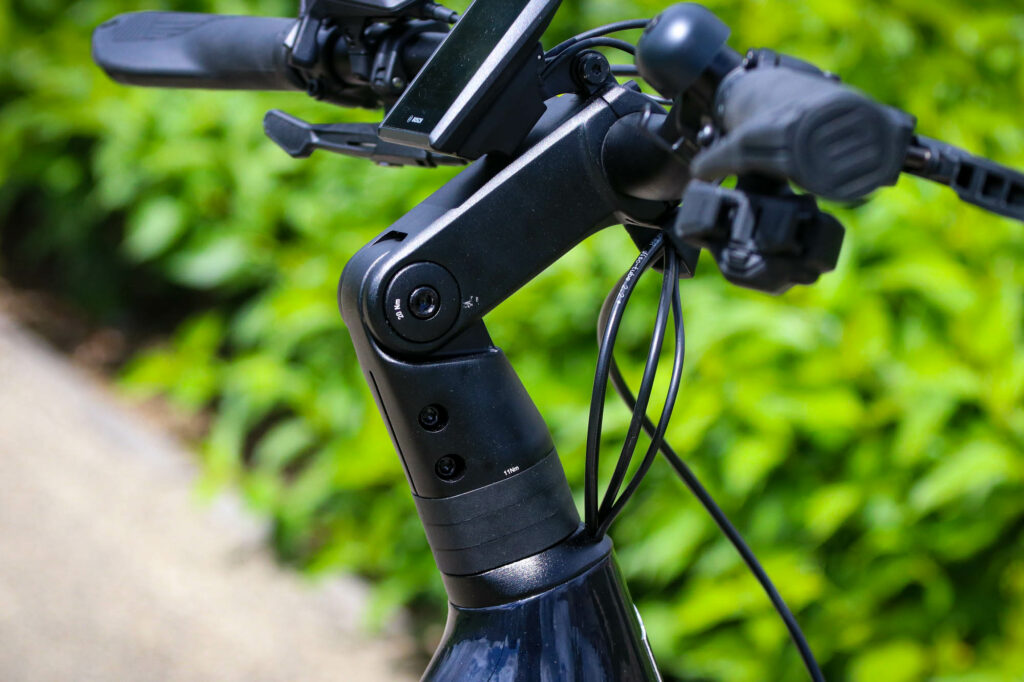
There was one mechanical issue during the Dartmoor ride. The adjustable stem worked loose three times, despite being firmly retightened each time. That’s disappointing on a bike at this price, particularly one designed to tackle rough terrain. I experienced no other mechanical problems, so it’s impossible to say whether this was an isolated issue with my test bike.
It didn’t spoil the ride, though. If anything, that afternoon on Dartmoor helped me understand what the Suvea is really about. It’s not the bike I’d choose for attacking technical downhill trails, and it wouldn’t be my first choice for flying along smooth tarmac either. It’s the bike I’d choose when I didn’t quite know what sort of surface I’d be riding next.
For all its ability, the Suvea won’t suit everyone. The most obvious problem is that weight. It’s a hefty bike to move around when the motor isn’t helping. I certainly wouldn’t want to carry one upstairs regularly, and even lifting it onto some car racks could be hard work.
That weight also affects the riding experience on smooth roads. Below the assistance cut-off, the Bosch CX does all the heavy lifting, but push beyond 15.5mph and suddenly you’re responsible for propelling nearly 30kg of bike on big, chunky tyres. At that point the Suvea can feel somewhat agricultural.
Criticising the Suvea for not riding like a lightweight urban e-bike would be like criticising a Land Rover because it doesn’t handle like a sports car. Diamant has prioritised durability, comfort, carrying capacity and off-road ability, and inevitably there are compromises elsewhere.
If most of my riding involved a short commute on good roads, I’d buy something lighter. If my weekends involved disappearing into the Brecon Beacons, Peak District or Dartmoor, the compromises would suddenly make a lot more sense.
Specification
If the Fox fork and oversized tyres give the Suvea its off-road credentials, the Bosch CX motor is what makes such a substantial bike feel remarkably easy to ride.
I’ve used plenty of mid-drive e-bikes over the years, and for me the CX remains the daddy of e-bike motors. It’s powerful, responsive and refined, but what impressed me most on the Suvea was how rarely I felt the need to use all the available performance.
For most of the test period, Tour+ became my default setting. Around town it provided more than enough assistance to disguise the Suvea’s considerable weight and as mentioned earlier, it also worked perfectly for an entire off-road ride on Dartmoor.
Back home across the River Tamar, I also took the Suvea up one of my local climbs, which reaches around 25%. Switching to Turbo mode made the climb almost too easy. At no point during the test did the motor feel short of power.
> Torque it up: What is the maximum peak power from a 250W e-bike motor?
Interestingly, Diamant says the latest CX can now be configured through Bosch’s Performance Upgrade, with maximum outputs of 120Nm, 750W and 600% assistance. The standard factory settings are lower, and based on my experience I can’t imagine many riders regularly needing everything this motor can potentially deliver. Unless you’re tackling extreme gradients or have limited mobility, Tour+ is likely to provide all the assistance you’ll need the majority of the time.
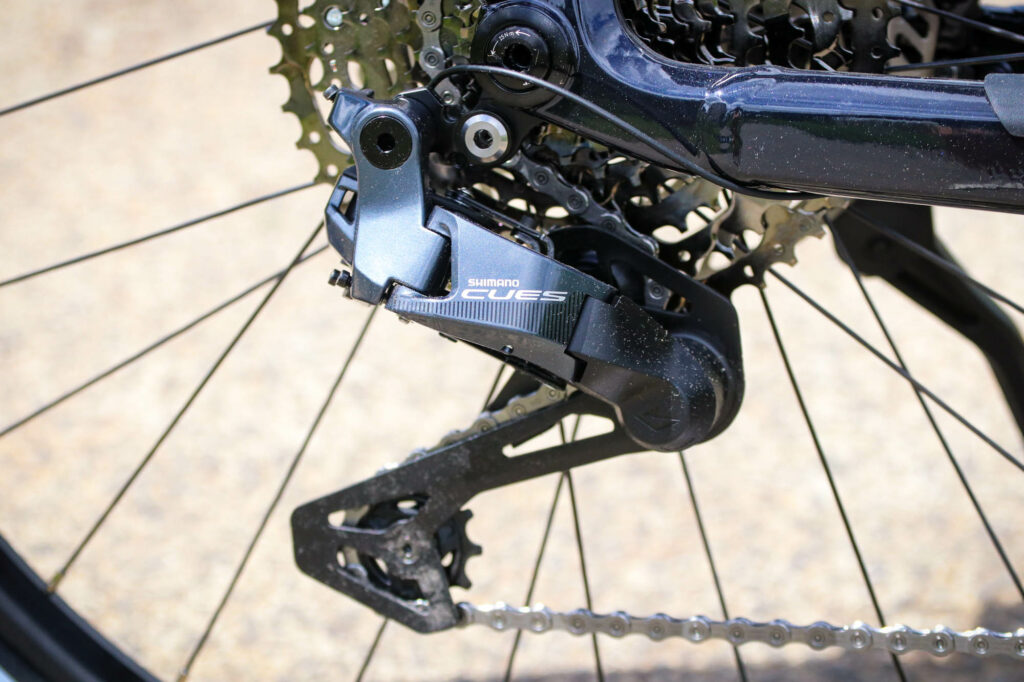
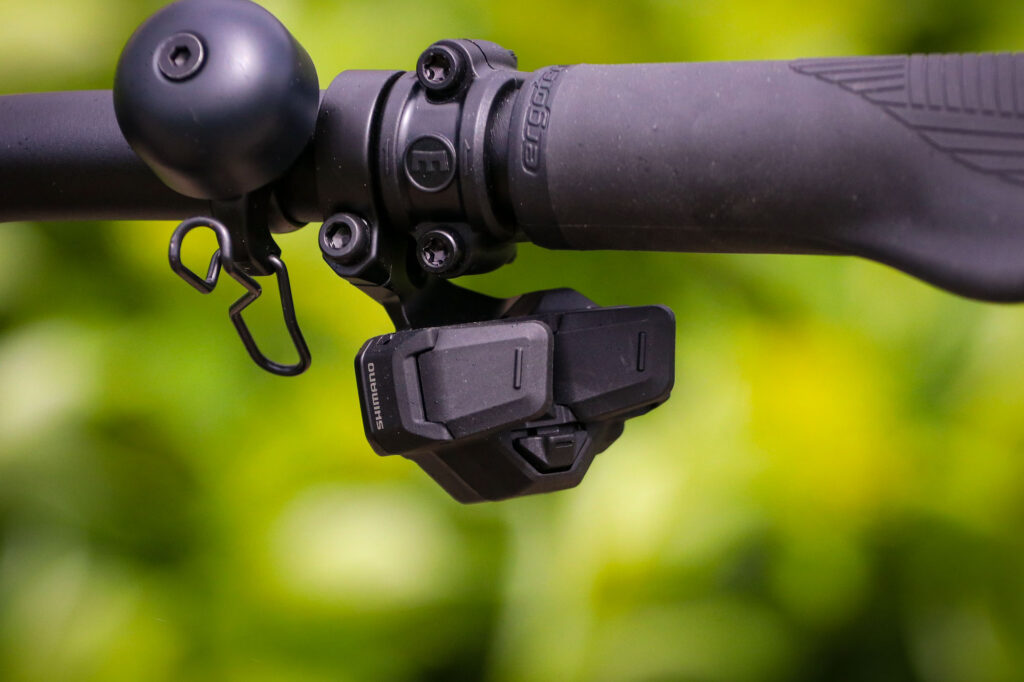
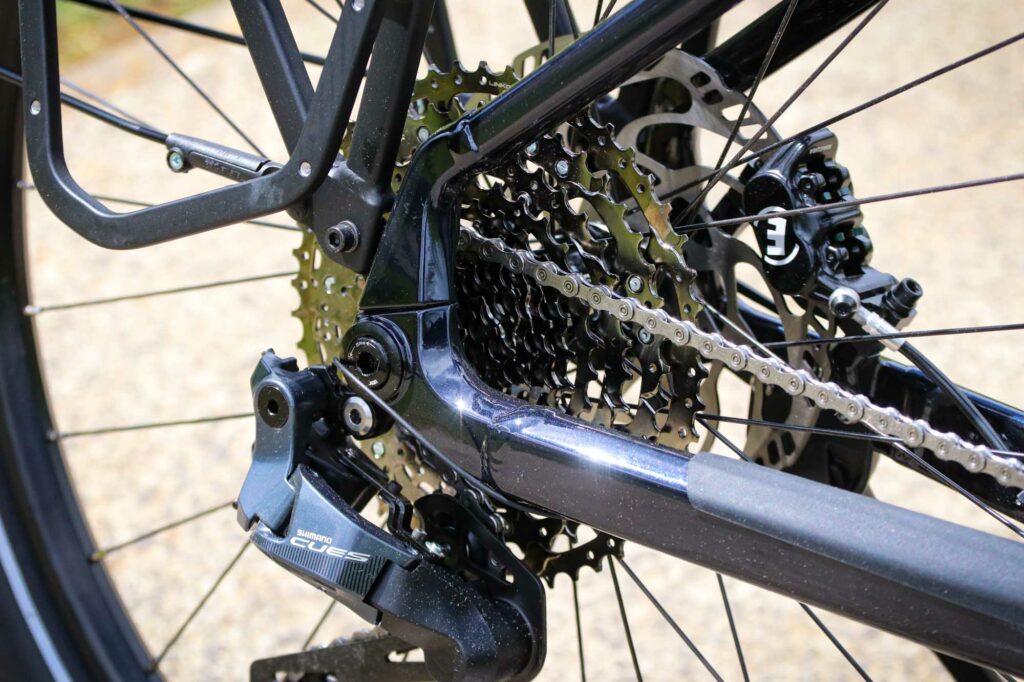
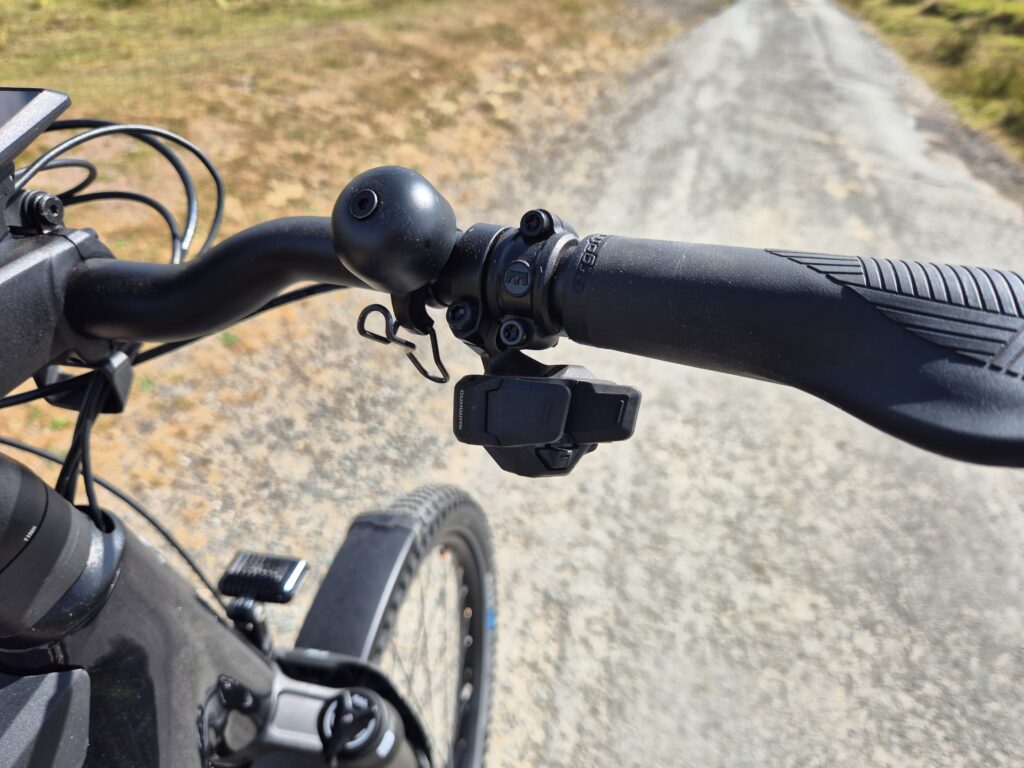
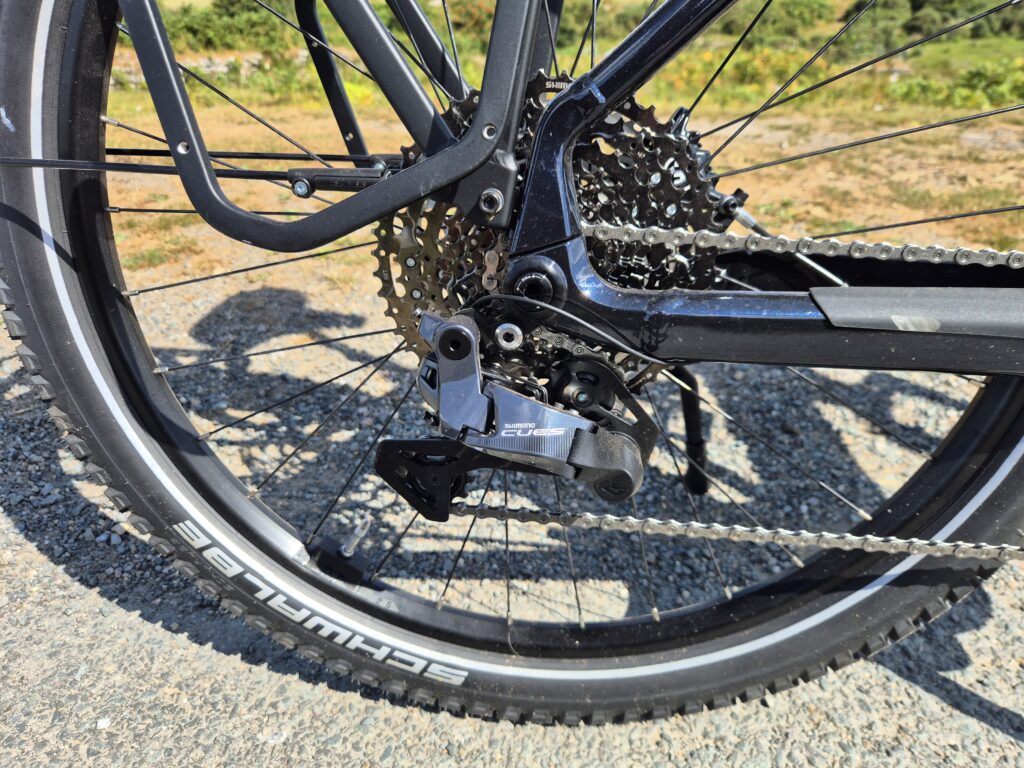
The Trip Pro uses Shimano CUES Di2 electronic shifting, paired with an 11-speed 11-50t cassette. My previous experience of electronic shifting on a flat-bar bike has been with SRAM GX AXS, and in terms of shift quality I’d put the Shimano system on a par with it.
Throughout the testing period, shifting was flawless. Press the button and the gear changes almost instantly, with no noticeable delay. More importantly for this bike, it continued to shift reliably when climbing steep terrain with the Bosch motor assisting.
Changing down under heavy load does produce a substantial clunk from the drivetrain, but that’s hardly surprising considering the amount of torque passing through it and it never failed to select the requested gear.
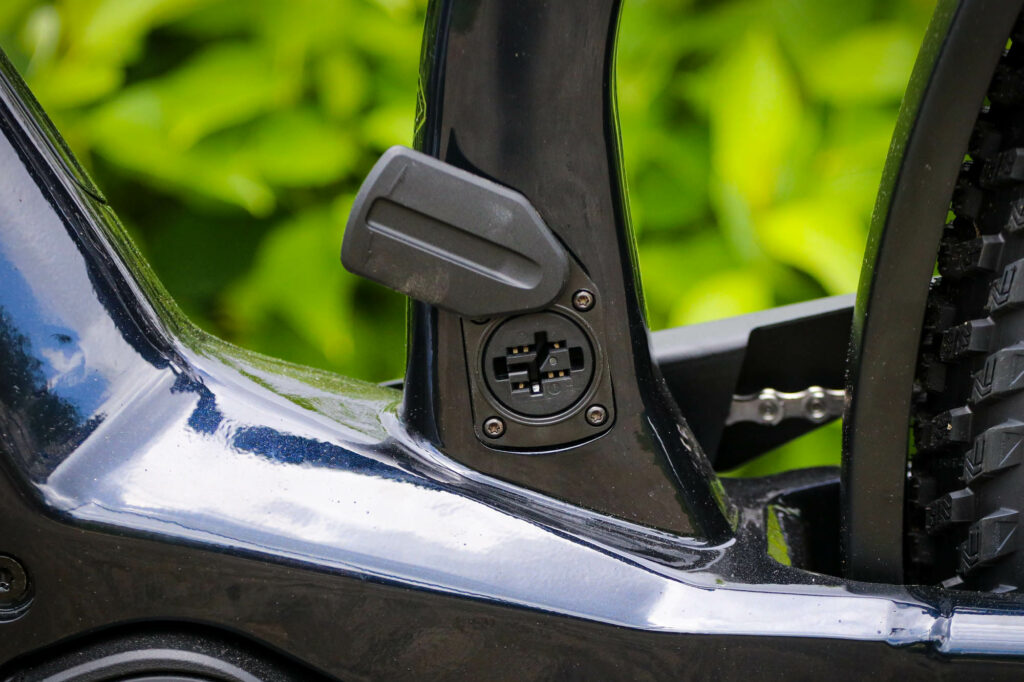
Unlike SRAM AXS, there’s no separate derailleur battery to worry about. The Di2 system takes its power directly from the e-bike battery, which is convenient in normal use but does introduce an interesting potential drawback. If you managed to completely flatten the main battery, the electronic shifting would stop working as well.
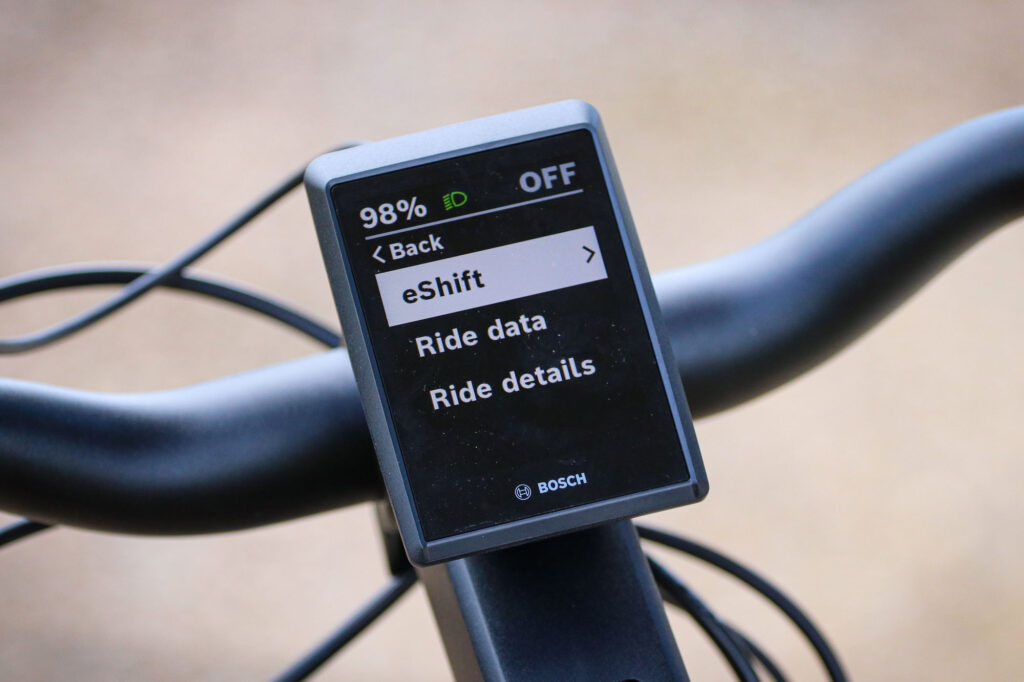
The system is also designed to support automatic shifting. I found the relevant settings on the display, including the option to set the preferred cadence for gear changes, and had a play around with them during the test. Unfortunately, I couldn’t get Auto Shift to work as it’s not currently supported by the firmware.
Diamant currently states that automatic shifting will be enabled through a future software update, so it appears the functionality wasn’t yet active on my particular test bike. For that reason, I can only judge CUES Di2 on its manual shifting performance, which was excellent throughout.
My test bike came with the larger 800Wh Bosch PowerTube battery. I didn’t attempt a full range test, but my longest rides provided a useful indication of what owners might expect in the real world.
On a ride of around 20 miles, including a substantial amount of off-road riding and climbing, I used roughly 30% of the battery while spending most of the time in Tour+.
Based on that experience, I’d expect somewhere around 45 to 50 miles of moderately demanding off-road riding to be realistic. On tarmac and less demanding terrain, something in the region of 50 to 60 miles seems entirely achievable – although rider weight, elevation gain and assistance level will obviously have a significant effect.
> Range anxiety: how to get the most from your e-bike battery
Interestingly, the enormous battery doesn’t necessarily make the Suvea feel like a dramatically longer-range bike than other Bosch e-bikes I’ve ridden with smaller batteries. The extra capacity is partly offset by the weight, tyres and performance of the CX motor. What it does give you is reassurance.
On longer rides, I never found myself looking at the battery indicator and wondering whether I should conserve power for the journey home. That’s arguably more valuable on a bike like this than chasing an arbitrary maximum range figure.
The Suvea Trip Pro is absolutely loaded with equipment, and most of it feels genuinely useful rather than being there simply to justify the price.
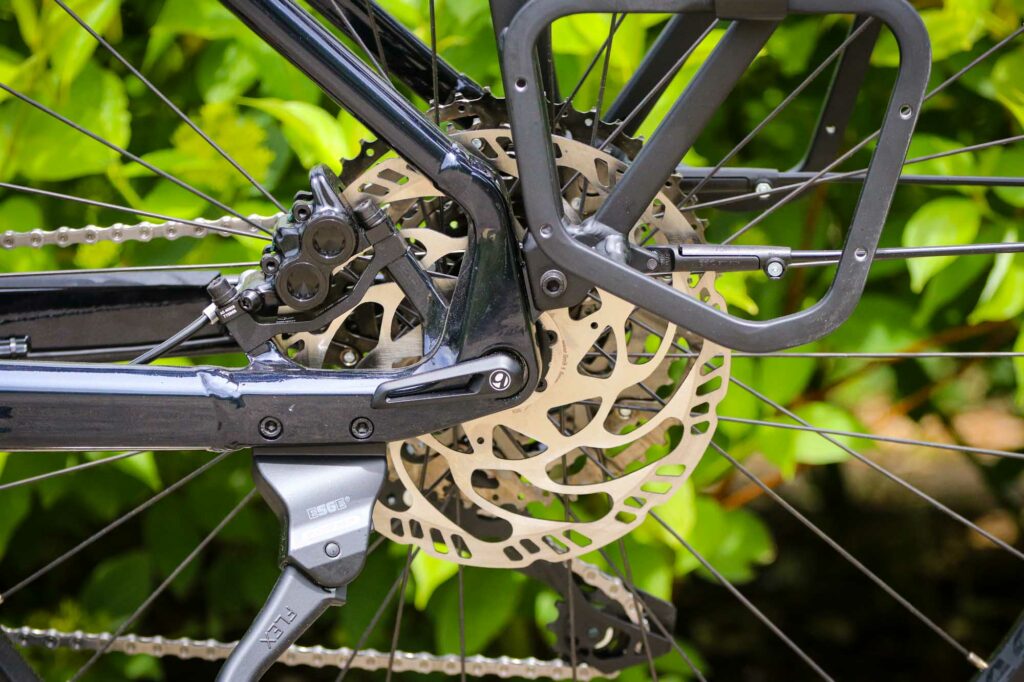
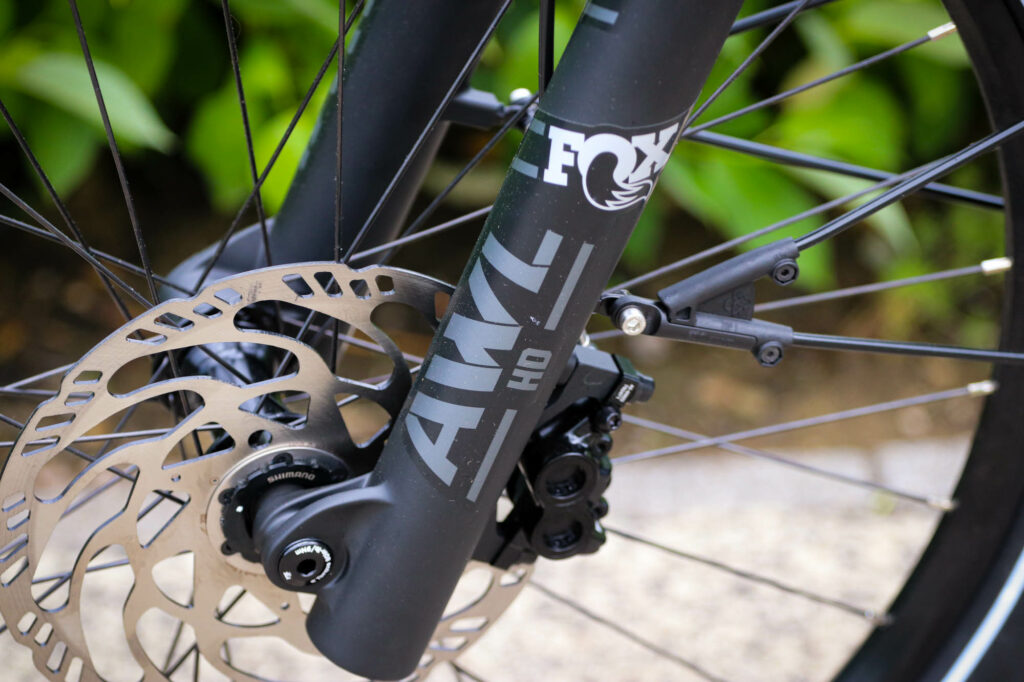
The Magura MT Thirty hydraulic brakes use large 203mm rotors front and rear. Considering the Suvea’s weight and off-road ability, they’re a good match for the bike and proved exceptionally powerful throughout the test.
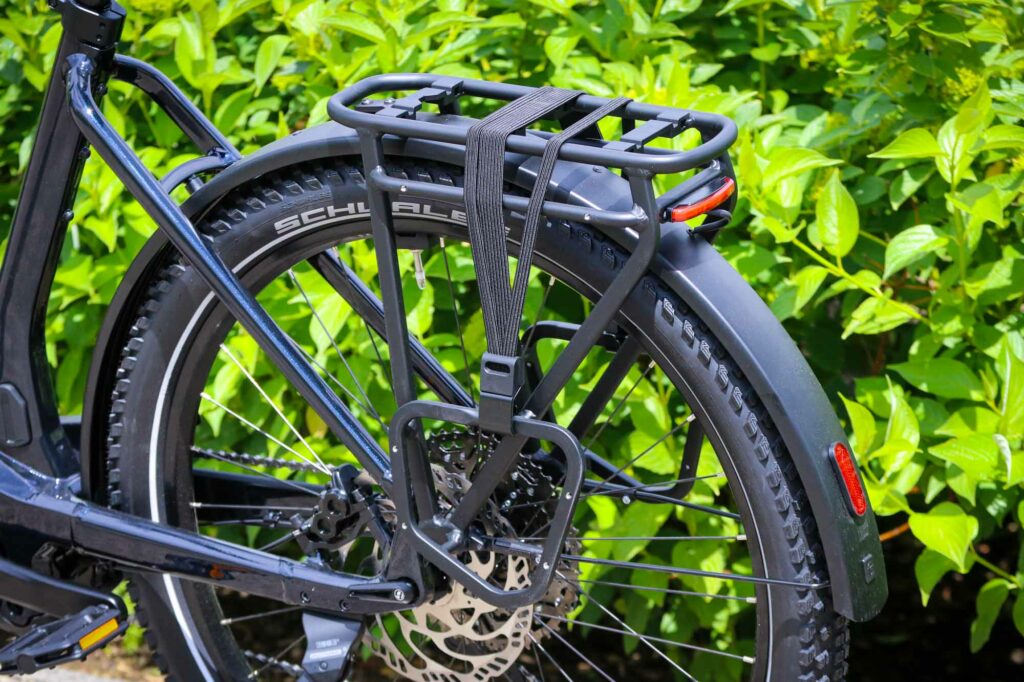
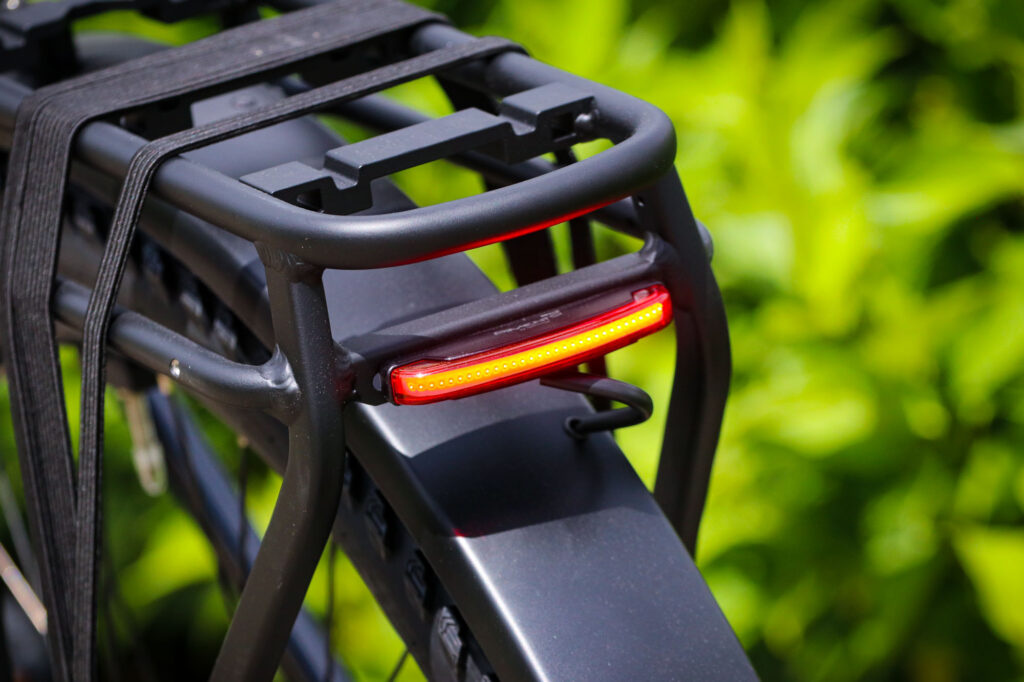
The rear rack is particularly substantial. I didn’t have the opportunity to load it heavily during the test period, but it’s rated to carry up to 27kg and feels suitably solid. The Suvea itself has a maximum permitted system weight of 160kg, which ensures useful carrying capacity for touring, shopping or everyday transport.
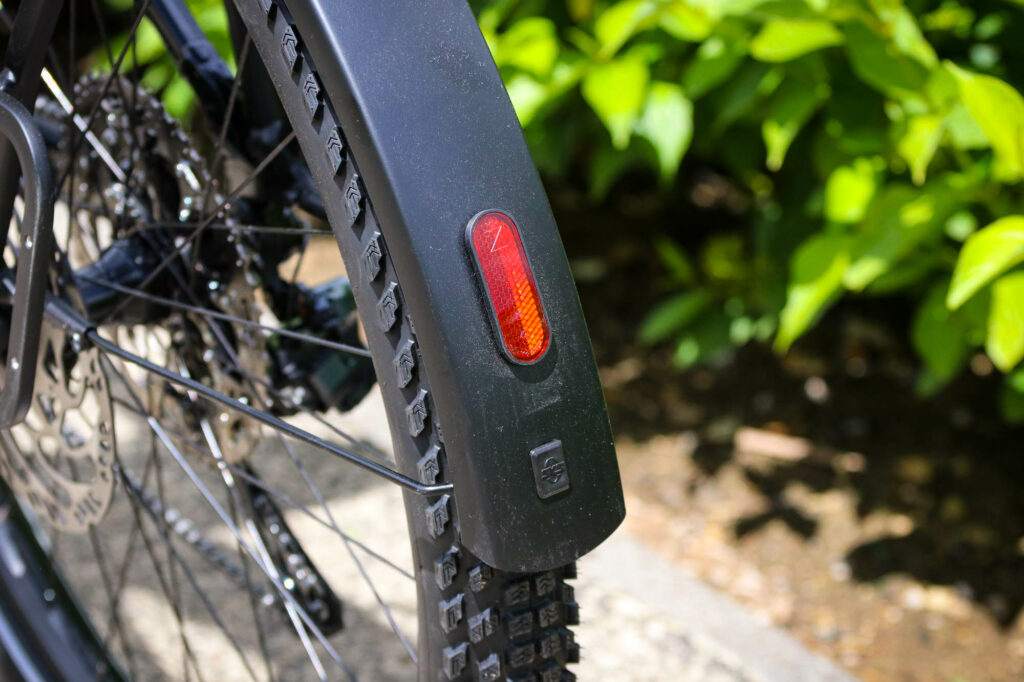
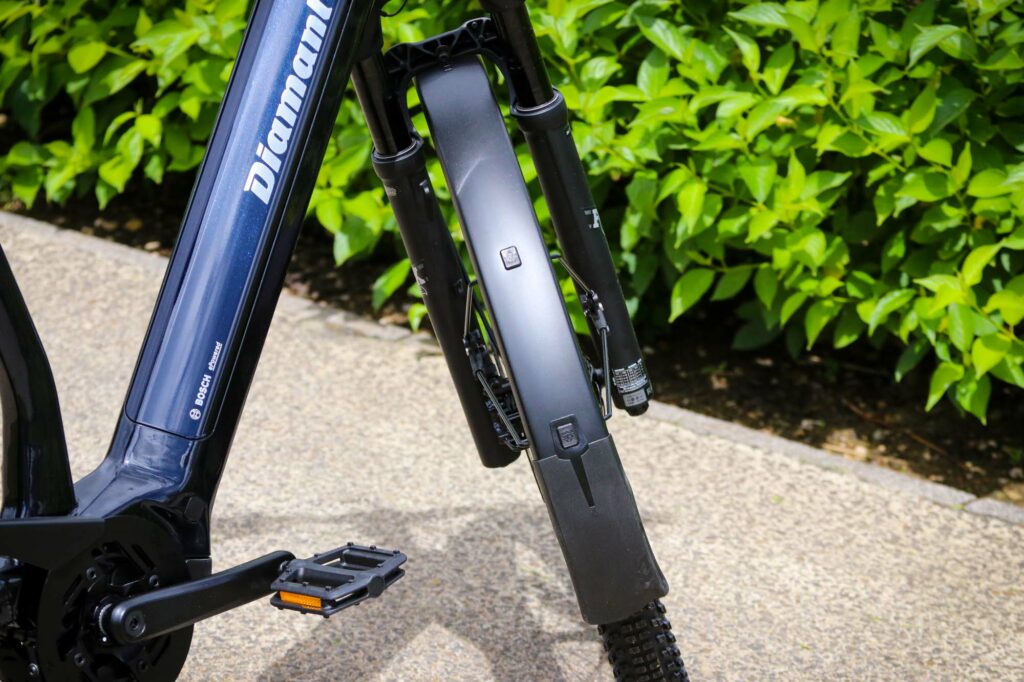
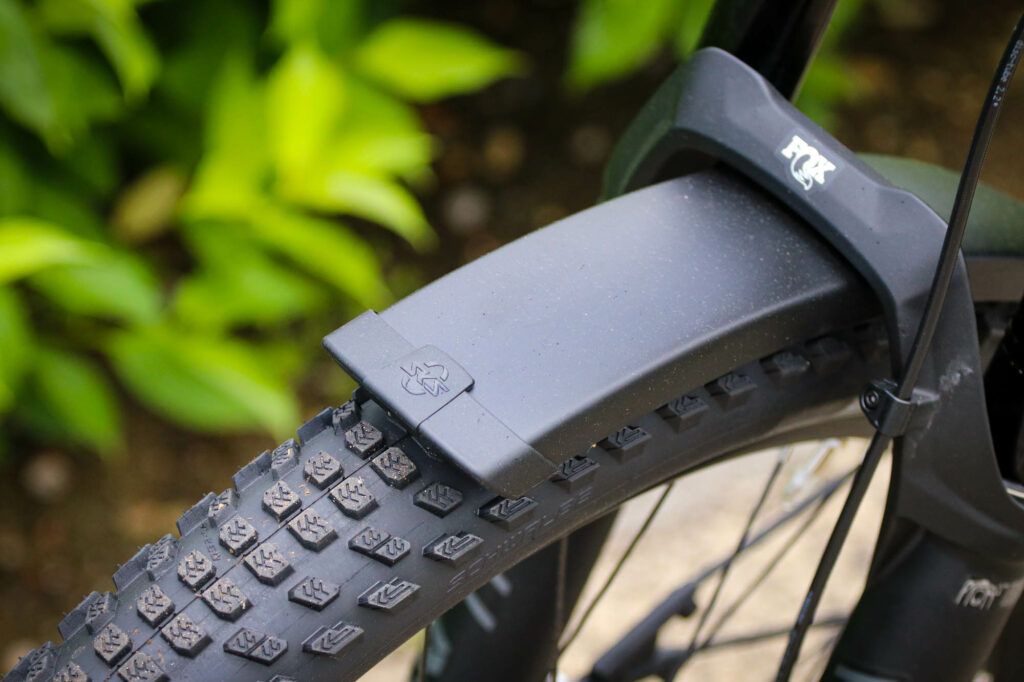
The mudguards worked well on the road, although the generous tyre clearance occasionally allowed small stones to become trapped when riding on loose gravel. It wasn’t a major problem, but it was noticeable during the Dartmoor ride.
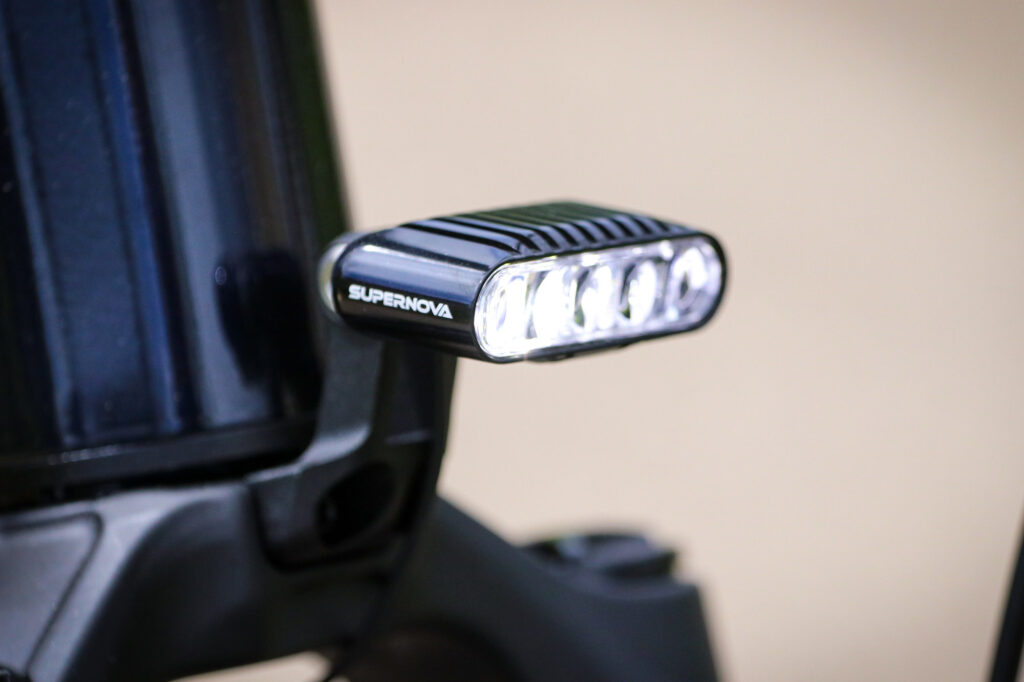
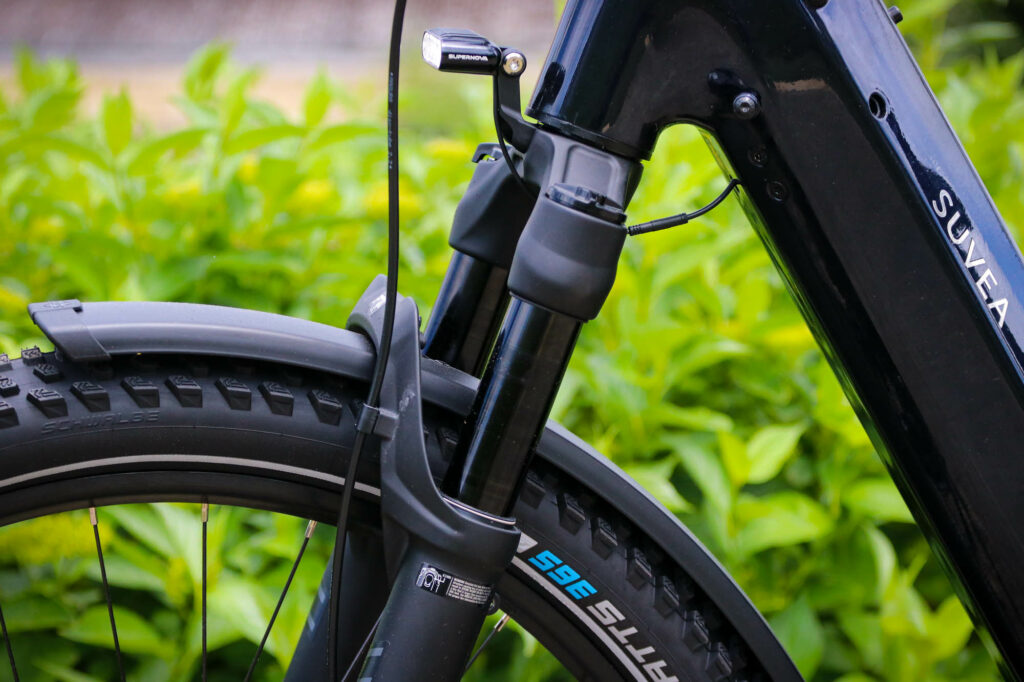
The bikes gets a 500-lumen Supernova Starstream front light, and it’s easily one of the best standard lights I’ve encountered on an e-bike. I rode the Suvea several times in the evening and never felt the need for an additional light.
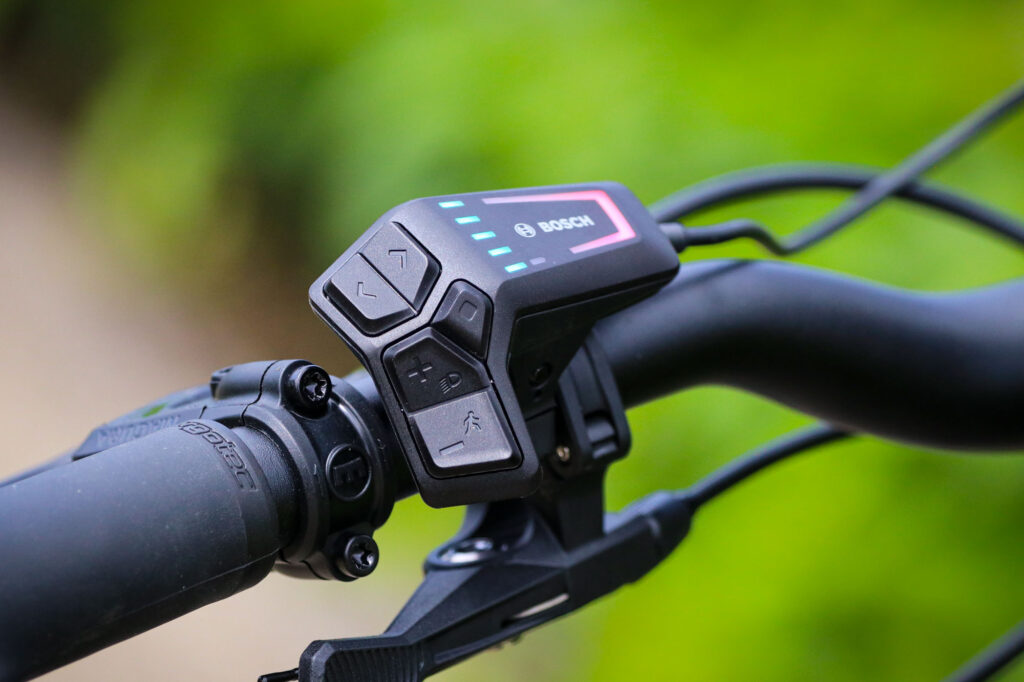
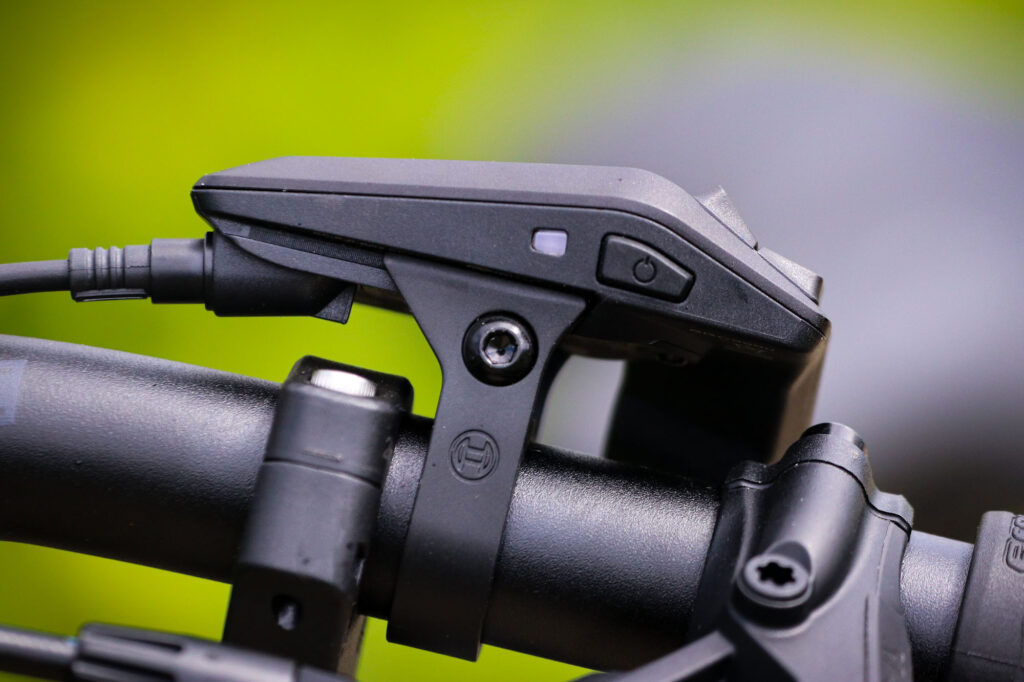
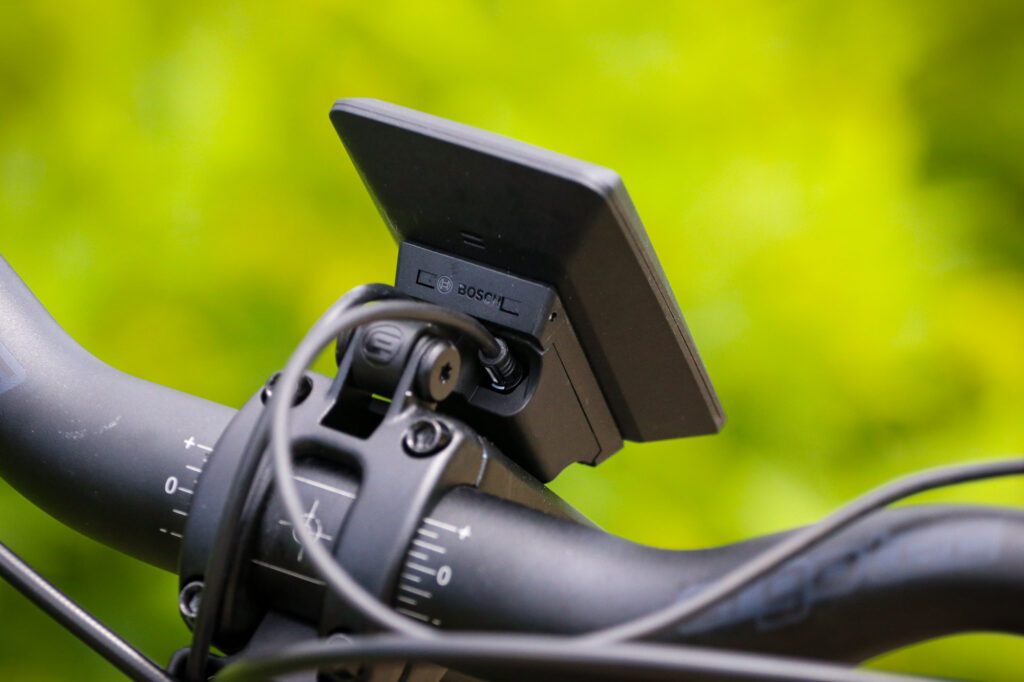
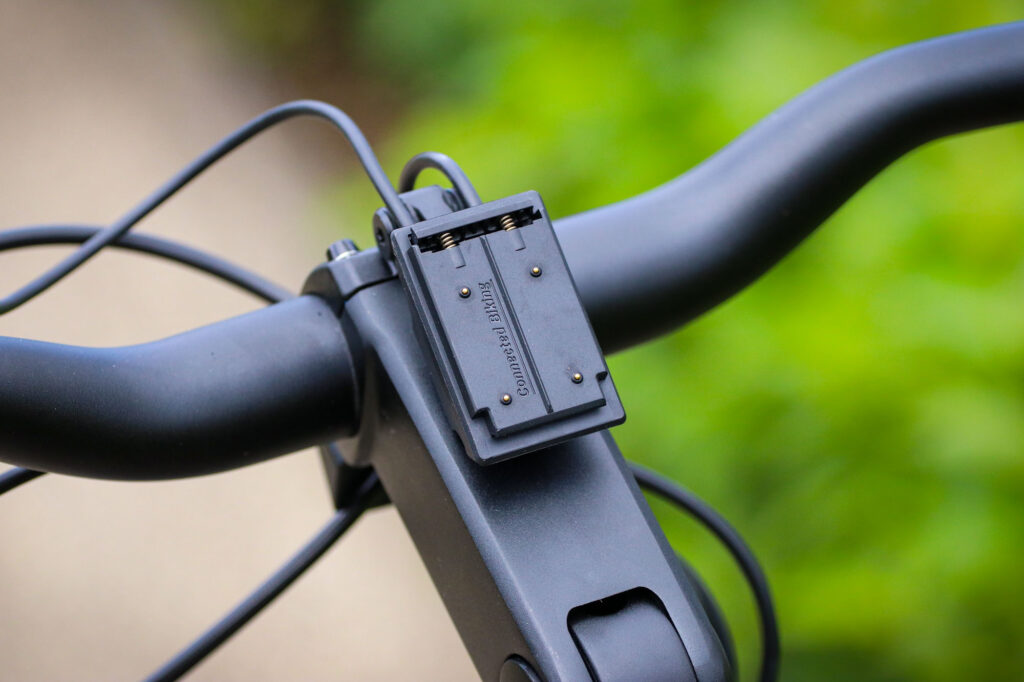
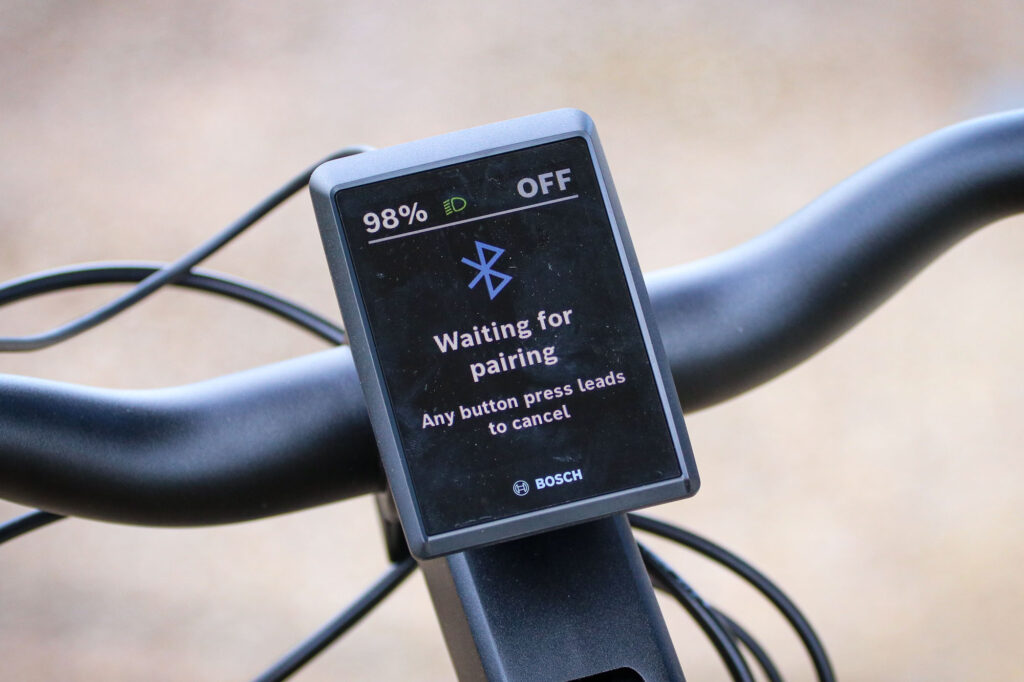
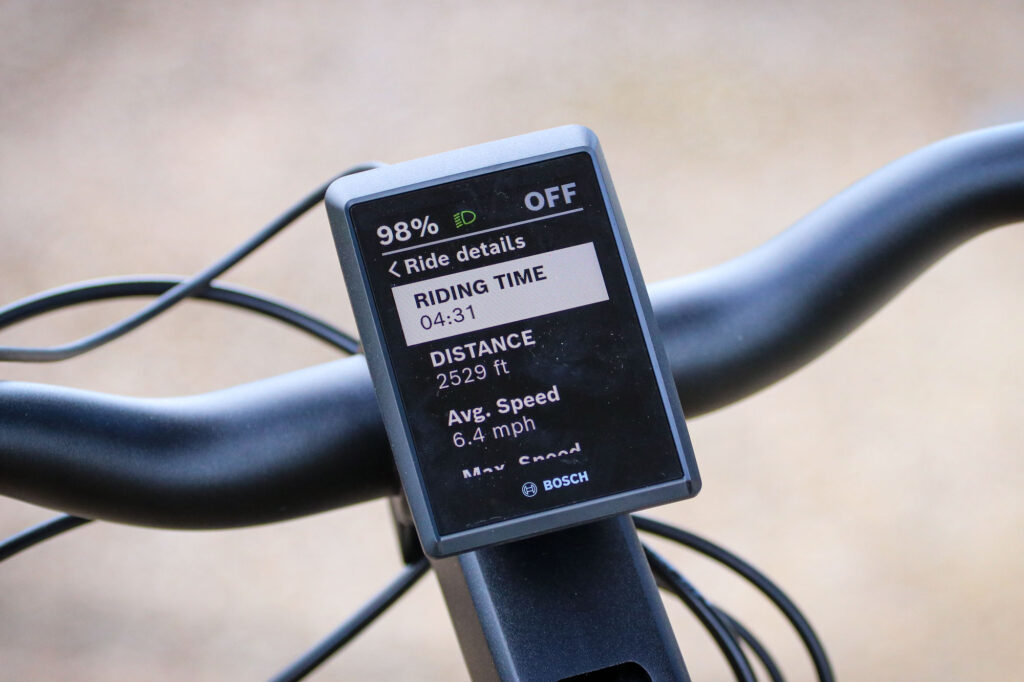
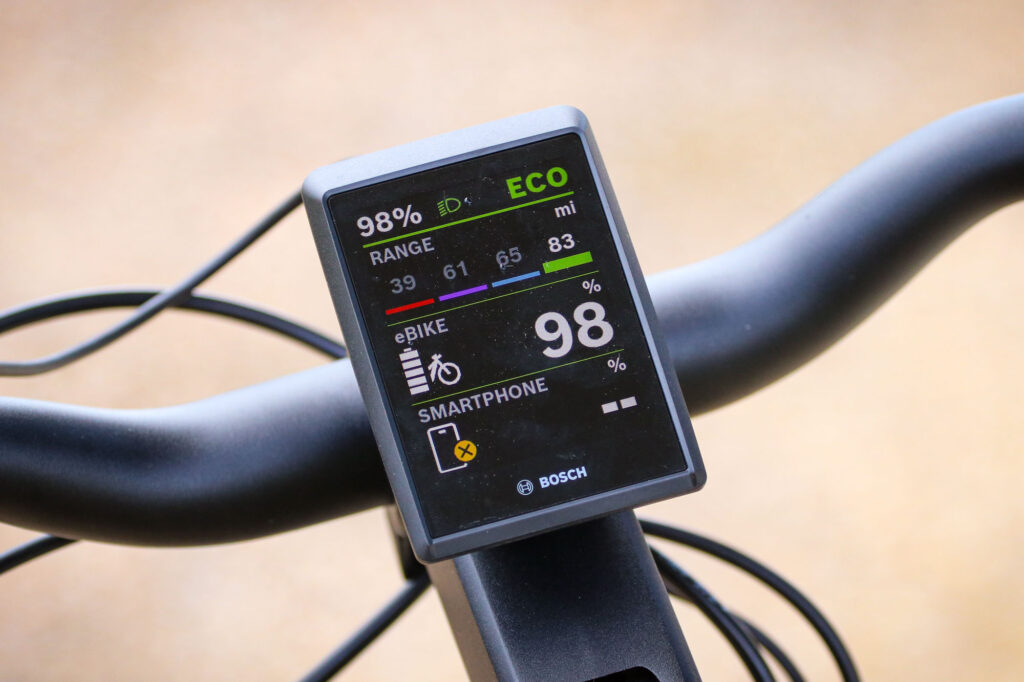
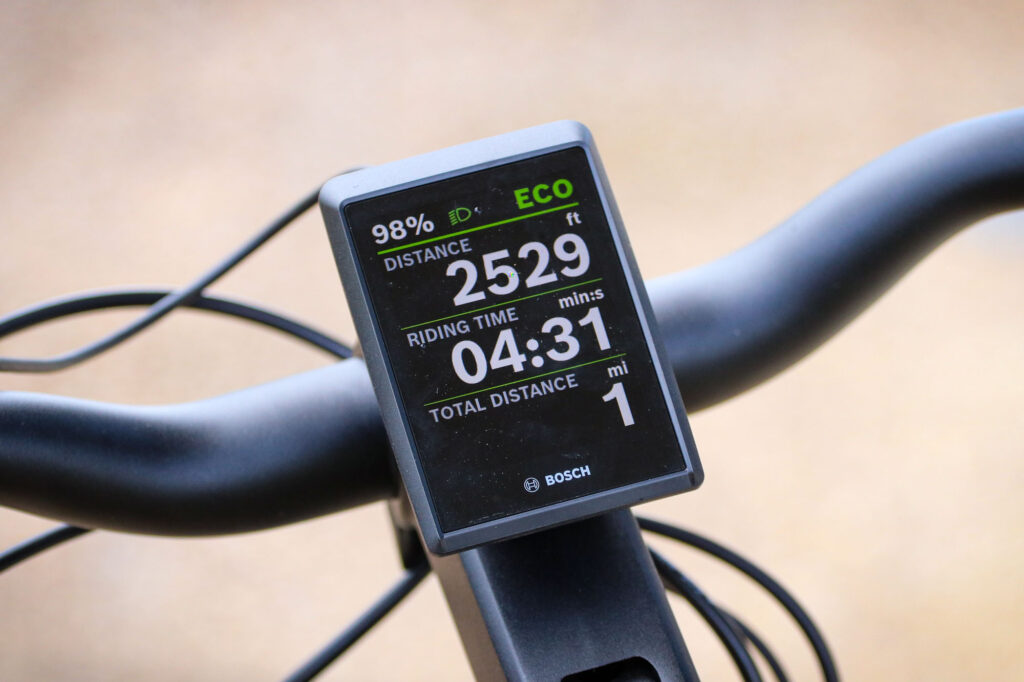
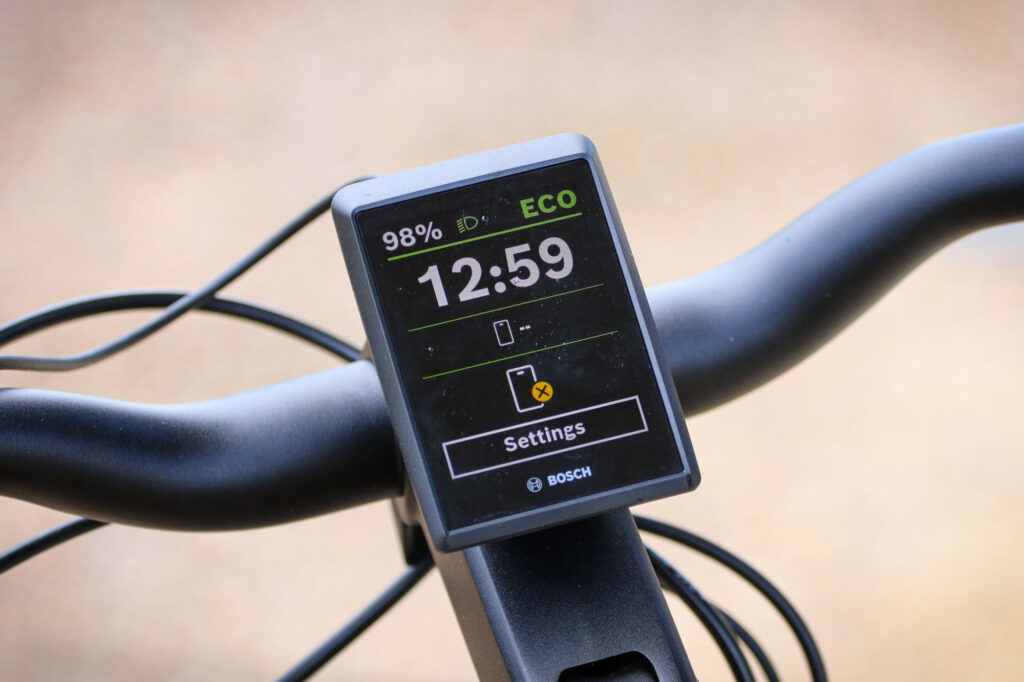
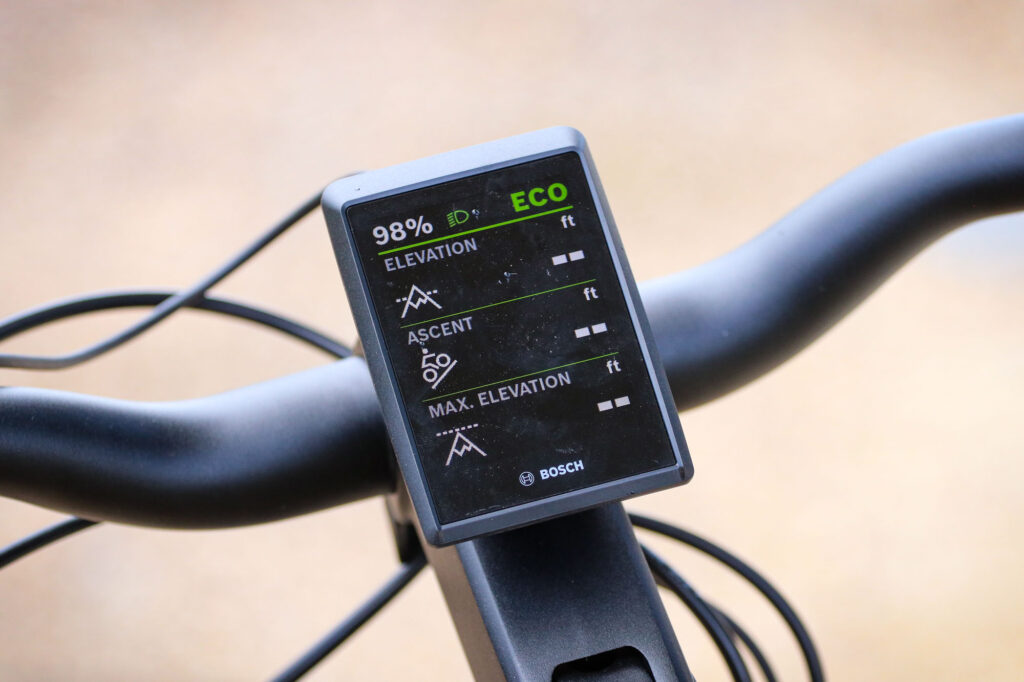
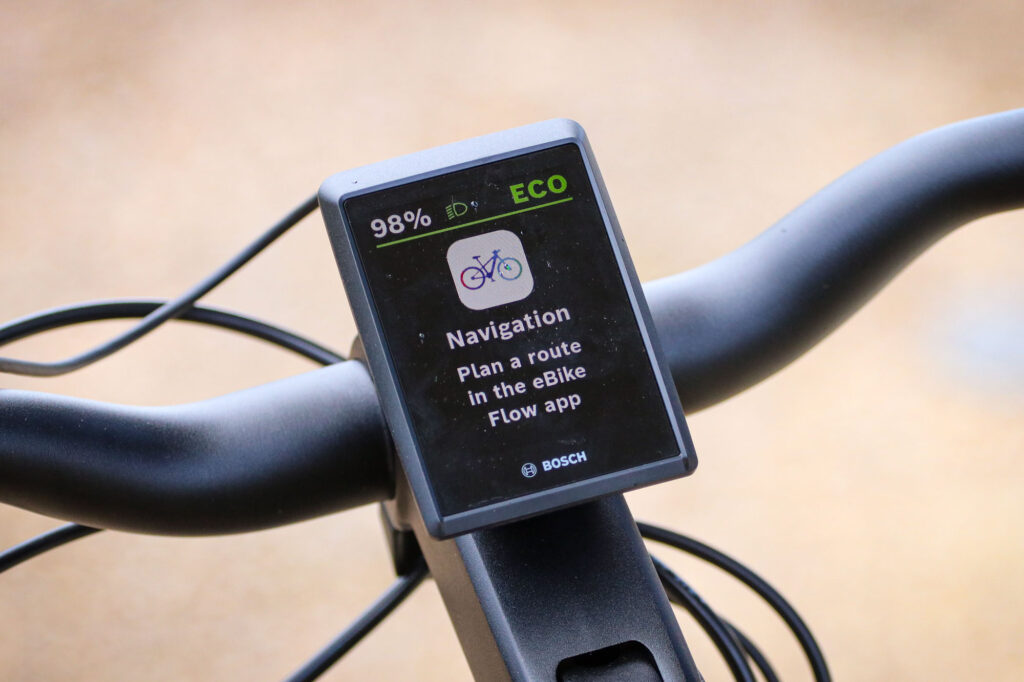
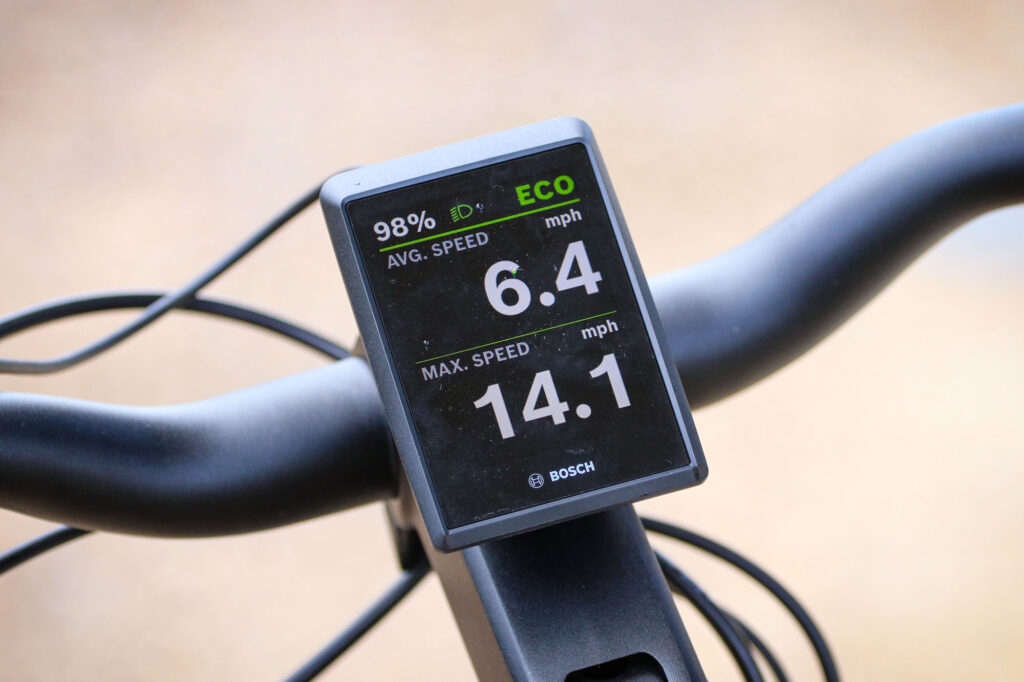
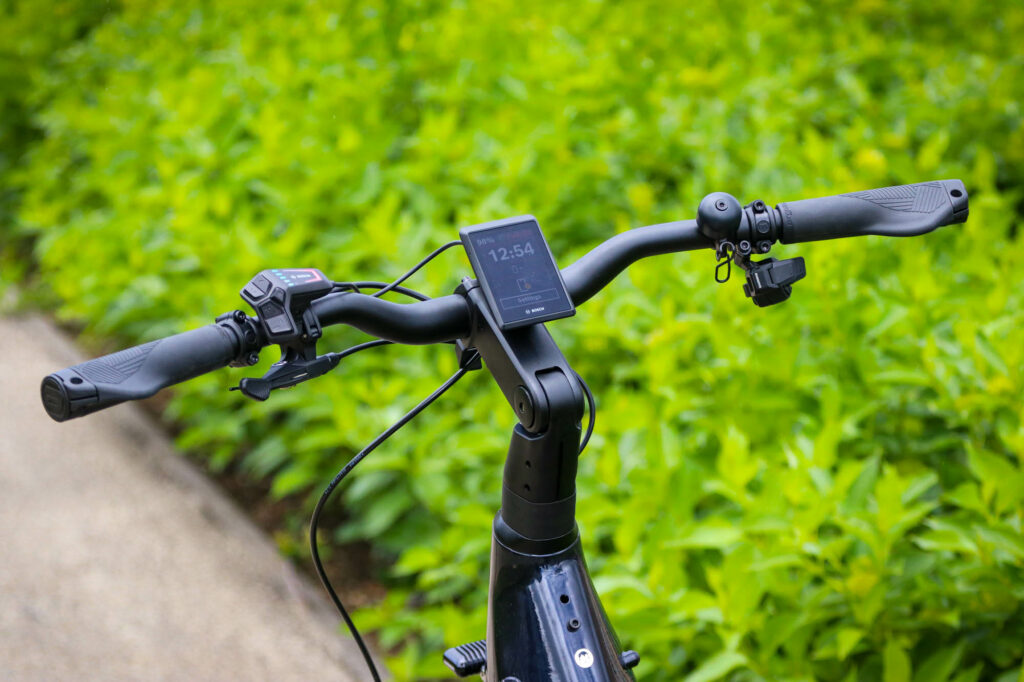
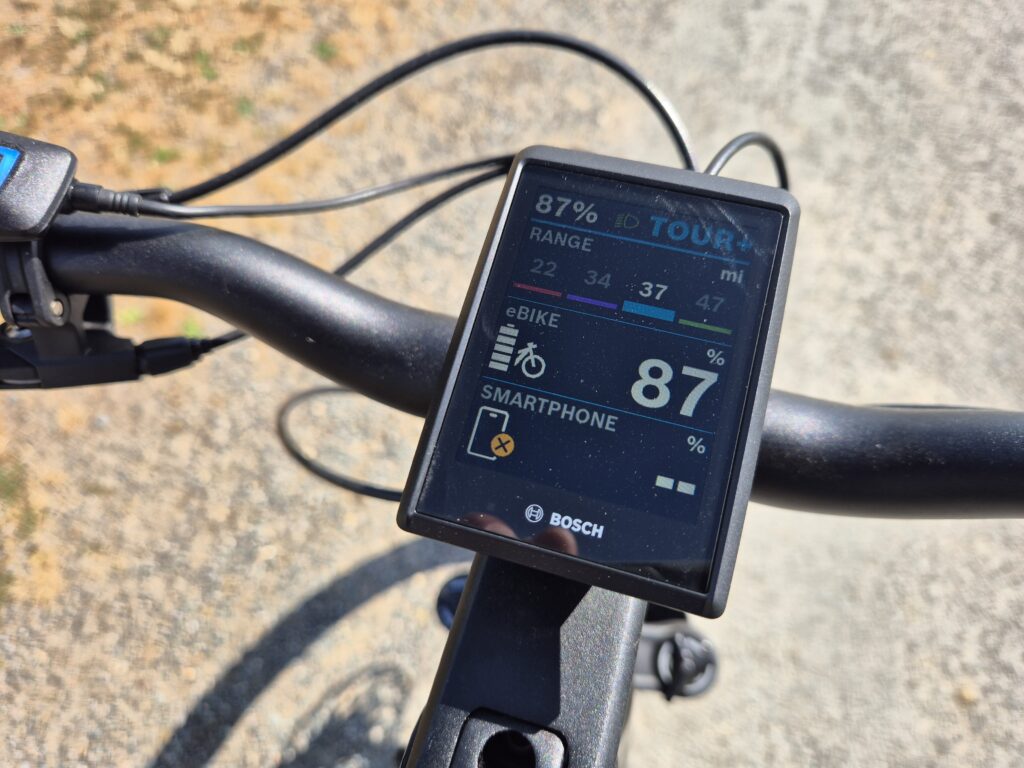
The Bosch display and Smart System add another layer of functionality. There’s far too much to explore in detail here, but you get access to information such as power output and cadence, along with Bluetooth connectivity, navigation, configurable assistance and the settings for the Di2 system.
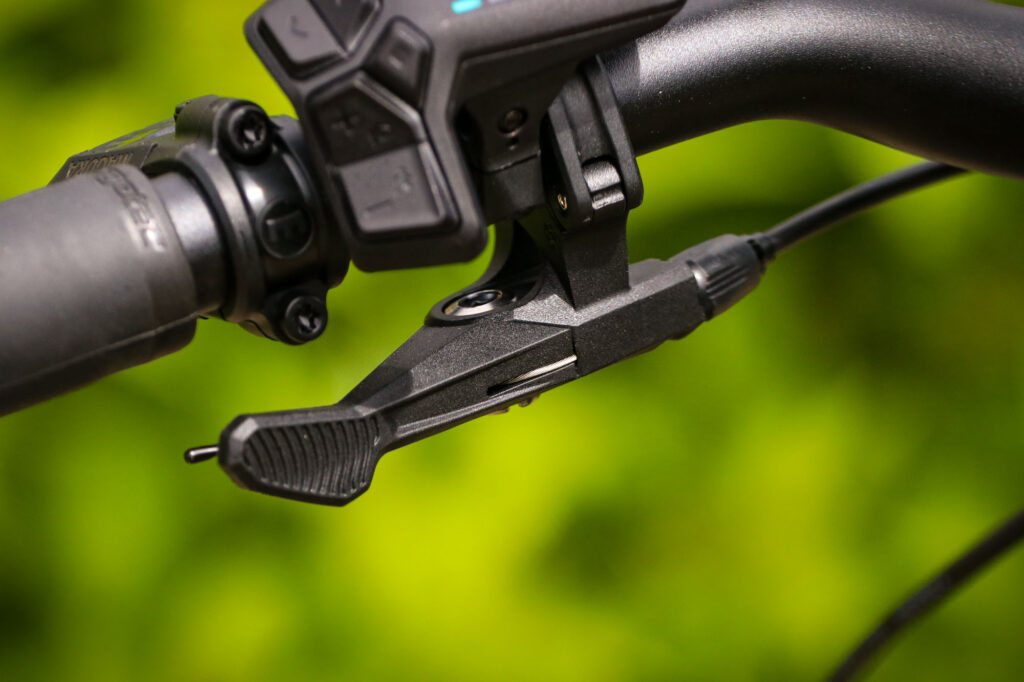
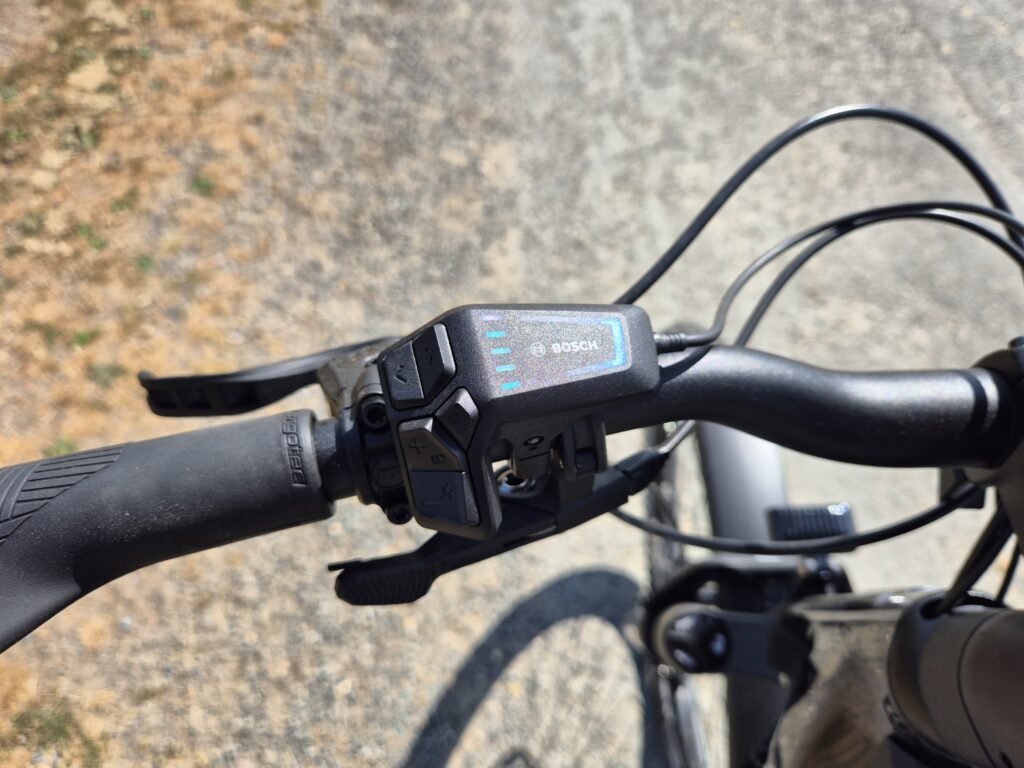
Despite the amount of information available, I never found the interface overwhelming. The display is clear and easy to read, while the controls sit naturally beside the left grip. USB charging for your smartphone is also available.
The removable Accessory Bar mentioned earlier also provides additional mounting points for adventure luggage.
Build quality is exactly where it should be for an e-bike at this level. The Midnight Blue paint on my test bike had a lovely deep finish and remained flawless throughout the test period. Cable routing around the cockpit is exceptionally neat, and despite plenty of rough riding, the bike remained impressively quiet.
There were no irritating rattles from the rack or mudguards, and everything generally felt extremely solid. The exception was the adjustable stem mentioned earlier. Apart from that, attention to detail is excellent.
Pricing and alternatives
The Diamant Suvea range starts at £4,200 for the Trip Plus, while the flagship Trip Pro tested here costs £5,500 with an 800Wh battery or £5,125 with 600Wh.
An alternative model with an Enviolo hub and belt drive – the Suvea Style – is also available for those same prices. Whichever version you choose, the bike sits firmly at the premium end of the e-SUV market.
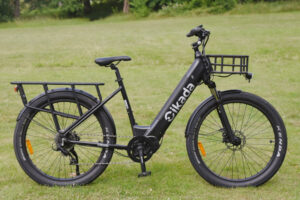
Several alternatives we’ve tested recently cover a fairly wide range of prices. At £1,799, the Cikada Touring is a much more affordable option. It uses a Bafang M410 mid-drive motor with a large 720Wh battery and chunky 2.8in tyres. It can’t match the Diamant’s premium componentry or off-road ability, but Richard was impressed with its hill climbing and carrying capacity and concluded it offered exceptional value.
Closer in price and ability is the Moustache Xroad FS 6. Now priced at £4,399 for the version we tested, it also uses the latest Bosch Performance Line CX motor and adds full suspension, making it a particularly capable option for riders who regularly mix everyday riding with rougher off-road routes.
The £3,999 Megamo Reach HT 10 Equipped is probably the closest direct alternative. Like the Suvea, it’s a hardtail e-SUV built around the latest Bosch Performance Line CX motor, with a 100mm air fork, rack, mudguards and integrated lights. It lacks the Diamant’s dropper post and electronic shifting, but offers a similarly versatile package for considerably less money.
> Trek stars: The best electric touring bikes
Conclusion
After several weeks of daily use, the Diamant Suvea Trip Pro has proved to be an exceptionally versatile e-bike. What I’ll miss most is being able to disappear up onto Dartmoor for an afternoon without worrying about whether I’ll have enough energy left to get home.
It’s arguably overkill for everyday commuting, but point it off the beaten track and it really comes into its own. If I wanted an e-bike for exploring routes where the day’s riding might involve everything from tarmac to rocky bridleways, the Suvea would be very high on my list.
Test Report
What does the manufacturer say about this product?:
The Diamant Suvea reinvents the E-SUV bike at the highest level. The elegant and timeless design conceals the innovative magic of this versatile step-through bike, which becomes a unique multifunctional talent with an optional accessory bar. The maximum system weight is 160kg. Because the Suvea weighs less than 30kg, there is plenty of carrying capacity left for you and your luggage.
Tell us some more about the technical aspects of this product:
The Suvea Trip Pro combines Bosch’s Performance Line CX motor with an 800Wh battery and Shimano CUES Di2 11-speed electronic shifting. A Fox 36 suspension fork, dropper seatpost and powerful Magura four-piston brakes give it considerably more off-road capability than a conventional trekking or hybrid e-bike.
Any further comments on quality?:
Overall excellent quality – the only issue was the adjustable stem coming loose off-road.
How does the price compare to that of similar products in the market, including ones recently tested?:
It’s priced at the upper end for a hybrid/trekking e-bike, although the level of equipment speaks for itself.
List the components used to build up the bike:
Frame: High-performance hydroformed alloy, Smart Routing for cables, UDH dropout, belt split, ringlock mount
Fork: Fox 36 AWL HD, air spring, Sweep adjust, 100 mm travel Fox 36 AWL HD, air spring, Sweep adjust, 100mm travel
Wheels / Rims: Bontrager Kovee, double-wall, Tubeless-Ready, 32-hole, 23 mm width, Presta valve Shimano TC500 alloy, CentreLock, 110×15 mm thru axle Shimano TC500 alloy, CentreLock, 148×12 mm thru axle
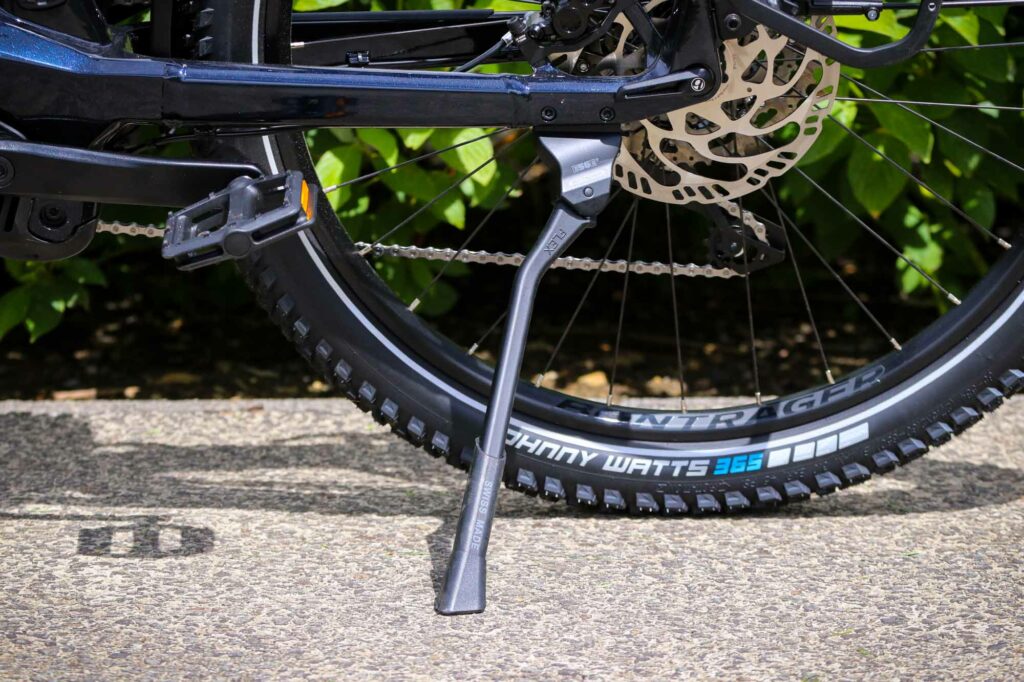
Tyres: Schwalbe Johnny Watts 365, reflective strip, puncture protection, 65-584
Battery: Bosch PowerTube 600 Bosch PowerTube 600
Motor: Bosch Performance Line CX (Europe and APAC: 25 km/h, US and ROW: 20 mph / 32 km/h) Bosch Performance Line CX (Europe and APAC: 25 km/h,
Display: Bosch Kiox 500, smart system Bosch Kiox 500, smart syst
Rear Derailleur: Shimano CUES U8050 Di2, 50T max cog
Shifters: Shimano EN605 Di2, 11-speed Shimano EN605 Di2, 11 speed
Crankset: ProWheel alloy, 165mm length
Cassette: Shimano CUES LG400, LINKGLIDE, 11-50, 11-speed
Chain / Belt: Shimano LG500, 9/10/11-speed
Pedals: VP-536 nylon platform
Saddle: Selle Royal Vivo Moderate Ergo with Royalgel
Seatpost: Suspension dropper post TransX YSP28PLQ, internal cable routing with 100 mm drop, 362 mm long
Stem: Aluminium, adjustable, 31.8 mm, Blendr-compatible, with display mount
Handlebar: Ergotec Ergo Series XXL, 31.8 mm, 30 mm rise, 16 degree sweep
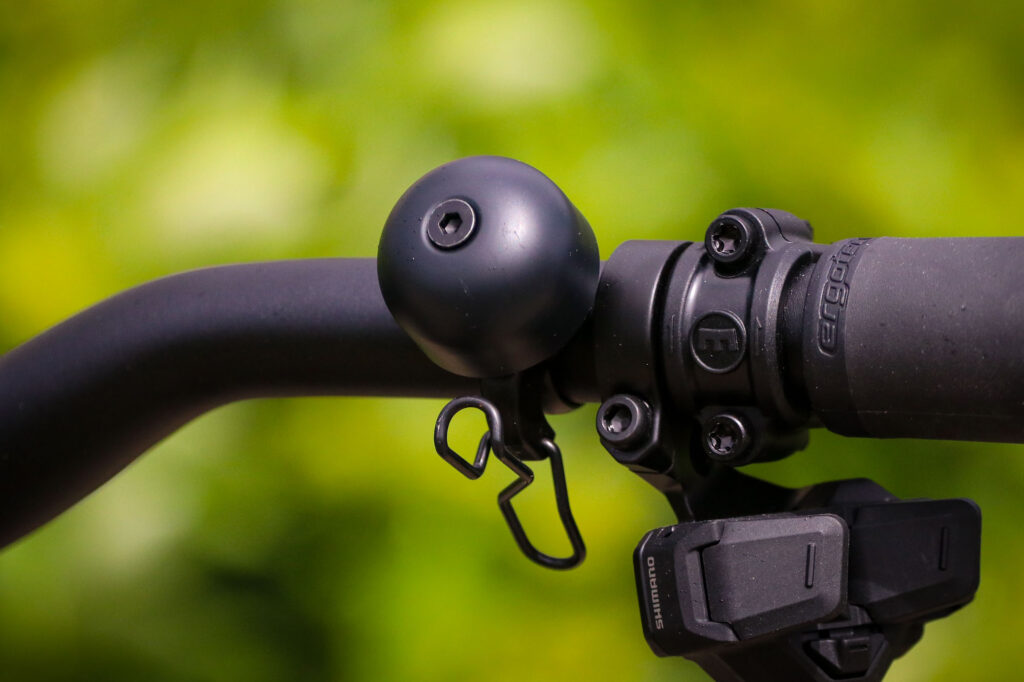
Grips: Ergotec EG Active Flex, lock on, flex adjustment
Brakes: Magura MT Thirty, 4-piston hydraulic disc Magura MDR-C, 203 mm
Lights: Spanninga Pimento Large, with brake light; Supernova Starstream, 500 lumen, LED
Carrier: MIK-compatible alloy rear rack
Kickstand: Pletscher Comp Flex 40
Weight (kg): 28.5
System Weight (kg): 160
What kind of motor is it? :
Bosch CX motor, with an available update for the latest 120Nm firmware.
Did you enjoy using the product? Yes
Would you consider buying the product?
Yes, I’d definitely consider it for off-road adventure riding.
Would you recommend the product to a friend?
Yes, if they wanted an all-purpose e-bike.
Use this box to explain your overall score
The Diamant Suvea is a true ‘do-it-all’ e-bike
About the tester
Age: 57Height: 182cmWeight: 106kg
I usually ride: Road/GravelMy best bike is: Pinarello Monviso
I’ve been riding for: Over 20 yearsI ride: Most daysI would class myself as: Experienced
I regularly do the following types of riding: Gravel riding, Commuting, Fitness riding, Leisure riding