



The Deda Superzero RS Carbon Bars blend traditional handlebar shaping with modern carbon construction. The shape will appeal to traditionalists, but with an aerodynamic profile and stiffness that are only possible with carbon manufacturing.
The Superzero RS Carbon is available in four widths from 40cm to 46cm, all measured from outside to outside. This differs from most brands, which typically measure centre to centre. That means the 42cm bar tested here compares to one measuring approximately 39cm centre to centre.
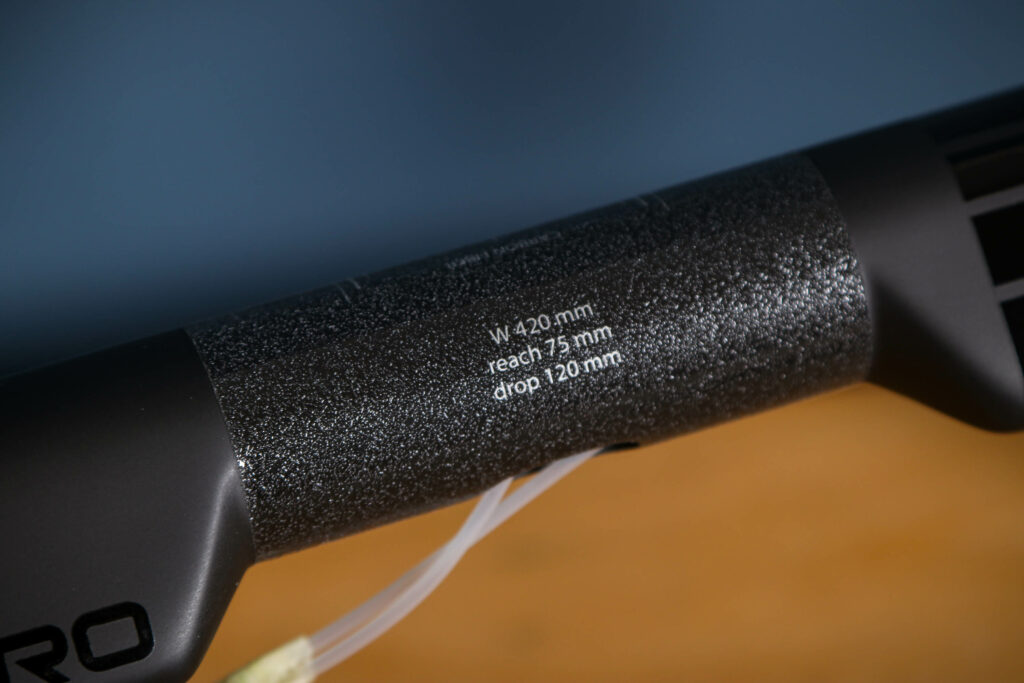
The handlebar features an aerodynamic flat-top section that transitions into a pronounced curve and rounded drops. Deda calls the shape RHM-EVO, with a 75mm reach and 120mm drop. There is no flare, and when viewed from above it almost appears to have negative flare.
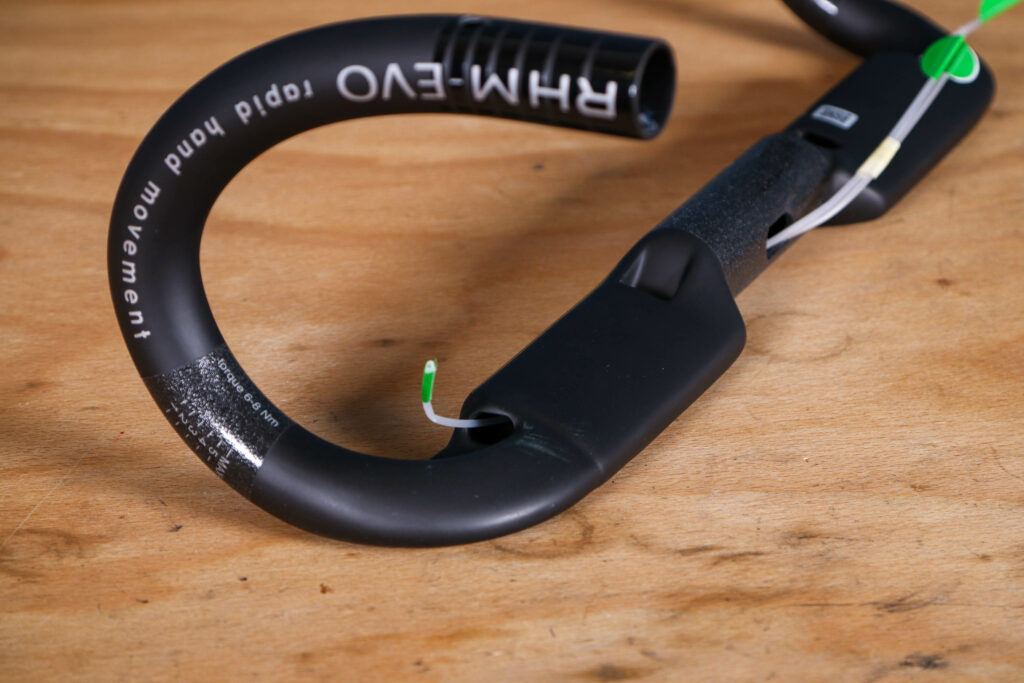
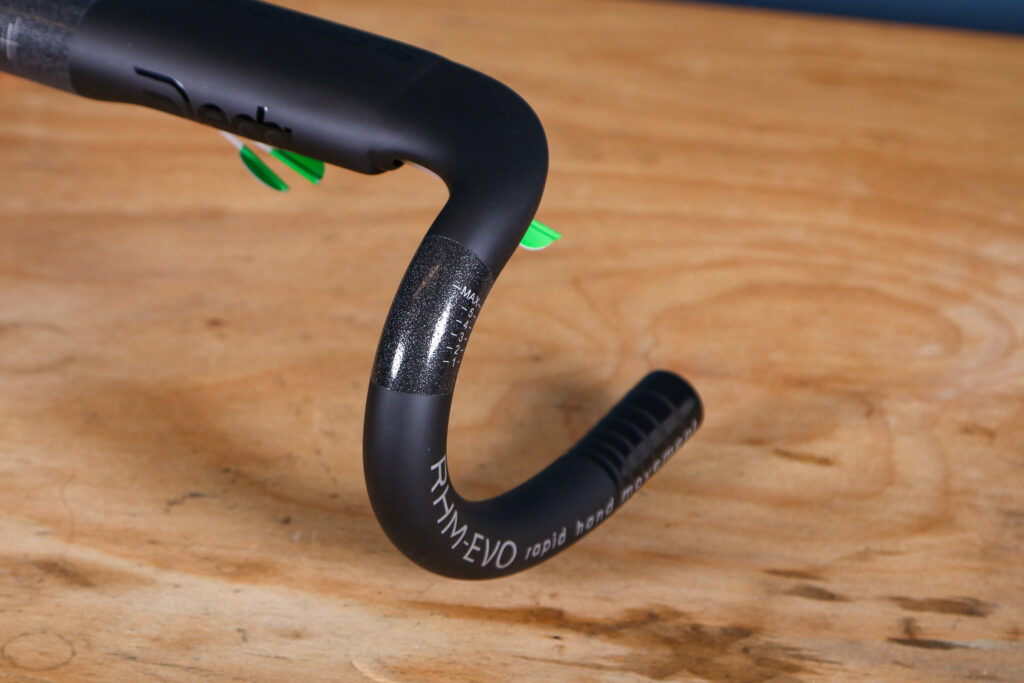
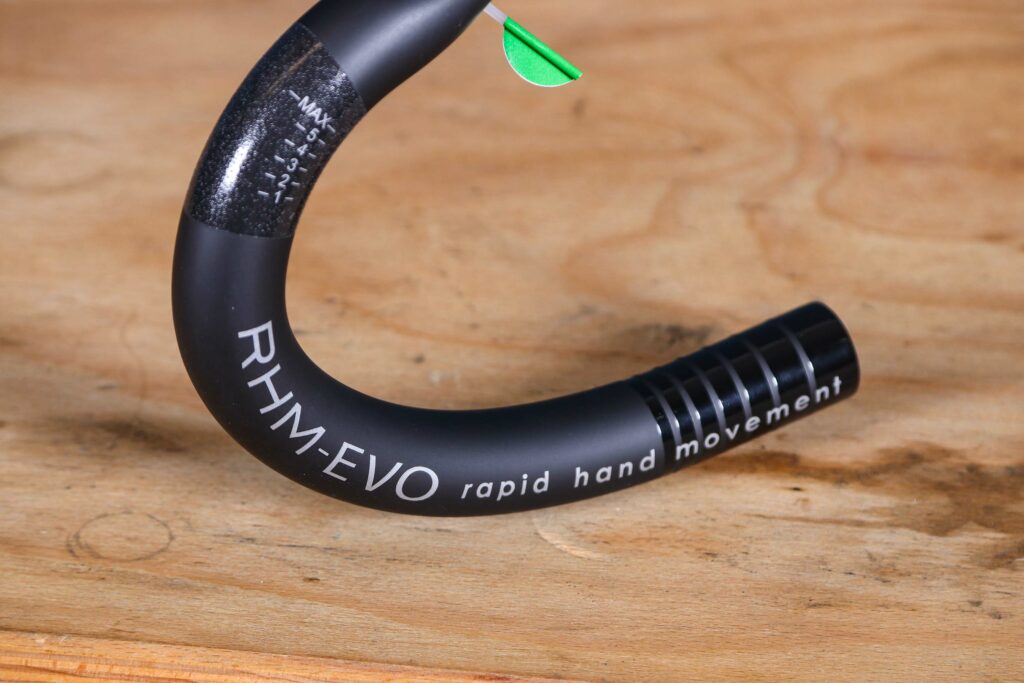
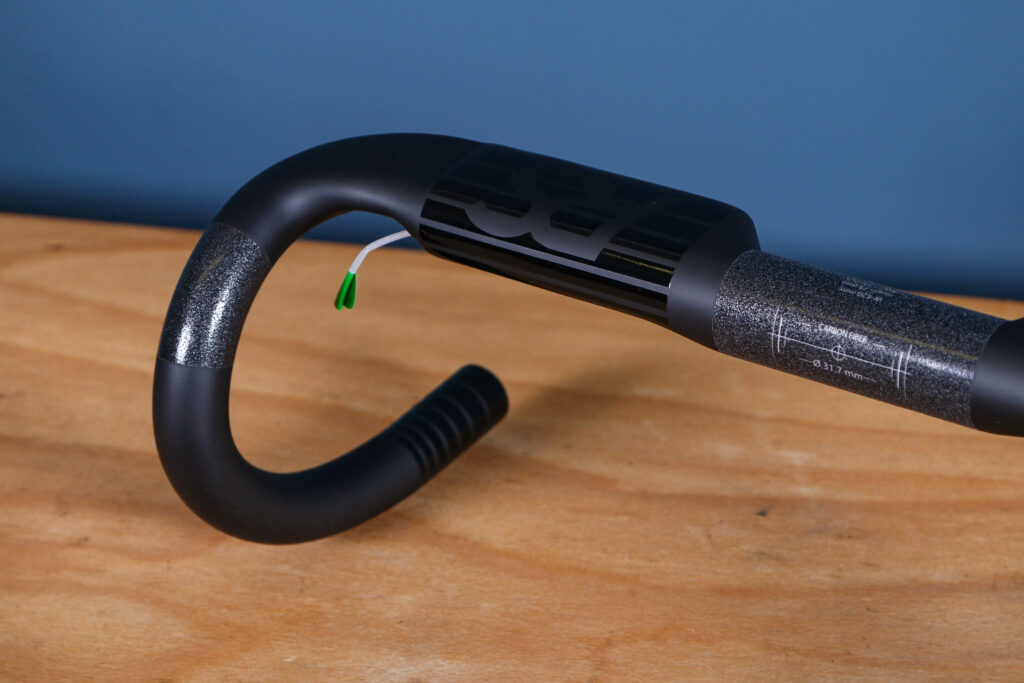
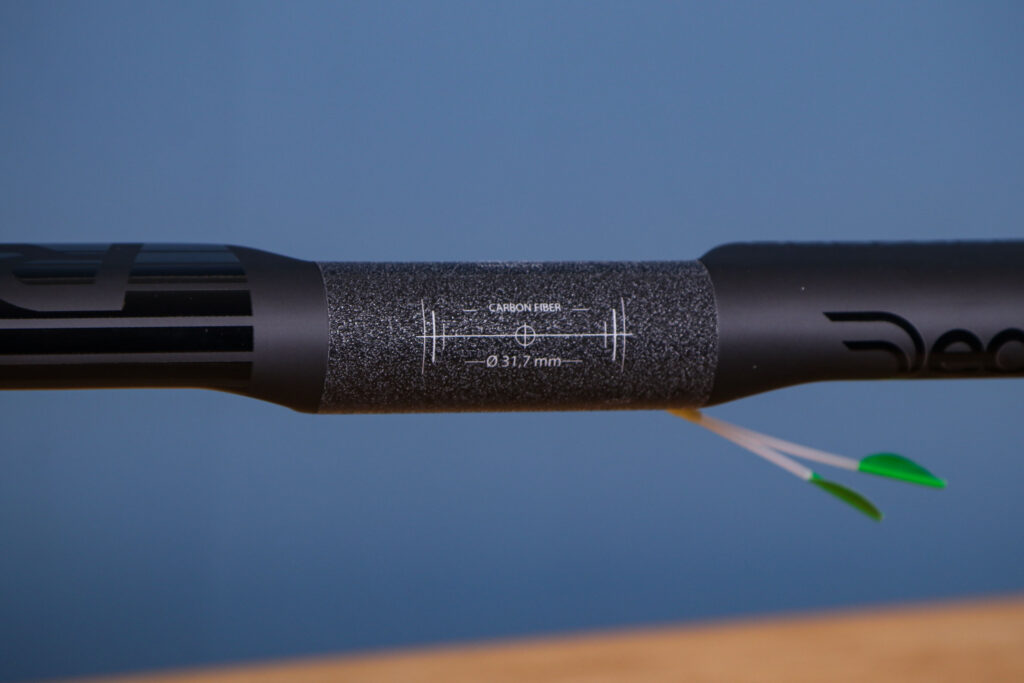
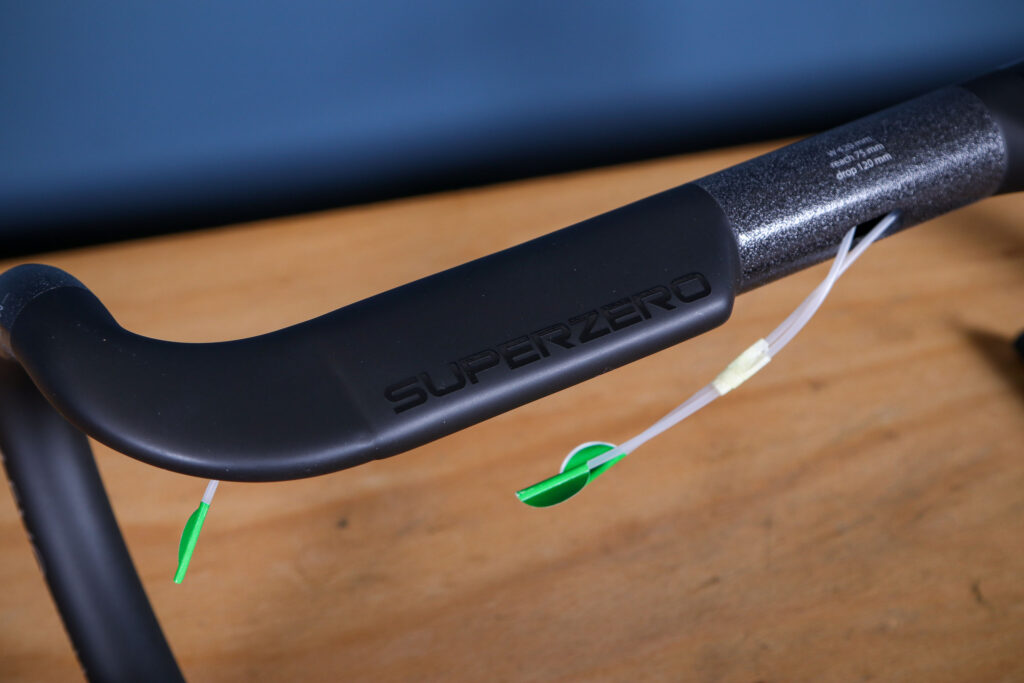
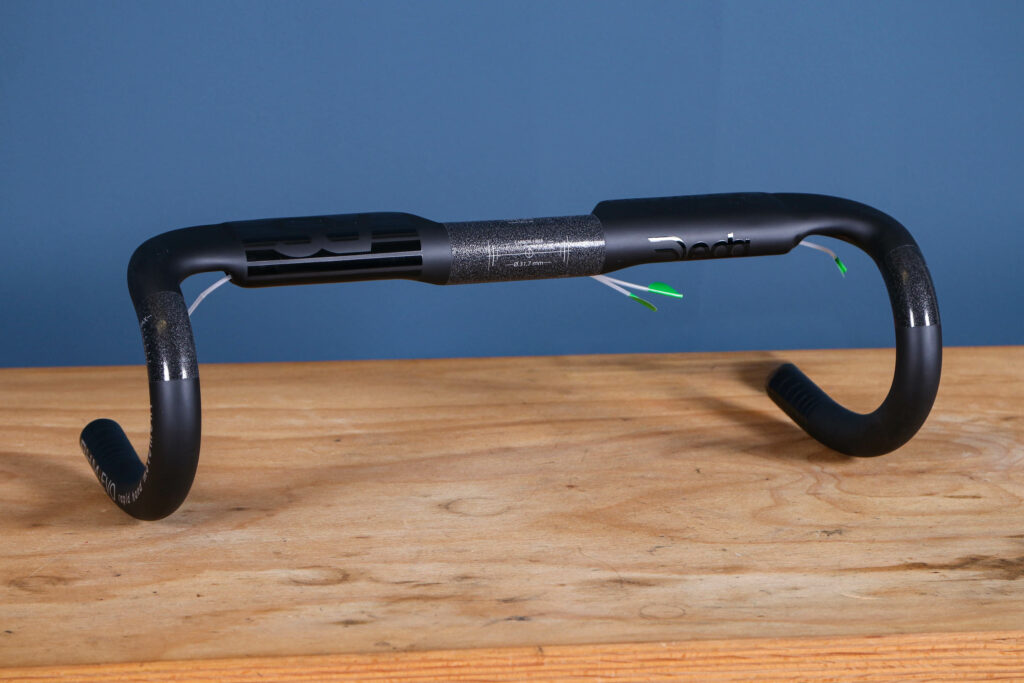
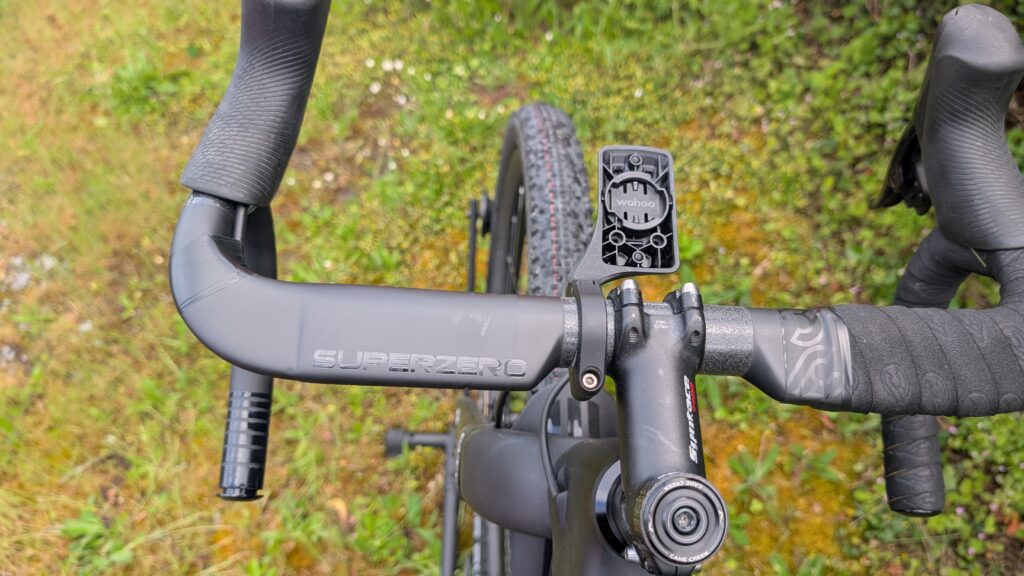
Constructed from unidirectional carbon fibre, the handlebar has a claimed weight of 235g in the 42cm size. The test sample weighed 240g, a variance of just 2 per cent.
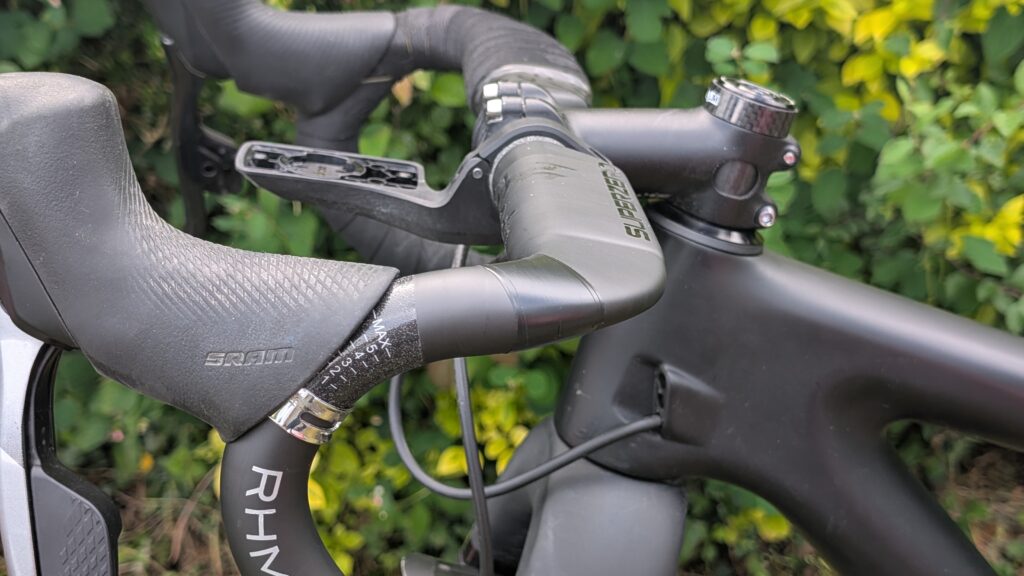
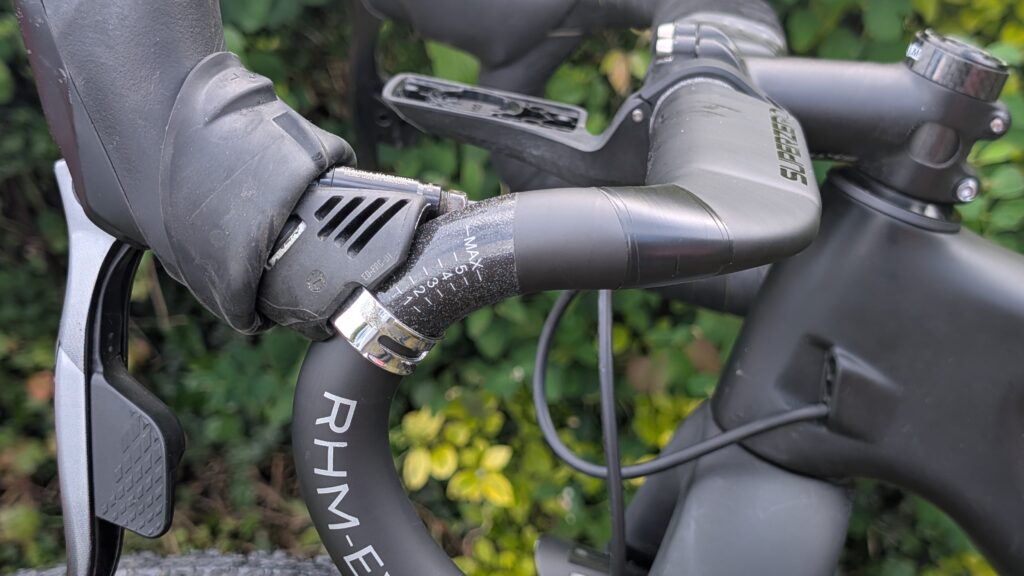
Despite the relatively tight bend, fitting the brake hoods was straightforward, although I found the positioning markings poorly located.
Using previous generation SRAM Force AXS levers – which I do not believe differ significantly in shape from current models – I had to position the clamp at the lower limit of the recommended markings to maintain a smooth transition from bar to hood. Using higher markings and having the clamp line up with anything from number 1 to MAX would have created a significant rise in the hood before reaching the handlebar.
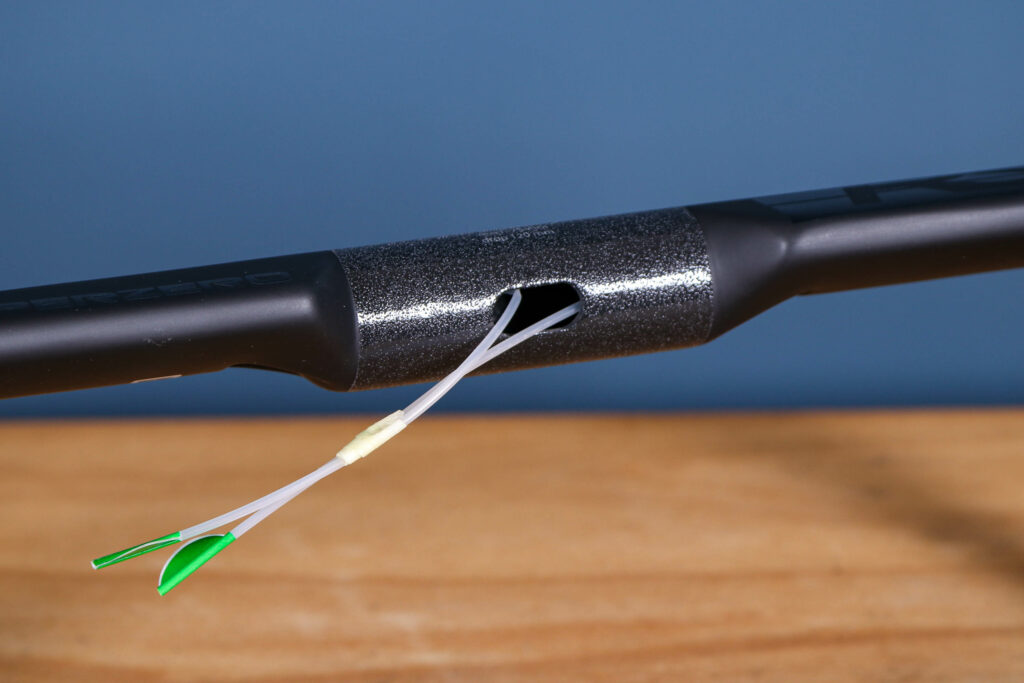
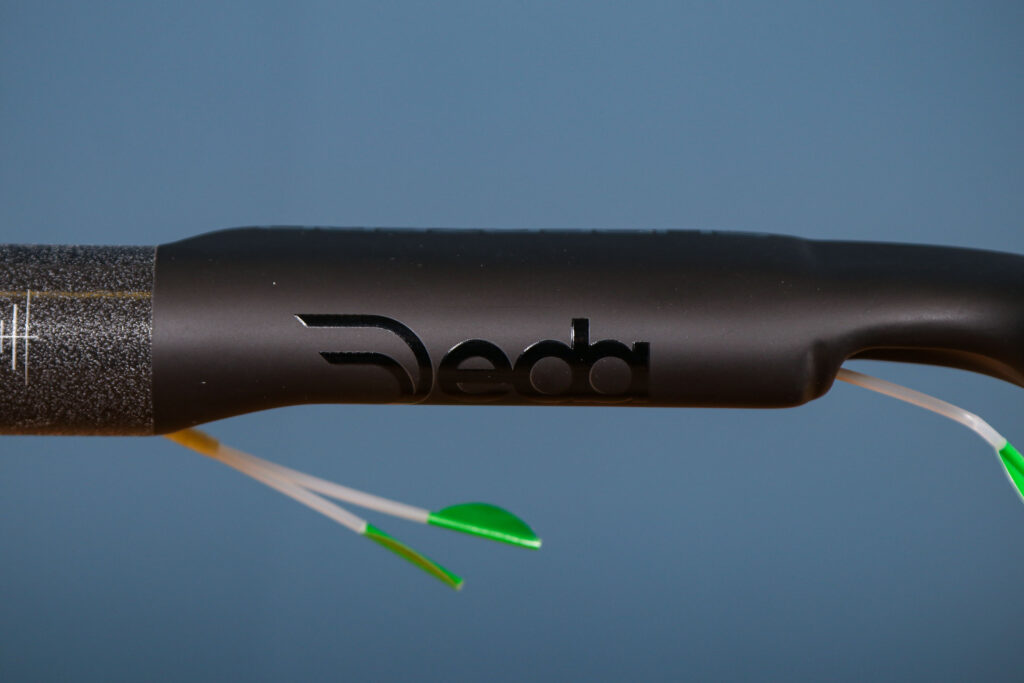
The handlebar is compatible with the firm’s DCR (Deda internal cable routing) system, and the cable ports and routing holes are well positioned when feeding cables through.
Although I did not test it with a fully integrated system, there is a standard-sized opening that allows cables to pass into the stem and onwards through the frame if you have a fully integrated hose setup. Cable ports at either end of the flat-top section also allow for neat semi-internal routing and a clean cable exit.
The decals cover most of the flat-top section and provide some visual interest if you choose to wrap the bars only slightly beyond the hoods.
On the road, the flat-top shape is comfortable and ergonomically shaped, offering a natural hand position. There is sufficient depth to the upper section to support the wrists when riding with hands on the tops.
The shape and curvature are traditionally Italian, with no flare and a pronounced curve into the drops, complemented by the 120mm drop. Deda also offers a Gravel version with 16 degrees of flare for those wanting additional width and control.
The clamp area measures 83mm wide, providing enough space for most stems while leaving room for an out-front computer mount and additional accessories such as lights.
Deda’s Fast Pro Extensions are also compatible with the Superzero RS Carbon, although, as with many aero handlebars, adjustment and mounting space is limited.
Ride quality is excellent, with no noticeable harshness or unwanted vibration. Stiffness is equally good. While I am not the heaviest rider, even during hard sprint efforts and aggressive push-pull movements on the bars, I could detect no discernible flex in any direction.
The aerodynamic profile is less extreme than that of the Deda Vinci, which is designed to integrate with the Vinci stem for a more seamless cockpit appearance. Despite this, the two handlebars are very similar in both weight and price – although the Vinci handlebar has noticeably more flex in the drops.
At £299, the Superzero RS Carbon sits firmly in the premium category, although it doesn’t stand alone. The Roval Rapide costs £350, while the FSA K-Wing AGX comes in at £240.
The last handlebar I tested was the PRO Discover Aero Carbon, priced at £350. For me, the PRO Discover Aero offers a more comfortable shape, even better cable routing and weighs only slightly more at 276g in the 40cm centre-to-centre size.
If you favour a traditional round bar shape with no flare, the Deda Superzero RS Carbon successfully preserves that character while adding the benefits of carbon construction, comfort and modern internal cable routing. Its weight and pricing place it firmly alongside its competitors, even if it lacks a standout feature that truly sets it apart.
> Best road bike handlebars 2026 — fine-tune your bike’s front end for comfort and performance
Test Report
What does the manufacturer say about this product?:
The Superzero handlebar with the exclusive RS version. More aerodynamic, lighter and stiffer. It has been designed to minimize air resistance and provide a more ergonomic and comfortable position. The handlebar features the new RHM-EVO shape, the evolution of the current geometry with 120mm more compact drop. This allows you to keep the low position much longer with an increase in comfort. The DCR (Deda internal cable routing) system allows the full integration of the cables inside the handlebar with any compatible frame, but it is also compatible with a semiinternal cable routing. Bigger central exit hole to facilitate the assembly of internal cables. Available in 4 sizes, from 40 to 46 measured outside to outside.
Tell us some more about the technical aspects of this product:
Shape: RHM-EVO
Material: UD carbon fibre
Diameter handlebar: 31.7mm
Reach: 75mm
Drop: 120mm
Clamp area width: 83mm
Widths: 40cm, 42cm, 44cm, 46cm (outside to outside)
Weight: 235g (42cm)
Finish: POB (polish on black)
Note: Compatible with DCR system up to 4 cables; compatible with all Deda extensions.
Any further comments on quality?:
While the construction seems fine, the markings and grip surface for mounting the brake levers seems poorly placed.
Any further comments on performance?:
Solid and stiff construction with no flex detected, even when trying to push and pull while sprinting.
Did you enjoy using the product?
They were okay, but nothing exceptional.
Would you consider buying the product? No
Would you recommend the product to a friend?
For riders with lots to spend who are looking for a traditional bar with no flare, they are worth considering.
Use this box to explain your overall score
A high-quality handlebar that performs well in all the key areas, offering excellent stiffness, comfort and modern cable routing while retaining a traditional shape. However, its premium price and conventional design mean it does not stand out significantly from rival options. Riders who want some flare or more distinctive features might look elsewhere.
About the tester
Age: 41Height: 168cmWeight: 61kg
I usually ride: Road / Gravel / MTBMy best bike is: Cannondale SystemSix
I’ve been riding for: Over 20 yearsI ride: Every dayI would class myself as: Semi-pro or ex-pro
I regularly do the following types of riding: Cyclocross, Gravel riding, Indoor riding, Bikepacking, Audax, Mountain bike XC


2 thoughts on “Deda Superzero RS Carbon Bars – 42cm”
Are stiff bars desirable for anyone other than sprinters?
I have an ancient set of bars that flex like a piece of liquorice: they’re lovely to use
How do they taste?