


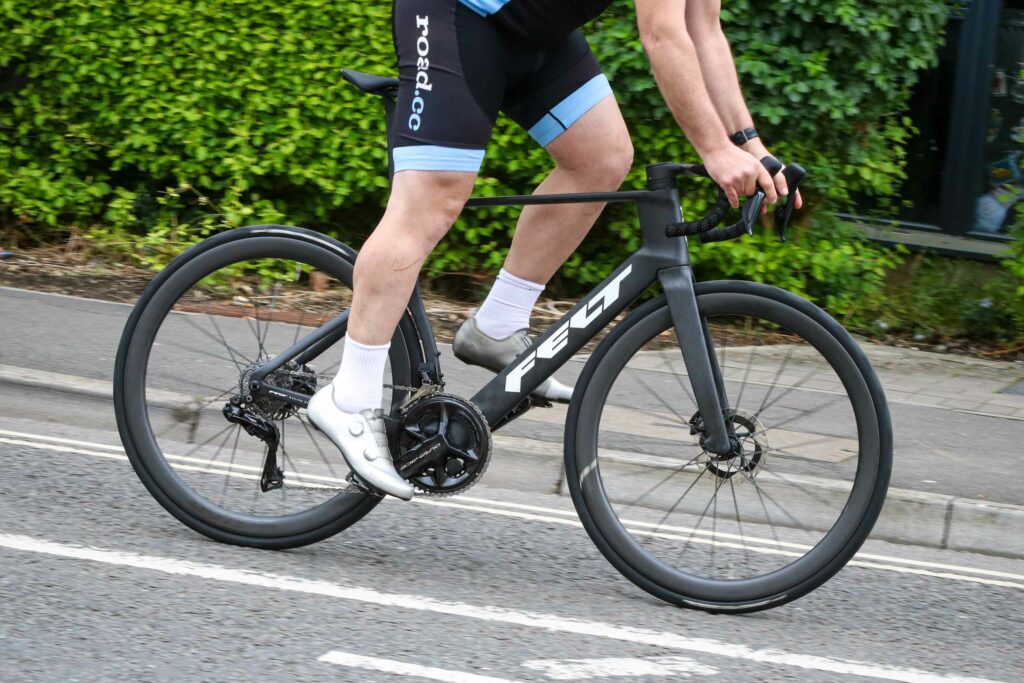



The Felt Nexar FRD is the range topper in Felt’s line-up of aero road bikes, a range it describes as ‘engineered for the 99 percent.’ That’s right, an aero bike designed for the masses, rather than the elite peloton… does it work? Yes! It’s quick, easy to ride and (considering how chunky those aero tubes are) surprisingly comfortable too.
Sub-7kg bikes with huge, stiff aero tubes are not renowned for smooth rides, let alone their ability to absorb the vibrations created by much of the UK road network, but this was the standout feature of my first few rides on the Nexar.
It’s a seriously comfortable bike – something I wasn’t really expecting, and something that made me reach for the Felt a surprising amount. Even when a flat-out speed session wasn’t what I had planned.
Aero normally means long and low, but Felt says the Nexar’s slightly higher stack and shorter reach than found traditionally allow riders of all levels (and sizes, thanks to seven frame sizes) to hold speed in the real world. And I’m going to agree with them.
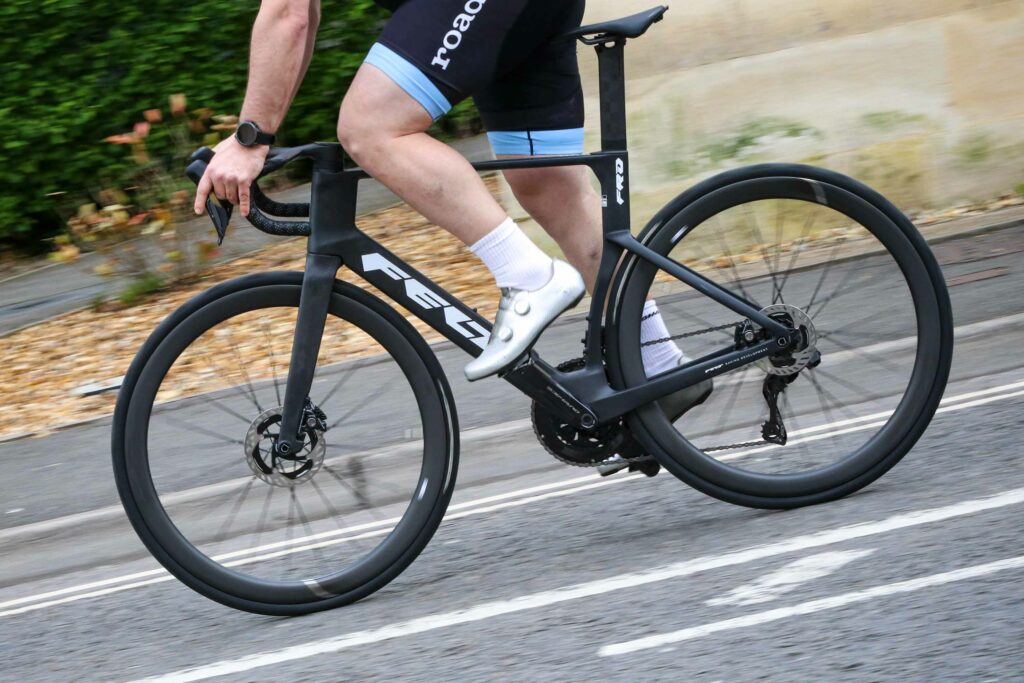
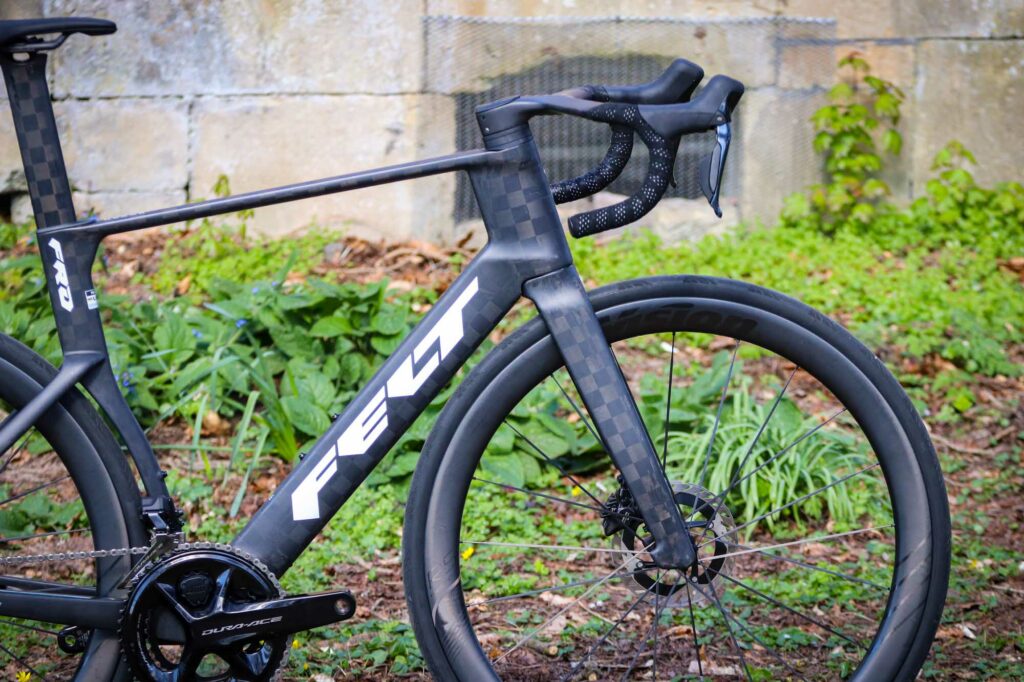
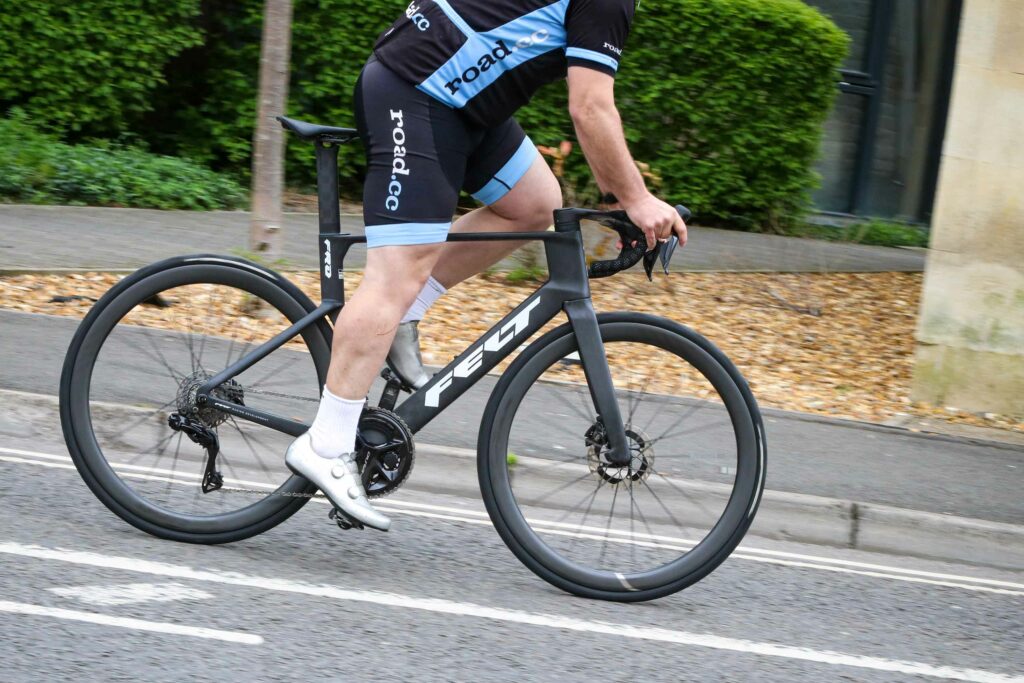
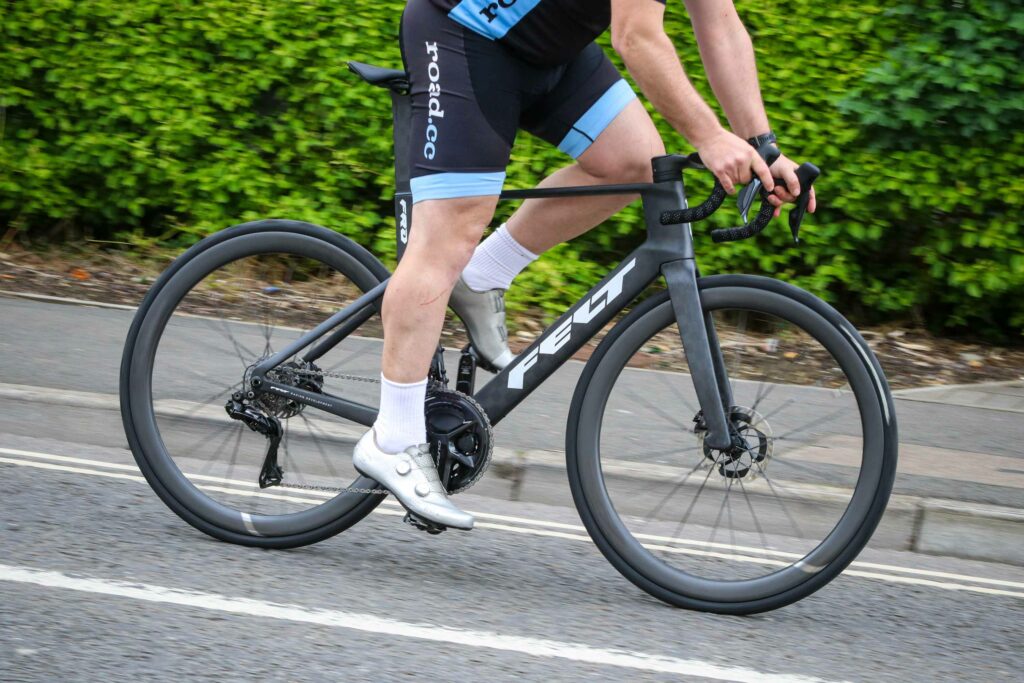
As a man in his late forties with crash-damaged joints, a niggling shoulder issue and back pain, I found riding the Nexar a pleasure. I still felt like I was on a high-performance race machine and could easily get low enough for efficiency and cheating air resistance, but I could also hold that position for a long time too. Being less stretched out, even by a few millimeters, made a massive difference to long term comfort.
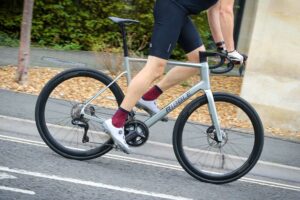
In the real world this feels like a fast bike. It seemingly cuts through the air well, and above 18-20mph you get that familiar feeling that it just takes less effort than a non-aero set up.
Felt has gone quite conservative with wheel depth, but I found switching to 60mm-deep carbon rims really unleashed the Nexar and turned it into a bit of a rocket ship. Albeit a slightly heavier one.
In its standard build this size large/56cm weighed a very svelte 6.62kg on our office scales, so it’ll come as no surprise that the FRD is one very light-feeling, responsive bike pretty much everywhere. It pulls away or changes speed with minimal effort and surges up hills.. well, it surges relatively speaking. It certainly made climbing fun, which is not something I’d normally say.
Aiding both acceleration and climbing is the impressive stiffness. This is a very tight bike, and it’s particularly notably around the bottom bracket when hammering the pedals hard out of the saddle.
The wheelbase is well under a meter on this large frame, so it feels nippy and responsive at all speeds. The front end also has a great feeling of rigidity and stability, which gives confidence at high speeds.
The Nexar is a quick-handling machine, but the rapidity has been backed off a bit compared to the most aggressive race bikes, in search of that user friendliness. The Felt tackled my tricky, high-speed test descent with ease, and dealt smoothly with the entrance to the off-camber chicane. Some bikes can show a slight bit of understeer here, but no such problems for the Nexar.
The Nexar just feels like a great race bike. It did everything I asked of it and, unlike some aero bikes with a mix of pros and cons to the design. The Felt just works. With the additional bonus that it is flipping quick!
Frame & Fork
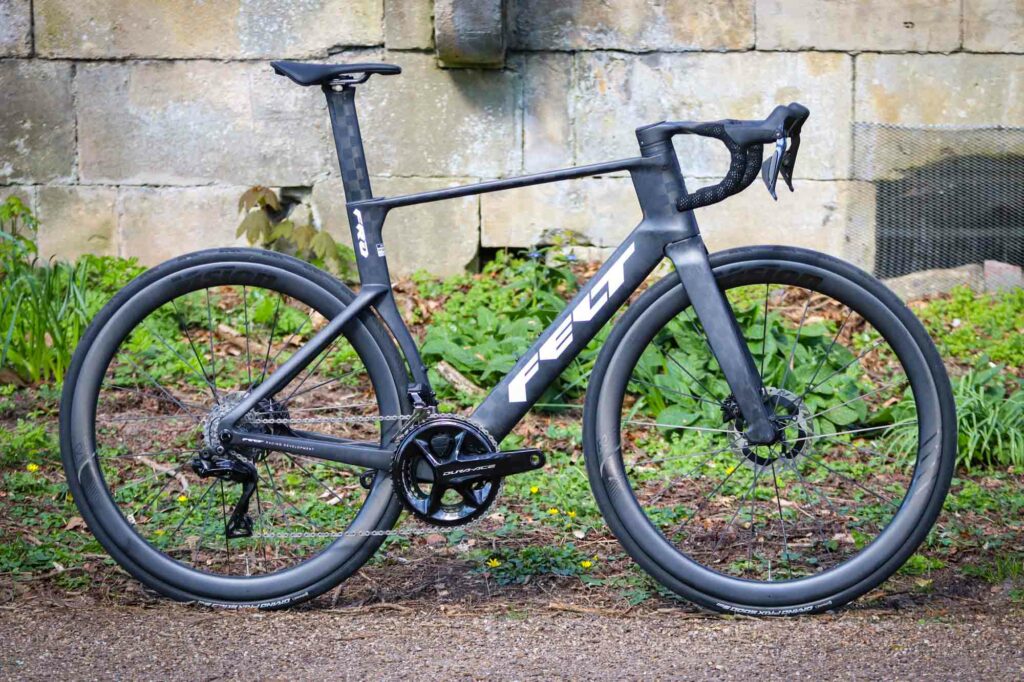
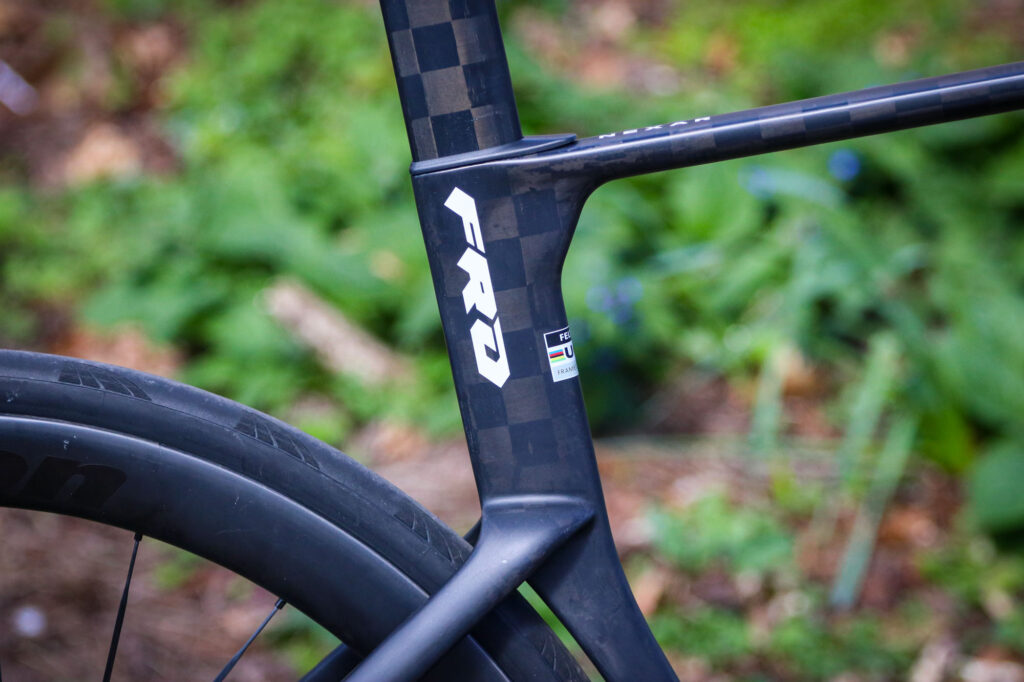
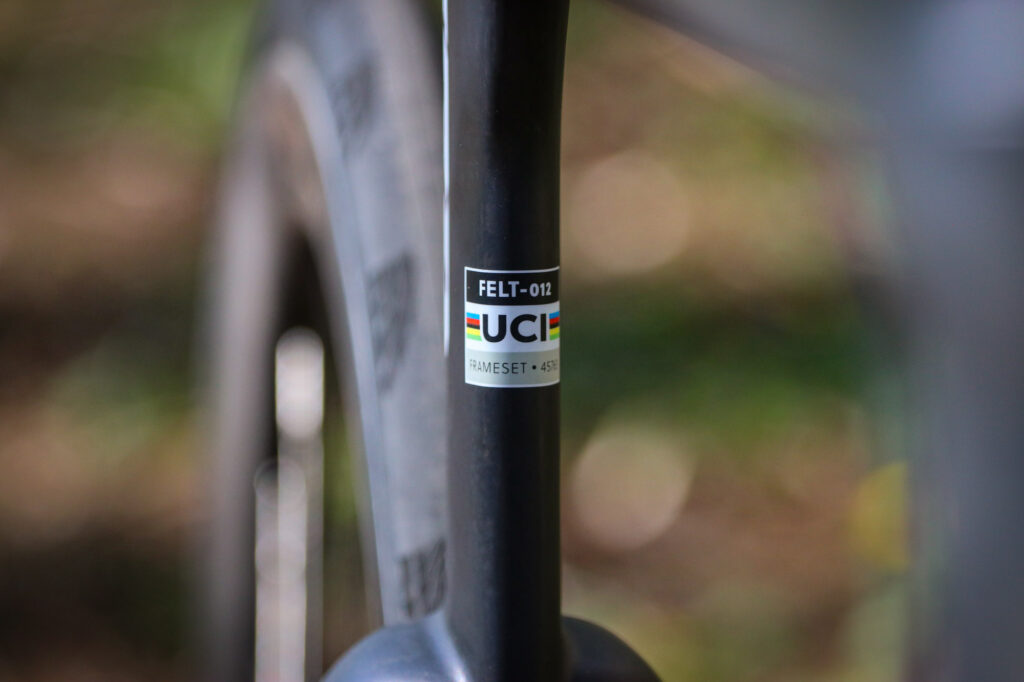
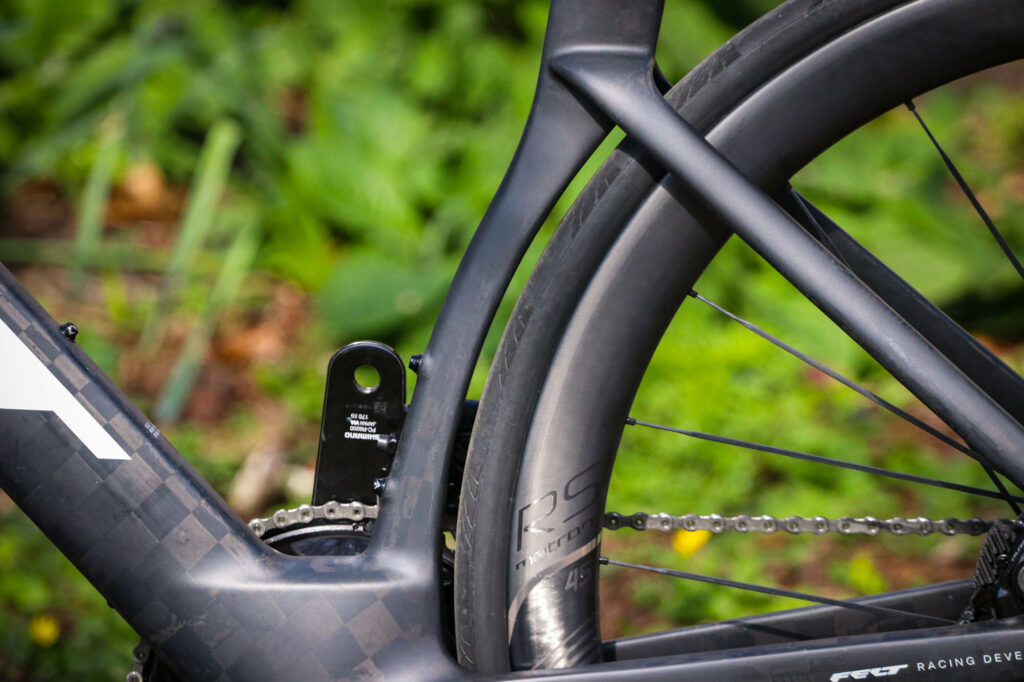
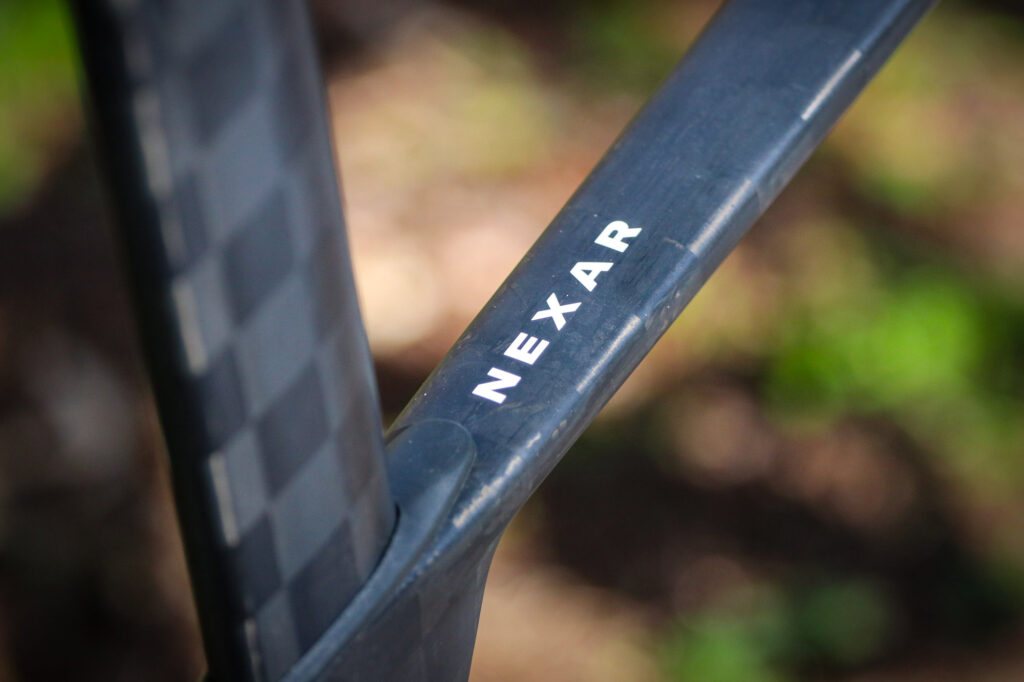
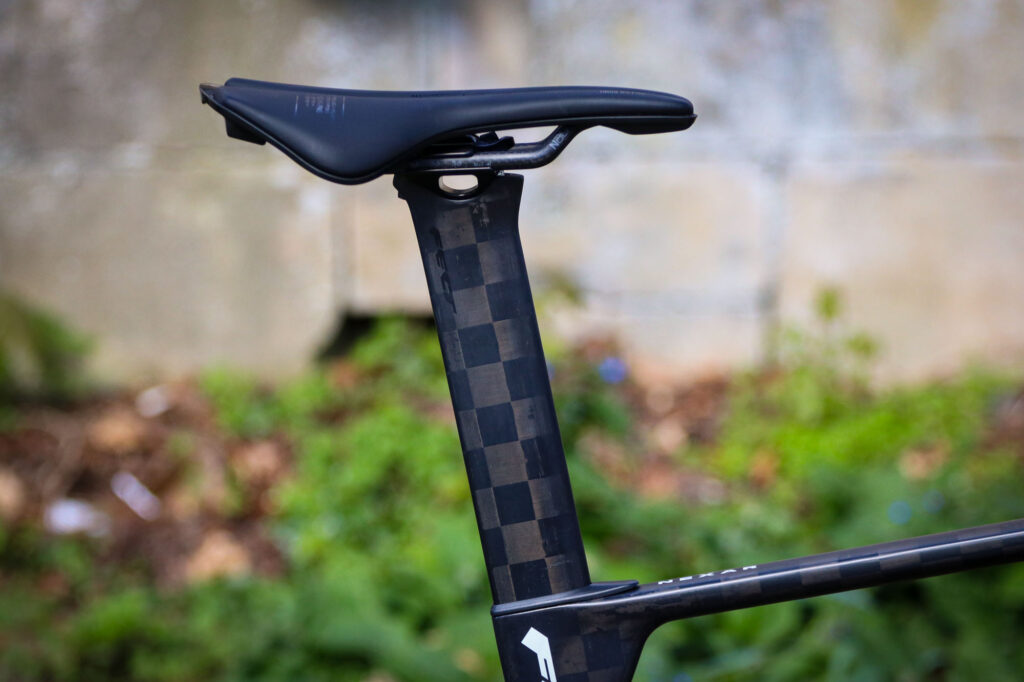
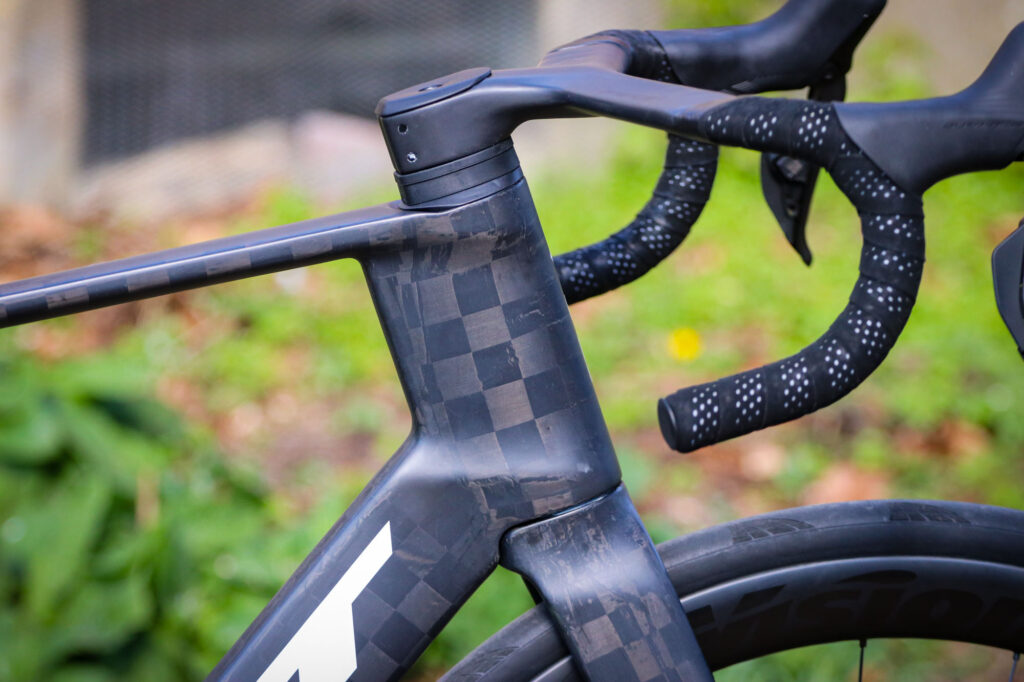
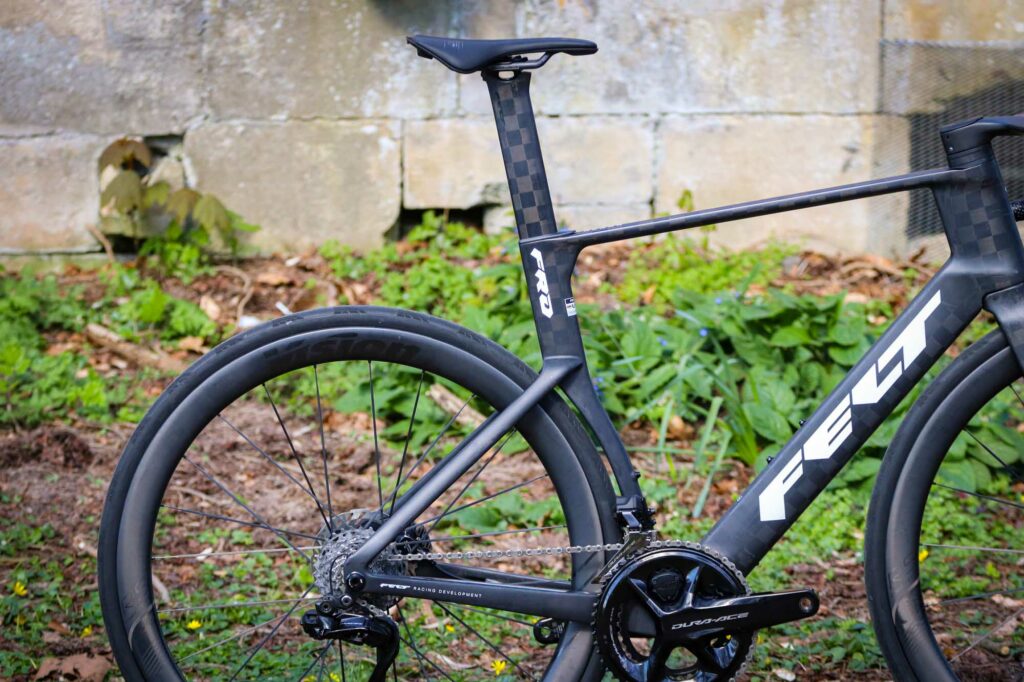
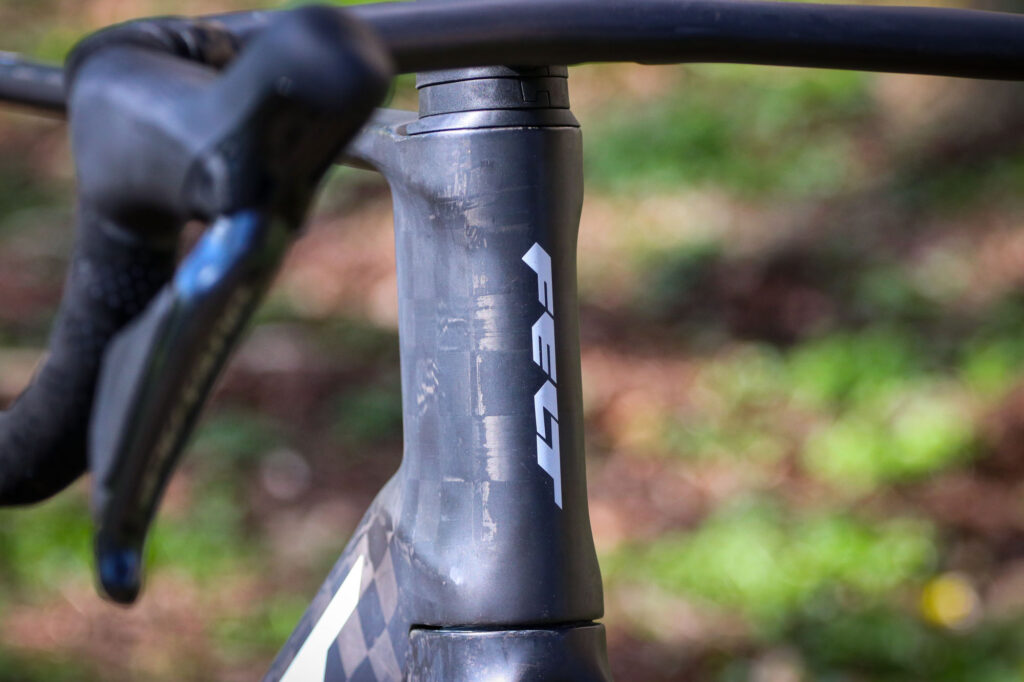
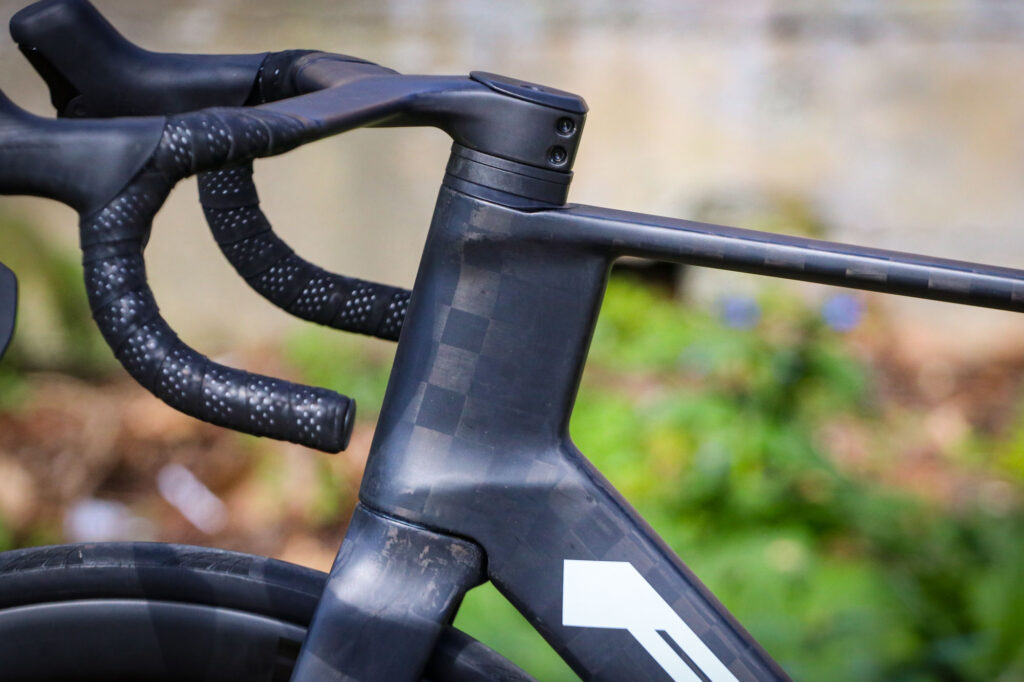
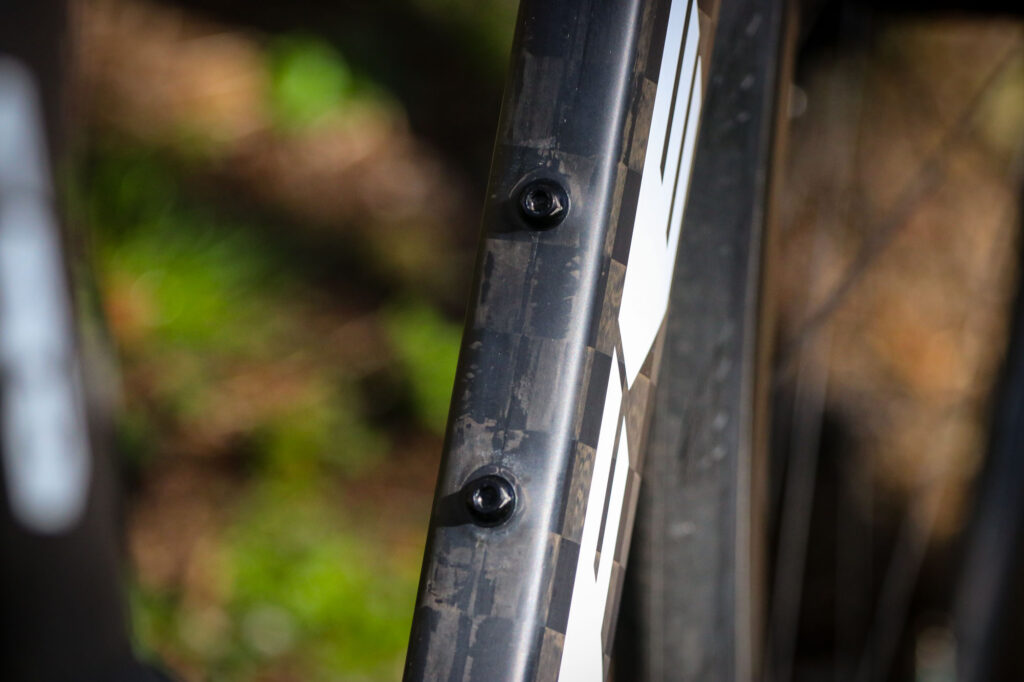
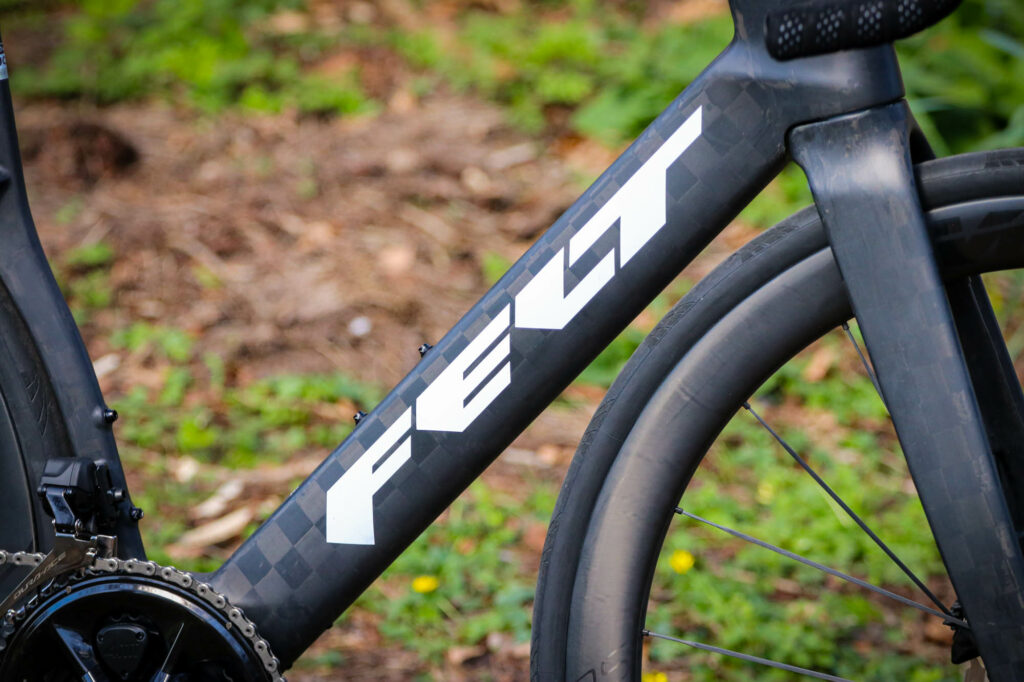
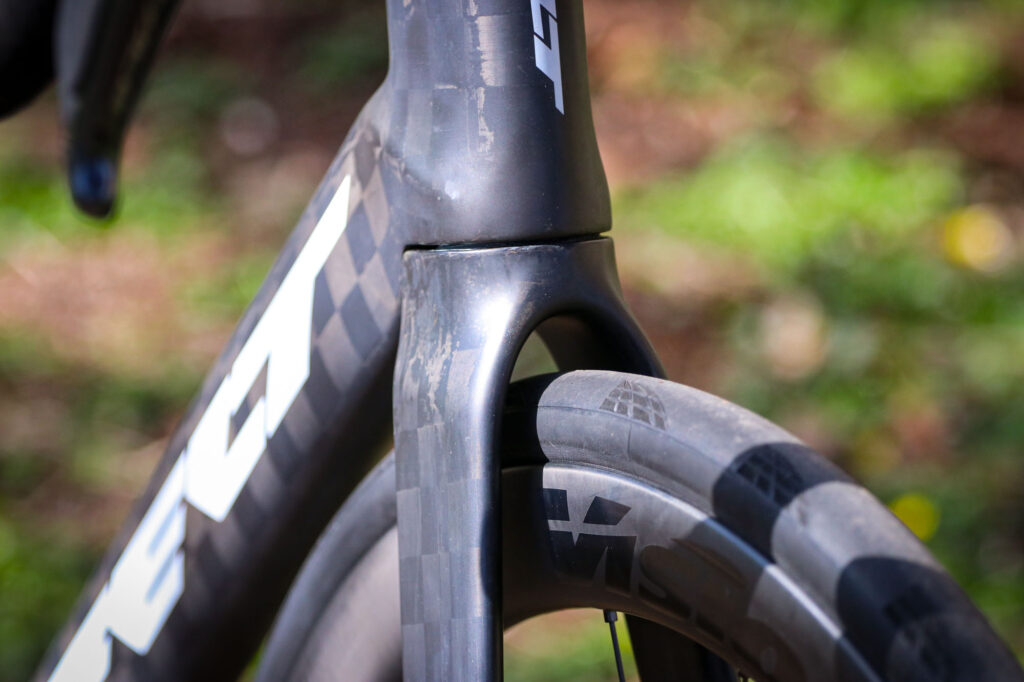
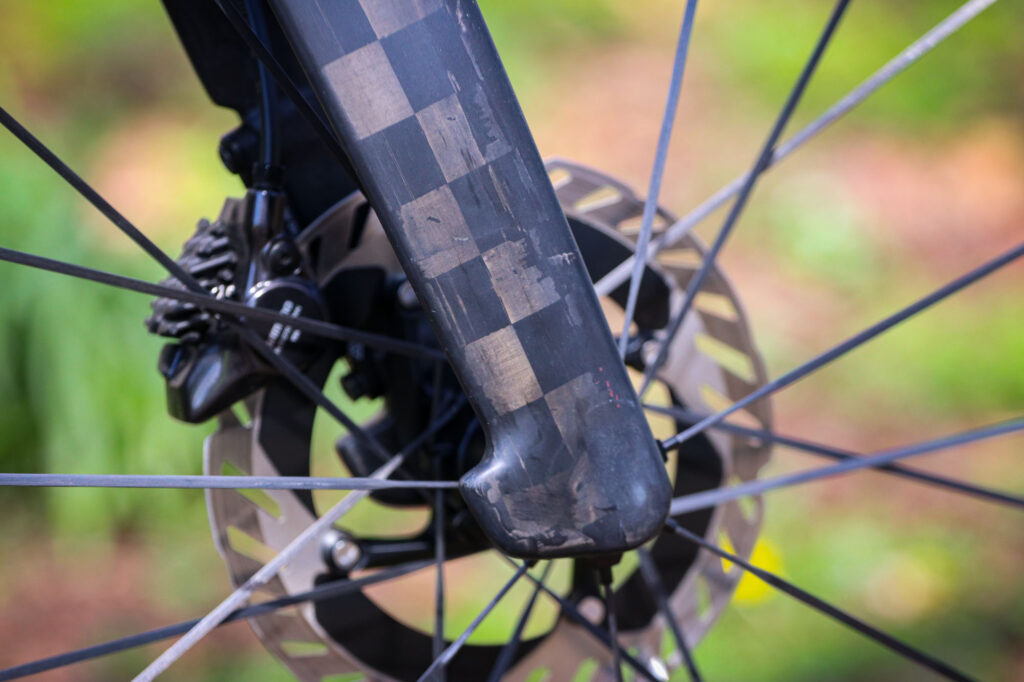
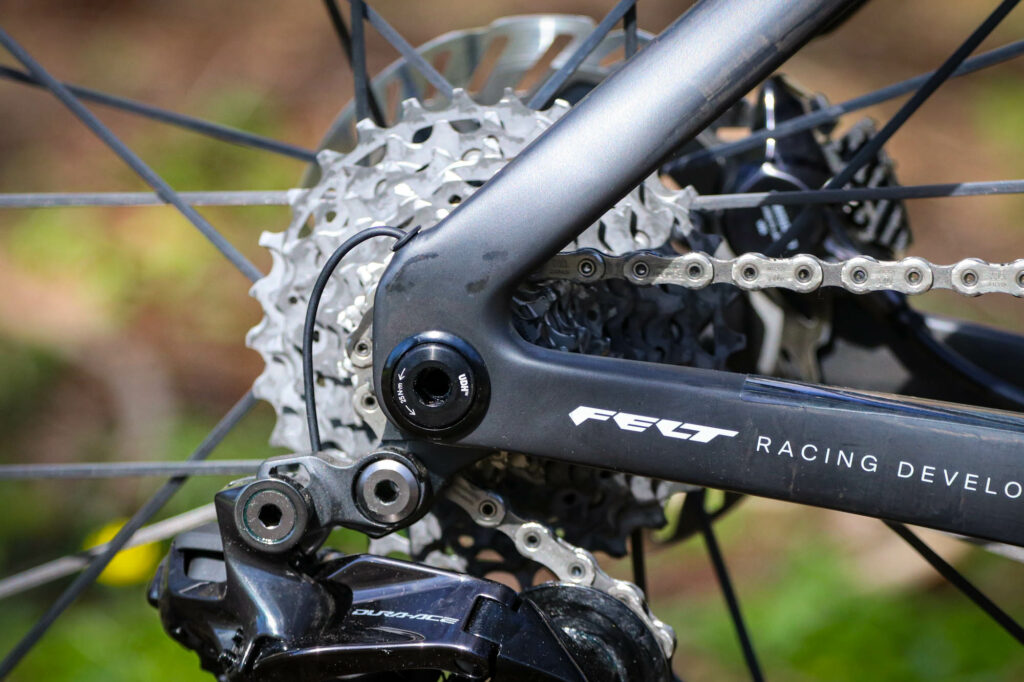
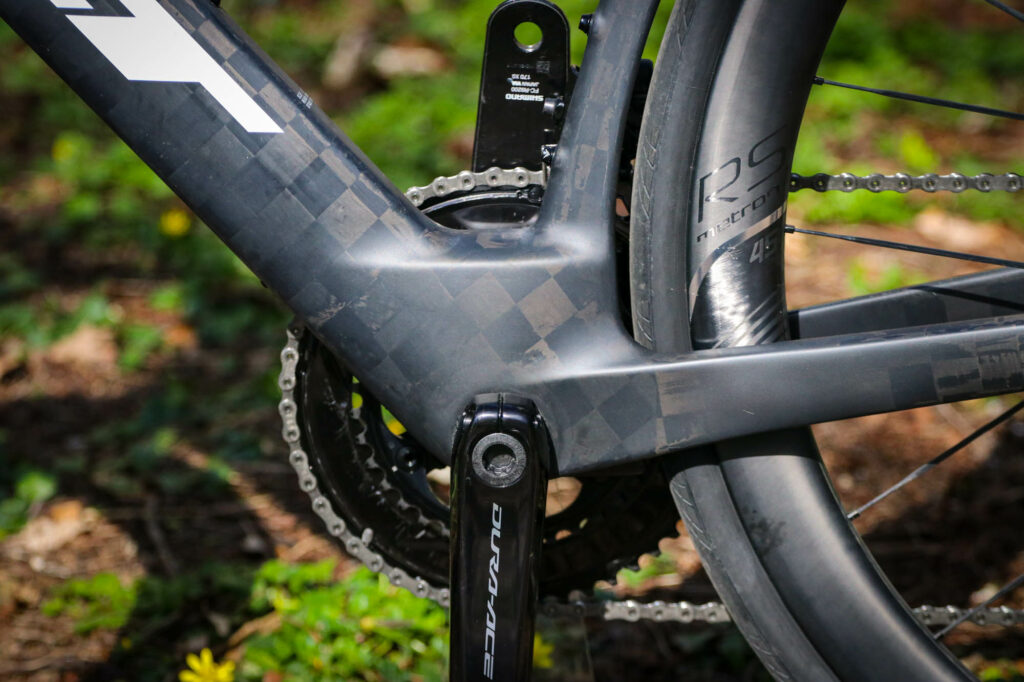
The FRD uses a range of carbon grades (including Toray’s T800, T1000 and T1100 high-modulus fibres) in non-critical zones, while key loading areas like the head tube, bottom bracket and rear triangle use 30T-40T. The 12K-weave layup then creates the distinctive chequerboard finish you see here. A size 54cm frame weighs in at just 800g, which is impressive for an aero design.
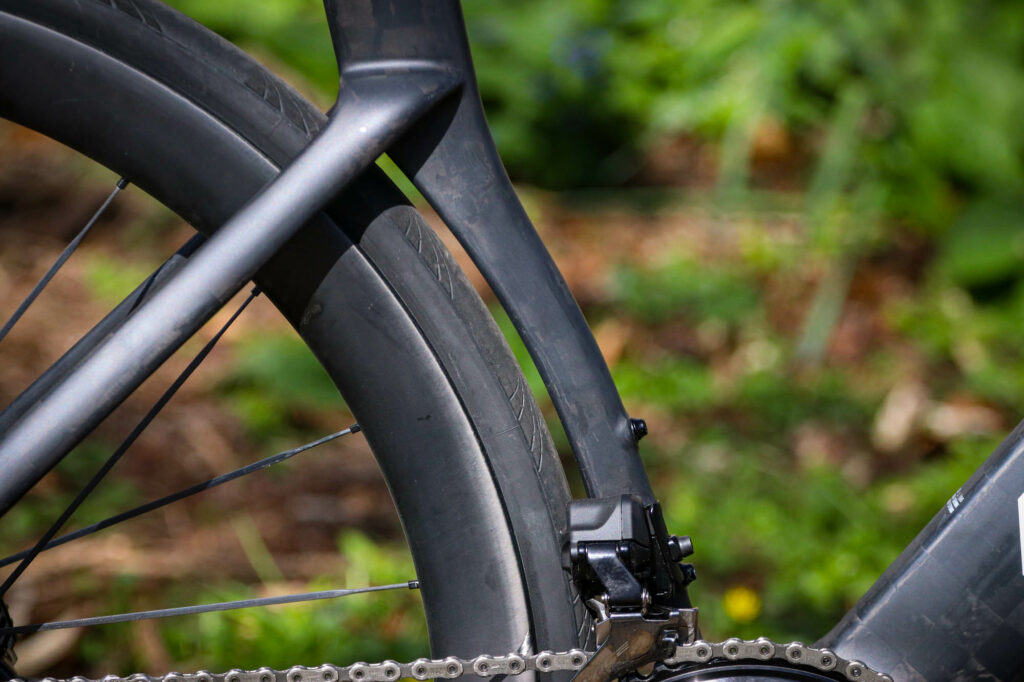
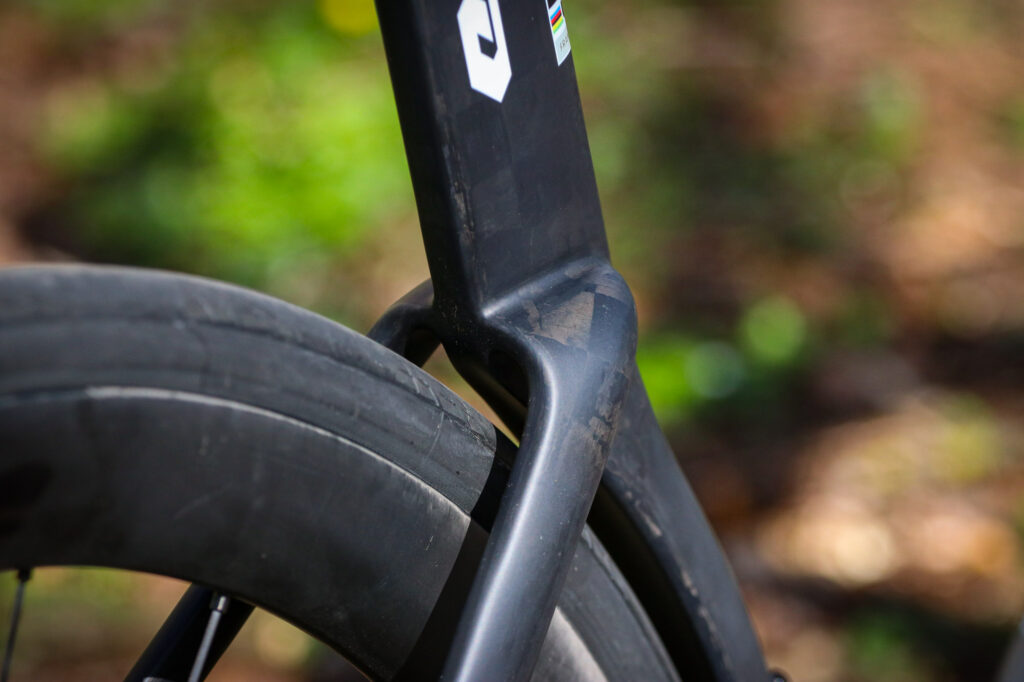
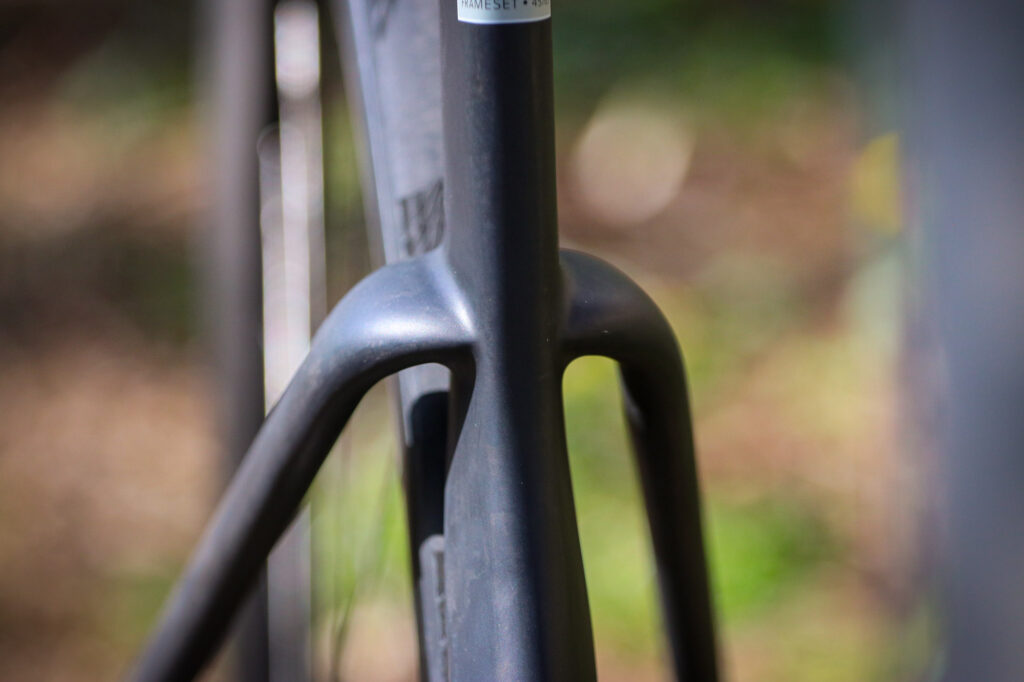
Felt said it looked at the previous model, the AR 3.0, and focused on marginal gains to clean things up and make this new model slipperier. According to the press release, that involved reducing the frontal area by narrowing the head tube, and keeping the frame and fork as smooth as possible to streamline airflow. Felt estimates a five percent drag reduction over the previous model.
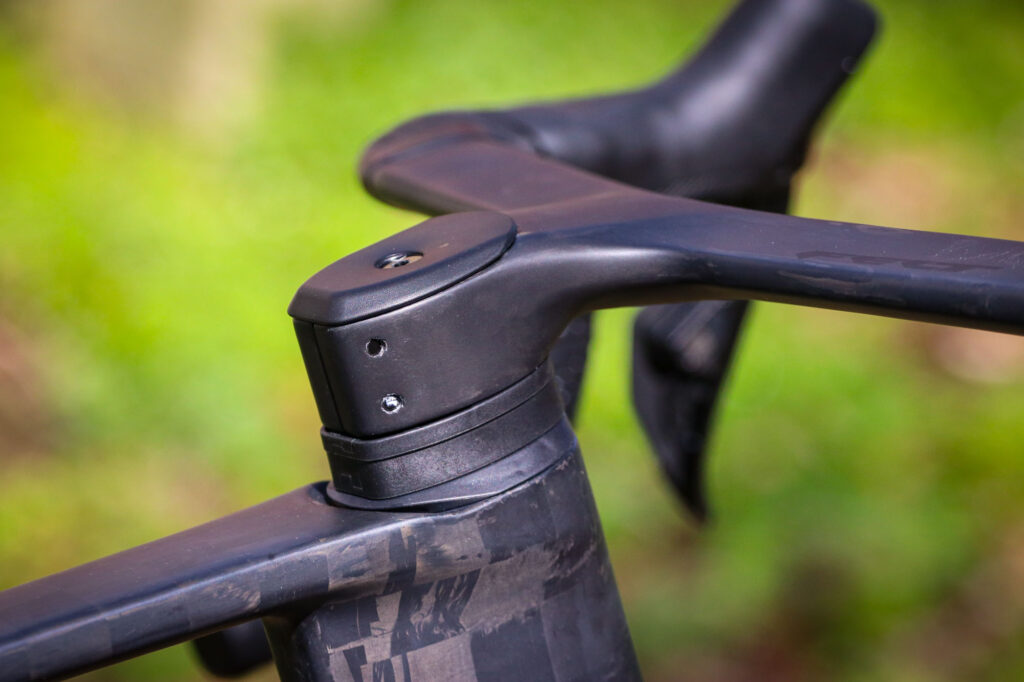
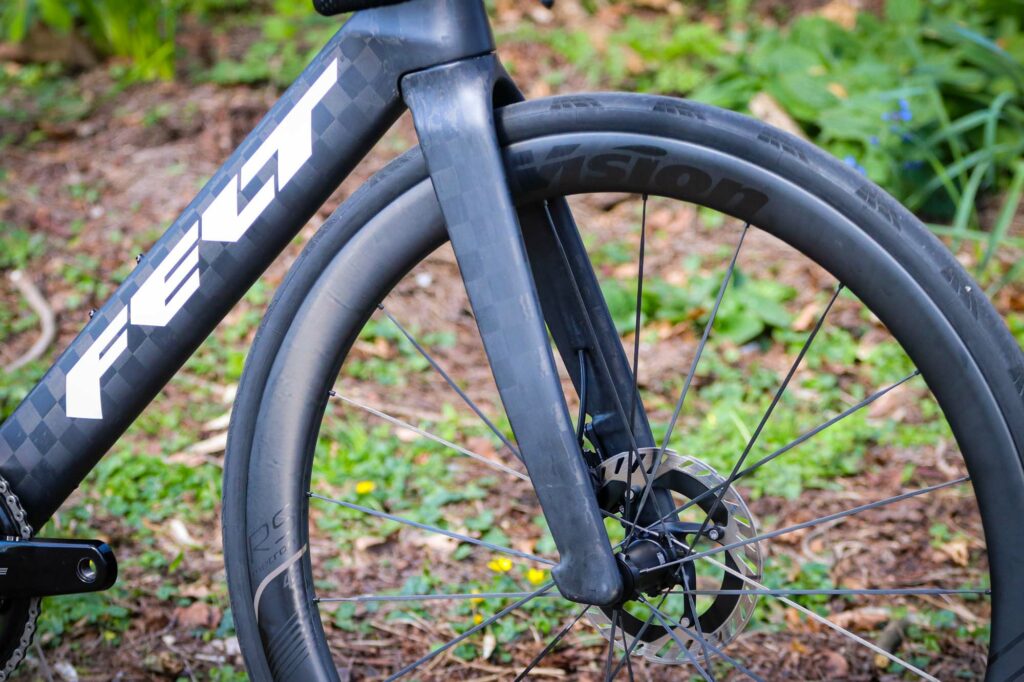
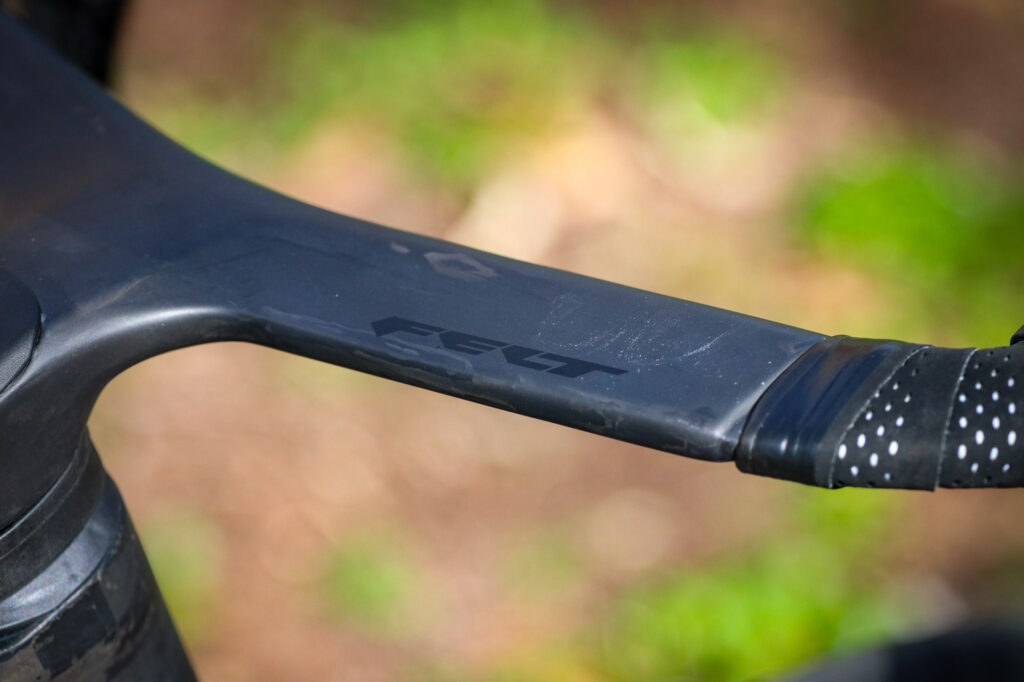
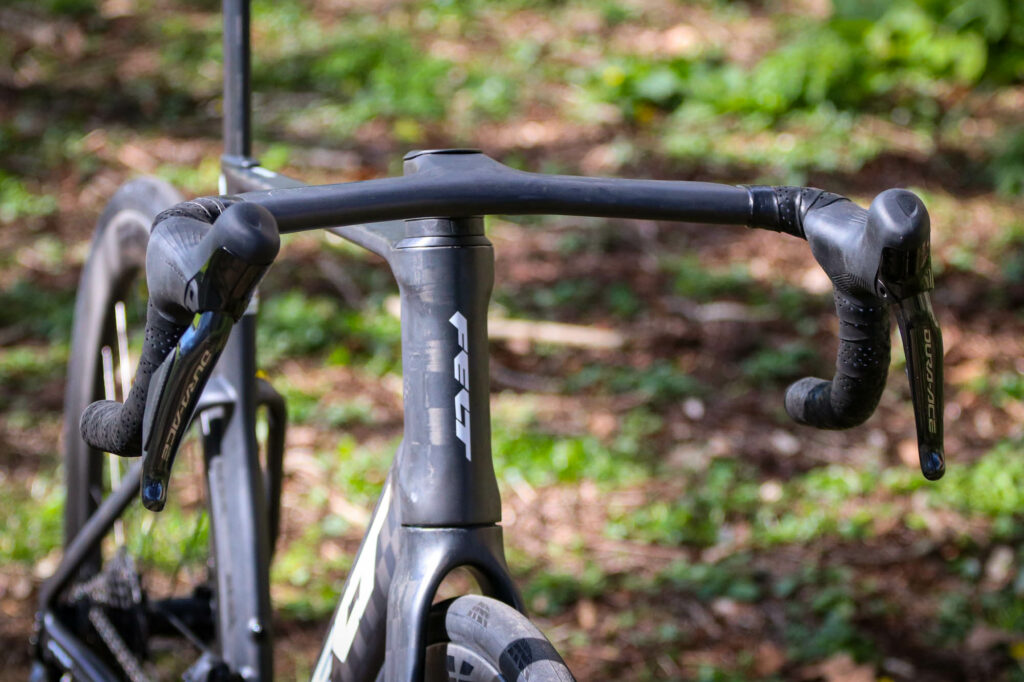
The one-piece carbon cockpit helps here, and there are no hoses, cables, clamps or bolts anywhere to be seen from the front, and not much more is visible from the side (the twin bottle cage mounts on the down tube and seat tube are about it). Overall, Felt estimates a five percent drag reduction over the previous model.
The FRD uses a standard threaded bottom bracket shell, and has a total permissible weight of 120kg.
As I mentioned earlier the Nexar is available in seven sizes, with the bike I’ve been riding being the L/56. Sizing starts with XXS/44 goes up to XXL/61.
Geometry
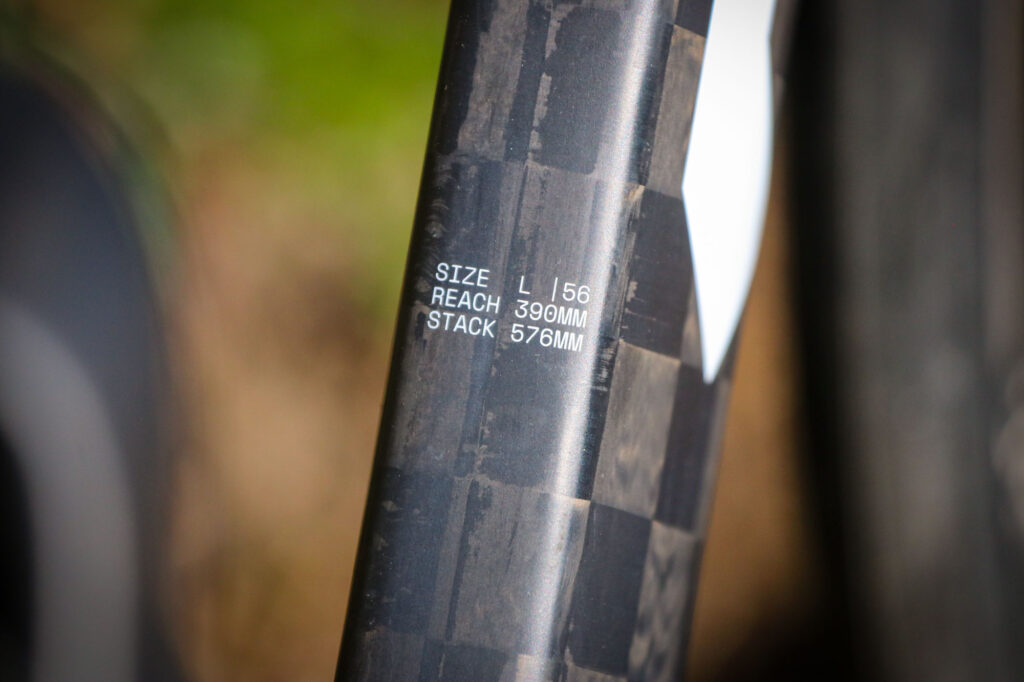
This Large has a 561mm top tube and a 160mm head tube, with angles of 73.5 degrees at the head and 74 degrees for the seat tube. These give a stack and reach of 576mm and 390mm respectively.
The chainstays have been kept short at 408mm, and that translates to an overall wheelbase of 988mm. The fork rake is 44mm with a bottom bracket drop of 70mm, and the standover height is 802mm.
Finishing Kit
The Nexar is available in a range of builds, starting with the Race at £4,675 with a Shimano 105 Di2 groupset, while the Expert gets an upgrade to Ultegra Di2 for £5,454. The Pro is the same as the Expert but gets a power meter and upgraded wheels, which pushes the price up to £7,013.
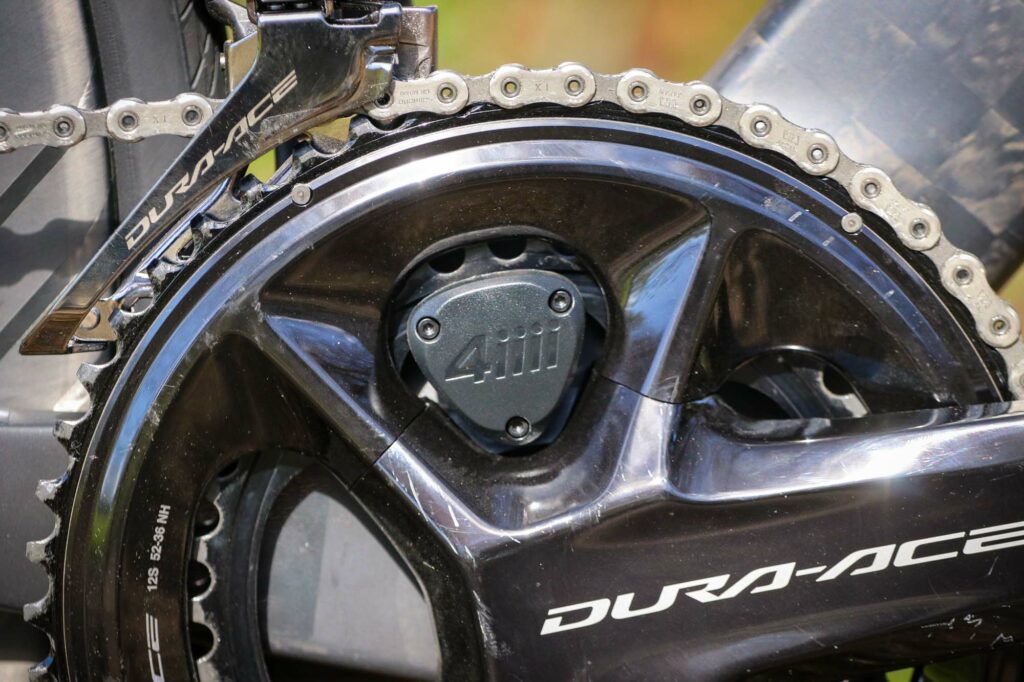
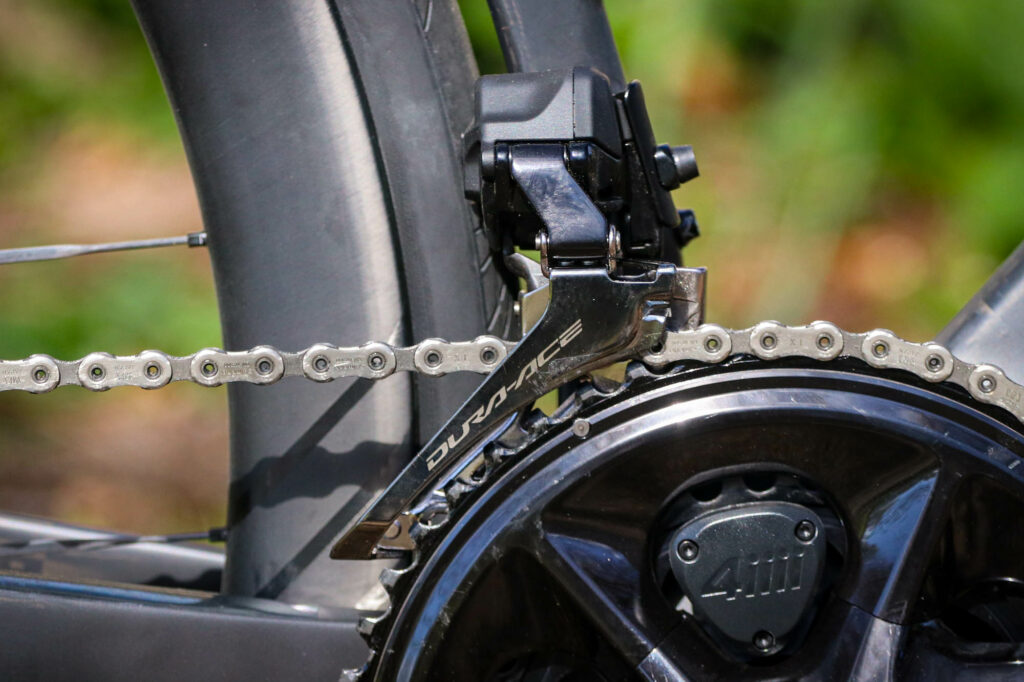
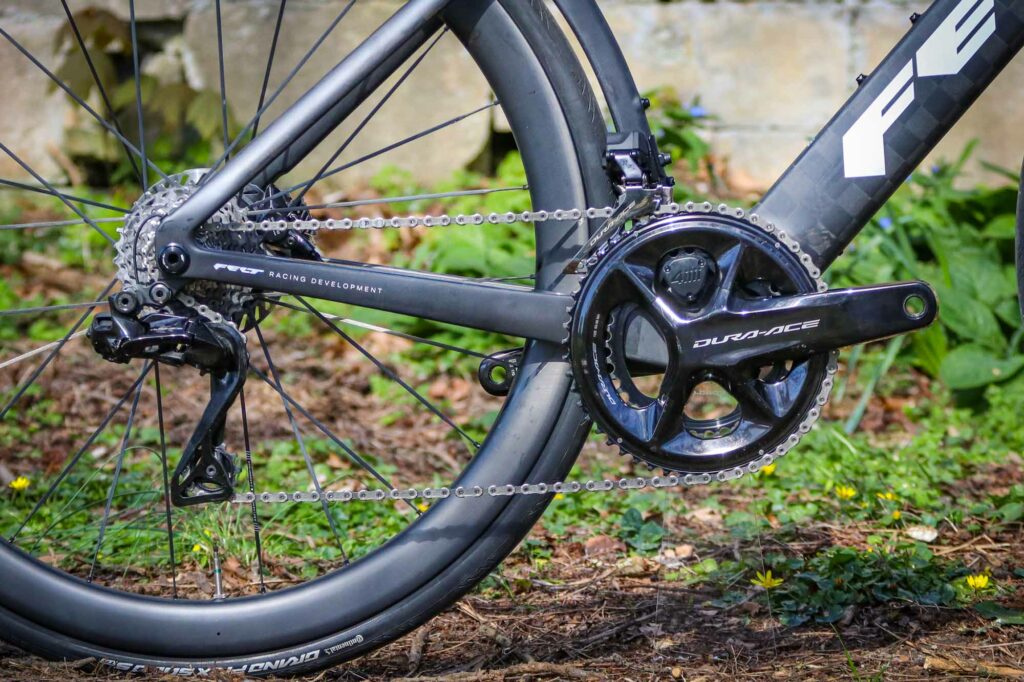
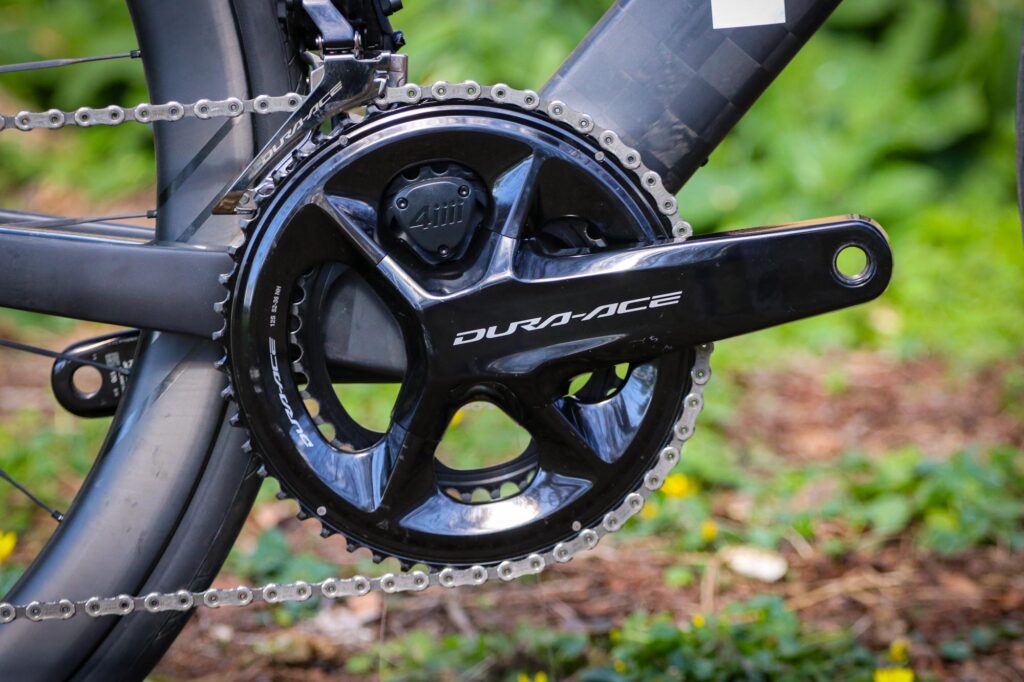
This FRD model tops the range at £9,899, or £4,069 for the framekit, which includes the seatpost and aero cockpit. For that kind of money, you’d expect the FRD to come with some top end kit, and indeed it’s adorned with Shimano’s pro-level Dura Ace Di2 groupset, and includes a 4iiii non-drive side power meter.
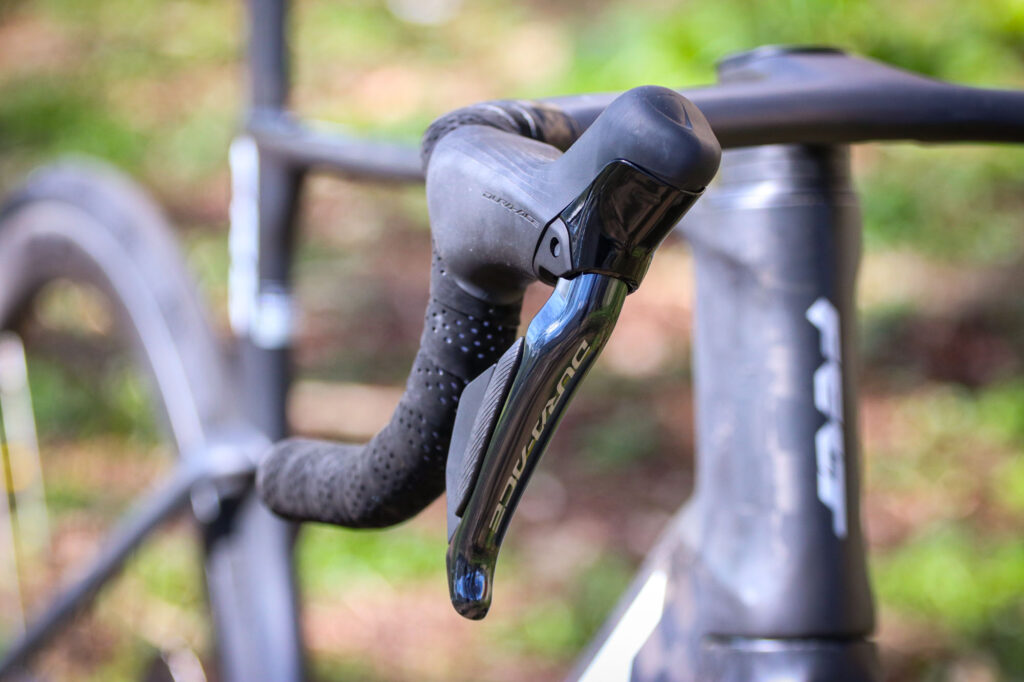
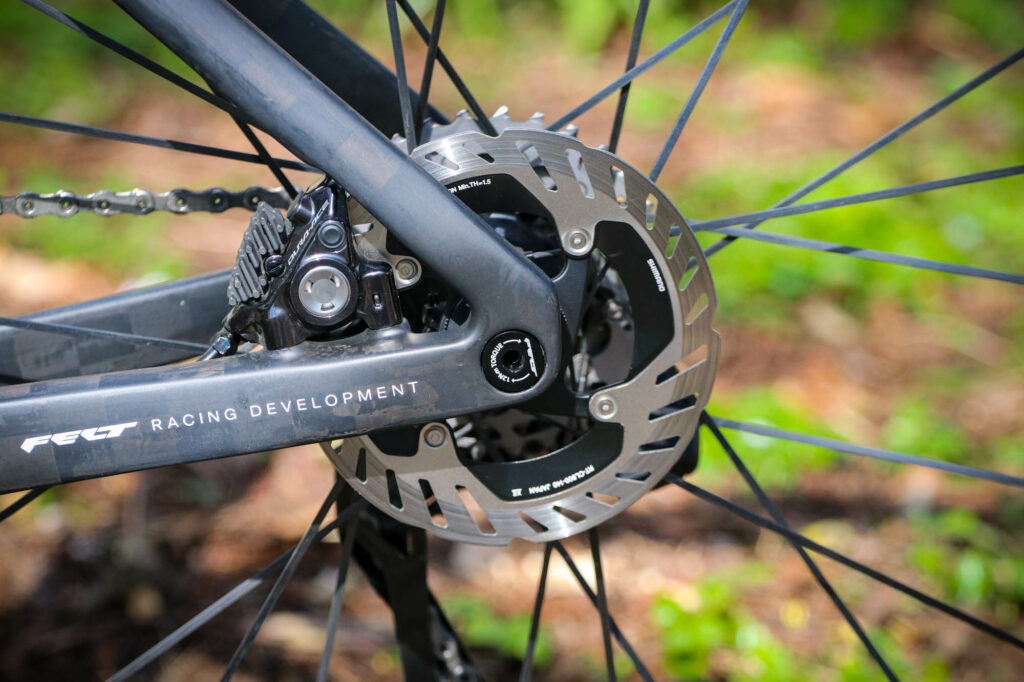
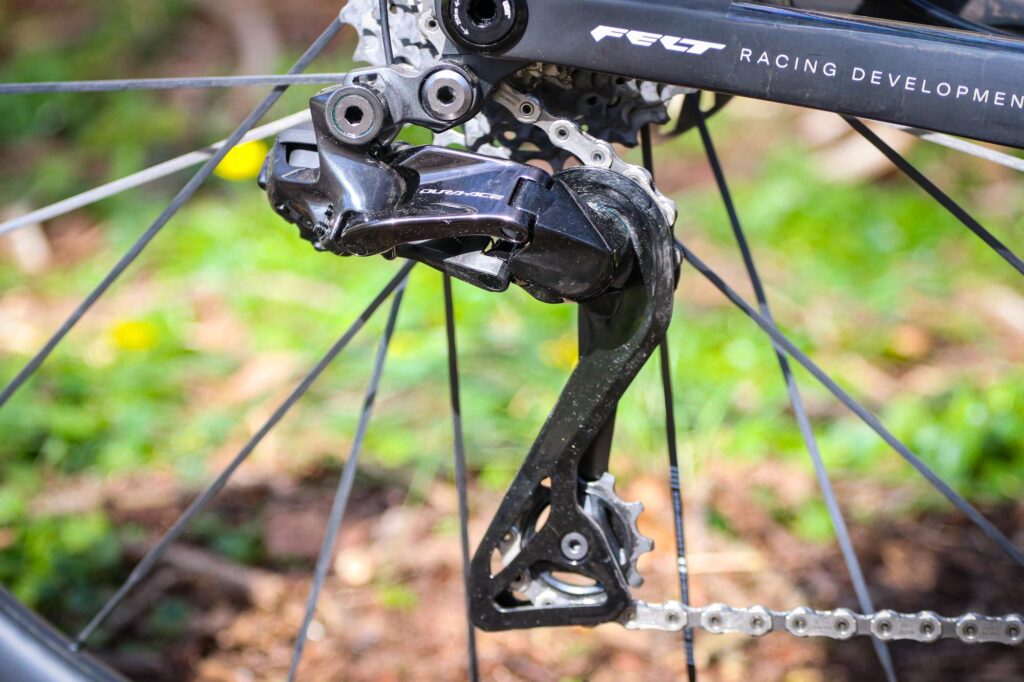
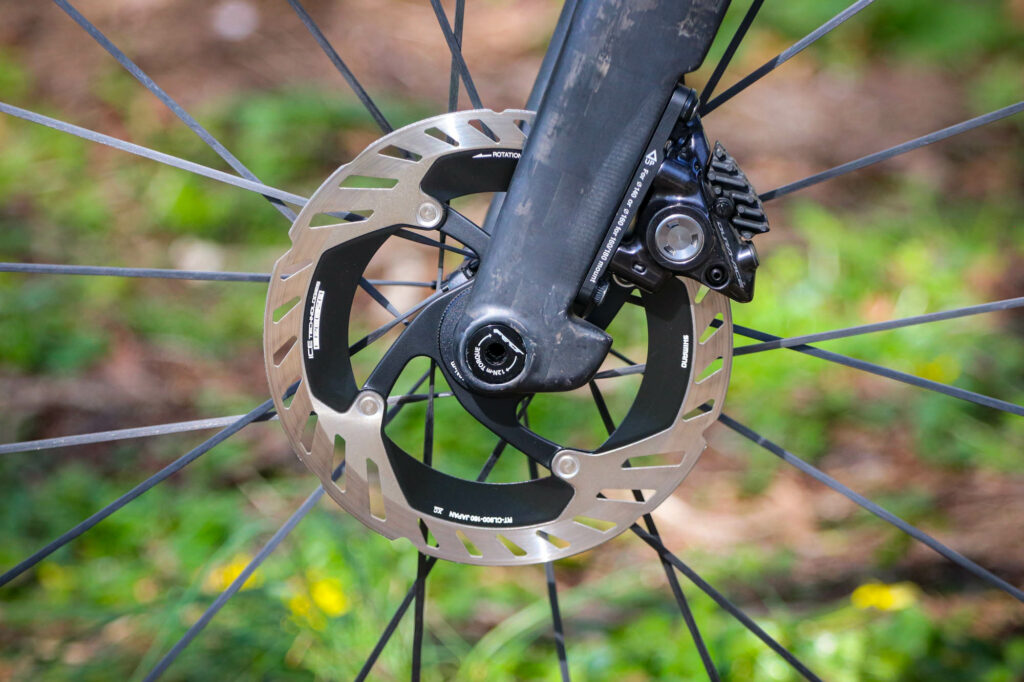
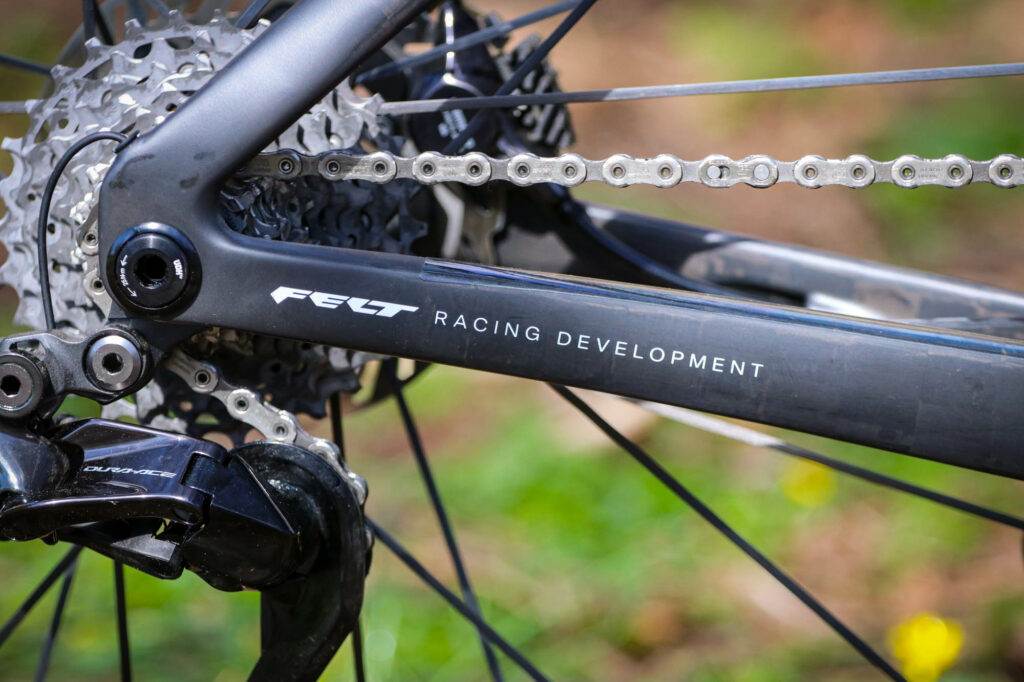
Dura-Ace hasn’t been updated in quite a few years, but it’s definitely not showing its age just yet. The shifting is incredibly light whether you’re changing between chainrings or up and down the cassette, and the hydraulic braking is very powerful yet brilliantly controllable.
If you want a full rundown on just how good it is, head over to Liam’s review of the full Shimano Dura-Ace R9200 groupset.
Felt specced a 52/36T chainset with an 11-30T 12-speed cassette here, and it gives a suitable range of gears for a bike of this kind.
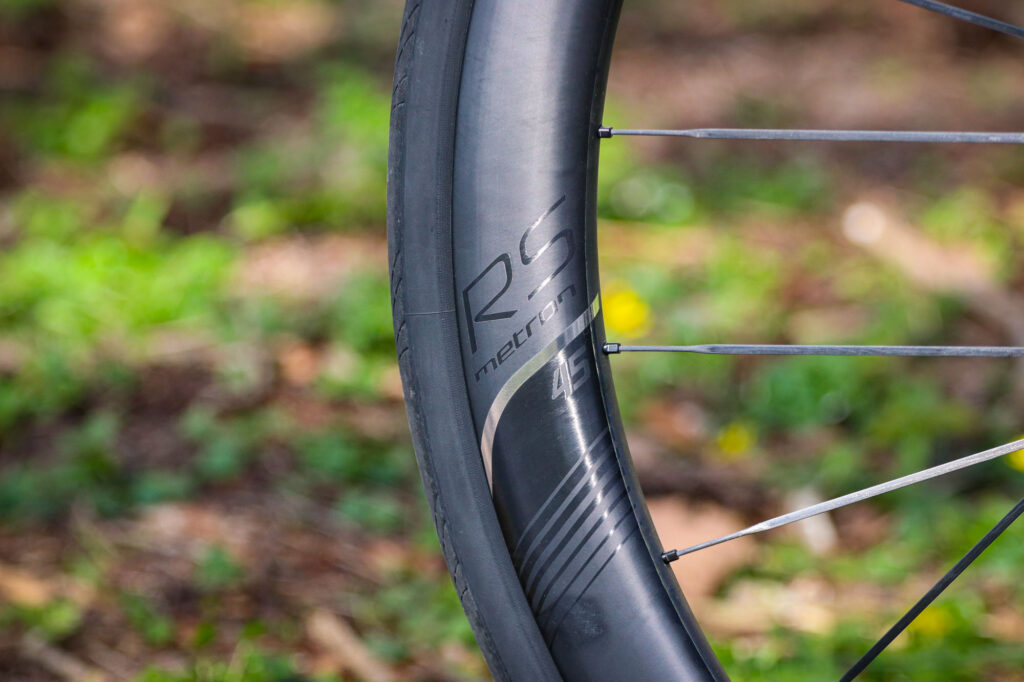
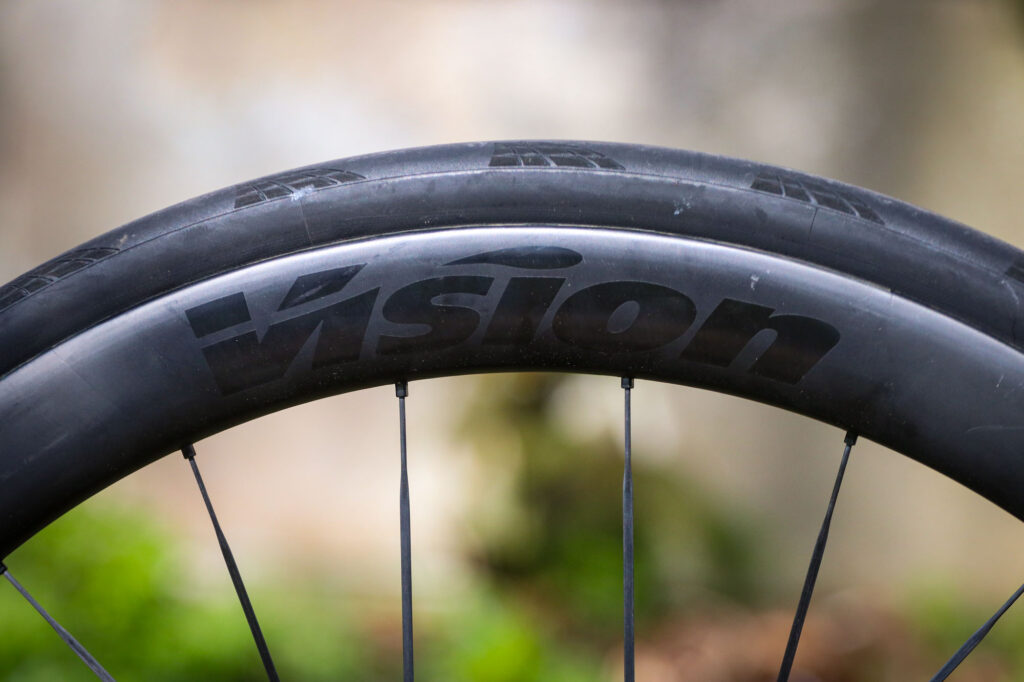
The Vision Metron 45 RS Carbon wheels have a 45mm depth, as the name suggests, while the carbon rims have a 23mm inner width. Both wheels use carbon spokes laced 2:1. The spoke count is 21 on the front and 24 on the rear. The most impressive thing about them though is their weight, at a claimed 1,290!
I found them excellent, laterally very stiff but avoiding harshness with a good smooth ride. We reviewed the slightly cheaper Metron 45 SL version separately, if you’re curious.
The tyres are Continental’s Grand Prix 5000 S TRs, which are some of the best race tyres on the market right now. They’re very grippy, fast rolling and supple, but still durable for three-season use. They come in various sizes; Felt has gone with 28mm.
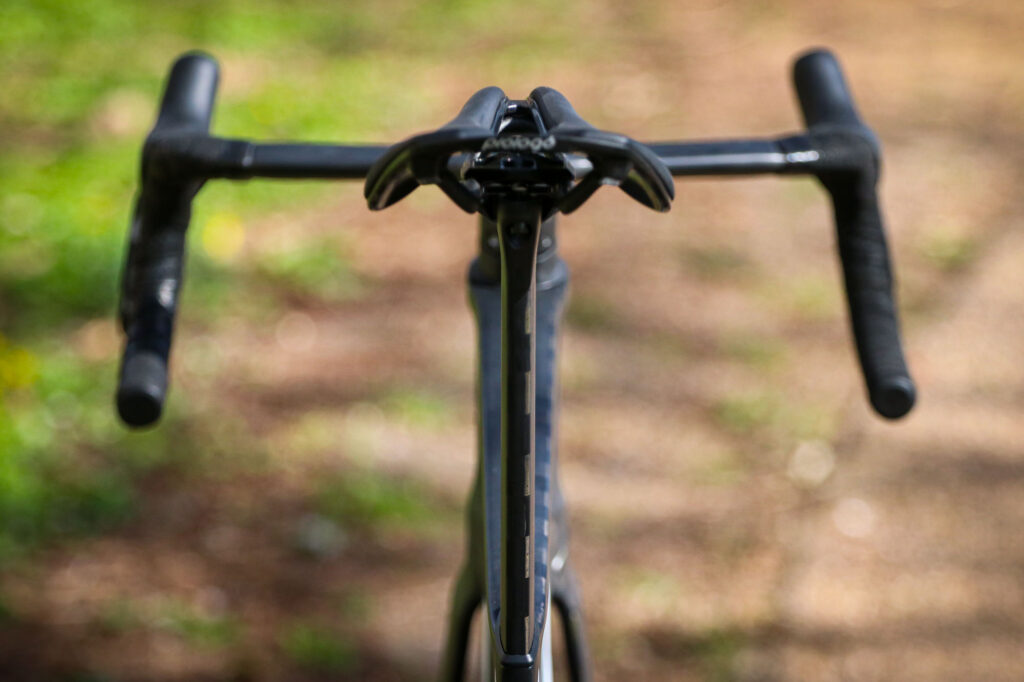
As for the rest of the kit, we’ll kick off with Felt’s new one-piece cockpit. The entire set up is 300g, and it’s a very smooth and clean design made entirely from carbon fibre. I found the shape very comfortable with a spot-on balance of stiffness for hard efforts and compliance for comfort. It isn’t a harsh bar. Width and stem lengths depend on the frame size.
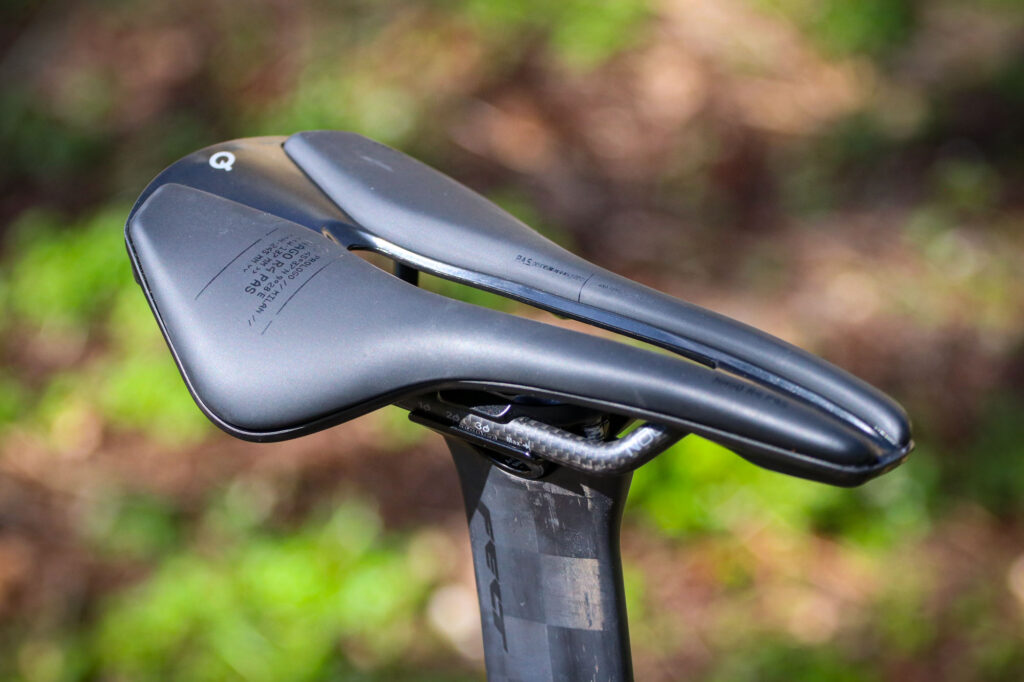
The seatpost is full carbon and zero offset, and it supports a Prologo Dimension NDR T4.0 saddle. That’s one I definitely approve of for support and comfort.
Value
There is no denying that at £9,899 the FRD is a lot of money, but against the opposition it’s not crazy. Take the aero Wilier Filante SLR ID2 SRAM Red AXS that Mat tested at the beginning of the year. Mat was impressed with the Wilier’s efficient aero frame, as it’s stiff but not harsh. With a SRAM Red AXS groupset and Miche deep section wheels it costs £12,150!
Giant’s Propel Advanced SL 0-DA fitted with a Dura-Ace transmission and carbon Cadex wheels is £9,999, while Trek’s Dura-Ace equipped Madone SLR 9 Gen 8 is an entire £1 more at £10,000.
Cheaper than all of these – the Felt included – is Canyon’s Aeroad, with the range-topping CFR AXS coming in at £8,499 including power meter.
It’s worth bearing in mind that none of these others offer the slightly more relaxed geometry the Felt Nexar does, though.
Overall
I think Felt has created a great bike here. It’s quick thanks to the aero frame, impressively comfortable, and it’s arguably decent value against some of the competition too. The masterstroke though is the geometry, which makes the Nexar accessible without an aggressive position, and in reality I don’t feel it gives anything away in the speed stakes because of it.
Test Report
What does the manufacturer say about this product?:
Felt says, “The fastest FELT we have ever built, engineered for real riders, real conditions and real speed. This is NEXAR. Aero as you’ve never FELT.”
Tell us some more about the technical aspects of this product:
The Nexar FRD is an aero bike, but with relaxed geometry compared to a full race bike.
How does the price compare to that of similar products in the market, including ones recently tested?:
Canyon’s Aeroad is cheaper, but the Felt comes in around the same price (or cheaper) than the others I’ve mentioned in the review.
List the components used to build up the bike:
BRAKES & DRIVETRAIN
Front brake
SHIMANO DURA-ACE, BR-R9270, 2-PISTON, HYDRAULIC DISC BRAKE
Front brake rotor
SHIMANO RT-MT900, CENTER LOCK, 160 MM
Rear brake
SHIMANO DURA-ACE, BR-R9270, 2-PISTON, HYDRAULIC DISCBRAKE
Rear brake rotor
SHIMANO RT-MT900, CENTER LOCK, 140 MM
Rear derailleur
SHIMANO DURA-ACE DI2 RD-R9250, 2X12-SPEED
Front derailleur
SHIMANO DURA-ACE DI2, FDR250,
Cassette
SHIMANO DURA-ACE CS-R9200, 11-30T
Shift lever
SHIMANO DURA-ACE Di2, ST-R9270
Chain
SHIMANO CNM9100 – HG 12 SPEED
Crankset
SHIMANO DURA-ACE, FC-R9200, 52/36 T
Shift lever
SHIMANO DURA-ACE Di2, ST-R9270
Bottom Bracket
SHIMANO, BBR60
POWERMETER
4IIII NON-DRIVE SIDE PM
────────
WHEELS
Wheelset
METRON 45 RS CARBON
Tire
CONTINENTAL GRAND PRIX 5000 S TR, 700x28c
────────
COCKPIT
Cockpit
FELT ROAD 1 PIECE INTEGRATED COCKPIT
45 / 48: 360/400×90 CARBON
51 / 54/ 56: 380/420×100 CARBON
58 / 61: 400/440×110 CARBON
Saddle
Prologo Dimension NDR T4.0
Seat post
45 / 48 / 51: FELT NEXAR DEDICATED SP, 250 MM CARBON
54/ 56 / 58 / 61: FELT NEXAR DEDICATED SP, 330 MM CARBON
Tell us what the bike is for and who it’s aimed at. What do the manufacturers say about it?:
Felt says, “With the launch of FELT’s new generation of aero bikes, we introduce the name NEXAR. A fusion of “Next” and “AR”, it marks FELT’s next evolution in aerodynamics performance. NEXAR represents a new era for FELT where aero no longer means compromise. Where an aero bike is designed not just for the strongest 1 percent of racers but engineered to work for the 99 percent of the performers on the market.”
Where does this model sit in the range? Tell us briefly about the cheaper options and the more expensive options:
This is the most expensive option, and all the other pricing is mentioned in the main review.
Tell us about the build quality and finish of the frame and fork:
Impressive build quality throughout.
Tell us about the materials used in the frame and fork:
Frame
NEXAR – FRD 12K CARBON LIGHT FRAME
Fork
NEXAR – FRD 12K CARBON LIGHT FORK
Tell us about the geometry of the frame and fork:
The geometry gives a balance between a race position and comfort.
How was the bike in terms of stack and reach? How did it compare to other bikes of the same stated size?:
The Nexar has a taller stack height than most aero race bikes, which gives it a slightly relaxed ride position.
Was the bike comfortable to ride? Tell us how you felt about the ride quality:
Yes. The ride quality was impressive for a bike with large aero tubes.
Did the bike feel stiff in the right places? Did any part of the bike feel too stiff or too flexible?:
The frame is stiff everywhere it needs to be, but without creating a harsh ride feel.
Was there any toe overlap with the front wheel? If so, was it a problem?:
No.
How would you describe the steering? Was it lively, neutral or unresponsive?:
Responsive.
Tell us some more about the handling. How did the bike feel overall? Did it do particular things well or badly?:
The handling is well balanced. Quick enough to be fun without being twitchy at speed.
Which components had the most effect (good or bad) on the bike’s performance? Would you recommend any changes?:
The bike is well specced and I wouldn’t say anything needs changing.
Any issues with drivetrain durability?:
No.
Tell us some more about the drivetrain. Anything you particularly did or didn’t like? Any components which didn’t work well together?:
Shimano’s top end groupset is pretty much faultless, and the gear ratios are ideal for this style of bike.
Any issues with wheel durability?:
No.
Tell us some more about the wheels. Did they work well in the conditions you encountered? Would you change the wheels? If so, what for?:
The FRD could benefit from deeper wheels, but the Visions give a decent aero advantage while weighing very little.
Tell us some more about the tyres. Did they work well in the conditions you encountered? Would you change the tyres? If so, what for?:
The Continental GP 5000 Ss are brilliant tyres and suit the Nexar FRD very well.
Any issues with brake durability?:
No.
Tell us some more about the brakes. Did they work well in the conditions you encountered? Would you change anything? If so, why?:
Impressive power and plenty of modulation.
Any issues with controls durability?:
No.
Tell us some more about the controls. Any particularly good or bad components? How would the controls work for larger or smaller riders?:
The cockpit offers plenty of comfortable hand positions while being aero, and the saddle suited me well.
Did you enjoy using the product? Yes
Would you consider buying the product? Yes
Would you recommend the product to a friend? Yes
Use this box to explain your overall score
The Nexar FRD is an aero bike that can be used for all kinds of riding without compromise, thanks to the geometry. It’s well designed and has an excellent ride quality.
About the tester
Age: Height: cmWeight: kg
I usually ride: My best bike is:
I’ve been riding for: I ride: I would class myself as:
I regularly do the following types of riding:

1 thought on “Felt Nexar FRD Shimano Dura-Ace Di2”
Thanks for the excellent review – I know it’s just one Google search away, but I think any bike review in this day and age should include max tyre clearance.