
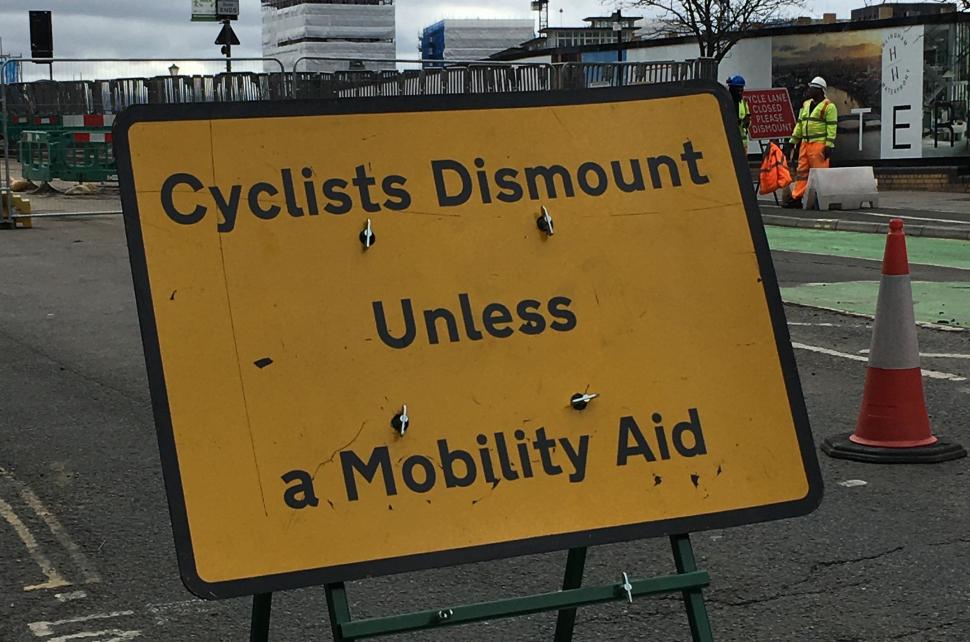
Users of powered wheelchairs and mobility scooters could be allowed in cycle lanes under government proposals put forward as part of a new consultation that could also see e-bikes and e-scooters considered mobility devices for disabled people.
The wide-ranging consultation also addresses outdated language surrounding disabled people, weight limits of mobility devices, and passenger-carrying ability.
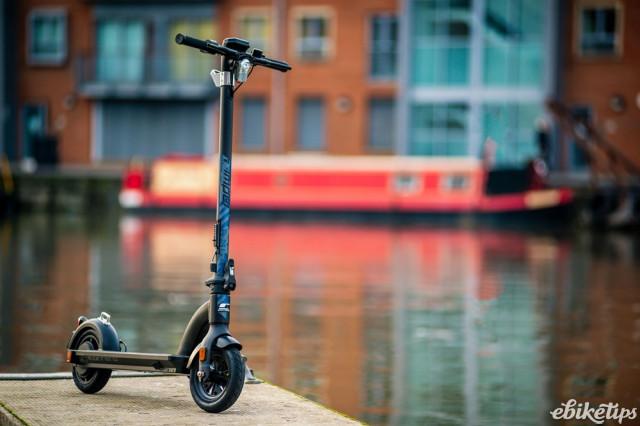
In addition to proposing an overhaul of the government’s classification of mobility devices, the consultation will take in feedback on the law around “devices that can improve mobility but do not currently meet the ‘invalid carriage’ regulatory requirements”. This would include e-bikes and e-scooters, the latter of which are currently banned on both roads and pavements outside certain trial rental areas. The consultation asks if the law should be changed to consider these machines as mobility devices, permitting their use by disabled people on pavements and roads.
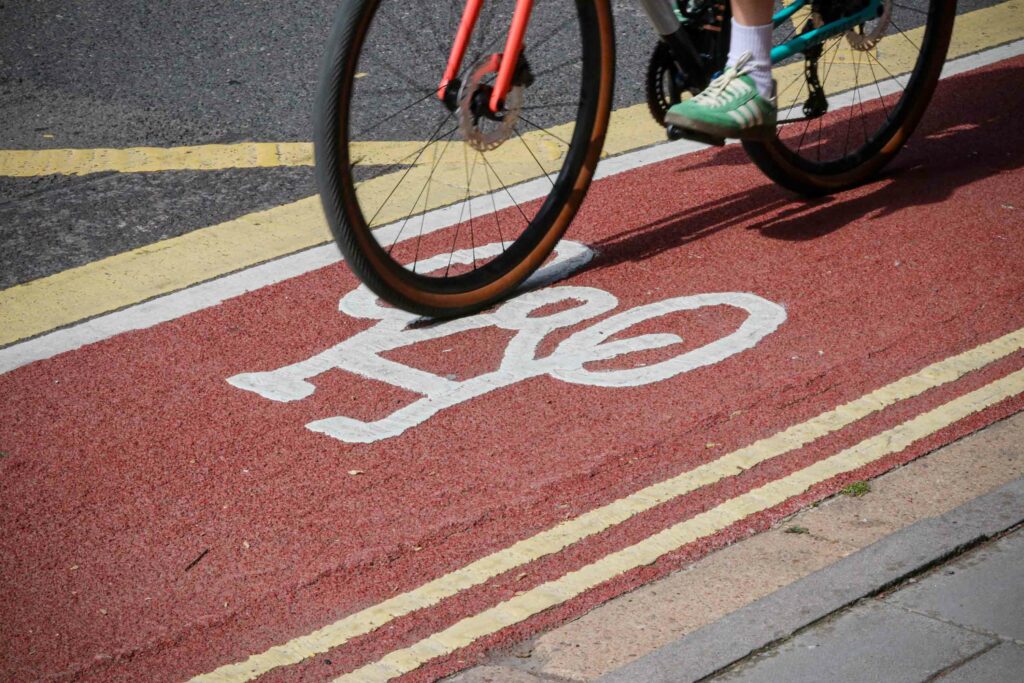
Currently, mobility devices can be used on segregated cycle tracks with a 4mph speed limit but are not permitted to use cycle lanes which interact with the carriageway (road).
The consultation is the first step towards overhauling laws concerning accessible transport and mobility independence, which the government pledged to review in July. In outlining the topics of the consultation, the government said it’s primary objectives were to create a transport system that enables “everyone to travel easily and with dignity”.
This includes allowing everyone who “clinically needs” a mobility device to use it legally on the pavement, offering greater mobility choices to “improve disabled people’s ability to travel easily and with dignity” which include use on roads, and protecting people’s tangible and perceived safety on roads and pavements.
Part of the proposed reform is a matter of updating language, amending laws from 1970 and 1988 which make outdated references to “invalid carriages” rather than “mobility devices”, and “a person suffering from some physical defect or disability” instead of “a disabled person, or person with reduced mobility”.
The law change also reflects an opportunity to amend legislation around speed limits of mobility devices. Currently, the highest class of mobility devices must obey a 4mph speed limit on the pavement and an 8mph limit on the road.
Participants in the consultation are asked to give their opinion on 30 separate policy-related questions, as well as detailing their own physical and mental health conditions, where applicable. The consultation is open until the end of March and the results will be summarised by the summer.
The consultation is not related to the Government’s Road Safety Strategy that was also announced by the Department for Transport today. That announcement pledges to reduce road deaths and serious injuries by 65 percent by 2035 with measures including tighter drink-driving limits, minimum learning periods for learner drivers, and mandatory eye tests for drivers over 70.
However, the strategy largely avoids the role of cycling and cyclists on the roads, though cyclists will be included as part of a National Work-Related Road Safety Charter pilot. The scheme encourages employers to “promote good practice, accountability, and compliance with existing legislation” when driving or riding to work. The charter has been welcomed by the Bikeability Trust.