

Electric gravel bikes are, like their unassisted counterparts, a relatively new genre in the world of cycling. Gravel bikes don’t have the rich history of road bikes, nor the wild racing experience of mountain bikes. But, they have cemented their place in the cycling world – and now, they’ve even gone electric.
- The best electric gravel bikes 2025: why you should consider one and the pick of those we’ve ridden
- Welcome to Electric Week — a celebration of all things electric mountain bike
- Suspension, aero frames, MTB tyres… not for me on my gravel bike, thanks.
But what exactly is an electric gravel bike all about? And are they actually any good? In honour of Electric Week here at off.road.cc, we decided to dive deep into the world of slightly knobbly tyres and get an up-to-date lowdown on all things e-gravel.
What are electric gravel bikes, and why are they a thing?
While the discussion on what a gravel bike actually can ignite an existential debate, often referencing the rigid mountain bikes of years gone by, there’s no doubt about it – the category is here to stay.
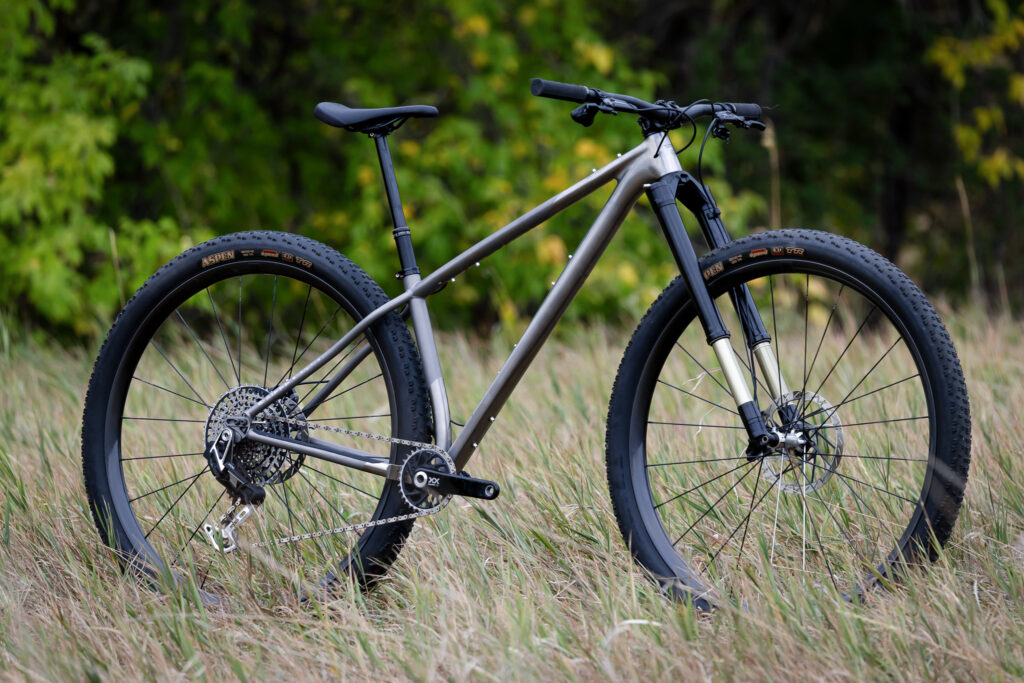
Generally, when we’re talking about an electric gravel bike, we’re thinking of a rigid bike, with no suspension – although this has changed in recent years with gravel-specific forks now being offered. Tyre clearances generally don’t go wider than 50mm, and the bikes will likely come with several mounting points for bike luggage. Oh, and drop handlebars for the most part.
And of course, where there is an unassisted bike, there is an electric version not too far behind. But while the unassisted gravel bike market has boomed over the last few years, it’s fair to say the electric side of things has been a little quieter.
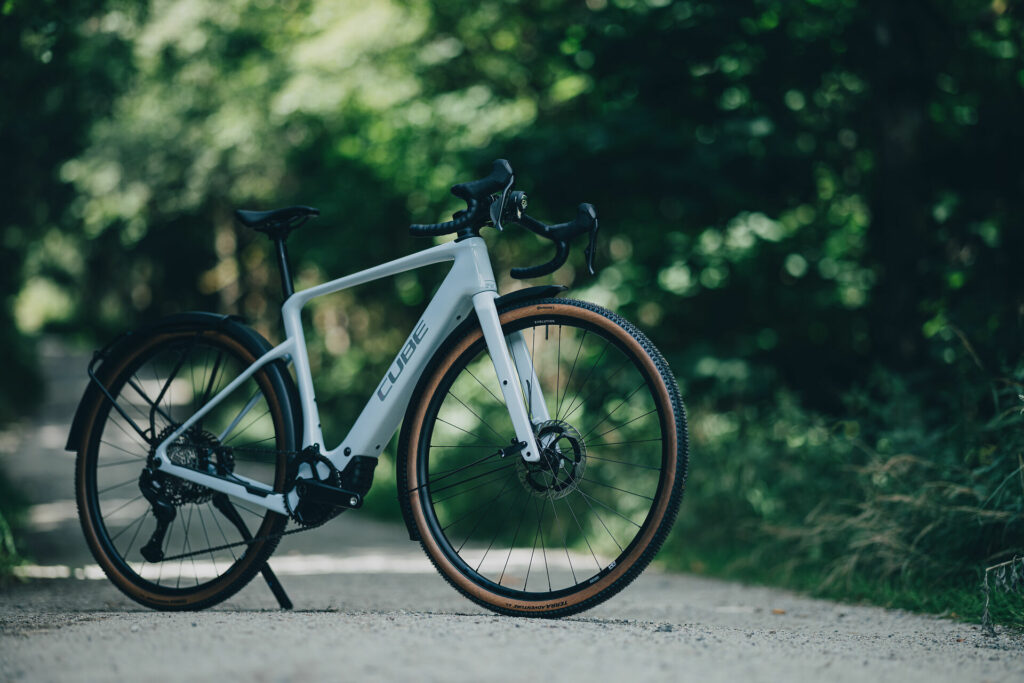
There are plenty of great e-gravel bikes out there, don’t get me wrong, but the market for them is slightly smaller than an unassisted gravel bike, so perhaps it’s just not worth the investment for brands while they recover from the current industry turmoil.
Why are e-gravel bikes a thing? Because they’re fun. Adding a motor to any bike will, in my opinion at least, make things at least 10% more fun (that’s not a scientific figure). Particularly if you don’t feel like pedalling that hard, or maybe you’re towing a child in a trailer and want a bit of extra assistance.
How are they powered?
Unlike electric mountain bikes, you won’t always find a mid-drive motor on an e-gravel bike. Several brands use systems like the Mahle X20 or X30 hub drive motors. Ribble, for example, kits its e-gravel range out with the Mahle hub drive offerings, and we’ve previously rated the CGR AL e.
The benefit of using a hub motor is that they are lighter than a mid-drive, lowering the overall weight of the e-bike. The downside is that they often don’t produce quite as much peak power or torque as mid-motor systems, and the fact that they’re in the rear wheel changes the weight distribution to a more rear-weighted bike than a mid-drive, which puts most of the weight over the bottom bracket.
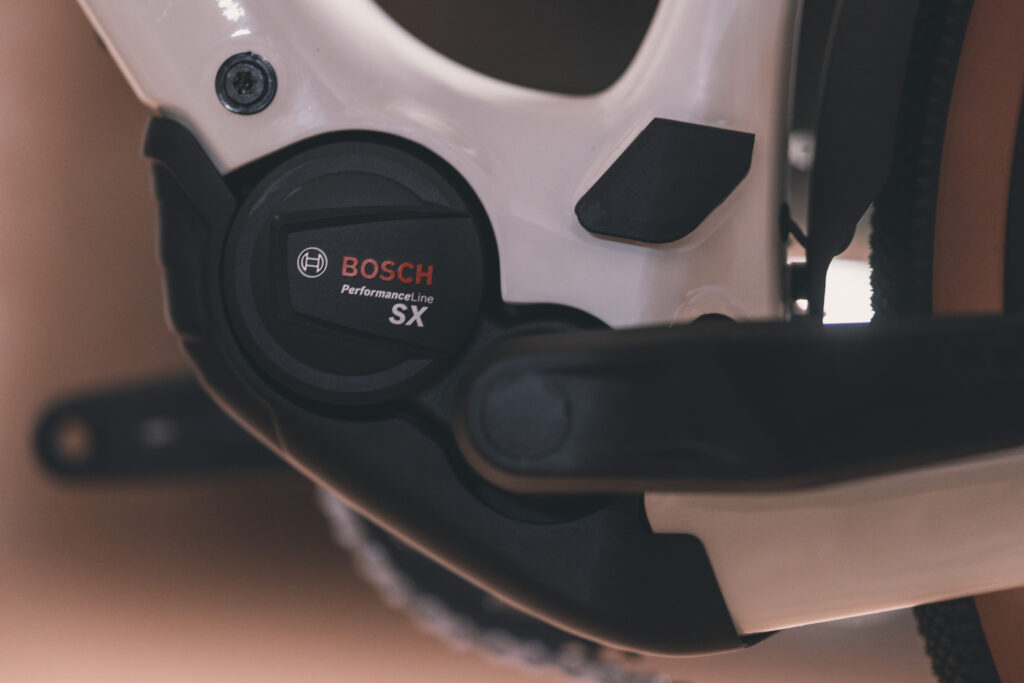
In terms of mid-drive motors, you’ve got a fair few options from the likes of Bosch with its lightweight SX motor, Fazua’s Ride 50, and even some super lightweight options from TQ. These tend to be a little bit pricier, but will come with higher torque and more peak power.
So it depends on what you’re after. If you want a rugged e-commuter that won’t shy away from winter crud and towpaths, then maybe you don’t need something powerful. And if you’re after a proper off-road gravel machine, then maybe a mid-drive is more suited.
E-gravel: the good
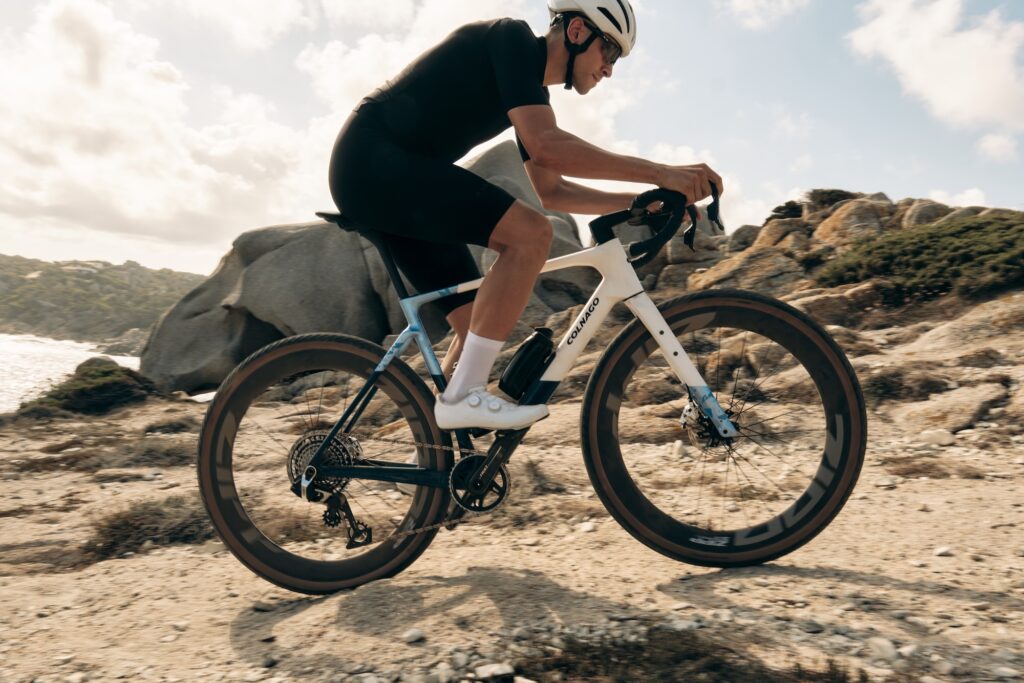
What makes an e-gravel bike good? That again depends on what you want the gravel bike for. But if it doesn’t pass the smile test, it’s probably not good. Some e-gravel bikes veer more towards the drop bar e-MTB end of the scale, with plenty of tyre clearance, slack and long geometry and enough power and gears to get you up Mount Etna. Others are a bit more beginner-friendly and do just what you expect from an e-bike and not a lot more.
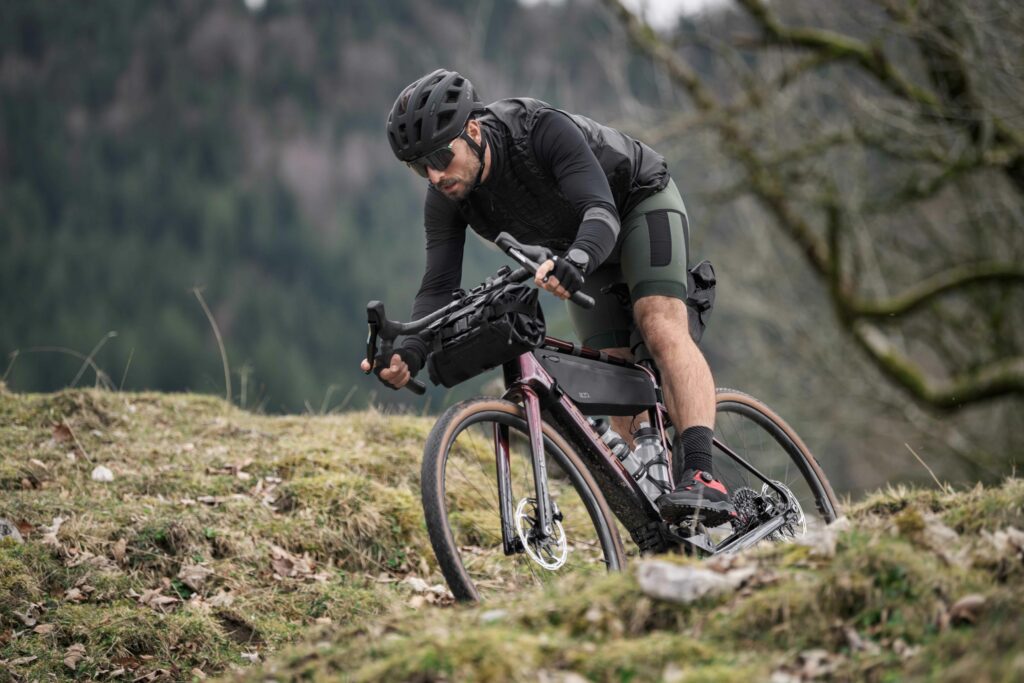
But the best thing about an electric gravel bike is that it makes the genre of gravel more accessible. Think about it – whether you’re someone who perhaps struggles to keep up with your group of riding buddies, or maybe you’re not able to ride as far or fast as you once were, electric bikes, in general, are excellent ways of getting more people riding.
And it’s not just about enticing a wider audience to ride, either. Electric gravel bikes open up a whole other world of riding, even to experienced riders. That quick lunchtime spin that didn’t really feel like it got going because you only had an hour to play with can now cover much more ground thanks to an e-gravel bike. And, you’ll probably feel less sweaty afterwards.
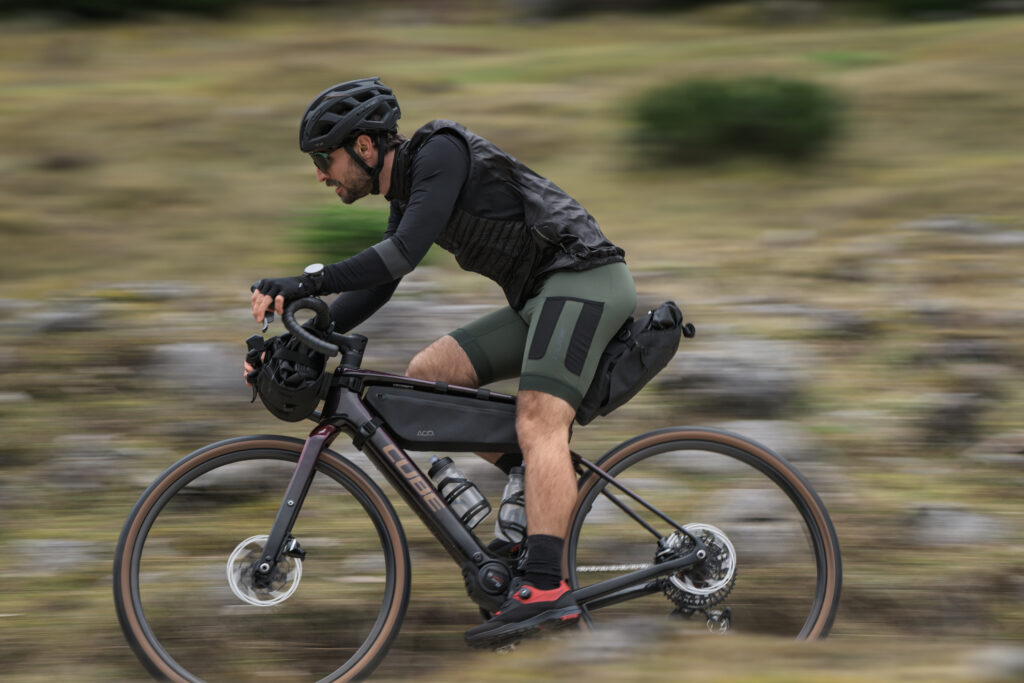
E-gravel bikes can also open up longer or even multi-day rides, as you don’t need to solely rely on your fitness to get you home. That is, if you have another battery on you or access to a power supply.
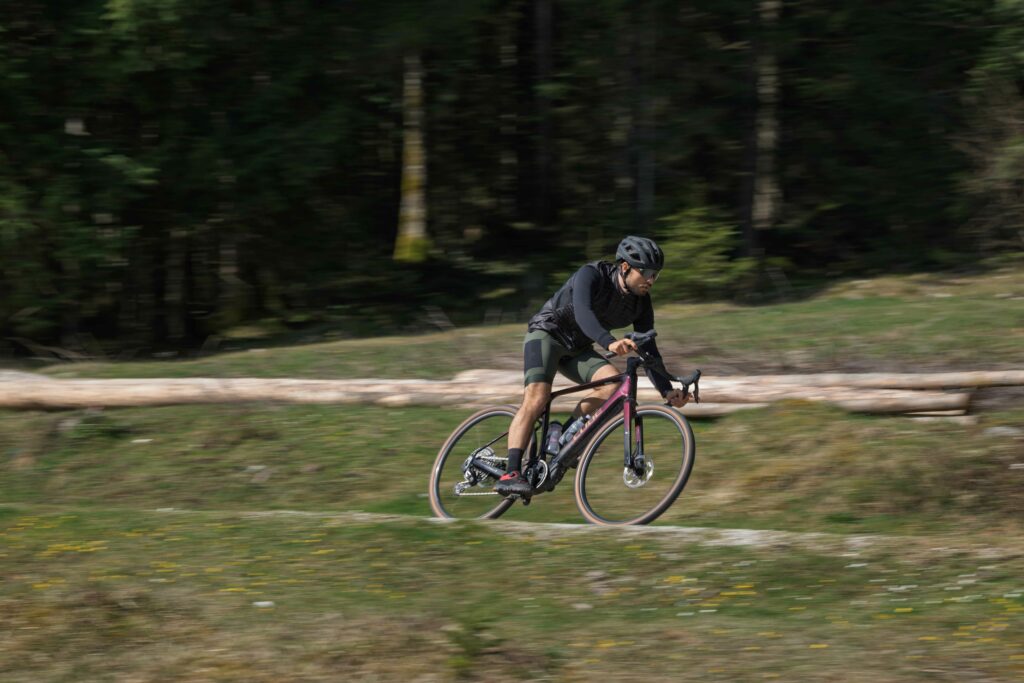
In the unassisted category, gravel bikes are beginning to split into two further disciplines: bikepacking/off-road riding and gravel racing bikes. In the electric world, there is no need for an electric racing gravel bike, as there are, to my knowledge, no such events. And I would assume Valterri Bottas would be the first to tell us about this, as he is the father of weird gravel.
So, is an electric gravel bike a good idea? From personal experience, they can be really fun bikes. The versatility is great, and they’re far less cumbersome than a full-suspension e-MTB, and like gravel itself, they’re more about covering longer distances. That being said, their capability depends on the setup of the bike, and if you want something that’s going to feel great off-road, it will likely feel like a bit of a drag on the asphalt but less so than their non-assisted counterparts.
E-gravel: the bad
Now for the bad bits. Some could argue, ‘What is the point?’ Well, an e-gravel bike makes sense if you want one single e-bike to do some road and off-road riding, and you don’t want an e-MTB. Or, you have some spare money and want a specific bike for a very specific reason. But if you’re cynical of the whole ‘gravel’ or ‘e’ movements anyway, an electric gravel bike is probably not the way to go.

The range on e-gravel bikes isn’t always a big selling point, as many people ride above the assistance point of 15.5mph on flatter terrain. And thus only require motor assistance when they’re going uphill or on particularly technical terrain. But, as people ride over that limiter, they’re then pedalling a much heavier bike at those speeds. If you’re spending so much time at that speed, why buy an e-gravel bike?
Batteries are finite, too. They can only assist for so long before they run out of power. That poses quite a limit on what an e-gravel bike can offer, while introducing range anxiety, a new level of planning (so you can end your ride before the battery dies) and perhaps, an end to your ride that’s earlier than you would like, as the battery runs dry.
They also require charging, which adds to pre-ride faff, and an extra hint of care. Although e-gravel bikes can be hardy things, there are some best practices to follow when charging them. With a regular gravel bike, it’s a simple case of grab and go in most cases.

Additionally, electric gravel bikes can be quite costly. Of course, the same goes for most types of e-bikes, but if you’re after something really capable, then you’re looking at spending at least a couple of grand.
Those already with a bit of gravel experience under their belts will know that they can be mighty efficient machines without a motor, and that’s where e-gravel’s hovering question mark sits over the genre. Perhaps you don’t ride anywhere with any serious hills that have you wishing for a helping hand. Or maybe, you’re an advocate for the simplicity of gravel, and merely prefer getting about using the strength of your own two legs.