

With a vast array of standards, suspension travels, drivetrains, and frame sizes, buying a bike, whether it’s your first or next, is never the most straightforward task. Throw a battery and motor system into the mix, with its range of torques, wattages, and battery capacities, and there’s even more to decipher. Let’s take a moment to explain what you should look for when buying a new e-mountain bike or e-gravel bike.
- E-MTB geometry explained: how weight and geometry affect your ride
- “There will always be haters in life, though I think there is a shift for acceptance”: What happened to eMTB racing and can it be fixed? Tracy Moseley weighs in
- e-MTB items you never knew you needed
Before you buy, check in with your local dealers
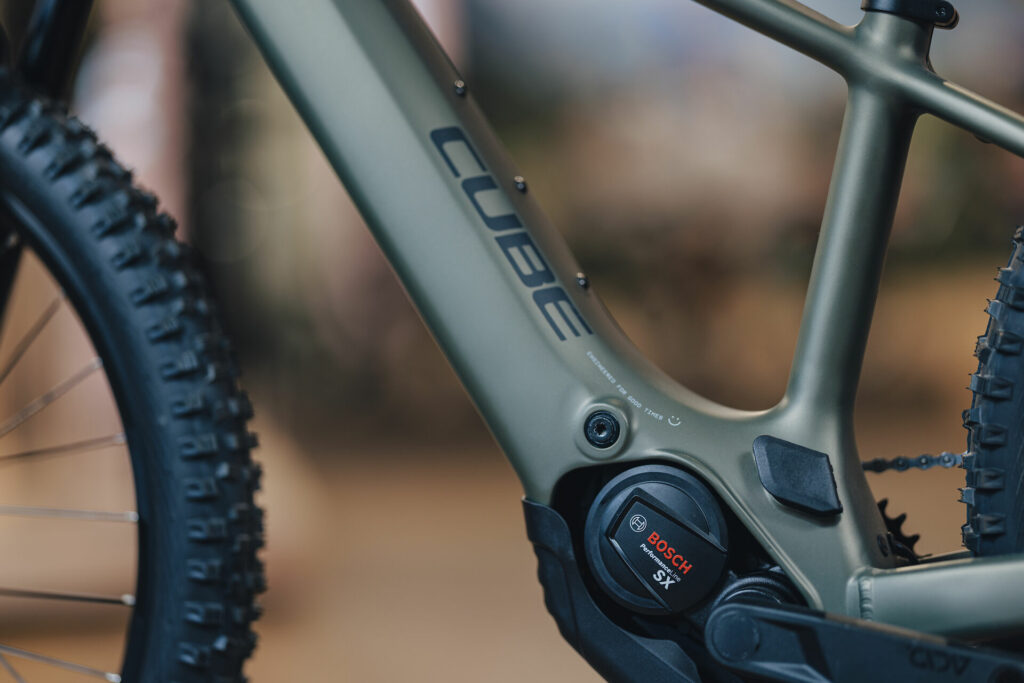
Like everything in cycling, components will fail. Thankfully, a lot of things on any bike can be serviced and fixed by the user. Motors and batteries, however, are another story. They’re incredibly specialised things filled with gears and circuit boards, and unfortunately, they’re not user-serviceable. Because of that, should your motor fail, your bike will need to be taken to a dealer who’ll then arrange for the motor to be repaired by the correct people, or do it themselves if they’re qualified/certified. That means time away from your bike.
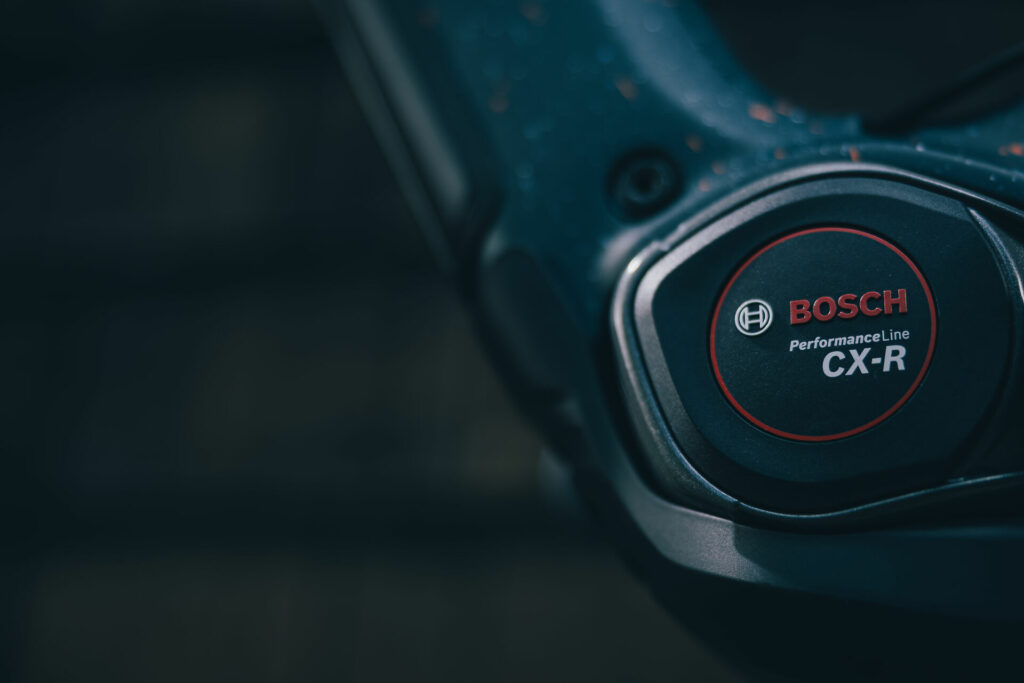
This is where the local dealer comes in. If you don’t have a Bosch (for example) dealer nearby, you’ll have to drive far to drop your Bosch-equipped bike off, or you’ll need to box it and arrange a courier. That’ll then add to the time you’ll have away from your bike.
Instead, consider choosing a bike that is equipped with a motor that can be serviced by your nearest dealer. This will reduce hassle and get your pride and joy back to you as soon as possible.
As a side note, it’s also worth researching which motor brand, dealer, and bike brand provides the best customer service, as this can speed up the process altogether.
Full power/full fat vs mid power/lightweight
Motor and battery technologies have come a long way in a surprisingly short timespan. Now, different motors offer a wide range of torque (Nm) and watts (W), both of which dictate the power that the motor will complement your own with. To put it simply, torque, measured in Newton metres, is what you’ll notice when you begin pedalling. The more Newton metres a motor can output, the faster an e-bike will accelerate. A motor’s power is also attributed to these effects on the trail.
With these advancements, two types of e-bikes have become prevalent: full power, lovingly known as full fat, or lightweight, mid-power e-bikes. The latter of which e-gravel bikes tend to fall into.
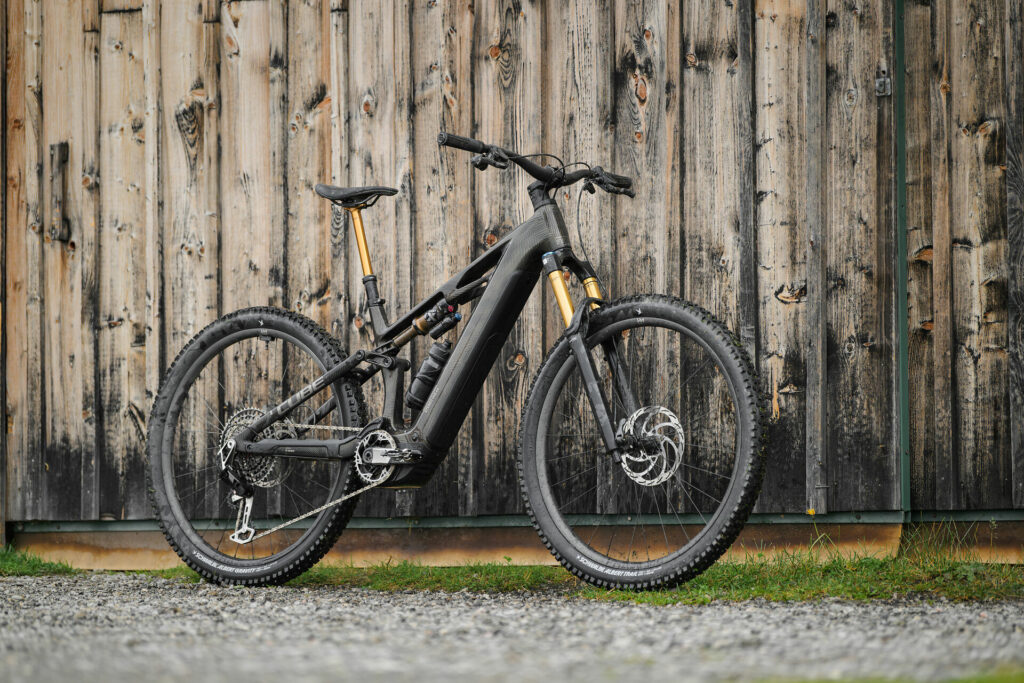
Full-fat e-bikes often have 85Nm or more of torque and 600Wh or larger batteries, as bigger batteries are required to fuel more powerful motors for longer. These bikes are often heavier than their lightweight counterparts, weighing over 22kg, and this does have an effect on the bike’s handling. However, if you’re looking for a bike that can do a lot of the hard work for you and offer as much range (the distance it can assist you over) as possible, a full-power e-bike is what you’ll likely land on.
Lightweight e-bikes use lower torque motors that output from 55 to 60Nm, and these bikes aim to blend the riding character of regular bikes as they’re lighter, while still providing some assistance, but not nearly as much as full-power alternatives. These bikes will require more rider input when it comes to pedalling, but they can often ride that’s more akin to a regular mountain bike’s, owing to their lower weight of around 17 to 22kg. Although these bikes employ smaller batteries, as their motors require less power, they can still cover long ranges.
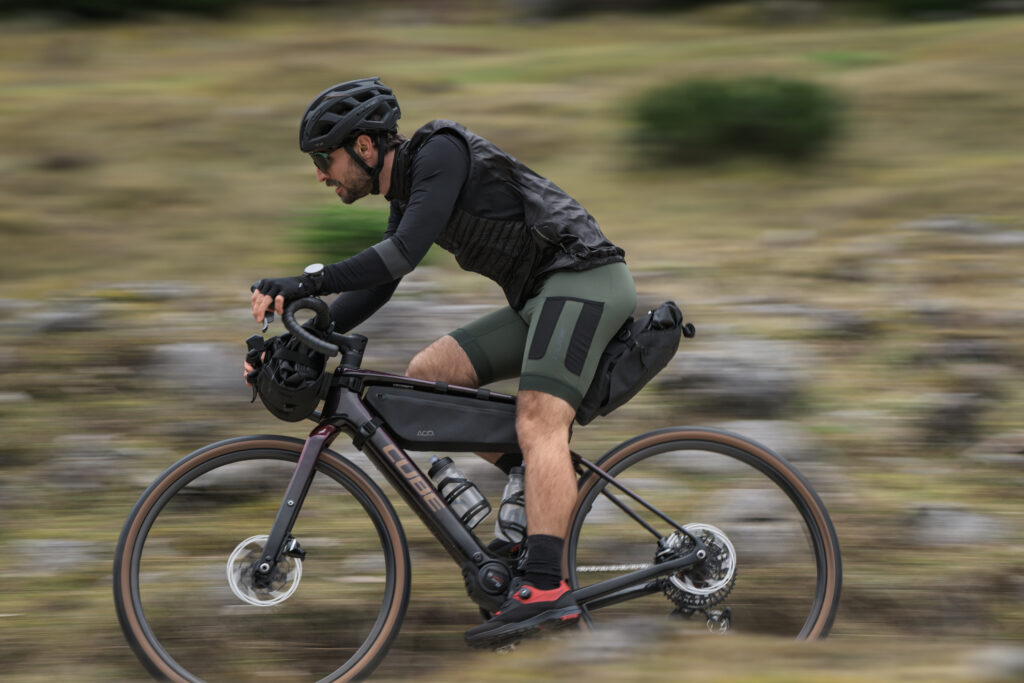
A few bikes attempt to blend the ride of a lightweight e-bike and the torque and power values of a regular bike. But without the range extender fitted, the overall range will be limited as it runs a smaller battery to shed grams. Bikes equipped with DJI’s Avinox motor are another story, as this motor and battery combo is both lightweight and super powerful.
But note that all e-bike motors are limited to an output of 250W continuously by law. You will see motors that can output 750W and even 1,000W, but these only do so in short bursts.
Battery size matters too
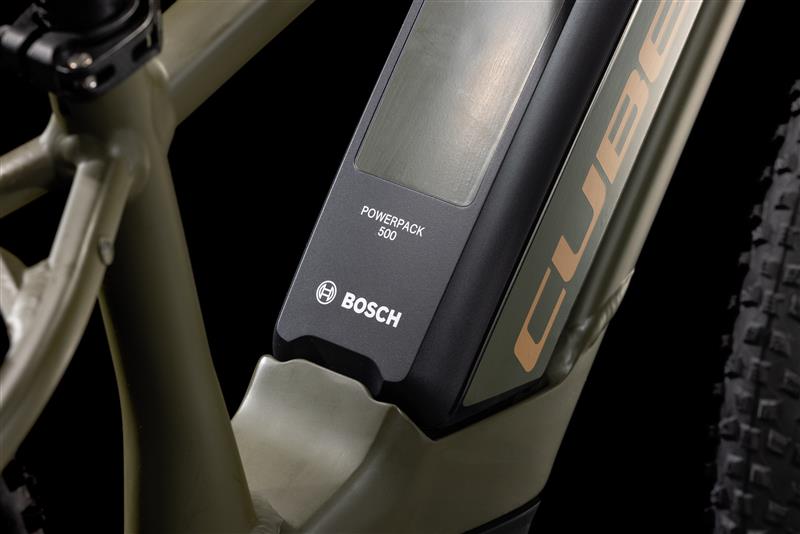
Some bikes on the market offer a choice of battery size, which allows prospective buyers to tailor that bike to their needs. This is more common on full-power e-mountain bikes, and some brands offer the choice between 600Wh and 800Wh units, for example. The former sheds weight for a better handling machine, while making for a slightly more affordable bike, but they won’t be able to offer as much range. The latter then provides more range at the expense of extra cash and extra weight.
But there are range extenders, too. Most e-bikes on the market are compatible with a range extender, which typically takes the place of a bottle cage, and ups the overall battery capacity by 250Wh (though this can change depending on the motor you’re running). The beauty of these is that you can choose between less weight and more range quickly and easily – just by adding or removing the range extender.
Depending on the bike you buy, a range extender can pose an extra cost of around £400, to generalise, but some bikes come with one in the box.
Fixed and removable batteries
Over the years, e-bikes have started to look a lot better compared to the very early offerings. That’s mainly as brands mount the bikes’ batteries into the downtube. While this looks mighty slick, it can come with its own problems – battery removal and ease of charging.
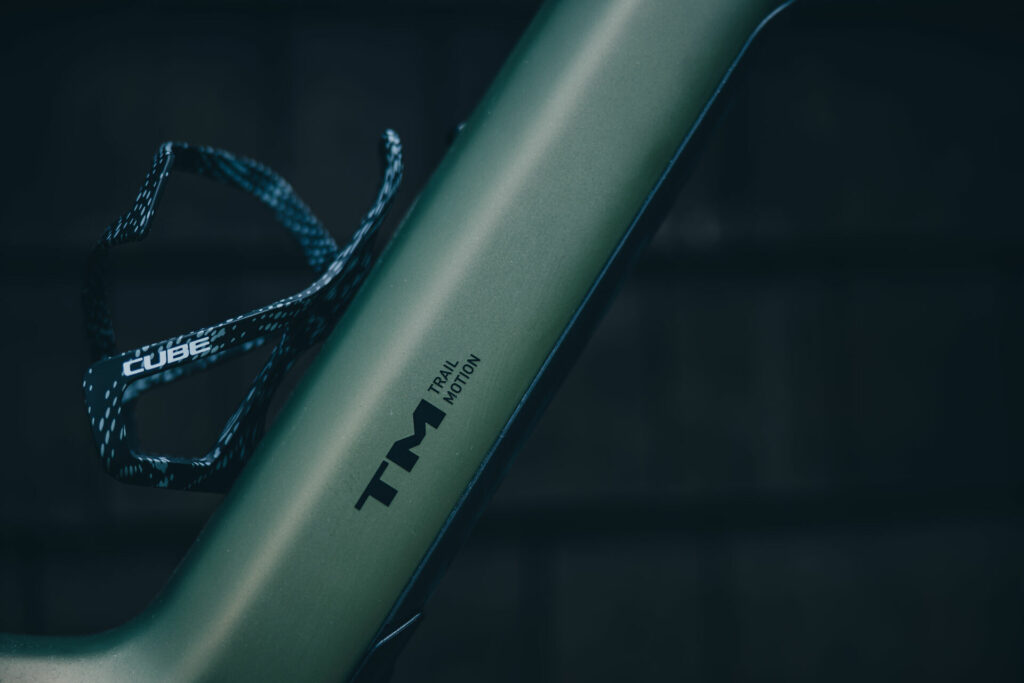
A lot of e-mountain bike batteries are removable from the bike, but some are fixed. This might not sound like much right now, but where do you plan on charging your bike? If you have power outlets in your garage or don’t mind getting your house dirty, fully integrated, non-removable batteries will work just fine for you.
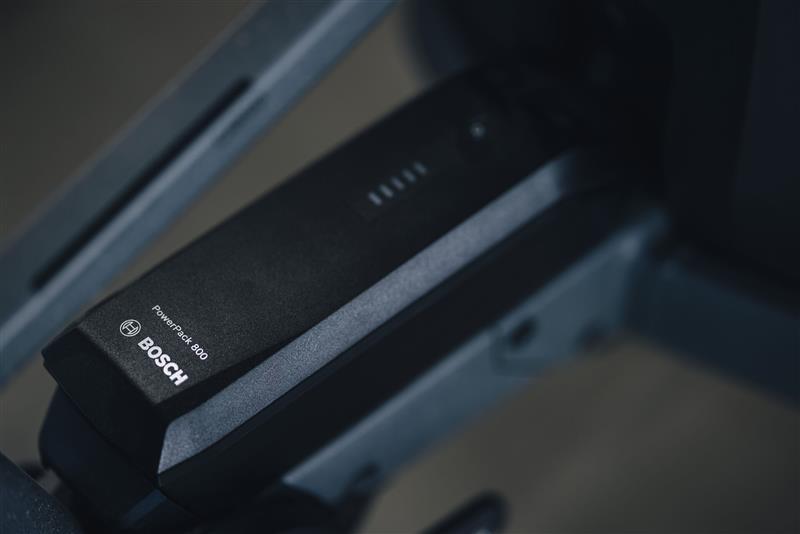
However, if you don’t want to bring a muddy bike inside, want to follow proper charging practices as best you can, or just want more convenience, look for a bike with a removable battery. These e-bikes can then open up longer rides as you can keep a spare battery in the car, or even carry one around and swap it once your current one runs out of juice.
Hub drive or mid-drive?
On mountain bikes and gravel bikes, there are two drive systems often available – mid drive, which is what you’ll see on every e-mountain bike, and hub drive, which is on a few e-gravel bikes. They’re most often seen on gravel and road bikes because they’re generally lighter than mid-drive systems, they’re typically free of drag (pedalling resistance in the motor), and they perform at their best over flatter terrain and higher speeds.
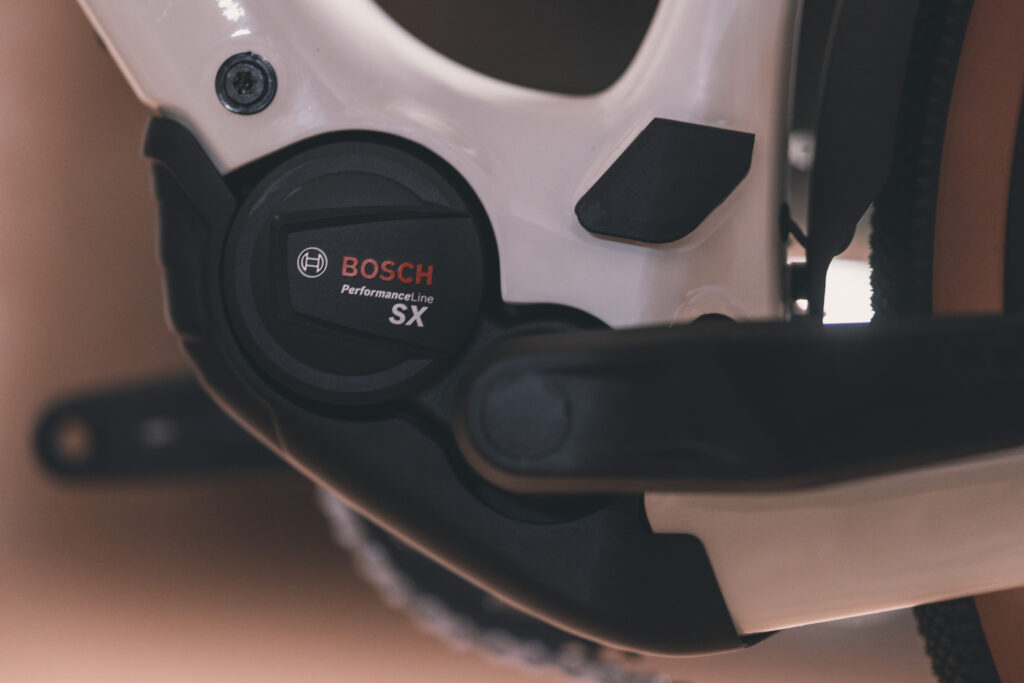
But the reality is that hub drive systems are quickly falling out of favour on off-road going bikes as they place the bulk of their weight towards the rear of the bike, which is fine when smashing flatter terrain, but when tackling the ever undulating hills, steep climbs, and rowdy descents, that can become a burden. Hub-drive systems also aren’t as efficient when it comes to steep gradients.
Mid-drive systems are incredibly popular across the off-road cycling board, and with good reason. Although they’re often pricier but they’re able to output higher power, and as their weight is effectively around the bottom bracket, they produce a bike that handles more naturally.
Do you really need a display?
When buying an e-bike, its display is probably the last thing you’ll ever think about, if at all. They don’t add to the overall ride character of a bike, but they can provide useful metrics to the point where they can make your cycling computer redundant. They come in all shapes and sizes, too, from bar-mounted and top tube-mounted screens, complete with touch-screen compatibility and map-reading. Or they can be a super simple selection of LEDs that depict your power mode and battery capacity.
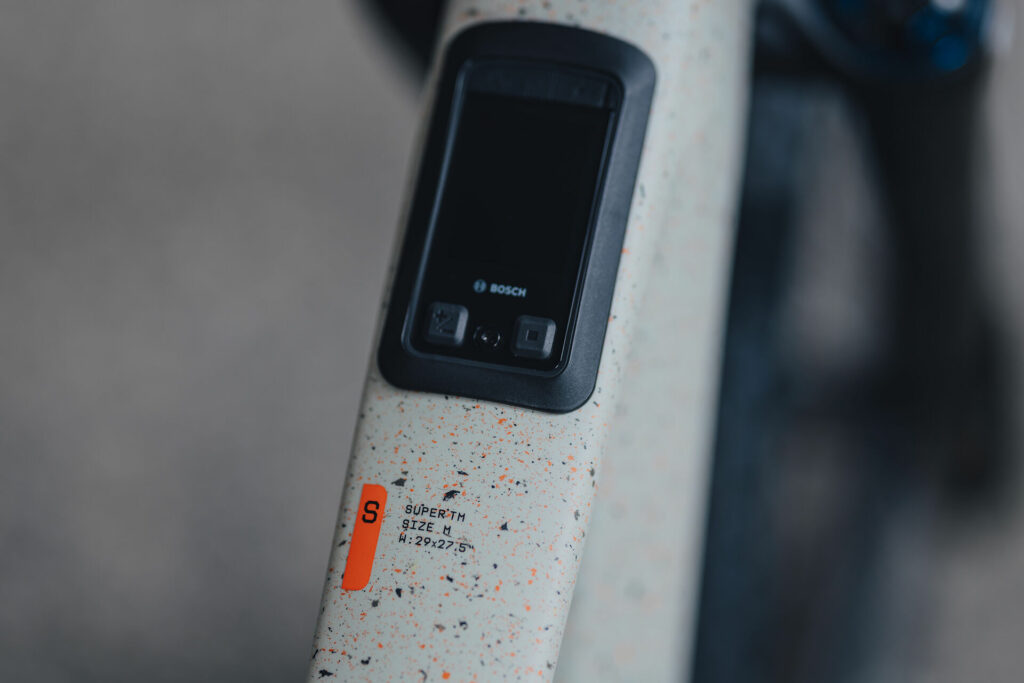
They are all proprietary to their respective brands, however, so there’s not all that much ability to change them around should you find yourself unhappy with the one you’ve got. Some are upgradable, however, such as Specialized’s TCU and some Bosch units, should the bike be equipped to do so.
Although they bring a lot of data into the e-bike game, displays can come with a downside – light. If you’re one for night riding, a display can become distracting owing to the light that it emits. Some users may not want all of that info placed on the top tube, either. This is where simpler screens may be better appreciated.