



Whether it’s your daily commuter or your pride-and-joy speed machine, the last thing you want is to find an empty space where your bike used to be. Bike theft is an unfortunate reality, and it often happens shockingly quickly, but with the right approach, you can reduce your chances of becoming a victim.
In this guide, we draw on our testing and real-world experience to explain how to lock your bike properly when you’re out and about. While no setup is completely theft-proof, making life as difficult as possible for a thief is often key to keeping your bike safe.
> How to properly secure your bike in a shed or garage
Always use a high-quality lock
We’ll start with the most obvious one that hardly needs saying: invest in a really good lock.
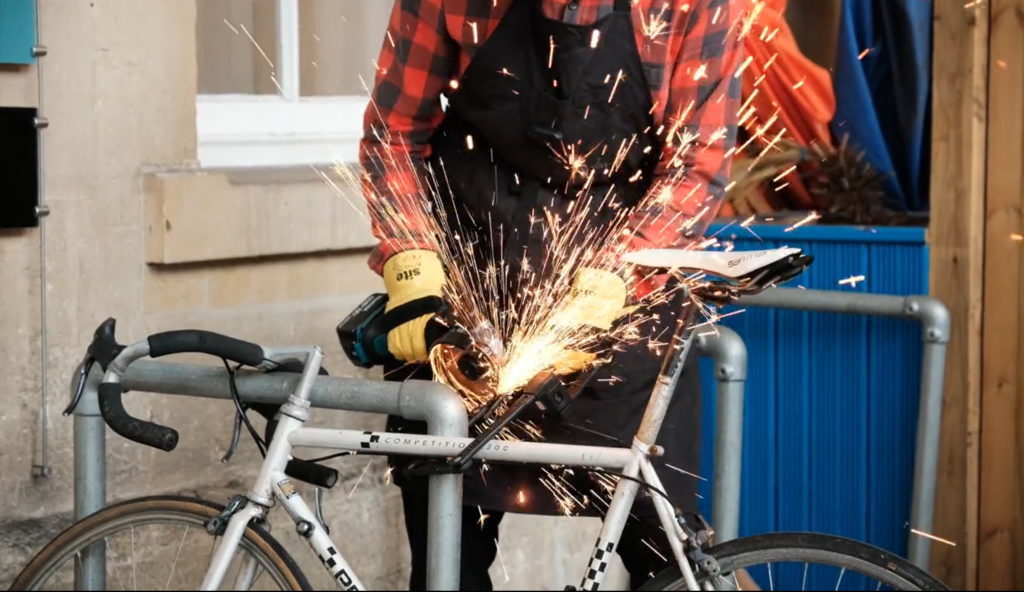
All locks are not equal. Far from it. Many look vaguely similar to one another, but the level of security they offer varies massively, as we found out in our recent testing on road.cc. It’s true that something is always better than nothing when it comes to bike locks, but do some research before spending your money.
We attacked a whole range of locks in our test and managed to get through one of them in just 41 seconds with simple bolt croppers, while we couldn’t get through others with an angle grinder in two minutes. That’s a huge difference. The £199 Onguard RockSolid 8590 even destroyed our cutting disc in 30 seconds.

Would a thief simply fit another cutting disc and carry on? They might. A determined thief can get through anything if they have enough time and the right equipment, but you want to make it as difficult as possible in the hope that they’ll give up.
Lock your bike to something immovable
Chainlink fences can be snipped, wooden fence posts can be sawn, some bike racks can be unbolted or are made from thin metal that can be cut… It’s a bit of a cliché to say it, but your bike is only as secure as the object it’s locked to.
> How do you store your bike indoors? Share your cleverest setups and space-saving hacks
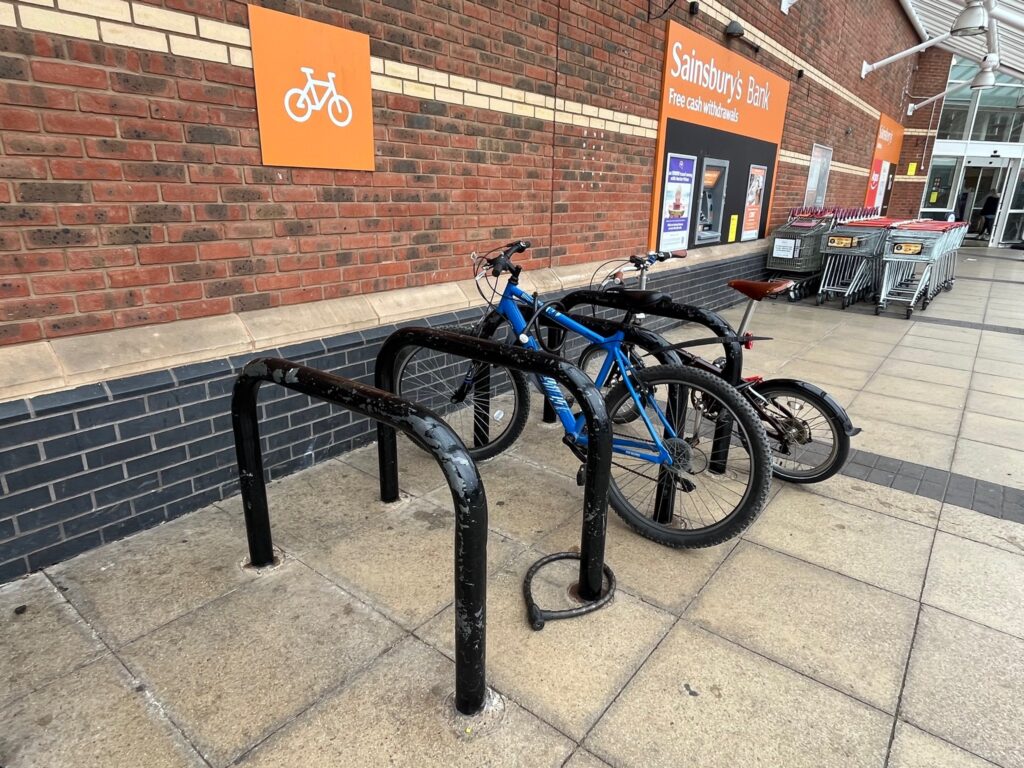
Certainly, invest in an angle grinder-resistant D-lock, but it’s a bit pointless if you use it to attach your bike to a rusty railing that a thief can cut through in seconds, allowing him to walk off with your bike with the lock still intact They can then worry about cutting it off later on.
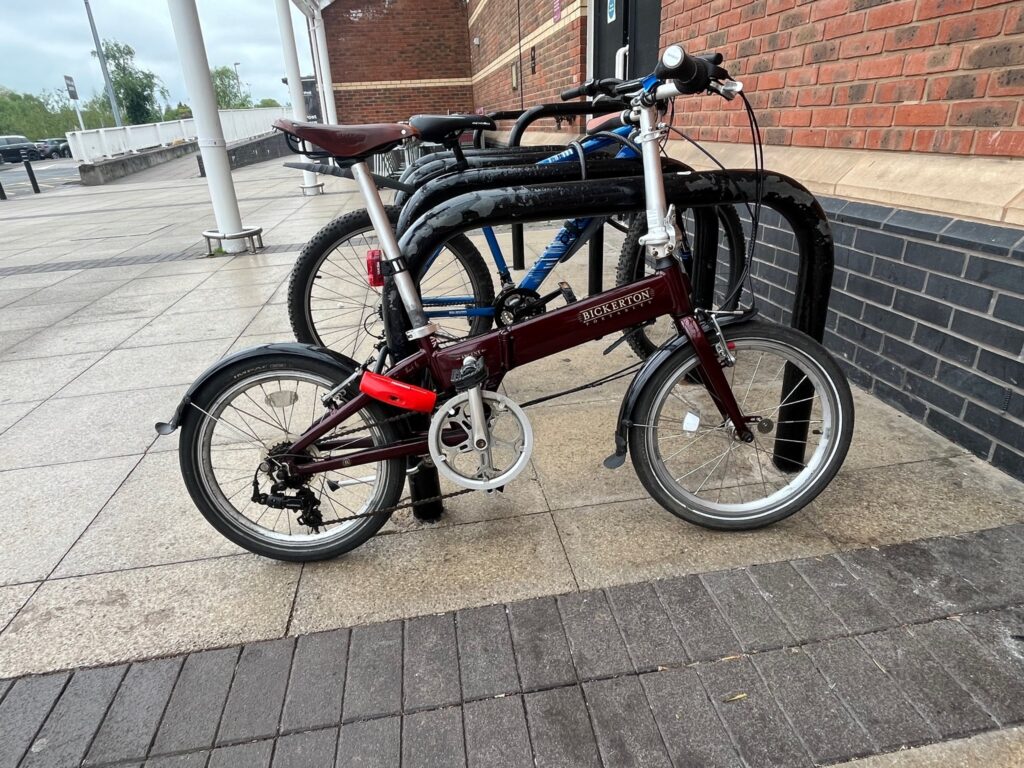
A hefty Sheffield rack that’s concreted into the ground is usually a good option.
Lock your bike in a busy area
You might be tempted to lock your bike in a secluded area where fewer eyes are likely to see it. The problem there is that if a thief does spot it, they’re more likely to remain undisturbed while they’re up to no good.
> Whatever happened to Yerka, the “unstealable” bike?
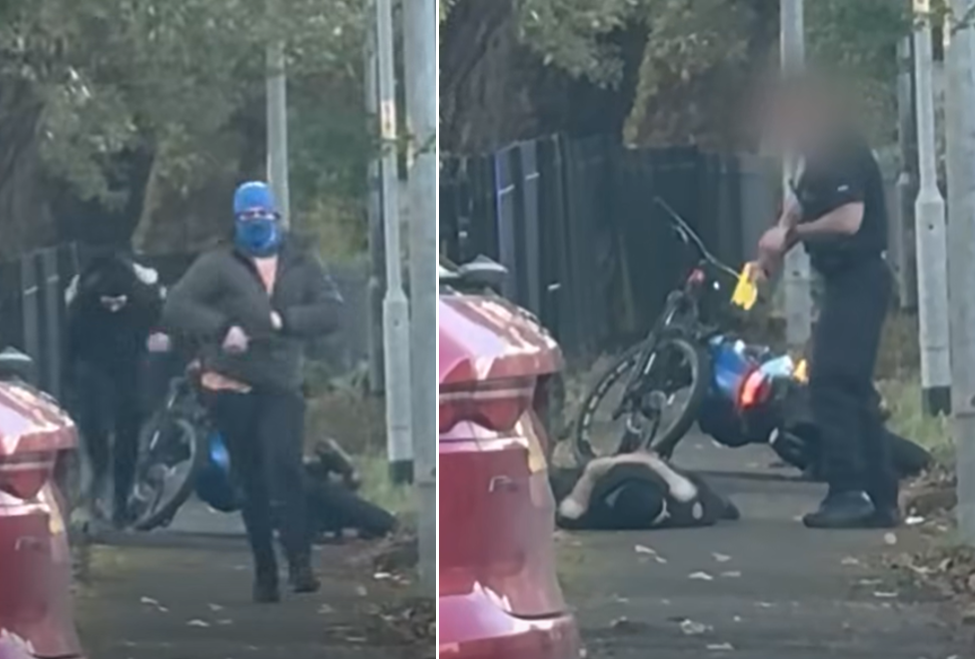
Yes, we’ve all seen videos of brazen thieves using angle grinders to steal locked bikes in busy town centres. It happens. What those videos don’t show are all the times when potential bike thieves don’t even try for fear of being caught. The general public can still be a deterrent.
Locking your bike in an area that’s covered by CCTV is no guarantee that it’ll remain safe, but it can’t hurt.
Lock your bike alongside others
Where possible, lock your bike alongside other bikes, such as in designated racking – preferably mid-row in racking that’s cemented into the pavement.

Okay, that might be the first place that a would-be thief would look for potential targets, but provided you buy a good lock and use it well, the chances are that some other bike nearby will be easier to steal, and a would-be thief will try their luck there instead. We know that sounds heartless, but that can be what it comes down to.
Also, people who ride bikes don’t tend to like people stealing bikes. We all know that passers-by can be reluctant to step in to prevent bike theft – we’ve seen the videos – but if anyone is going to try, it’s likely to be a fellow cyclist.
Position your lock so that it’s difficult to attack
If you lock your bike at the end of a row, a thief will likely have plenty of space in which to go about their business. Lock your bike in the middle of a row to make things as awkward as possible. If you can position the lock where it’s hard to see and/or access, preferably high up (so the thief can’t use the ground to steady one of the handles of a set of bolt cutters, for example), so much the better.
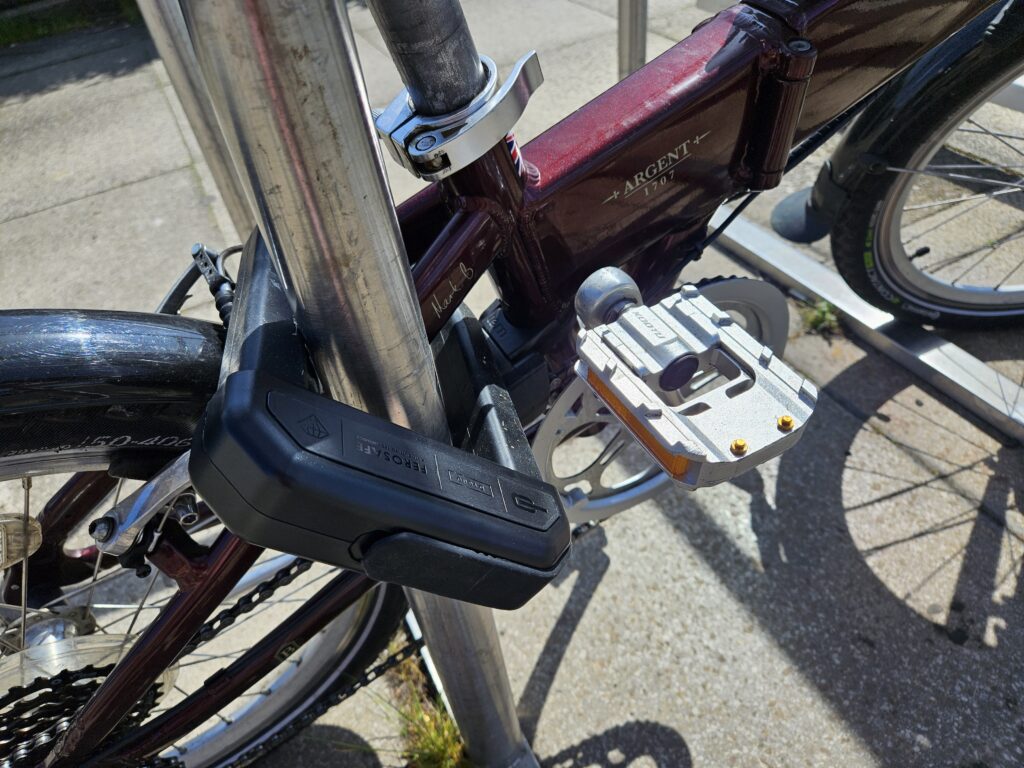
Fill as much space as possible inside the lock so that a thief can’t fit anything else in there to lever or jack it open.
It’s doubtful that a thief will attempt to pick your lock in the street and it’s increasingly unlikely that they’ll try to drill it out, but face the keyhole downwards where possible, just in case. That’ll also help keep any rainwater out.
You’re trying to make the thief’s life as difficult as you can.
Secure the frame and anything that can be removed easily
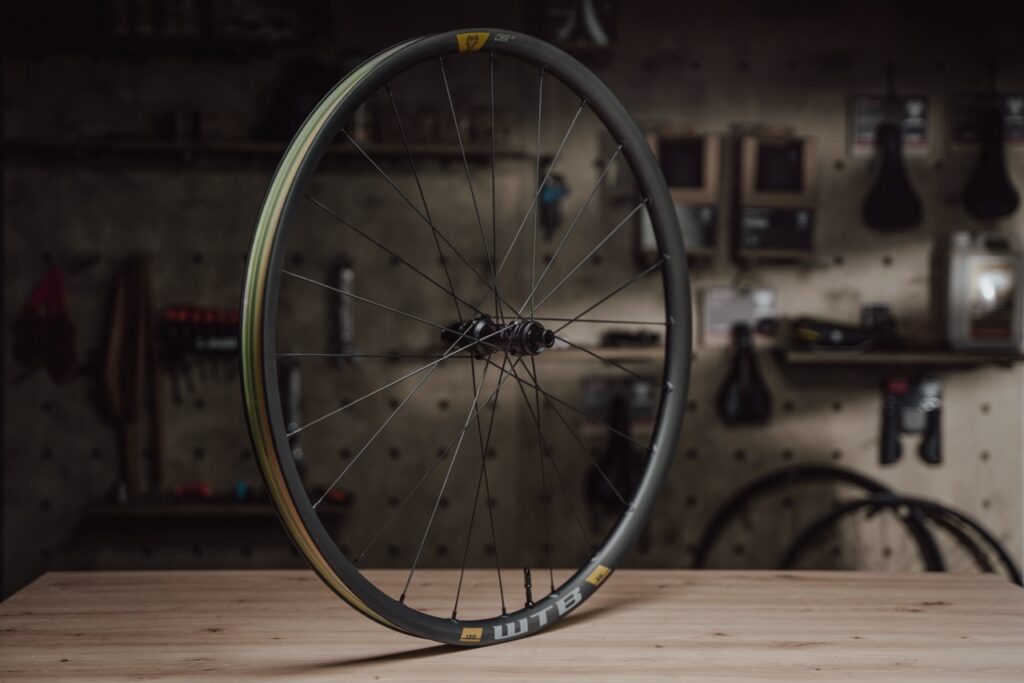
If you lock your bike by one of its wheels, there’s a reasonable chance that you’ll come back to find the wheel still there but the rest of the bike gone. Sad but true.
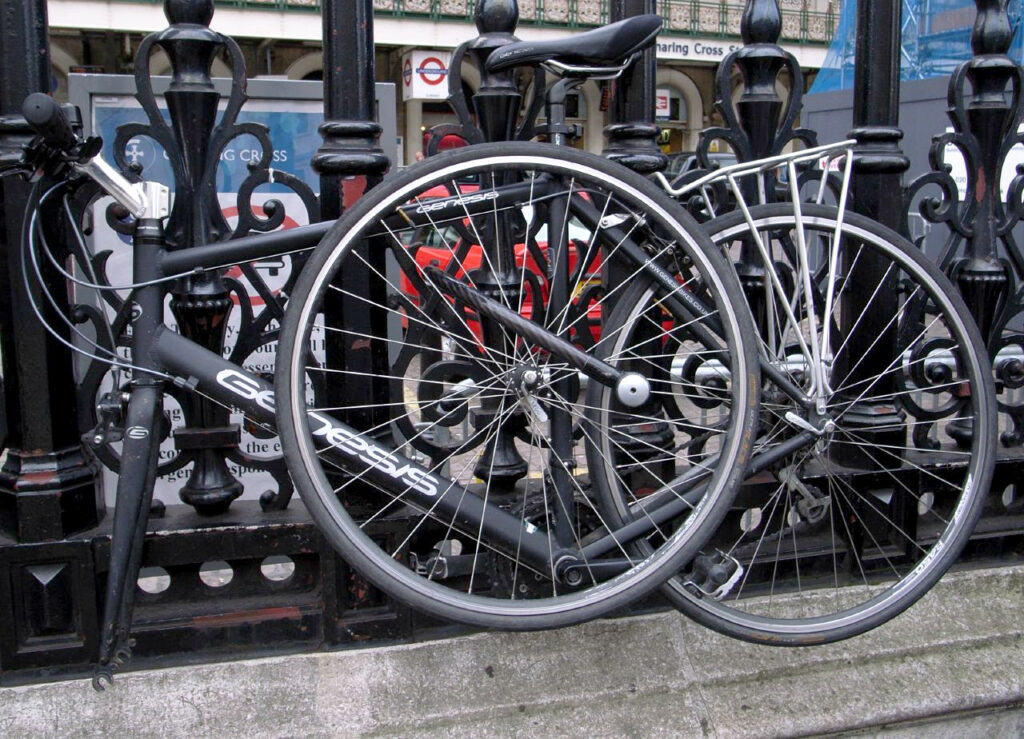
How to lock a bike with the wheel off, by (CC BY 2.0 Martin)
One strategy is to lock the frame and the rear wheel to an immovable object, like a sturdy rack, having first taken off the front wheel and added it to the mix. It’s a pain to remove your wheel and then put it back on later, but it’s a tried and trusted method.
Wheels, seatposts and saddles can usually be removed in seconds, especially if they’re held in place by quick releases, so they’re often stolen if left unsecured. Hex and Torx heads won’t hold up a well-equipped thief for much longer. So, you might want to consider taking your saddle and seatpost with you, especially if the saddle’s valuable – and that might just be because you find it particularly comfortable. Or you could consider using locking bolts or skewers (more on those in a bit).
Some D-locks come with a cable for securing wheels, saddles, and the like, without the need to remove them from your bike. The Squire Matterhorn Compact 10c (£49.99), for instance, is a D-lock with a 1800mm long, 10mm thick security cable included. The cable is lightweight and relatively easy to carry, and it serves as an additional obstacle and deterrent to the thief.
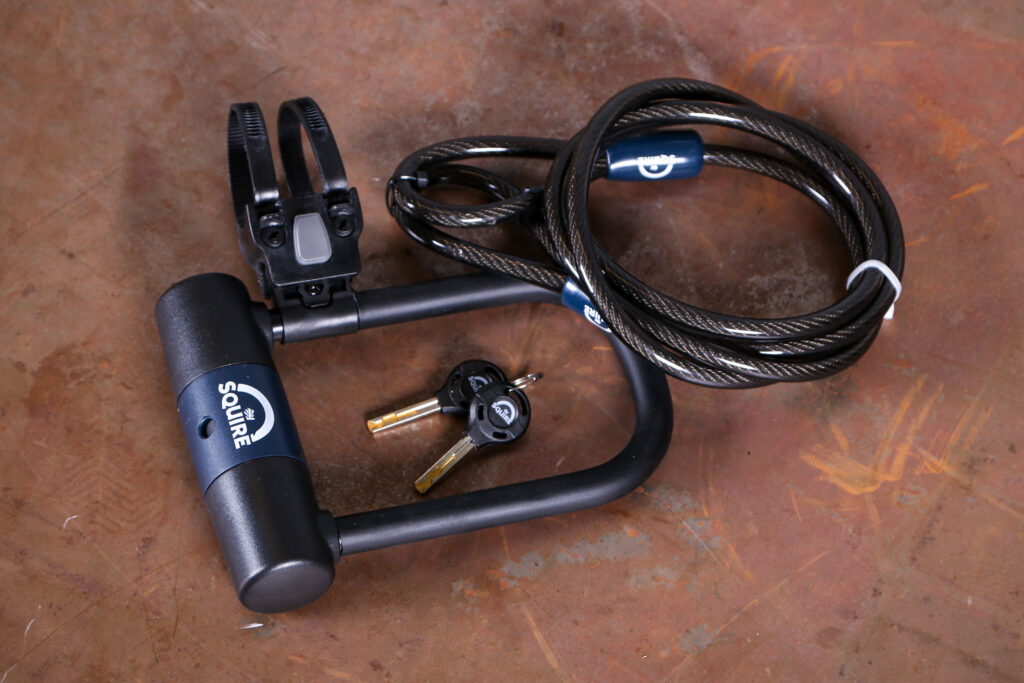
Bear in mind, though, that with this type of combo, the cable is unlikely to be as secure as the D-lock. With the Squire Matterhorn Compact 10c, it took us nearly a minute to get through the D-lock with an angle grinder, whereas we cut through the cable with bolt croppers. Still, it’ll stop an opportunist thief and anyone who’s not particularly well-armed.
Use anti-theft parts
Another option is to use anti-theft nuts and bolts, such as those from Hexlox and Pinhead. There are plenty of other variations on this theme. Decathlon, for example, sells Seat Post and Wheel Security Bike Clamps for £14.99.
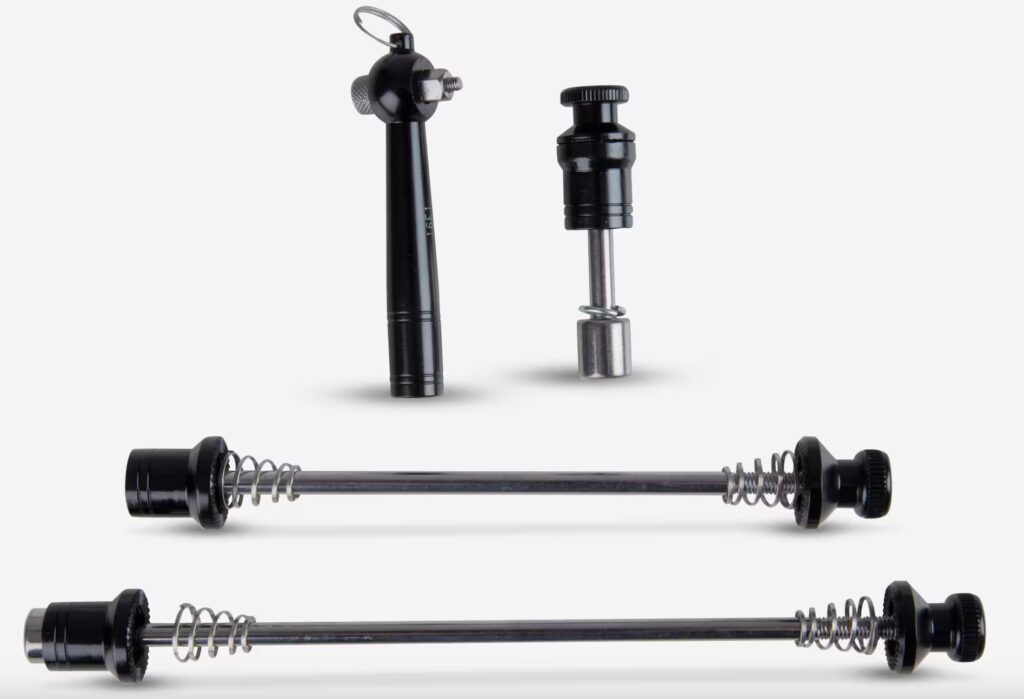
We reviewed a Pinhead system a few years ago – stainless steel locking skewers, a seatpost lock and top cap lock designed to prevent thieves from taking your wheels, seat post, forks and stem.
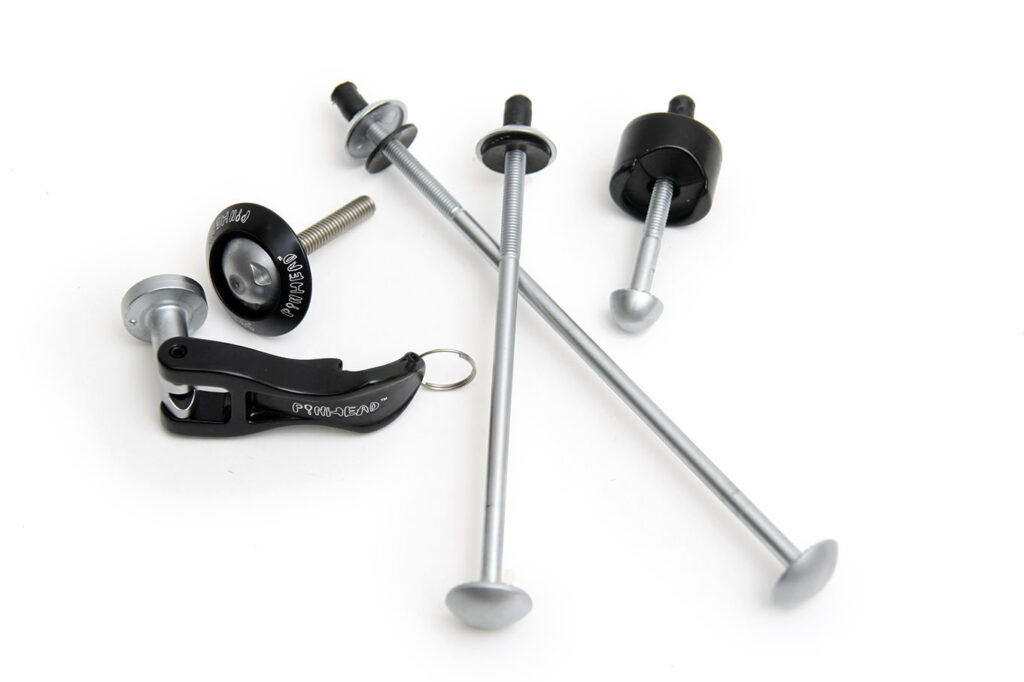
The system is operable only with the supplied key. A similar product is £89.99 today, and there are many other options available.
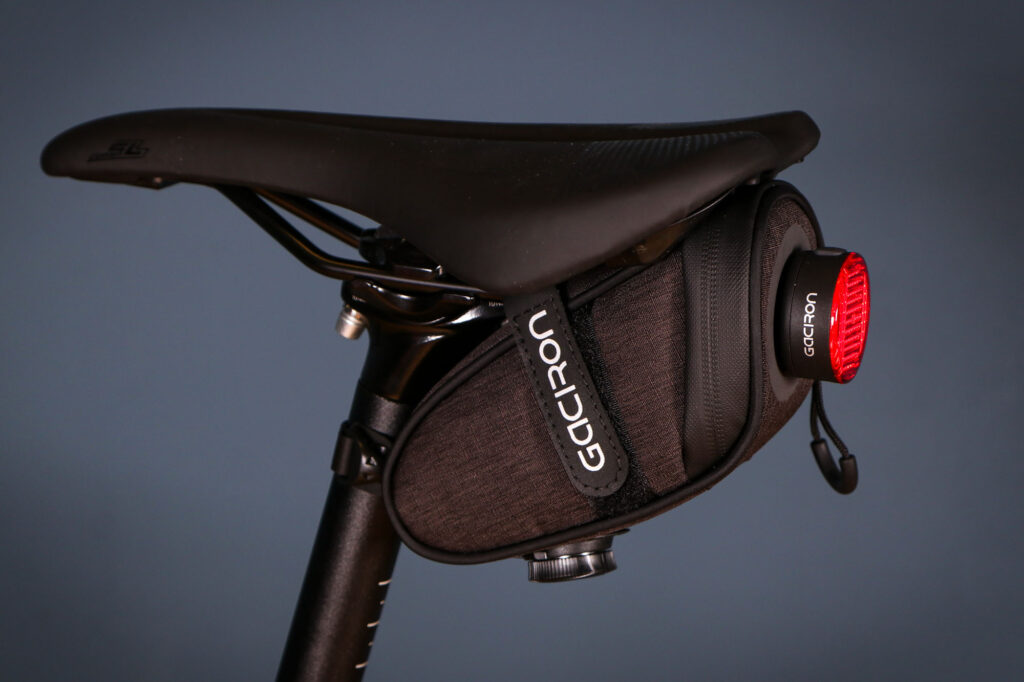
As for lights, computers, cameras, radars, bags, and any other accessories on your bike, remove all that easily stealable stuff and take it with you when you lock your bike.
Know the limits of your lock
Although there are certainly exceptions, the strongest locks tend to be pretty heavy. A 2kg angle grinder-resistant D-lock might provide you with plenty of security, but you probably don’t want to lug it around a long Sunday morning ride so that you can keep your bike safe at the coffee stop.
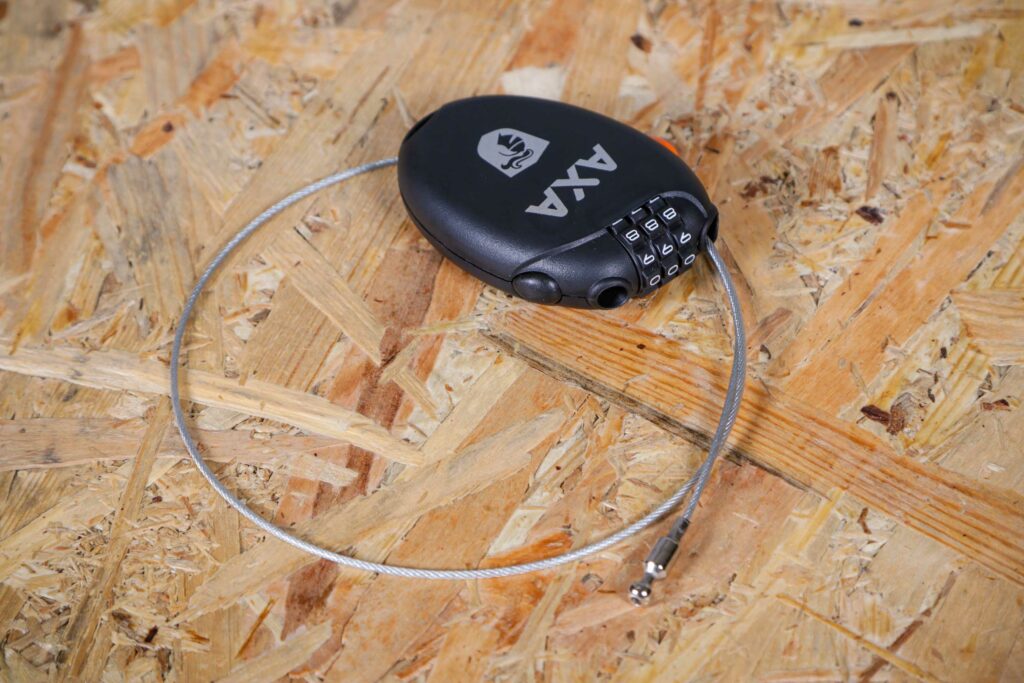
For that reason, cafe locks exist – lightweight options designed to stop opportunist thieves from walking off with your bike while you’re at the counter deciding between espresso and cappuccino.
> Which type of lock is best for your bike?
The idea of a cafe lock is that it provides a degree of security while being easy to carry, but it’s not the most appropriate option if you’re leaving an expensive bike unattended in a town centre for a few hours.

Our man Jo Burt says, “Bikepackers and long-distance riders/tourers are obsessed with ‘just a few minutes’ locks. I’ve whittled mine down to an Abus titanium padlock and a Kryptonite Kryptoflex cable that fits in a rear pocket really easily.”
The point is, different locks are suitable for different situations, so read plenty of reviews before spending your money to make sure you buy one that’s right for your needs.
Can you take your bike inside?
Depending on where you’re visiting, there’s sometimes a case for asking whether it would be okay to bring your bike inside for a few minutes.
“Wheeling the bike inside and asking ‘can I just leave this here?’ in your nicest voice can also work wonders,” says Jo Burt. “I just take my bike into my local Co-op and leave it by the raspberries while grabbing bits. Of course, a local scrote could easily wheel it out again but it’s better than being outside.”
Use a cheap bike and components
If you regularly need to lock a bike in a public environment, using a battered old hack and/or cheap components could deter theft and make the whole experience less painful if it does get stolen.
Okay, you shouldn’t have to think this way but, realistically, you don’t want to leave a 12 grand S-Works Tarmac SL8 locked up for long outside the railway station. It’s bound to attract unwanted attention sooner or later.
Use a trackable device
You’ll be glad you fitted your bike with some kind of tracker if the worst happens and it gets stolen. A tracker is no guarantee that you’ll get your bike back, but it can help.
Many companies have incorporated Apple’s AirTag tech into bike-specific security systems over recent years.
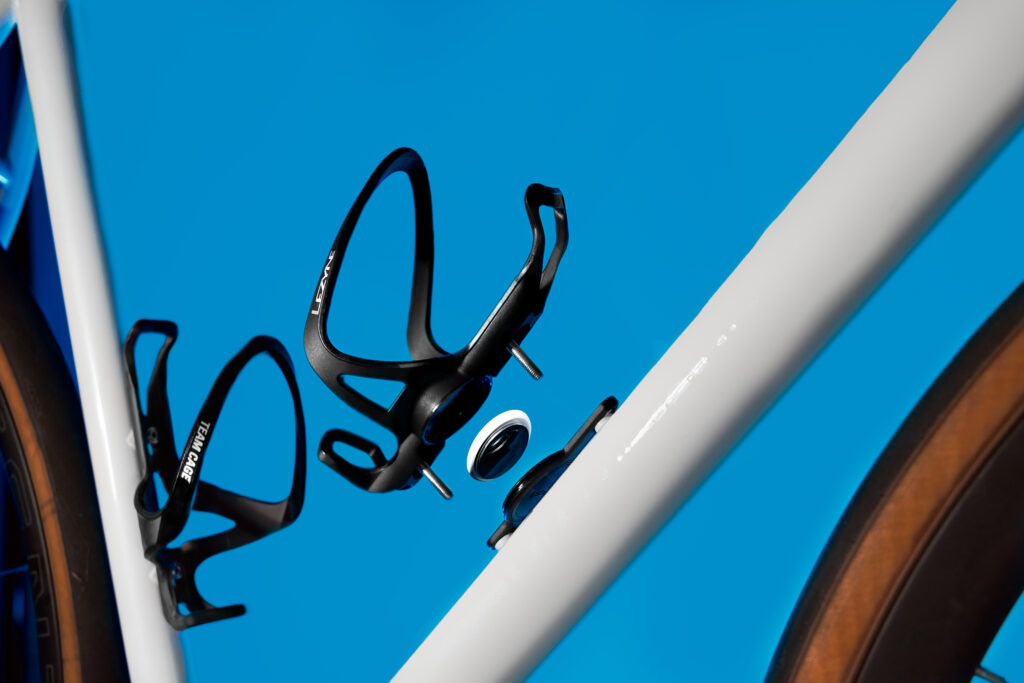
Lezyne, for example, offers devices for holding an AirTag on your bike discreetly so that a thief doesn’t spot and remove it. The Lezyne Matrix Air Cage (£30) has a concealed compartment for an AirTag.

Meanwhile, Muc-Off offers a Stealth Tubeless Tag Holder & 44mm Valve Kit (£35) which allows you to hide an AirTag Tracker in a tubeless wheel/tyre system.
> Check out off.road.cc’s Muc-Off Stealth Tubeless Tag Holder & 44mm Valve Kit review
The best-known bike-specific tracker is the Knog Scout Bike Alarm and Finder (£49.99). It emits an 85-decibel alarm if it’s moved, which might serve as a deterrent to theft.

Critics might say that integrating the tracker and the alarm might encourage a thief to remove the device by force before you’ve had a chance to find your bike, but we reviewed the Knog Scout Bike Alarm and Finder here on road.cc back in 2022 and described it as “an impressive device, with good battery life, a loud alarm, and accurate tracking”.
Do you have any tips for locking your bike when you’re out and about that you could share with the rest of us? What has worked? What hasn’t? Nothing beats personal experience, so please let us know in the comments below.




8 thoughts on “How to lock your bike when you’re out and about so it’s there when you come back”
Great article.
Great article.
To add to this, take a note of your frame number – police want a simple way to check if a found bike is stolen and this is what they like checking. They won’t check through months of descriptions of bikes, just note down the number. (This recommendation came to me from a police officer, so while you’re free to disagree…)
Also, stencil, engrave or put a sticker with your phone number. Bottom of the bottom bracket is a good place as that’s where the police will be looking for a frame number.
Locking both frame and wheels to something prevents them using your bike as a lever to break the lock, as well as stopping your front wheel going missing.
Finally, a reminder to have a hack bike. N+1 after all… 🙂
If you’re locking both wheels
If you’re locking both wheels then it should be round the rims, not just the spokes as pictured.
Quote:
FTFY 😉
Quote:
Unfortunately (1) many councils think that simply bolting the stand to the ground will be fine, and (2) many private companies (supermarkets &c) think that a sheffield stand is far too expensive and a wheelbender/toast rack will do just fine.
Years ago I locked my bike to
Years ago I locked my bike to a steel post in the City of London. I was just about to walk away when, I presume, a fellow cyclist informed me that you could actually lift the post right out the ground.
I’ve locked my bike on the
I’ve locked my bike on the road side of metal railings – so a scrote would have to stand in the road to attack the lock. The only time I had my bike nicked was when it was outside my house on top of the car – so make sure you also lock it whilst it’s up on a bike rack.
Smartstu wrote:
Even when you’re on the move; there was a video on here a few years ago of a scrote on a bike following a car with a TT bike on a boot rack through London, undoing more clips at each light stop. IIRC the driver managed to get away but the danger of the opportunistic thief grabbing a bike off the rack when you’re stopped is always there.
I’ve developed a quite
I’ve developed a quite reliable solution. My seat post contains a 12 guage shotgun shell – and it’s noted on the seat post. If the bicycle is ridden without a radio controlled deactivation the thief’s behind gets blown off.
So far, so good. Is there ACTUALLY a shot gun shell in there? Heck no, I don’t want to get sued for blasting somebody’s butt. This is America, land of the lawyer and the opportunistic lawsuit. Since Dick the Butcher is no longer (Jack Cade, Shakespeare) we cannot count on diminishing returns.