


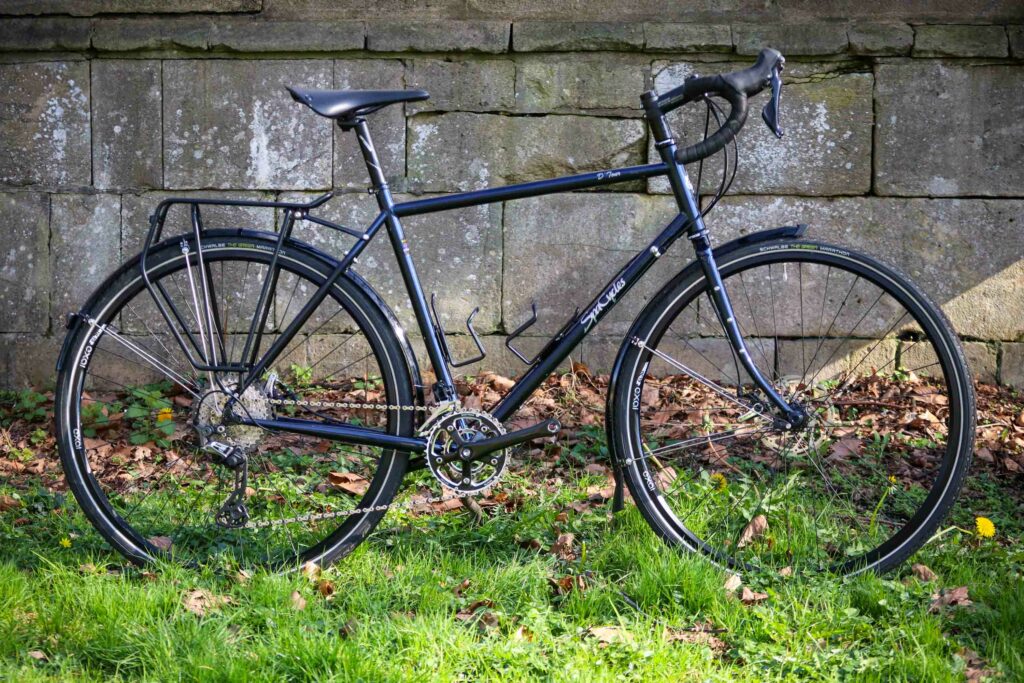



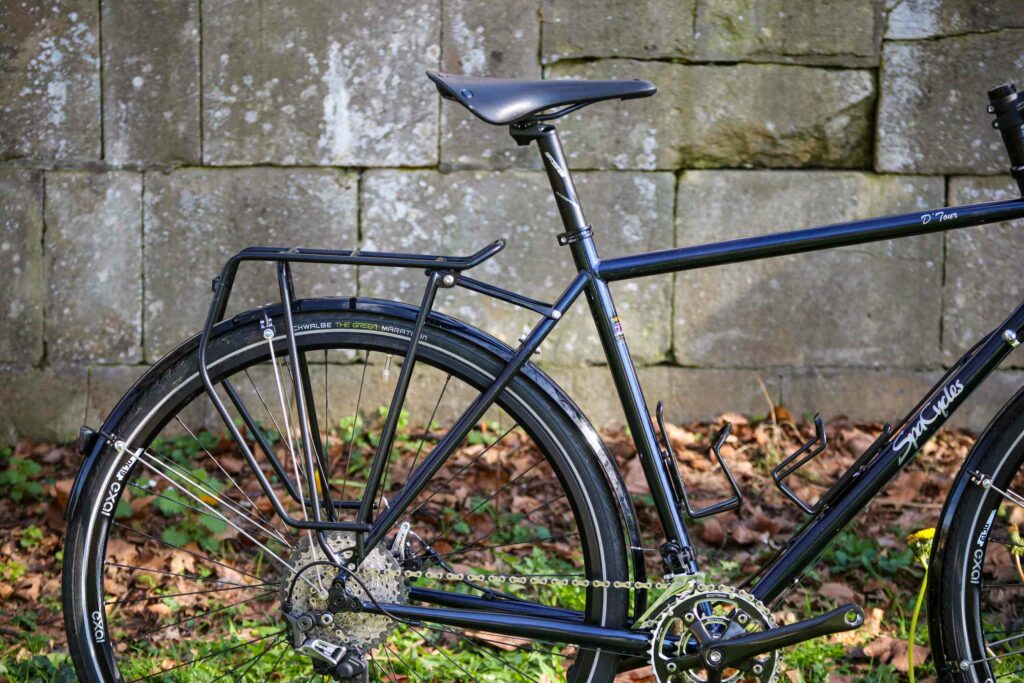
The Spa Cycles D’Tour 725 Mk2 (Thru-Axle) Disc Tourer 11spd Cable Disc (the full name will be trimmed from now on) is a classic British Reynolds steel touring all-rounder that’s been updated for 2026 to feature disc brakes and thru-axles. It comes with a high-quality groupset, an excellent rack and mudguards, and has well-chosen contact points and top-notch handbuilt wheels. It also looks good and has a sumptuous ride quality.
I should declare a small personal interest when it comes to Spa bikes – I bought a Spa Cycles Audax after testing one a few years ago. I will however emphasise that I don’t receive crypto currency gifts or envelopes full of fivers from them.
The frame
At the heart of the Spa is a TIG-welded steel frame from Reynolds, a company that’s been working with the material since before my late dad was born.
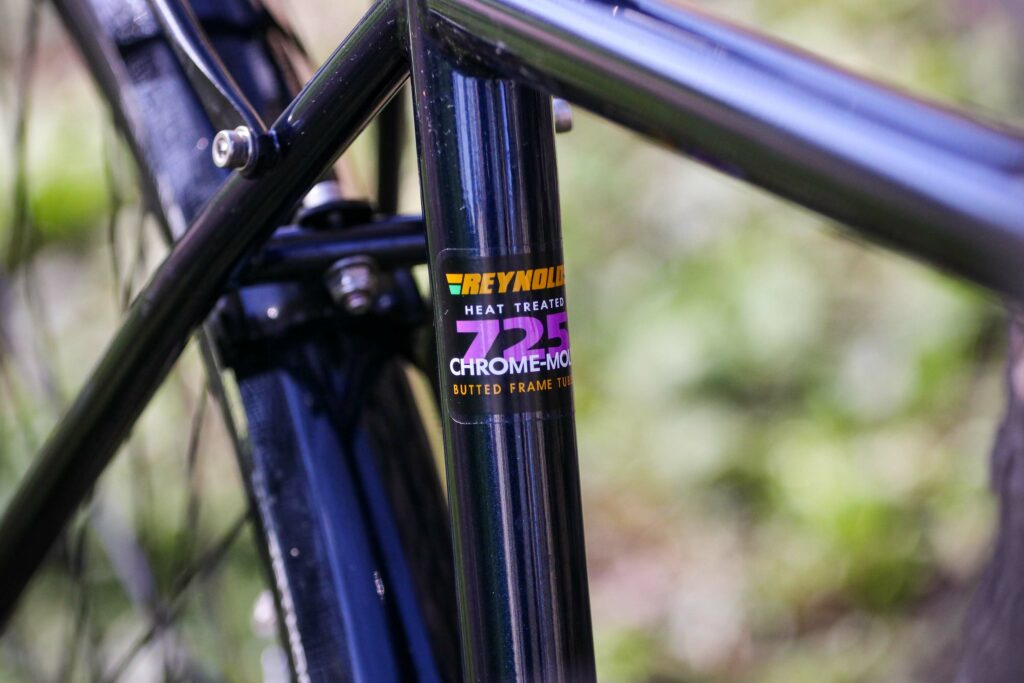
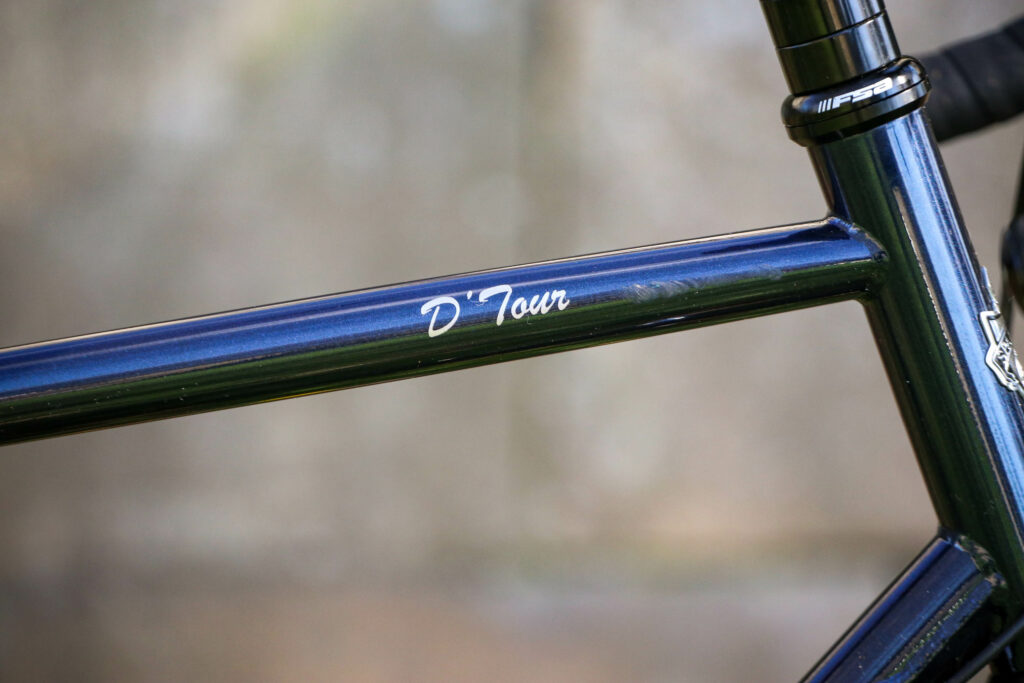
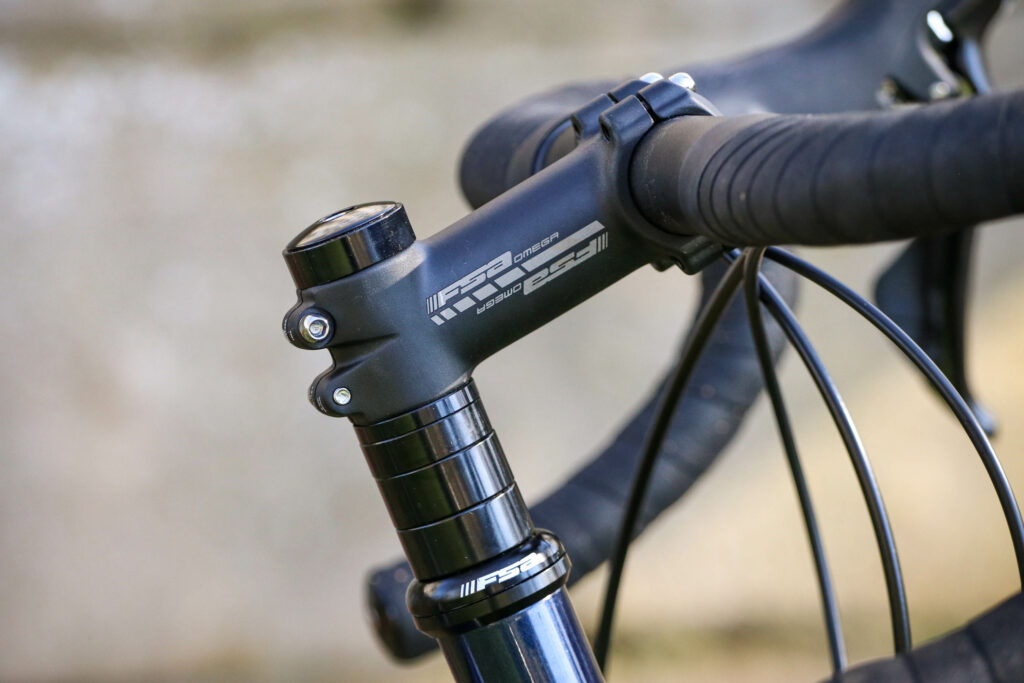
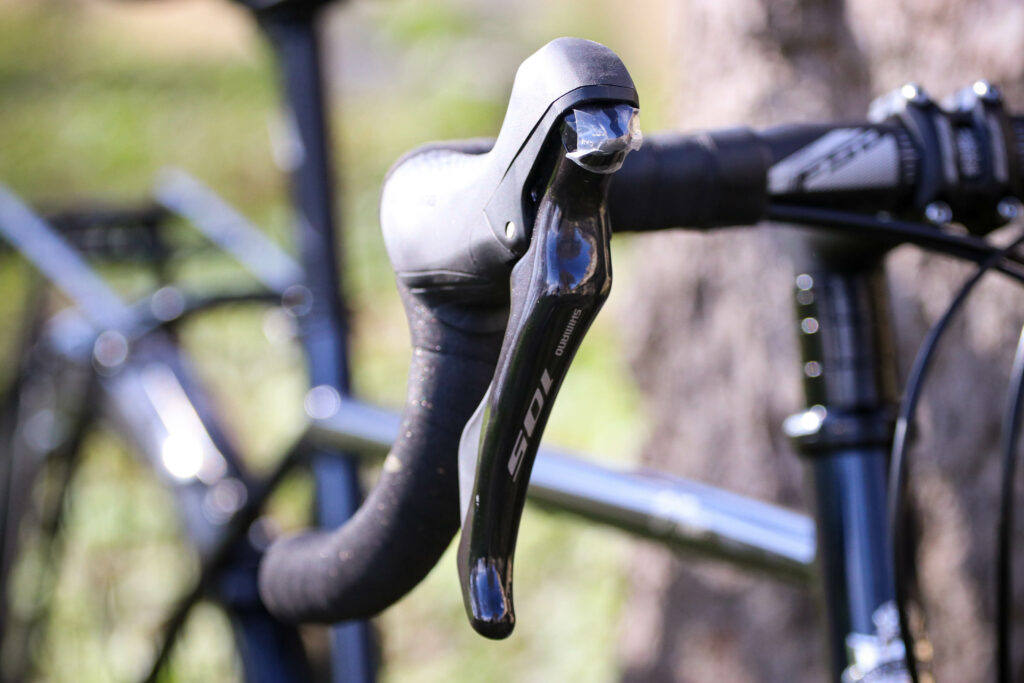
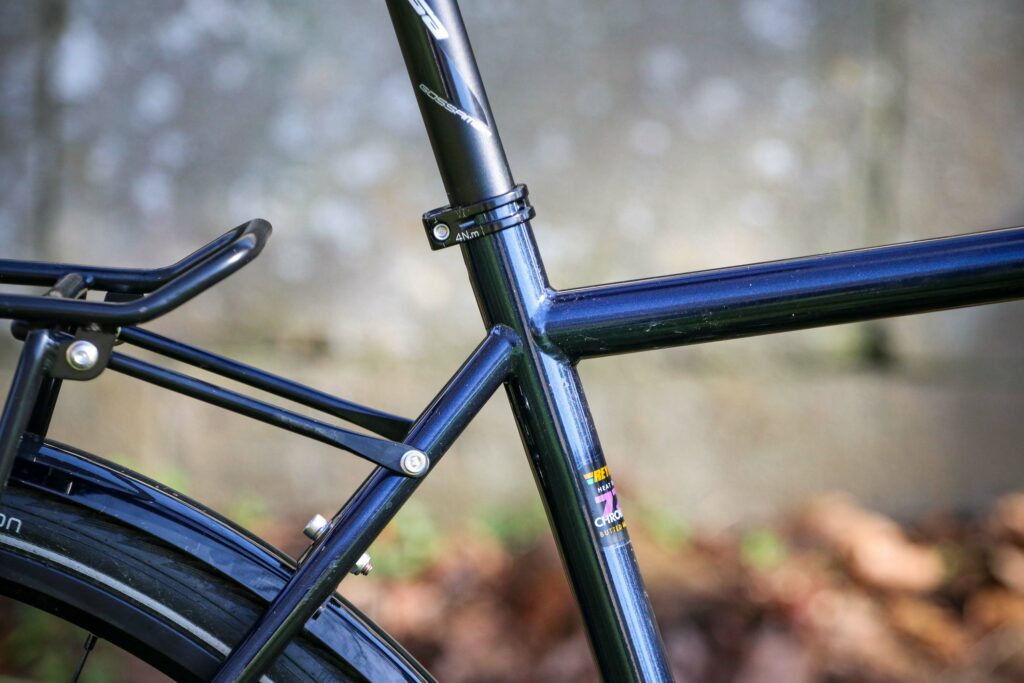
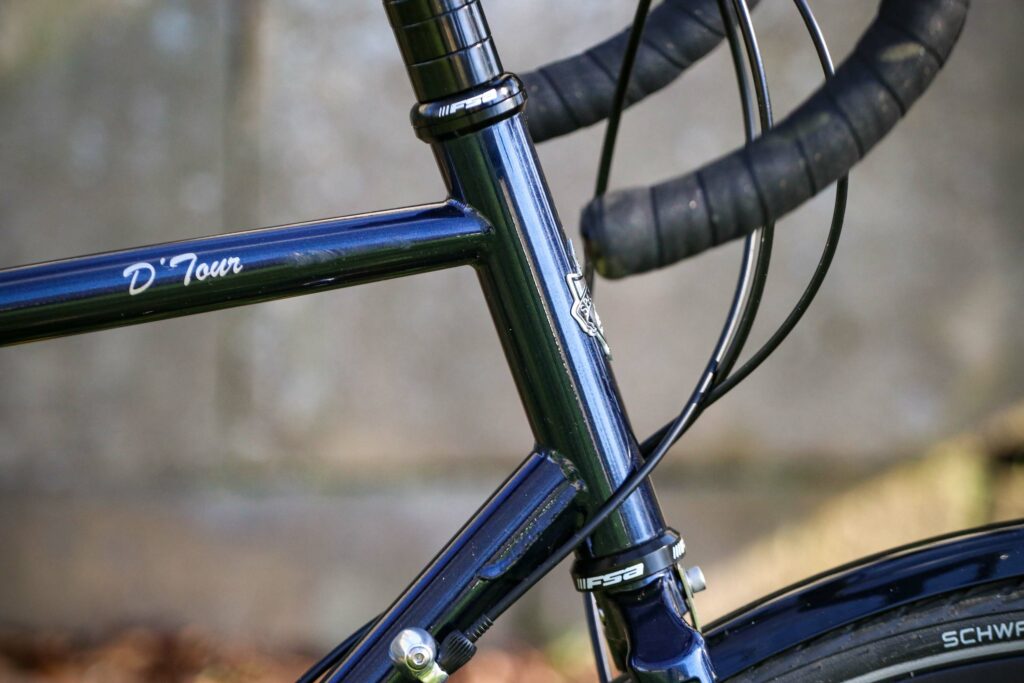
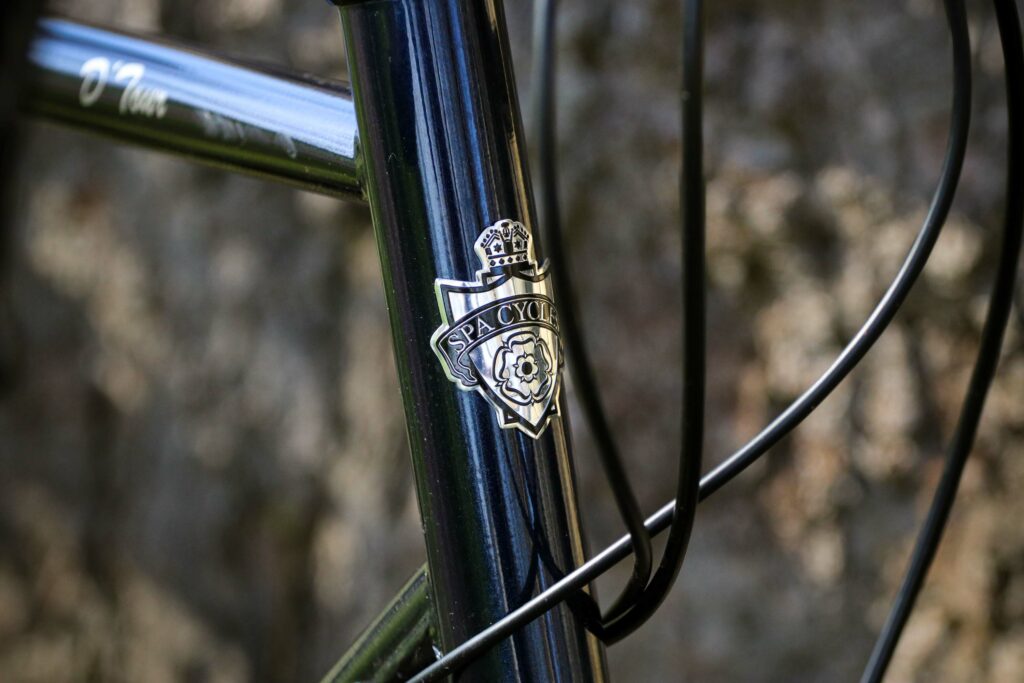
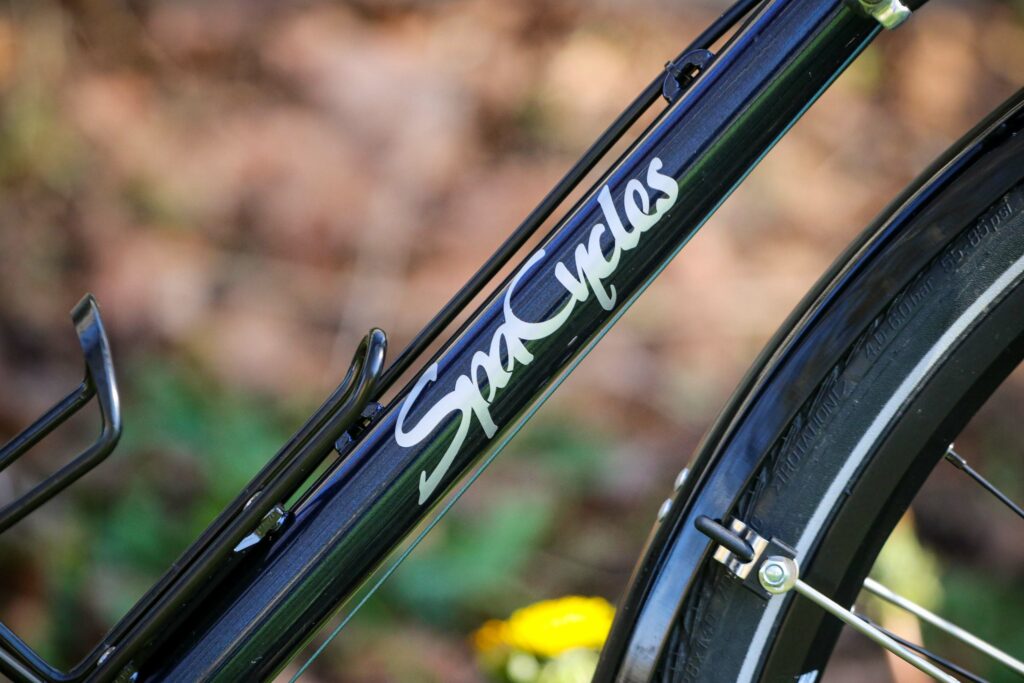
Reynolds 725 is essentially 525 chromoly steel that has undergone a heat treatment to make it stronger. This means it can either be made into a stronger frame or, with thinner walls, into a lighter frame.
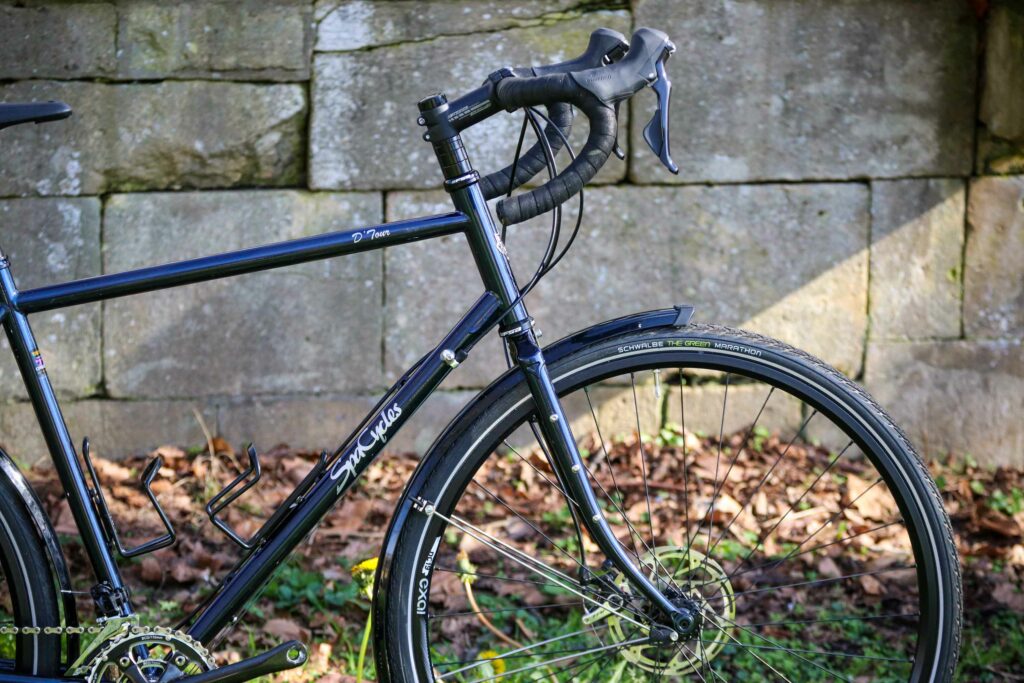
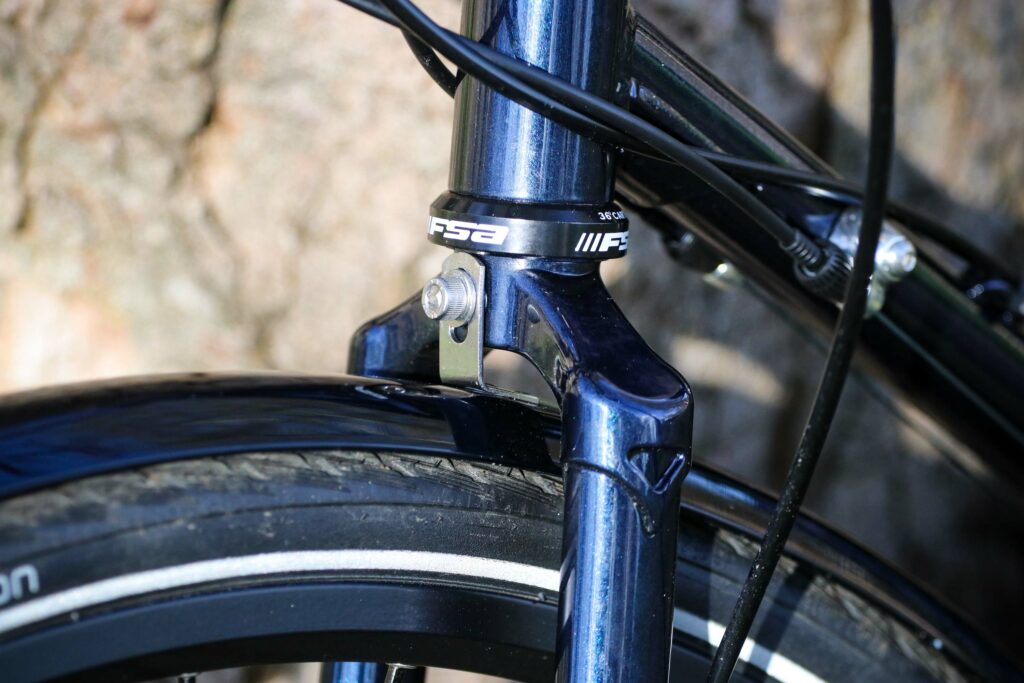
While a steel frame is often paired with a carbon fork, Spa has stuck with chromoly steel for the D’Tour’s fork too.
The quality is more than skin deep, with both the frame and fork getting an ED coating. During electrophoretic deposition, an electric field is used to coat the steel with paint, which means that barring a crash or similar, the Spa frameset should outlast you and me.
Were you to damage a tube, steel also has the advantage of being repairable. It might be a cliché that a steel bike can be repaired pretty much anywhere in the world, but on one of my tours I actually met a fellow cycle tourist who had had his frame repaired by a welder at a garage in Asia.
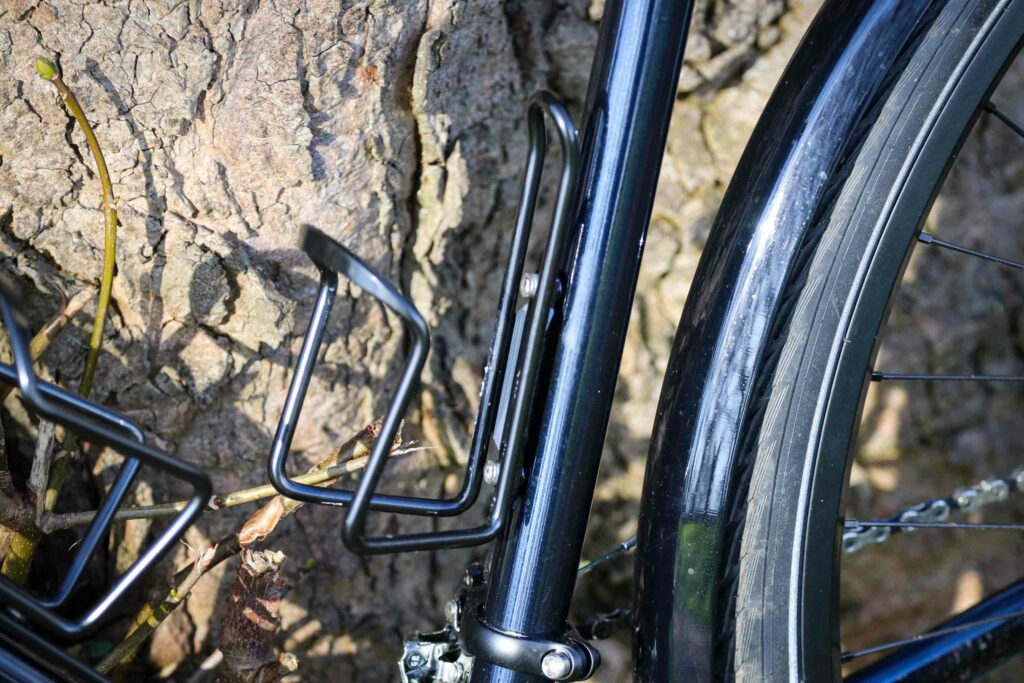
As befits a touring bike, the Spa Cycles D’Tour’s frame has three pairs of bottle (or bikepacking) bosses, with the fork getting three bosses on each leg. The bike’s price includes a pair of bottle cages too.
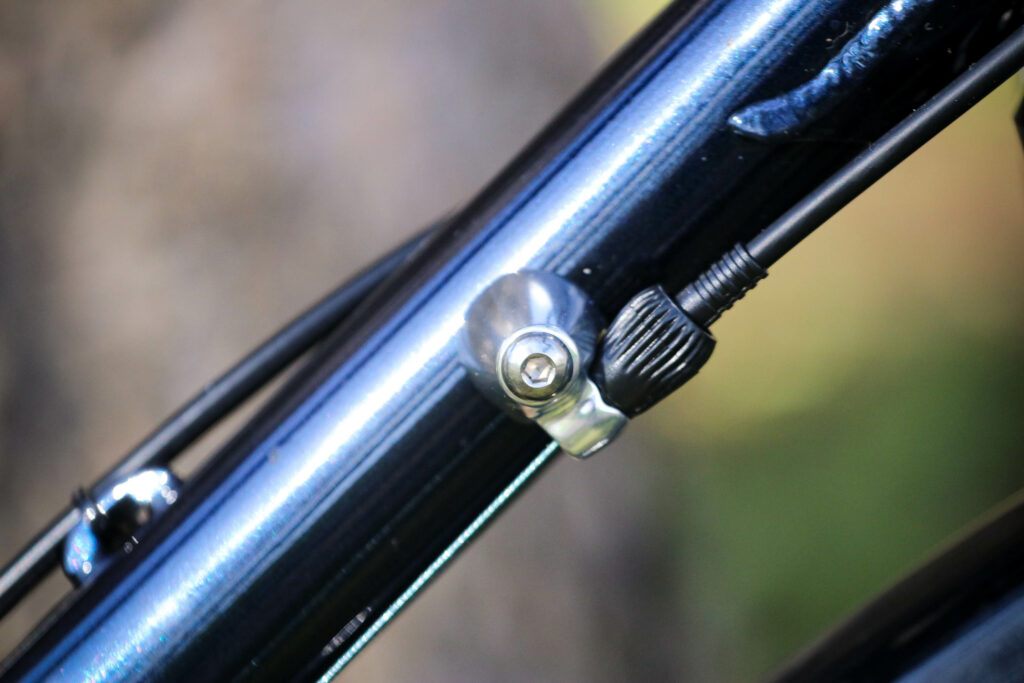
There’s no internal cable routing, which makes things easier for the home mechanic (the likes of me) though it may not look quite as neat.
The Spa D’Tour’s geometry shouts ‘touring bike’ – or at least whispers it very audibly. The 54cm (so, medium-ish) frame has a slack 70.5 head angle and a very long, 1,086mm wheelbase, which help to deliver a super-stable ride. By contrast, a 54cm road bike’s wheelbase will be around a metre or so – often shorter still.
I think the Spa’s 35mm tyre width is about right for medium-loaded touring. You might want to go wider for fully laden expeditioning, but 35mm is wide enough to cushion your ride and help you carry your load, without the extra weight that super-wide rubber brings with it.
The D’Tour will probably accommodate tyres up to around 50-52mm if you want to go wider, though you’d have to forgo the mudguards to fit tyres of that size.
Those tyres contribute to what is a super-comfortable ride; one that will really help you go the distance.
The handling is light and the Spa proved a very able performer on light off-road surfaces too, with the Kennet and Avon towpath and gritty Two Tunnels routes well within its compass.
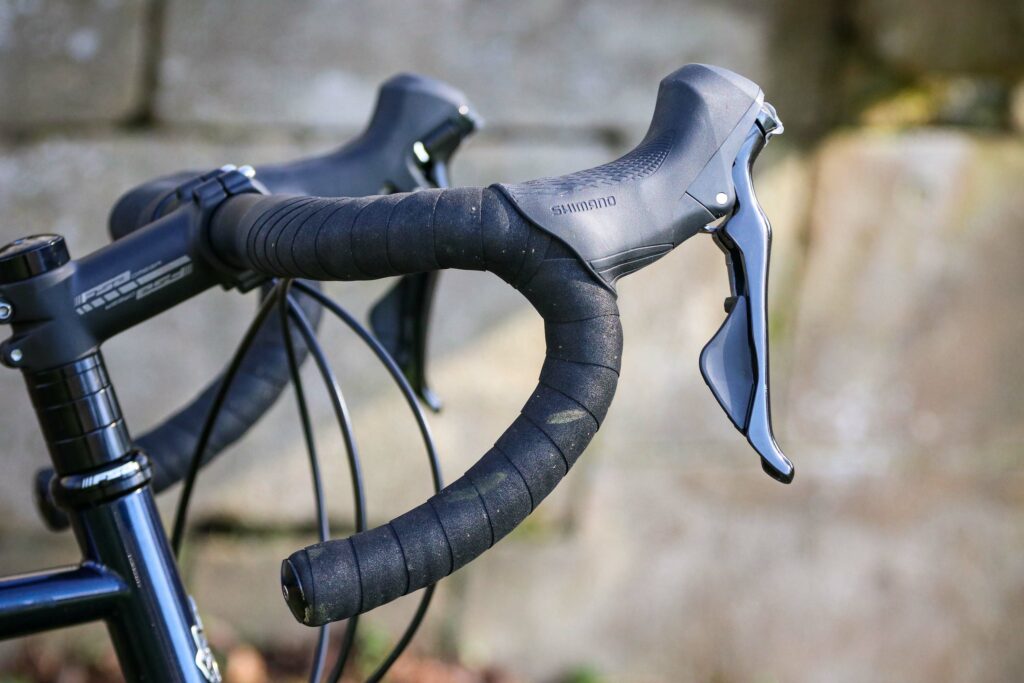
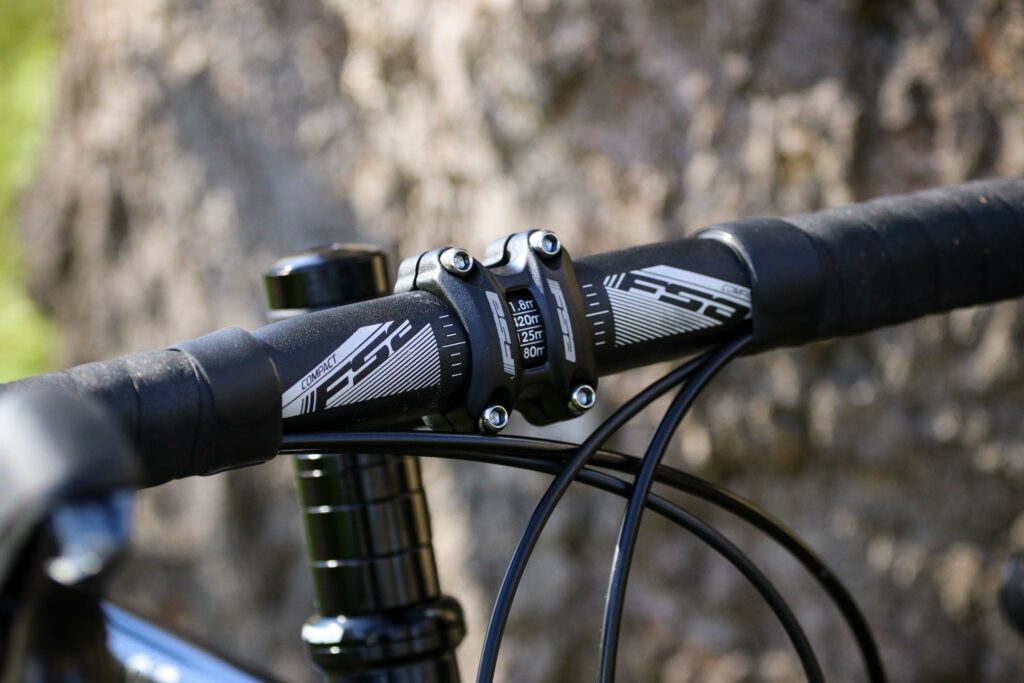
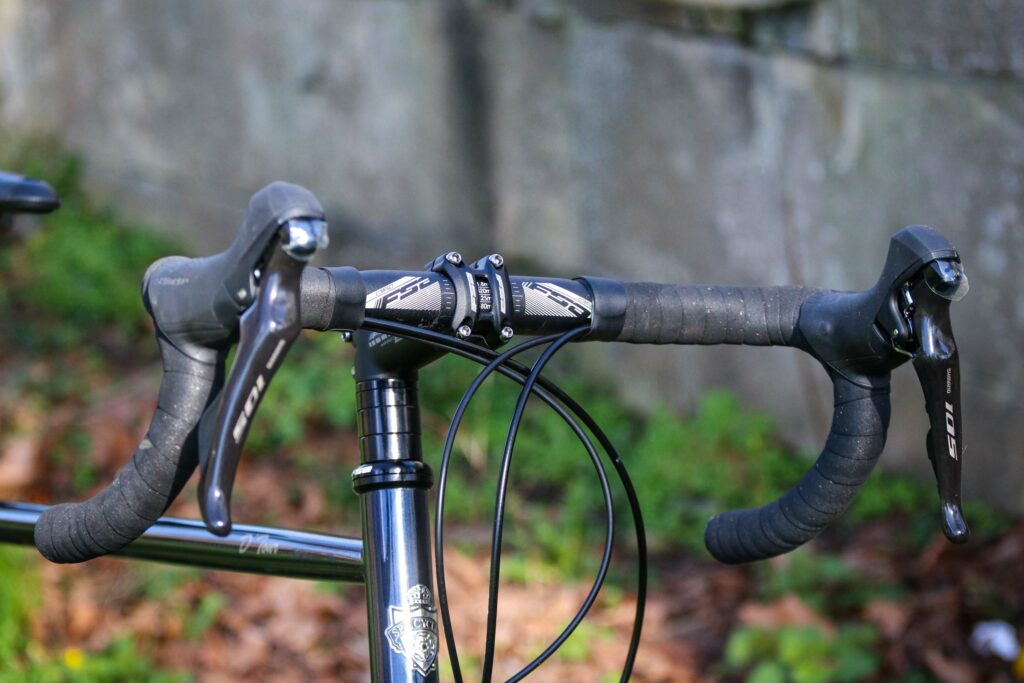
Contact points contribute further to this comfort and control. In addition to the saddle, you get FSA’s Wing Compact bar, with slightly flattened ‘ergonomic’ top sections that are my favourite profile. I do feel that for me personally this is a better fit for my hands than a round bar. Spa’s Cork EVA Gel tape is also both effective and aesthetically pleasing.
The result is a bike that’s great for all-day forays, multi-day trips or even ‘just’ commuting. Get it up to cruising speed – slower in my case than it used to be – keep the cranks spinning and you can forget about anything other than enjoying your environment.
At around 14kg, the D’Tour’s not light (hey, neither am I…) but the gear-formerly-known-as-granny means you can tackle even the steepest hills while in the saddle.
A touring bike more than any other needs a low bottom gear. If you’re doing a 100-mile day with loaded panniers and you reach the bottom of a serious climb, a compact drivetrain’s 34x34T bottom gear just isn’t going to cut it. Sacrificing a big top gear is always a trade-off worth making.
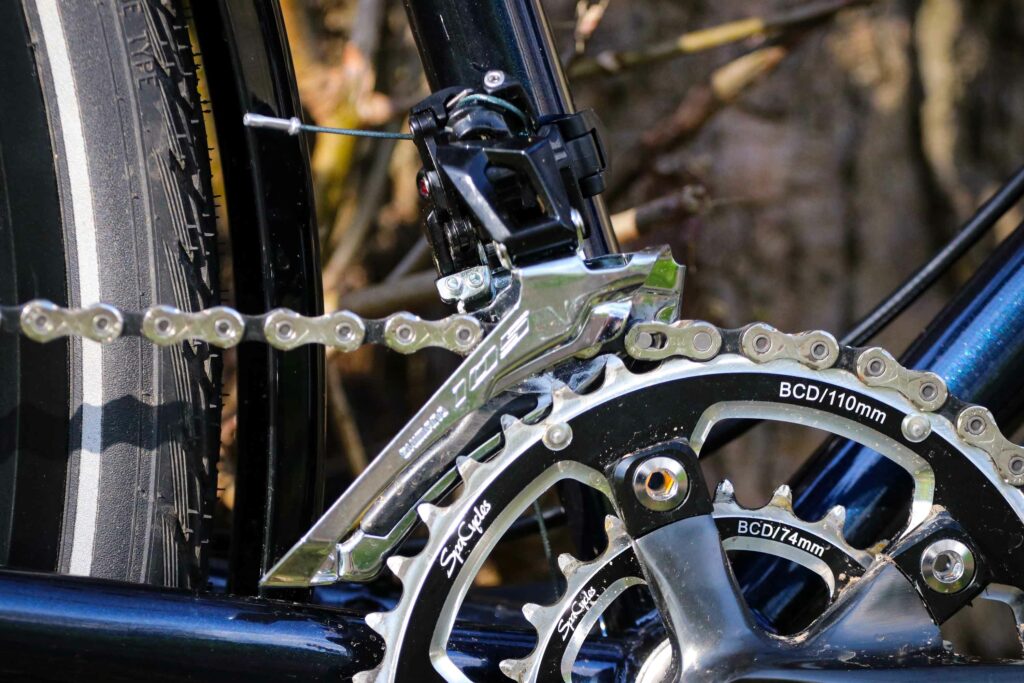
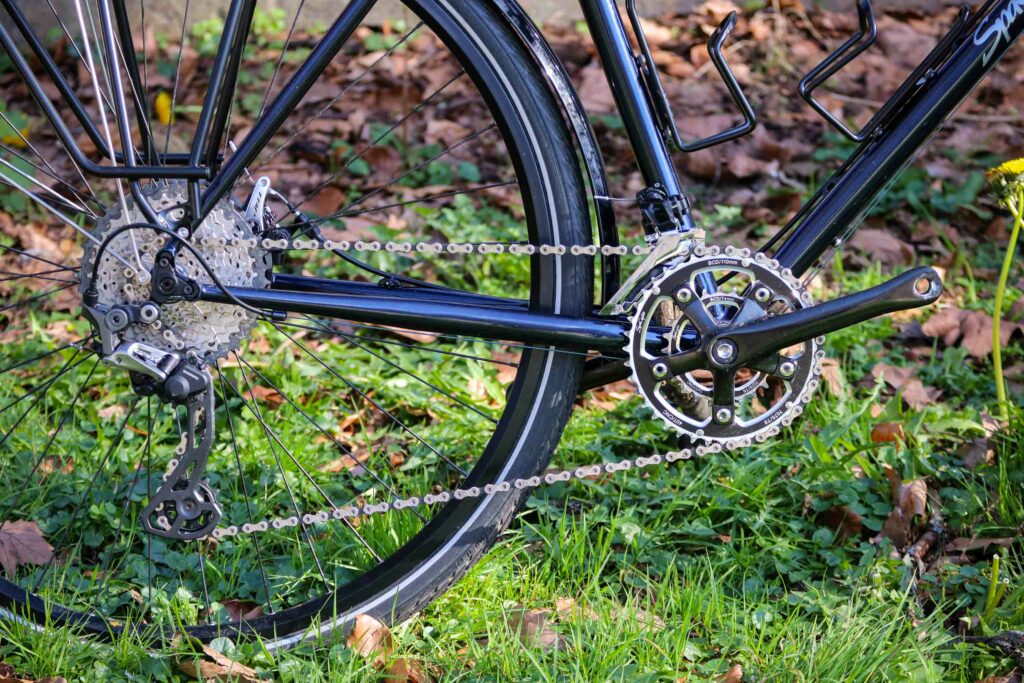
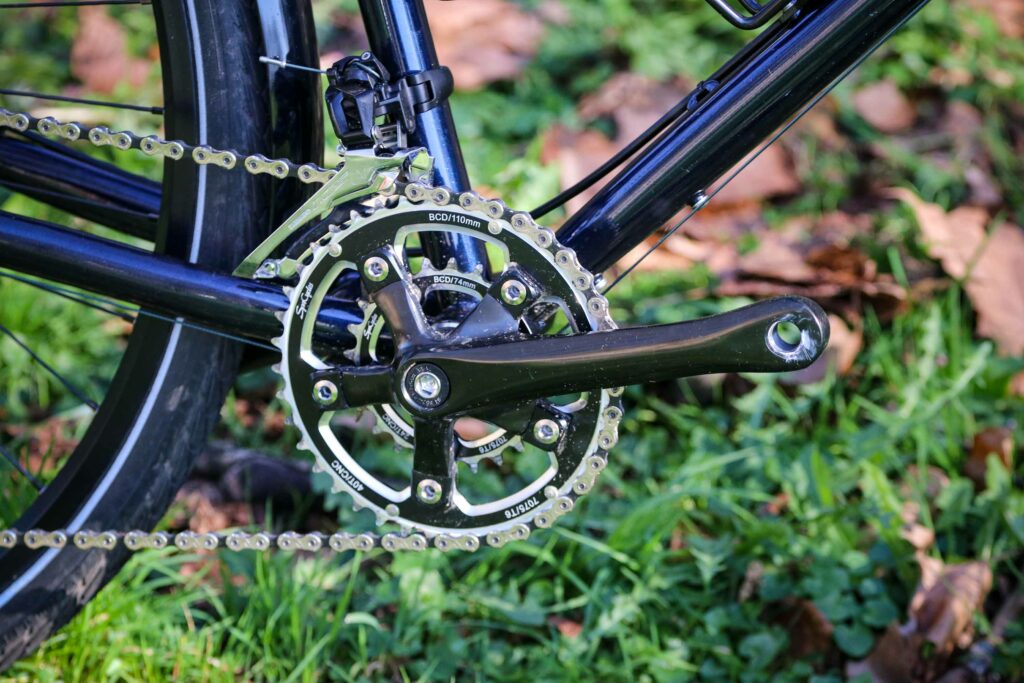
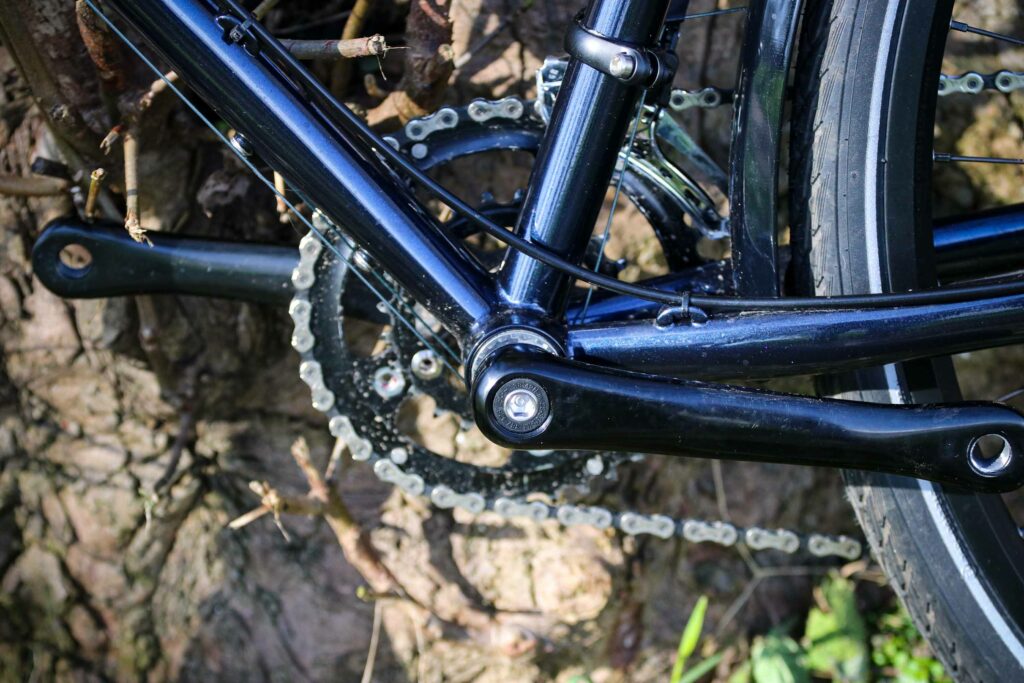
Spa has gone for what I call a sub-sub-compact 40/24 chainset (though other slightly larger options are available, as well as a triple with a 24t inner ring). You can also choose from a wide range of crank lengths.
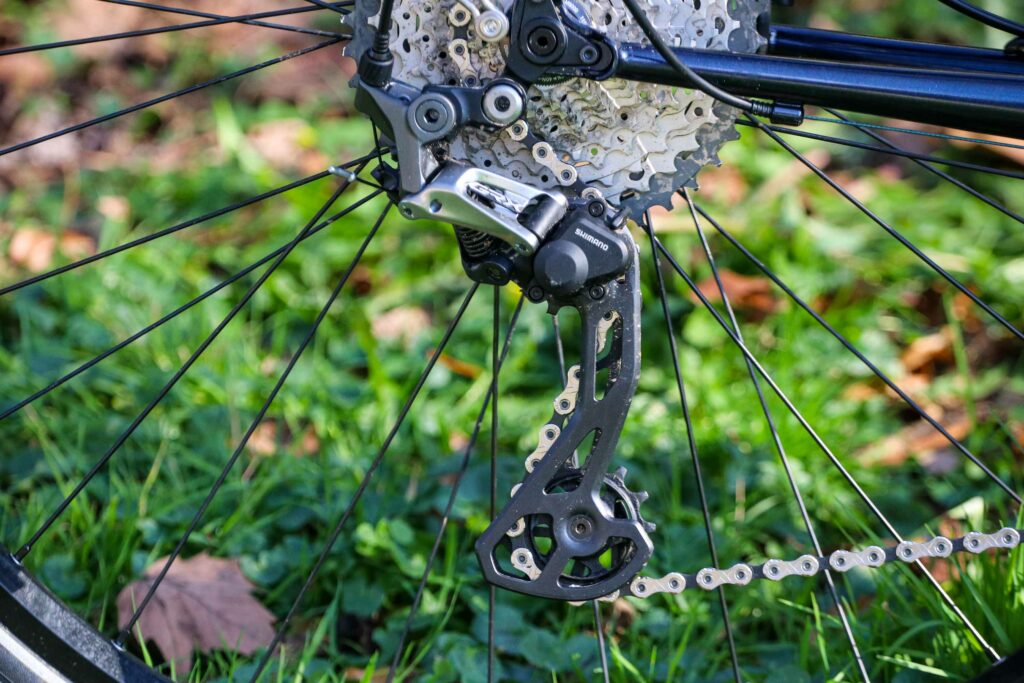
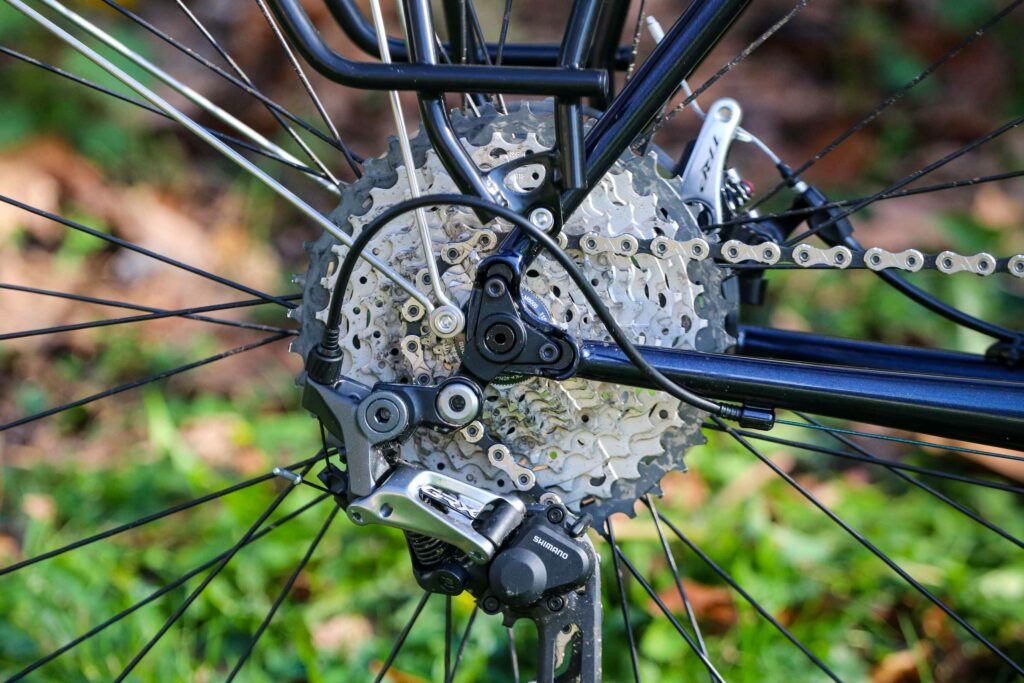
Combine this inner ring with an 11-speed 11-40t cassette and you have a teeny-tiny wall-crawling 16in bottom gear. If this doesn’t get you up the steepest climbs, well, nothing will, and you’ll just have to get off and walk. Yes, there will be days and rides when you don’t need the bailout gear, but when you need it, you really need it!
The 99in top gear is roughly the same as a 50×14 pairing you’d get from a compact drivetrain. It’s not that big, but at a cadence of 90 you’ll still be riding at around 41km/h (25mph), which is enough for me. Powering down a long, steep descent, you will spin out – but is that really a problem?
There is a big jump from second gear to top too – though again I think it’s worth it for that super-low gear your knees will thank you for.
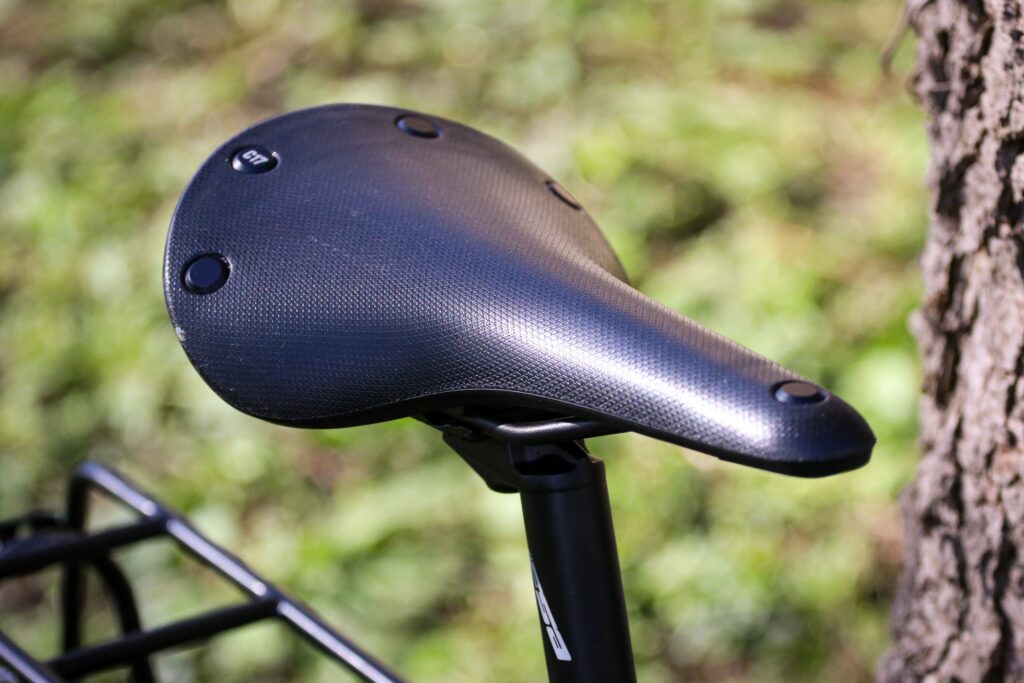
One of the familiar features of the Spa is the Brooks saddle, though this is in the form of its Cambium C17 – not the classic B17. Rather than bum-numbing leather (your opinion may differ, but I once rode 1,750 miles to ‘break in’ a leather Brooks and I don’t think a lifetime would have been long enough), this has a natural rubber upper that Brooks reckons moves with you and is ‘designed to absorb shocks and smooth out the ride’. It does, too, and I really like it. If it’s not for you, you can go for a Brooks-like Spa Nidd or a genuine Brooks B17.
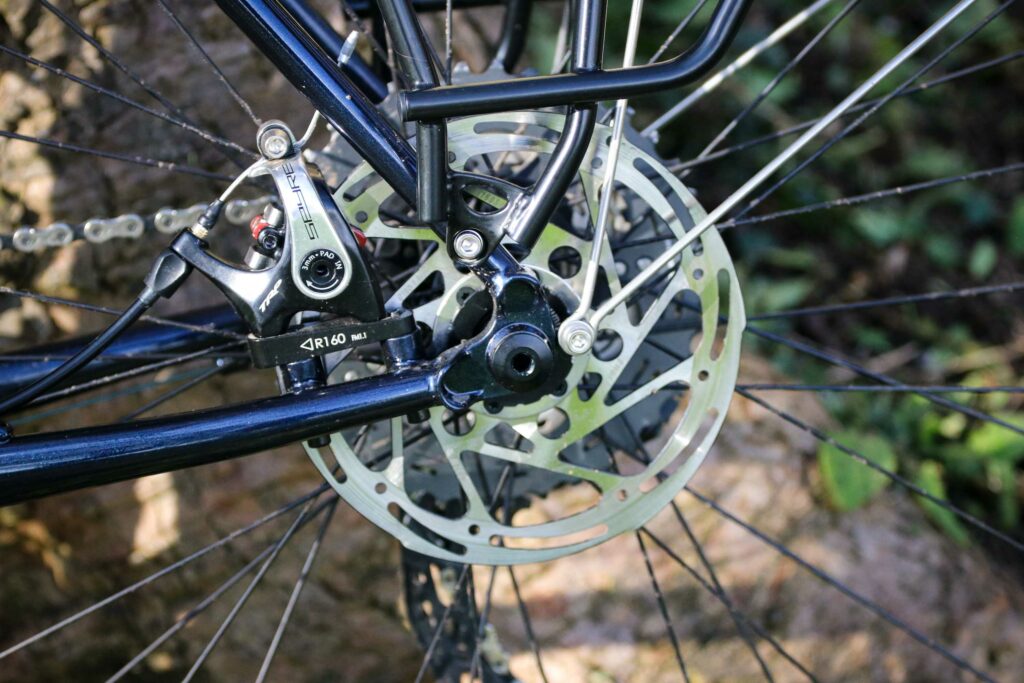
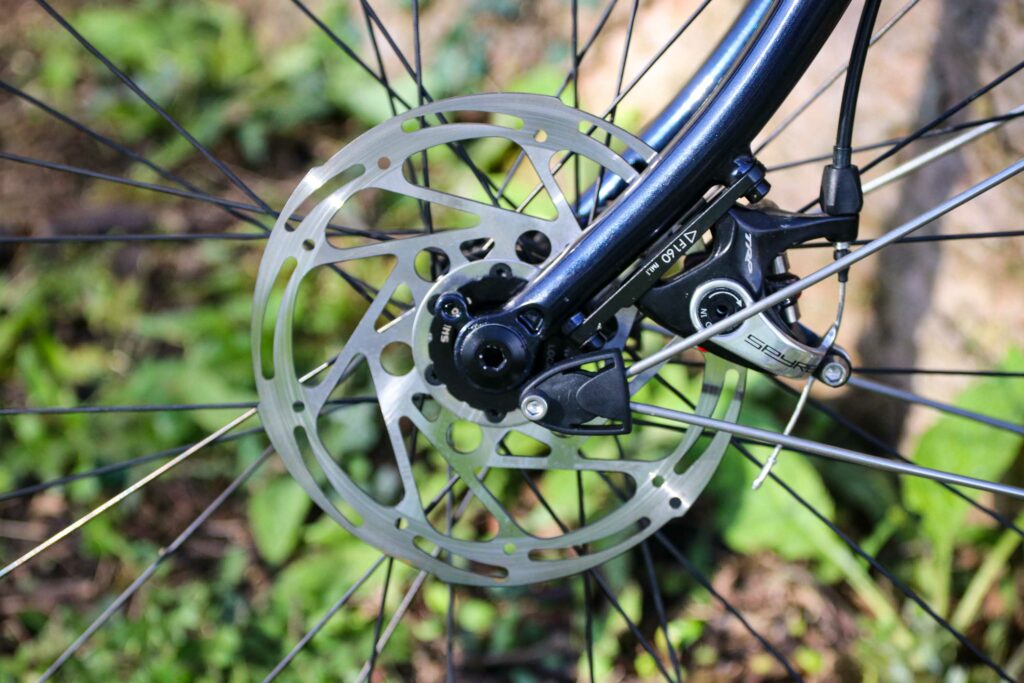
There’s no getting away from the fact that disc brakes have numerous advantages over rim brakes of any sort, whether calliper, cantilever or V-brake. One of the least mentioned is that in the event of a dinged or buckled rim, you can still ride, at least to a degree. If you’re touring on the unsurfaced corrugated backroads of Australia, or my local allegedly surfaced urban roads and lanes, this is a real benefit.
While cable-actuated discs don’t have the power and super-light action of hydraulic discs, the TRP Spyres are a tried and trusted design that work very well. I also know which type of brake I’d prefer if I was on a roadside fettling in Woop Woop. Yep, no need for hydraulic fluid, just your usual tools and my so-so mechanical skills. Sorted.
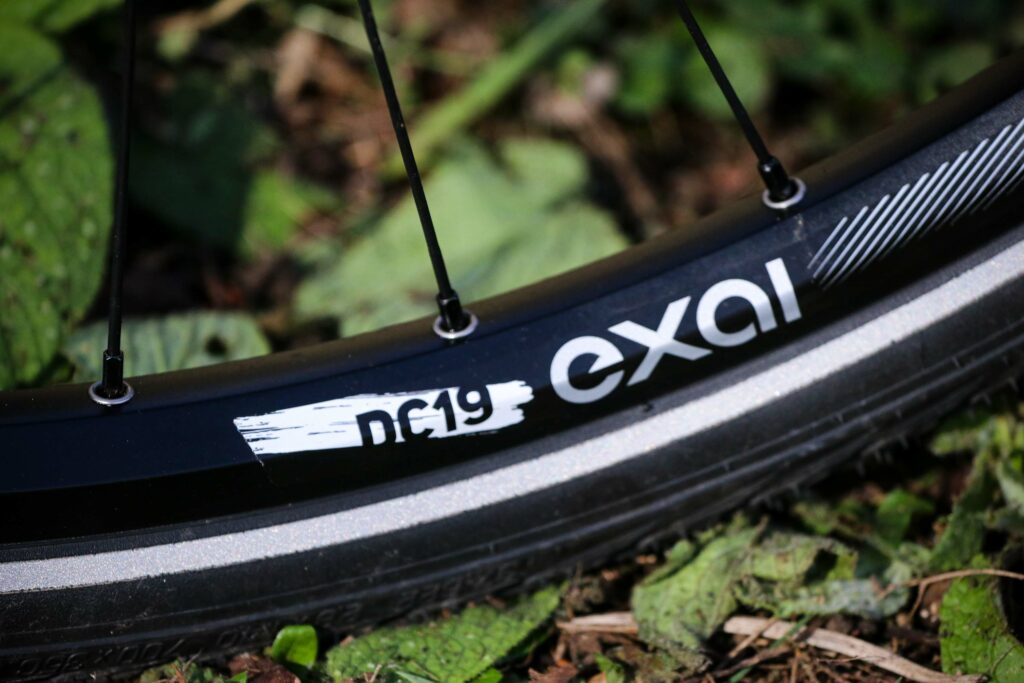
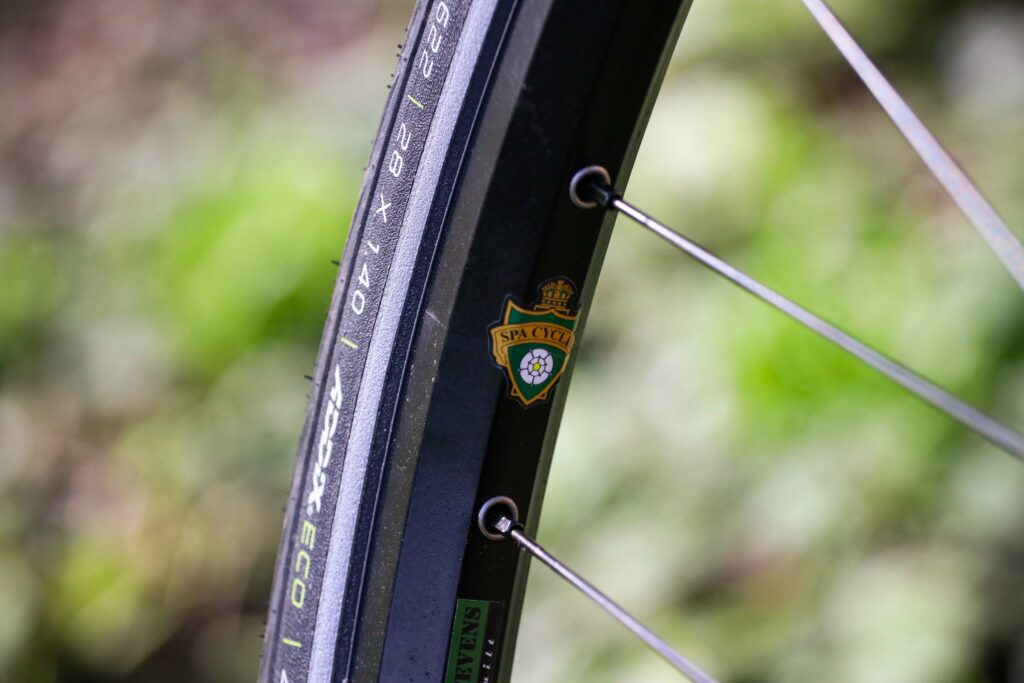
The wheels are usually a highlight of Spa’s bikes and that’s the case here. They’re a hand built pair, with the wheelsmith’s name on the rim. Bobby Stevens has done just as good a job here as on my own bike’s wheels.
The wheels pair Exal DC19 rims with Shimano hubs, all expertly laced by Bobby with Sapim spokes. They roll smoothly and look like they’ll probably outlast me.
The Exal rims are not tubeless compatible, but if you want, Spa will supply the Ambrosio P20 tubeless-compatible option.
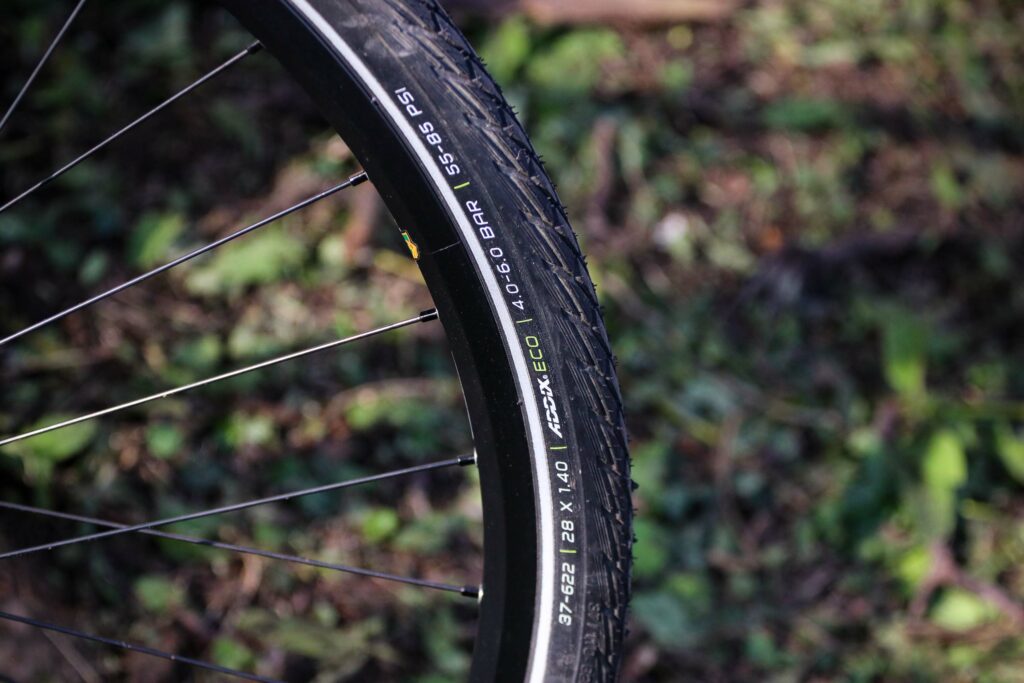
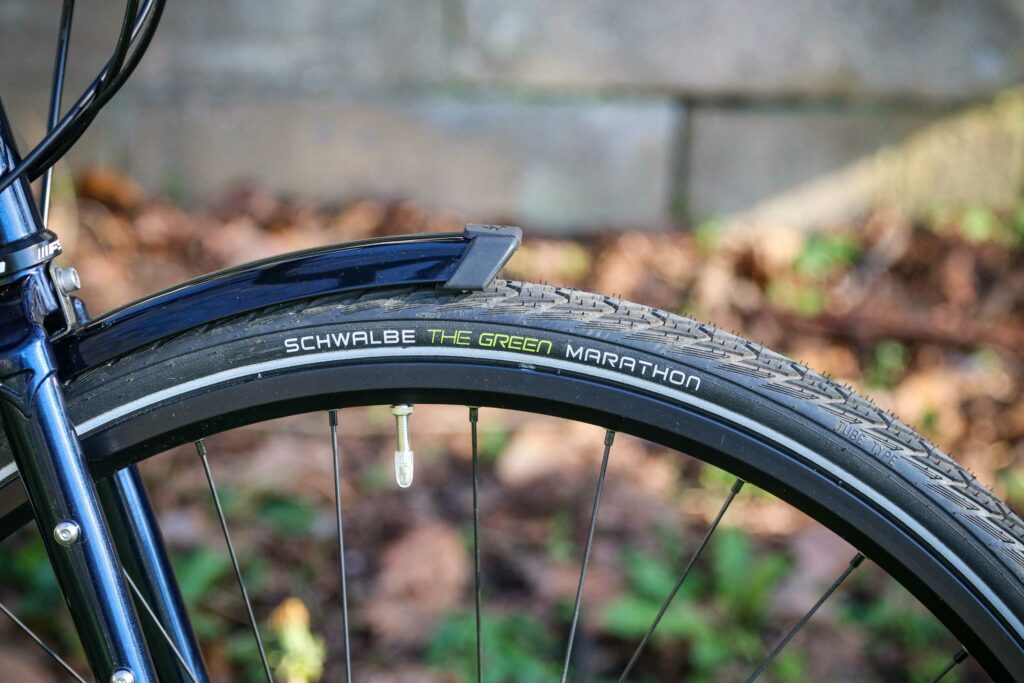
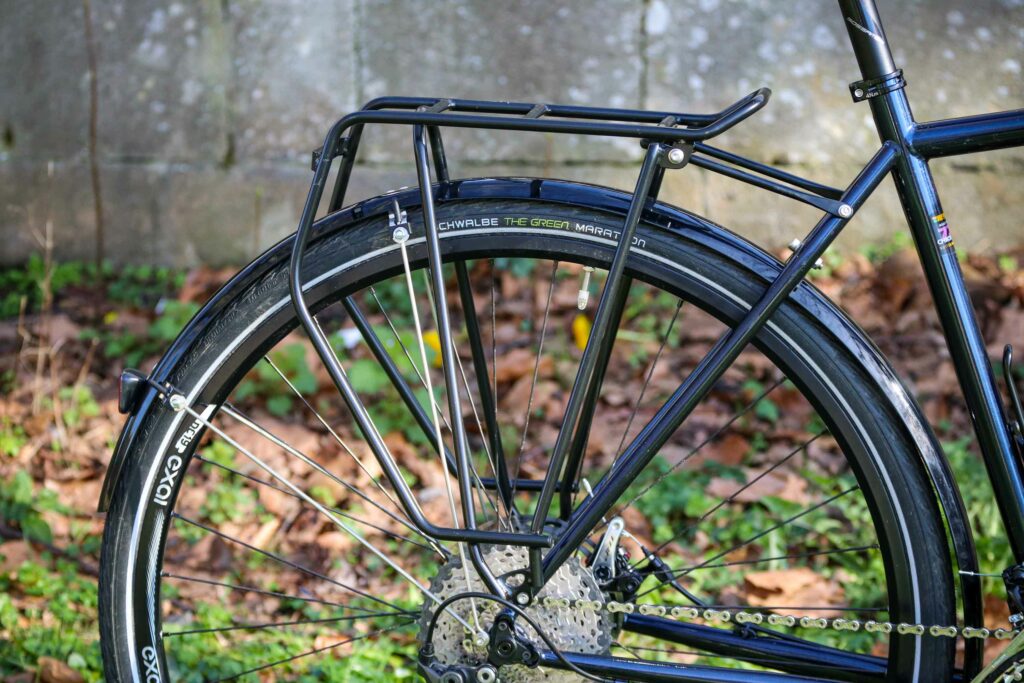
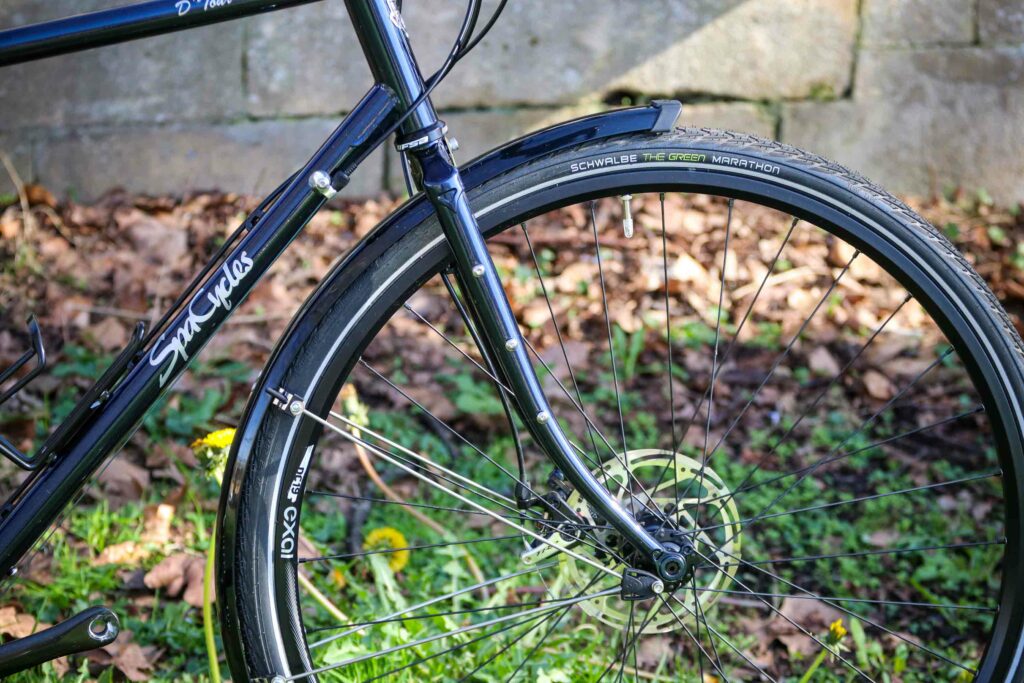
The eco-friendly Schwalbe tyres looked unmarked after a month’s riding over some really quite ropey surfaces. They feel like they major on toughness rather than suppleness. If I was going on a major trip I’d consider going wider and possibly investing a bit more in some high-end rubber. If I was using the Spa for commuting (it would make a great everyday bike) I’d stick with the 35mm width or similar, though might go slicker depending on the surface quality.
The D’Tour’s final touring features are a rear rack from the market-leading brand Tubus, with its chromoly Cargo Evo boasting a hefty 26kg capacity, and full-length mudguards.
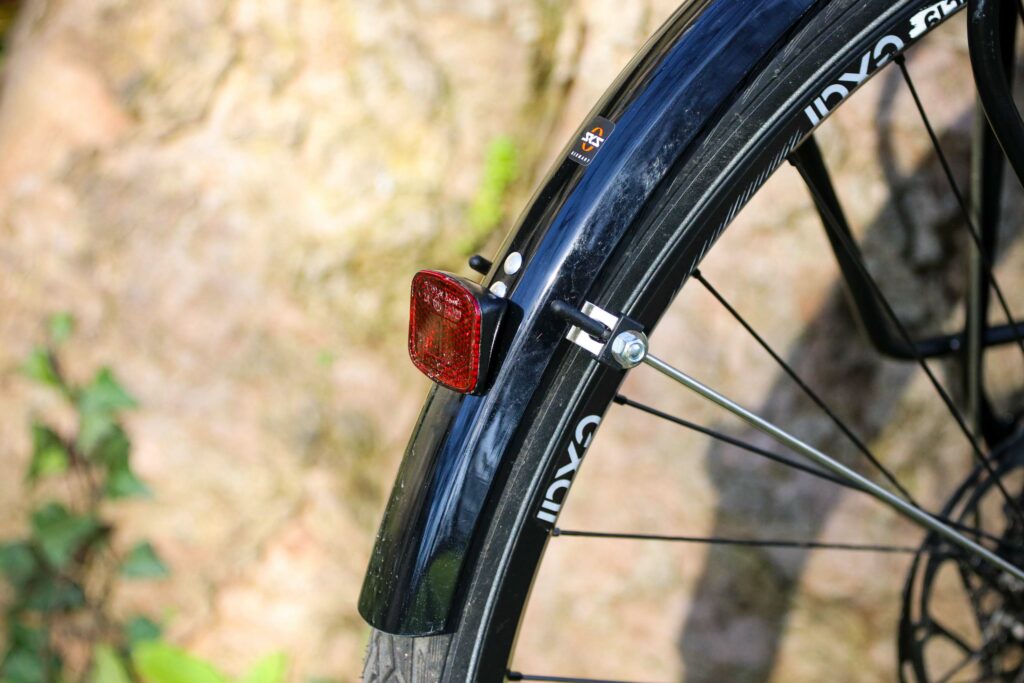
The full-length fenders are from another high-end German brand with impeccable credentials.
The SKS CAB front mudguard stays feature the company’s Secu-Clips – separating in the event of a stone getting trapped between the wheel and the guard. Unlike some riders I know, I’ve not crashed when that has happened to me, but years ago I did totally trash a test bike’s front mudguard so I think they’re a very worthwhile addition.
The front guard’s mudflap is also now made from a ‘more environmentally-friendly plastic, recyclable in most locations’, according to Spa.
Rivals
I tested the Sonder Santiago Rival a couple of years ago. This Reynolds 631 steel bike came with SRAM Rival, and while Rival isn’t an option now, you can choose from seven SRAM- and Shimano-equipped models from £1,249 to £1,849.
The Temple Adventure Disc 3 is another British-designed Reynolds steel tourer with TRP Spyre brakes. It’s an elegant machine with a lovely ride and kit based around 9-speed Sora. And at just £1,495 it’s not only cheaper than the Spa, but also costs a good deal less than when we tested it – though Sora is of course lower down the Shimano groupset hierarchy.
The steel Genesis Tour de Fer 20 is specced with Cues 2×9, comes with front and rear racks, a kickstand and even spare spokes. (Older school than me…!) It costs £1,499.
If you’re looking for a genuine tourer at a budget price, the 2025 Marin Four Corners 1 Sword is still available at some retailers for less than a grand. The 2026 model is a little dearer at £1,049 – but still a stone-cold bargain.
It’s a similar story for the cheaper still £899.99 Ridgeback Tour. Sadly, it doesn’t appear to be in the present Ridgeback range but some retailers still have it in stock – and at less than full price.
Verdict
The Spa Cycles D’Tour 725 Mk2 (Thru-Axle) Disc Tourer 11spd Cable Disc (phew!) is a lovely looking bike with a sumptuous ride to match. Impeccable long-distance comfort, just about the lowest gearing I’ve ever come across (this is a good thing), well-chosen brakes and high-quality handbuilt wheels.
Have I forgotten anything? Yep, good contact points – including a Brooks saddle I actually like. If I hadn’t already bought a lighter Spa tourer a few years ago, I’d probably have bought this fella myself. I can’t say more than that.
Test Report
What does the manufacturer say about this product?:
Our acclaimed disc braked Expedition Touring Bike. Shares much of its DNA with the Spa Tourer. The frame is built from ovalized Reynolds 725 tubing to give the stiffness needed for heavy load carrying with the compliance needed for long days in the saddle. Wide tyre clearance 40mm (with mudguards), three sets of bottle bosses, rack mounts, mudguard eyes. It comes equipped with handbuilt wheels, wide range touring gearing and quality components including a Tubus rack, leather saddle, Schwalbe Marathon tyres and SKS mudguards.
Any further comments on quality?:
Well put-together frame, well-considered components throughout, from the drivetrain to the
cockpit and beyond. High-quality handbuilt wheels and top-notch extras from SKS and Tubus.
Any further comments on performance?:
It’s hard to fault.
Great handling, excellent long-distance comfort and good load-carrying ability – what’s not to like?
How does the price compare to that of similar products in the market, including ones recently tested?:
The price is on a par with similar products.
The Temple Adventure Disc 2 is less expensive at £1,495 but that has Shimano Sora, which is several steps down Shimano’s groupset hierarchy.
We tested the Sonder Santiago with SRAM Rival and while that’s no longer available, Sonder still does seven models, with the top-end Shimano 105 hydraulic-equipped model costing £1,849, which looks good value.
Fellow touring specialists Thorn’s bikes start at £2,400 for the Nomad Mk 3 and £3,300 for the ‘sports touring’ Mercury 40.
Good but less expensive options are the Genesis Tour de Fer 20, Marin Four Corners Sword 1 and Ridgeback Tour.
List the components used to build up the bike:
Reynolds 725 butted and ovalised steel frame
Chromoly fork
Schwalbe Marathon HS620 700×35 tyres
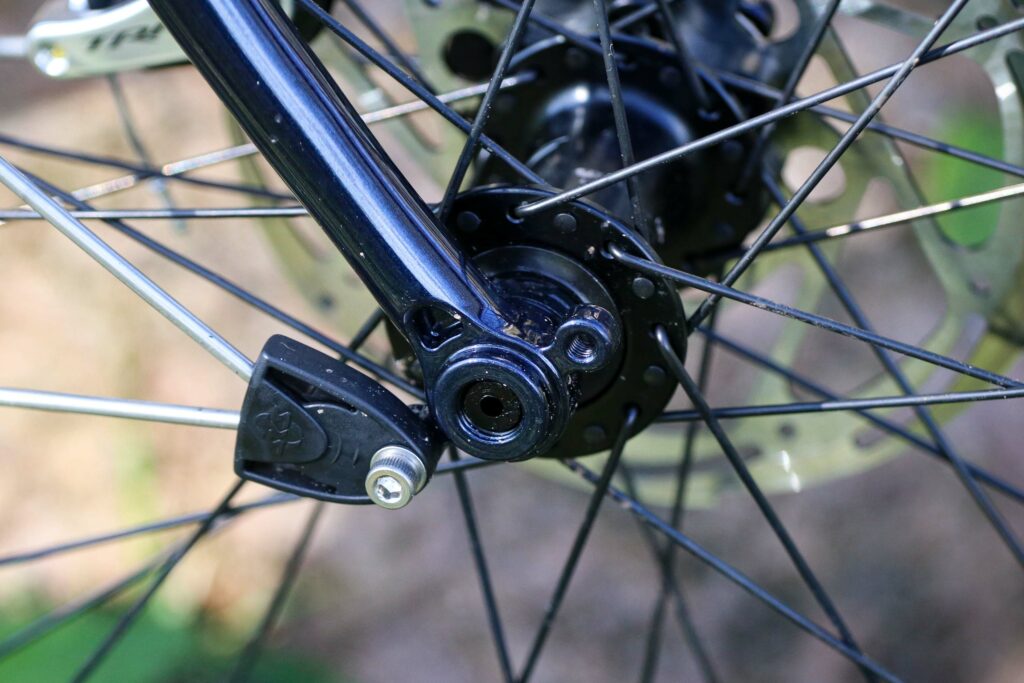
Front wheel: Exal DC19 rim, Shimano 105 HB-R7070 Center-Lock hub 32H
Rear wheel: Exal DC19 rim, Shimano 105 FH-R7070 Center-Lock hub 36H, Sapim Race/Leader spokes
Spa TD-4 40/24 chainset 170mm
First Components DX-30 119mm bottom bracket
KMC X11-93 chain
Shimano XT CS-M8000 11-40 cassette
Shimano 105 ST-R7000 levers, Shimano 105 front derailleur, Shimano GRX RD-RX810 rear derailleur
TRP Spyre cable disc brakes
Spa Cork EVA Gel Black tape
42cm FSA Wing Compact bar
FSA OS-167 90mm stem
FSA Orbit Equipe headset
Brooks Cambium C17 saddle
SKS CAB 45mm mudguards
Tubus Cargo Evo rear rack
Two bottle cages
Tell us what the bike is for and who it’s aimed at. What do the manufacturers say about it?:
The Spa Cycles D’Tour is an update of Spa’s long-established touring bike.
Spa says: “New for the 2026 season, our acclaimed expedition touring bike has had a makeover. The D’Tour Mk2 is designed for thru-axle wheels (100×12/142x12mm) and Flat Mount disc brake calipers. The forks have been upgraded to include mounts for gravel-type cages, but will still accommodate a lowrider pannier rack.”
Where does this model sit in the range? Tell us briefly about the cheaper options and the more expensive options:
There are six bikes in the Spa Cycles D’Tour range.
The D’Tour Mk I, which has quick-release axles rather than thru-axles, starts at £1,525 while the D’Tour Mk II, with thru-axles, tops out at £2,185 for the 12-speed model with hydraulic disc brakes.
Tell us about the build quality and finish of the frame and fork:
All very good. Neatly finished and with an ED coating that should prevent corrosion in the long term. Thru-axles add a modern touch and there’s a decent number of bottle bosses and fork bosses.
Tell us about the materials used in the frame and fork:
Good ol’ chromoly steel is at the heart of things.
The frame is made from heat-treated Reynolds 725 chromoly with the fork from an unnamed chromoly.
It’s a classic material with good reason – barring a crash or similar it should last you a lifetime. My 531-framed steel tourer was still going very well after 30 years before I gave it away.
Tell us about the geometry of the frame and fork:
It’s very much touring geometry for the Spa D’Tour.
The 54cm frame (medium-ish for some brands) has a very stretched-out 1,086mm wheelbase to maximise stability, while the slack head angle is there for the same reason. (A road bike of a similar size will have a 1-metre wheelbase or sometimes shorter.)
How was the bike in terms of stack and reach? How did it compare to other bikes of the same stated size?:
The 583mm stack and 387mm reach are very much in the ballpark for a touring bike.
The similar size Surly Disc Trucker, for example, comes in at a similar-ish 594.5mm and 378mm, though that stack figure gives you an even more upright ride.
The medium Temple Adventure Disc 3 is a little ‘racier’ with a 568mm stack and 385mm reach.
(By comparison, while full-on road bikes might have similar reach figures, the stack figure will be much lower: the Specialized Tarmac SL8 is 544mm, medium Giant TCR 545mm, Cannondale CAAD14 540mm; the Spa is essentially 40mm taller.)
Was the bike comfortable to ride? Tell us how you felt about the ride quality:
Yes, very. That’s this bike’s raison d’etre after all…
This Spa offers pretty much exactly what you want – excellent long-distance comfort. The steel frameset helps, of course, as do the 35mm tyres, which I feel is just about right for loaded touring. You can go much wider if you want, though.
Did the bike feel stiff in the right places? Did any part of the bike feel too stiff or too flexible?:
No issues whatsoever.
Was there any toe overlap with the front wheel? If so, was it a problem?:
No, the long front centre figure – 635mm – should make that very unlikely, unless you have very big feet or are are wearing clown shoes…
How would you describe the steering? Was it lively, neutral or unresponsive?:
Neutral
Tell us some more about the handling. How did the bike feel overall? Did it do particular things well or badly?:
The stretched-out geometry and slack head angle ensure that the handling is easy and natural. You’re not going to throw yourselves into Alpine hairpins at speed, but for big days out at touring pace, you’re not going to have any issues.
Sit up, turn pedals, enjoy view.
Which components had the most effect (good or bad) on the bike’s performance? Would you recommend any changes?:
Components are very well chosen throughout – I’d change none.
Excellent wheels, well-considered cockpit, ideal touring-friendly gearing, good brakes. The list goes on…
Any comments on acceleration?:
It’s fine – but as a pretty weighty tourer that’s not really its forte.
Any comments on sprinting?:
Sprinting with loaded panniers and bar bag? You can if you want. I wouldn’t …
Any comments on stability?:
With a long wheelbase and slack head angle the stability is excellent.
Any comments on climbing?:
It’s weighty so it’s never going to fly up a hill like an amped-up Pantani, but the super-low bottom gear means you’ll never need to get off and walk.
Any comments on drivetrain performance?:
I really like the Spa’s drivetrain – the chainset has the smallest ring I’ve used, which pairs with a 40t sprocket for a super-low, knee-friendly bottom gear.
Any issues with drivetrain durability?:
None
Tell us some more about the drivetrain. Anything you particularly did or didn’t like? Any components which didn’t work well together?:
See above – I think it’s pretty much perfect for laden touring.
Any comments on wheel performance?:
Very good wheels that perform very well.
Any issues with wheel durability?:
None
Any comments on wheel weight?:
They’re not going to be light, but for a touring/expedition bike that really isn’t an issue. Durability and reliability are the watchwords here.
Any comments on wheel comfort?:
This is where they score more highly. It’s hard to know how much the wheels contribute, but they combine with the contact points and frame to deliver very good comfort.
Tell us some more about the wheels. Did they work well in the conditions you encountered? Would you change the wheels? If so, what for?:
The wheels are great.
To find handbuilt wheels on a bike at this sort of price is a real boon, and I’ve got a pair built by the same wheelsmith that haven’t needed tweaking in the years I’ve had them. Big up to Bobby Stevens.
Any comments on tyre durability? How much did the tyres wear during testing?:
They’re quite modestly priced but they look like they’d last for years.
Tell us some more about the tyres. Did they work well in the conditions you encountered? Would you change the tyres? If so, what for?:
I was very happy with the tyres.
Their width and tread work well over poor surfaces and they have excellent eco credentials too – hence the ‘green’ in the name. They’re made from recycled tyres and are claimed to be 98% pollution free.
If I was going on an expedition or extended tour I’d consider going a little wider and more high-end, but these are a sound choice.
Any comments on brake performance?:
Not as good as hydraulic discs but good – and they’re easy to fettle even with my tech skills.
Any issues with brake durability?:
None
Tell us some more about the brakes. Did they work well in the conditions you encountered? Would you change anything? If so, why?:
They worked well and were squeak-free in all conditions, and I’d personally go for mechanical discs over hydraulics if I was touring in more remote areas.
That said, if you want hydraulic discs, the 12-speed D’Tour has you covered.
Tell us some more about the controls. Any particularly good or bad components? How would the controls work for larger or smaller riders?:
All are good. I’ve got quite small hands and had no issue with any of the controls.
Anything else you want to say about the componentry? Comment on any other components (good or bad):
Without wishing to sound like a stuck record or a Spa Cycles fan boy, the components are consistently well chosen throughout – that’s what comes when you’ve got decades of experience as a company specialising in touring bikes.
While I’d stick with the components specced, your mileage may vary. Spa Cycles offers other options when it comes to saddles, rims, bars, rims, chainsets, sprockets, so you should be able to find the setup that’s ideal for your needs.
Did you enjoy using the product?
Yes – very much.
Would you consider buying the product?
Yes – had I not already bought a Spa tourer I’d have considered buying this!
Would you recommend the product to a friend? Yes
Use this box to explain your overall score
I found very, very little to fault on the Spa Cycles D’Tour.
Great gearing, quality wheels, good contact points, excellent long-distance comfort. The heat-treated frame should last a lifetime, while the bottle cages, mudguards and rack round out a complete package.
About the tester
Age: Height: cmWeight: kg
I usually ride: 2018 Giant TCR Advanced 2 with Halo Carbaura disc wheelsMy best bike is:
I’ve been riding for: Over 20 yearsI ride: Every dayI would class myself as: Expert
I regularly do the following types of riding: Time trialling, Commuting, Touring, Sportives, Fitness riding,



7 thoughts on “Spa Cycles D’Tour 725 Mk2 (Thru-Axle) Disc Tourer 11spd Cable Disc”
“One of the least mentioned is that in the event of a dinged or buckled rim, you can still ride, at least to a degree.”
What about if the disc gets buckled e.g. when the bike has been transported in a bag? How easy is it to straighten out a disc? Can the bike still be ridden?
@Pub bike
I suspect it would be easier to straighten a slightly buckled disc – there are specialist tools from Park, for example, though a monkey wrench/adjustable spanner will also do the job.
@Pub bike A force strong enough to “buckle” a disc would probably break the fork and rim too and certainly the caliper. It would take a very considerable force to warp a disc and they are easy to get back in true just with a sturdy pair of pliers or a large adjustable spanner, certainly much, much easier than truing a wheel.
@Simon Withers I’ve not managed to buckle a wheel on tour although I have had to adjust spokes occasionally to keep my wheels true so I carry spare spokes and a spoke key anyway.
My concern is getting to my destination and then having to straighten the disc because it got bent in transit. Would I need to carry heavy tools to do this?
@Simon Withers I’ve not managed to buckle a wheel on tour although I have had to adjust spokes occasionally to keep my wheels true so I carry spare spokes and a spoke key anyway.
My concern is getting to my destination and then having to straighten the disc because it got bent in transit. Would I need to carry heavy tools to do this?
Another rival at a similar price point is the Ridgeback Panorama which comes with a front rack and a dynamo lighting system.
@Pub bike
Good call on the Ridgeback – I should have remembered that, especially as I’ve tested one in the past!