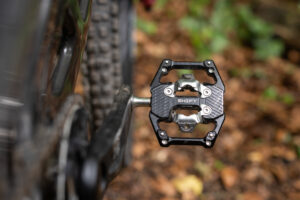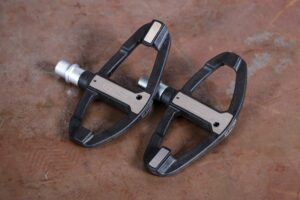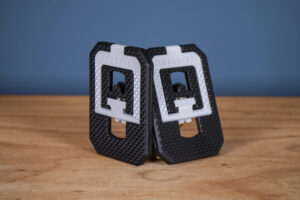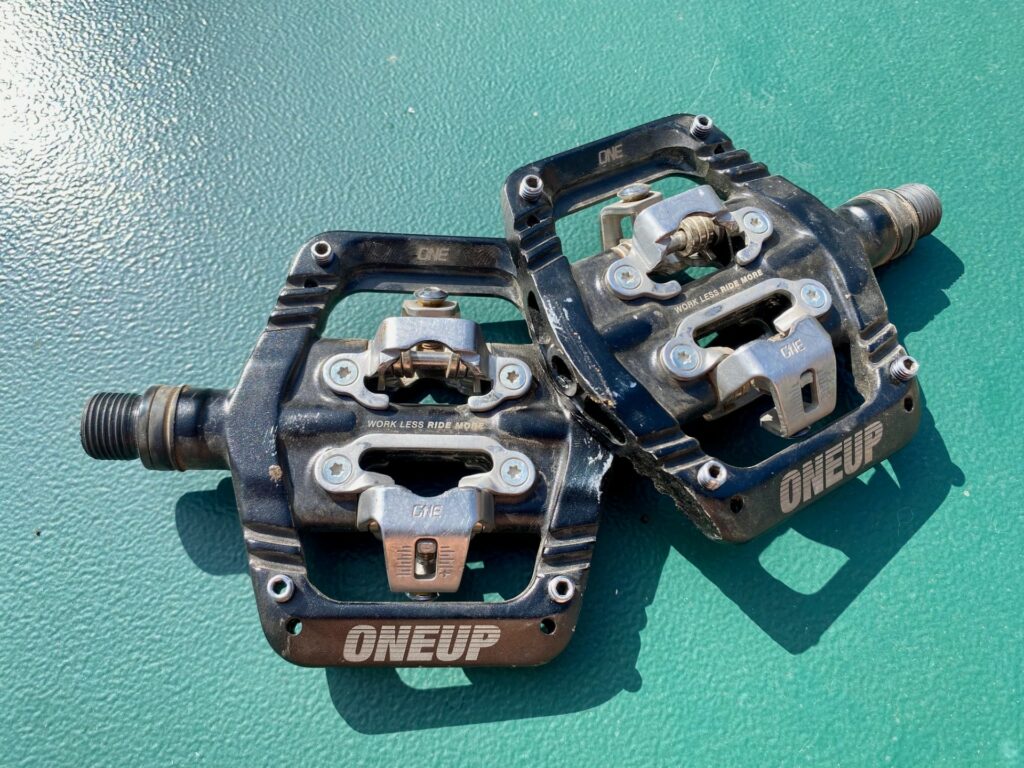

The OneUp Components Clip Pedal is a new take on the classic SPD system, which brings increased tension and a tighter fit. It’s aimed to cope with enduro and DH levels of abuse while being light enough for cross-country, according to the brand. With the revised SPD design, they bring an impressive balance of float and security with plenty of support from the large platform. Just be sure to spend the time setting up the cleat spacing and pins to get the best performance out of them.
- Best mountain bike pedals 2025 – the best options from XC to Enduro
- Shimano PD-M540 Pedal review
- Clipless pedals: the pros and cons of clipping in
OneUp Components Clip Pedal – Technical Details
These pedals are based around the SPD system, but OneUp has designed its own bindings to reduce play in the cleat-to-binding connection and increase the maximum release tension. They’re said to have a wider range of release tension adjustment compared to the standard Shimano SPD pedals. These redesigned stainless-steel bindings result in five degrees of float with a 12-degree release angle, and whilst OneUp recommends using its own cleats, Shimano’s SH51 SPD cleats are also compatible.
Moving onto the platform, it’s a generous size measuring 80mm wide and 90mm long, giving plenty of area to land a foot in those unclipped situations. This platform is designed to support the shoe whilst clipped in, giving more control and spreading the pressure more evenly. OneUp claims these are the thinnest SPD pedals, which are 26.8mm thick at the bindings and 14.4mm on the platform.
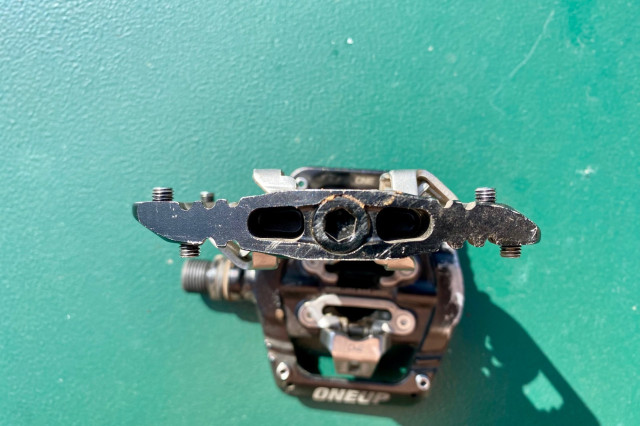
Four pins on each side of the platform add grip when unclipped but can be removed to fine-tune the clipping-in process. These pins are also hollow to allow mud to pass through the pin rather than block up the hexagonal head.
A chromoly steel axle with black ED coating holds an inboard Igus bushing with a seal and three outboard sealed cartridge bearings to keep it all spinning.
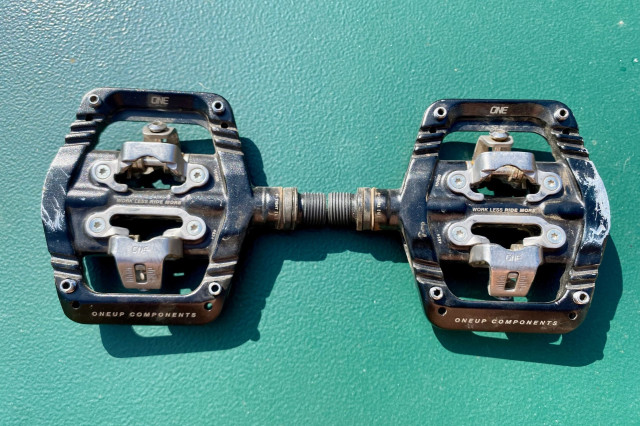
Weighing in at 418g, they’re reasonably light given their gravity intentions.
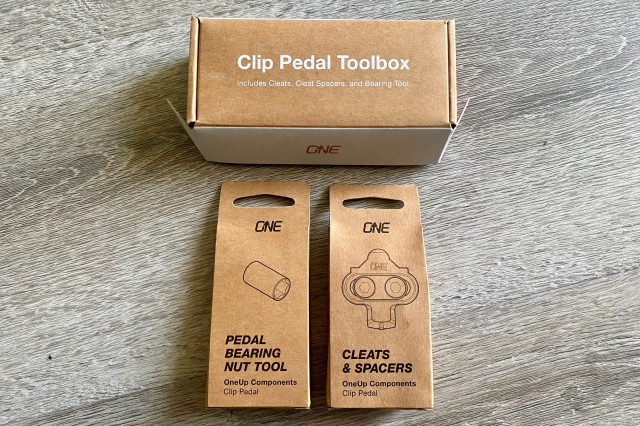
The Clip pedal is available in eight colours, the standard anodised offerings, which should have a style to suit all. The pedals ship with OneUp cleats, cleat bolts, cleat spacers, and the thin socket to undo the pedal axle nut for servicing.
OneUp Components Clip Pedal – Performance
Let’s talk about the recall first: Upon the initial release of these pedals, OneUp identified an issue with the rear binding plate, where certain users had experienced difficulty unclipping from the pedal. My test set was included in the resultant recall, which was handled incredibly well by OneUp. A redesigned rear binding plate was fitted to my pedals, which is said to improve the smoothness of unclipping regardless of the shoe, the brand of cleat, cleat position, or technique. Of course, any production items now have these new plates fitted from the factory.
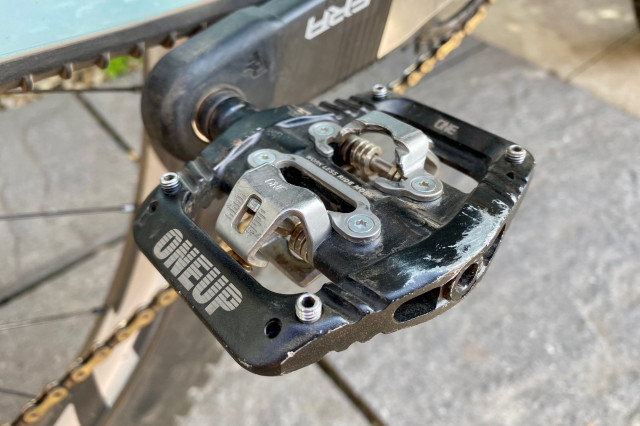
When it comes to getting set up, fitting the cleats is no different from any other set of cleats. If clipping in is tricky, OneUp recommends trying the cleat spacer first, then removing the front pins before finally removing the rear if you’re still struggling. The pin length isn’t adjustable, so they’re either in or not at all – a little bit of a shame as adjustability is limited.
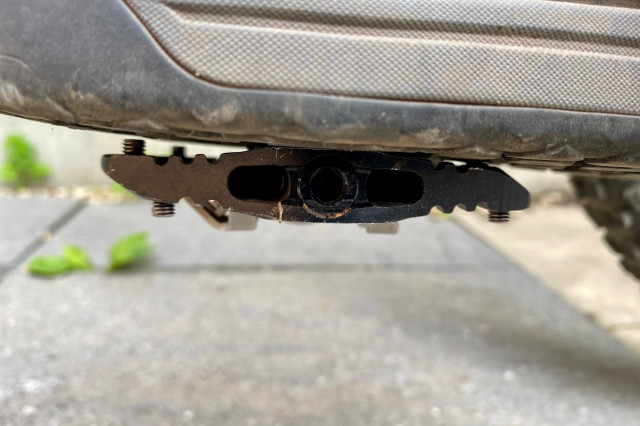
My first experiences were certainly a little tricky to get clipped in, but I persevered because I really appreciate the lack of rattle I’ve been accustomed to with these pedals. The difficulty clipping in began to lessen after some use, but I found this was due to the rear pins digging grooves into my shoes. In hindsight, I should have paid closer attention to the setup and adjusted the fit using the cleat spacers and removing pins to get a better fit.
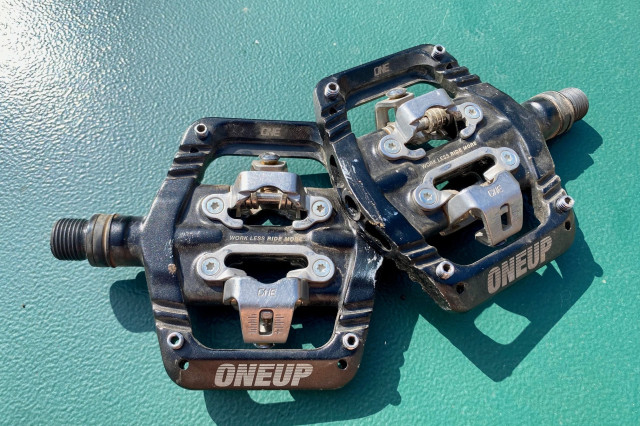
Once I’d got settled in, getting in and out of the pedals is super smooth, as good as the Shimano pedals, if not a little better in my opinion. Most crucially, unclipping is a predictable and reliable operation even when everything is coated in mud.
The adjustment on the binding tension is very usable, the lightest setting is still easy to get out of if you’d prefer not to be locked in, but they can be tightened up a lot if you struggle with staying engaged in Shimano pedals. I’ve had them set around the middle and found them to be tight with very little vertical movement. The float is welcome to help move around on the bike, but it’s predictable and consistent, so I know when I’m at the release angle and ready to unclip.
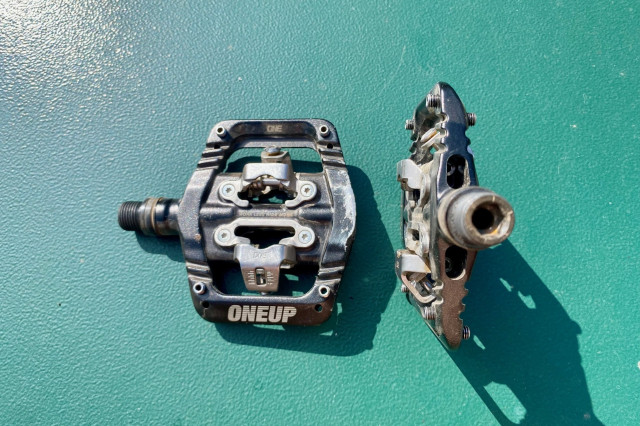
The platform is a great size, which is most useful when you miss clipping back in mid-trail and have to ride the next section on top of the pedal. It’s still a scary moment, but there is enough area and grip to get it done before finding a suitable spot to get clipped back in. When you are clipped in the front of the platform isn’t actually touching the shoe however, the rear does offer some noticeable support. In shoes that have a little more flex, this will be a welcome addition, but any super stiff clipless shoes won’t really notice it.
The build is undoubtedly high quality, it’s as you’d expect from OneUp Components. The pedals appear to be well sealed, well assembled, with plenty of grease, and the use of stainless steel will stop any rusting. Throughout testing, they’ve been faultless and are still running smoothly even after several trail impacts.
OneUp Components Clip Pedal – Verdict
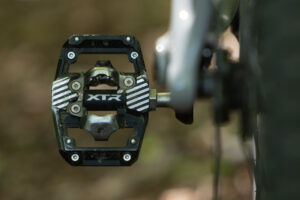
At £143, these aren’t cheap pedals, but I’d argue the quality, engineering, and performance on offer do justify the price. They are nearly the same price as the new Shimano XTR (PD-M9120), so it’s clear they’re aiming at the top end of the market. Whilst I haven’t tested the new XTR pedals yet, a looming competitor in the clipless market is the Crank Brothers Mallet Enduro pedals. They use a different binding system and cleat but have been praised for great clip-in and float, along with lots of support. At £180, though, they’re not cheap.
Hope offers similar CNC goodness in the form of their Union TC clipless pedal. At £150, they’re similar money to the OneUp pedals and were praised for excellent build quality and easy engagement, but you’ll only be able to run Hope cleats with these.
£143 isn’t small money for a set of pedals, but the OneUp Clip pedal does a good job of justifying that cash with a high-quality build and solid on-trail performance. The large platform gives noticeable support, whilst the increased range of binding tension will be an added bonus for those looking for more of a locked-in feel from the SPD system. Just be aware you’ll need to spend some time getting the cleat set up right for the best performance.
You might also like:
- Flat or clipless pedals – which is right for you?
- Best clipless MTB pedals 2025 – our top pick of the best rated clipless pedals for mountain bikes
- Crankbrothers Mallet Trail pedal review
Product purpose:
These are your new favourite pedals.
Build extra:
Thickness: 14.4mm (body), 26.8mm (binding)
Size: 80mm x 90mm (W x L)
Stance width: 57.5mm (centre of clip to outside of crank face)
Float: 5° (12° release angle)
Cleats: SPD™ Compatible (includes 1mm cleat spacers for shoe fit tuning )
Bearing configuration: Inboard igus® Bushing and 3x outboard sealed cartridge bearings
Axle: Chromoly Steel with Black ED coating
Pins: Hollow M5x8mm threaded pins (self cleaning hex through hole)
Colours: Black, Red, Green, Blue, Orange, Purple, Grey, Bronze
Product construction
Product construction extra:
Product performance
Product performance extra:
Easy to clip in and out with the correct set-up
Good tension adjustment
Product durability
Product durability extra:
Product weight
Product weight extra:
product value
All the deals displayed on our review pages are pulled from a constantly updating database feed of the best affiliate deals available. The criteria for deciding on what are the best deals is who is offering the lowest, delivered price. In most cases we will be showing the very best deal available online, but sometimes you may be able to find an item cheaper. If you can please feel free to post a link in the comments box below. To find out more about affiliate links on road.cc click here.
Product value extra:
Overall performance:
Product likes:
Reduced free-play between cleat and binding
Consistent operation
Product dislikes:
Invest time to get the cleat setup just right