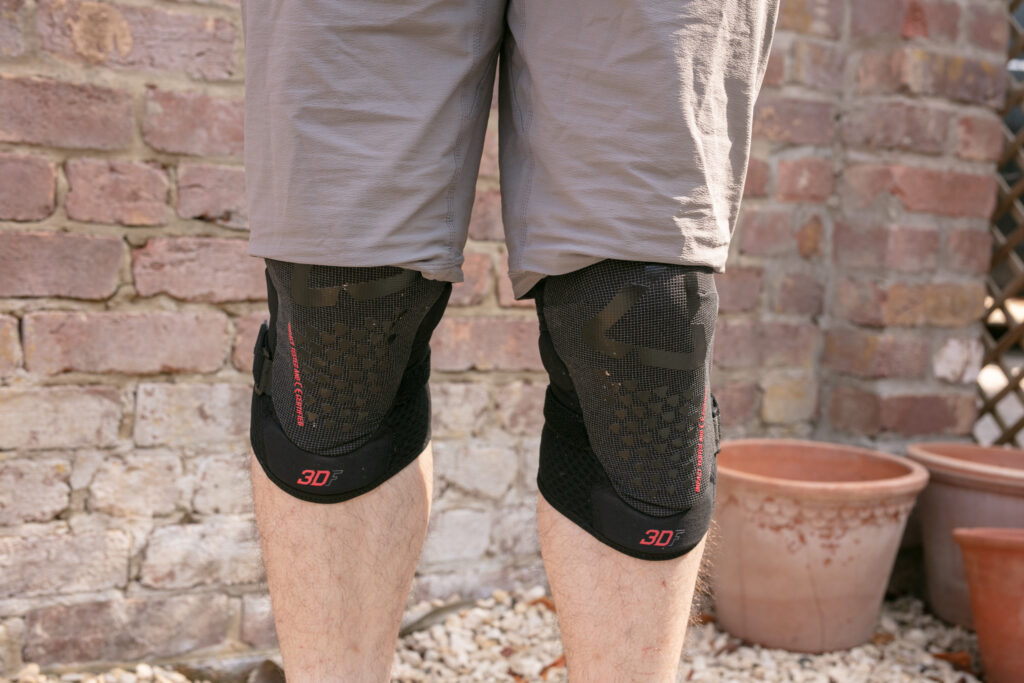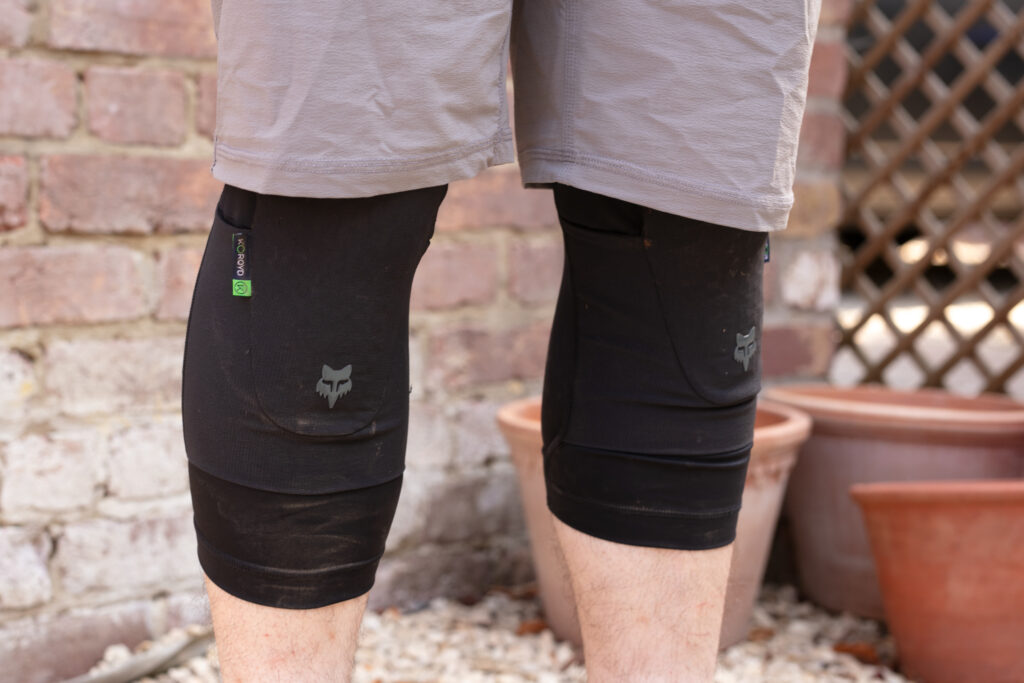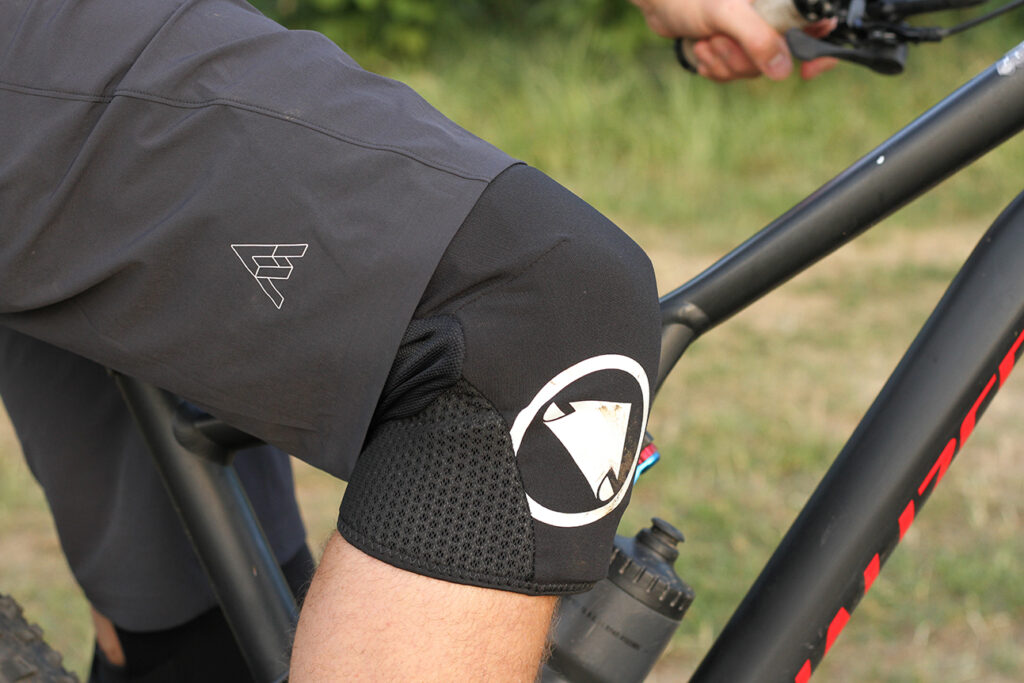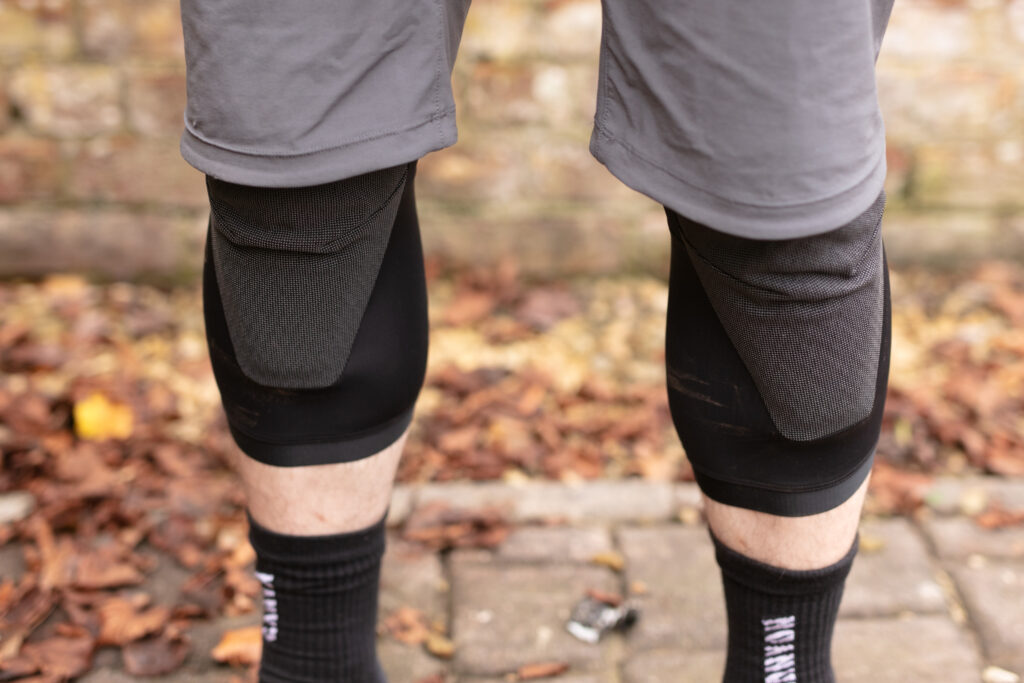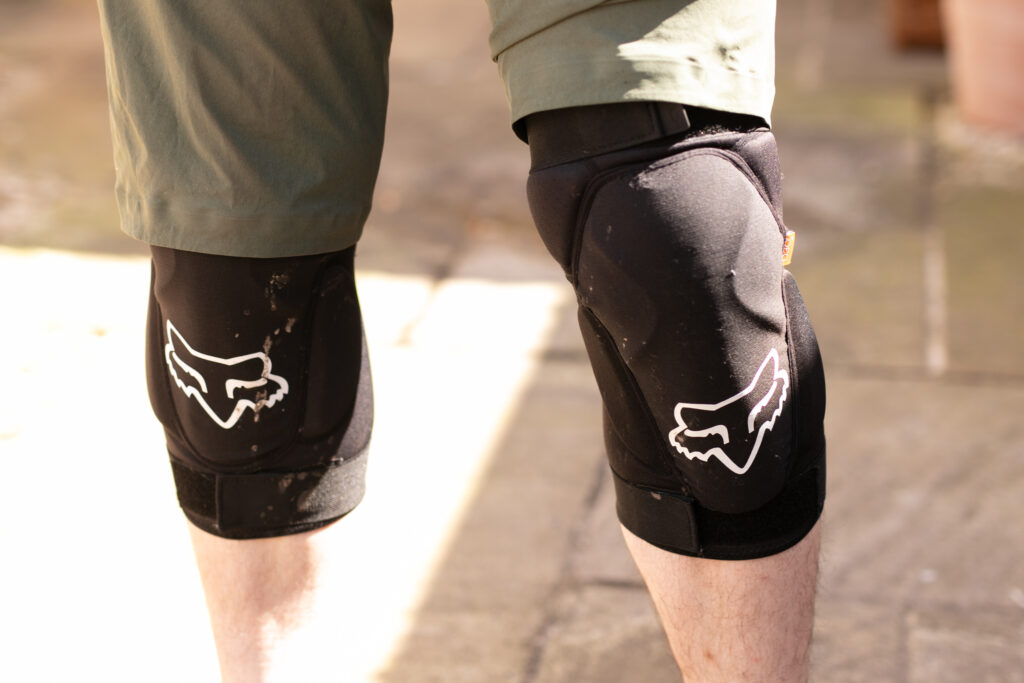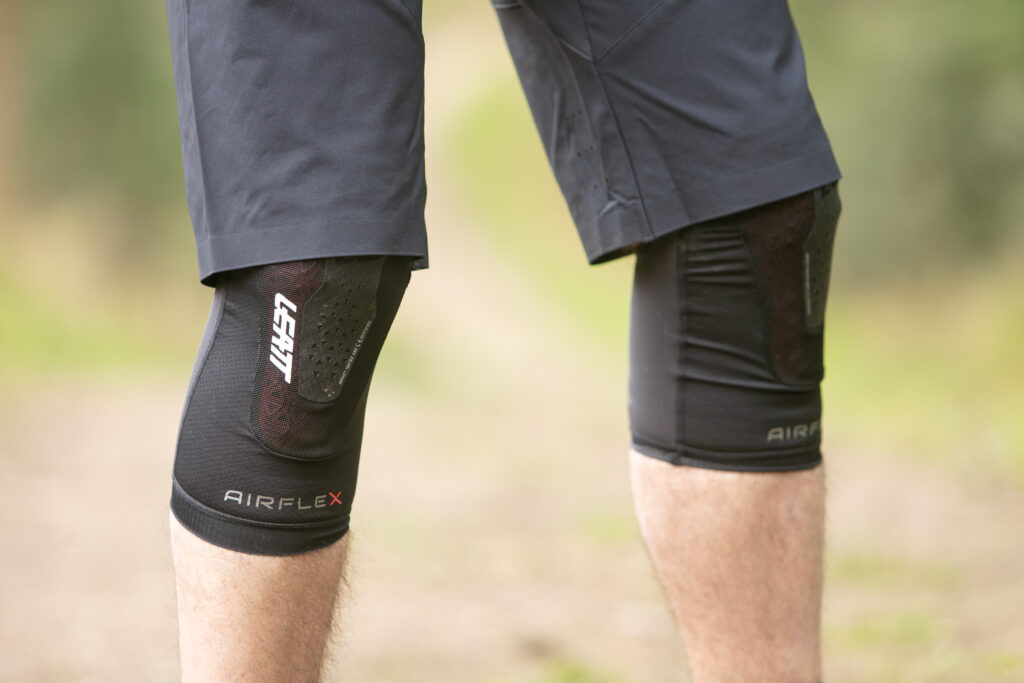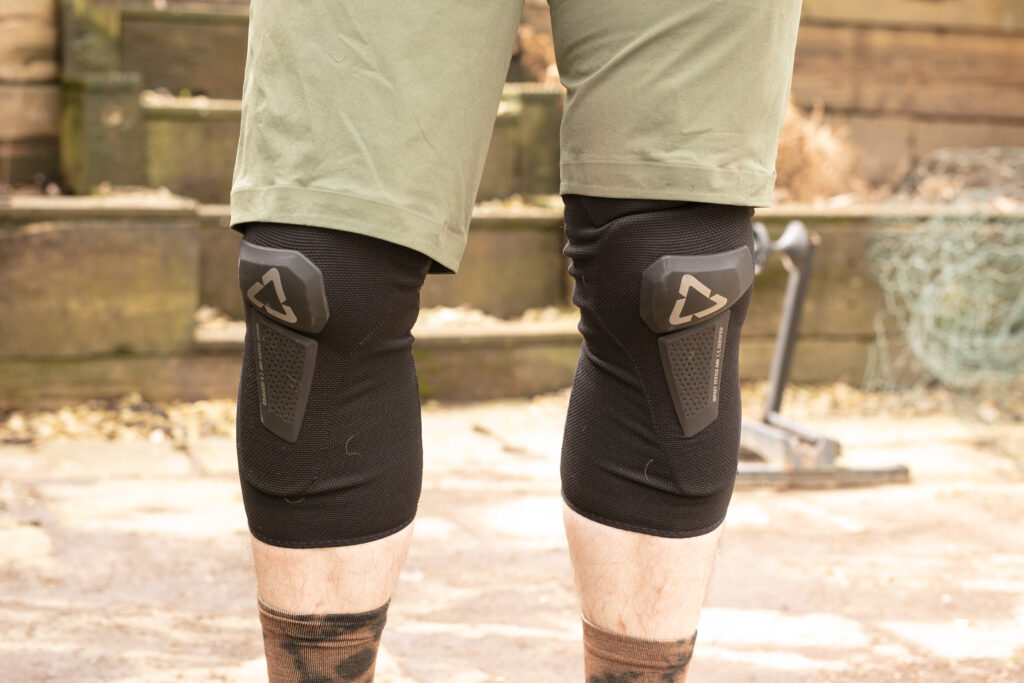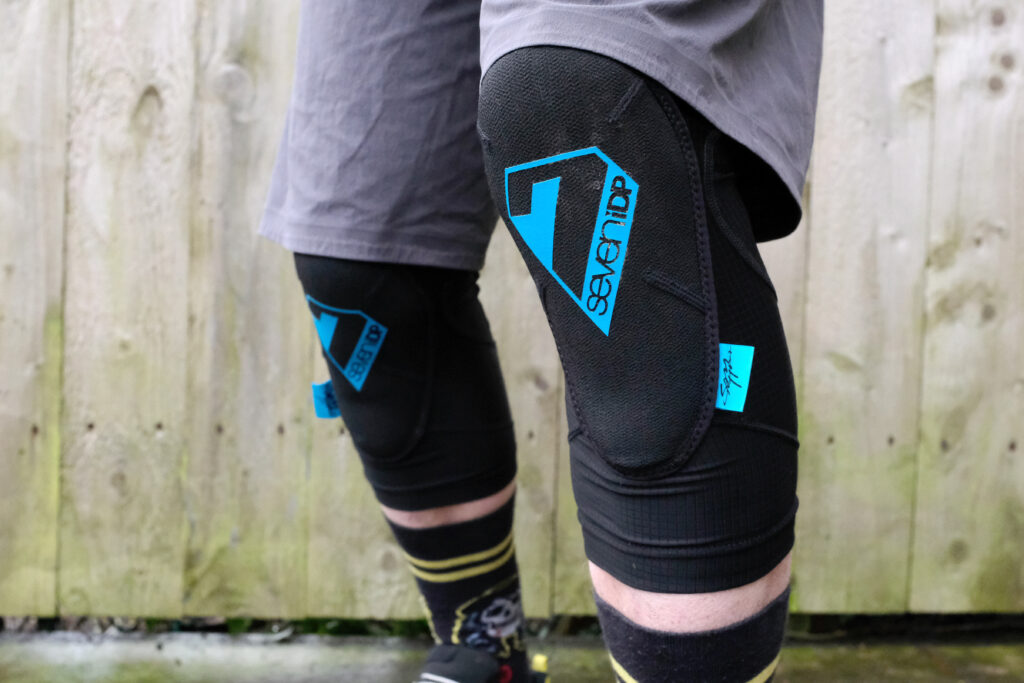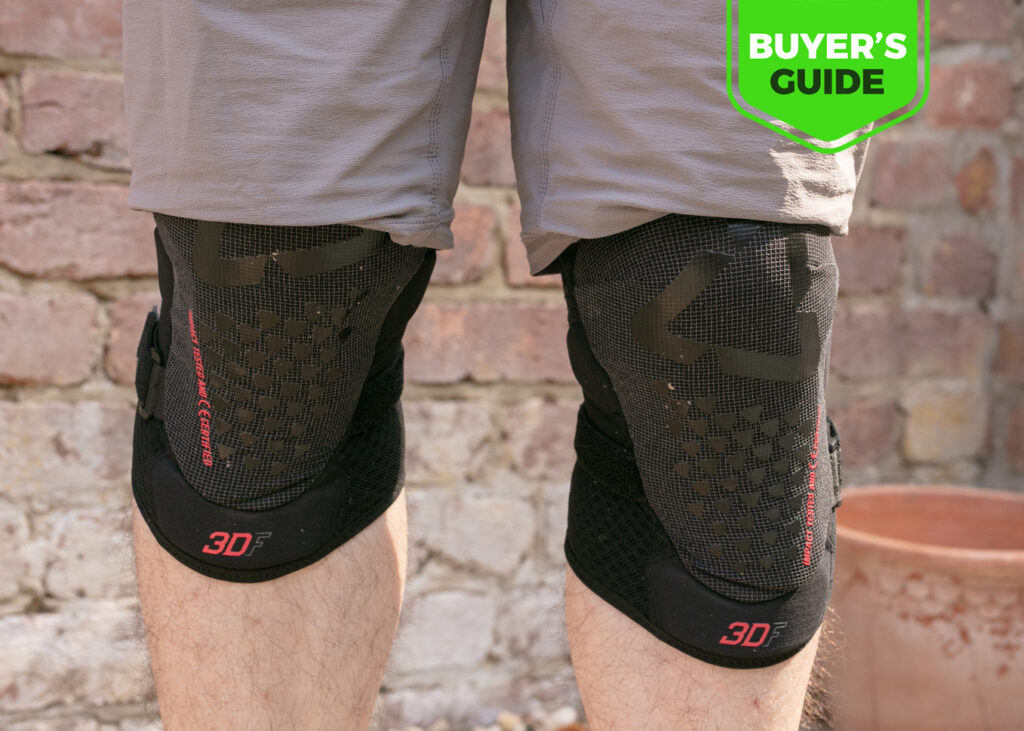

Your knees are often the first things to hit the ground during a fall, so keeping them protected, even on the mildest of rides, is the best way to stave off injury and keep you coming back to the bike. But knee pads come in all sorts of shapes and sizes these days, and they’re expected to nail a tonne of variables to achieve the best performance. Here are the very best we’ve tested.
Why should I wear knee pads?
As I mentioned before, your knees are the first things to hit the ground when you tumble off your bike. If they’re not the first, they’ll usually hit the ground the hardest, and as they’re reasonably sharp body parts, they’ll take a huge brunt of the force. Falling with unprotected knees at the very least will leave you with a few scrapes, and at the worst, you could end up with fractures or other injuries that’ll keep you off the bike for an extended period of time.
For most types of mountain biking, wearing knee pads is a given, but their use isn’t so common in cross-country mountain biking, where riders prefer to save weight wherever possible and benefit from the most breathability possible. Though even XC is getting mighty technical, and the risk of falling and injury isn’t any less than in other riding styles. We recommend wearing knee pads all of the time, just to keep you safe should the worst happen.
What should I look for in a pair of knee pads?
Knee pad types span something of a spectrum. Some are built to achieve superb comfort and breathability, but they’ll sacrifice all-out protection. Others are burlier, offer more coverage, and provide more comprehensive protection. However, these often aren’t quite as comfortable, nor as breathable. Taking these points into consideration is the best way to start your hunt for a fresh set of pads.
Nearly all modern knee pads employ a non-Newtonian insert, such as the very common D3O, and options like the newer Koroyd systems, among others. These inserts are designed to harden upon impact and dissipate energy across the whole of the insert, rather than focus it in one area, which’ll transfer that energy to your knee, which’ll lead to more serious injury. There are many, many types of these inserts, with some, again, built more for utmost protection, and others to blend protection with breathability and comfort.
The final thing to look for when shopping is a knee pad’s EN1621 and CE certification. These define safety requirements for the protective inserts found in knee pads and other forms of body protection. EN1621-1, CE Level 1 is a standard for knee pads, while EN1621-2, CE Level 2, ups the protection further, meaning that the protector can protect against harder impacts. Generally, EN1621-1 and CE Level 1 certified products are more affordable and more breathable, while EN1621-2 and CE Level 2 pads are pricier and not as breathable.