



Since the UK’s governing body for time trials introduced a separate road bike category in 2023, the format has continued to grow in popularity. It offers riders a way to compete without pitting themselves against time triallists with specific (and often expensive) TT bikes, that offer an aerodynamic advantage over their drop bar counterparts. From handlebar widths and wheel depth limits to helmets and bike choice, here’s everything you need to know about road bike time trialling in the UK.
Time trialling is often considered the purest and simplest form of bike racing. Riders set off at 1-minute intervals, are separately timed over a set distance, and the fastest is the winner. There’s no drafting behind teammates or tactics about when to launch the race-winning attack – it’s just you against the clock.
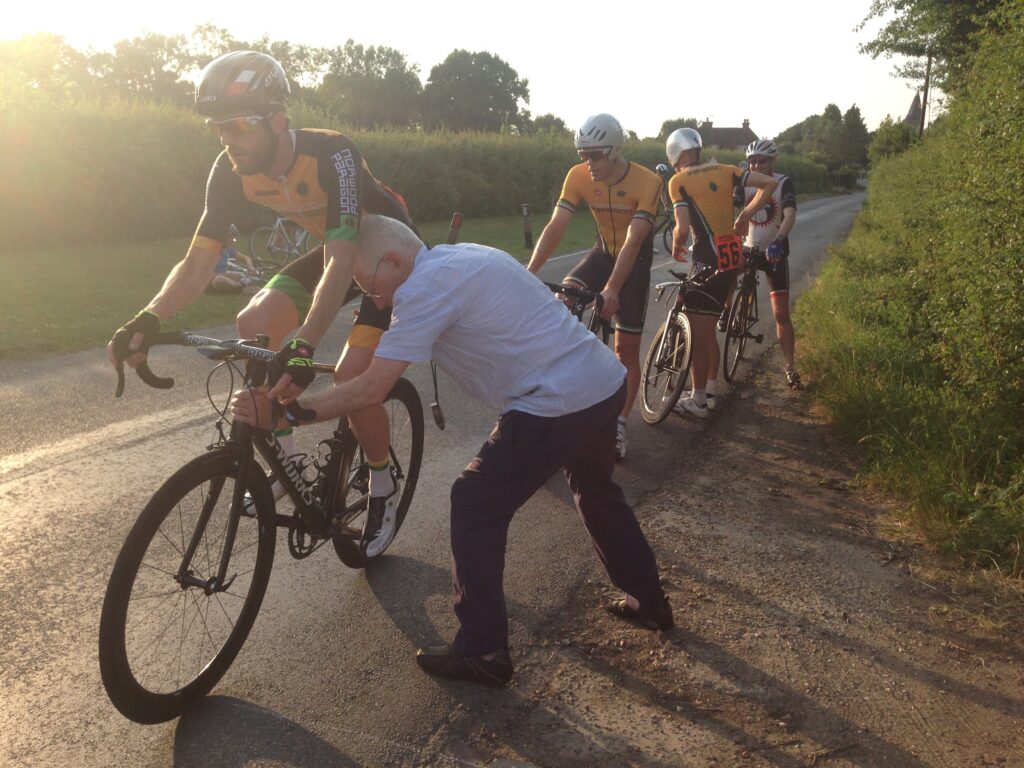
Cycling Time Trials (CTT) is the national governing body for time trials in England, Wales and Scotland, and CTT events in the UK are primarily held over standard distances of 10, 25, 50 and 100 miles, as well as 12 hours and 24 hours.
To enter, the Cycling Time Trials website is where you go to browse all the open events in Britain, decipher the course codes and enter online whichever one(s) you pick out. Compared to road racing and sportives, time trialling is almost always cheaper, and you normally have to enter in advance.
The minimum age for time trial competitors is 12. Under-18s have to get their parents’ authorisation to compete. Other than that, if you can ride a 10 mile TT (usually the shortest distance for a time trial) you can enter. You don’t have to have a racing licence, but you do need to be a member of a CTT-affiliated club.
Many cycling clubs also run their own smaller, low key local time trials. These are ‘club’ time trials as opposed to the ‘open’ time trials on the CTT website, and they are much more informal and basic. You don’t have to be a member of the organising club to ride one of their club time trials (you can ride as a ‘private’).
So… what makes road bike time trials different?
View this post on Instagram
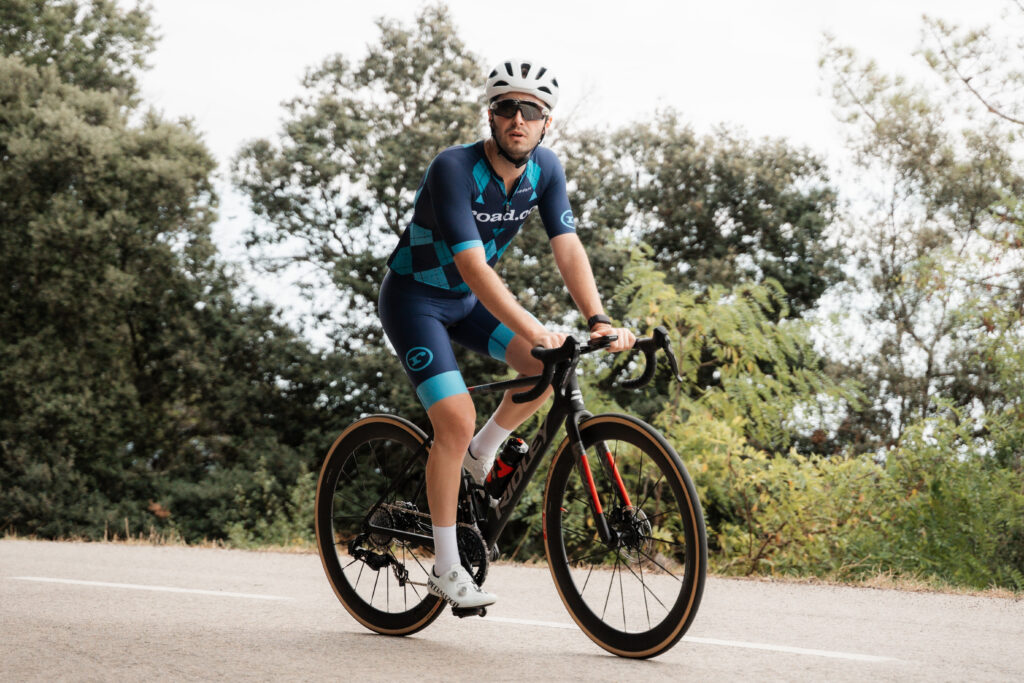
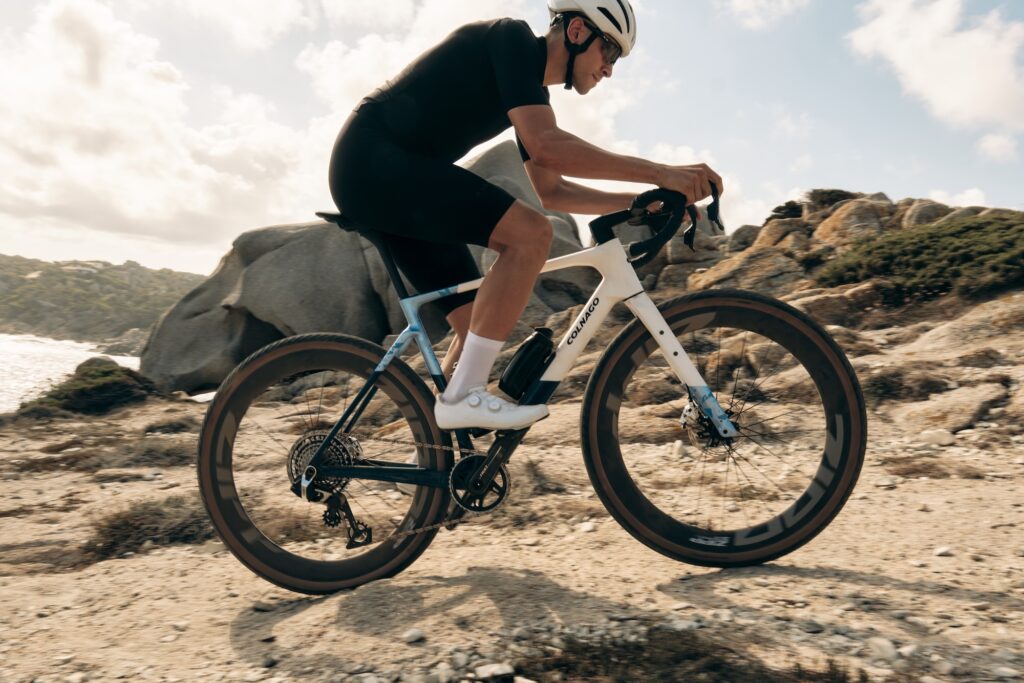
In its simplest form, road bike time trialling is a cycling discipline where riders race alone against the clock over a set distance using drop bar road bikes, aiming for the fastest time.
In April 2023, CTT introduced a separate category for standard road bikes across all of its open events in the UK “to get more people time trialling”. Riders simply click the road bike option when entering a CTT-sanctioned event, and the results for the road bike category will be listed and scored separately from riders on TT bikes.
For road bike time trialling, the riding position is defined by CTT as this:
“The competitor shall normally assume a sitting position on the machine. This position requires that the only points of support are the following: the feet on the pedals, the seat on the saddle and the hands holding the handlebar tops, drops or brake hoods.”

While riders had always been able to take part on a road bike – and in some cases this could even be the preferred option depending on the course – the change meant riders in this category compete directly against others on similar equipment, rather than against those using full time trial setups.
Some have said the move also helped make the discipline feel more accessible, particularly for riders who either did not own a dedicated TT bike or wanted to try the format before investing in specialist equipment.
While the category was initially introduced to encourage a more ‘road bike only’ approach to equipment, that distinction has since evolved. Following the Cycling Time Trials AGM earlier this year, the restriction preventing bikes marketed as time trial frames from being used in road bike TT events was removed. As a result, riders are now able to use older TT frames within UK road bike categories.
The rules
> How to get into time trialling: simple tips for racing the clock
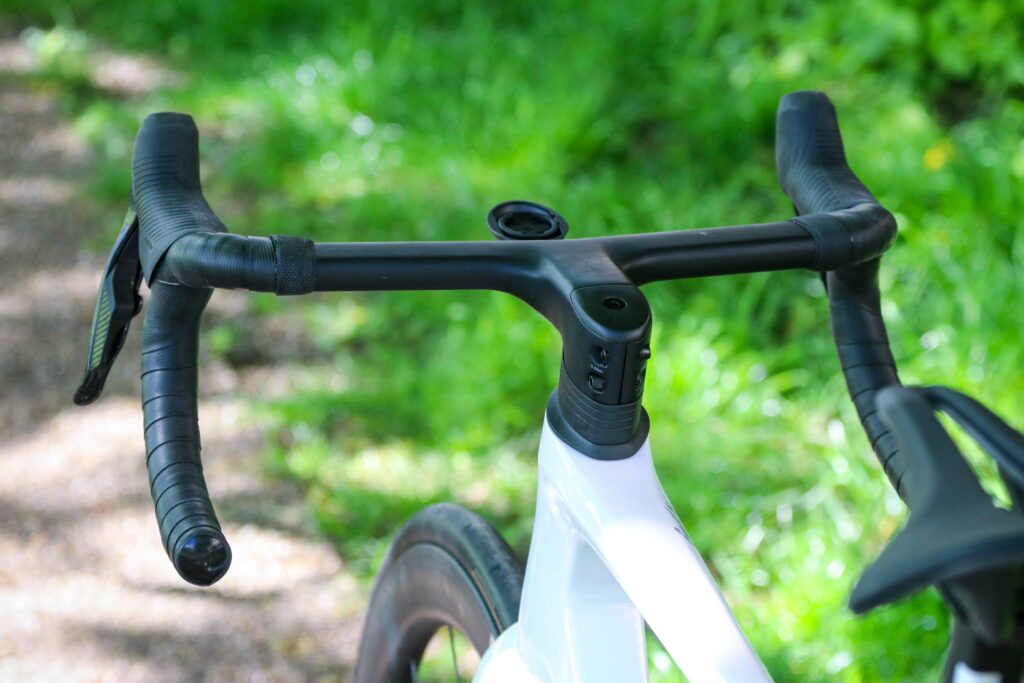
While you can turn up and race on pretty much any working road bike, CTT does set out specific equipment rules for the category. Its handbook states that a road bike must have either drop or flat handlebars, with no tri-bars or clip-on bars allowed.
“The minimum width of the handlebars must be 350mm outside to outside at their widest point and 250mm inside to inside minimum distance between brake lever hoods at their narrowest point. The maximum distance between the rearmost edge of the handlebar top and the foremost part of the brake lever (the “reach”) to be 240mm. Handlebars must not be modified or cut down in any way.”
This allows for narrower setups than the UCI’s road racing regulations, which require a minimum handlebar width of 400mm outside to outside and 320mm inside to inside.
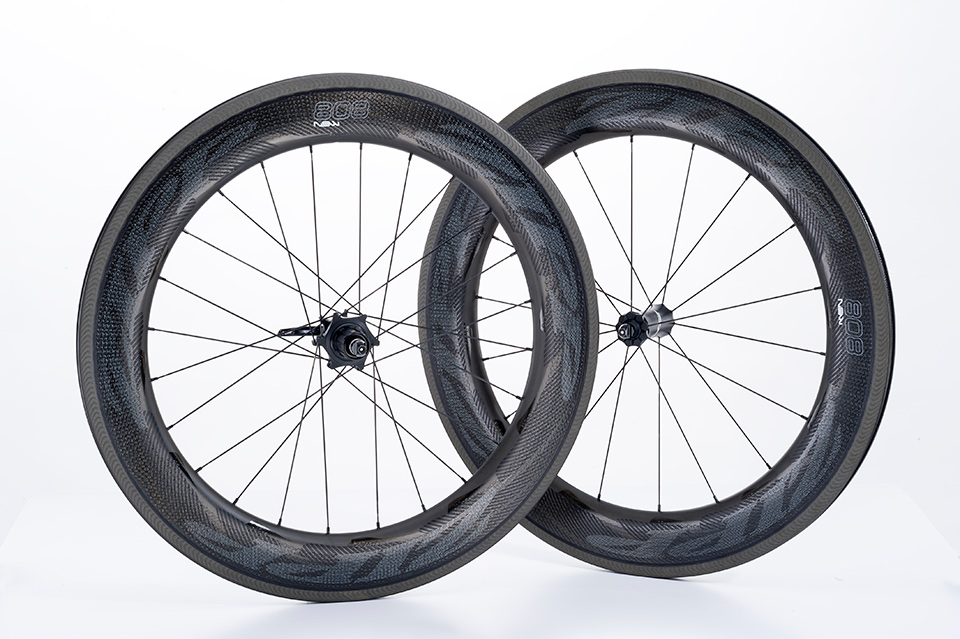
As for wheels, a proposal at the AGM earlier this year suggested reducing the minimum rim depth for road bike time trials to 65mm – in line with the UCI’s maximum wheel depth for all mass-start road racing events. However, this was not passed, meaning the existing rules remain in place.
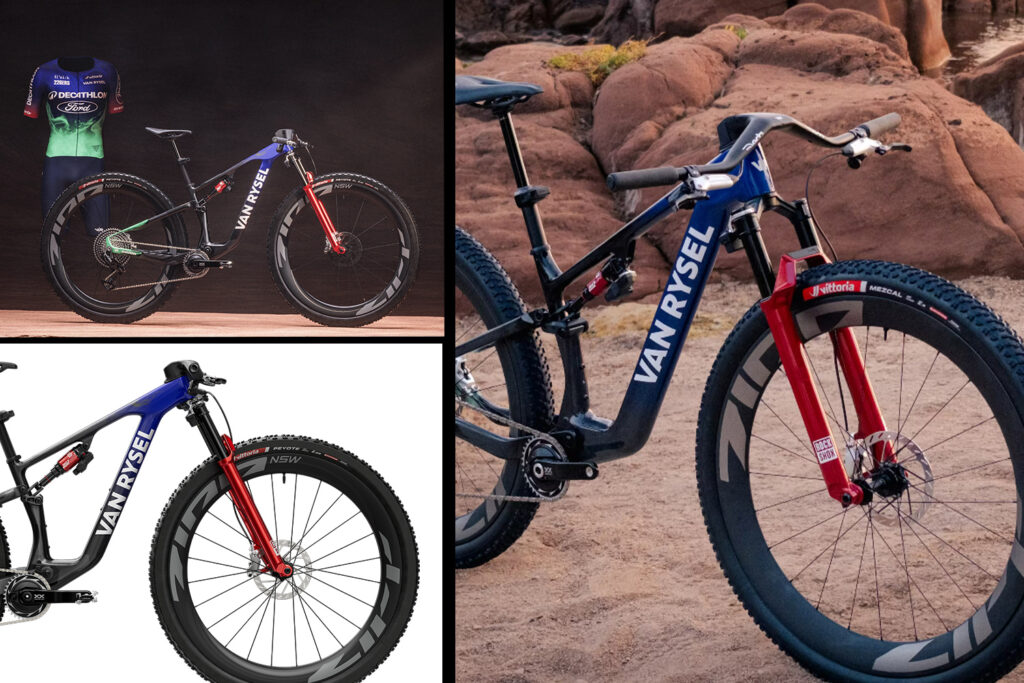
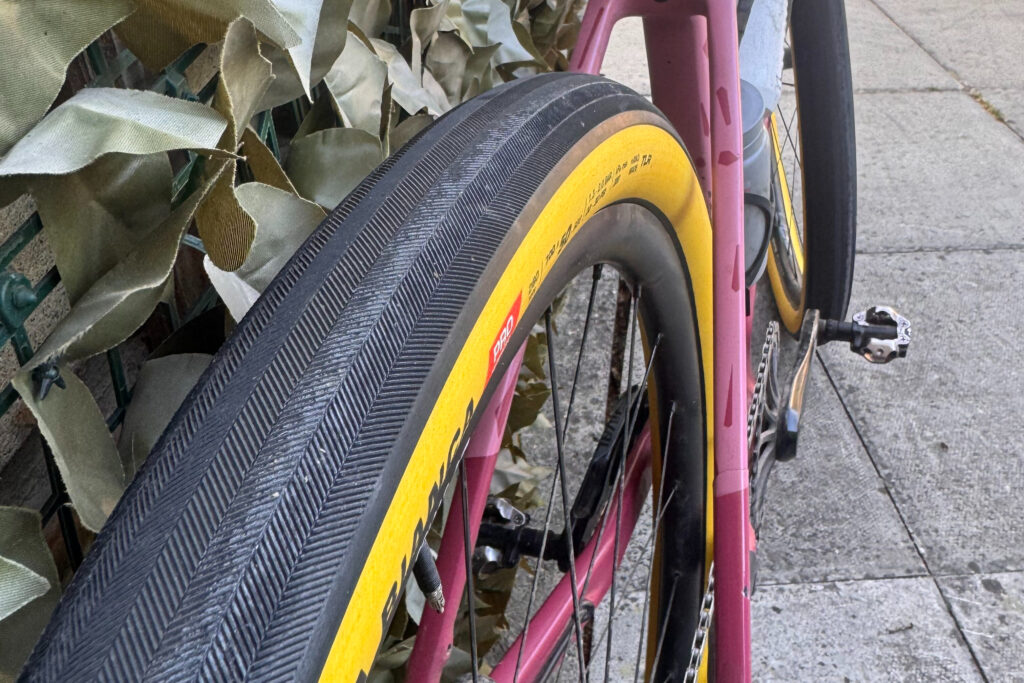
As it stands, both front and rear wheels are permitted up to a maximum rim depth of 90mm in CTT road bike events, and must have at least 12 spokes each. This is much deeper than the wheel depths typically found as standard on many road bikes.
This differs from the time trial bike category, where riders are permitted to use deeper-section front wheels of up to 101mm, along with a rear disc wheel or a spoked wheel fitted with a cover.

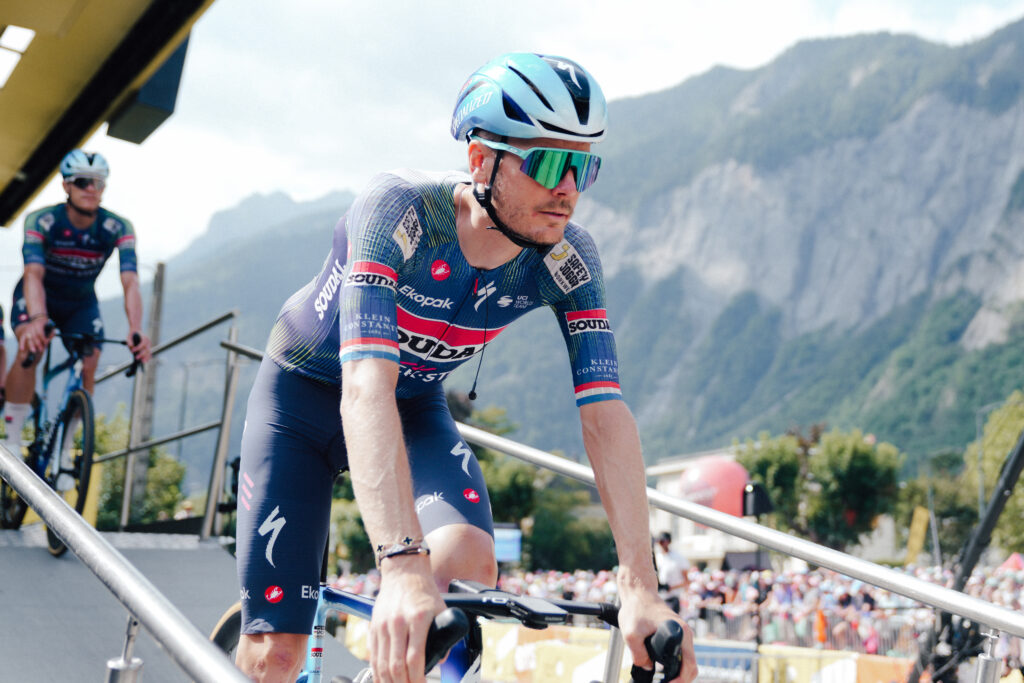
You must wear a helmet for all CTT events and for the road bike category, CTT states that helmets must not cover any part of the ears, have a tear drop/long “tail” or be marketed as a time trial specific helmet. The helmet should not be modified in any way but any features of the helmet (such as sliding vents or covers) can be used.
As for clothing, the rules are less specific, with CTT simply requiring riders to wear “appropriate cycling clothing”. However, the regulations do specifically prohibit swimming-style suits and running vests.
A rule that stands across both the time trial and road bike categories is that riders must also have working rear and front lights, turned on, and clearly visible to other road users. These do not need to be expensive or high-powered units – they simply need to work and be visible.
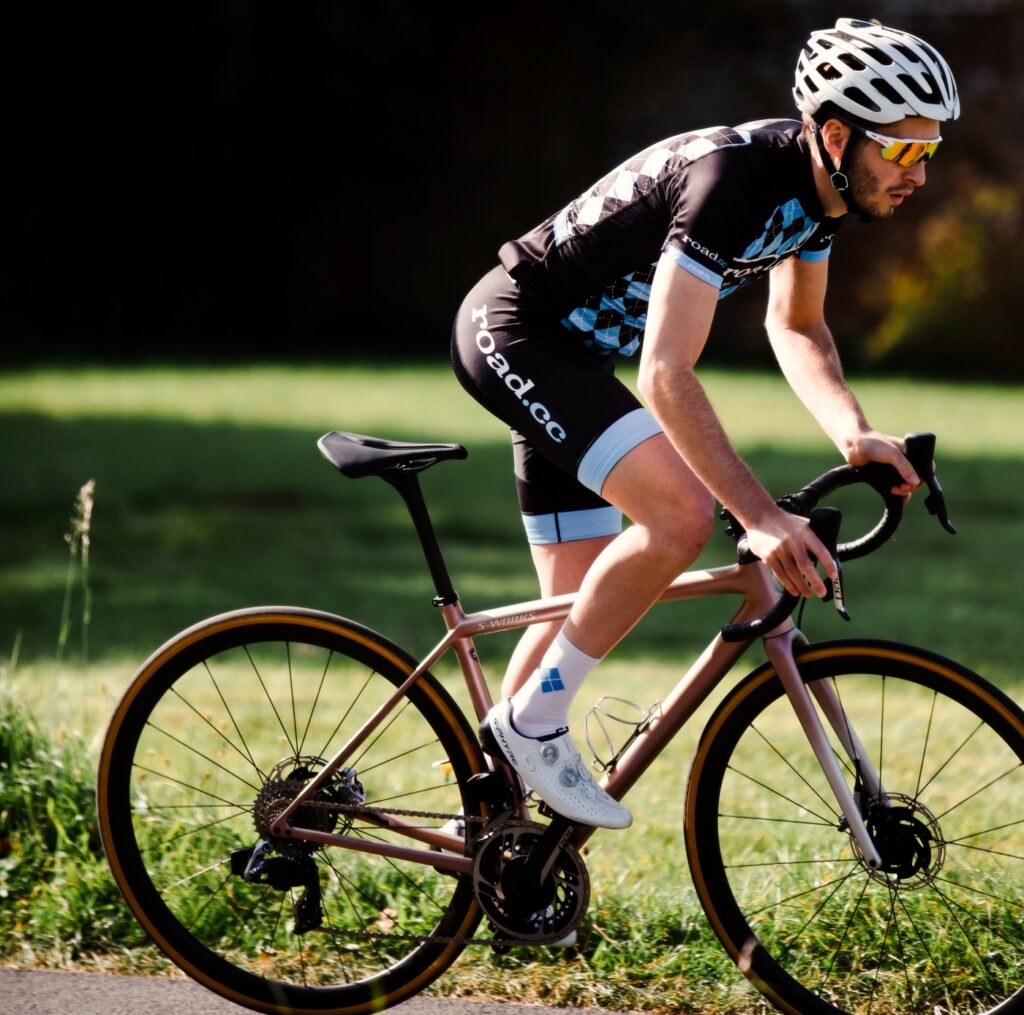
While the rules around road bike time trialling have become increasingly detailed, the category still offers a more accessible entry point into the sport for many riders. Although riders continue to optimise equipment and positions within the regulations, you don’t need an ultra-aero superbike to get involved.
Road bike time trialling remains one of the simplest ways to experience racing against the clock without needing specialist equipment from day one.
Do you prefer racing on a road bike or a dedicated TT bike? Let us know in the comments section below.










5 thoughts on “What is road bike time trialling? The rules, bikes and setups explained”
They have to be deeper than that at the moment? Doesn’t seem best judged for increasing accessibility…
Presumably a crucial article typo.
Otherwise I’ve been cheating by riding on 40mm rims 🙂
With regard to preference of bike for time trialling, I don’t have one but, compete almost exclusively on my TT bike. It does make a nice change sometimes to race on my road bike.
I enjoy the higher speed of the TT bike on fast DC courses. However, quite a few courses are being made more technical and road bike friendly, so the speed differential is reduced.
I did a time trial last year, and one thing I noticed was a significant disparity in prizes between the TT Bike and Road Bike categories.
On the TT Bike side, it felt like everyone and their dog got a prize: 1st, 2nd, 3rd Overall Open, 1st, 2nd, 3rd Overall Female, and then 1st, 2nd, 3rd Open, and Female, V40, V45, V50, V55, V60, V65, V70 etc. (in many cases only one or two competitors per category, guaranteeing a placing).
On the Road Bike side, there was 1st Overall. That’s it. Nothing for 2nd/3rd place, no separate Open/Female and no age categories.
There were fewer road bike competitors in total, but even accounting for that, the ratio of prizes:competitors was far lower for road bikes. It’s great that CTT are trying to improve accessibility with a separate Road Bike category, but they need to do more to make it attractive and not just feel like a token extra.
(I will also note I have no idea if that is something that is determined by CTT, or if my ire is better directed at the organisers of the specific event in question. Although if the current situation is it’s up to the organisers, presumably it would still be in CTT’s gift to dictate a change in policy for any event they sanction.)
It is down to organiser. This i always difficult. If only 3 road bikes then I would only give one prize. With advent of road bikes as a category the prize pool effectively halved. With only 40 – 50 riders entering some events it is hard to give multiple prizes and I don’t like giving prizes just for being there