
Updated May 14, 2022
There are very few bike-fixing tasks that you can’t do at home, provided you’ve got the right knowledge – and the right tool for the job. We’ve rounded up our pick of some of the most important things that should be living in your toolbox but might not be.
- How many spacers should I install on my bottom bracket?
- Buyer’s guide to mountain bike pedals – which are best? Flats or clips?
- The things I wish I had known before I started mountain biking
For fans of lists, here’s the executive summary of our recommendations:
- 1. Quality, ball-ended Allen keys: Bondhus, £19
- 2. Mini torque wrench: Topeak Nano TorqBar DX, £57
- 3. Chain link pliers: Super B, £17
- 4. Cable cutters: Pedro’s, £28
- 5. Derailleur hanger alignment tool: Park Tool DAG2.2, £70
- 6. Headset press: Lifeline X-Tools, £45
- 7. Strap wrench: Machine Mart Baby Boa Constrictor, £7
- 8. Tubeless tyre inflator: Airshot, £50
- 9. Quality brake bleed kit: Epic Bleed Kit, £16
- 10. Tyre pressure gauge: Topeak Smarthead Digital Gauge D2X, £35
- 11. Quality adjustable spanner or (bonus points) Knipex pliers, £45
1. Quality, ball-ended Allen keys: Bondhus, £18.99
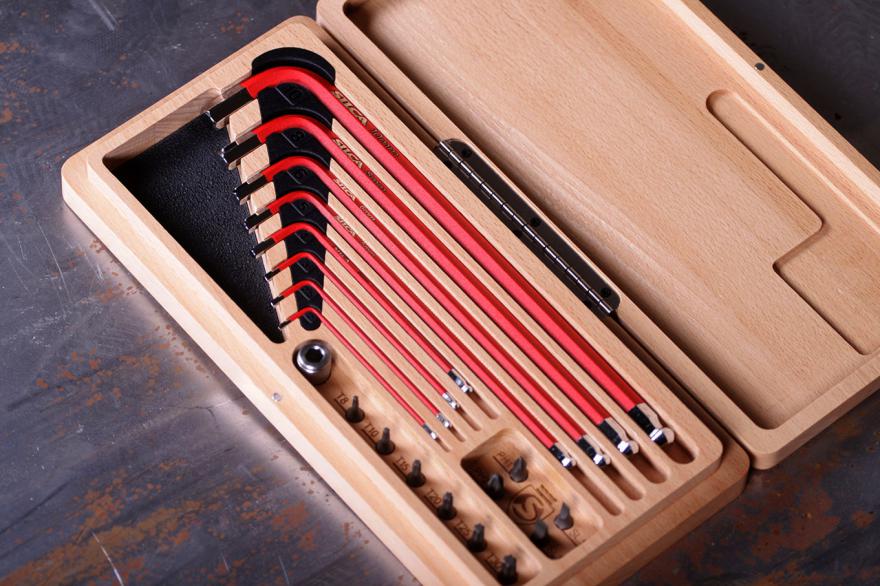
We’ll kick our list off with arguably the most obvious, but probably the most important. Getting a decent set of Allen keys will make your life so much easier, especially if you get a set with that are ball ended to ease access to tricky bolts.
Paying a bit more money means you get more precisely machined keys made from higher quality steel, so you’re less likely to round out bolts and they won’t wear out as quickly as cheapy items. Okay, so the boxed set from Silca shown above is a little expensive at £125, but you can get some decent items like this set from Bondhus for a fraction of that.
2. Mini torque wrench: Topeak Nano TorqBar DX, £57
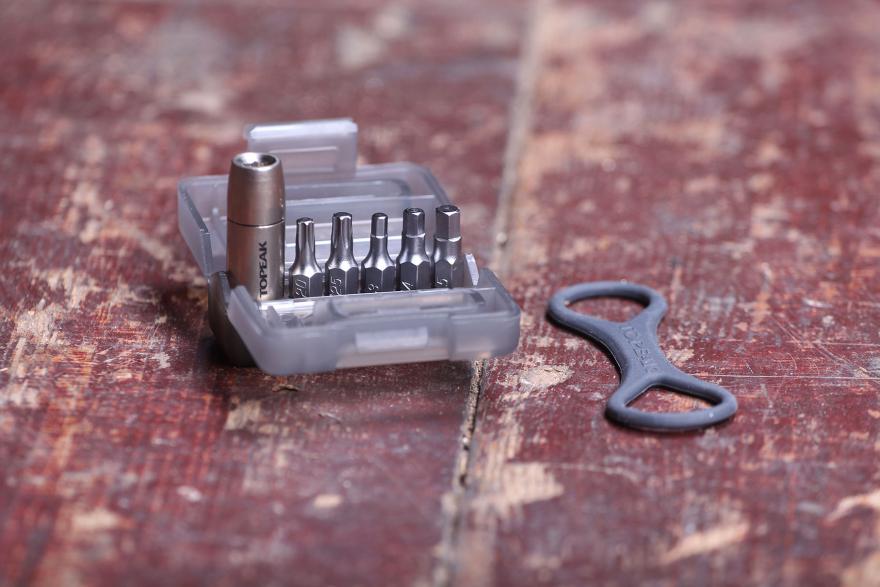
It’s pretty easy to overtighten components, especially carbon bars and posts, so even if you’re not from the school of ‘tighten-til-it-makes-a-noise’ a torque wrench of some description is a fine idea. You can buy a proper, adjustable torque wrench that works with square drive bits like this reasonably priced item from X-Tools, but we really like these dinky Topeak Nano Torqbits as they’re easily portable and come preset with the most common 4, 5 and 6Nm settings.
As they use a clutch style mechanism, they just slip when the correct torque is reached, meaning it’s virtually impossible to overtighten bolts. You can also stick one in an electric driver/drill and whizz disc rotor bolts up really quickly without worrying about overdoing it, but you didn’t hear that from us, right?
3. Chain link pliers: Super B, £16.12
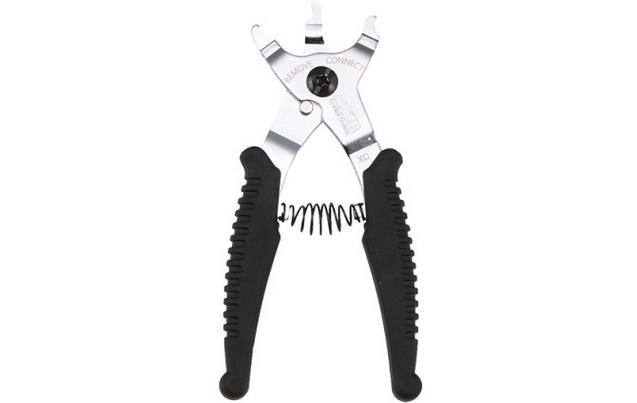
A chain splitting tool is an essential bit of kit, but seeing as most chains now use some kind of quick-split-link, a really useful tool is a set of link pliers. These let you undo quick links quickly, with an absolute minimum of split knuckles and blood – which is what results if you try and do it any other way. Some, such as this pair from Super B, also allow you to seat a quick link correctly as well as undoing it, which makes fitting a new chain simple.
4. Cable cutters: Pedro’s, £28
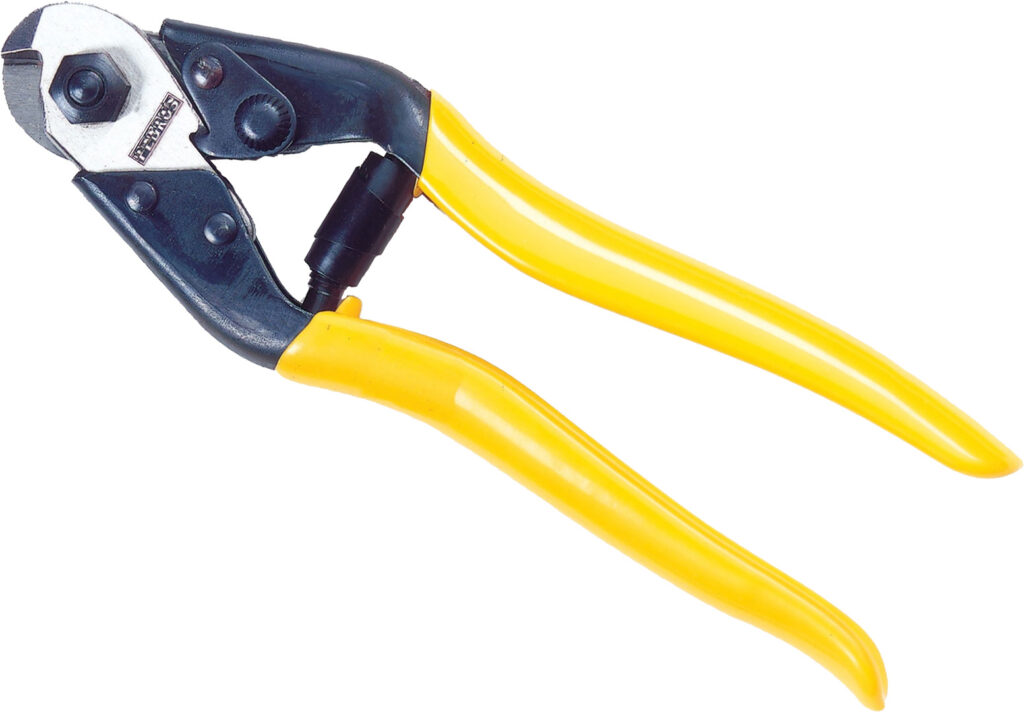
Being able to snip through gear cable inners and outers with ease is a pleasure that never dies once you’ve tried to battle your way through one with a conventional set of wire cutters. A decent set of snips will power through any outer and leave a lovely square edge, which makes for long-lasting, smoothly functioning shifting — and braking, of you have a retro bike with cable brakes.
A decent set such as these from Pedros, aren’t that cheap but they will last a lifetime.
5. Derailleur hanger alignment tool: Park Tool DAG2.2, £70
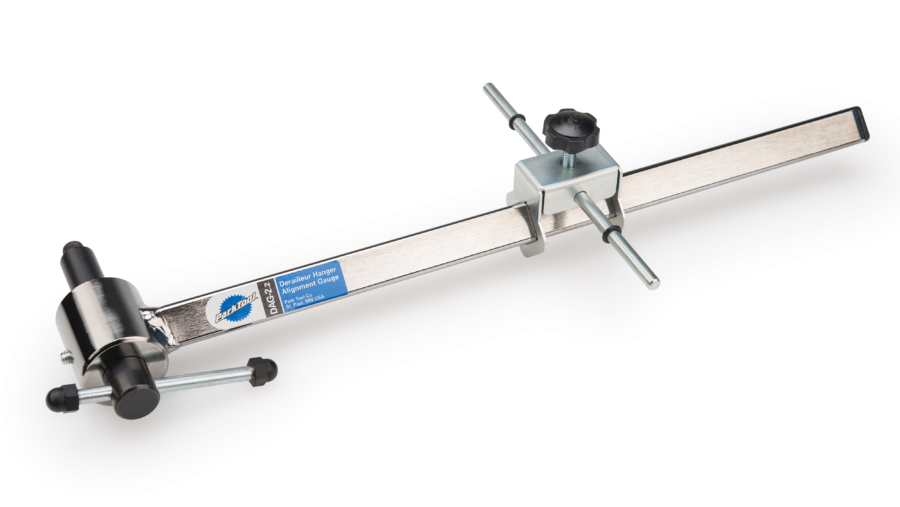
Modern gearing systems are hugely sensitive to alignment and a bent mech hanger is often the root cause of poor shifting. Although a seriously bent hanger is destined straight for the bin, it’s possible to tweak a slightly bent one back into line with an alignment tool.
Basically, the tool is just a big lever with a thread that screws into the hole where your derailleur fits into the hanger. Using the sliding guide on the arm, you then tweak it using your wheel as reference point until it’s square. Be aware though that some hangers are made of purest cheddaranium and break under even gentle force. Best buy a spare before you start leaning on the original one.
Though workshop grade ones like this one from Park are fairly pricey, you can get cheaper versions such as this £42.74 Lifeline model.
6. Headset press: Lifeline X-Tools, £45
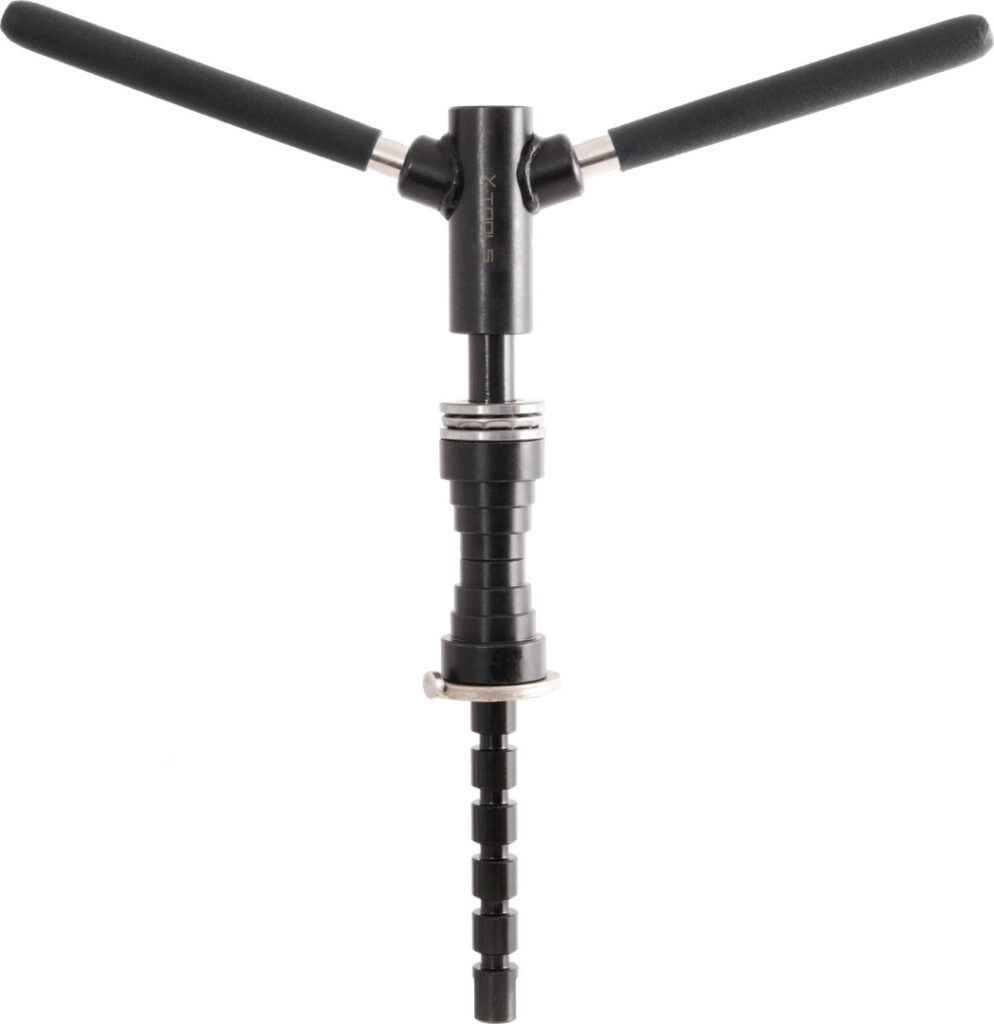
Fitting a press-fit headset or bottom bracket is often a job that has even pretty experienced home mechanics turned to their local shop, but it’s possible to get an inexpensive press that still does the job, such as this X-Tools model. We would suggest that you study the instructions carefully and make sure you know what you’re doing and go steady when using it, otherwise you can do some serious, incurable damage to a frame by pushing in headset cups at an angle.
7. Strap wrench: Machine Mart Baby Boa Constrictor, £7
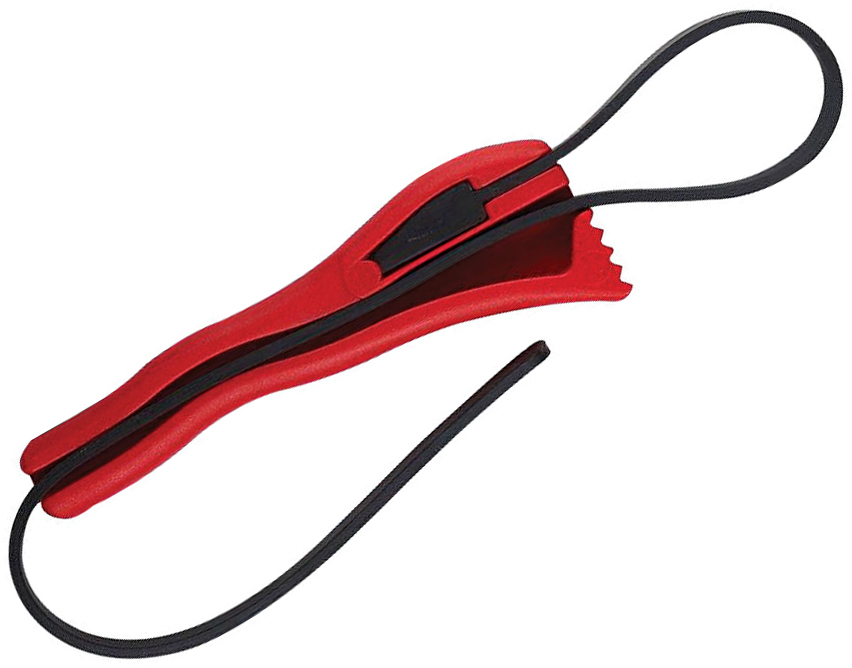
As well as being really useful for undoing lids, a strap wrench makes getting the air can off a shock much easier, without risking doing any damage to the can itself. If you intend to do basic shock servicing at home or try to tweak your suspension with volume spacers, this is a tool that’ll save you a lot of time and effort. They’re really cheap as well, with this one from Machine Mart costing under seven quid.
8. Tubeless tyre inflator: Airshot, £50
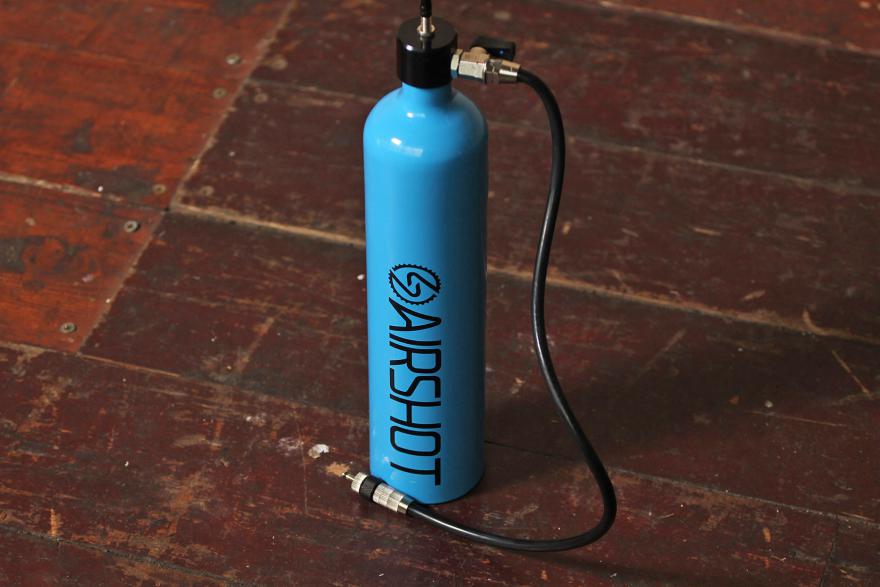
Unless you’re lucky enough to have a proper compressor or a perfect tubeless setup, some kind of inflator to help seat tubeless tyres is essential if you don’t want to end up sweaty, pissed off and covered in latex sealant. They work as a reservoir that you charge with air – usually to around 180psi – before dumping it all in one go to help pop the tyre onto the bead.
Some, such as this one from Airshot, are charged using a separate track pump, while others, such as the Topeak Joe Blow Booster, are integrated into a track pump and you simply flick a switch to move from using it as a normal pump to using the inflator. The former is a fair bit cheaper, so make sense if you already have a decent track pump, while the latter is a bit neater and don’t require you to switch stuff around as much.
If you’re really brave, it’s possible to create a homemade version using a pop bottle reinforced with tape, but at the pressures involved, it’s worth laying out a bit of cash if you value your safety.
9. Quality brake bleed kit: Epic Bleed Kit, £15.99
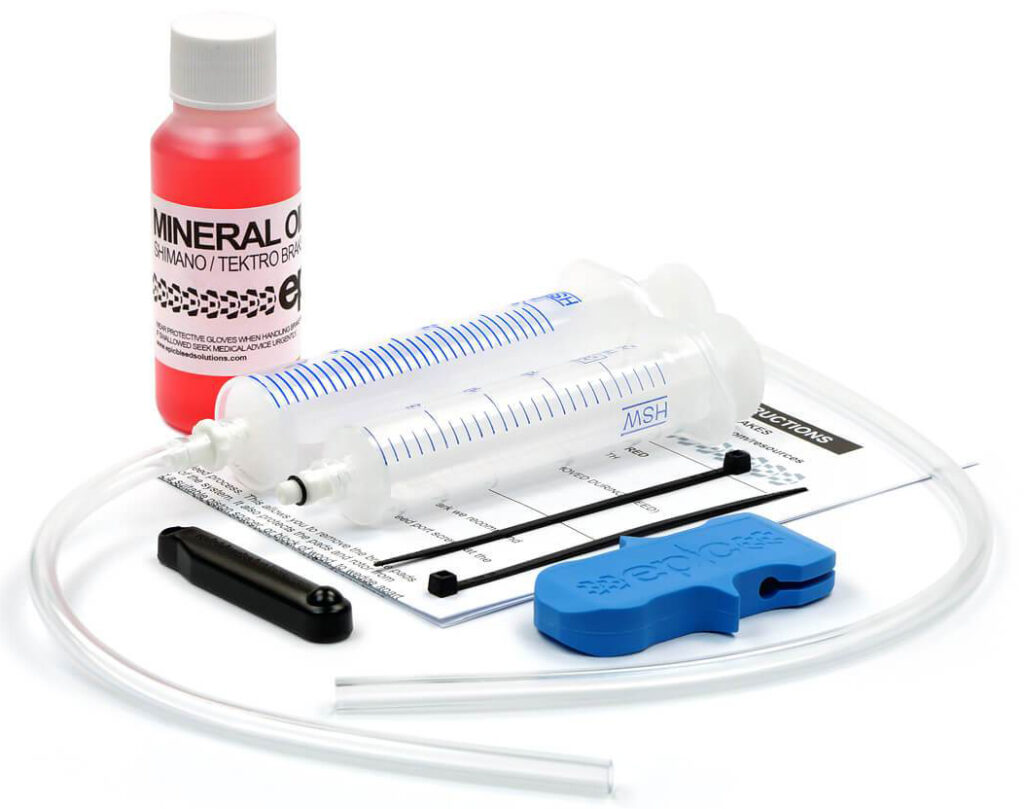
Poorly bled, squishy brakes have the ability to ruin a ride and can be downright dangerous should they fail. Making sure your brakes are properly bled is the best way to avoid this fate and using a decent quality kit makes a fiddly job an awful lot easier.
You’ll need to get a kit to work with your specific brake setup, as they all differ slightly. SRAM’s Pro Bleed Kit is fairly expensive, but has high-quality syringes and connectors and is the one to go for if you run Avid or SRAM stoppers.
If you’re running Shimano brakes, which use mineral rather than DOT oil, you’ll need a kit specific to those brakes, such as Epic Bleed Solutions kit.
10. Tyre pressure gauge: Topeak Smarthead Digital Gauge D2, £36
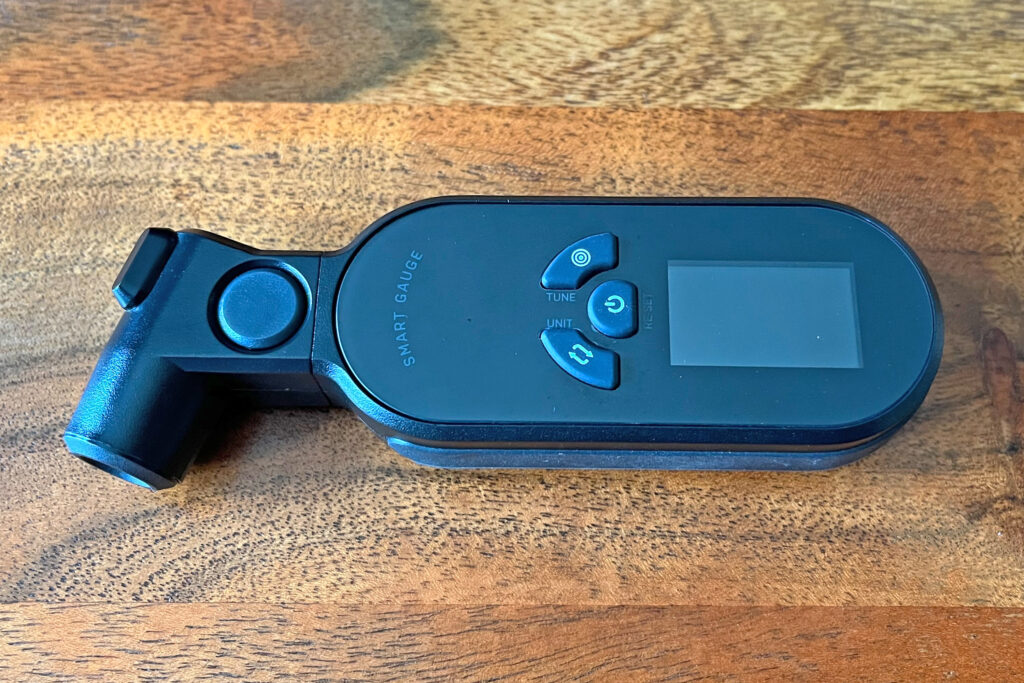
To be honest, if you want to get the most from your tyres, just giving them a squidge with your hand probably isn’t the best way to check your pressures. Even track pump gauges are frequently miles out of whack and have vaguely indicated gauges, nevermind the fact 1-2psi either way can make a big difference, especially with Plus tyres.
That means a quality pressure gauge is a must. We like the Topeak Smarthead Digital Gauge D2 as it’s easy to use and small enough to pop in your pack when out riding. Analogue fans might be interested in the Fabric Accubar gauge, which can be used on its own or attached to a track pump.
11. Quality adjustable spanner or (bonus points) Knipex pliers, £45
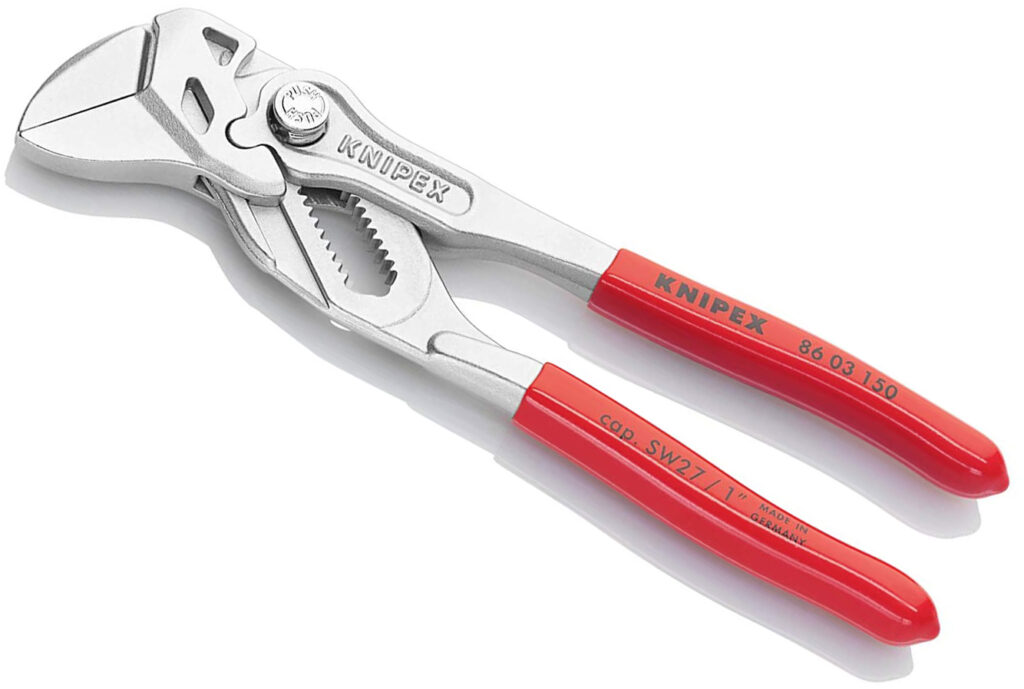
Okay, this one will have the purists raging and they might have a bit of a point. Cheap, low-quality adjustable spanners are the calling card of a bodge artist, but spending some money on a decent set with precisely machined jaws is a different matter. Used carefully, they’re excellent for removing the low profile top caps on your forks, without having to have specially machined down sockets for each size.
However, the pros use the Rolls Royce of adjustable spanners, the Knipex mini plier wrench. This beauty is a cross between a pump wrench and a spanner, allowing a firm, accurate grip on a wide range of nut sizes. Look in a World Cup mechanic’s toolbox and odds on, you’ll see a set of these in there. The downside? They’re really rather expensive…
You might also like:
- Review: Hope PF41 Press-Fit bottom bracket – creak free cure for BB woes
- Buyer’s guide to mountain bike saddles – how to pick a proper perch
div.views-field-nothing-1 a {color:#008000!important;}