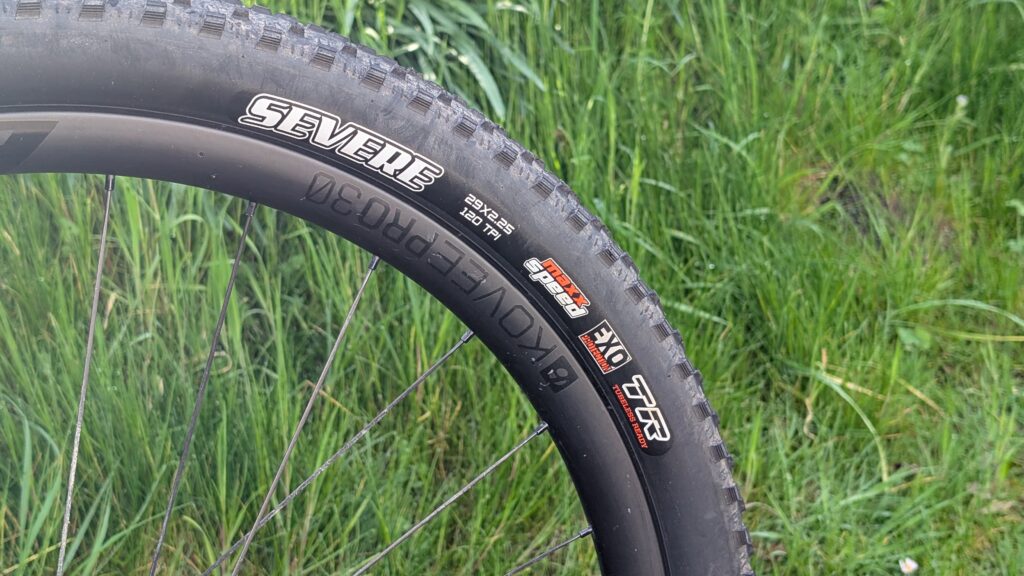

The Maxxis Severe is a wet-weather cross-country tyre designed with racing in mind, featuring a high TPI casing and MaxxSpeed compound to make the most of its tall tread blocks. With a clear focus on performance, it was only fitting to test it in the environment it was designed for — and it delivered impressive results.
Maxxis Severe – Technical Details
The Severe is aimed at a relatively narrow sector of mountain biking: cross-country racing in wet conditions. While that does make it a niche product, there are very few tyres specifically designed for this sort of terrain.
Maxxis exclusively uses the MaxxSpeed compound here, developed in collaboration with the SCOTT-SRAM World Cup XC team, with bold claims of reducing rolling resistance by up to 25%. Although Maxxis tyres are not always the fastest in lab-based rolling resistance tests — even with the new MaxxSpeed compound — that hasn’t stopped Nino Schurter from winning races.
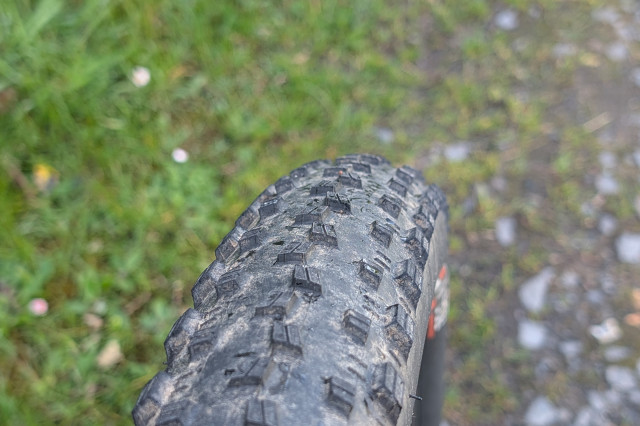
The tyre features a 120 TPI carcass and EXO sidewall protection. It is available in just one size, 29×2.25″, with a claimed weight of 745g. The two samples we tested were very close to this figure, weighing in at 754g each.
Maxxis Severe – Performance
Fitting the tyres was straightforward, with no issues getting them onto the rim or inflating them. Mounted onto a Bontrager Kovee Pro wheelset with a 29mm internal rim width, the tyres measured 58mm (2.28”).
Given its deeper tread and wet-weather focus, I expected the Severe to feel noticeably slower, but it rolled surprisingly well, with minimal noise – an issue that often plagues tyres with more aggressive tread patterns.
Compared to downcountry or trail-oriented tyres, the Severe’s tread isn’t especially deep or aggressive. However, those alternatives often come with thicker casings and stickier, slower compounds.

Testing through a wet Welsh winter provided ample opportunity to put the Severe to the test. One of the standout characteristics was the difference between front and rear performance. As a front tyre, grip was consistently excellent across a wide range of conditions, whether on loose stone, firm trails, or full mud. Cornering confidence was high, and dropping the pressure to around 18–20 PSI (used without inserts) provided the best balance of grip and support, with no signs of the tyre folding through the corners, despite the relatively supple, 120-TPI carcass.
If you’re accustomed to wider tyres, which are becoming increasingly common, the reduced air volume is noticeable. However, I expect the narrower width was chosen primarily to maintain mud clearance, which is important in race conditions. True to Maxxis’ claims, the Severe sheds mud impressively well, clearing even the stickiest mud once speeds pick up.
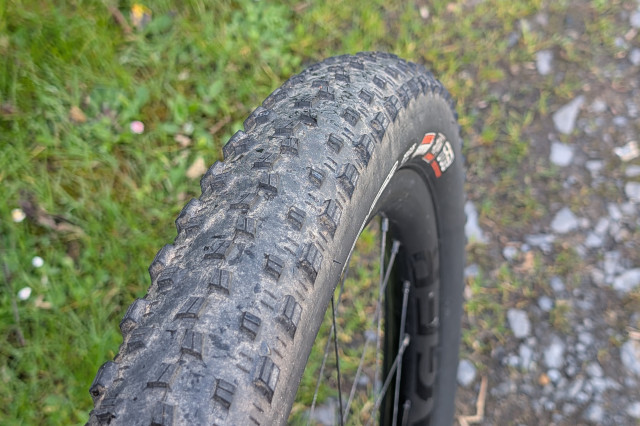
As a rear tyre, however, it was less convincing. Traction on wet and muddy climbs was lacking, with frequent slips even after reducing pressures. The tread’s more vertical orientation and larger gaps seemed to limit bite under load, and in these conditions, many summer tyres actually performed better when it came to climbing and braking.
At a British National XC round, I originally intended to use the Severe as a spare but decided to fit it up front after a few practice laps on a course that had seen some rain overnight, making it damp and slippery in places, although not especially muddy. The difference was clear: grip and confidence were vastly improved, and by the end of the race I was descending faster and more confidently than in practice. A tyre that may not top rolling resistance charts on paper proved to be the faster, safer choice in the real world.
Maxxis Severe – Verdict
Maxxis does offer some more affordable tyres, but the Severe sits firmly in the premium bracket at £65, making it one of the pricier options available.
Its tread layout bears some resemblance to the Continental Cross King, which comes in a broader range of sizes and constructions. The ProTection version of the Cross King, likely the closest match for racers, is even more expensive at £71.95 — highlighting that Maxxis is not the priciest brand out there.
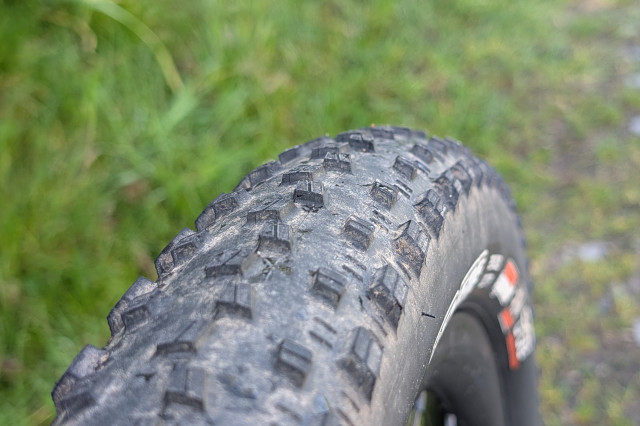
For regular racers, the Severe could be well worth the investment. Despite being aimed squarely at wet conditions, it rolls well and feels fast, particularly when used as a front tyre. Even for general cross-country use, it wouldn’t be out of place, offering impressive durability and grip without feeling overly delicate.
Overall, the Severe proved a highly capable option when fitted up front, offering dependable grip across all conditions. Running slightly lower pressures than usual helped unlock its full potential. Any fears over sluggishness were unfounded — I willingly chose it for a national-level race, which is perhaps the strongest endorsement I can give.
You might also like:
All the deals displayed on our review pages are pulled from a constantly updating database feed of the best affiliate deals available. The criteria for deciding on what are the best deals is who is offering the lowest, delivered price. In most cases we will be showing the very best deal available online, but sometimes you may be able to find an item cheaper. If you can please feel free to post a link in the comments box below. To find out more about affiliate links on road.cc click here.