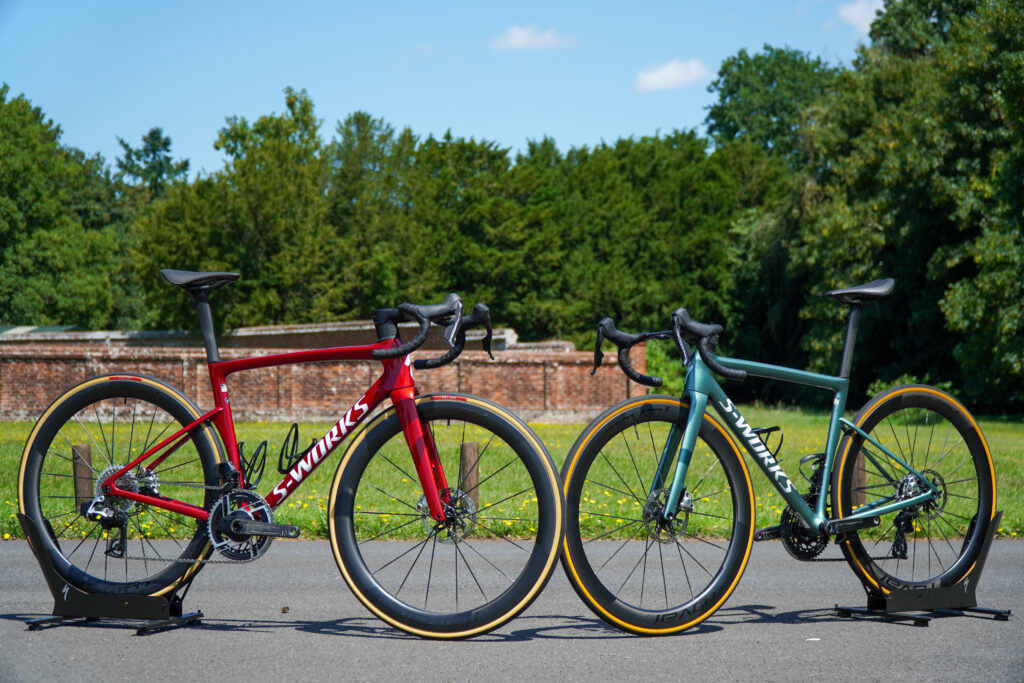

Specialized has a new road race bike, the Tarmac SL9, and you can be sure you’ll hear plenty about how it’s faster, lighter and so good it practically pedals itself. But this is actually a very interesting moment if you’re looking to buy into the Specialized Tarmac family, because the outgoing SL8 is currently available at some fairly substantial discounts.
I wanted to ride both bikes back-to-back and compare them directly. That gives us a chance to test some of the claims, examine the changes and, most importantly, work out whether the latest model is really worth the extra cash.
The claims
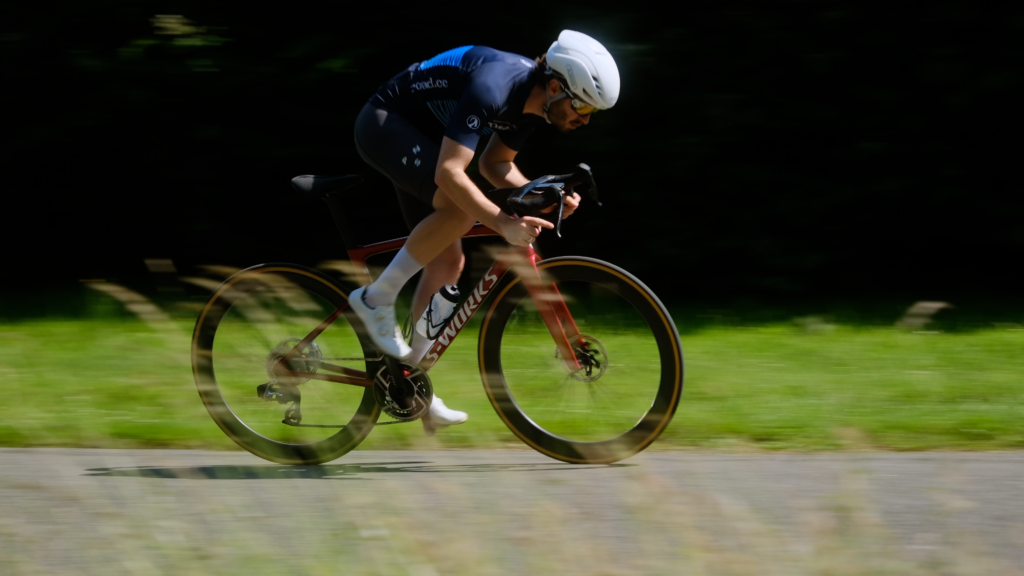
Let’s start with the marketing, because this is a Specialized launch and the marketing department has clearly been busy. The headline figure is a claimed 4-watt saving for the SL9 over the SL8 at 45km/h (28mph).
However, Specialized is putting a much bigger emphasis on “time to finish” this time around, an approach we also saw during the launch of the latest Crux. The thinking follows a trend seen in Formula 1, where cars are optimised for system speed rather than each component being optimised in isolation.
Specialized says it has optimised the SL9 around what it identifies as the most decisive sections of major races. In other words, it’s focusing on where time can realistically be gained rather than just chasing the lowest drag number in a wind tunnel.
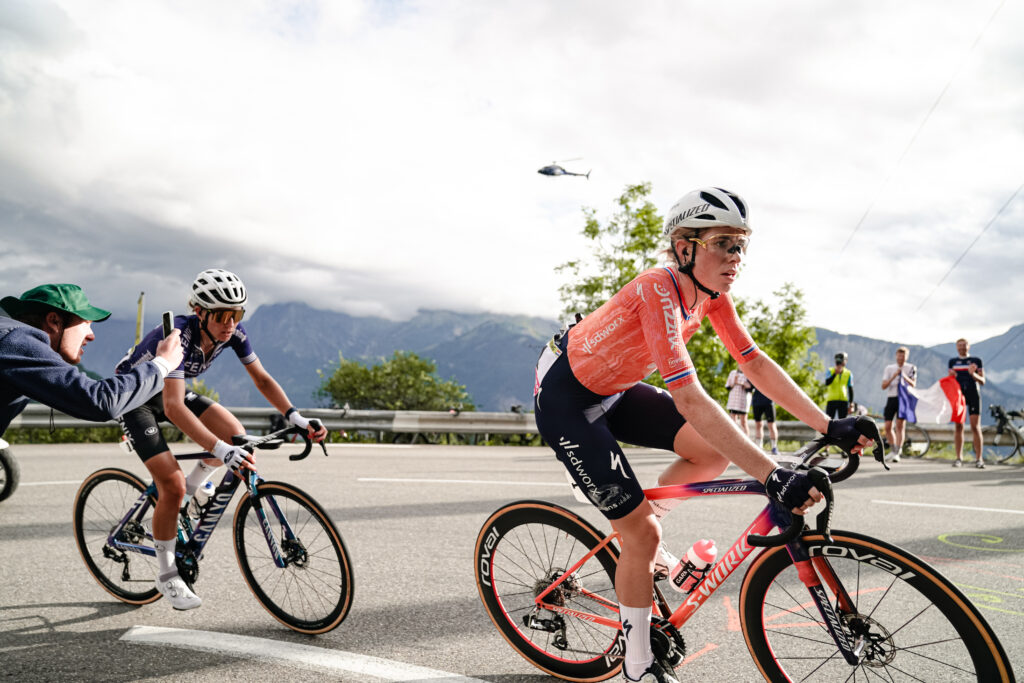
The company even claims that, all else being equal, Demi Vollering could have saved enough time to have won the 2024 Tour de France Femmes by 10 seconds had she been riding the SL9.
As you’ll remember, Vollering ultimately lost that race to Katarzyna Niewiadoma by just four seconds despite taking more than a minute out of her rival on the final stage to Alpe d’Huez with a remarkable long-range attack. It was one of the most exciting Tours in recent memory.
If Specialized’s theory translates to the real world, that’s a huge difference. That said, I’d question whether saving 14 seconds over a mountainous 80km is genuinely achievable, because those gains would need to come from almost everywhere. Some sections – technical descents and corners, for example – are already ridden close to the limit, regardless of the bike underneath you.
The launch material also includes a series of race simulations comparing the SL9 with some key rivals, including the Colnago Y1Rs ridden by Tadej Pogačar and the Cervélo S5 used by Visma-Lease a Bike. Unsurprisingly, the SL9 comes out on top in all of those scenarios.
What is interesting, though, is that many of the examples feature a significant amount of climbing. I’d have liked to see a flatter race profile included as well, perhaps something resembling a Tour de France sprint stage. My suspicion is that the gaps would narrow considerably, and some of the more aggressively aero bikes might even come out ahead.
Should you want even more detail on the new tech features, Mat has all the facts and figures here.
Is the Tarmac SL9 good to ride?
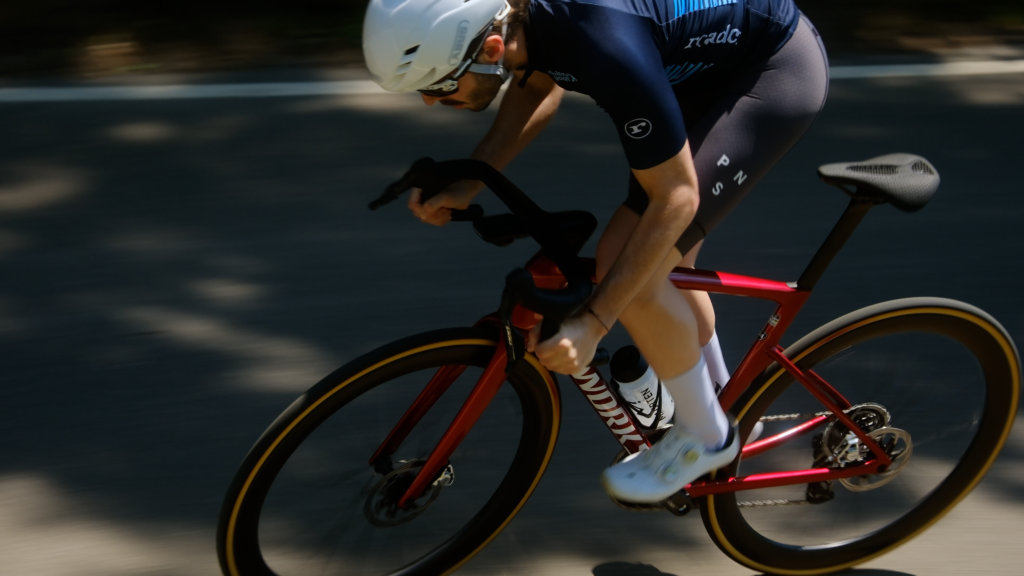
Taken in isolation, the Tarmac SL9 is an excellent bike to ride. I took this on a mix of fast, rolling roads with some shorty punchy climbs thrown in. The SL9 felt super efficient on the climbs, firing up steeper sections of a climb with a bit more punch than I’ve found with full-on aero bikes.
But it is on the flats where this race bike really needs to shine. The SL9 feels great up at faster group riding speeds, though I wouldn’t say there is a discernible difference from the SL8. Specialized might have saved those 4 watts, but the reality is that the new bike feels just like the old one.
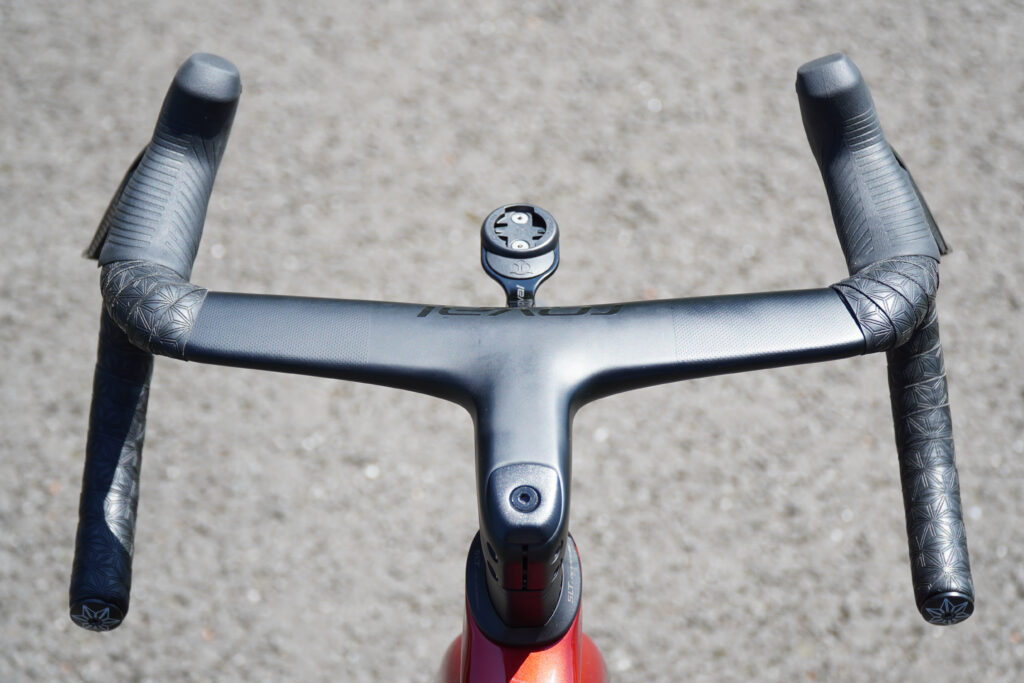
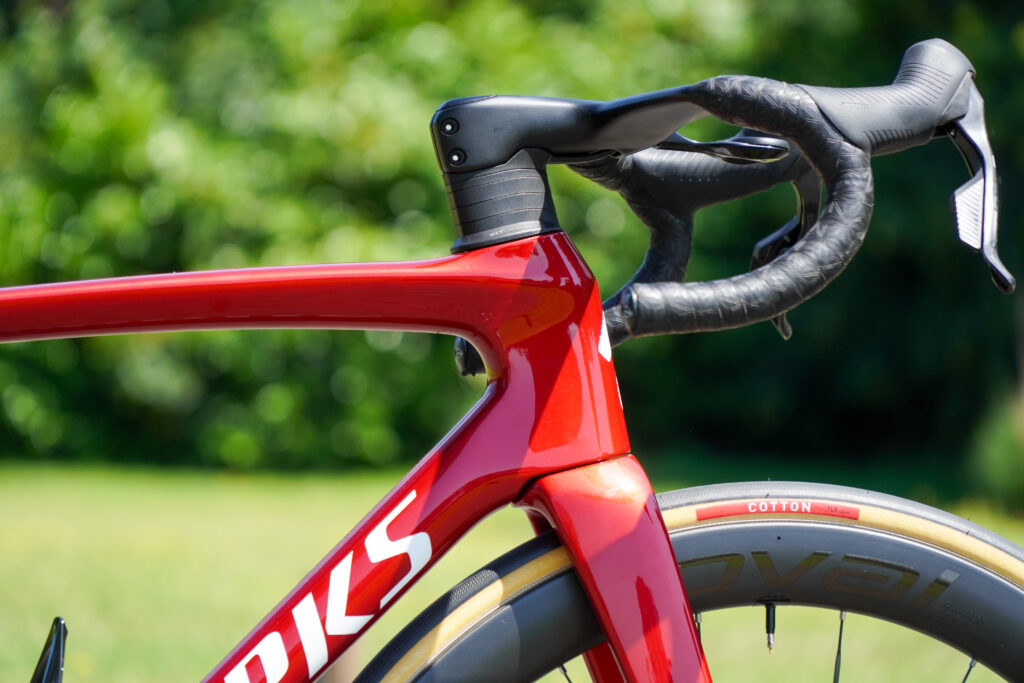
However, Specialized has made one genuinely effective change that should see you better set up for speed out of the box. My 54cm test bike comes with 380x100mm bar/stem dimensions. With the 380mm measurement being taken at the end of the flared drops, the bar measures about 350mm at the hoods.
It’s nice to see that Specialized is moving away from its overly conservative approach to bike fit. With the SL9, Roval is offering more sizes of its Rapide one piece bar and stem. For years, Specialized has stuck with very traditional bar widths and stem lengths, citing its Retul fit data as the reason.
All this stubborn attitude resulted in was any rider with racing intentions having to swap their cockpit at the point of purchase, though the long and narrow options were very limited.
The narrowing of the cockpit size also feels far more comfortable to me and for this alone the change is very welcome. But the Rapide system also provides effective damping on broken roads along with a stable descending position from the flared drops.
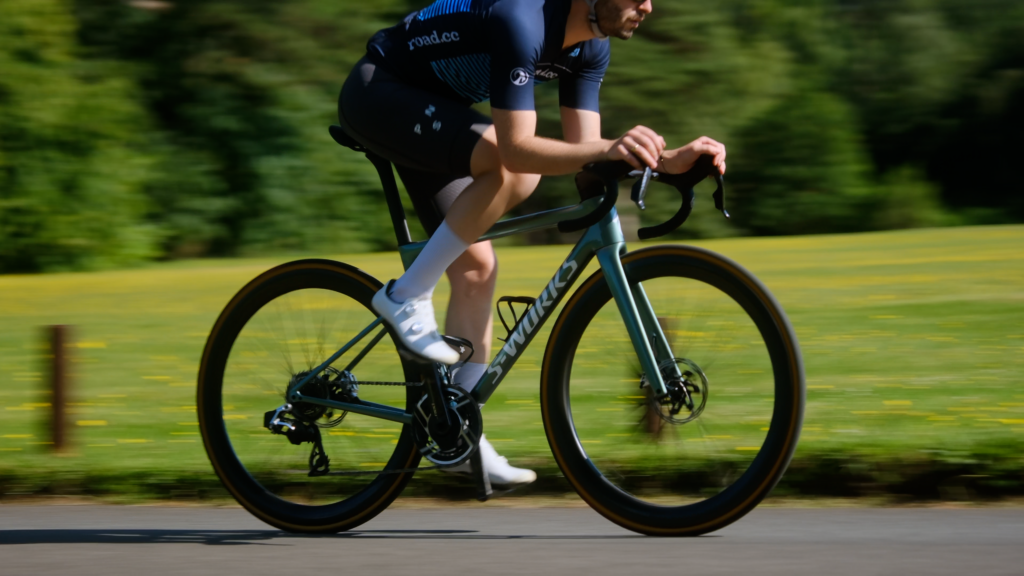
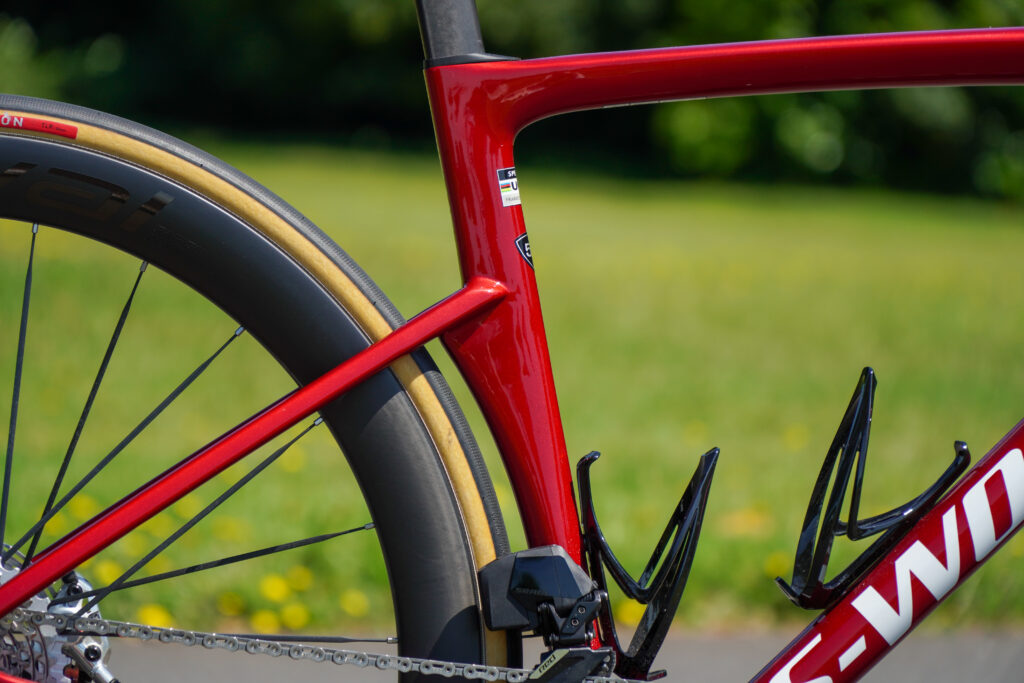
Rear end comfort was one of the Tarmac SL8’s best features and my initial impression is that Specialized has retained this, despite carbon being added to the upper section of the seatpost’s trailing edge.
I’d also point to the Roval Rapide CLX III wheels here. Carbon spokes can often result in a harsh ride, but Roval has managed to avoid too much vertical stiffness, though at a claimed 1,305g, with isn’t the lightest racing wheelset you can buy.
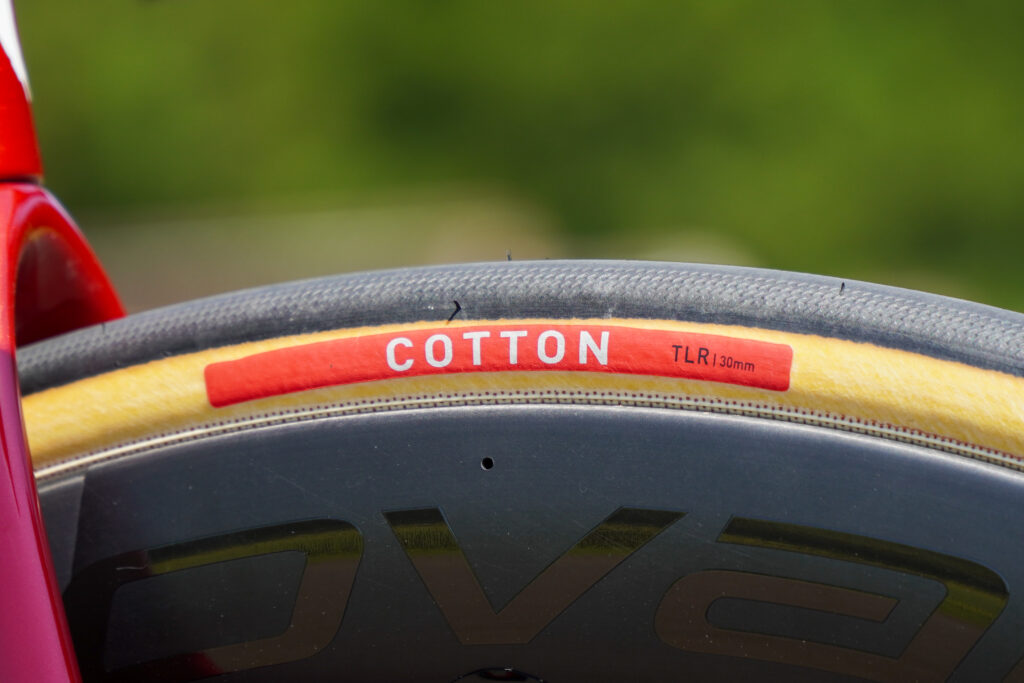
Specialized has also cottoned on to wider tyres, avoiding the strange trap of chasing low weight with 28mm tyres like they did with the Aethos 2, instead fitting a 30mm set of the new Turbo Cotton TLR.
This is quite possibly the first Specialized tyre I have liked since the original clincher-only Turbo Cotton launched in 2014. While I have only ridden this tyre on dry roads, it felt supple, grippy and fast. I’m very keen to get more time on it over the rest of the summer.
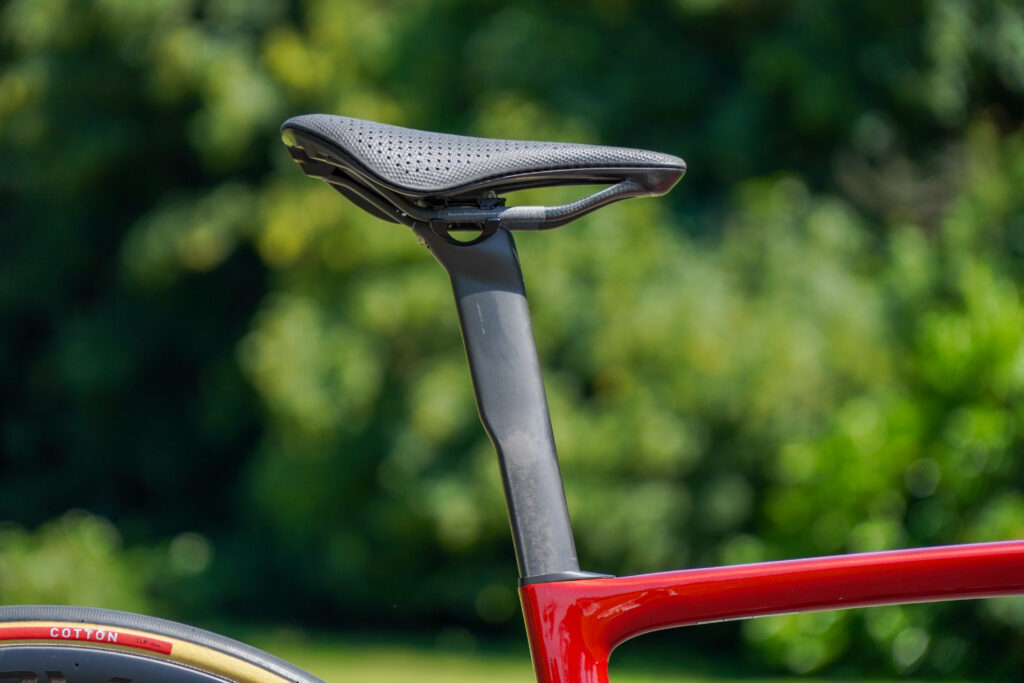
I was less impressed by the 3D printed S-Works Power saddle, though; the shape is simply too wide for my liking.
The SL9’s geometry is almost identical to that of the SL8. The only notable change comes in the 54cm size, where Specialized has increased the fork offset and adjusted the head tube angle to reduce toe overlap.
On the road, the SL9 feels every bit like a Tarmac should. Handling remains sharp and predictable, while the bike retains the balance between stiffness and comfort that has defined recent generations.
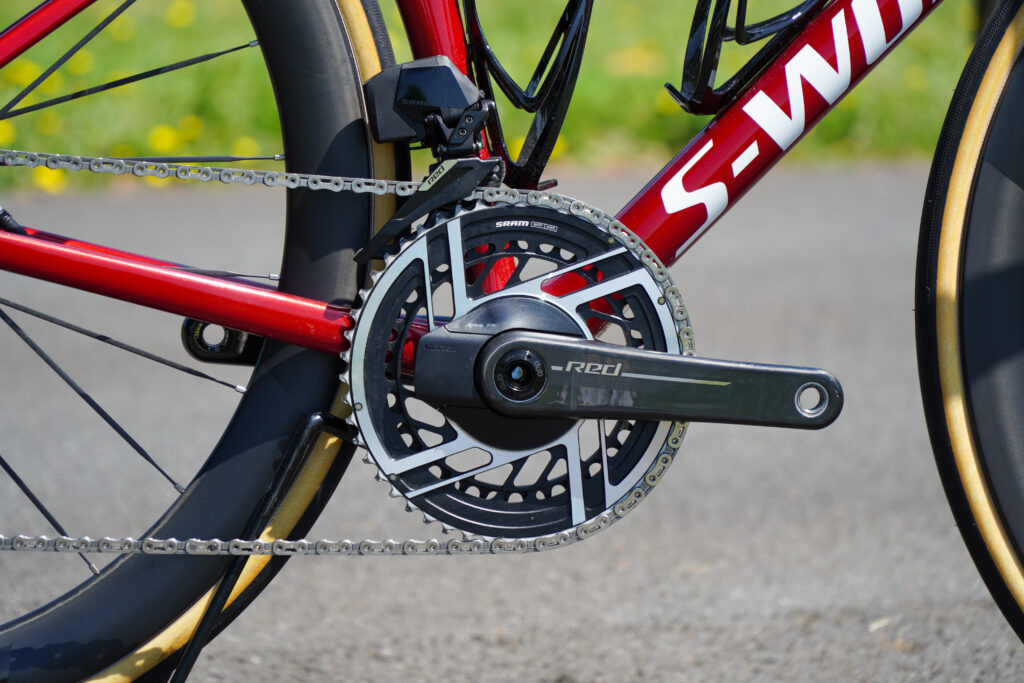
We weighed our size 54cm test bike and, without pedals, it comes in at 6.75kg.
Interestingly, the frame itself is only around 2g heavier than the SL8. Given that Specialized says it has added material around the front end, seat tube and seatpost to achieve its performance goals, that’s a small increase.
Specialized is also claiming complete builds as light as 6.5kg, although those figures rely on the lightest component combinations, including the Alpinist wheels and cockpit.
Is the Tarmac SL9 better than the SL8?
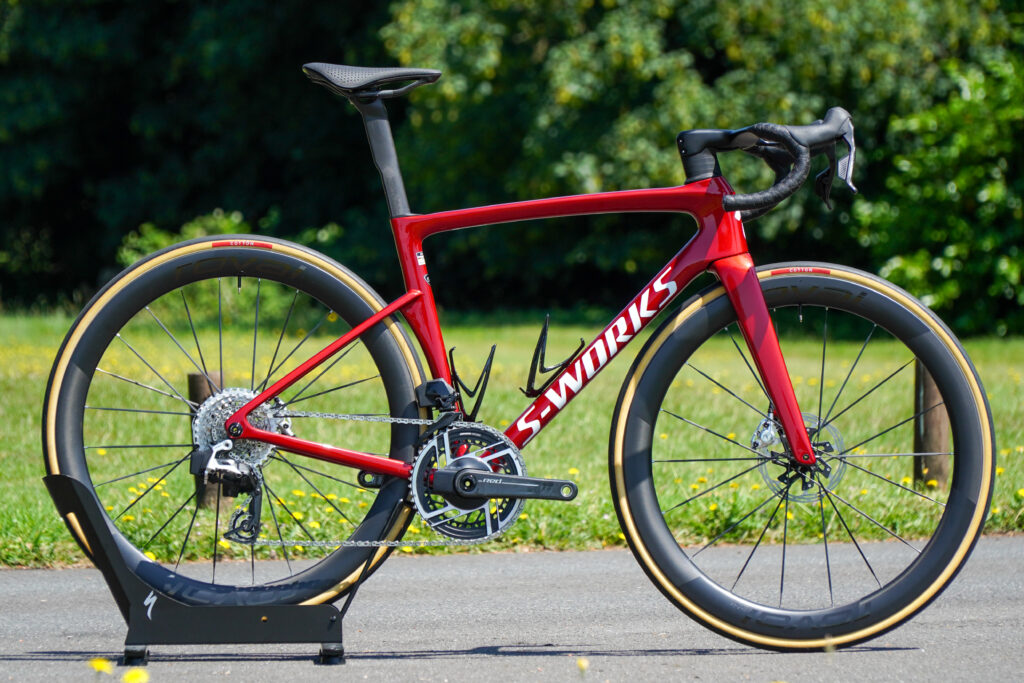
This is the big question. Having spent time riding both bikes, my honest impression is that there is very little between them on the road.
When the Tarmac moved from the SL7 to the SL8, the increase in comfort was immediately noticeable. That was a change you could genuinely feel. The difference between the SL8 and SL9 is much harder to detect.
Aesthetically, I prefer the SL9 by quite a margin. The updated frame design looks cleaner and more purposeful, and that’s a significant part of its appeal for me. In truth, the styling was one of the few aspects of the SL8 that never completely won me over.
As for outright ride quality, however, the two bikes are remarkably close.
Pricing
If you’re on the fence about upgrading to one of these bikes, then the price might sway you.
The flagship S-Works Tarmac SL9 starts at £11,999, while equivalent US pricing is $14,000 with SRAM Red AXS and $13,500 with Shimano Dura-Ace Di2. That’s around £500 more than the outgoing S-Works SL8.
The challenge is that heavily discounted SL8 models are now available for under £10,000. Given how similar the two bikes feel on the road, that makes the older bike an extremely compelling proposition.
The SL9 may be the latest and most advanced Tarmac yet, but if you’re spending your own money and can still find an SL8 at a substantial discount, that’s where the sensible choice lies. At current prices, the SL8 remains one of the best performance-bike bargains around.