



A month after Shimano’s surprise refresh of its Tiagra 11-speed groupset, the brand has now expanded its CUES range with new 2×11-speed road and all-road components. The update introduces a new rear derailleur alongside the same 11–36T cassette recently seen in Tiagra, with a key shift to Hyperglide technology, signalling a move towards lighter, more performance-focused riding within the CUES platform.
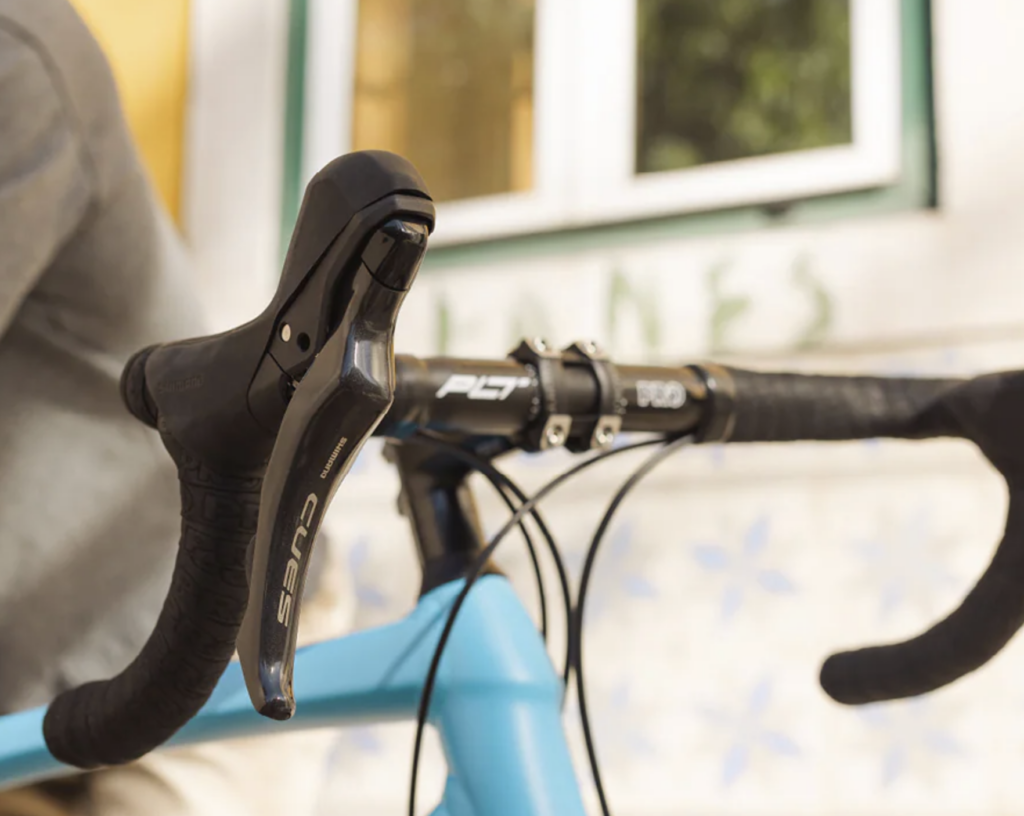
CUES is already incredibly diverse, covering flat bar and drop bar systems, mechanical shifting and Di2, 9-11-speed drivetrains, and now Shimano has expanded the range further delivering “lighter performance, wider tyre compatibility, and ergonomic shifting for road, all-road, and gravel riders” with new 2×11-speed components.
Shimano has given us the key features (in Shimano’s own words):
- Lightweight 2×11-speed drivetrain option within the CUES platform
- HYPERGLIDE shifting performance for fast, precise gear changes
- Approximately 200g lighter cassette compared to reference equivalents
- 100g lighter, compact rear derailleur optimised for road and all-road bikes
- Wider tyre compatibility through a modern chainline and frame fit targets
- Designed to deliver high quality and durability in the low- to mid-price segment
Shimano says “CUES U6040 2×11-speed sits between Shimano Tiagra R4000 and Shimano CUES U6030, offering an all-road 2×11 mechanical experience at a more accessible level”.
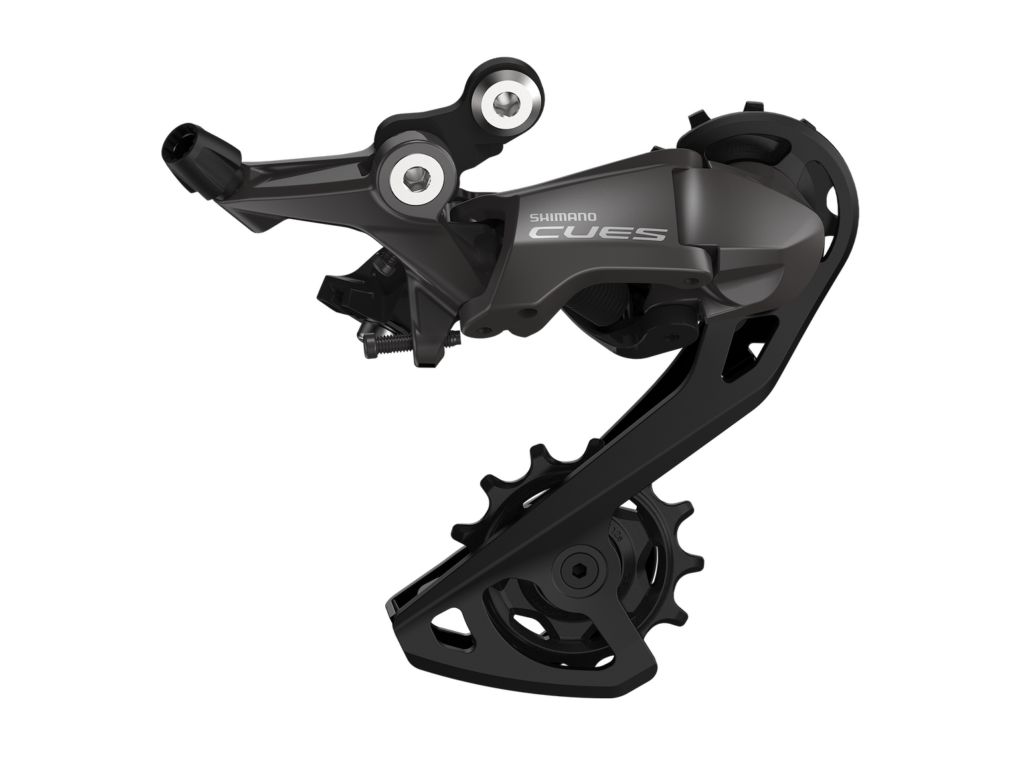
The new component here is the RD-U6030 rear derailleur (£69.99) described by Shimano as a “compact, road-optimised 2×11-speed rear derailleur designed specifically for CUES”, that’s designed to integrate with Shimano’s existing CUES 2×11-speed U6030 ecosystem.
It claims a 100g weight reduction compared to standard CUES models, aiming to provide “lighter, sleeker performance for road, all-road, and gravel bikes.”
It is paired with the CS-RS400-11 11–36T cassette (£64.99), which was recently launched as part of the updated Tiagra R4000 11-speed groupset. The cassette offers a 327% gear range, providing a broad spread of gears suitable for everything from fast road riding to steep climbs, according to Shimano.
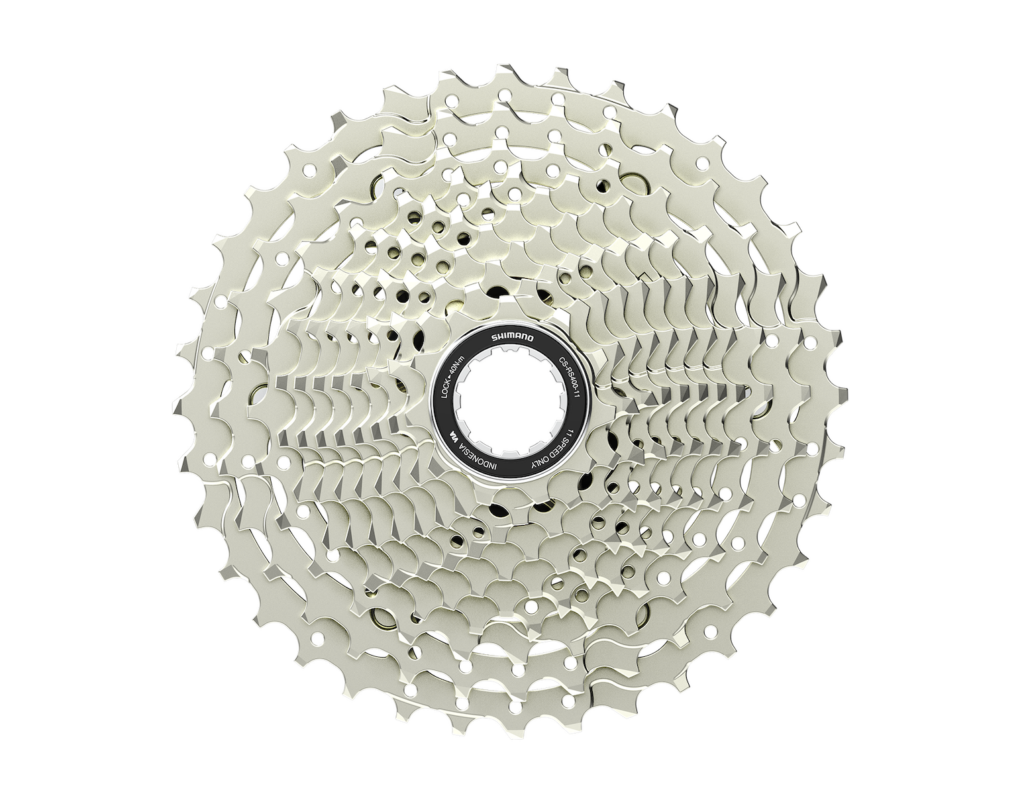
Importantly, this marks the introduction of Shimano’s Hyperglide technology to the CUES range. Previously, CUES components used Linkglide, a system designed primarily for durability and longevity rather than outright performance.
Now, there has been a focus on bringing the weight down, with the cassette claiming to be around 200g lighter than comparable Linkglide cassettes.
So… what’s the difference between CUES 2×11 and Tiagra 2×11?
Previously, Shimano appeared to position Tiagra as a sport-focused road groupset, sitting below 105 at a more affordable price point, while CUES was aimed more towards durability, utility and recreational riding.
However, that distinction is becoming less clear. While Tiagra has recently been refreshed for 11-speed use, including the same CS-RS400 11–36T cassette, Shimano has now also introduced lighter-weight 2×11 components under the CUES name, blurring the line between the two ranges.
> Is Shimano’s surprise Tiagra revamp an admission that its CUES project has failed?
Shimano now states that the latest CUES U6040 components “[enables] the development of lightweight 2×11-speed road and all-road bikes previously unattainable on the CUES platform”, suggesting CUES is now also moving further into the performance road space traditionally associated with Tiagra.
We asked Shimano for comment and this is the response we got back:
“Tiagra is intended for a more traditional pure road bike, and CUES has more gravel-oriented specifications. They share many similar components, but there are some key differences that make them better suited for road or gravel use.
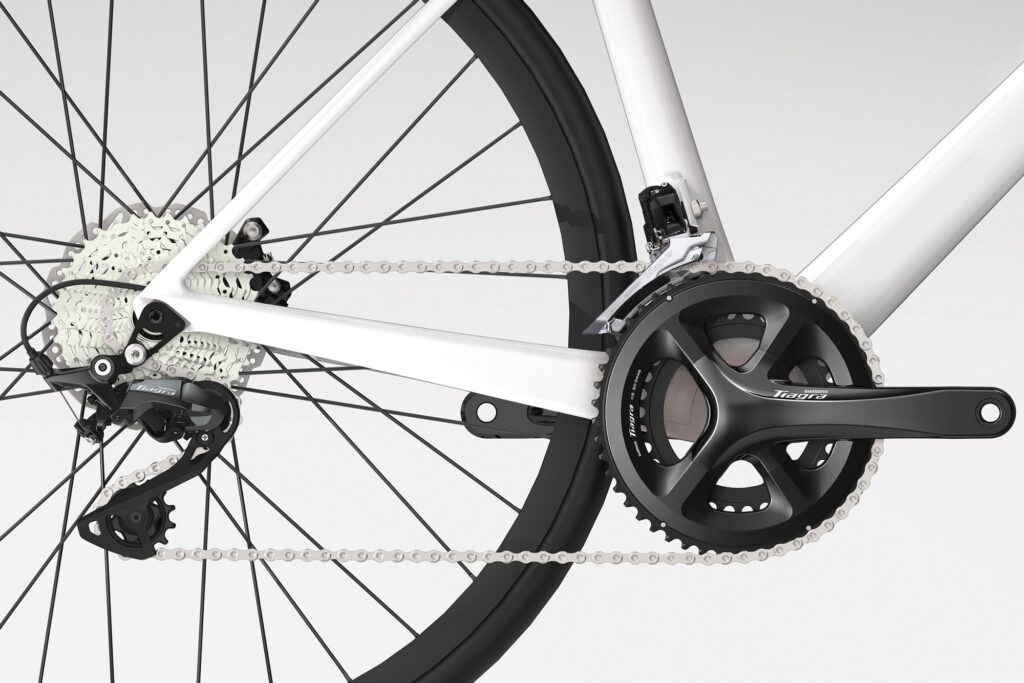
The Tiagra crankset features a classic road design, offering 52-36 and 50-34 chainring options, a narrower chainline, a Q-factor of 150mm, and compatibility with existing road frames that have a chainstay length of 410mm or more.
CUES (with the existing FC-U6040) uses the same chainline as GRX, which is 2.5 mm wider. This means you need a different front derailleur, but it allows for wider tires, making it suitable for gravel or all-road riding. The available chainrings are smaller and better suited for gravel or lifestyle bikes, with options of 50×34 or 46×32. Additionally, it results in a slightly wider Q-factor of 152 mm (compared to 150 mm for TIAGRA), and it can fit chainstays that are 415 mm or longer.”
Would you be tempted to move to CUES thanks to these new lighter components? Let us know in the comments as always.










3 thoughts on “Shimano expands CUES 11-speed range with lighter cassette and rear derailleur – but how does it fit with the new Tiagra groupset?”
Great! It looks like all the “road oriented” CS-R7000 cassettes can now be combined with these new Tiagra and CUES derailleurs.
What this is is a clusterfuck . Cues used to be an entire separate category of gear systems when it always meant a symbiosis with Linkglide – you want something emphasizing durability? Check Cues. Now Shimano is introducing this shit show and I’m sure it’s only started. “No no, it’s ot GRX even if it’s gravel. No no, it’s not Tiagra or Sora even if it leisure road. No no it’s not Linkglide compatible even if all other Cues are.” Good luck bike shops and your mechanics.
In fact it has always been BS.
LG cassettes have always been compatible with HG chains. The only source of actual non-compatibility was a different pull ratio, which – ironically enough – was not an technology-driven issue but a deliberate business decision.
We should’ve got used to this kind of BS from Shimano, it’s their trademark.