



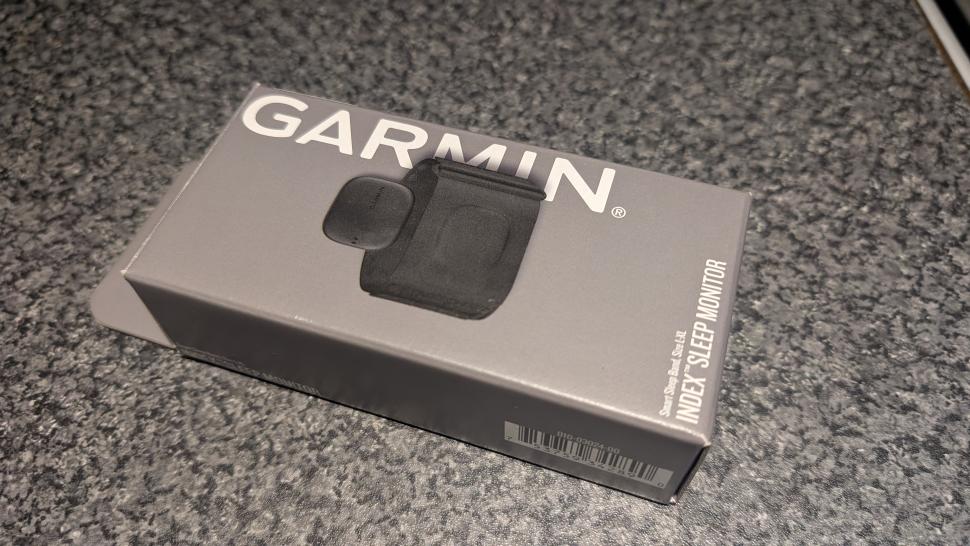
Unless you are a Garmin user, the Garmin Index Sleep Monitor will be of little use to you, but if you are already in invested in their hardware and like to delve into the huge array of body metrics and data on offer then it will make a lot of sense – especially if you don’t want to wear your watch 24/7.
So, what exactly is it?
The Index Sleep Monitor does what its name suggests: it monitors your sleep. In fact it does it in pretty much exactly the same way as your watch does, but without the possibility of skin irritation around your wrist from wearing your watch day-in, day-out for months on end. If you can’t sleep while wearing a watch, then you’ll find this strap much more comfortable too.
I’ve been a Garmin user for years, since buying one of their first GPS cycling computers back in around 2006 (the Edge 205, I think it was) and I wear either my Epix Gen 2 (like the one Matt reviewed here) or Fenix 6 Pro constantly. It’s only in the last year or so that I started wearing them all the time though, so that I can gather as much data as possible about where I am in terms of fitness and training.
The initial problem though was that my skin would get irritated under the watch strap, so I’d have to go a couple of days without wearing anything to allow things to breathe a bit. I tried wearing the watch on my other wrist but couldn’t get over the weirdness.
When I saw that Garmin had launched this Sleep Monitor, I had to get one in to give it a try, and it has been a real game-changer for me.
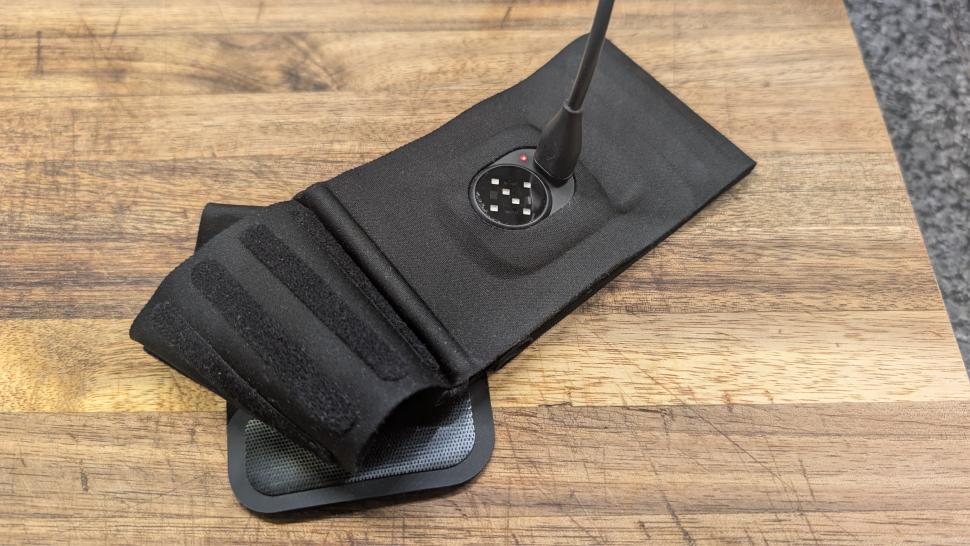
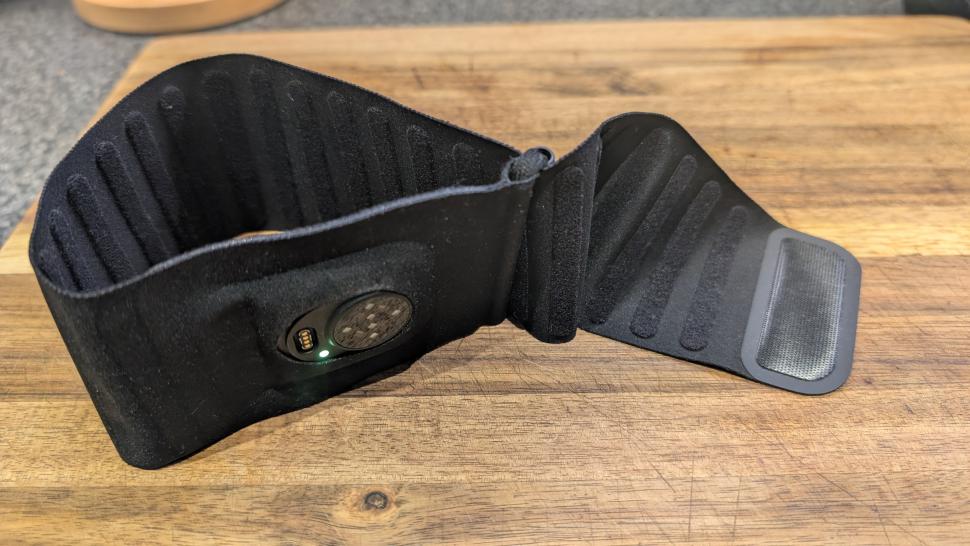
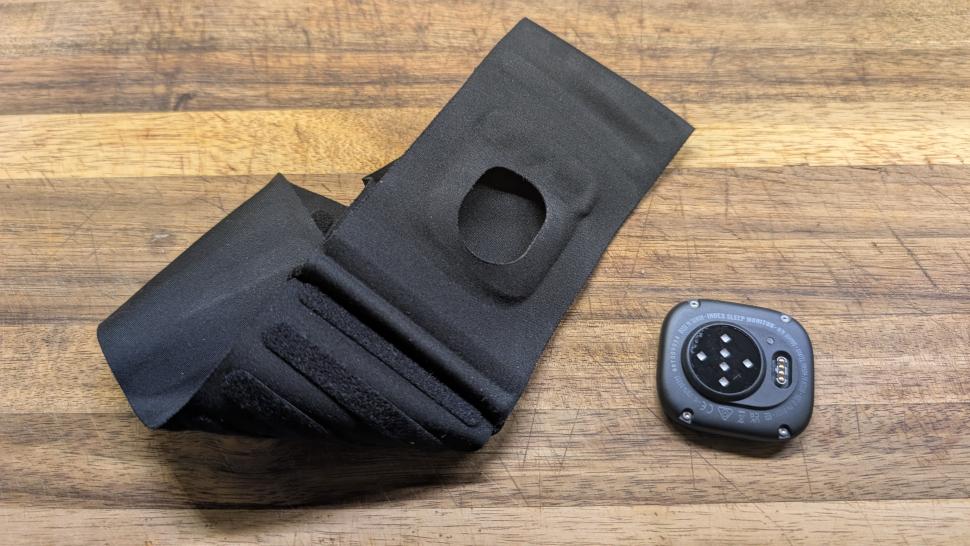
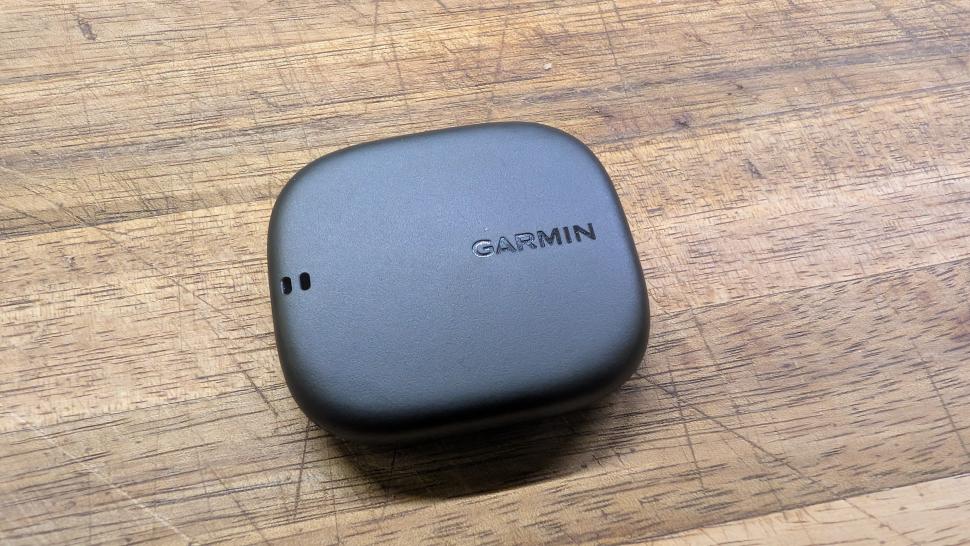
The product comprises the device itself, a small pod which looks pretty much the same as the back of your Garmin watch with its optical heart-rate sensor thingy and charging port; an adjustable arm strap; and a charge cable. Garmin has stuck with its own charging port rather than go with USB-C, which is a shame. It’s not a dealbreaker, but if it were USB-C I could continue to use the same cable I do to charge my other devices upstairs.
Connectivity is taken care of via Bluetooth 5.0 and it’s compatible with both Android and iOS devices.
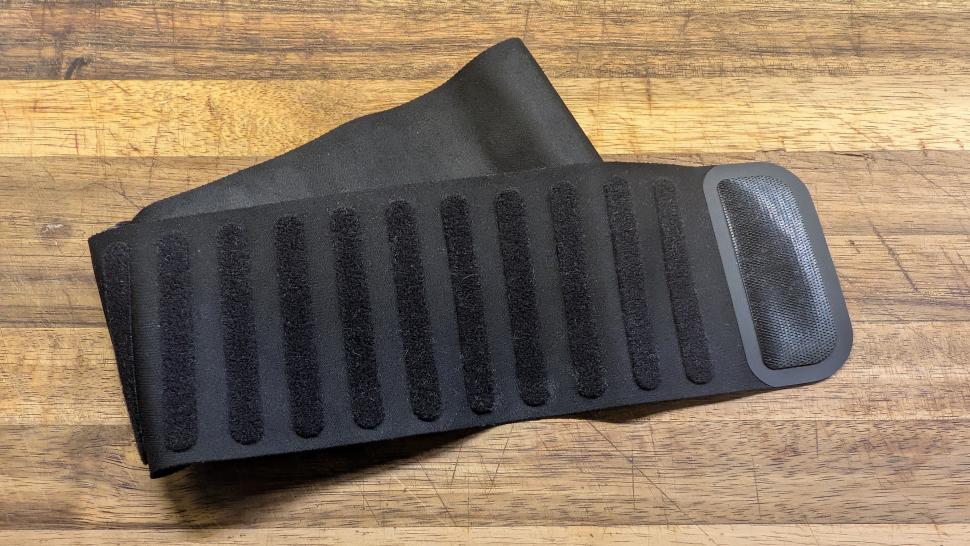
The strap is made from a thin spandex material which is stretchy and soft against the skin, while the wide band, which goes round your upper arm, avoids any pressure points while you sleep. It’s available in two sizes and both have plenty of adjustability, so getting a comfortable fit is easy.
As far as the data collection goes, it does much the same as the high-end watches with the sensor gathering data for the following metrics:
- Sleep total time and composition
- Blood oxygen (Pulse Ox)
- Skin temperature
- Heart rate
- Heart rate variability (HRV)
- Skin temperature
If you don’t wear your Garmin watch 24 hours a day, you never get the full picture of where you are. Things like your Body Battery can’t be fully updated in Garmin’s Connect app and your average resting heart rate won’t be complete.
This monitor syncs all of the data to the Connect app on your phone as soon as it recognises that you have removed the strap from your arm. You’ll get a full breakdown of your sleep, including phases of Deep, REM, Light and Awake, and it’ll also give you a grade and score. (As I only sleep around 5-6 hours a night, mine is generally ‘Fair’, followed by a message telling me that I need more sleep, but I’ve heard there is a score of Good – and even Excellent.)
Other things the app can update based on data from the Sleep Monitor include your Training Readiness score, Training Status, Recovery Time and Sleep Coach advice, and you also get a morning report giving you advice for your day.
If you are following a Garmin training plan, all this data helps the AI to be more precise for your next session in terms of effort/distance/time etc.
You can also use the Monitor for wake alarms. It wakes you by vibrating against your arm either at the exact time you asked it to, or within a time range depending on your sleep quality if you use the ‘smart’ option.
Battery life is a claimed seven nights, but I regularly achieved more than that with around ten days between charges. As I said though, I don’t sleep that much, so it doesn’t get loads of use per night.
The pod is removable so that you can wash the strap when it needs a freshen up.
Price-wise the Index Sleep Monitor costs £149.99, which when you consider that for just £30 more, Garmin’s entry level running watch, the Forerunner 55, offers sleep monitoring and all of the other recording capabilities – plus GPS connectivity – seems a little steep.
If you want to record your metrics 24/7, there are other options out there like the Whoop 5.0 reviewed by Liam back in September. The unit itself is free with the basic One subscription, which costs £169 per year and is also included with the £229 per year Peak plan.
You can use the Garmin without any subscription, but you can also get a Connect+ one if you want even more insights into your data for £6.99 a month.
Conclusion
In the grand scheme of things, the Garmin Index Sleep Monitor is pricey for what it does – but I wouldn’t be without it. As soon as it goes back to Garmin, I will be purchasing a replacement as being able to record so much data without it affecting my sleep comfort is for me worth the cost. It is also well made, and offers great battery life.
Verdict
Niche, and pricey, but worth it if you are already a Garmin watch user
All the deals displayed on our review pages are pulled from a constantly updating database feed of the best affiliate deals available. The criteria for deciding on what are the best deals is who is offering the lowest, delivered price. In most cases we will be showing the very best deal available online, but sometimes you may be able to find an item cheaper. If you can please feel free to post a link in the comments box below. To find out more about affiliate links on road.cc click here.
road.cc test report
Make and model: Garmin Index Sleep Monitor
Size tested: One
Tell us what the product is for and who it’s aimed at. What do the manufacturers say about it? How does that compare to your own feelings about it?
Garmin says: “For a more comprehensive view of your fitness and recovery, the Index Sleep Monitor is the lightweight smart band that tracks your sleep while maximising comfort.”
It’s more comfortable than wearing a watch to bed in my opinion.
Tell us some more about the technical aspects of the product?
Strap material: 70% Nylon, 30% Spandex
Battery type: Lithium ion
Battery life: 7 nights with SPO2 during typical usage (8 hours of sleep)
Charging method: Garmin proprietary plug charger
Monitoring:
Resting heart rate
Heart rate
Respiration rate
Body Battery™ Energy Monitor
Sleep
Breathing variations
Women’s health
Past ovulation estimates
Skin temperature
Sensors:
Pulse Ox Blood Oxygen Saturation Monitor
Accelerometer
Tell us how the product performed overall when used for its designed purpose
Over the last three months, it has recorded data with no issues whatsoever.
Tell us what you particularly liked about the product
Comfortable to wear while sleeping.
Tell us what you particularly disliked about the product
USB-C would have been a bonus.
How does the price compare to that of similar products in the market, including ones recently tested on road.cc?
It’s a cheaper alternative to something like Whoop’s 5.0, especially after the first year – although admittedly the Whoop is intended for 24/7 use while the Garmin is generally intended for wearing overnight.
Did you enjoy using the product? Yes.
Would you consider buying the product? Yes.
Would you recommend the product to a friend? Yes.
Use this box to explain your overall score
Quite a niche product, but if you are in the Garmin metaverse then it makes a lot of sense if you don’t like wearing your watch at night.
About the tester
Age: 46 Height: 180cm Weight: 76kg
I usually ride: This month’s test bike My best bike is: B’Twin Ultra CF draped in the latest bling test components
I’ve been riding for: Over 20 years I ride: Every day I would class myself as: Expert
I regularly do the following types of riding: time trialling, commuting, club rides, sportives, fixed/singlespeed,


1 thought on “Garmin Index Sleep Monitor”
I think I’d forget to put my watch back on in the morning (I’d be halfway to work before I realised 😀 )