E-bikes are, for the most part, honestly pretty sizeable. E-cargo bikes and mid-motor step-throughs are especially heavy, but even e-bikes billed as ‘lightweight’ can be surprisingly substantial. The average e-bike is over 20kg and many weigh a fair bit more than that. That’s a lot of bike to lug about – especially if you live up a few flights of stairs or you have to lift your bike onto a rack, or into your car, or onto a train. So why are they so heavy?
The short and simple answer is that an e-bike features more stuff than an unassisted bike. (Excuse us if we’re blinding you with science here.) When you add a motor system to a bike, that’s exactly what you’re doing: adding things.
Most significantly, there’s the motor and the battery, but beyond that there’ll be some kind of sensor to detect what you’re doing; a display or a remote control (or both); and a control system and wiring to tie all those bits together. That’s a lot of bits.
-1024x683.jpg)
On top of that, bike manufacturers will often beef up the frame to cope with the extra weight of the motor, and may also use heavier components in other areas (wheels or suspension, for example) to ensure an already heavier bike remains comfortable and reliable. All of this adds up.
How much weight does a motor system add?
The first thing to note is that mid-motors – those positioned at the bottom bracket, near the pedals – are heavier than hub motors that sit in one of the wheels.
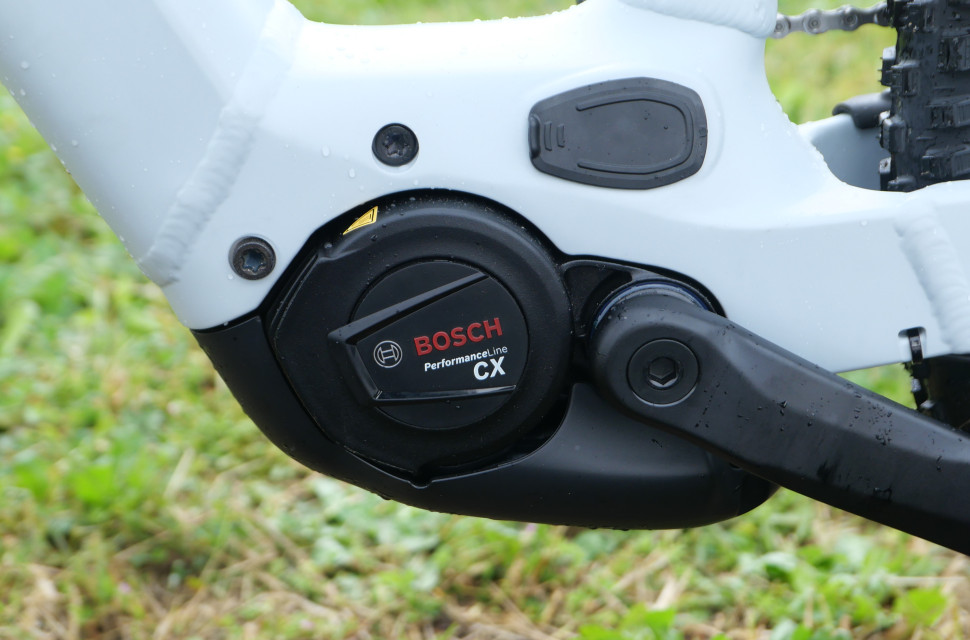
Bosch’s mid-motors weigh 2-4kg and the associated batteries weigh 2-4kg with the remaining bits and bobs typically coming in under 1kg. Bosch’s lightest setup combines the 2kg Performance Line SX motor with a 2.2kg 400Wh battery.
Similarly, Fazua says its Ride 60 mid-drive system comes in at 4.3kg with a 430Wh battery. You can find lighter mid-motor systems, but this will ordinarily be a result of fitting a smaller capacity battery and even then there’s a limit to what can be achieved.
> Lightweight mid-motor shootout: Bosch SX v Fazua Ride 60 v Specialized SL 1.2 v TQ HPR-50
As mentioned, hub motors are usually lighter. Mahle’s X20 system is one that features on a lot of e-road bikes where weight is generally a greater consideration. Billed by the brand as the “lightest premium e-bike system on the market,” it still adds about 3kg to a bike with a 236Wh 1.36kg internal battery.
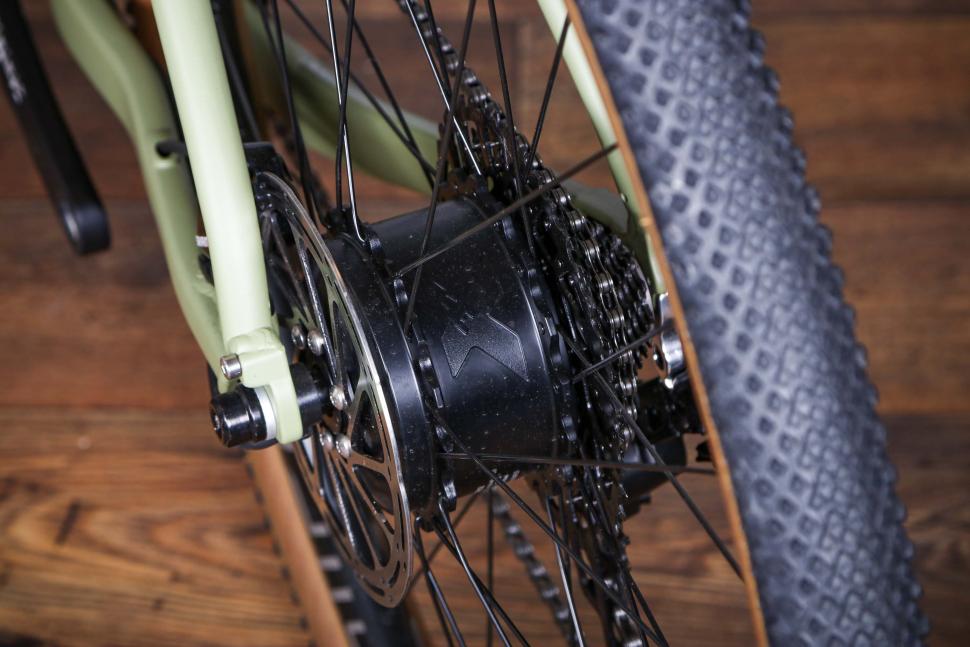
That means it’s possible to put together an e-bike that comes in under 10kg. Possible, but not easy – the €12,600 Ponomarets Eidolon is quite conspicuously listed at 9.9kg, for example.
Mahle also offers a setup that employs an even smaller 170Wh external battery. This brings the total system weight down to 2.5kg, but you aren’t going to get too many miles out of a battery that size. Similarly, one of the lightest e-bikes we know of, the HPS Domestique, uses a battery offering just 85Wh. For context, the largest e-bike battery we’ve encountered is the Engwe LE20’s 922Wh – and it can be fitted with two of them.
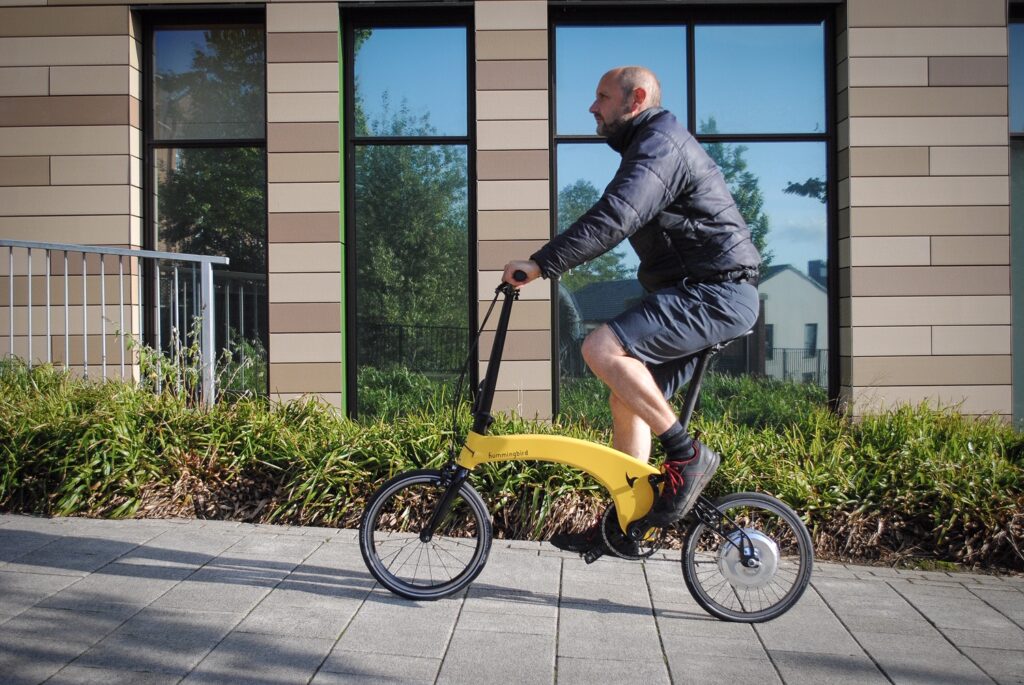
Smaller batteries are also quite common on folding bikes, where low weight is generally a higher priority than range. Among the lightest is the 10.3kg Prodrive Electric (formerly the Hummingbird Electric). A folding mechanism guarantees nothing, however. You can also find folding fat bikes that weigh 30kg or more.
Wouldn’t you be faster if you bought a lighter bike?
In many instances you could be, but the appeal of an e-bike, for many people, isn’t going quickly: it’s getting to where you’re going with the minimum of fuss, or being able to enjoy a ride without being worried about over-stretching yourself.
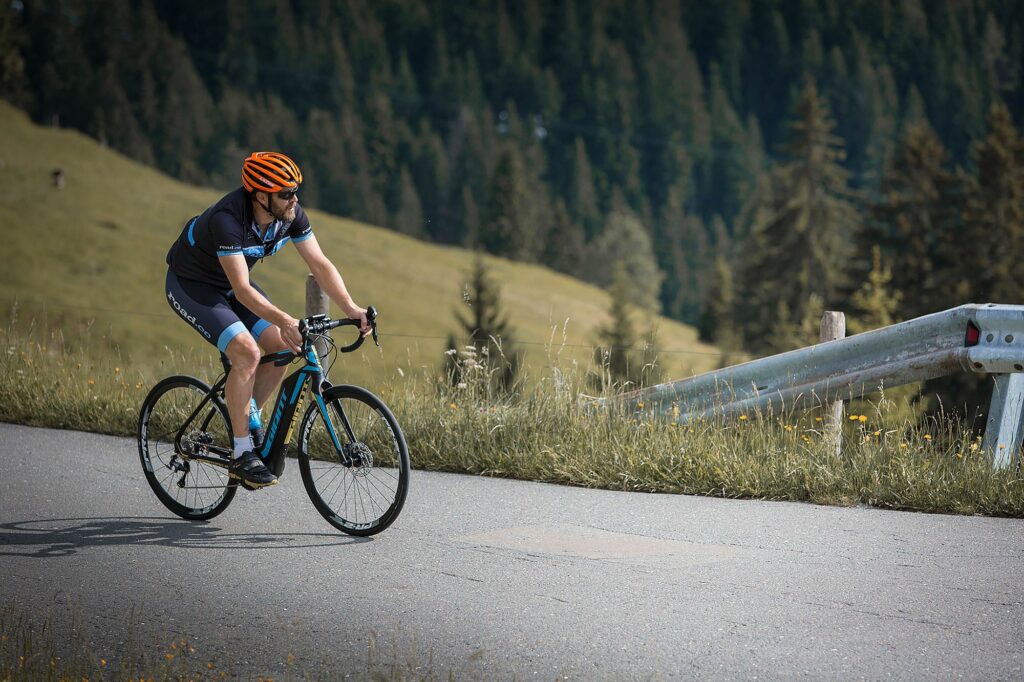
Having said that, if you’ve got any serious climbing to do, there aren’t many circumstances where you wouldn’t be faster on an e-bike. As my colleague Dave commented after riding up the fearsome Kitzbüheler Horn climb twice, first on an e-bike and then on a standard road bike: “I know which I’d choose if I wanted to have an enjoyable day out. The extra power easily overcomes the extra weight.”
And that, really, is a key aspect. Some e-bikes are undeniably cumbersome, but in most situations the benefits of the thing being added outweigh the negatives of the additional weight because the motor makes it all but unnoticeable.
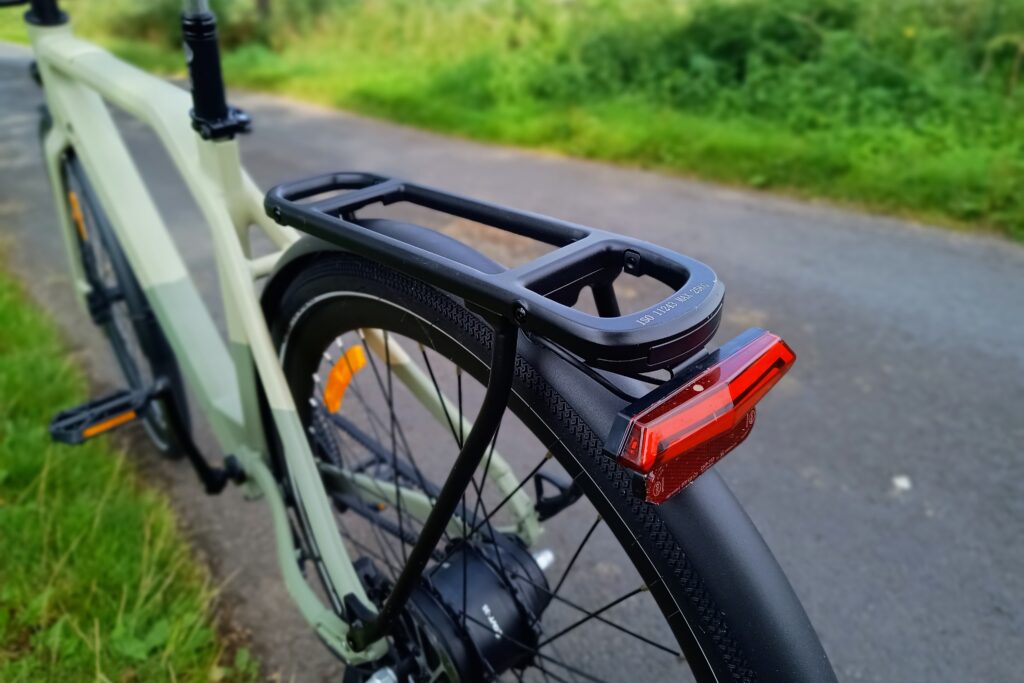
A rack adds weight, but it’s useful. Suspension adds weight, but it makes the ride more comfortable. Wider tyres add weight and also rolling resistance, but your legs won’t really notice because the motor assistance will pick up the slack.
If you don’t ever have to lift your bike up then you’ll likely not notice extra weight on a day-to-day basis, unless you manage to run the battery flat. Pushing an e-bike around isn’t hard work and most come with a walk-assist function to make it even easier.
How light can e-bikes be?
Lightweight e-road bikes are typically built around either the Fazua Evation or Mahle SmartBike systems. A lot of these are in the 11-13kg range.
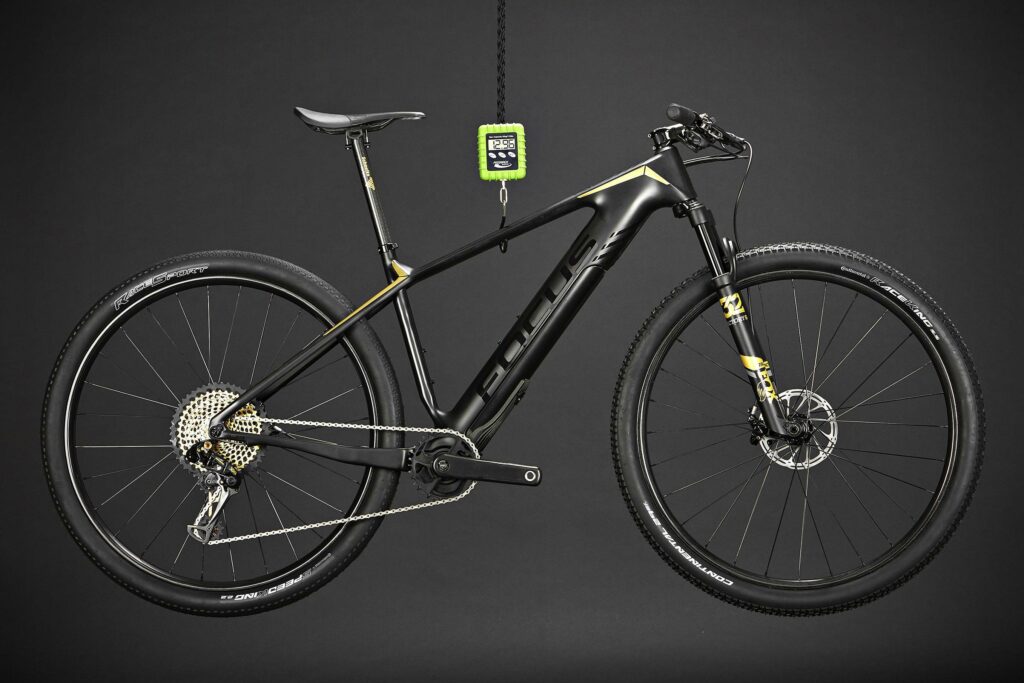
City/hybrid bikes built with these same motors tend to be a little bit heavier. The Ribble CGR E AL weighs about 14kg – and that’s with only a 250Wh battery. The same goes for the Tenways CGO600 (16kg) and the Raleigh Trace (16.5kg).
All of which seems to have encouraged brands to employ ‘lightweight’ labelling rather generously.
Engwe’s N1 Air, for example, has a carbon frame and ‘Air’ in its name, but it still comes in at 18.1kg.
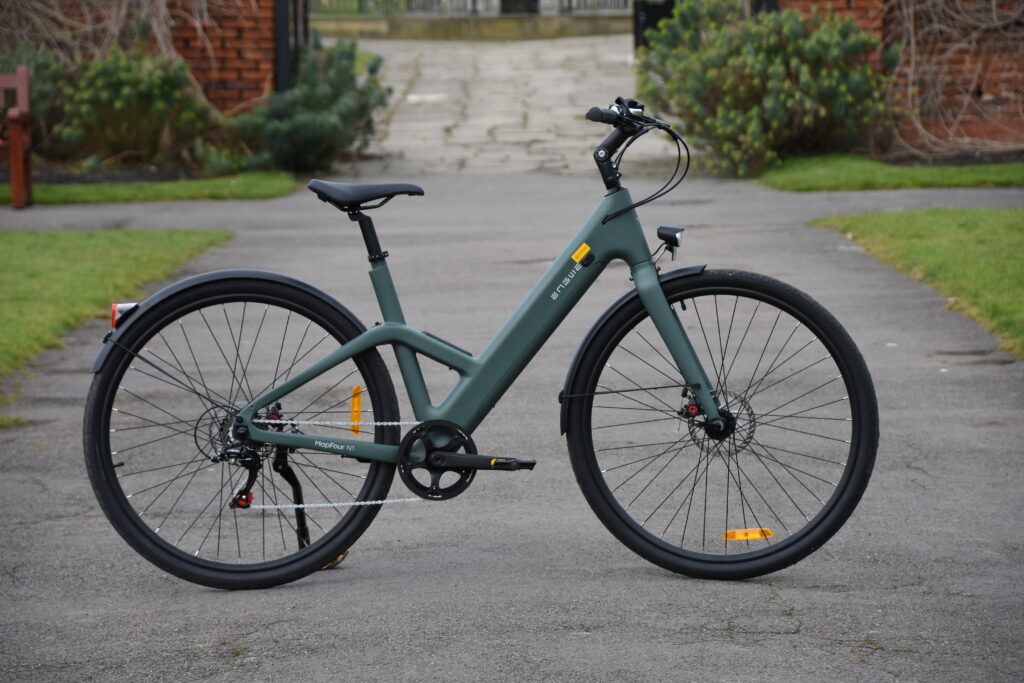
This is actually pretty damn airy compared to similarly named competitors. ADO’s Air 30 Ultra weighs 20kg and its Air One Pro weighs 27kg, while Tenways actually went so far as to use the term ‘featherlight’ when they sent us a press release about the 27kg AGO Air. (A bit silly – but in the world of mid-motor step-throughs, it is actually lighter than average.)
Maybe we’re misreading the meaning of ‘air’ but surely there’s no doubt about ‘superlight’. While the previous incarnation of the Specialized Turbo Vado SL weighed about 17kg, that was with a 320Wh battery and its motor wasn’t the most powerful. We tested the updated Turbo Vado SL 2 4.0 earlier this year and with a beefier motor and a 520Wh battery, it now weighs 21kg.
-1024x768.jpg)
The Turbo Vado SL is a mid-motor e-bike though, so really the labelling is fair. Looking at similar bikes, Trek’s FX+ 7 isn’t much lighter at 19kg and that’s with a 360Wh battery. Scott claims its Silence eRide comes in at 14.5kg, but that requires a 1.2kg carbon fibre frame that contributes to a £6,899 price tag.
In conclusion
E-bikes are heavier. You can’t add motor power and a battery without also adding weight. You are however also adding capability to the bike when you do that.
One of the main reasons unassisted bikes aren’t heavier is because optional elements that would add practicality or comfort are routinely omitted to ensure the bike remains easy to ride. Even something as simple as a set of mudguards adds to the weight of a bike.
However, with motor assistance at your disposal, there’s no need for that extra weight to result in additional physical effort.
It is, however, a trade-off and different setups suit different bikes and different riders. Powerful mid-motors that deliver more torque are heavier. Hidden systems with smaller batteries are lighter. You’ll be far less concerned about weight if you’re after an e-cargo bike and far more concerned if you’re buying a folding bike or e-road bike.
> Lightest electric bikes – featherweight e-bikes for weight weenies