
[Sponsored by Cube, Granite, and Leatt]
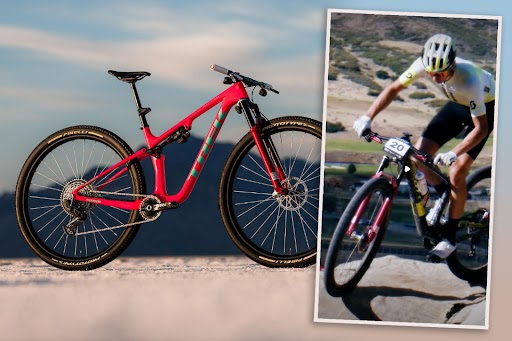
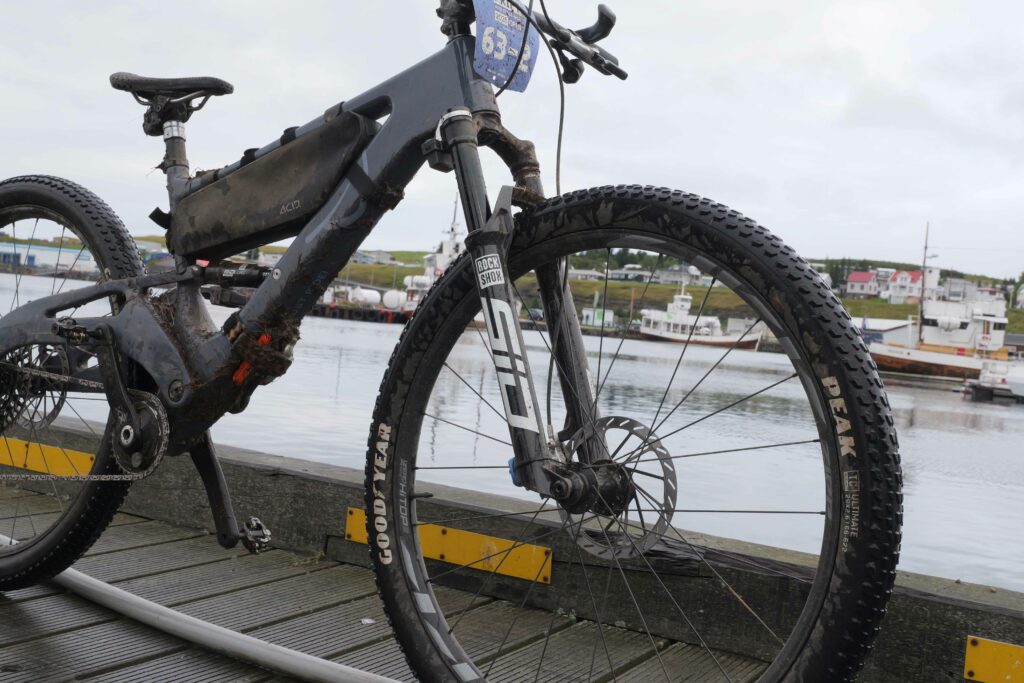
With a history of creating some of the most hairbrained (but actually quite good) leaf-sprung componentry and the Seigla gravel bike, Icelandic brand Lauf has become known for straying from the norm. And that’s exactly the case with its first-ever mountain bike, the Elja. And with the RiftMTB being far from normal, the Elja was a fitting choice for my first-ever marathon race. Let’s take a look at how I set the bike up.
- Can we survive Iceland’s toughest MTB event? Attempting the first-ever Rift MTB stage race
- The bike that helped Ty smash the brutal 300km RiftMTB race — a closer look at the Cube AMS Zero99
- 10 things I learnt while racing my first-ever multi-day stage race
Let’s face it, modern cross-country bikes, and modern mountain bikes in general, are rather complicated things. They’re rammed full of links and pivots all in a bid to strike the balance between efficiency and capability. Now, that’s not to say that Lauf hasn’t aimed to provide both with the Elja, but it has also aimed to bring a no-frills, super-simple bike into a super competitive marketplace. As such, the Elja uses just a single pivot, but in classic Lauf style, it’s different.
That’s because rather than the usual cartridge bearing layout we’re used to see on single pivot bikes, and any suspension mountain bike, in fact, Lauf has chosen to use a DUB bottom bracket. Now, this isn’t anything especially new, as brands have experimented with using bottom brackets for pivots a good while ago, but there are very few, if any, modern XC bikes that have experimented with doing so.
A single pivot bike means flex, right? Well, not exactly for the Elja as Lauf has flexed its leaf spring know-how with its LSP tech, which is designed to absorb any frame bending before it gets to the shock, in a bid to allow the shock to move without binding. The bike then uses large box sections to promote stiffness throughout the frame.
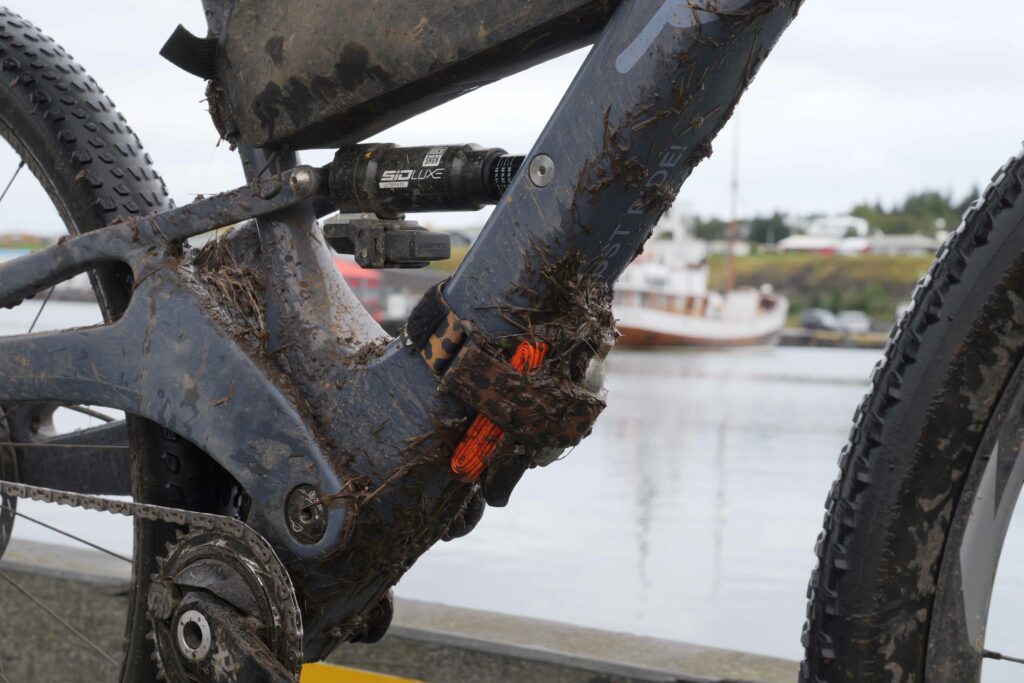
As for the componentry, the Elja is an all-wireless deal, so suspension lockout duties are taken care of thanks to RockShox’s Flight Attendant technology at the SID Ultimate fork and SIDLuxe Ultimate shock. It’s done automatically, too, so during my 20 hours in the saddle, thinking about firming up my suspension was simply done for me.
However, there were a couple of settings I adjusted before the event. I set the Flight Attendant’s bias to +2 towards lockout, to encourage the system to stay locked out for more efficiency unless I was descending, and I set up an override, so I could open up the suspension if I felt it was necessary.
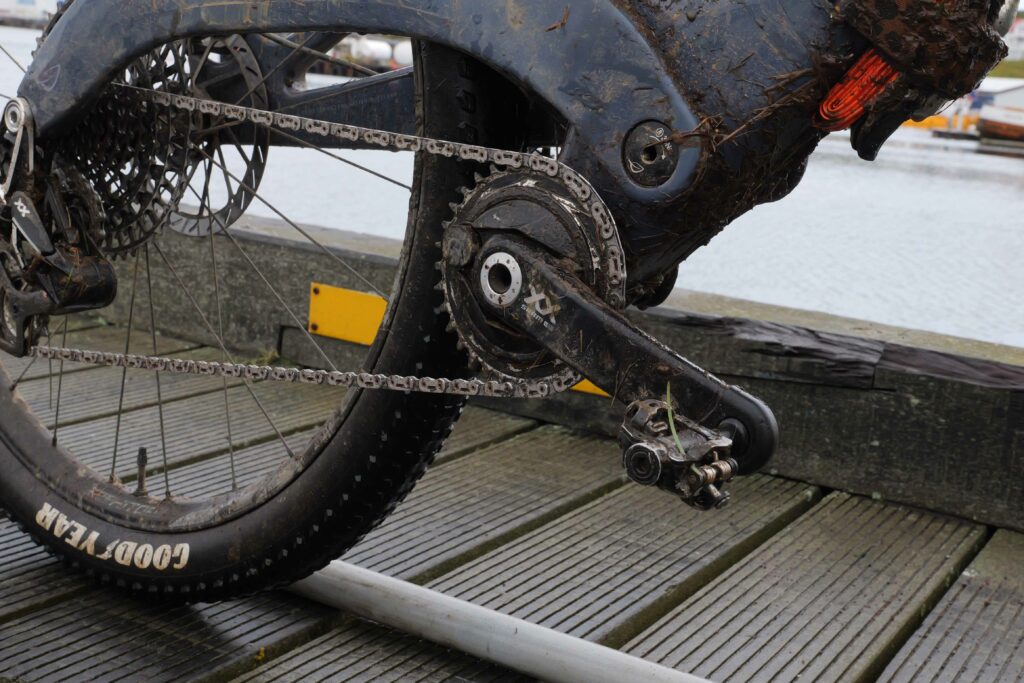
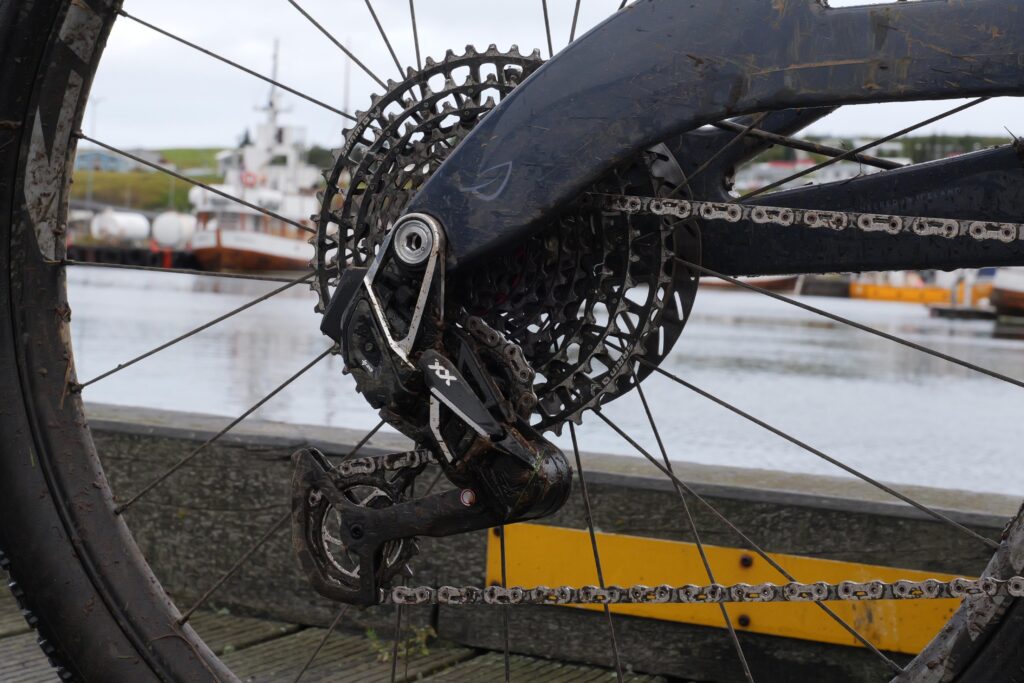
With wireless being the theme of the bike, it was sorted with SRAM’s XX SL AXS T-Type drivetrain and a RockShox Reverb AXS dropper post. That was then paired with a spider-based power meter on the XX crank.
I had the power meter hooked up to a Garmin Edge MTB, which I arranged to show me my heart rate, cadence, power, distance, and ascent. I also had a navigation screen as the course was marked, but only with small markers.
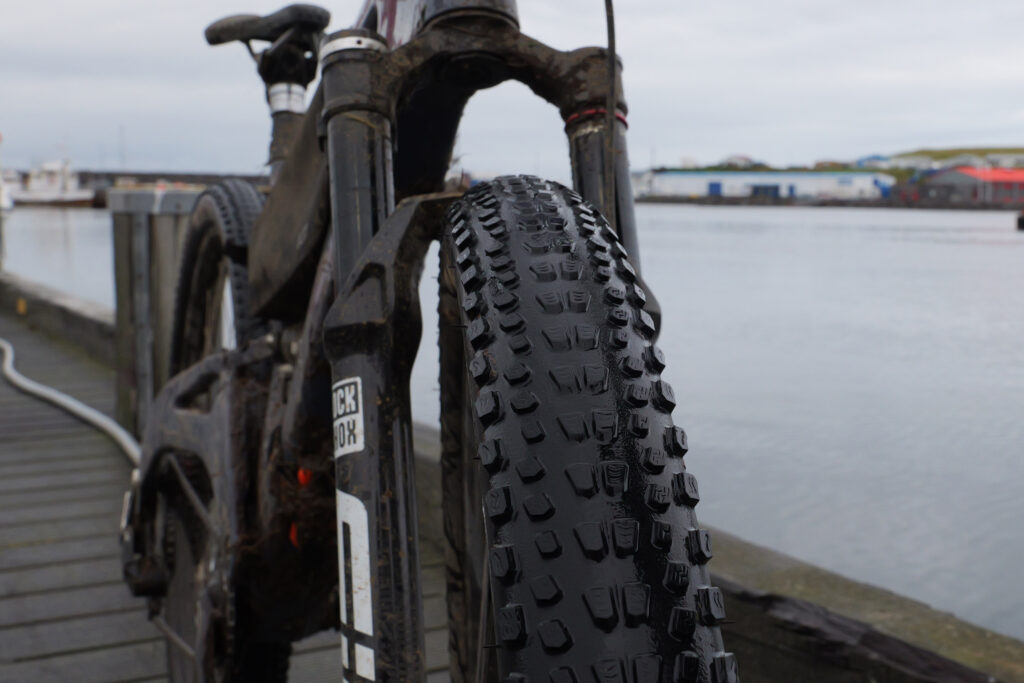
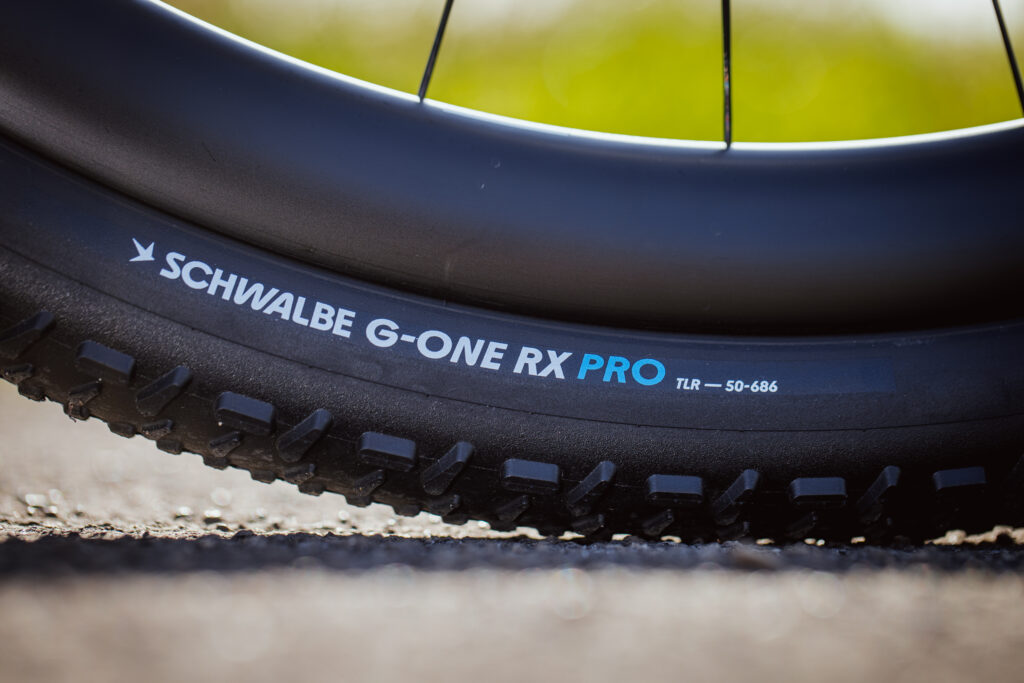
I ran the standard wheels that came with the Elja, so that’s Zipp’s 1Zero hoops with fat 2.6in Goodyear Peak tyres. In the interest of keeping the bike around its 11kg weight, I chose to forgo tyre inserts.
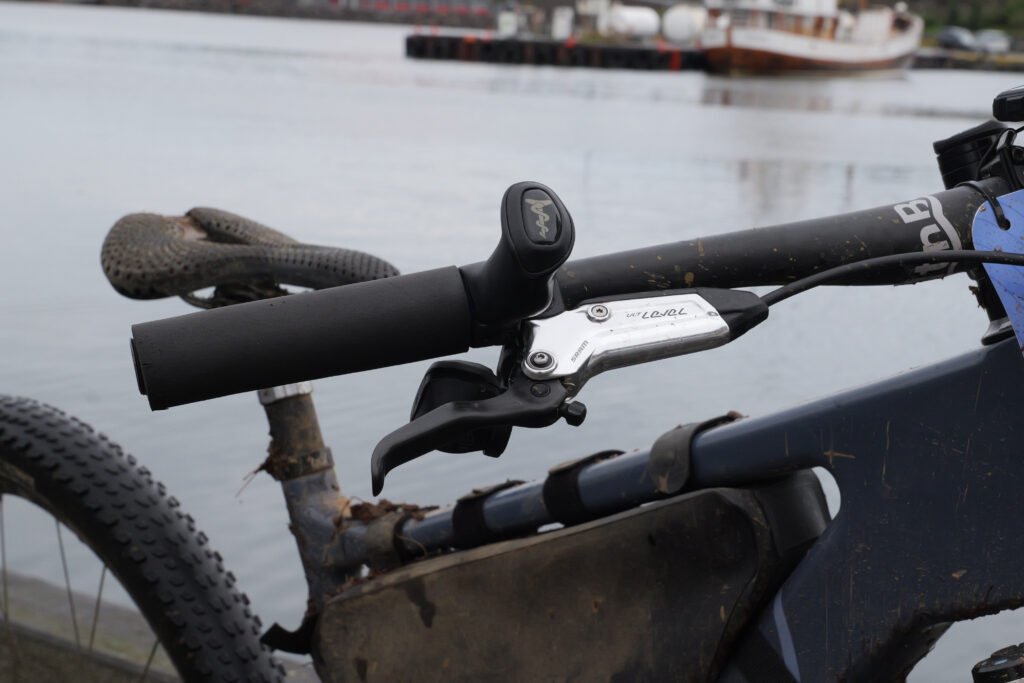
Moving to the cockpit, I kept the carbon Lauf bar but adorned it with some SQlab inner bar ends, which gave me another hand position, which became super useful during the long stints in the saddle. SRAM’s Level Ultimate brakes then got things stopping.
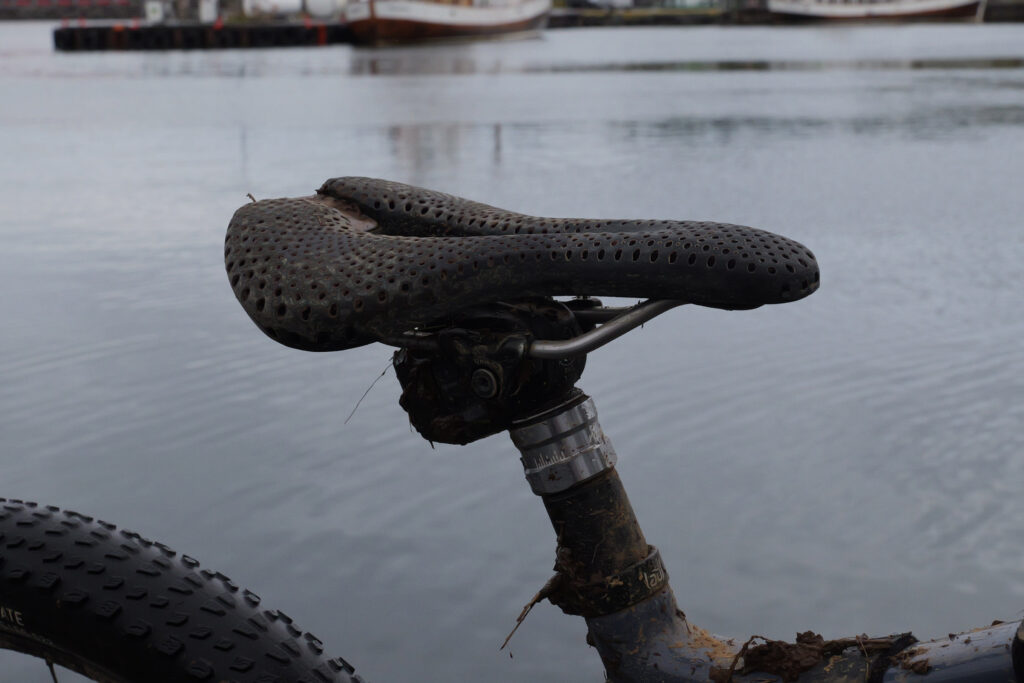
Speaking of the saddle, I’ve had something rather fancy on this bike. It’s Posedla’s Joyseat. It’s a 3D-printed saddle that was custom-made for my anatomy and riding requirements.
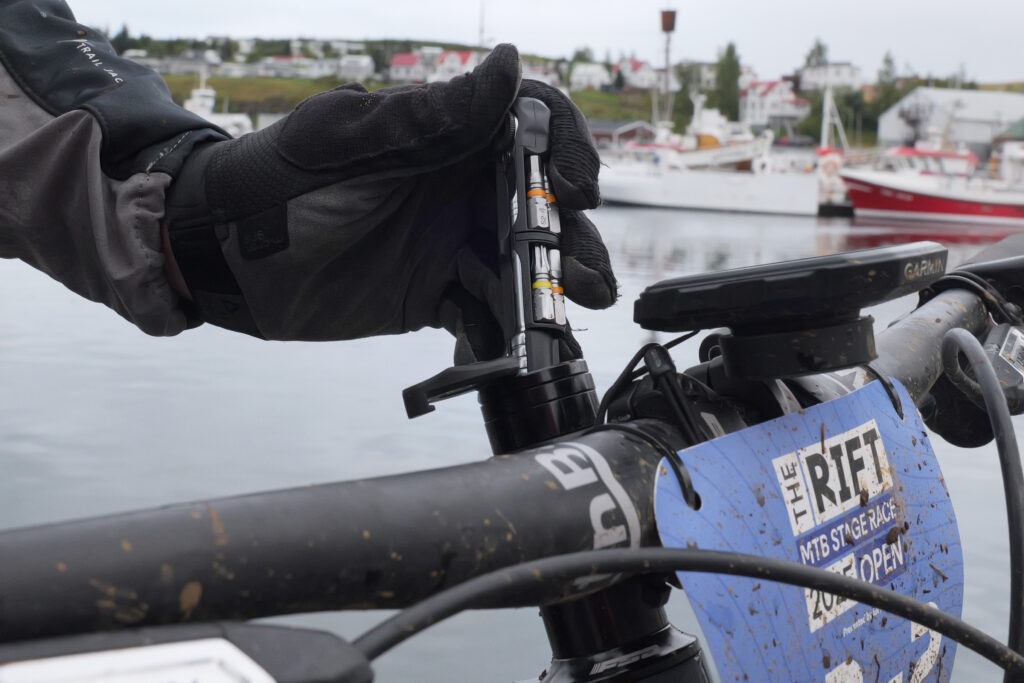
Then we move onto the sponsored kit, and Granite brought the tools to the party. Nope, you won’t see them on the bike from the outside because I ran the brand’s Stash RT, Stash Tubeless Tyre Plug Kit, and Stash Chain Repair Tool. All of this hid within the bike’s steerer tube and handlebar, meaning that I had the essentials at all times, within easy reach. Granite then supplied the lovely leopard print kit strap that I used to carry a spare tube, a CO2 inflator, and Granite’s Talon Tyre Levers.
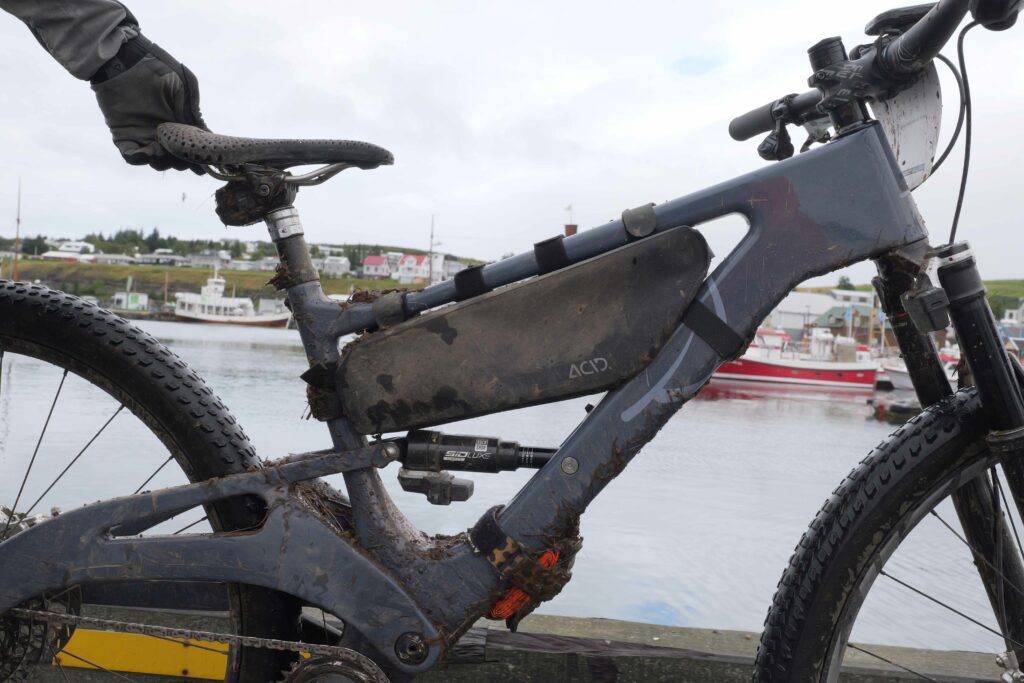
Another sponsor of ours is Cube, and of course, the Lauf isn’t a Cube bike. Instead, I ran a frame bag from Acid, the brand’s bikepacking side-hustle, and used it to carry an outer layer, as Iceland’s weather is super unpredictable, and extra camera batteries.
Leatt then sorted Ty and I out with a tonne of clothing, including bib shorts, outer layers, t-shirts, jerseys, shorts, and protectives. The latter of which might be overkill for marathon XC, but I know that if I’m not wearing knee pads, I’m going to end up hurting myself.